Beyond the Skyline

TUN HIZAMI HASHIM | 5 October 2026

Kuala Lumpur is a city in constant motion. Its skyline continues to evolve, but beneath its modern facade are historic buildings, public spaces and institutions that tell the story of how the capital came to be.

This was the focus of the latest Jelajah Warisan KL, which took members of the media to several historic and iconic locations across the city on Sept 29. The visit was part of the wider Warisan KL national initiative, launched in April 2025 to create greater awareness of Kuala Lumpur’s heritage, and the work being undertaken to conserve, restore and give new life to significant historical places across the city.

The programme brings together stakeholders from the public and private sectors, including Khazanah Nasional Berhad, PNB Merdeka Ventures Sdn Bhd, Creador Foundation, Railway Assets Corporation, KLCC Holdings Berhad and Dewan Bandaraya Kuala Lumpur (DBKL), among others.

For this edition, the media was given an opportunity to experience the programme sites first-hand and hear from the Warisan KL partners involved in their conservation, restoration and redevelopment.

Dato’ Mohamed Nasri Sallehuddin, representing the Warisan KL Joint Secretariat, said the programme was intended to bring the media closer to the stories behind Kuala Lumpur’s heritage places. “Jelajah Warisan KL gives us an opportunity to see how areas and buildings in Kuala Lumpur are being conserved and given new functions. We want to ensure that the history and development of these areas can continue to be shared with the public,” he said.

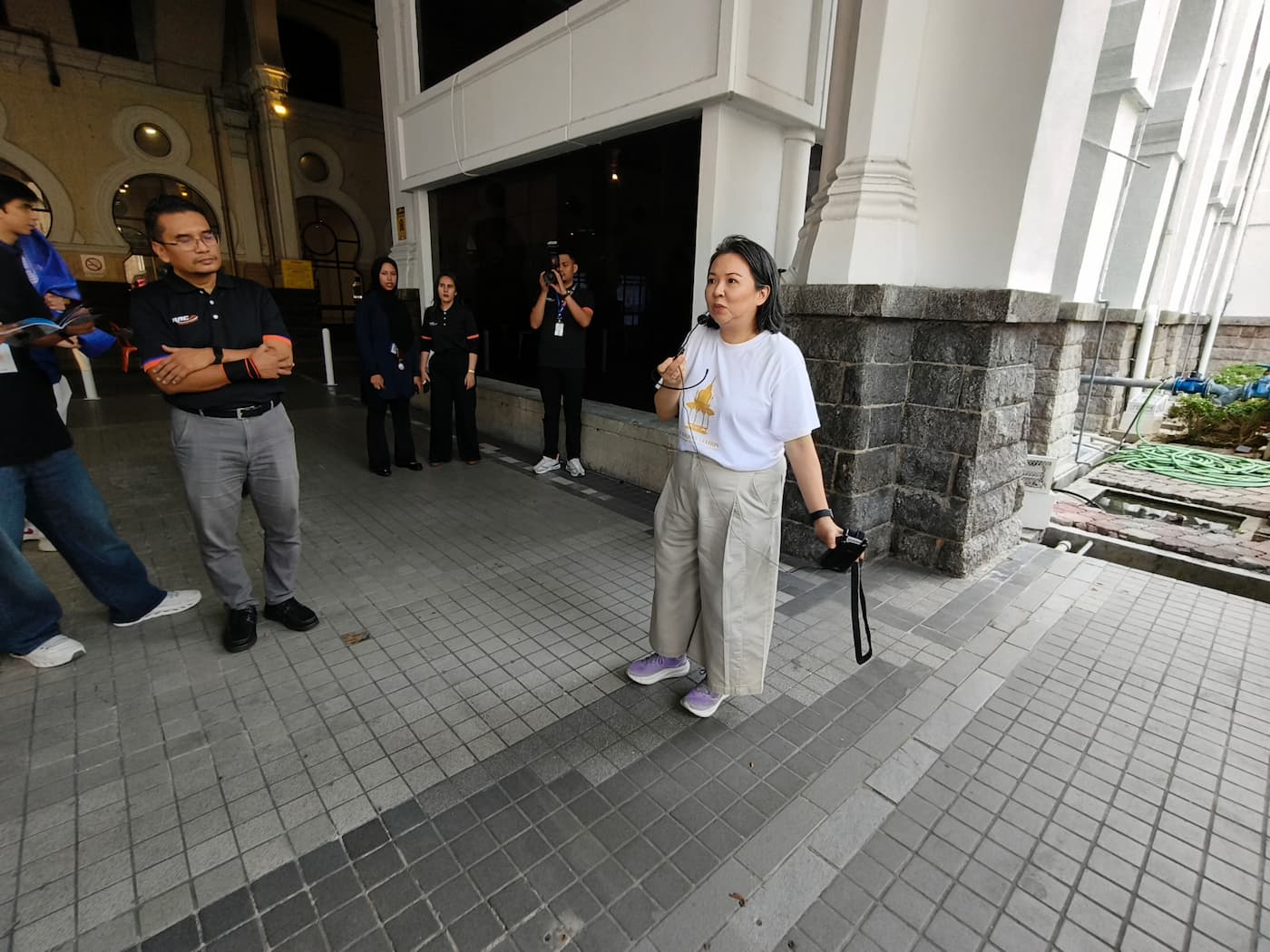
Dato' Mohamed Nasri with members of the media during Jelajah Warisan KL, sharing the bigger story behind the restoration works and the vision for a more vibrant, liveable Kuala Lumpur.


Dato' Nasri said that heritage sites should not exist as isolated landmarks, but should be connected through spaces that encourage people to experience the city on foot. This, he said, is why initiatives such as Jelajah Warisan KL are important, giving members of the media an opportunity to walk through these sites, experience the connections between them and gain a deeper understanding of how heritage, public spaces and the wider city come together.

"The heritage sites need to be connected through safe, accessible and enjoyable public spaces that encourage people to rediscover Kuala Lumpur on foot. When people walk, they experience the city differently – they notice the architecture, the spaces, the stories between destinations and the character that makes Kuala Lumpur unique.

“That is why the journey itself is an important part of the Warisan KL experience. What we hope people will see is that Warisan KL is much more than a restoration initiative. It is about preserving our identity, creating opportunities, strengthening communities and ensuring that the stories connected to these places continue to be shared with future generations. Ultimately, it is about reviving the soul of Kuala Lumpur.”
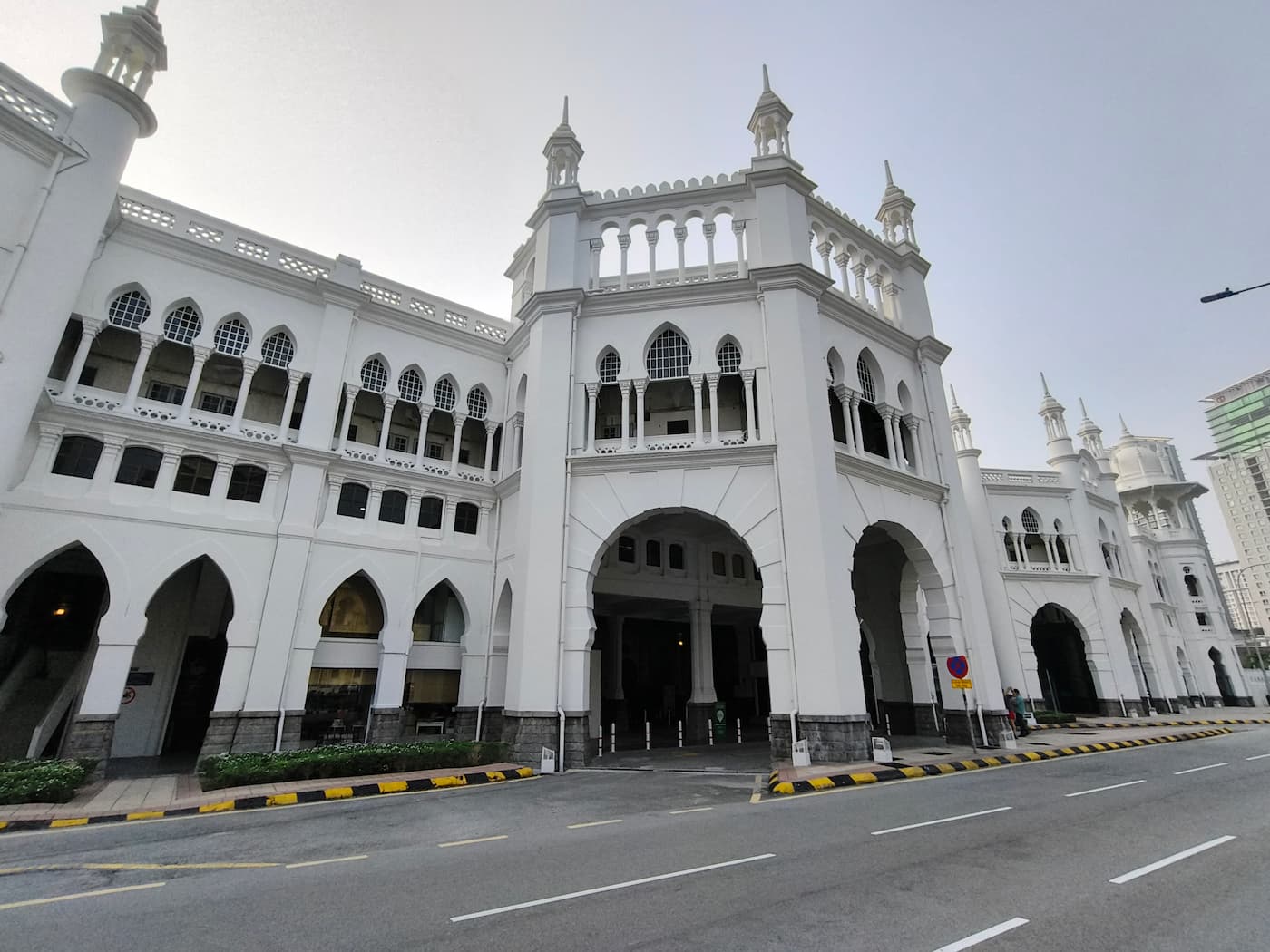
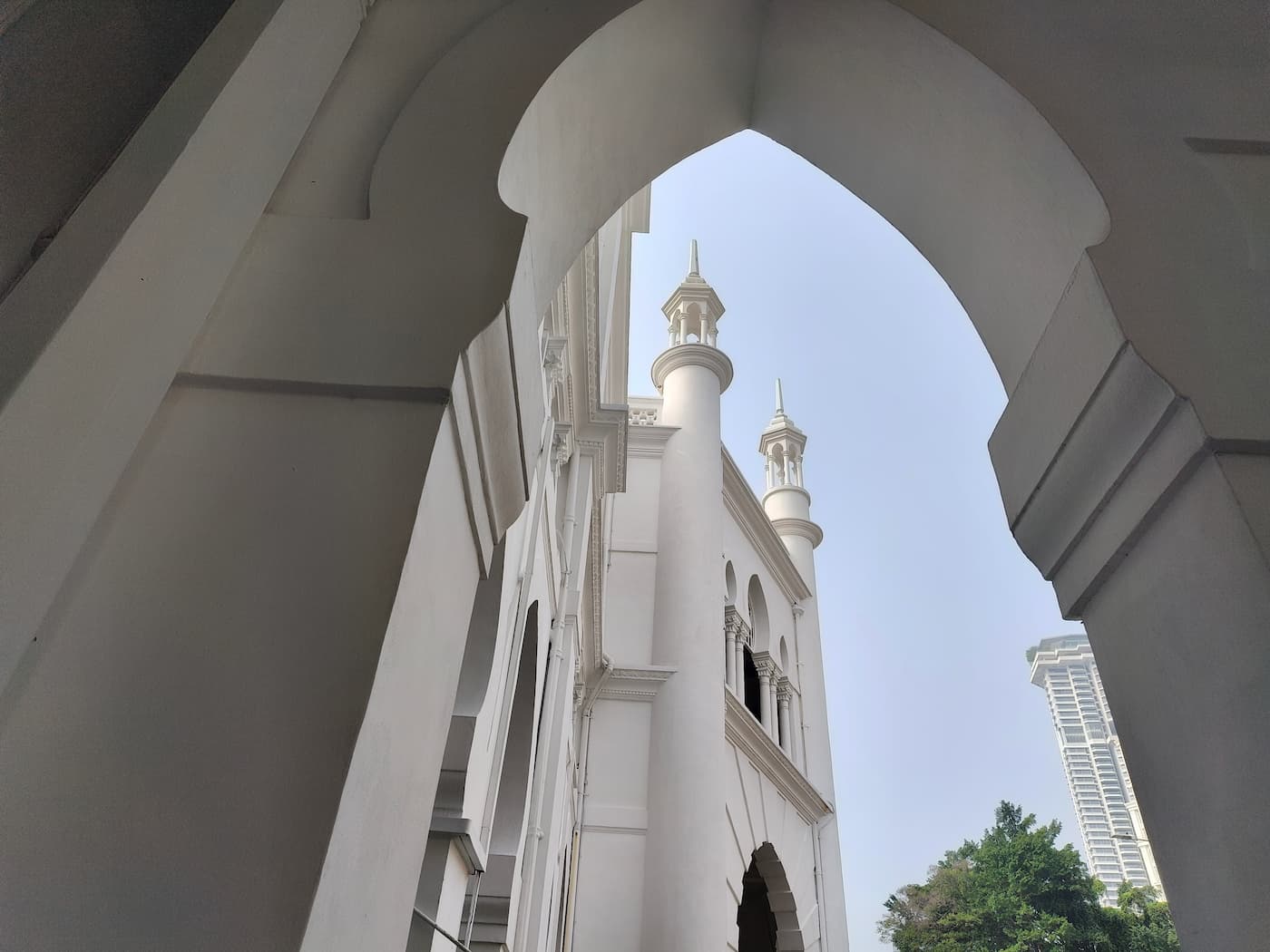
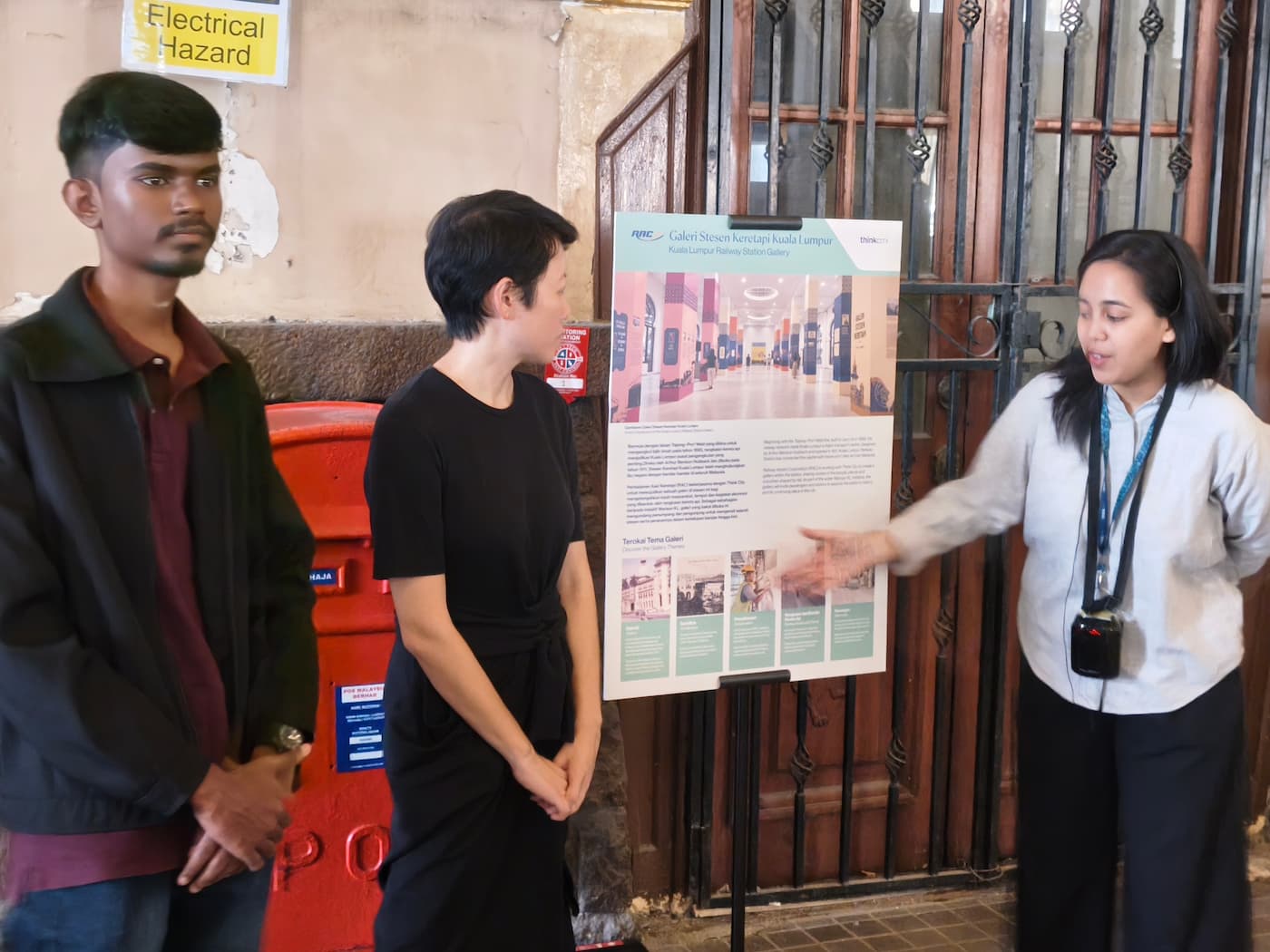
The journey began at Kuala Lumpur Railway Station, one of the city’s most recognisable historic buildings. Completed in 1910 and designed by British architect Arthur Benison Hubback, the station is distinguished by its Indo-Saracenic architecture, which remains one of its defining features.

Once an important link connecting Kuala Lumpur with other towns and cities through the railway network, the station continues to play a role in the city’s landscape more than a century later.

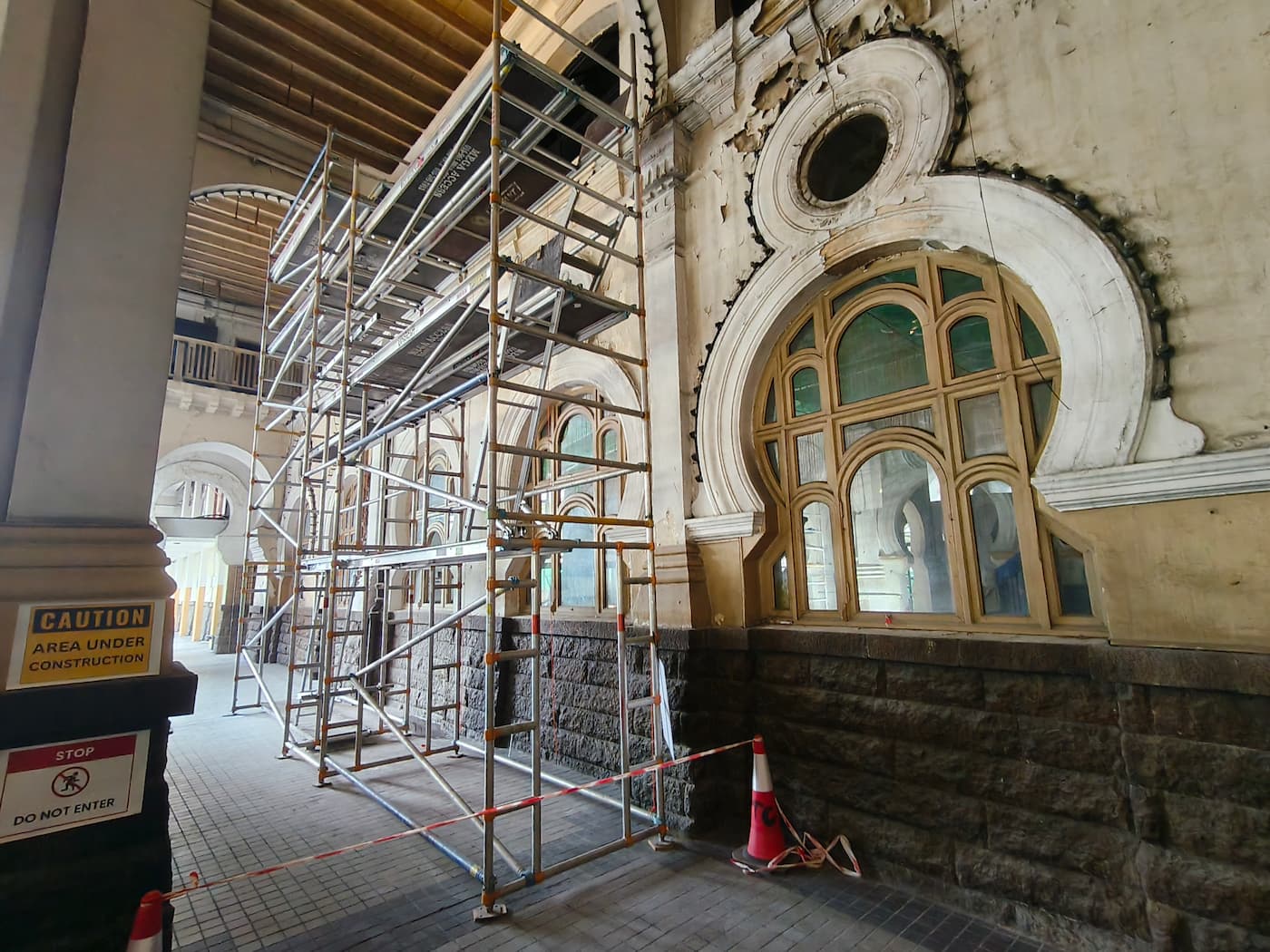
Today, conservation and restoration work is being carried out to preserve its architectural and historical character.

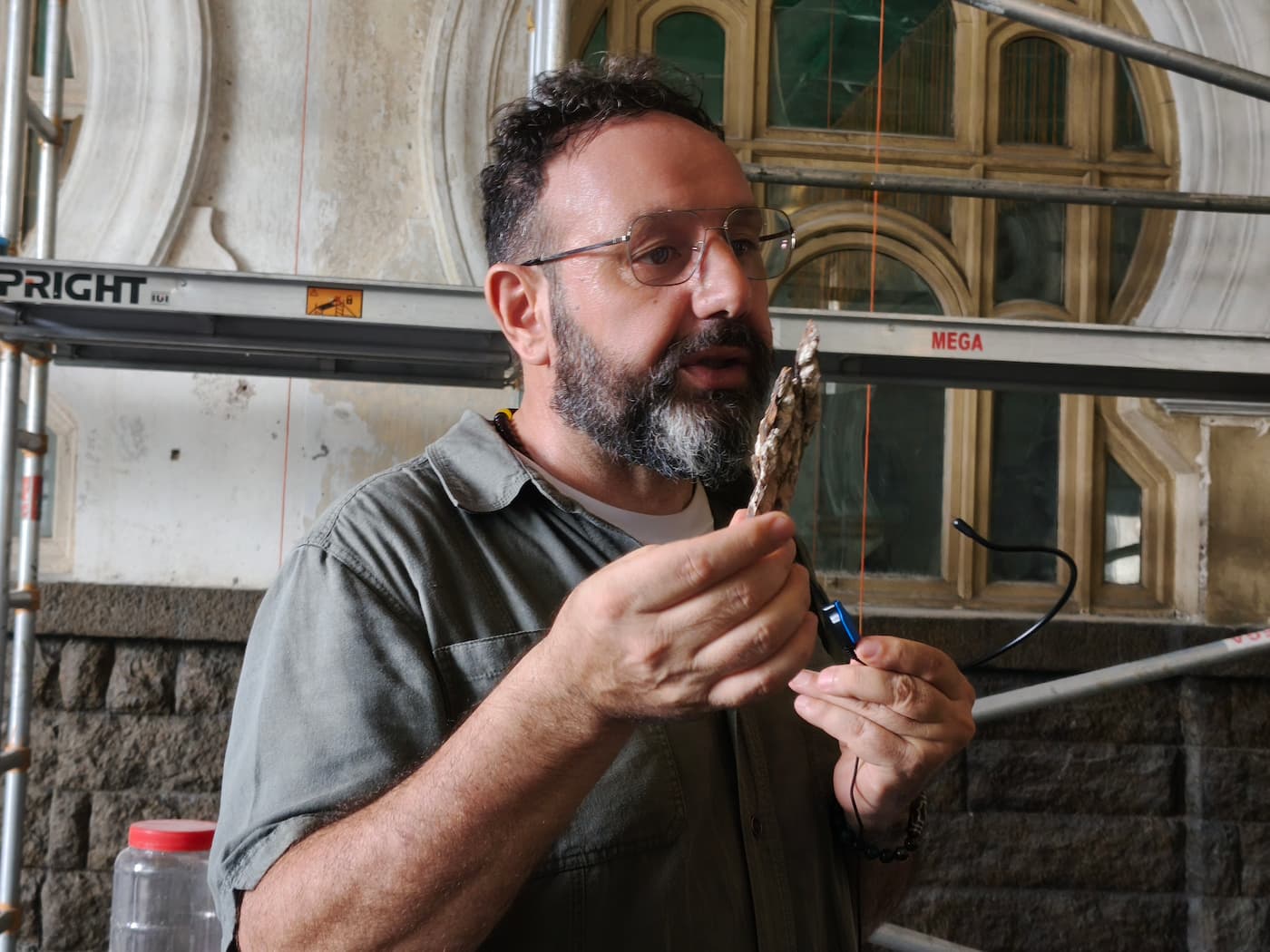
Lena Ng Hwe Ling of the Property Division, Railway Assets Corporation, said the restoration has entered its second phase, with mock-ups being carried out to test appropriate methods and materials before full-scale work proceeds. “The mock-up process is important because we want to ensure that the methods and materials used are truly suitable for the original building,” she said. “We need to retain its original architectural features while ensuring that the conservation works can be carried out properly.”

The work follows the first phase of restoration, which included restoring and repainting the facade, repairing external wall surfaces and strengthening structural elements, including the roof soffit and chhatri domes.
The careful approach reflects the importance of retaining the architectural character of a building that has stood in Kuala Lumpur for more than 100 years.


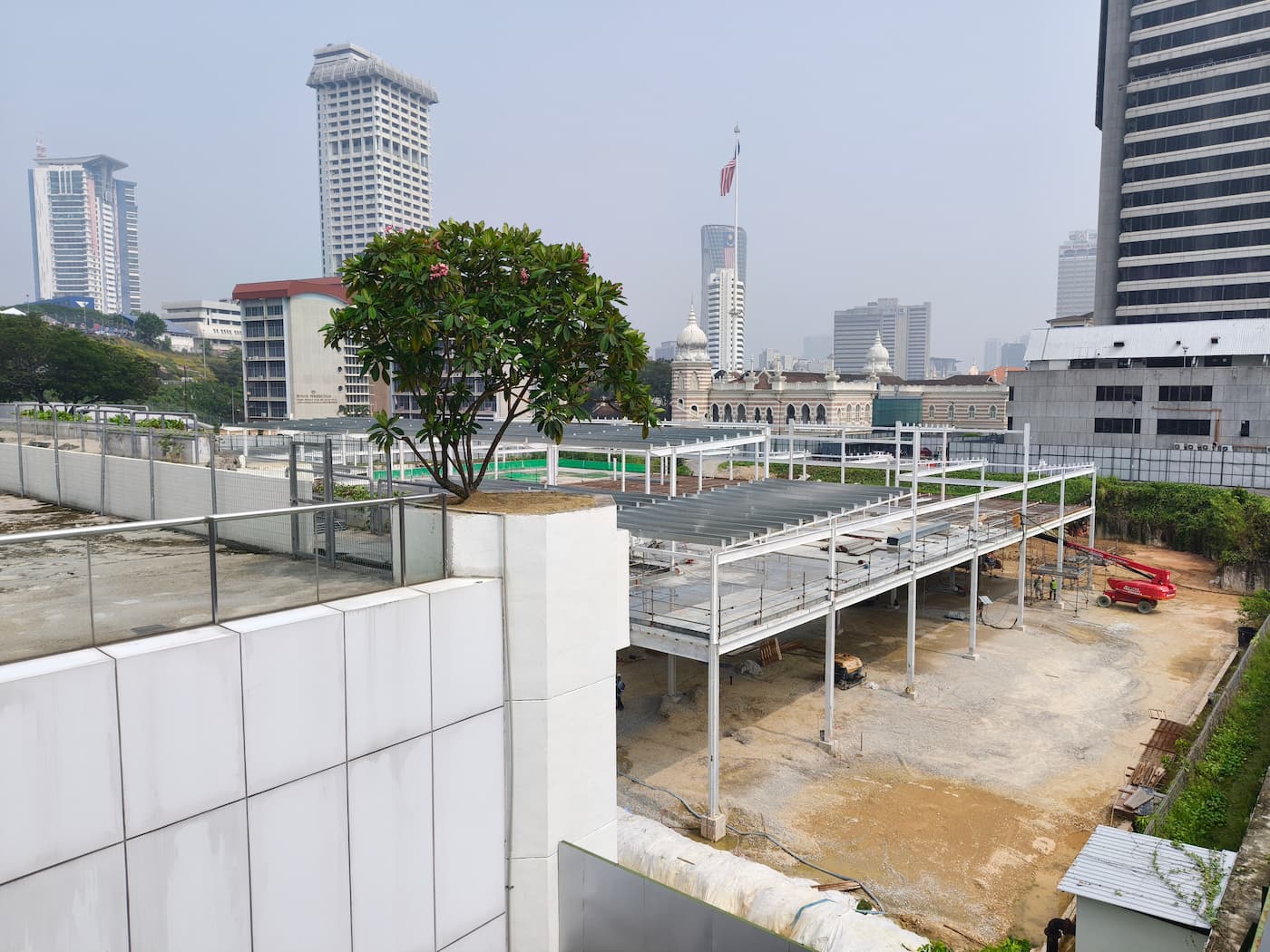
The tour continued to Dayabumi Complex, completed in 1984 and rising 35 storeys above the city.

The landmark is recognised for its distinctive Islamic architectural influences, including its eight-pointed star motifs and extensive use of white marble on its facade.

The area is now set for another chapter through the redevelopment of City Point under Dayabumi Phase 3.

The media get a closer look at the ongoing work at Dayabumi Complex, including a rare opportunity to step inside the building.
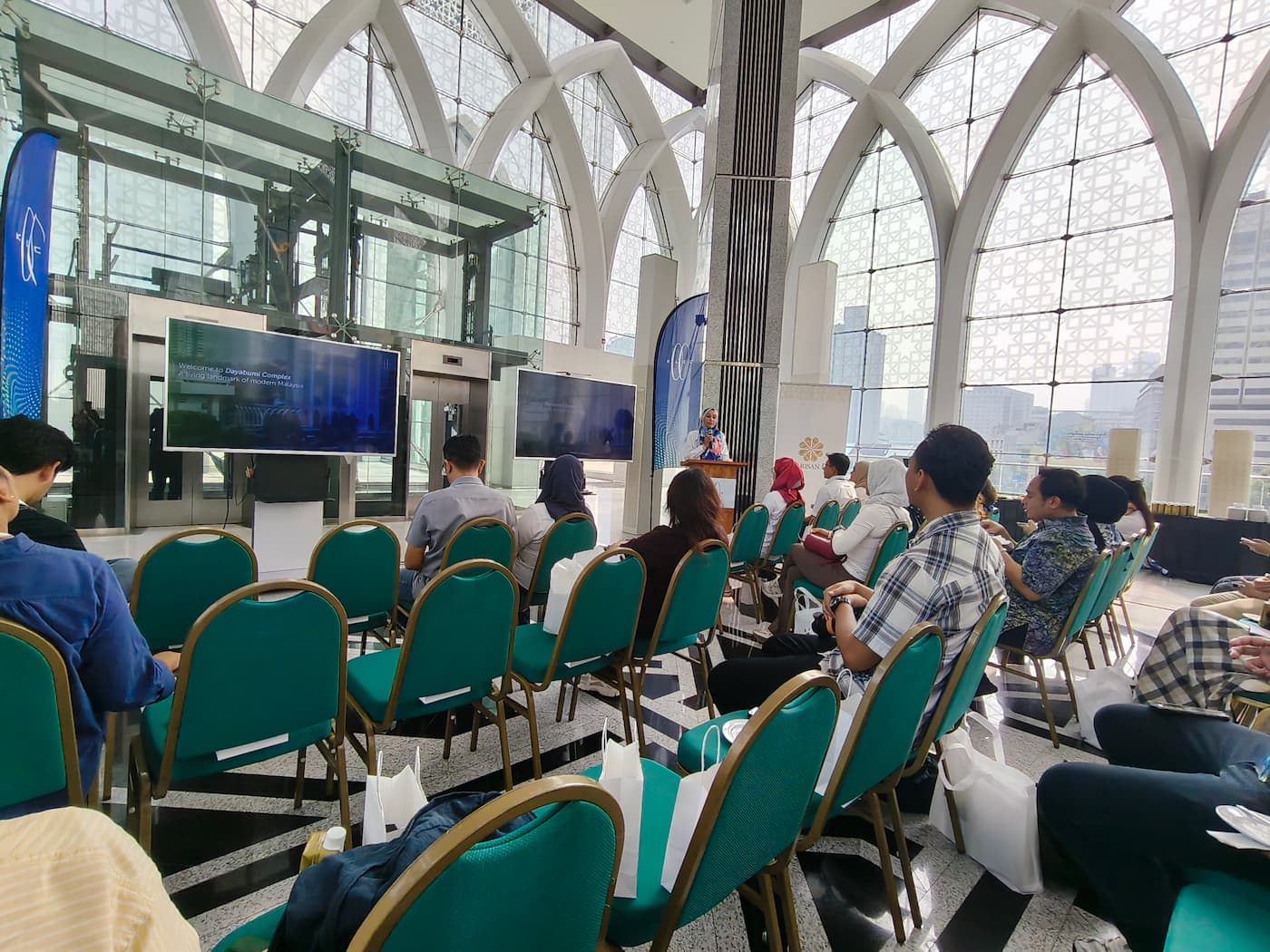
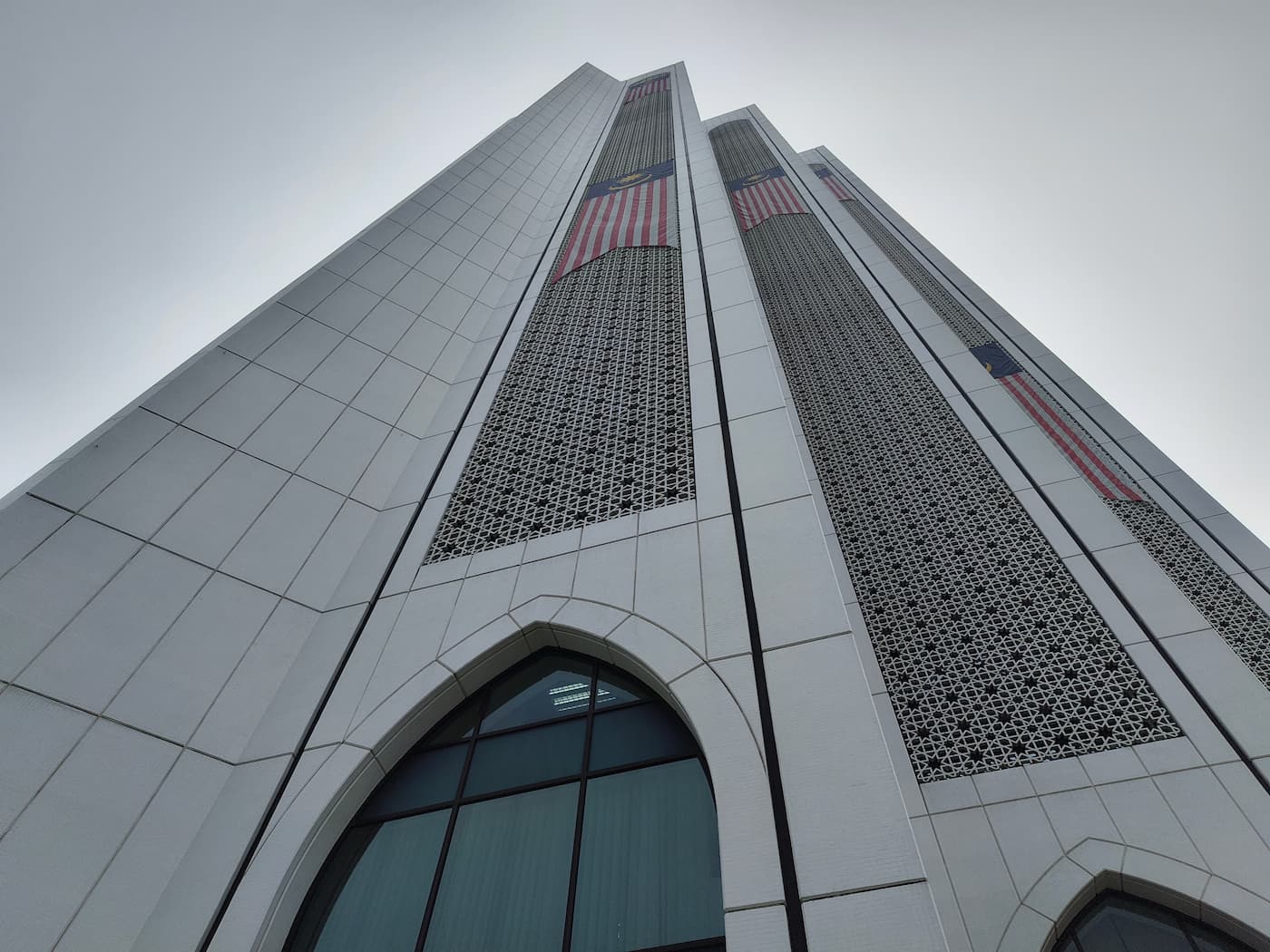
According to Datin Suria Ismail, Head of Asset Development at KLCC Property Holdings Berhad, the redevelopment will include a two-level dining space and retail podium.

The project is expected to be completed next year, bringing new activity to the area while strengthening connections between the historical Dayabumi Complex, the local community and visitors.

The redevelopment illustrates how established landmarks can continue to evolve and accommodate new uses while remaining part of Kuala Lumpur’s architectural identity.

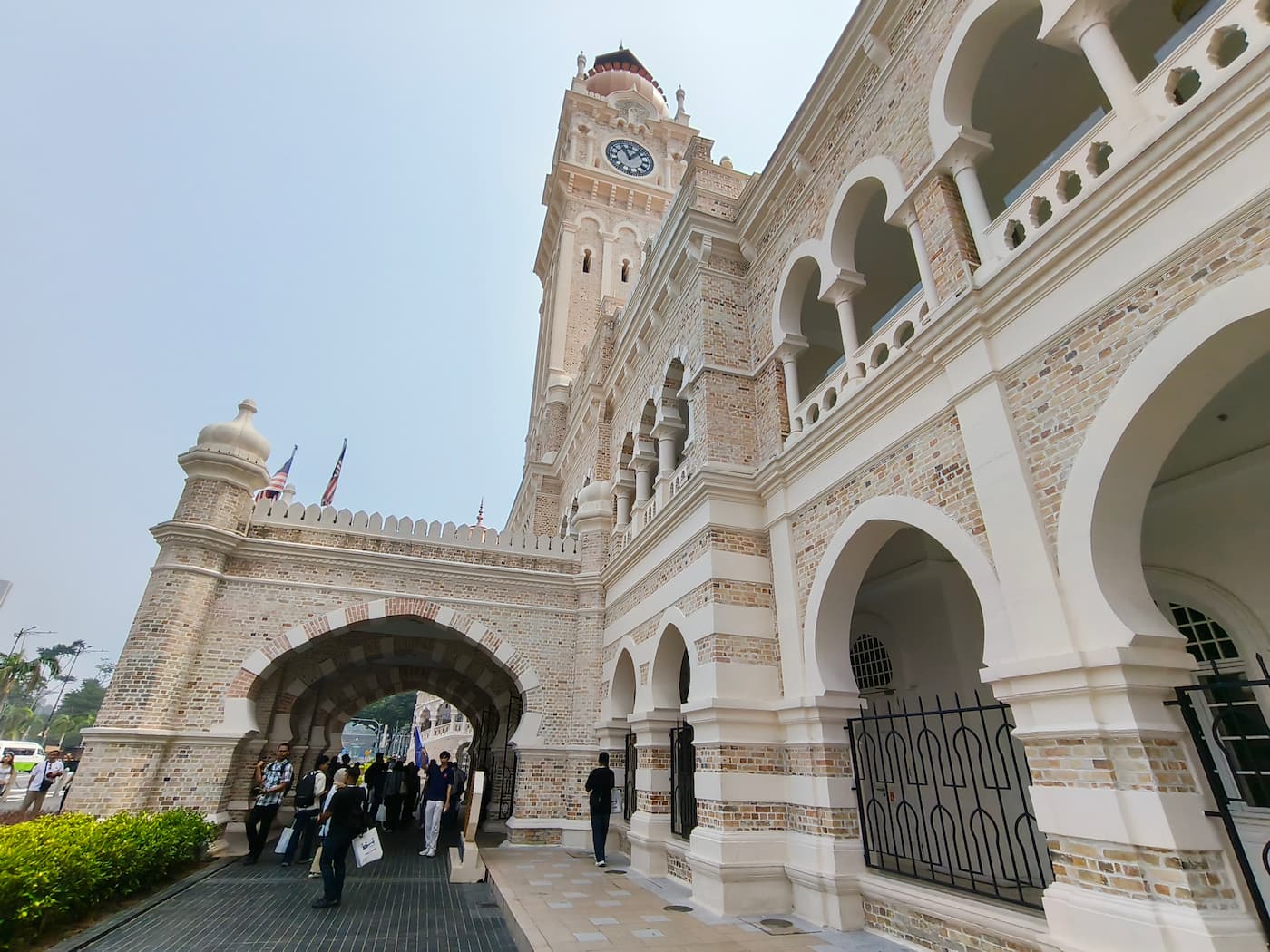
The next stop was Bangunan Sultan Abdul Samad, overlooking Dataran Merdeka.

Completed in 1897, the building is one of Kuala Lumpur’s most recognisable landmarks, known for its distinctive architecture and clock tower. It has also witnessed numerous significant moments in the nation’s history. Surrounding Dataran Merdeka are other important heritage buildings, including the Old General Post Office, Old High Court, Panggung Bandaraya and National Textile Museum.

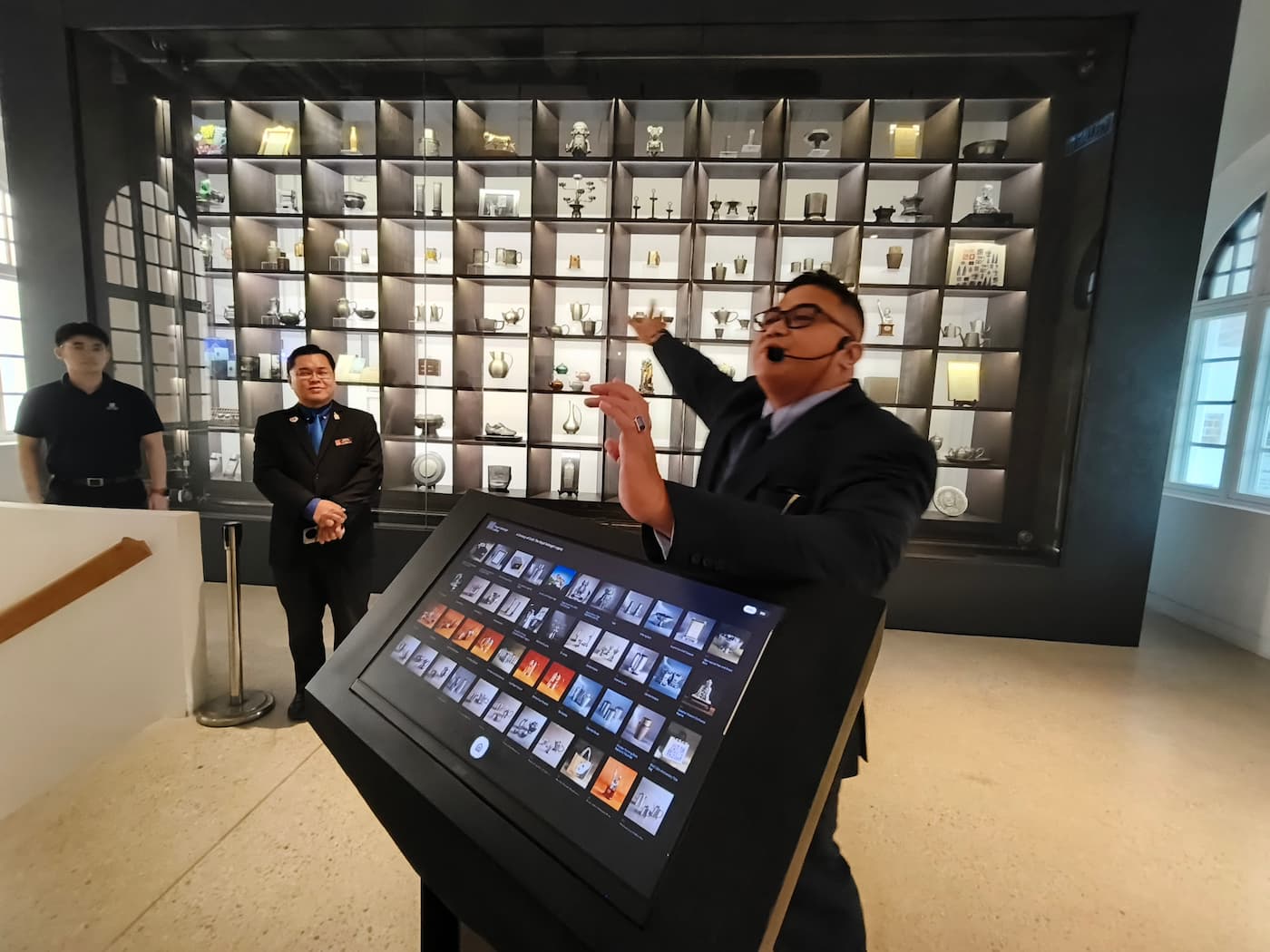
According to Hilmi Hassan, Chief Executive Officer of Asset Warisan Management, efforts are under way to conserve these historic buildings while introducing functions and experiences that bring them closer to the public. The emphasis is on ensuring that these places remain relevant and accessible without compromising their original character and heritage value.

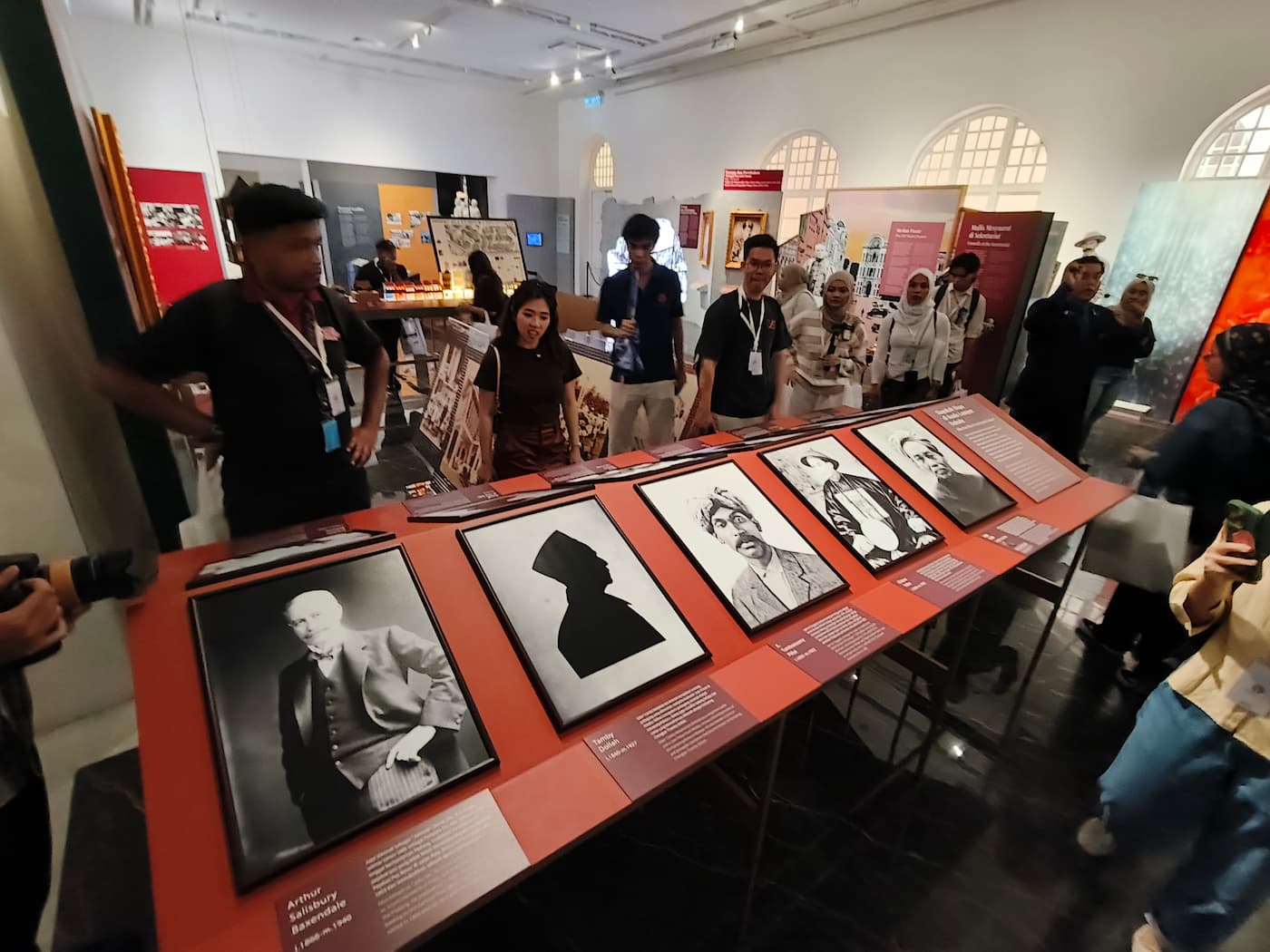
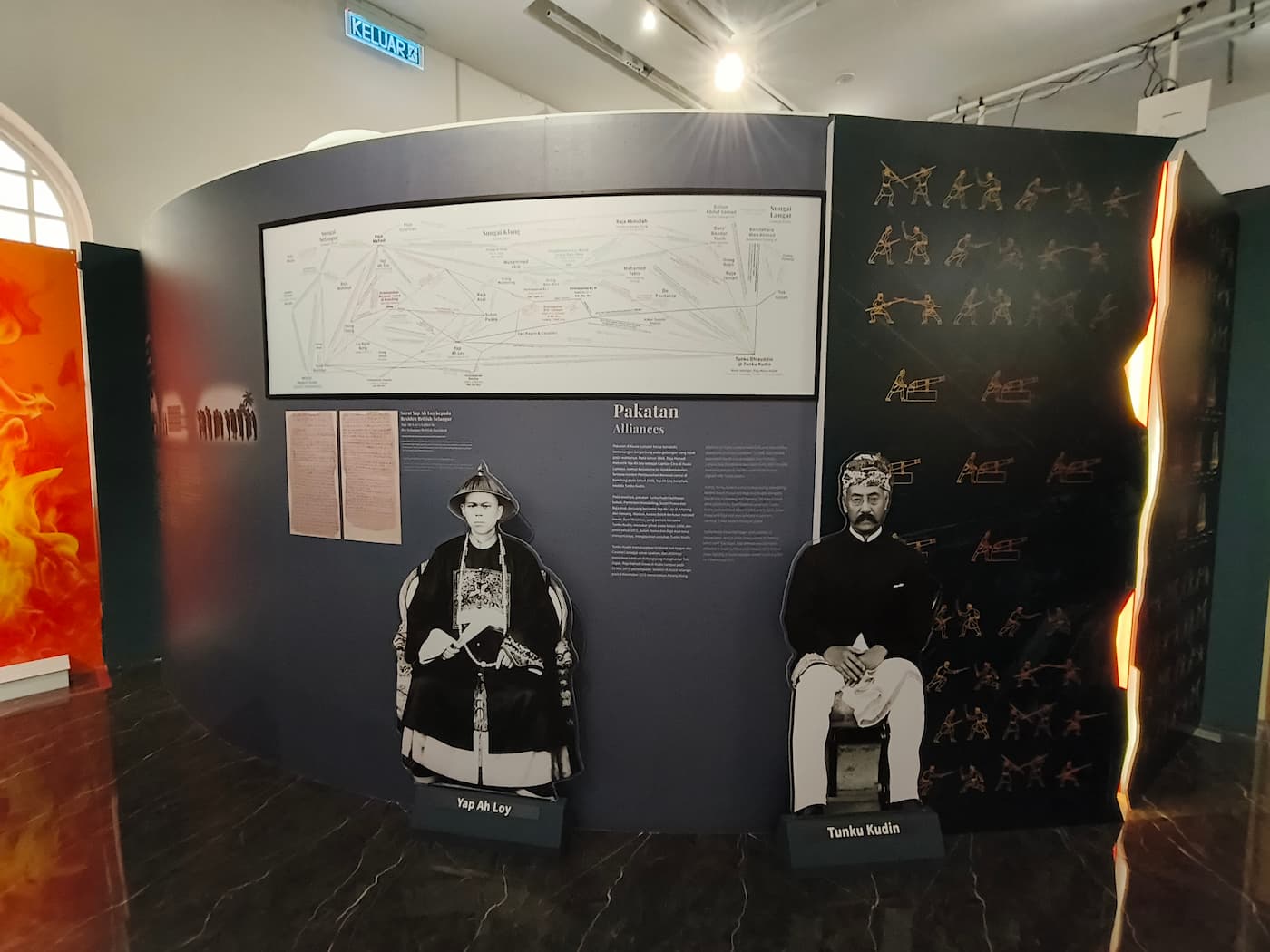
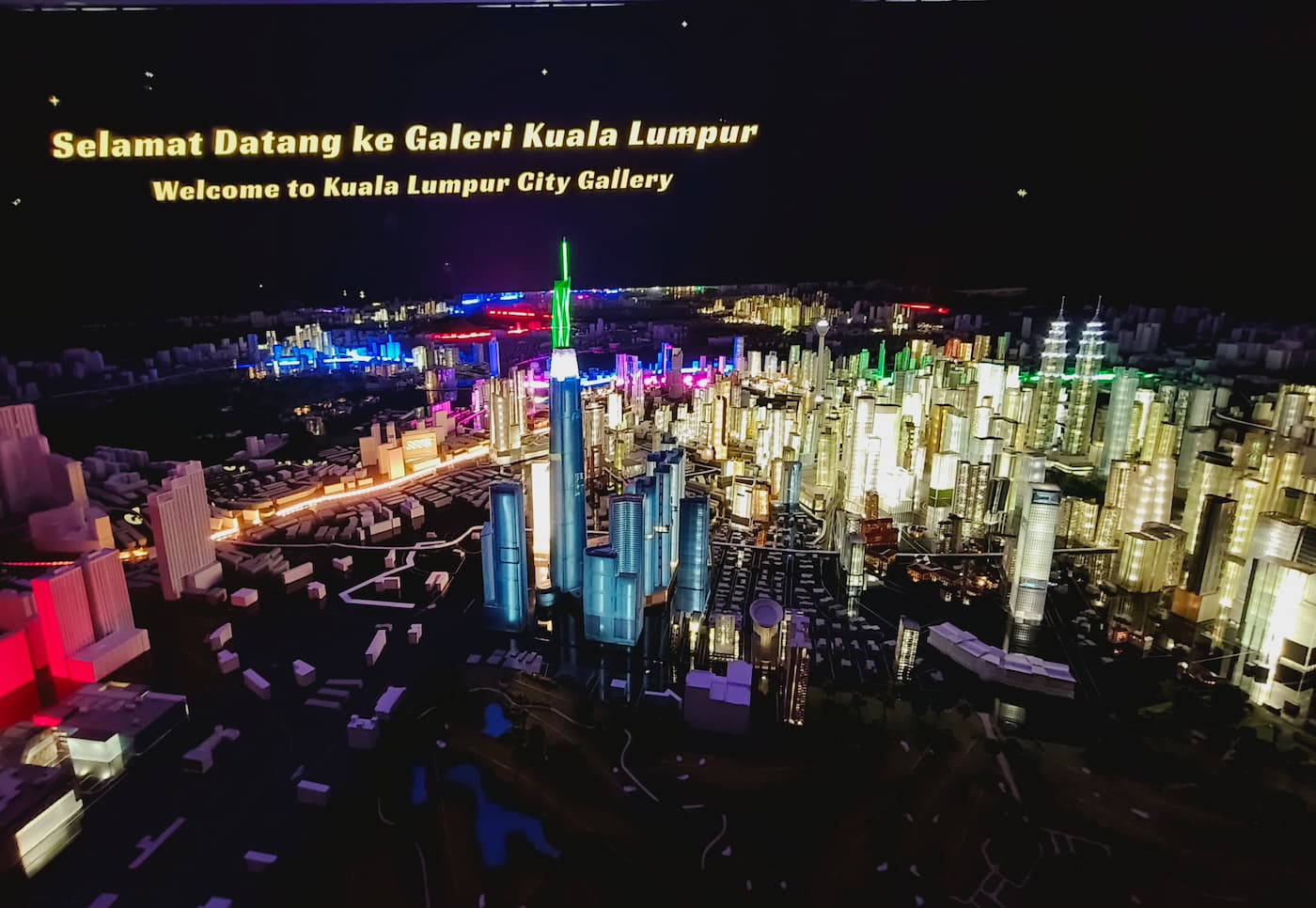
At Bangunan Sultan Abdul Samad, visitors can also explore the Royal Selangor Gallery and Kuala Lumpur City Gallery, among others, where interactive exhibitions trace the development of the capital.

The story begins with Kuala Lumpur’s origins as a tin-mining settlement at the confluence of the Klang and Gombak rivers, before charting its transformation into a modern capital.

The galleries also explore the role of Yap Ah Loy in rebuilding Kuala Lumpur following conflict and fires in the late 19th century – another important chapter in the city’s development.

Together, these attractions demonstrate that Kuala Lumpur’s heritage is not confined to individual buildings. It is also found in the stories, people and events that shaped the city.

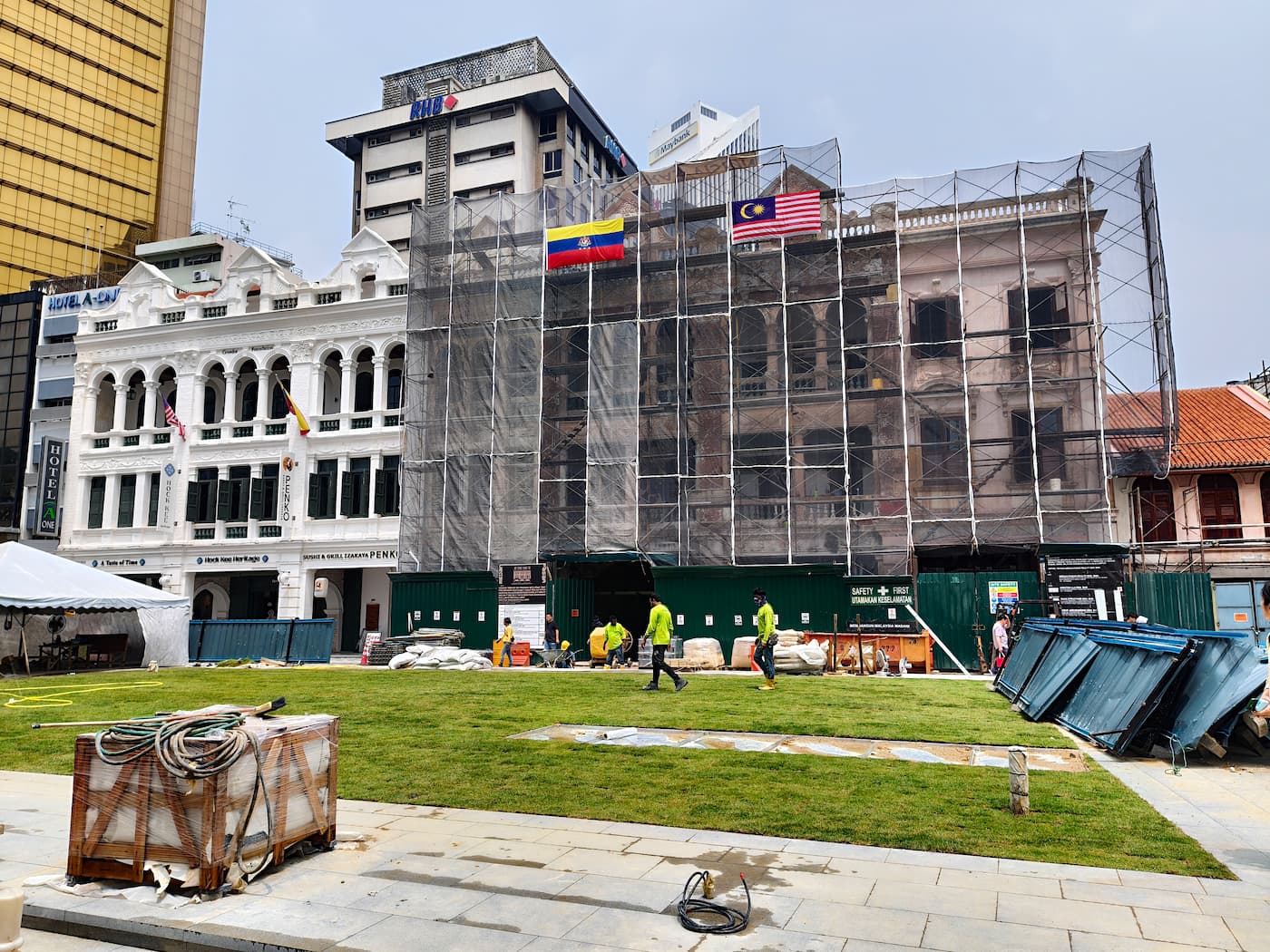
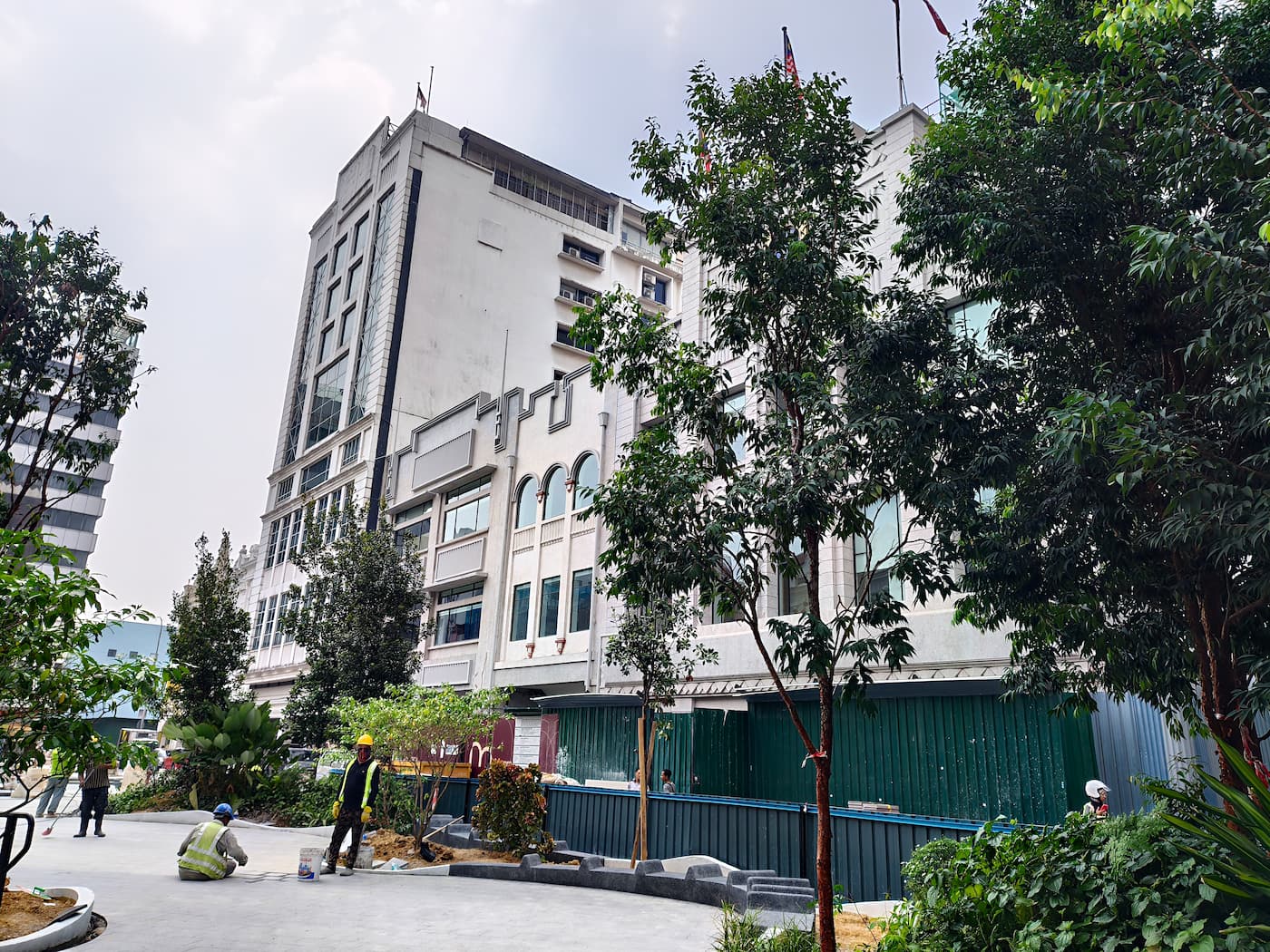
The tour then moved to Medan Pasar, another historic area in central Kuala Lumpur, recognised by its distinctive clock tower, built in 1937. At one end of the square is a house associated with Yap Ah Loy, adding another layer to the area’s historical significance.

Today, Medan Pasar forms part of the Warisan KL initiative led by Creador Foundation, with new developments aimed at strengthening the area as a hub for arts and culture. Among these is Muara Arts, scheduled to open in November.

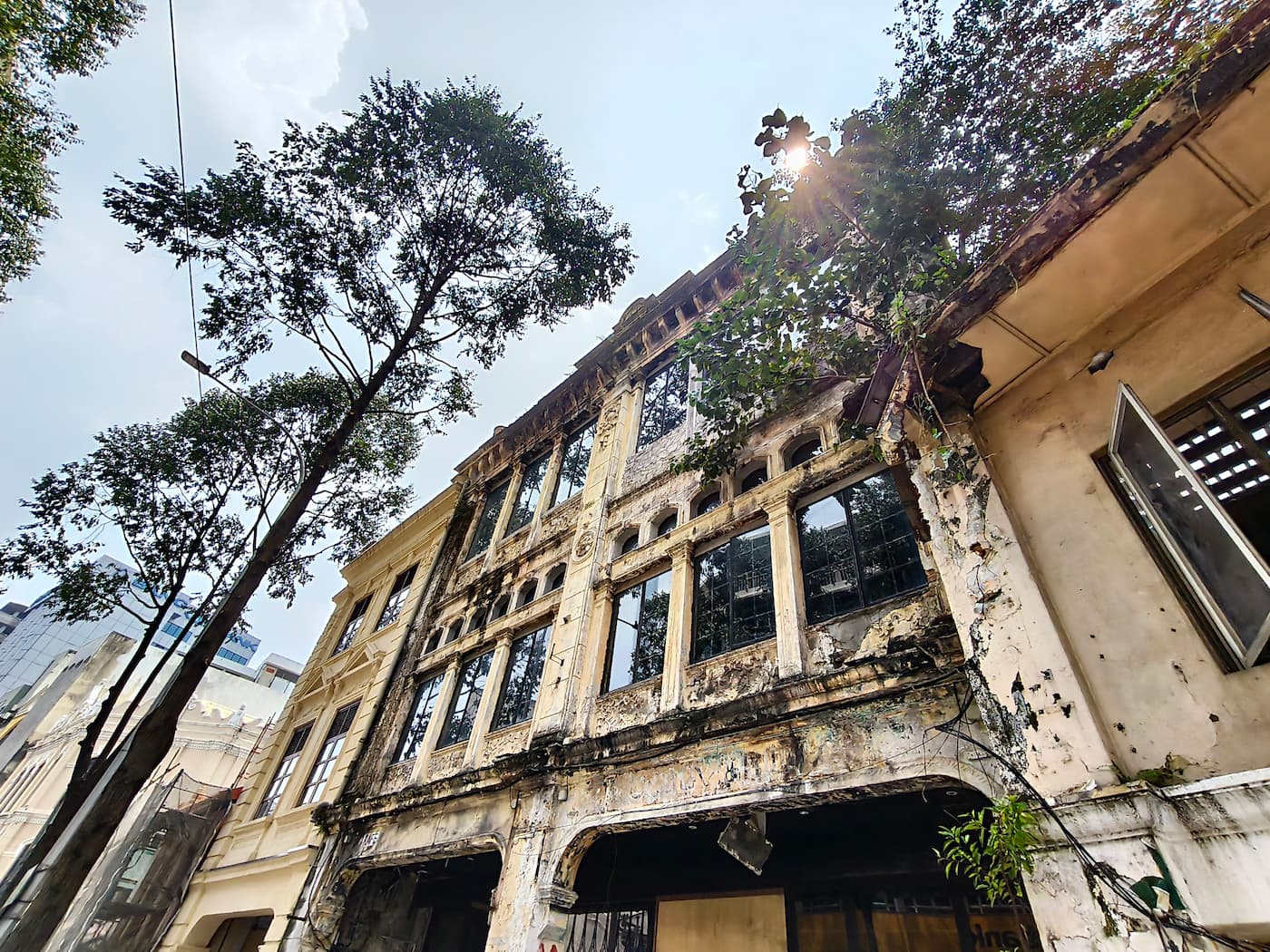
Foo E Leen, Director of LLA Sdn Bhd, said the approximately 20,000 sq ft arts space occupies six shophouses dating back to the 1930s. The buildings were once used for trading before later being occupied by banking and financial institutions in the 1960s.

As part of the conservation approach, the original character of the shophouses has been retained, while the interiors have been adapted into a museum-quality gallery.

The development is expected to give Medan Pasar a new dimension, transforming a historic commercial area into a place where heritage, art and Kuala Lumpur’s cultural life intersect.

It is also an example of how adaptive reuse can help historic places remain active and relevant, rather than becoming static reminders of the past.

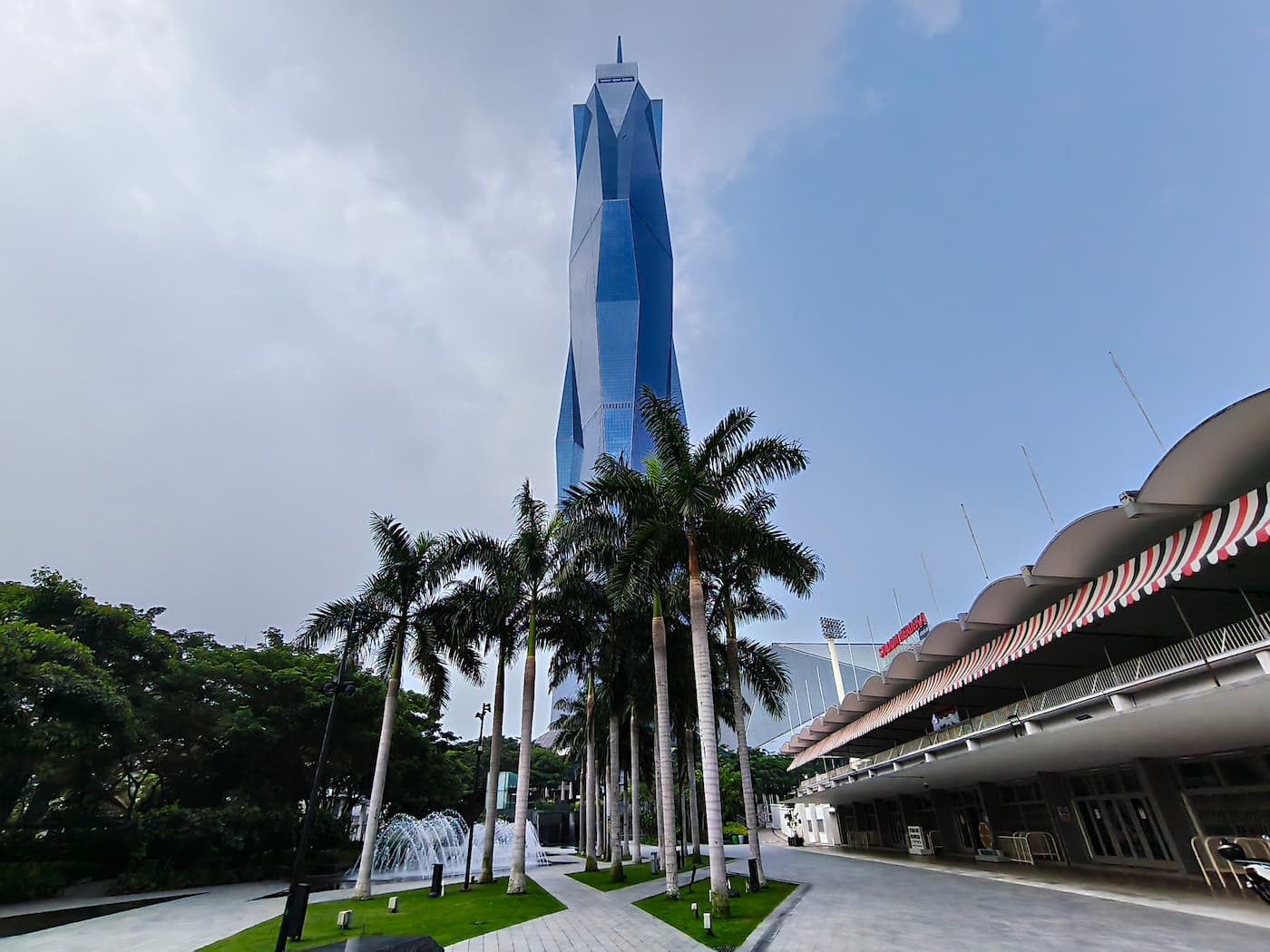
The Jelajah Warisan KL media visit and tour concluded at Stadium Merdeka and the Merdeka 118 Precinct, where significant moments in Malaysia’s history meet a new generation of urban development.

Completed in 1956, Stadium Merdeka occupies a unique place in the nation’s history. It was here, on Aug 31, 1957, that Malaysia’s first Prime Minister, Tunku Abdul Rahman, declared “Merdeka!” seven times.

The stadium closed in 2016 for restoration before reopening to the public in August 2024.

Around it, the Merdeka 118 Precinct is introducing new attractions and experiences to an area already steeped in national history.

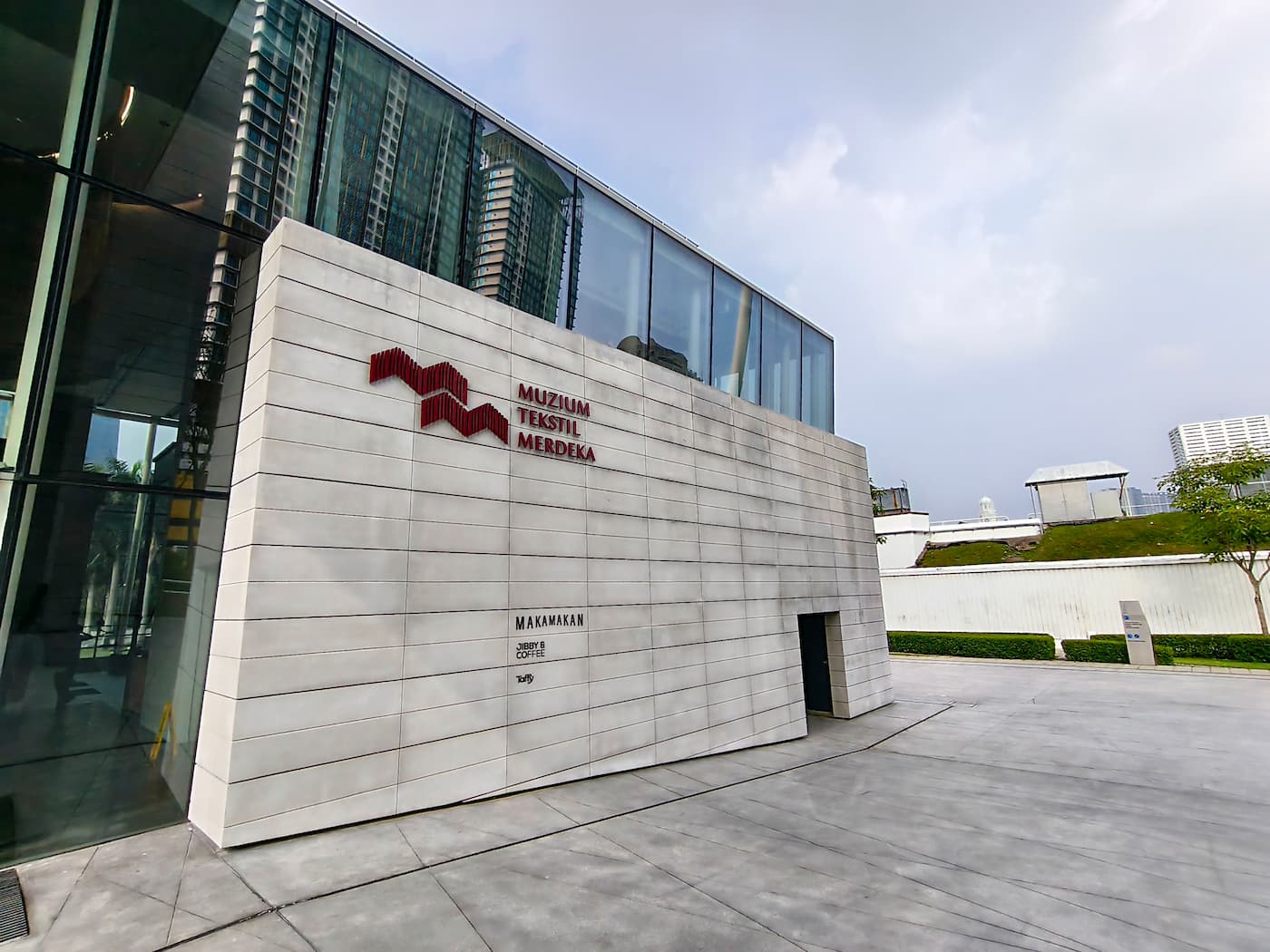
The opening of 118 Mall, Merdeka Textile Museum, Look at 118 and The View at 118 is expected to draw more visitors and tourists to the precinct, contributing to economic activity while creating new ways for people to experience the area.

Dato' Ir. Ts. (Dr.) Izwan Hasli Mohd Ibrahim, Chief Executive Officer of PNB Merdeka Ventures Sdn Bhd, said the development was intended to balance Kuala Lumpur’s ambitions for the future with an appreciation of its past.

“We want to continue reaching for the sky, but at the same time remain grounded. Our aspiration is not only to create an iconic landmark, but also to ensure that the Merdeka 118 Precinct remains connected to history, culture and the community.”

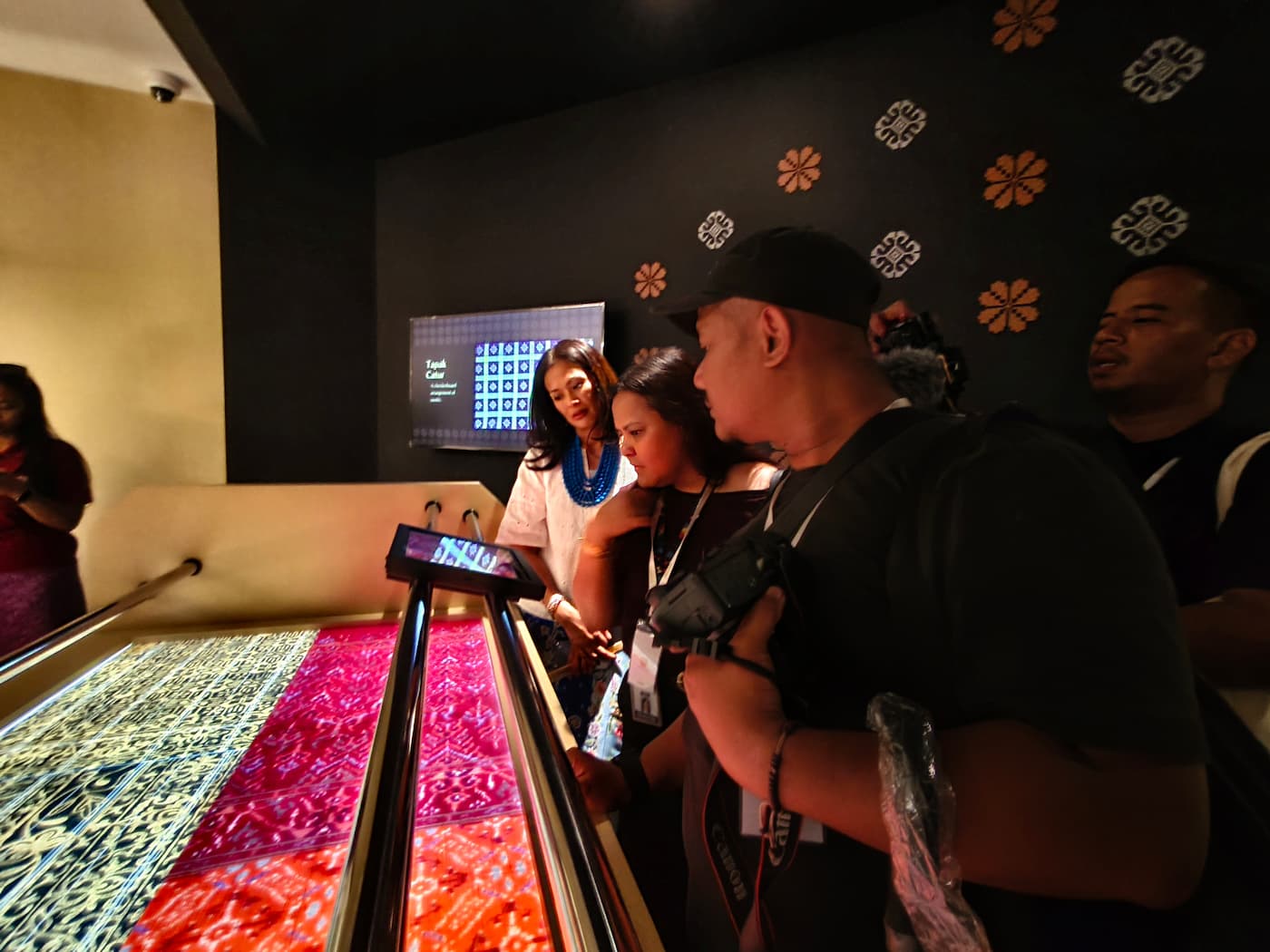
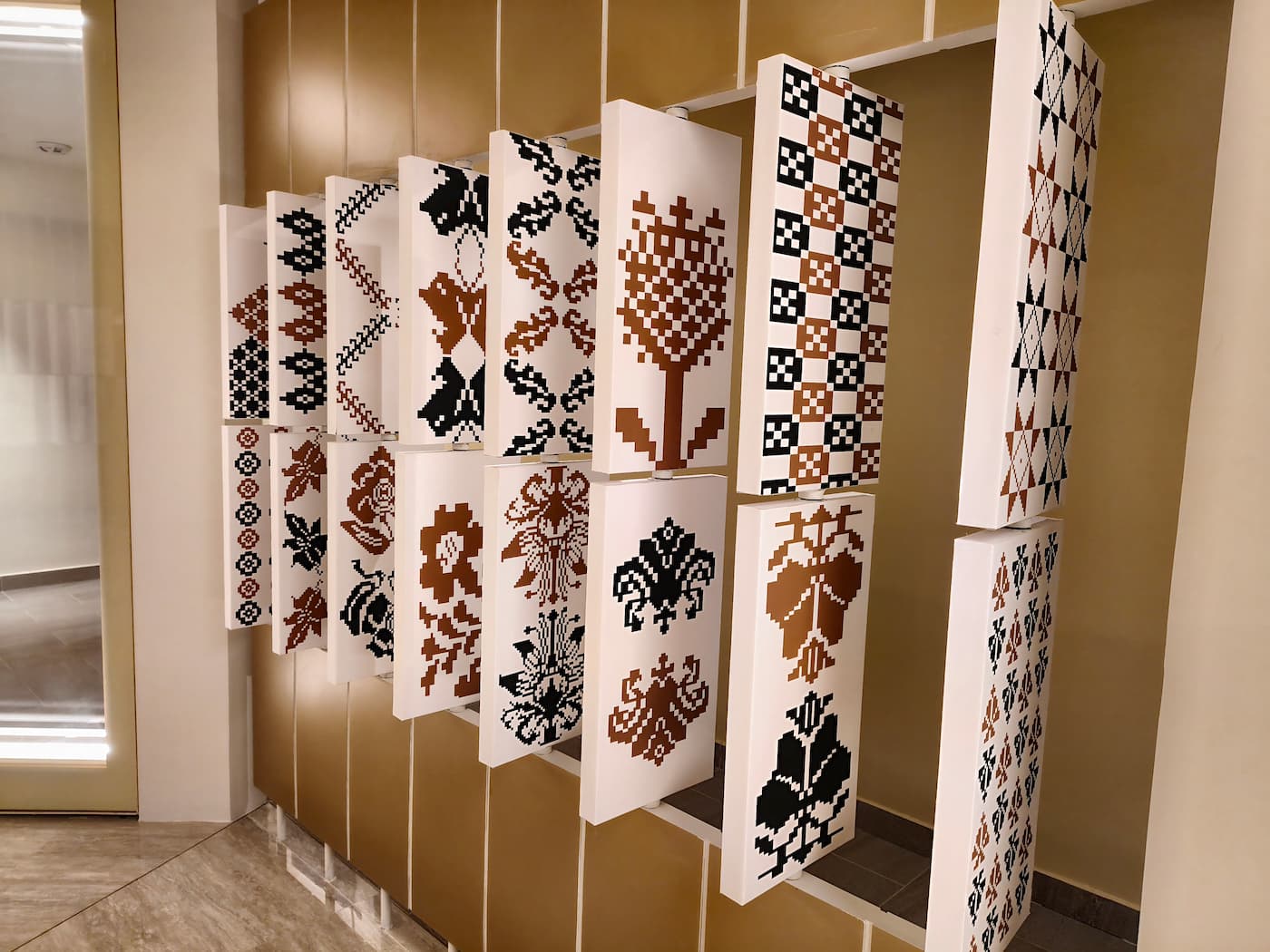
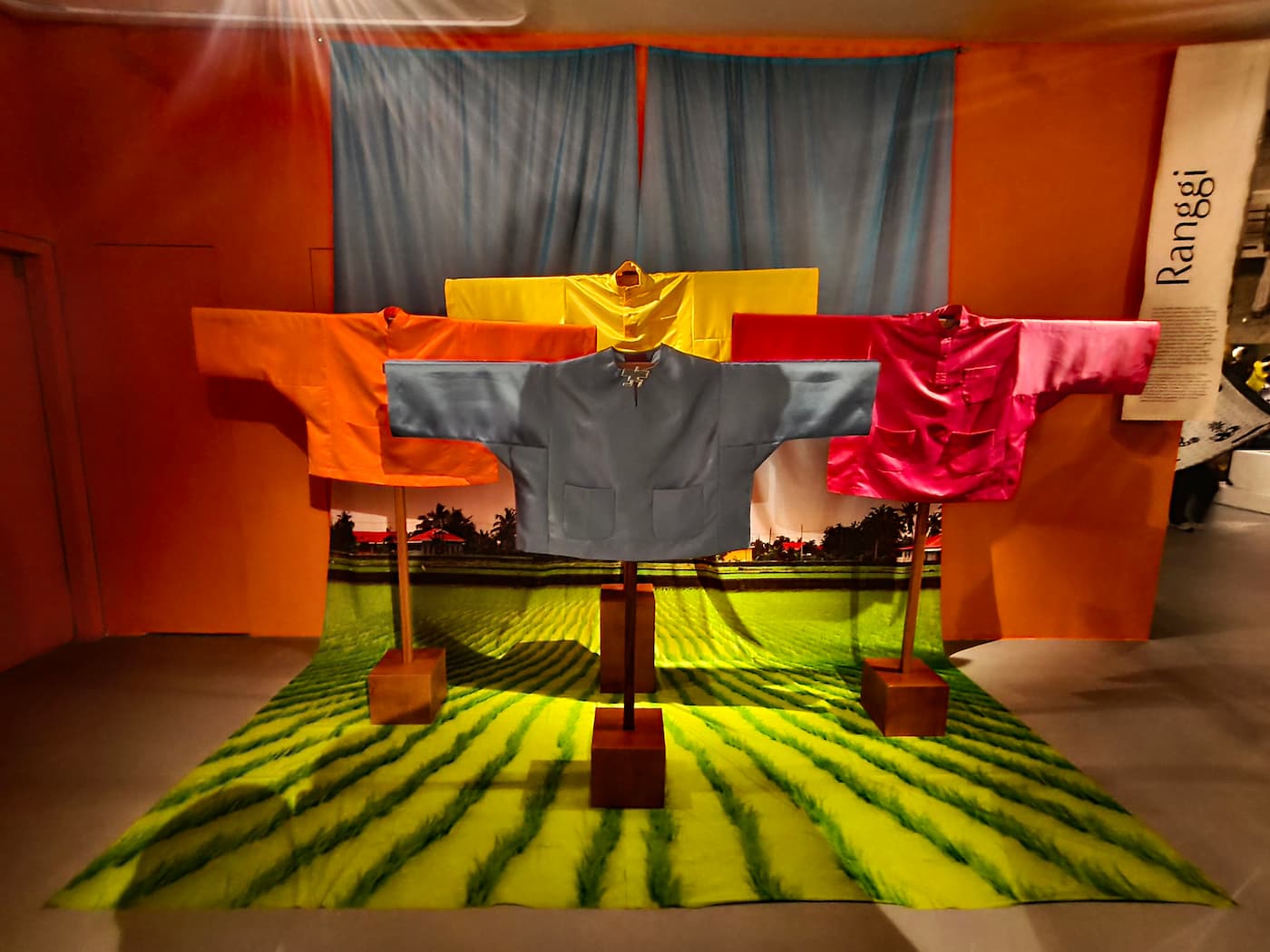
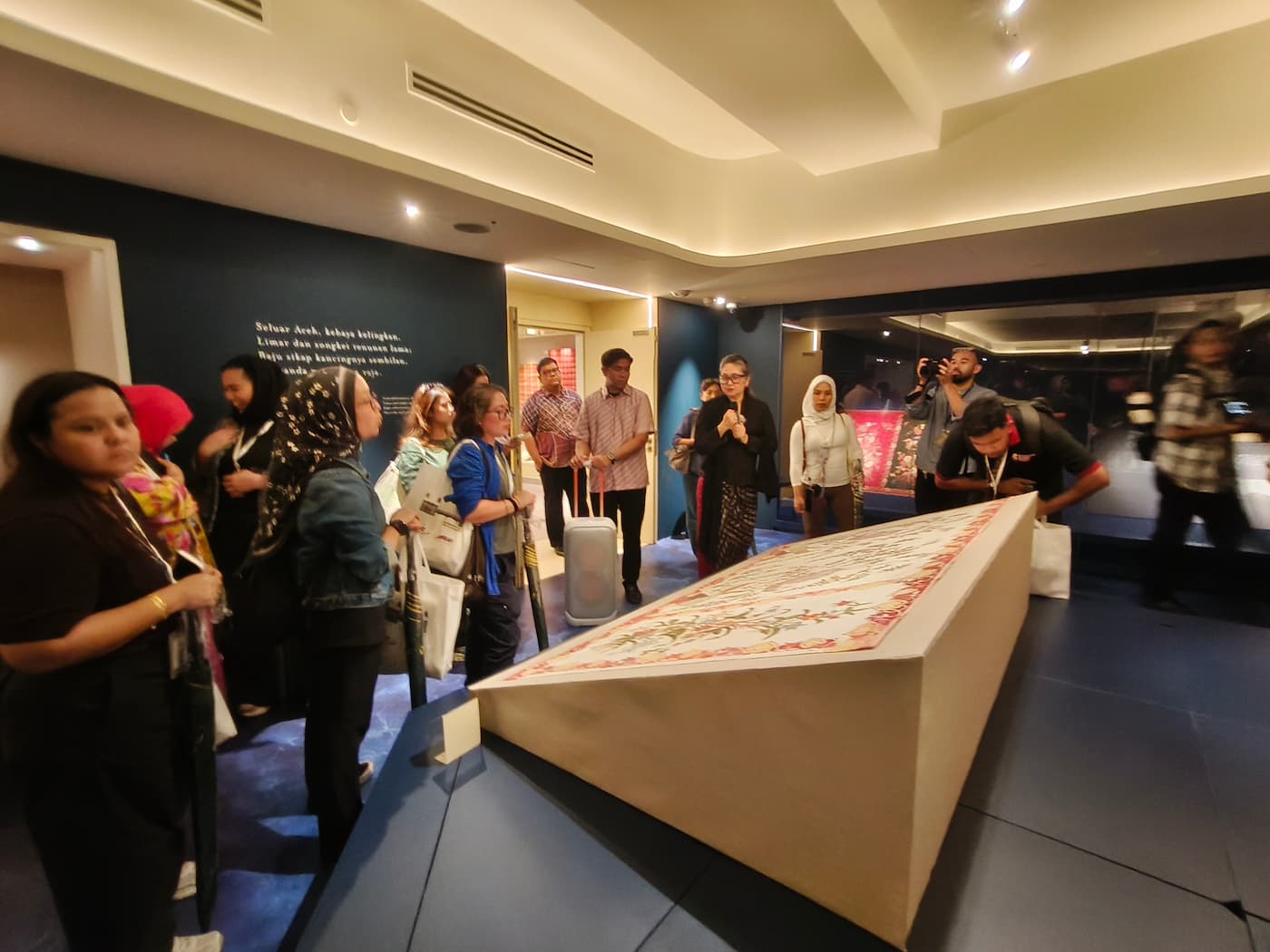
At Merdeka Textile Museum, visitors can explore traditional Malay clothing and accessories through eight galleries examining craftsmanship, symbolism, spirituality and literature. The experience combines physical exhibits with digital displays.

The museum also houses the personal collection of cultural figure Azah Aziz, donated by her daughter, Tan Sri Dr Zeti Akhtar Aziz, in October 2022.

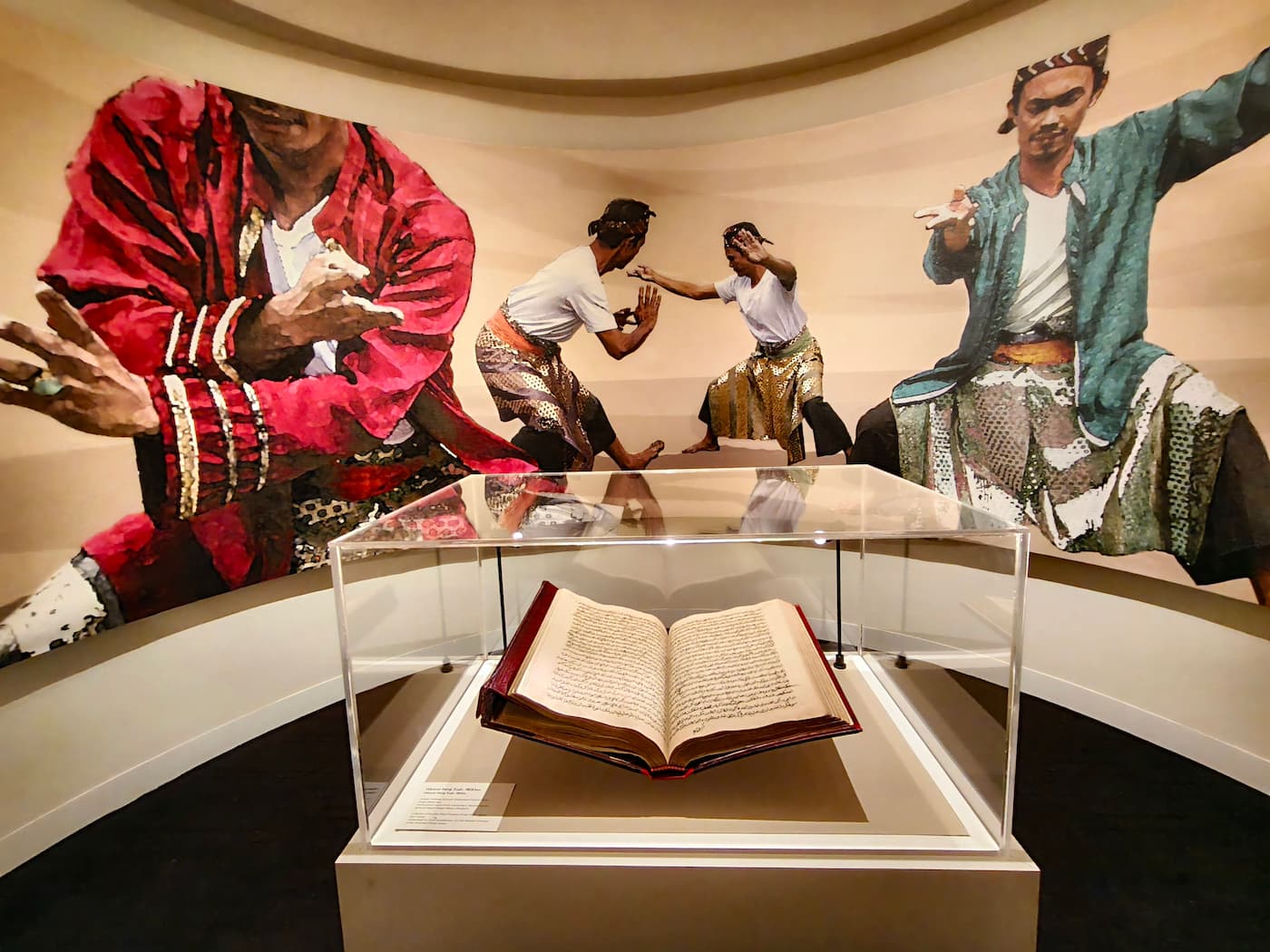
Another highlight is an exhibition exploring the legendary confrontation between Hang Tuah and Hang Jebat, based on an old manuscript of Hikayat Hang Tuah.

According to the manuscript, Hang Jebat used gold-threaded cloth to wrap his body to stem the bleeding from wounds inflicted during the fight. The manuscript is on loan from Yayasan Profesor Diraja Ungku Aziz.

Connecting Kuala Lumpur’s Past and Future

From Kuala Lumpur Railway Station and Dayabumi to Dataran Merdeka, Medan Pasar and Stadium Merdeka, the Jelajah Warisan KL journey revealed the many layers of the capital’s history.

Together, these places tell the story of a city that grew from a small tin-mining settlement into a modern metropolis, while retaining physical and cultural links to the people, places and events that shaped it.

More importantly, the visit demonstrated that heritage conservation and urban development need not exist in opposition.

Across Kuala Lumpur, historic buildings and spaces are being restored, adapted and given new purposes, allowing them to remain part of the city’s everyday life.

This is central to the Warisan KL vision – to recognise heritage not simply as something to be preserved, but as a living part of Kuala Lumpur that can be experienced, used and appreciated by present and future generations.

Through initiatives such as Jelajah Warisan KL, more people can discover the stories embedded in the city’s buildings, streets and public spaces, and gain a deeper appreciation of the heritage that continues to shape Kuala Lumpur today.

Journalists and influencers experience first-hand how easily the heritage sites featured in Jelajah Warisan KL can be explored on foot, with one site within walking distance of the next.


Discover more stories

connect with us
follow us on
Ooops!
Generic Popup2