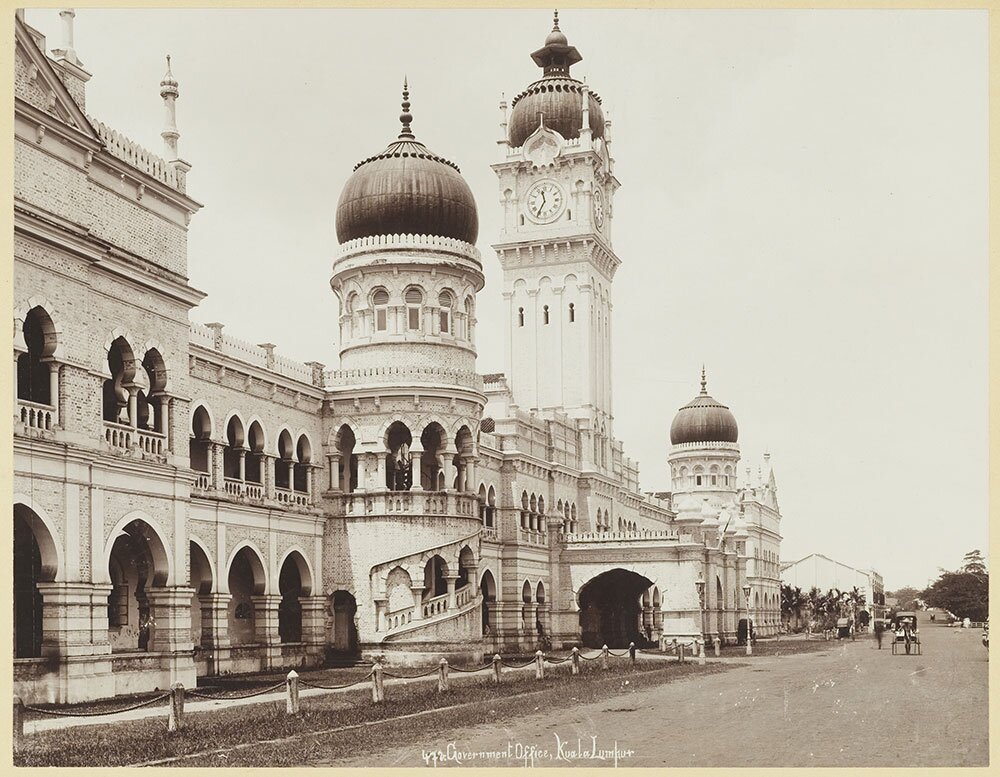
The history of Sultan Abdul Samad Building is deeply intertwined with the development of Kuala Lumpur from a small mining outpost to a modern metropolis.
- Colonial Administration: Formerly known as the “Secretariat Building”, the building was initially designed to house the administration of Selangor, and an office of the Federal Secretariat. The Council Chamber was also housed in the building, where the State and Federal Council members met.
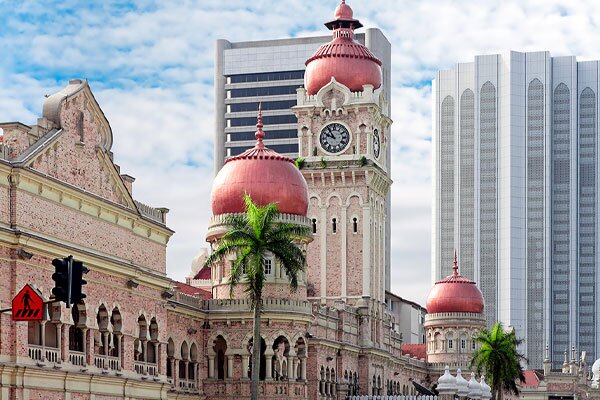
- Architectural Synthesis: Designed by the Selangor Public Works Department team comprising Arthur Charles Alfred Norman, Regent Alfred John Bidwell and Arthur Benison Hubback, Sultan Abdul Samad Building represents a distinctive interpretation of British Raj architecture. The building is a mixture of British and Mughal elements with tropical adaptation. It features distinctive copper domes, horseshoe arches and a 41m clock tower.
- Judicial Centre: From 1984 to the 2010s, the building served as the seat of Malaysia's highest courts, including the Federal Court and the Court of Appeal, further cementing its status as a key site of the nation's judiciary.
- Naming: In 1974, the building was officially renamed after Sultan Abdul Samad, the reigning Sultan of Selangor at the time of its construction.
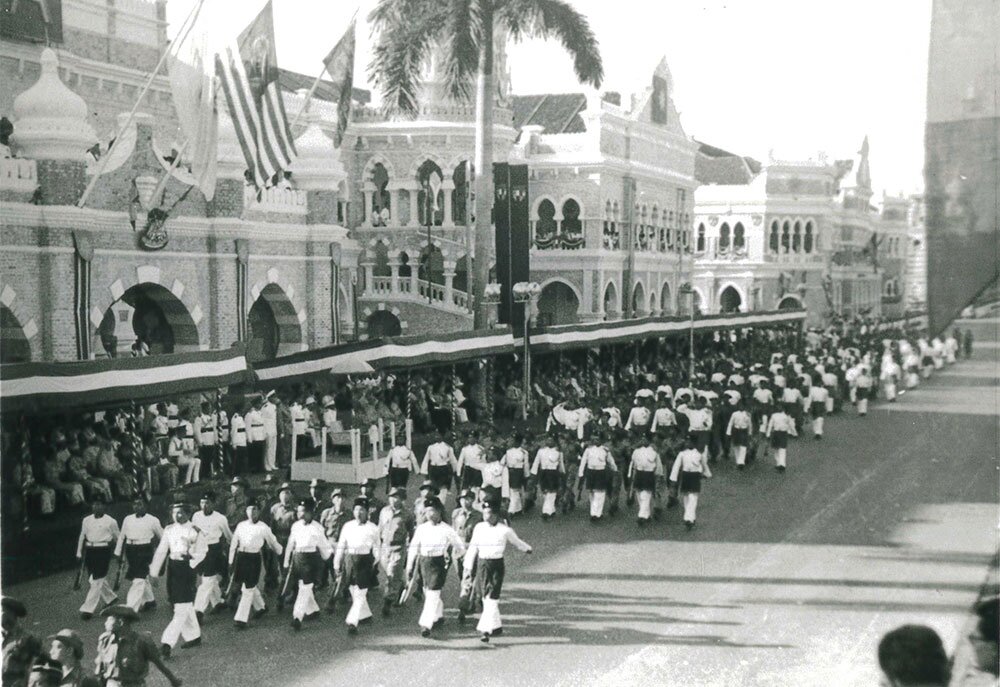
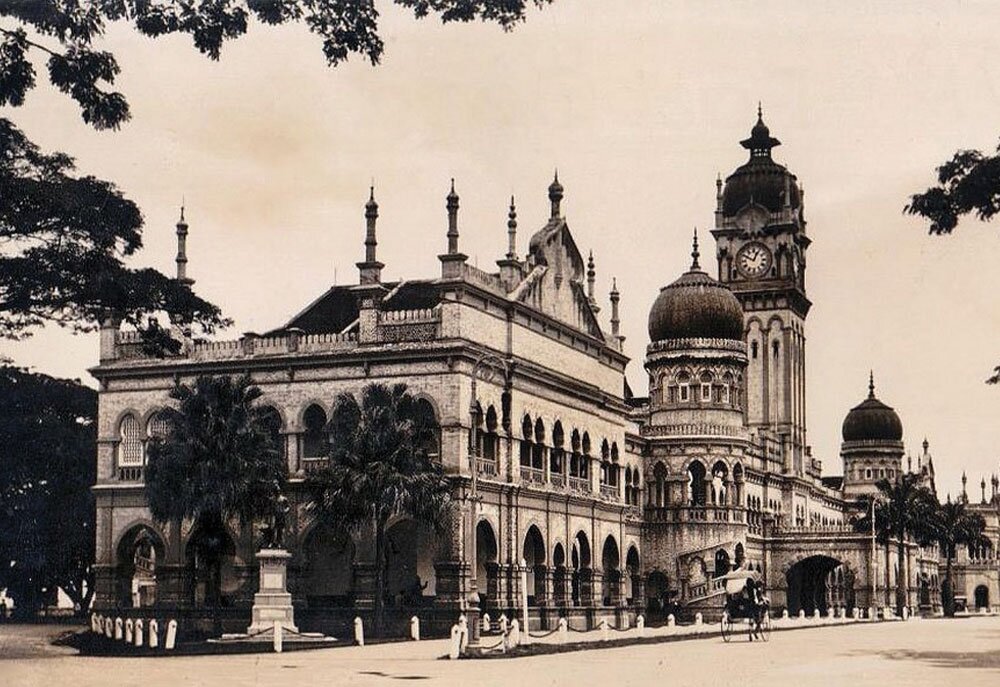
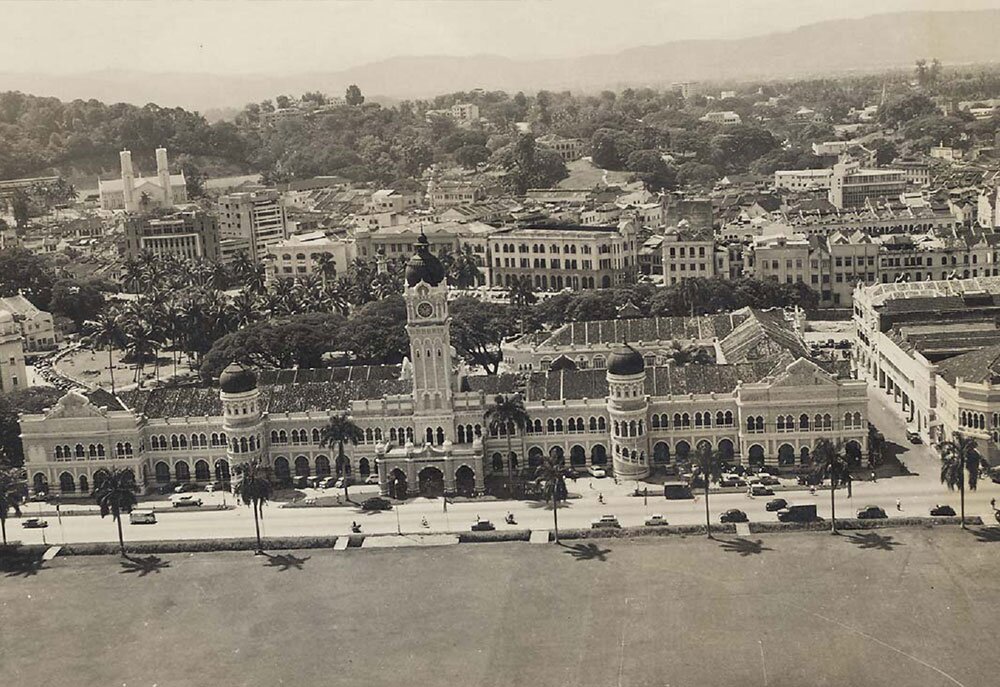
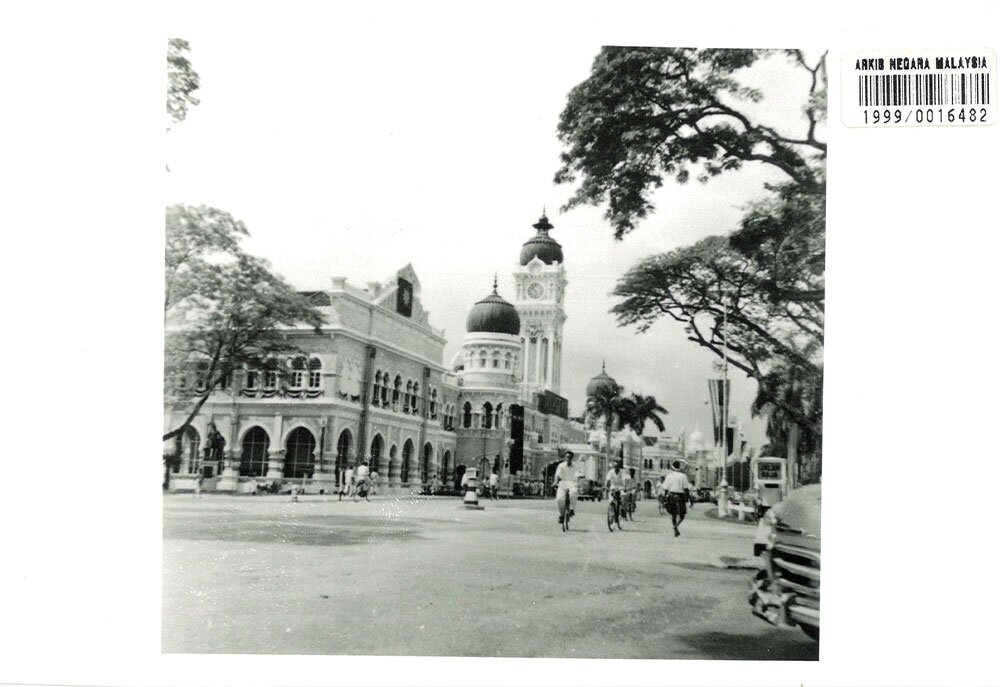
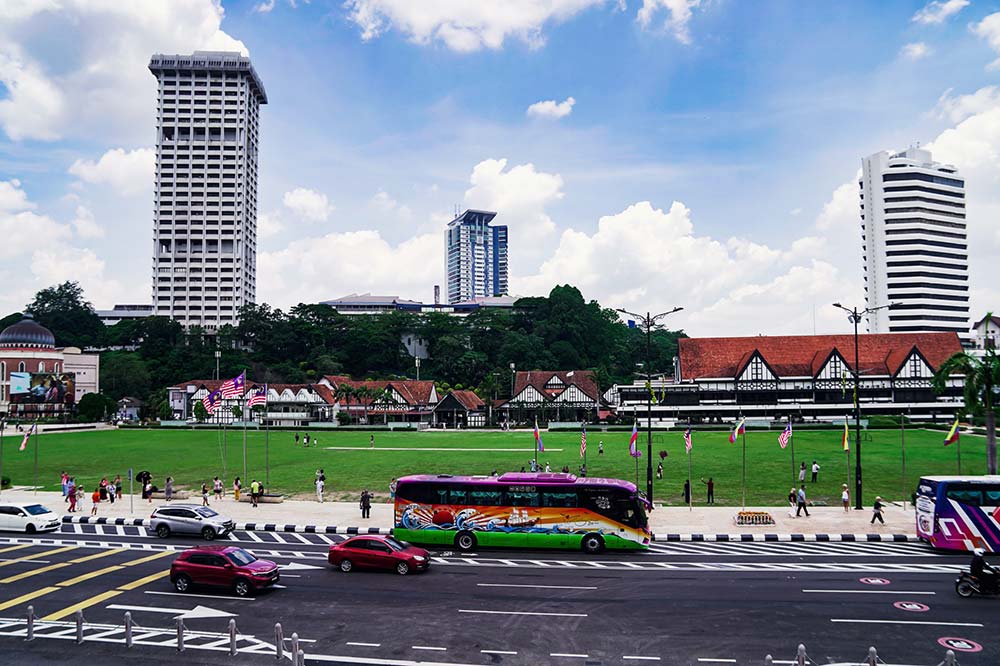
No visit to Sultan Abdul Samad Building is complete without stepping onto Merdeka Square, the historic square that unfolds before its iconic façade. Together, the two landmarks form one of Malaysia's most recognisable heritage ensembles, telling the story of the nation's journey from colonial rule to independence.
Formerly known as the "Selangor Club Padang", the open field served as Kuala Lumpur's social and administrative centre during the colonial era, surrounded by many of the city's most important civic buildings. On Aug 1957, thousands gathered here to witness the lowering of the Union Jack and the raising of the Malayan flag, marking the birth of an independent nation.
Today, Merdeka Square remains Malaysia's ceremonial heart, hosting the annual National Day Parade, cultural festivals, sporting events and major public celebrations. Its 95m flagpole continues to fly the Jalur Gemilang as a powerful symbol of national pride.
Beyond its historic significance, the square is rich with heritage features. The elegant Victoria Fountain, gifted to commemorate Queen Victoria's Diamond Jubilee in 1897, remains one of Kuala Lumpur's oldest surviving public monuments. Nearby stands a replica of the historic Zero Mile Marker (also known as the Zero Postal Marker). The original marker served as the reference point from which distances to destinations within the local area were measured, following the zero-mile system that was applied at towns and cities across Peninsular Malaysia.
The square also sits at the heart of Kuala Lumpur's heritage enclave. Along its periphery stand some of the city's most treasured landmarks, including the Royal Selangor Club, St Mary's Cathedral, the Kuala Lumpur City Library, and the adjacent Kuala Lumpur City Gallery, housed in the former Government Printing Office built in 1899. Together with Sultan Abdul Samad Building, these landmark buildings are framed by expansive green spaces and a collection of beautifully preserved colonial-era architecture, creating one of the capital's most distinctive historic precincts. Together, the square and Sultan Abdul Samad Building form a symbolic ensemble that embodies Malaysia’s journey from colonial administration to independence and nationhood.
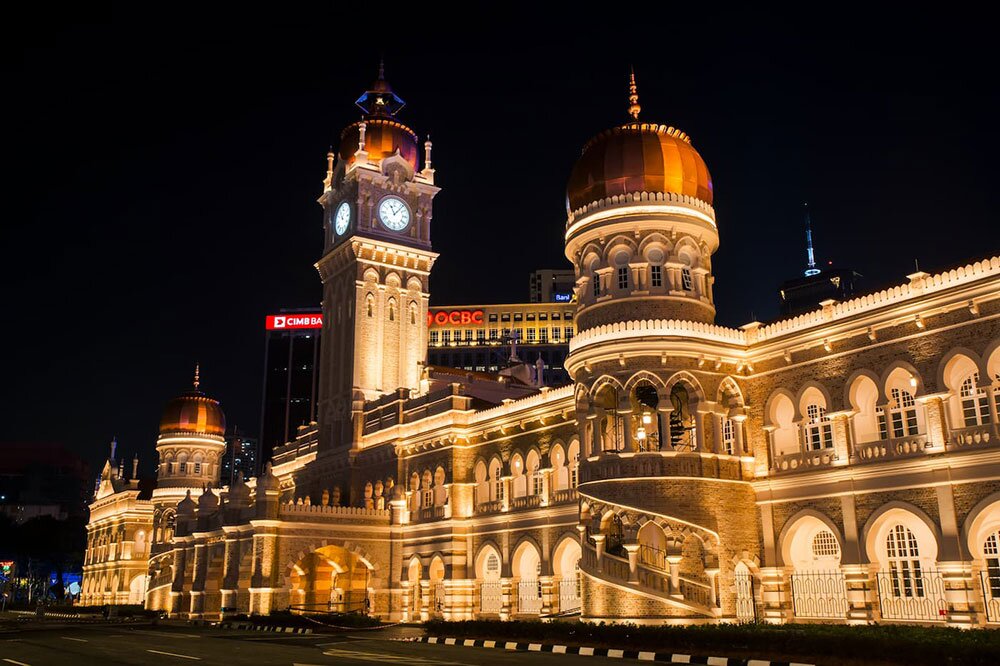
Today, the Sultan Abdul Samad Building remains a vibrant part of the city’s fabric, transitioning from a purely administrative site to a cultural and tourism beacon under the Warisan KL initiative.
Reopened to the public on Feb 2, 2026 after 11 months of careful conservation under Khazanah Nasional Berhad’s Dana Warisan, Block 1 of the Sultan Abdul Samad Building Complex was officiated by His Majesty Duli Yang Maha Mulia Sultan Ibrahim Ibni Almarhum Sultan Iskandar, the 17th King of Malaysia, in the presence of Prime Minister Dato' Seri Anwar Ibrahim and other national leaders.
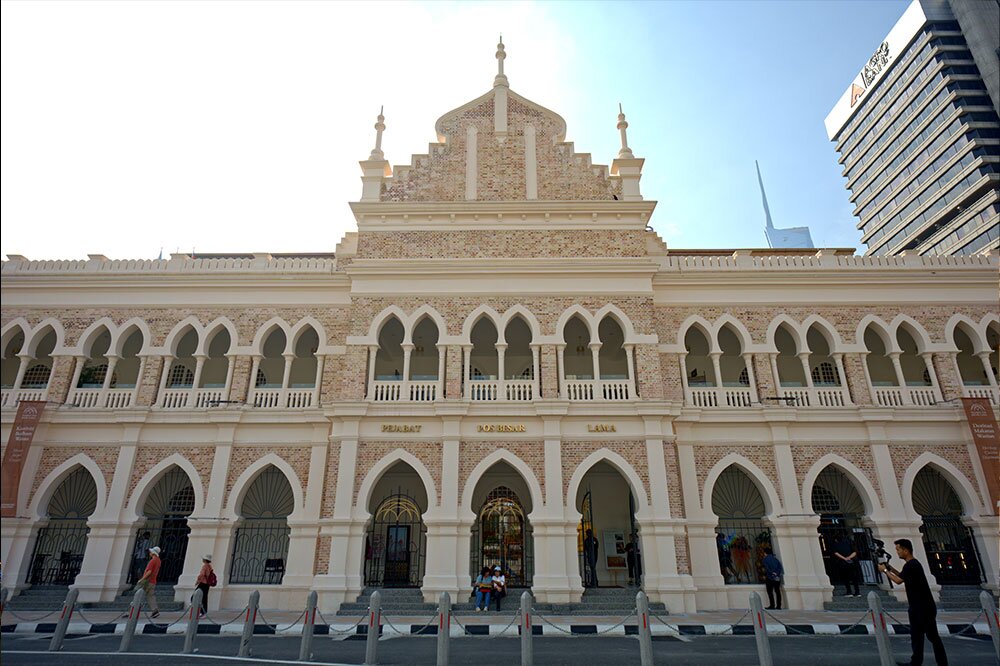
The May 2026 completion of Phase 2 extends the transformation of the Sultan Abdul Samad Building complex beyond conservation into activation. The restored Old General Post Office (Pejabat Pos Besar Lama), now part of the Sultan Abdul Samad Building experience, has been given a new lease of life through curated retail and cultural offerings that support local entrepreneurship. Home-grown brands showcase Malaysian cuisine, craftsmanship and design, reflecting the Warisan KL vision of breathing new life into historic buildings while preserving their architectural integrity.
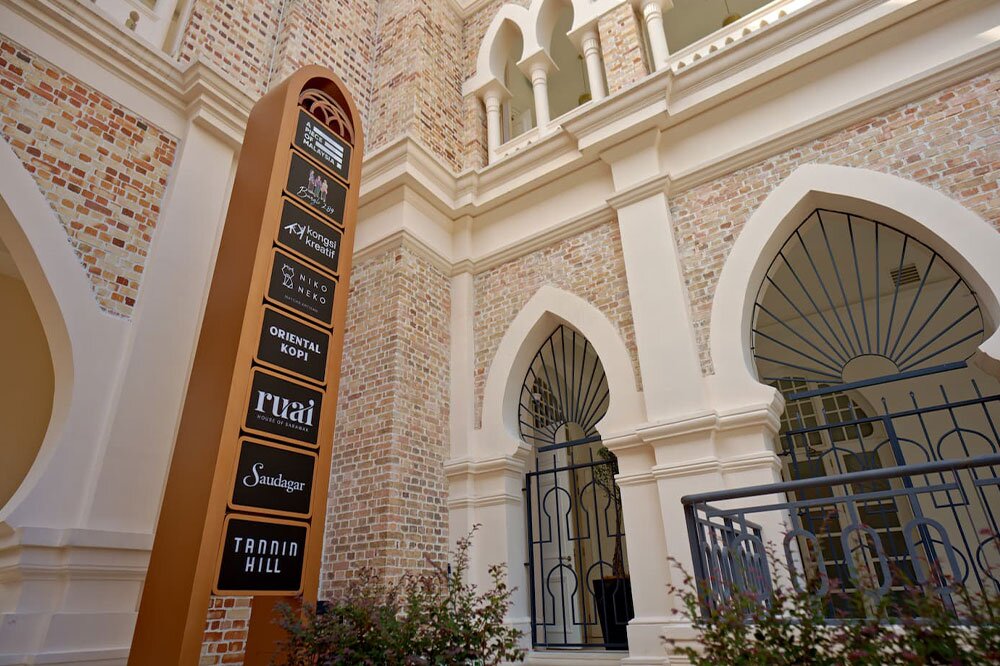
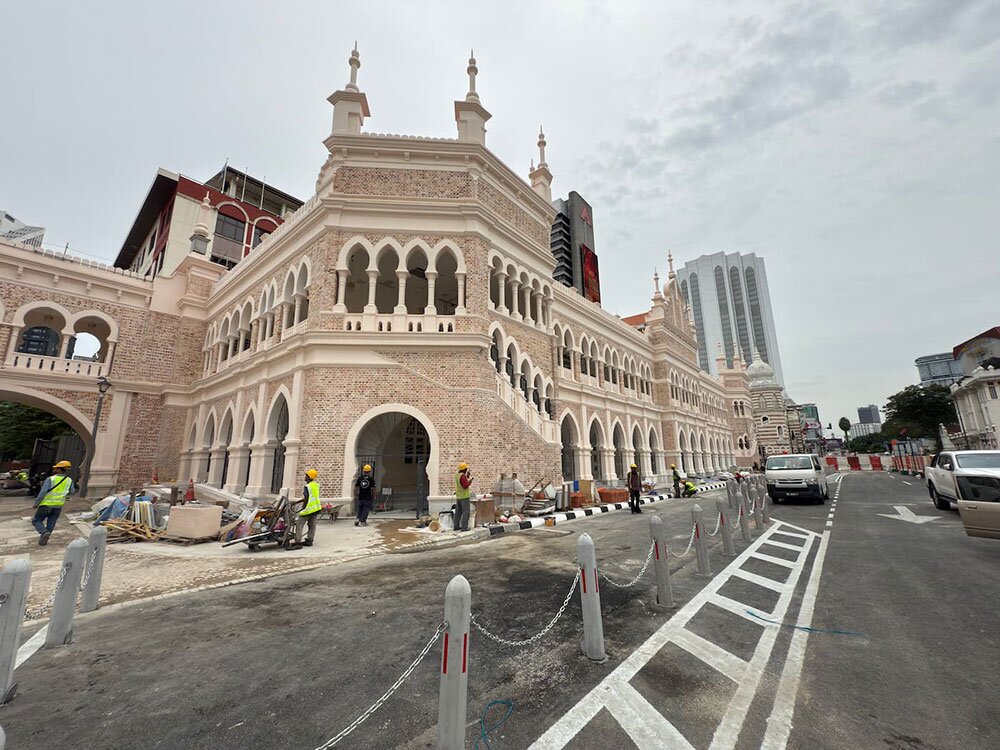
The building continues to serve as the backdrop for some of Malaysia’s most significant national celebrations. It is a focal point for the heritage trail of Kuala Lumpur, attracting thousands of visitors who come to admire its illuminated facade at night.
Adaptive Reuse and Cultural Space
The Sultan Abdul Samad Building is increasingly being reimagined as a space for public engagement.
- Exhibitions: Visitors can explore the permanent exhibition, "Kota Sejuta Rahmat: Kuala Lumpur, 1820s–1974", at the Visionary Hall, and a range of other attractions that showcase the city's history, heritage and future aspirations.
- Public Access: As part of the Warisan KL effort to create more “people-centered” spaces, the area surrounding the Sultan Abdul Samad Building has been enhanced with pedestrian-friendly walkways to foster social connection and civic pride.
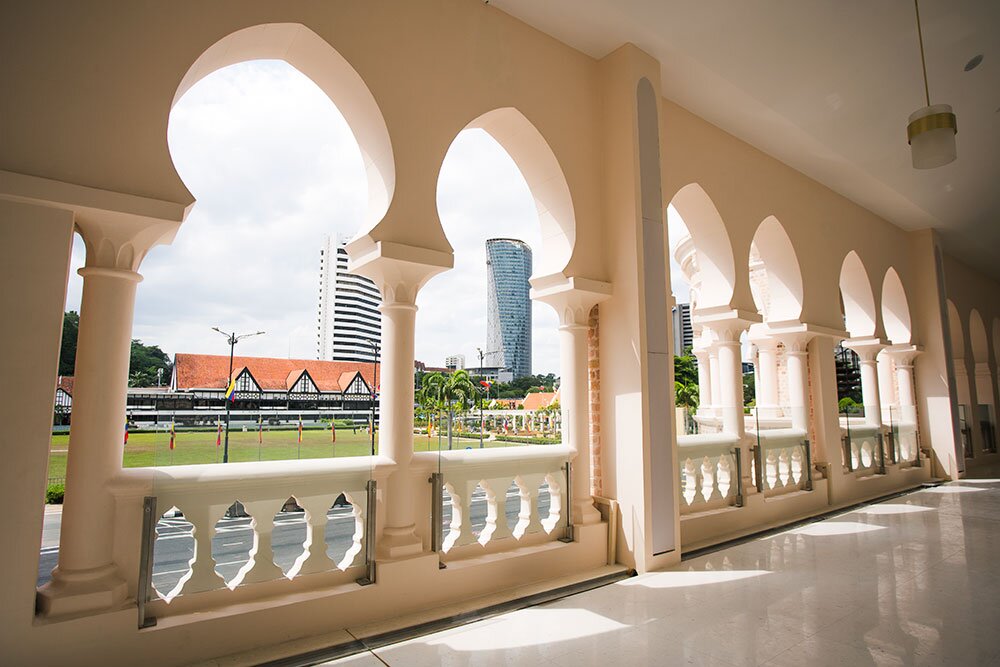
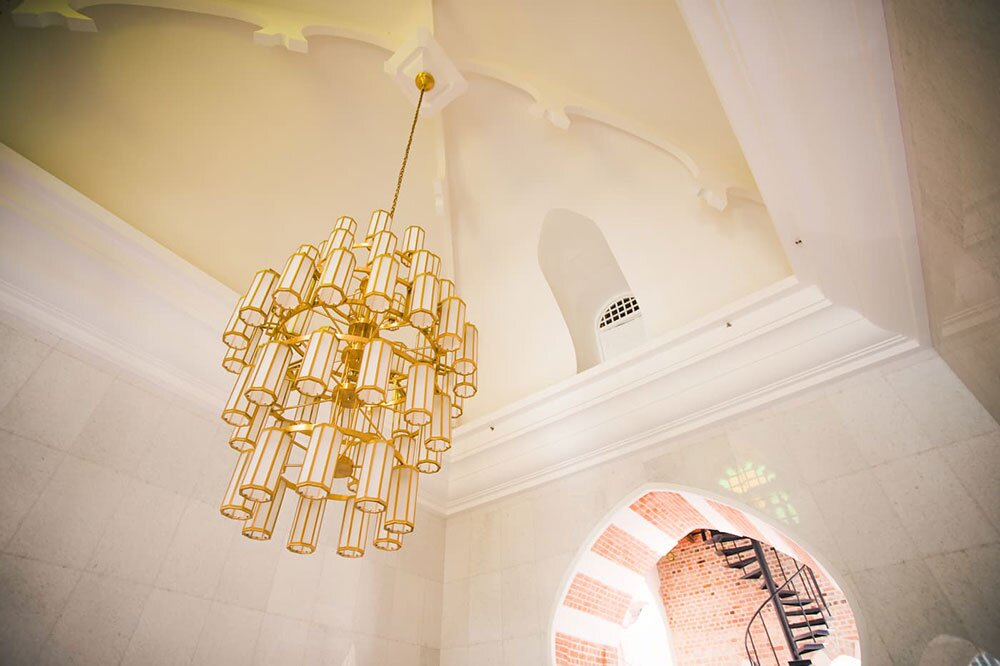
As a landmark of the Warisan KL initiative, Sultan Abdul Samad Building is at the centre of a strategy to revitalise the “soul” of the city. This involves not just preserving the physical structure, but reimagining its role in the 21st century – driving new opportunities in tourism and community enterprises while maintaining its status as a beacon of heritage.
Beyond the building itself, the rejuvenation of the Sultan Abdul Samad Building has extended to the surrounding public spaces. Jalan Raja, the courtyard and the riverside have been activated with cultural programmes, community events and pedestrian-friendly spaces, creating welcoming places where people can gather, explore and reconnect with Kuala Lumpur's historic core. Together, these efforts demonstrate how heritage conservation can breathe new life into the city while preserving its rich architectural legacy.
Key Strategies
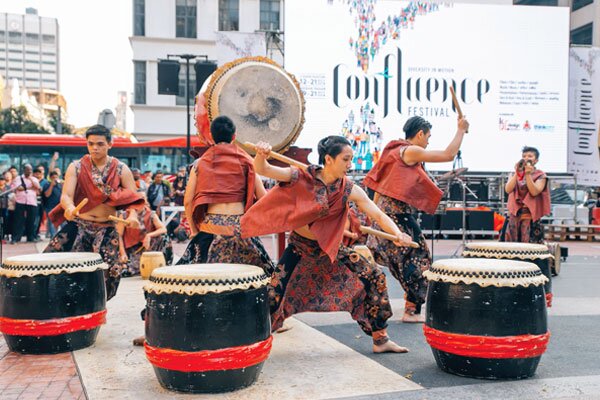
- Developing dedicated arts and performance spaces.
- Supporting creative businesses, galleries, and innovation hubs.
- Hosting cultural festivals, exhibitions, and public art initiatives.
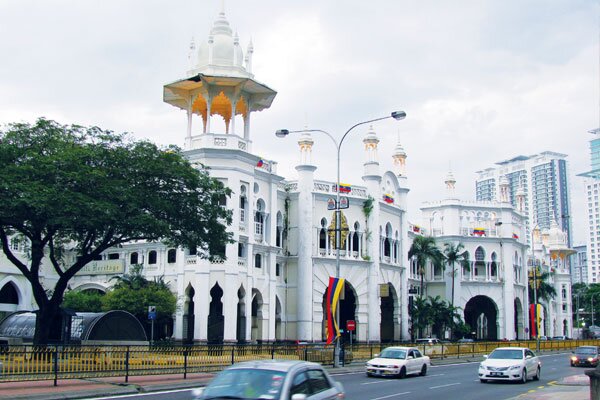
- Restoring Bangunan Sultan Abdul Samad, Central Market, and the Old KL Railway Station
- Adaptive reuse of historic buildings for new cultural and commercial functions
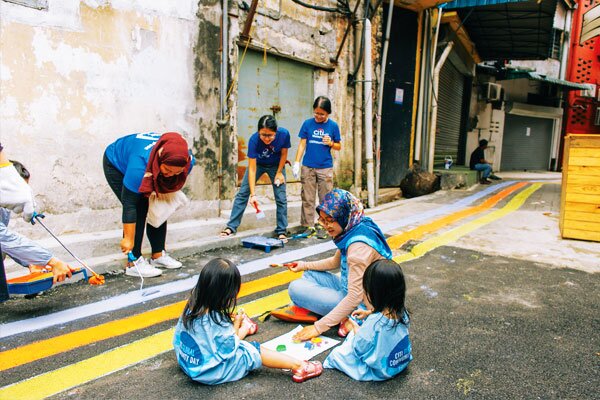
- Upgrade walkways, parks, and public squares for an inviting atmosphere.
- Enhance public transport links and cycling routes to promote urban mobility.
- Activate laneways and riverfront areas as vibrant community spaces.
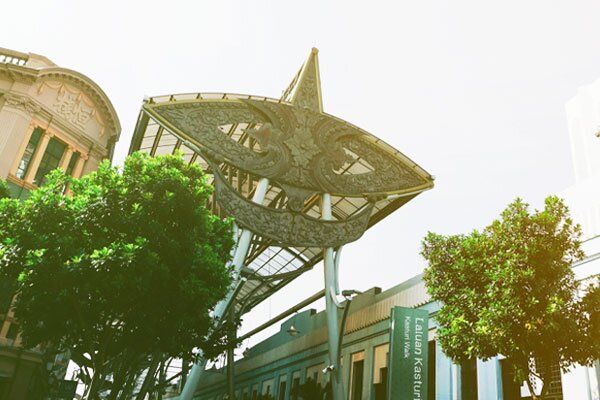
- Heritage Triangle Precinct – Restoring and reactivating historic streetscapes.
- Petaling Street & Traditional Shopping Street Precincts – Preserving KL’s Chinatown and its traditional trades.
- Civic Precinct – Enhancing the area around Dataran Merdeka and national landmarks.
- Encouraging urban living through mixed-use developments.
- Supporting affordable housing for artists, students, and professionals.
- Introducing community-driven projects to strengthen local engagement.
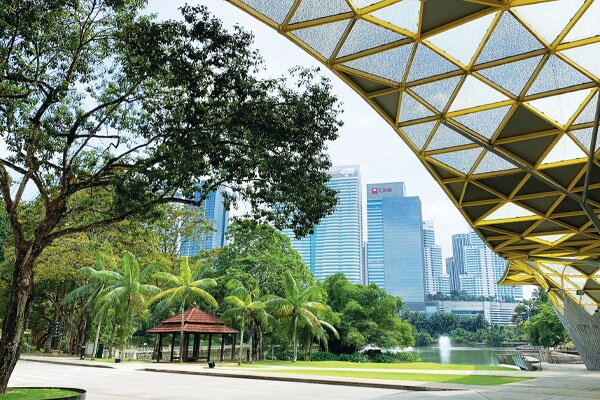
- "Forests in the City" – Expanding green spaces such as Taman Tugu and Bukit Nanas.
- Greener public spaces and eco-friendly urban planning.
- Sustainable conservation practices to protect cultural and natural heritage.
- Develop a governance framework to oversee heritage conservation and creative industries.
- Introduce incentives and funding mechanisms to attract private investment.
- Strengthen community participation in decision-making processes.
The new face of Kuala Lumpur
A city shaped by history and growth — explore Kuala Lumpur’s story in our booklet.
Don’t miss these interesting sites nearby
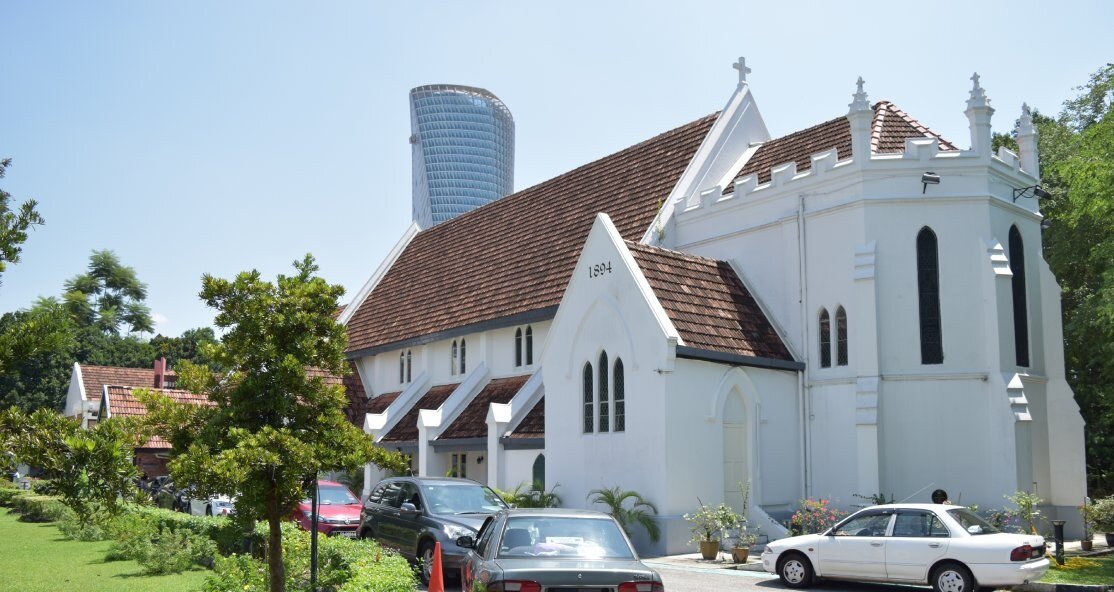
St. Mary's Cathedral
An Anglican cathedral featuring English Gothic architecture.
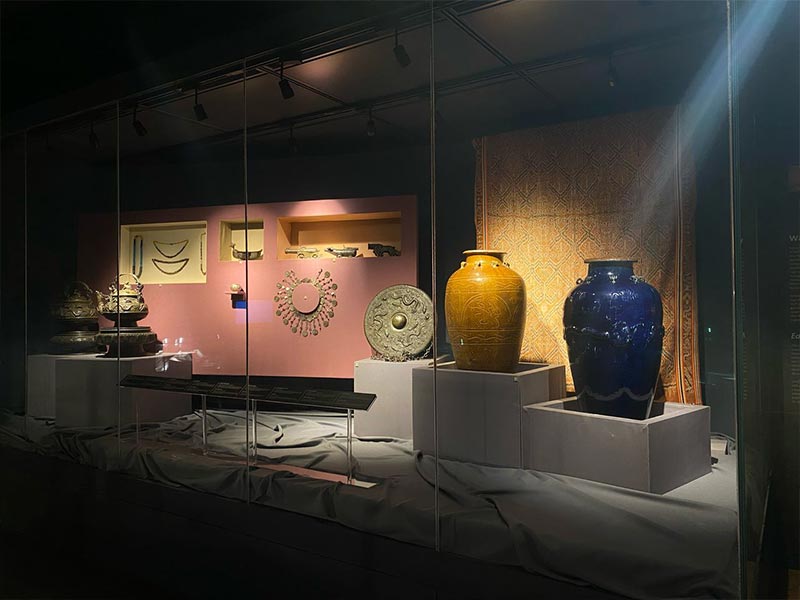
Numismatic Gallery
Explore the fascinating history of money through ancient currencies, interactive exhibits and banknotes from around the world at Bank Negara Malaysia's Numismatic Gallery.
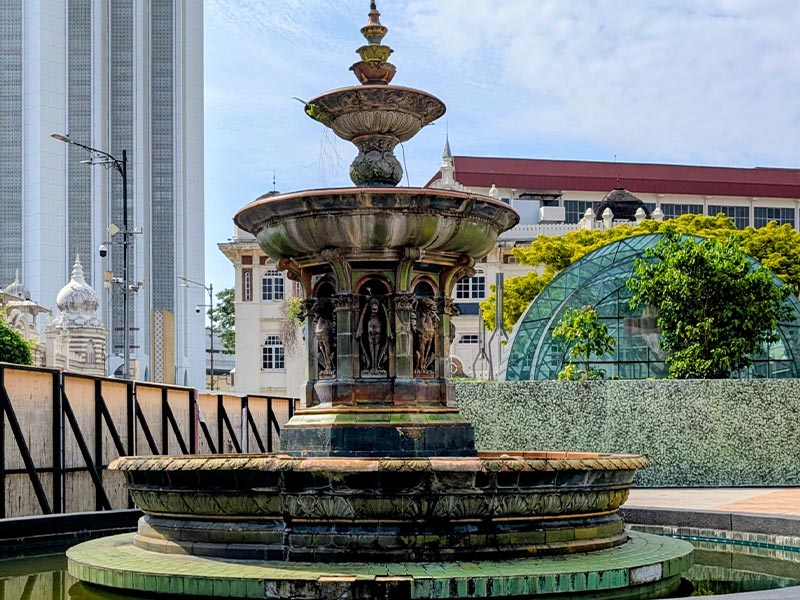
Victoria Fountain
Presented to commemorate Queen Victoria's Diamond Jubilee in 1897, the Victoria Fountain is one of Kuala Lumpur's oldest surviving public monuments and a reminder of the city's colonial past.
Shaping the Future of KL