More than an office tower, Menara Dayabumi pioneered a distinctly Malaysian architectural identity. Its iconic façade, inspired by Islamic geometric motifs, reinterpreted traditional design principles within a contemporary high-rise form, creating one of Kuala Lumpur's most recognisable landmarks. More than four decades later, it remains one of Malaysia's finest examples of modern Islamic architecture.
As part of Warisan KL, Dayabumi represents an important milestone in Kuala Lumpur's evolution, bridging the city's historic foundations with the aspirations of a young nation forging its own identity.
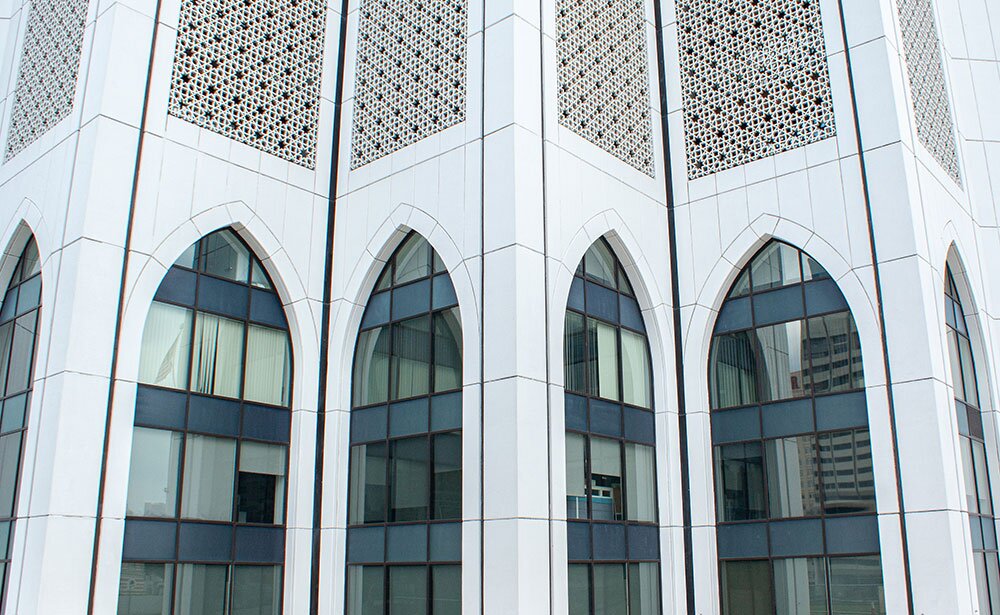
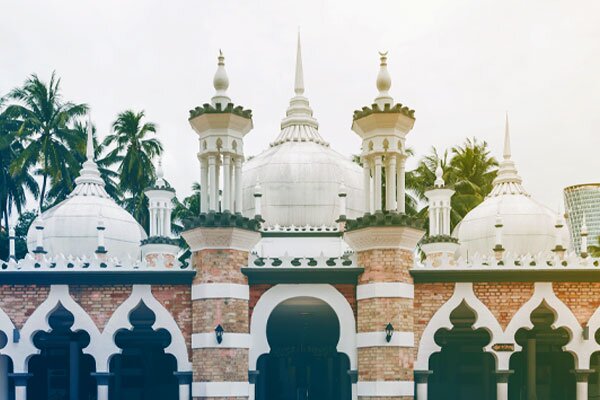
Strategically located along Jalan Sultan Hishamuddin, Dayabumi stands at the crossroads of Kuala Lumpur's past and present. Surrounded by landmarks such as the National Mosque, the Old Kuala Lumpur Railway Station, Muzium Tekstil Negara and Rumah Persekutuan, it occupies one of the city's most historically significant precincts.
The site itself has long played an important role in Kuala Lumpur's development. From the early 1900s until 1981, it housed the Malayan Railway workshops and depot, serving as a vital part of the city's transport infrastructure.
As Kuala Lumpur entered a new phase of urban growth after independence, the area was earmarked for redevelopment. Developed by the Urban Development Authority (UDA), Dayabumi was constructed between 1982 and 1984 as a mixed-use complex comprising a landmark office tower, the General Post Office, a retail podium and direct links to the city's rail network.
Throughout its history, the complex has been home to major institutions including Petronas and the Kuala Lumpur Commodity Exchange, cementing its place as one of the capital's most prominent commercial addresses. For generations of Malaysians, Dayabumi has also remained a familiar landmark and gateway into the city centre.
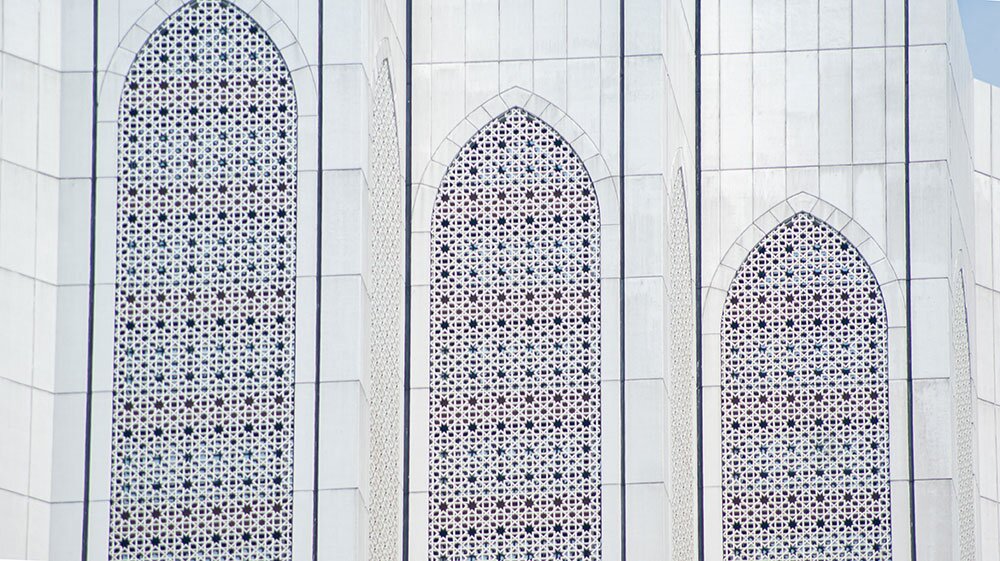
Menara Dayabumi represented a milestone in Malaysia's architectural journey. Rising 35 storeys and 515ft, it was the country's first steel-frame skyscraper and, for a brief period, the tallest building in Malaysia. More significantly, it was celebrated as the first skyscraper realised entirely through Malaysian expertise, with local architects, engineers and builders collaborating on every stage of its construction.
Designed by Arkitek MAA Sdn Bhd and BEP Arkitek Sdn Bhd, the building combines modern engineering with architectural references rooted in Malaysia's cultural heritage.
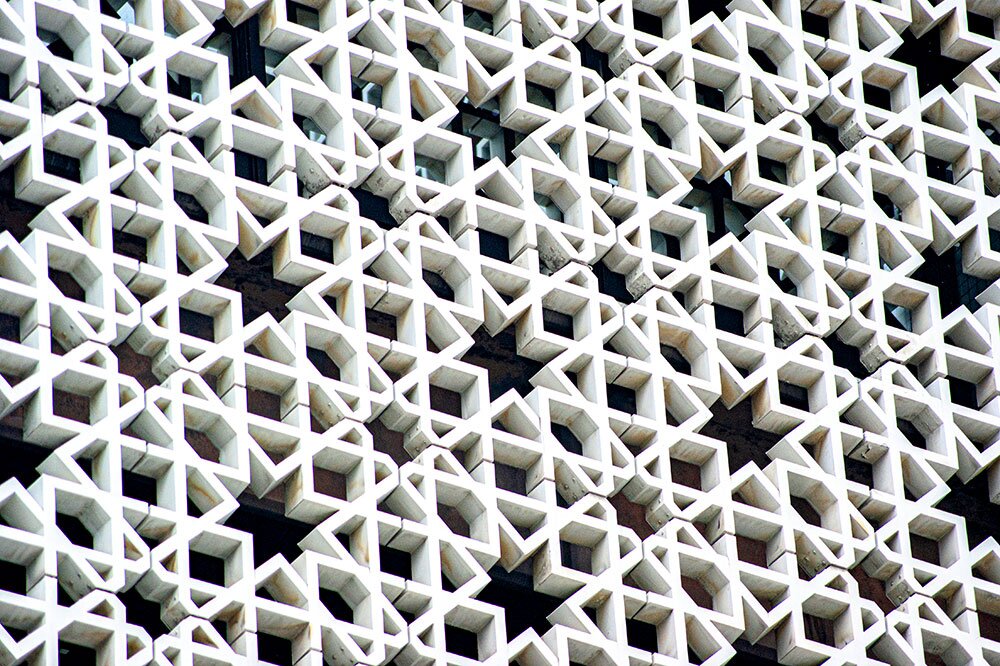
Its distinctive latticework, pointed arches and sweeping curved forms draw inspiration from Islamic architecture while echoing the Neo Mughal influences found in nearby heritage landmarks such as the Kuala Lumpur Railway Station. Clad entirely in white, Dayabumi offered a uniquely Malaysian architectural expression at a time when glass-and-steel international styles dominated skylines around the world.
At the base of the complex lies City Point, once a vibrant retail destination that attracted office workers, shoppers and visitors to the heart of Kuala Lumpur. As commercial activity gradually shifted towards suburban malls and newer business districts, the area experienced a decline in foot traffic.
Today, City Point is being revitalised as part of the broader Warisan KL initiative to breathe new life into Kuala Lumpur's historic city centre.
The vision is to transform the former retail podium into a pedestrian-friendly destination that reconnects Dayabumi with its surrounding heritage precinct. Improved walkability, enhanced public spaces and stronger links to nearby attractions will help restore activity while creating a more welcoming environment for both locals and visitors.
Future plans include food and beverage offerings, creative retail experiences, spaces for local entrepreneurs, cultural programming, public art installations, exhibitions, markets and community events that celebrate Kuala Lumpur's rich heritage while supporting contemporary urban life.
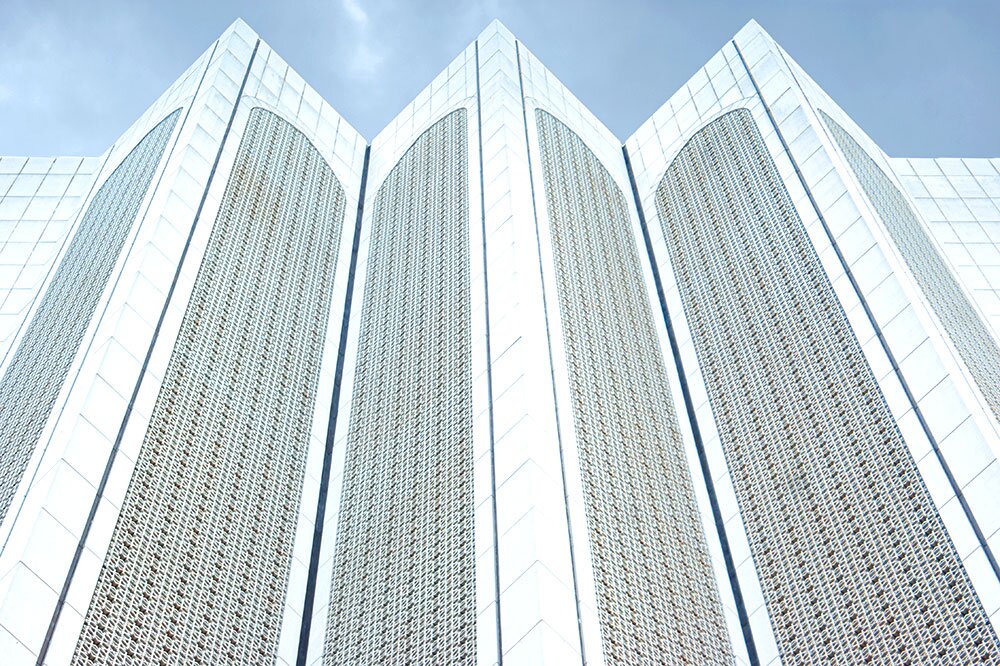
The Dayabumi Complex's story reflects Kuala Lumpur's continuing evolution. While its architecture stands as a lasting symbol of the optimism and ambition of post-independence Malaysia, its ongoing revitalisation demonstrates how modern heritage can continue to shape the future of the city.
As part of Warisan KL, Dayabumi is being reimagined as more than a landmark building. It is envisioned as a vibrant urban destination that celebrates architectural innovation, strengthens cultural life and reconnects people with the history and identity of Kuala Lumpur.
Key Strategies
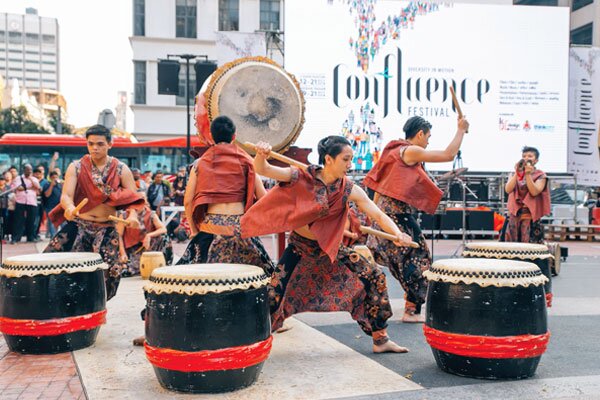
- Developing dedicated arts and performance spaces.
- Supporting creative businesses, galleries, and innovation hubs.
- Hosting cultural festivals, exhibitions, and public art initiatives.
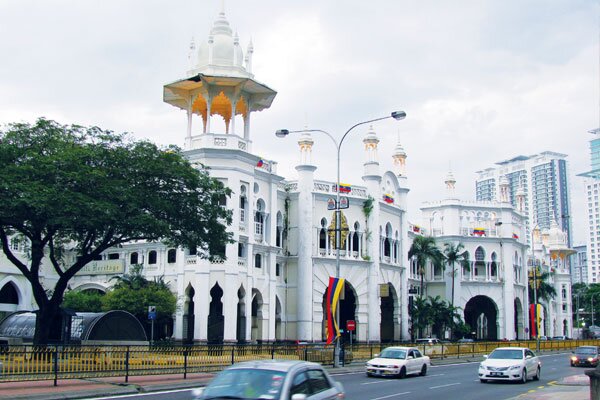
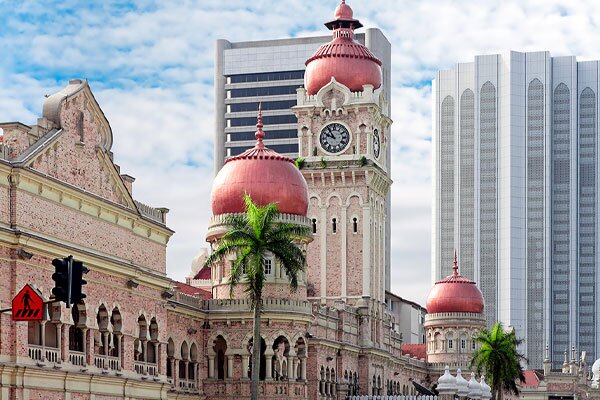
- Restoring Bangunan Sultan Abdul Samad, Central Market, and the Old KL Railway Station
- Adaptive reuse of historic buildings for new cultural and commercial functions
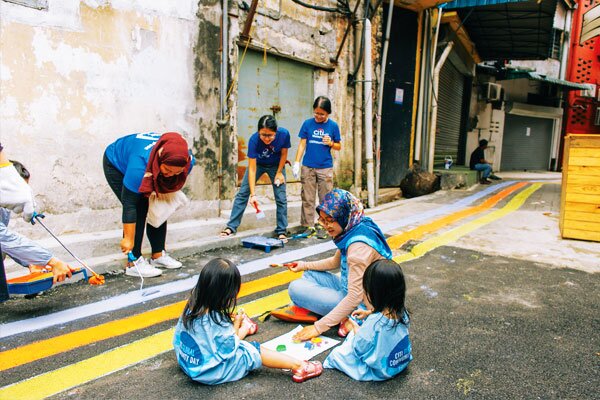
- Upgrade walkways, parks, and public squares for an inviting atmosphere.
- Enhance public transport links and cycling routes to promote urban mobility.
- Activate laneways and riverfront areas as vibrant community spaces.
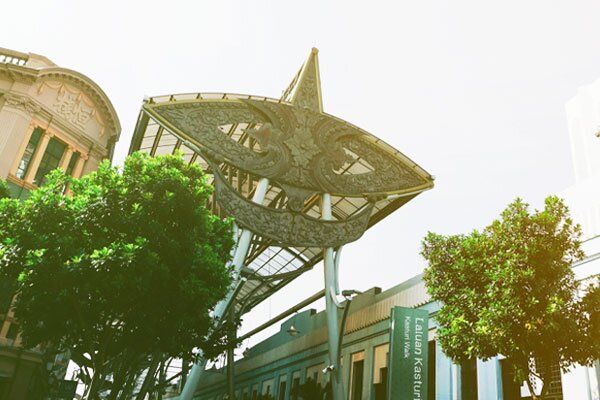
- Heritage Triangle Precinct – Restoring and reactivating historic streetscapes.
- Petaling Street & Traditional Shopping Street Precincts – Preserving KL’s Chinatown and its traditional trades.
- Civic Precinct – Enhancing the area around Dataran Merdeka and national landmarks.
- Encouraging urban living through mixed-use developments.
- Supporting affordable housing for artists, students, and professionals.
- Introducing community-driven projects to strengthen local engagement.
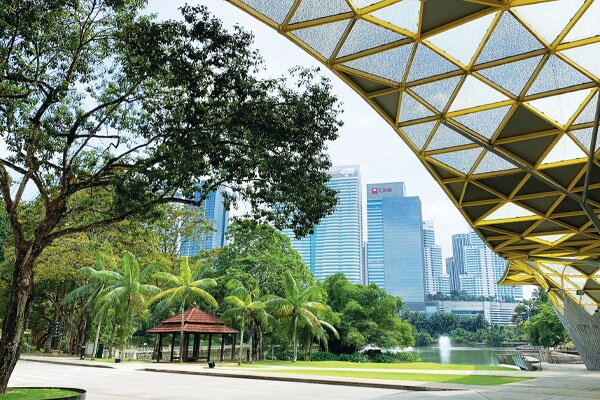
- "Forests in the City" – Expanding green spaces such as Taman Tugu and Bukit Nanas.
- Greener public spaces and eco-friendly urban planning.
- Sustainable conservation practices to protect cultural and natural heritage.
- Develop a governance framework to oversee heritage conservation and creative industries.
- Introduce incentives and funding mechanisms to attract private investment.
- Strengthen community participation in decision-making processes.
The new face of Kuala Lumpur
A city shaped by history and growth — explore Kuala Lumpur’s story in our booklet.
Don’t miss these interesting sites nearby
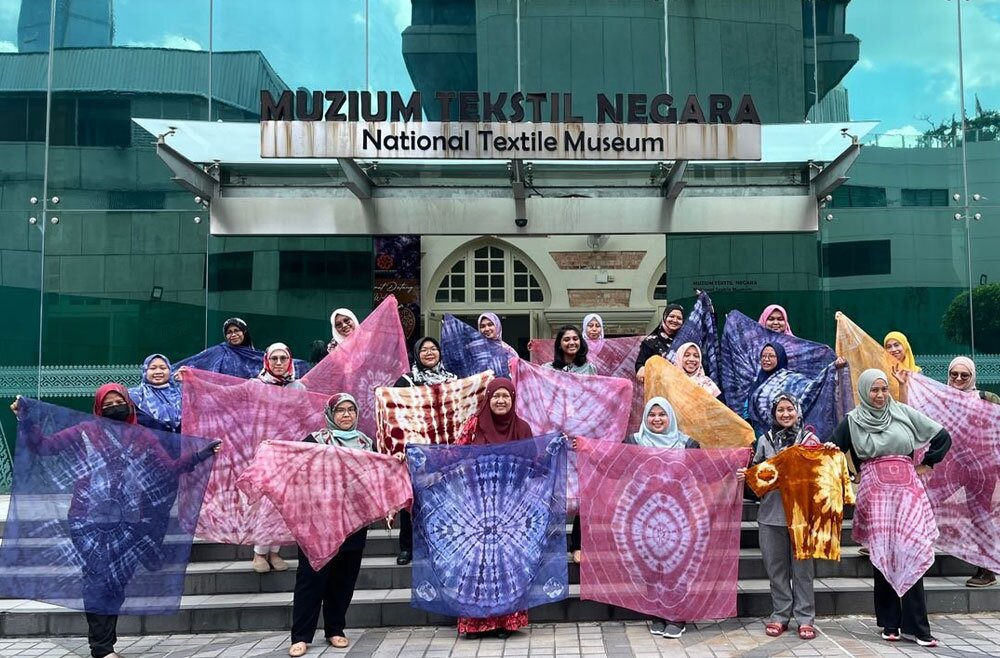
National Textiles Museum
Housed within a striking Mughal-inspired heritage building, the museum celebrates Malaysia's rich textile traditions through colourful displays of songket, batik, embroidery and royal attire.
Royal Selangor Club
Established in 1884, the Royal Selangor Club is one of Kuala Lumpur's oldest social institutions, renowned for its Tudor-style clubhouse and enduring sporting traditions overlooking Dataran Merdeka.
KL Library
Set within a charming colonial-era building, the Kuala Lumpur City Library offers a quiet retreat where visitors can explore books, local history and views of Dataran Merdeka.
Shaping the Future of KL