Originally known as "Old Market Square" – its official English name from 1893 – Medan Pasar was named after the old market established by Kapitan Yap Ah Loy. Located near the Klang River trading post, it became Kuala Lumpur's first public marketplace and commercial hub.
As part of Warisan KL, Medan Pasar is being revitalised by Creador Foundation as a vibrant destination where heritage, culture and community come together, ensuring the historic square continues to play a central role in the life of the city.
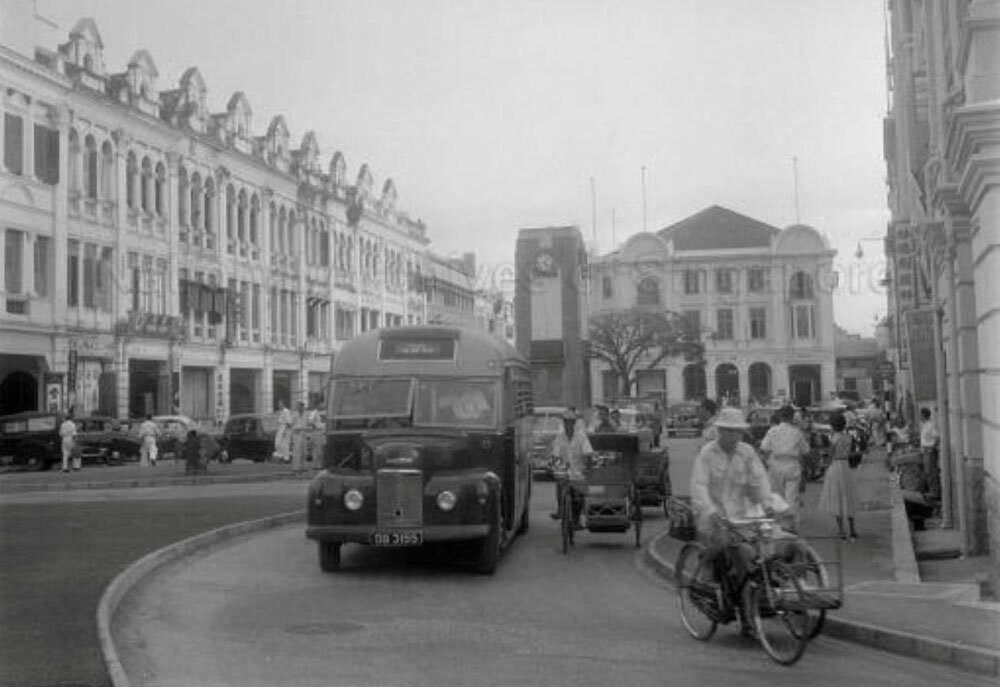
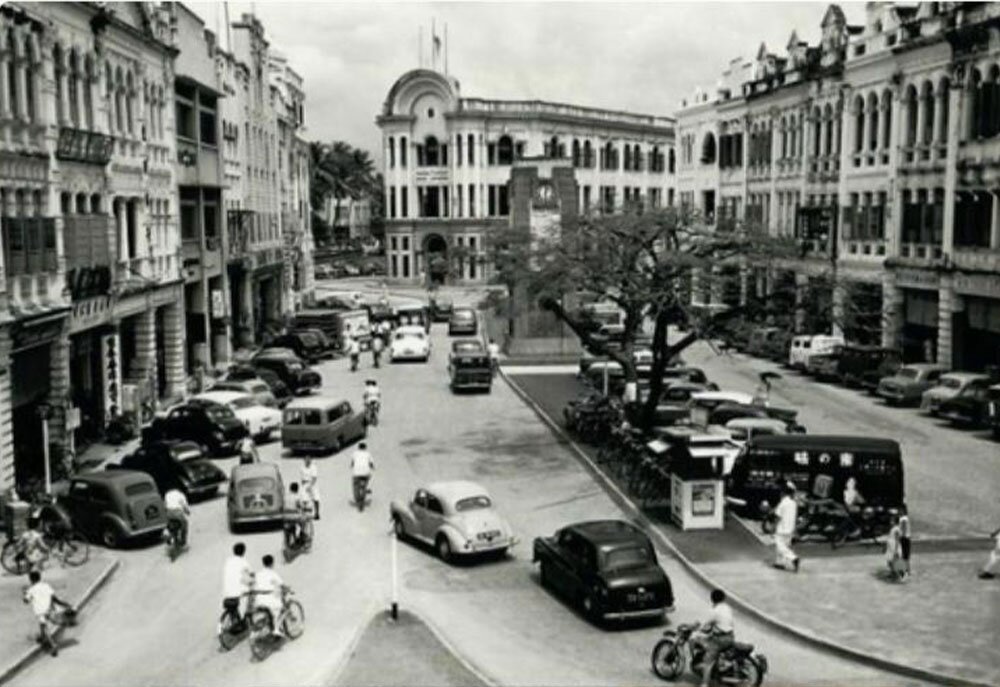
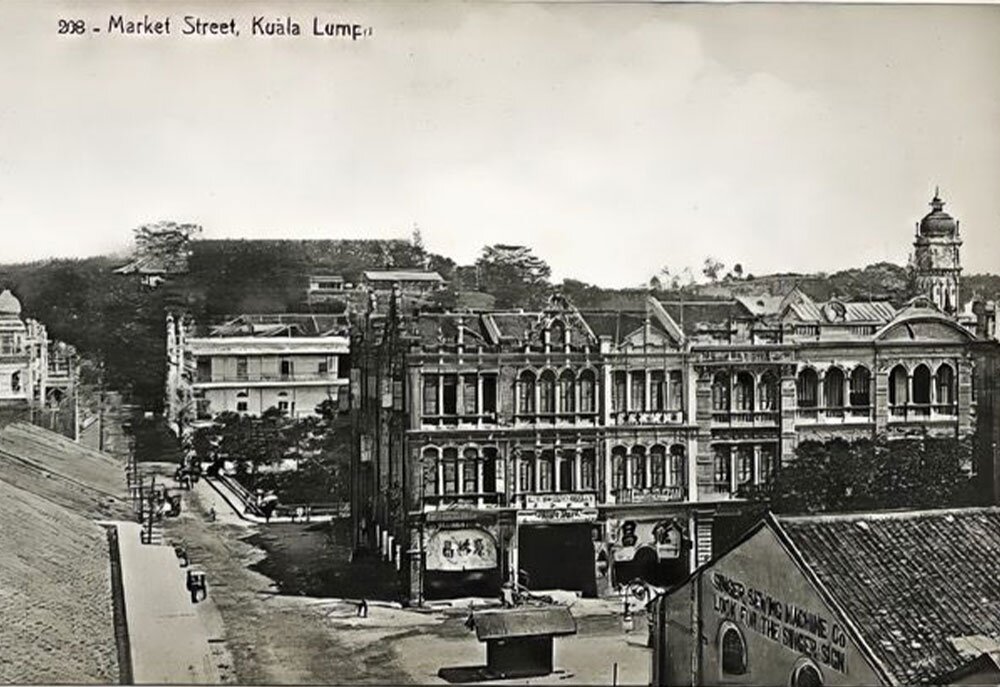
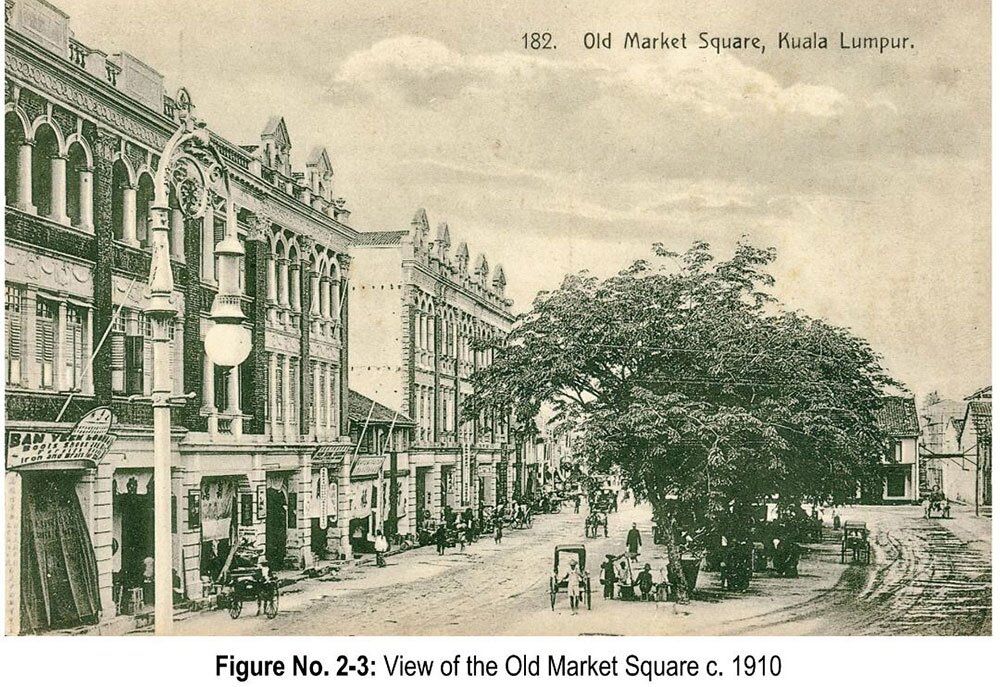
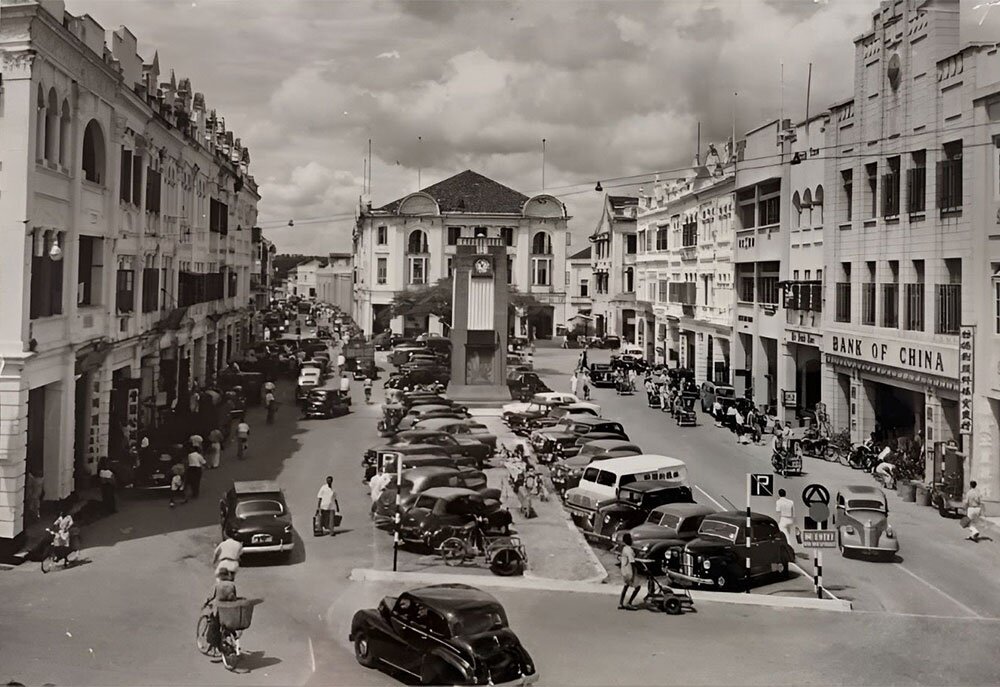
Established in the late 19th century, Old Market Square developed around the market established by Kapitan Yap Ah Loy and grew into Kuala Lumpur's principal centre of trade. Its strategic location near the Klang River trading post and at the crossroads of routes leading to the surrounding tin-mining settlements made it a natural meeting point for merchants arriving by boat and businesses serving the rapidly expanding town.
At the heart of the square stands the iconic Medan Pasar Clock Tower, beneath which an electrical substation was installed to supply power to the surrounding shophouses, an early reminder of the area's importance as Kuala Lumpur's commercial hub.
As commerce flourished, the surrounding streets became home to banks, trading companies, hotels and family-owned businesses, transforming the square into one of colonial Kuala Lumpur's busiest commercial districts. Although the original market was eventually relocated, Medan Pasar retained its importance as a civic and commercial landmark, remaining at the heart of the city's development.
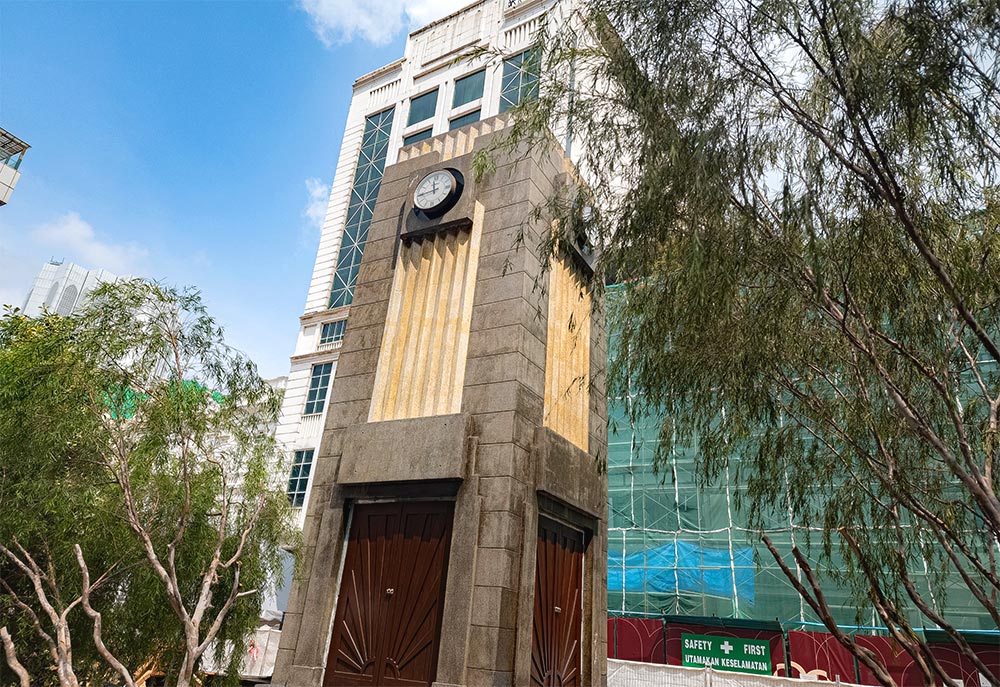
Standing proudly at the centre of the square is the Medan Pasar Clock Tower (pic above), erected in 1937 to commemorate the coronation of King George VI. Designed in Art Deco style, it remains one of the precinct's most recognisable landmarks and a symbol of the city's rich urban heritage.
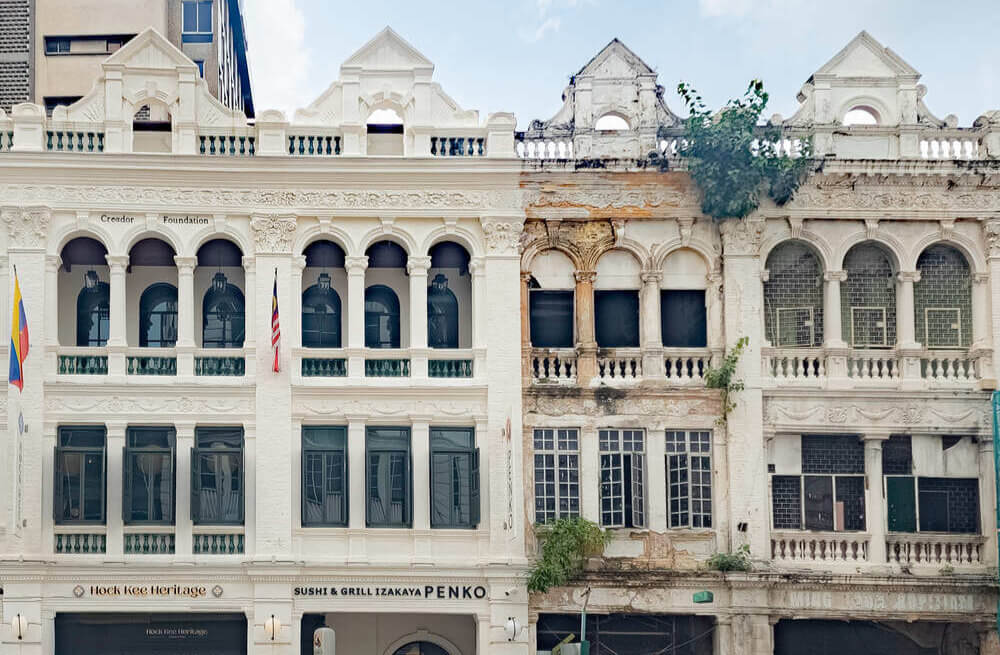
Medan Pasar offers one of Kuala Lumpur's finest collections of historic commercial architecture, reflecting the city's evolution during the first half of the 20th century.
The surrounding rows of pre-war shophouses display a rich blend of Neo-Classical and Art Deco influences. Elegant façades, decorative plasterwork, ornamental cornices, timber shutters and traditional five-foot ways showcase the craftsmanship that once defined Kuala Lumpur's commercial streets.
Supporting the Warisan KL vision, the Creador Foundation is undertaking a major conservation programme involving approximately 54 heritage buildings in and around Medan Pasar. Restoration efforts focus on preserving the precinct's architectural character while adapting many of the buildings for contemporary uses. To date, six heritage shophouses have been fully restored, with additional buildings continuing to undergo careful conservation.
Together with the restored Clock Tower, these buildings create one of Kuala Lumpur's most complete and authentic historic streetscapes.
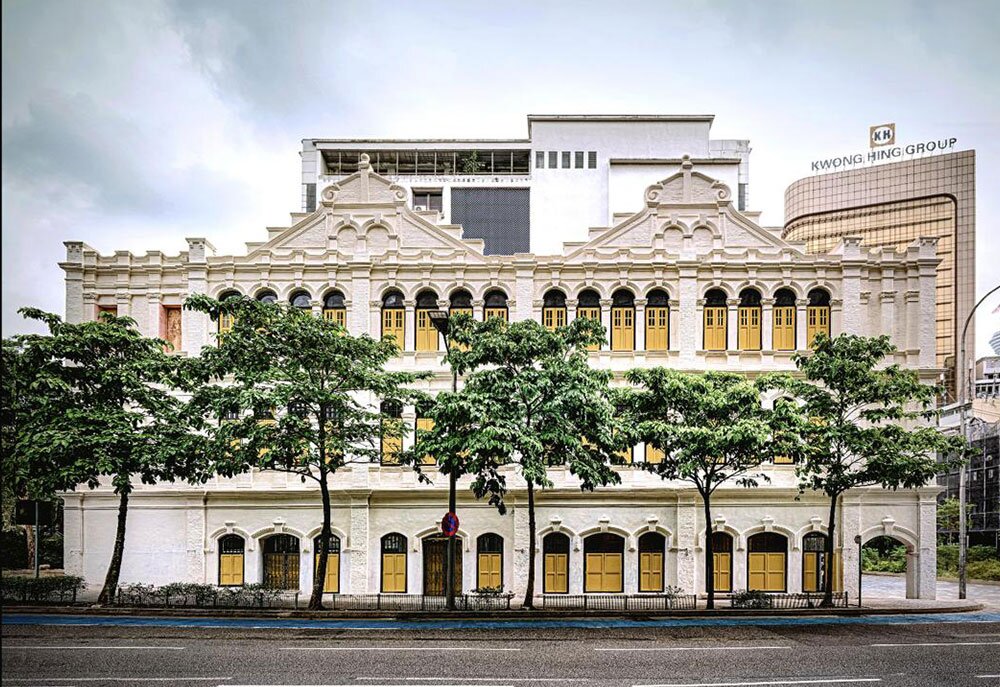
Today, Medan Pasar is being reimagined as a destination for culture, creativity and community.
A series of new cultural attractions will bring fresh energy to the historic precinct, including the Muara arts gallery, a not-for-profit public art gallery – showcasing modern and contemporary art from South-East Asia to inspire, engage and connect artists and audiences across the region and beyond; as well as the Muara Arts Theatre – a new performance venue designed to host local and international productions.
The revitalisation also introduces new cafés, restaurants and retail experiences within restored heritage buildings, alongside opportunities for local artisans, craftspeople and homegrown brands to showcase their work. Together, these initiatives seek to create a lively cultural ecosystem that complements the precinct's historic character while inviting people to rediscover the heart of old Kuala Lumpur.
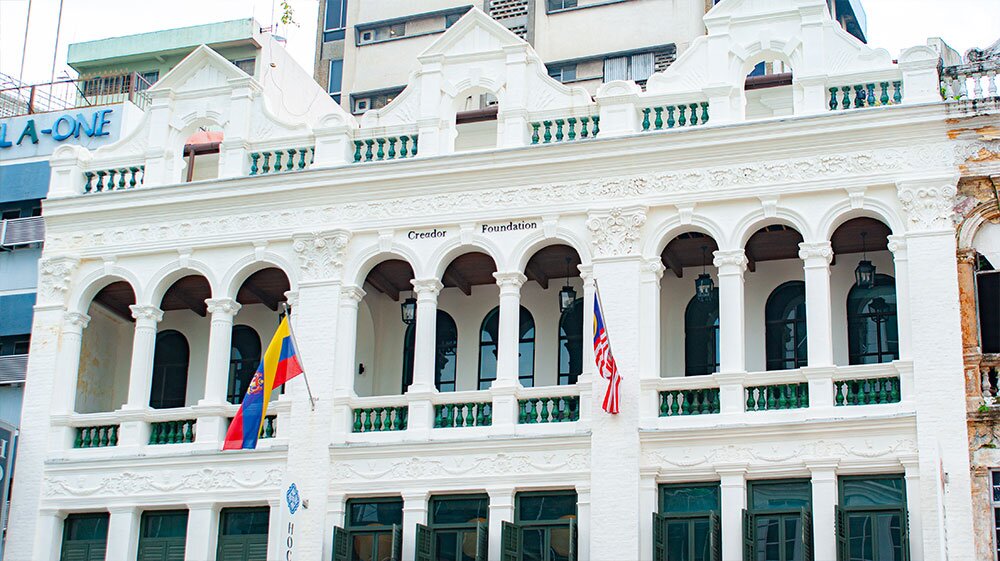
Medan Pasar's story reflects the evolution of Kuala Lumpur itself. From its origins as the city's first market square to its role today as a revitalised heritage precinct, it has remained a place where commerce, culture and community converge.
As part of Warisan KL, Medan Pasar demonstrates how heritage conservation can do more than preserve historic buildings – it can renew the social and cultural life that gives a city its identity.
More than a historic square, Medan Pasar continues to serve as the symbolic heart of where Kuala Lumpur began, connecting the city's rich past with an exciting future.
Key Strategies
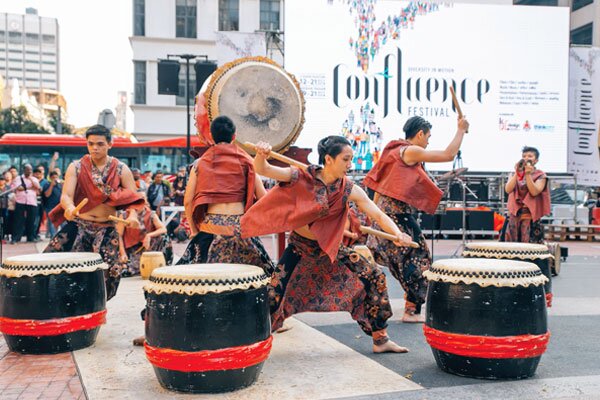
- Developing dedicated arts and performance spaces.
- Supporting creative businesses, galleries, and innovation hubs.
- Hosting cultural festivals, exhibitions, and public art initiatives.
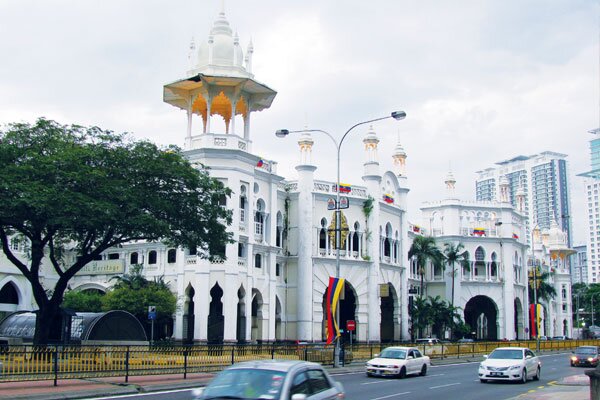
- Restoring Bangunan Sultan Abdul Samad, Central Market, and the Old KL Railway Station
- Adaptive reuse of historic buildings for new cultural and commercial functions
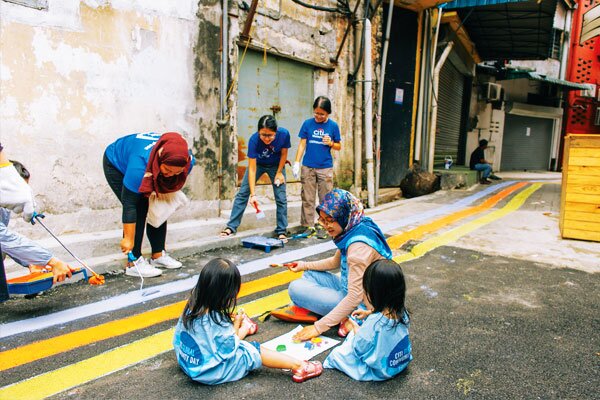
- Upgrade walkways, parks, and public squares for an inviting atmosphere.
- Enhance public transport links and cycling routes to promote urban mobility.
- Activate laneways and riverfront areas as vibrant community spaces.
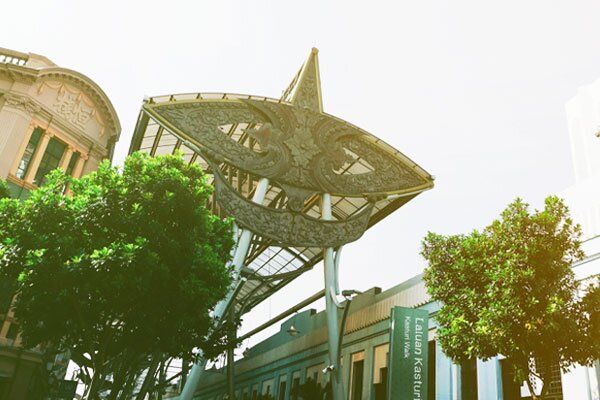
- Heritage Triangle Precinct – Restoring and reactivating historic streetscapes.
- Petaling Street & Traditional Shopping Street Precincts – Preserving KL’s Chinatown and its traditional trades.
- Civic Precinct – Enhancing the area around Dataran Merdeka and national landmarks.
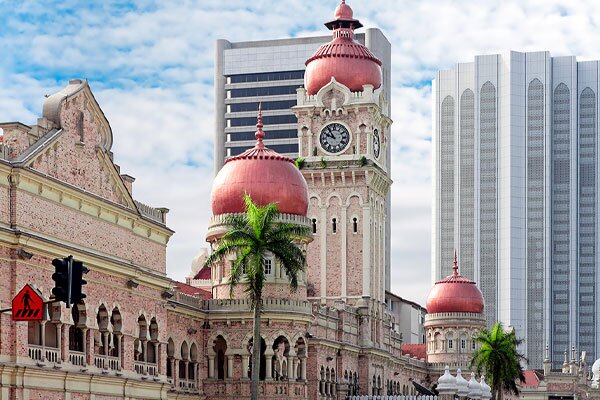
- Encouraging urban living through mixed-use developments.
- Supporting affordable housing for artists, students, and professionals.
- Introducing community-driven projects to strengthen local engagement.
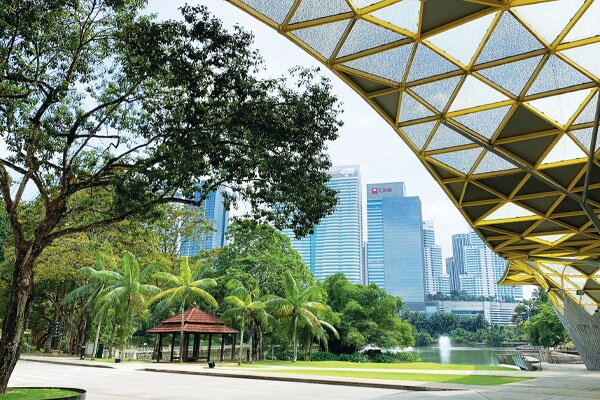
- "Forests in the City" – Expanding green spaces such as Taman Tugu and Bukit Nanas.
- Greener public spaces and eco-friendly urban planning.
- Sustainable conservation practices to protect cultural and natural heritage.
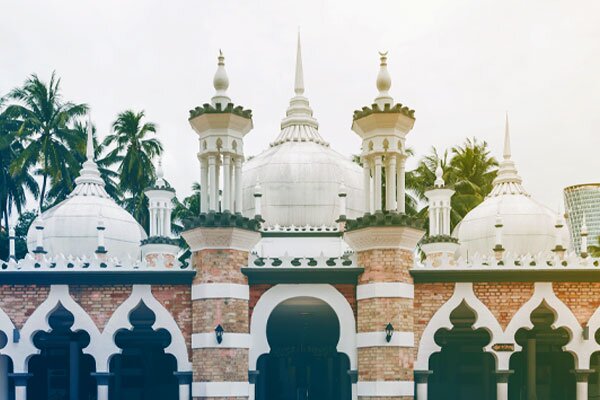
- Develop a governance framework to oversee heritage conservation and creative industries.
- Introduce incentives and funding mechanisms to attract private investment.
- Strengthen community participation in decision-making processes.
The new face of Kuala Lumpur
A city shaped by history and growth — explore Kuala Lumpur’s story in our booklet.
Don’t miss these interesting sites nearby
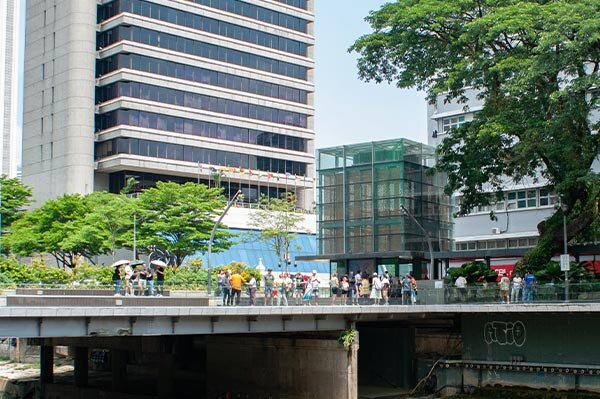
Market Street Bridge
Standing where Kuala Lumpur's first bridge once crossed the Klang River, this historic crossing linked the thriving commercial hub established by Kapitan Yap Ah Loy.
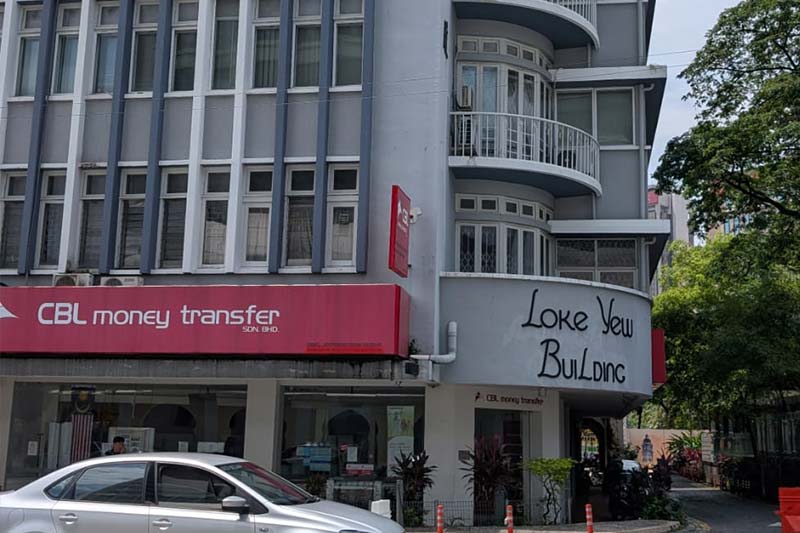
Loke Yew Building
A faded beauty from the turn of the century, this historic landmark was once the pride of one of Kuala Lumpur's most influential businessmen and remains a reminder of the city's early commercial success.
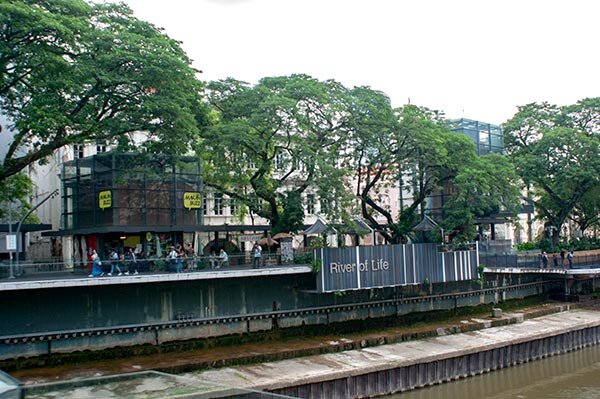
River of Life
The confluence of the Klang and Gombak rivers is where Kuala Lumpur was born. Once a muddy landing point for early traders and tin miners, it has been transformed through the River of Life project into a vibrant waterfront celebrating the city's origins.
Shaping the Future of KL