Today, as a key landmark of the Warisan KL initiative, the station is undergoing a transformative rejuvenation to restore its former glory and cement its status as a vital piece of Malaysia’s cultural and historical soul.
.jpg)
.jpg)
- A Strategic Hub: Designed to replace a single storey building, the station became the nerve centre for the Federated Malay States Railways (FMSR).
- The Russell Connection: The construction was a feat of local and international collaboration. The foundation was laid by Contractor Ang Seng (who also built the Bangunan Sultan Abdul Samad), while the main structure was completed by brothers John Archibald and Phillip Charles Russell – the family whose legacy continues today through the famous Boh Tea plantations.
- Royal Inauguration: The station’s prestige was cemented on July 1, 1911, when its first passengers included Sultan Ala'eddin Suleiman Shah, the Sultan of Selangor, and Sir John Anderson, the Governor of the Straits Settlements.
- The Station & Hotel: Beyond transit, the building was a social destination. The first station hotel building in town, the "Kuala Lumpur Station and Hotel" featured 16 rooms on the second floor, offering deep loggias that overlooked the platforms, allowing travellers to rest in the heart of the town’s bustle.
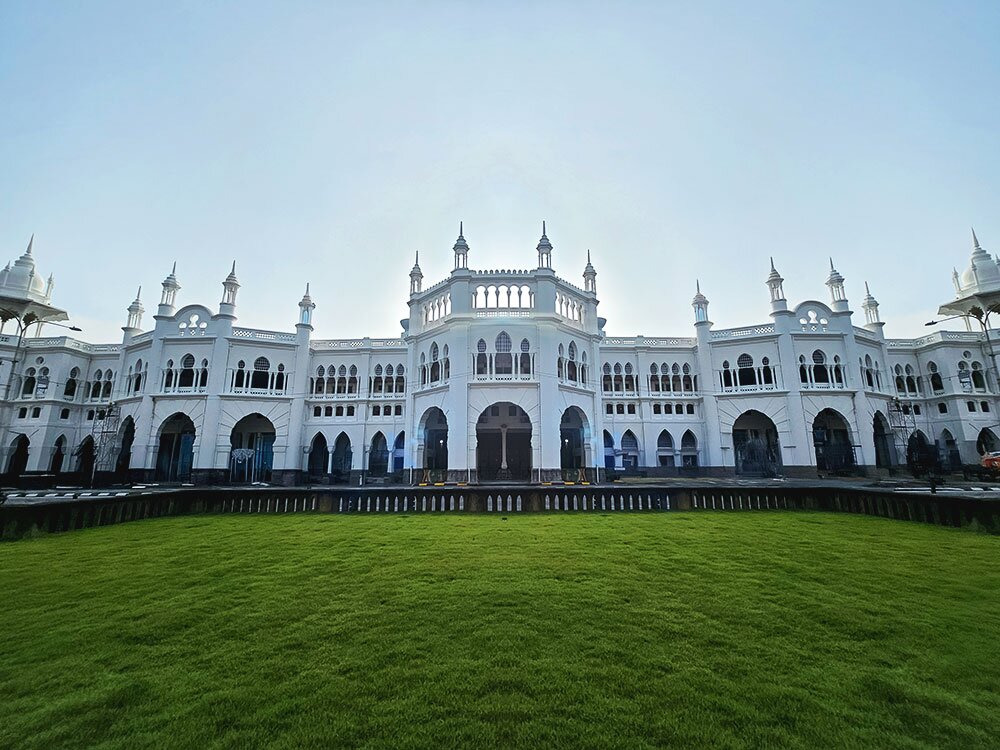
- Inspiration from India: Hubback, guided by the vision of the General Manager of FMS Railways Charles Edwin Spooner, imported this style from British India. Spooner believed the Islamic-inspired aesthetics were the perfect fit for the Malay Peninsula’s cultural landscape.
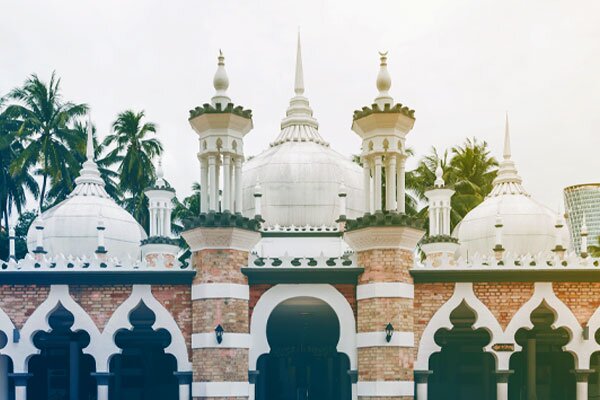
- Distinctive Features: The building is famous for its elegant minarets, spires and “onion” domes. Its pointed keyhole arches and expansive colonnades were designed not just for beauty, but to provide ventilation in the tropical heat.
- The “Middle” Design: Interestingly, Hubback provided nine different design options for the station. The version we see today was a middle option, personally selected by Sir John Anderson during an interview in Singapore in 1908.
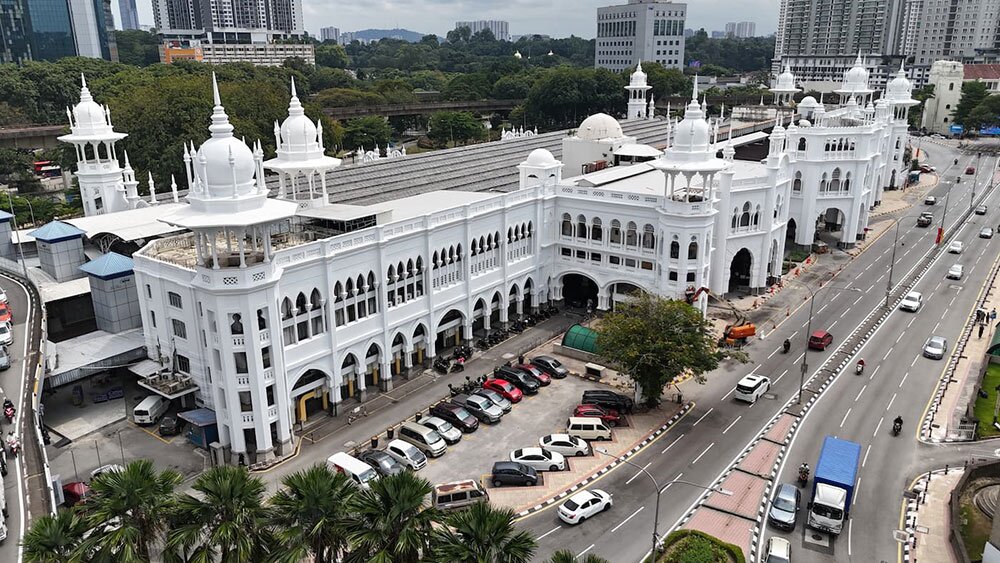
- Heritage Conservation: The Railway Assets Corporation (RAC) is leading the charge in the rejuvenation of the station. This effort focuses on meticulous conservation to ensure the structural integrity and historical authenticity of the building are preserved for future generations.
- Urban Rejuvenation: As part of the Ekonomi MADANI principles, the station is being reimagined as more than just a transit stop. It is being integrated into a vibrant hub of heritage and creativity, encouraging tourism and community enterprises.
- Reviving the Soul: The rejuvenation aligns with a broader strategy to unify KL’s iconic landmarks – including Carcosa & Seri Negara and Bangunan Sultan Abdul Samad – into a cohesive cultural destination. By breathing new life into these spaces, Warisan KL ensures the city’s past remains an active part of its inclusive and exciting future.
The KL Railway Station is not just a relic of the past; it is a living monument to Malaysia's connectivity and architectural ambition, now being restored to lead the city's cultural renewal.
Key Strategies
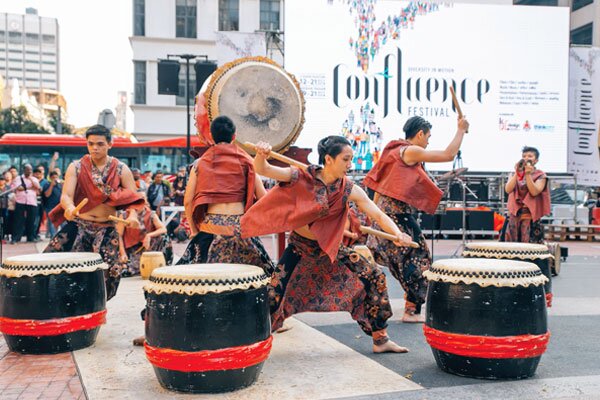
- Developing dedicated arts and performance spaces.
- Supporting creative businesses, galleries, and innovation hubs.
- Hosting cultural festivals, exhibitions, and public art initiatives.
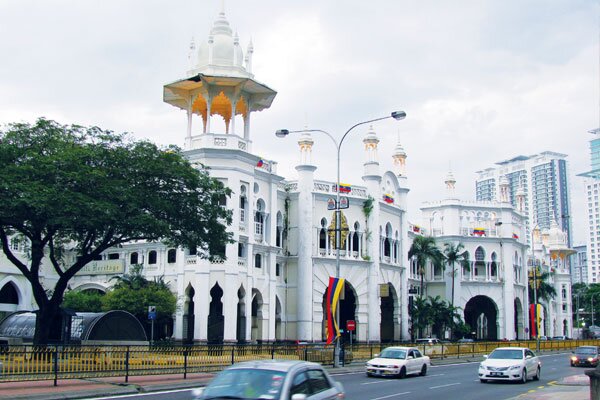
- Restoring Bangunan Sultan Abdul Samad, Central Market, and the Old KL Railway Station
- Adaptive reuse of historic buildings for new cultural and commercial functions
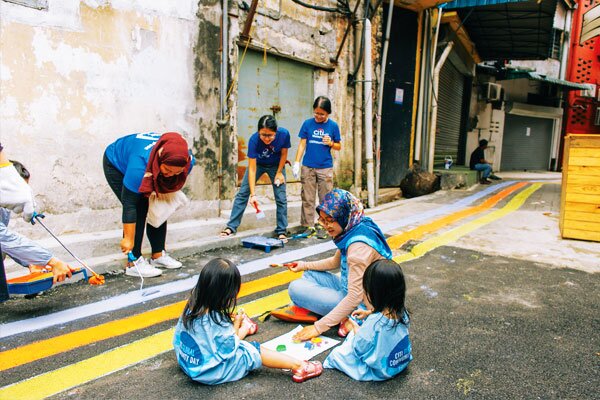
- Upgrade walkways, parks, and public squares for an inviting atmosphere.
- Enhance public transport links and cycling routes to promote urban mobility.
- Activate laneways and riverfront areas as vibrant community spaces.
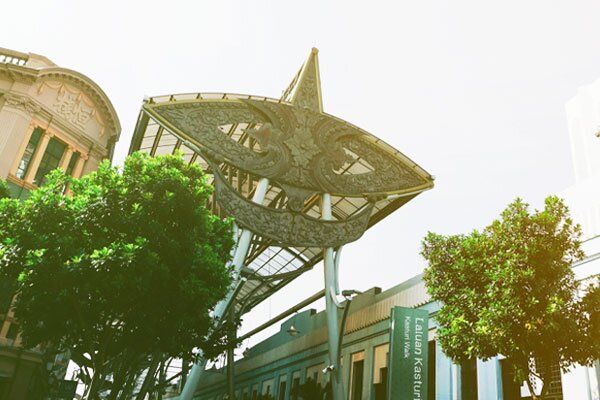
- Heritage Triangle Precinct – Restoring and reactivating historic streetscapes.
- Petaling Street & Traditional Shopping Street Precincts – Preserving KL’s Chinatown and its traditional trades.
- Civic Precinct – Enhancing the area around Dataran Merdeka and national landmarks.
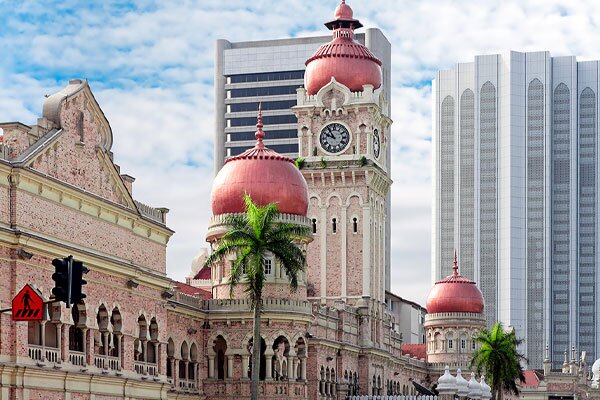
- Encouraging urban living through mixed-use developments.
- Supporting affordable housing for artists, students, and professionals.
- Introducing community-driven projects to strengthen local engagement.
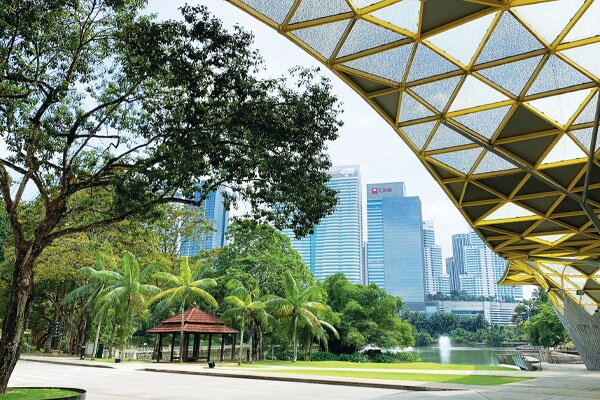
- "Forests in the City" – Expanding green spaces such as Taman Tugu and Bukit Nanas.
- Greener public spaces and eco-friendly urban planning.
- Sustainable conservation practices to protect cultural and natural heritage.
- Develop a governance framework to oversee heritage conservation and creative industries.
- Introduce incentives and funding mechanisms to attract private investment.
- Strengthen community participation in decision-making processes.
The new face of Kuala Lumpur
A city shaped by history and growth — explore Kuala Lumpur’s story in our booklet.
Don’t miss these interesting sites nearby
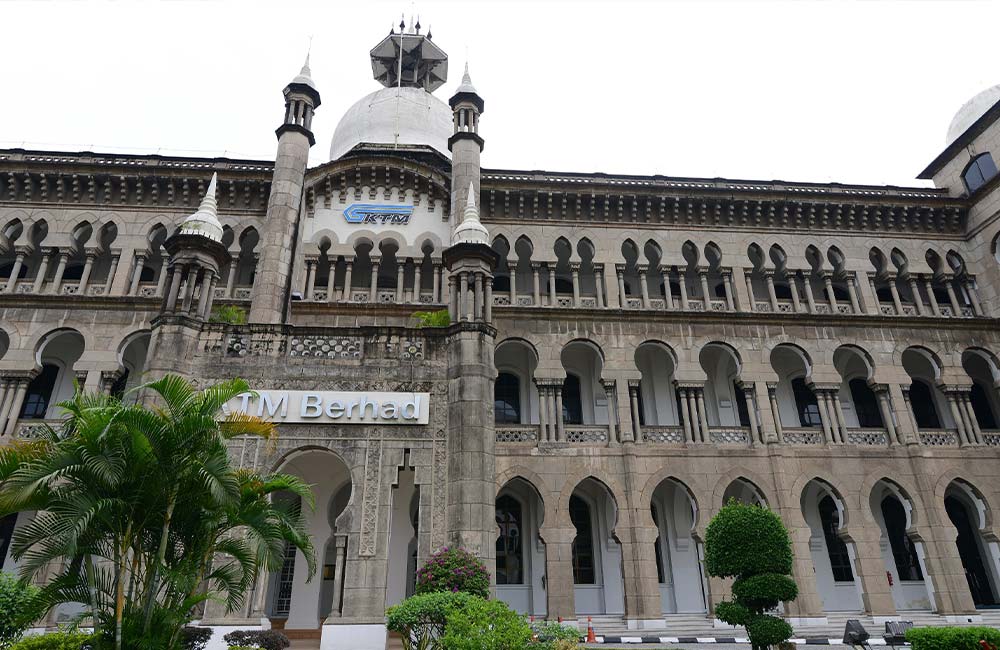
Malayan Railway Administration Building
An architectural landmark of the railway era, reflecting Kuala Lumpur's emergence as a regional transport hub and the pivotal role of rail in shaping the nation's development.
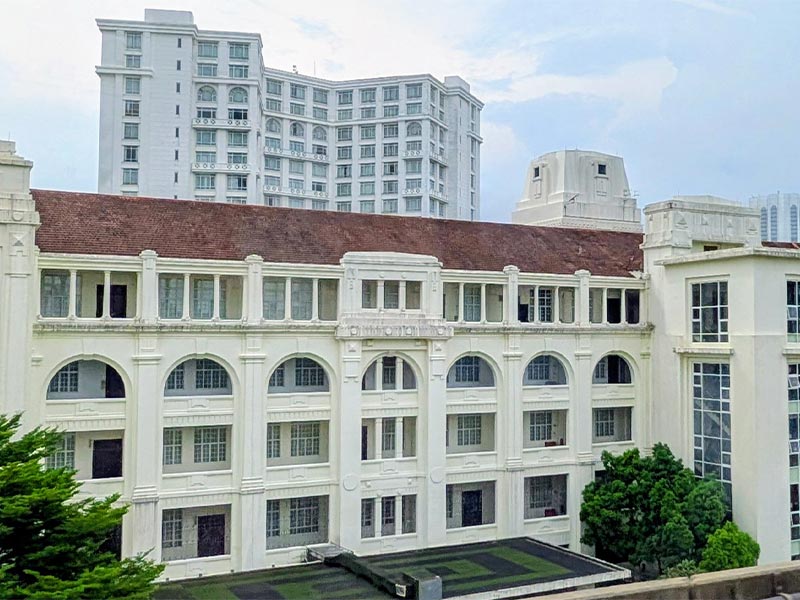
Bangunan Sulaiman
Part of the former Federated Malay States Railway complex, Bangunan Sulaiman is a distinctive 1930s Art Deco landmark. It currently houses the Asian International Arbitration Centre.
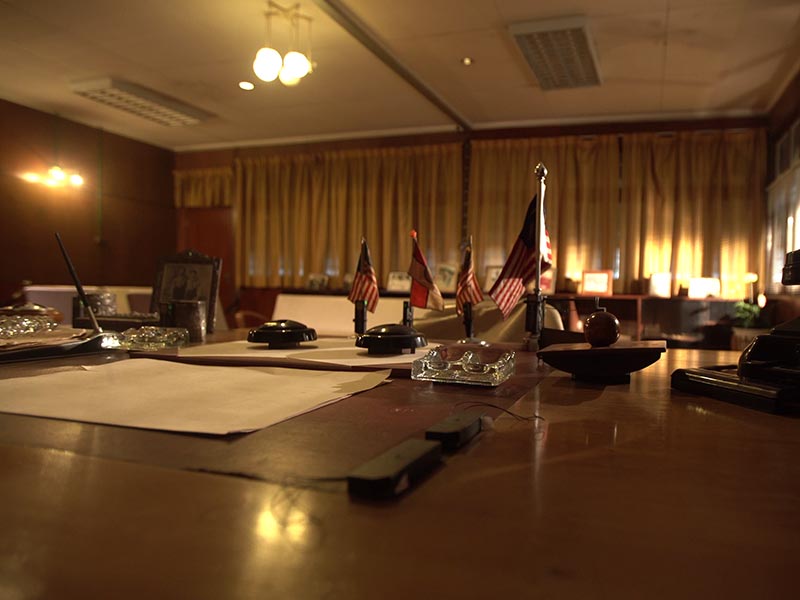
Tunku Abdul Rahman Memorial
Explore the former residence of Tunku Abdul Rahman Putra, where Malaysia's first Prime Minister lived and led the nation through its formative years after independence.
Shaping the Future of KL