Central Market
Merdeka 118 Precinct: A New Chapter in the Story of Nationhood
Few places in Kuala Lumpur carry the weight of national history quite like the Merdeka 118 Precinct. Anchored by Stadium Merdeka – where Malaya’s independence was proclaimed on Aug 31, 1957 and Malaysia was formed on Sept 16, 1963 – alongside Stadium Negara, the precinct holds a unique place in the nation’s collective memory.
Today, it represents both the birthplace of the nation and one of its boldest visions for the future. At its centre stands the world’s second tallest building, rising beside carefully restored heritage landmarks that continue to tell the story of Malaysia's journey from the colonial era to the present day.
As one of the key destinations within Warisan KL, the precinct demonstrates how heritage conservation, contemporary architecture and vibrant public spaces can come together to create a city that honours its past while embracing the future.
Today, it represents both the birthplace of the nation and one of its boldest visions for the future. At its centre stands the world’s second tallest building, rising beside carefully restored heritage landmarks that continue to tell the story of Malaysia's journey from the colonial era to the present day.
As one of the key destinations within Warisan KL, the precinct demonstrates how heritage conservation, contemporary architecture and vibrant public spaces can come together to create a city that honours its past while embracing the future.
01
The History and Legacy of the Merdeka 118 Precinct
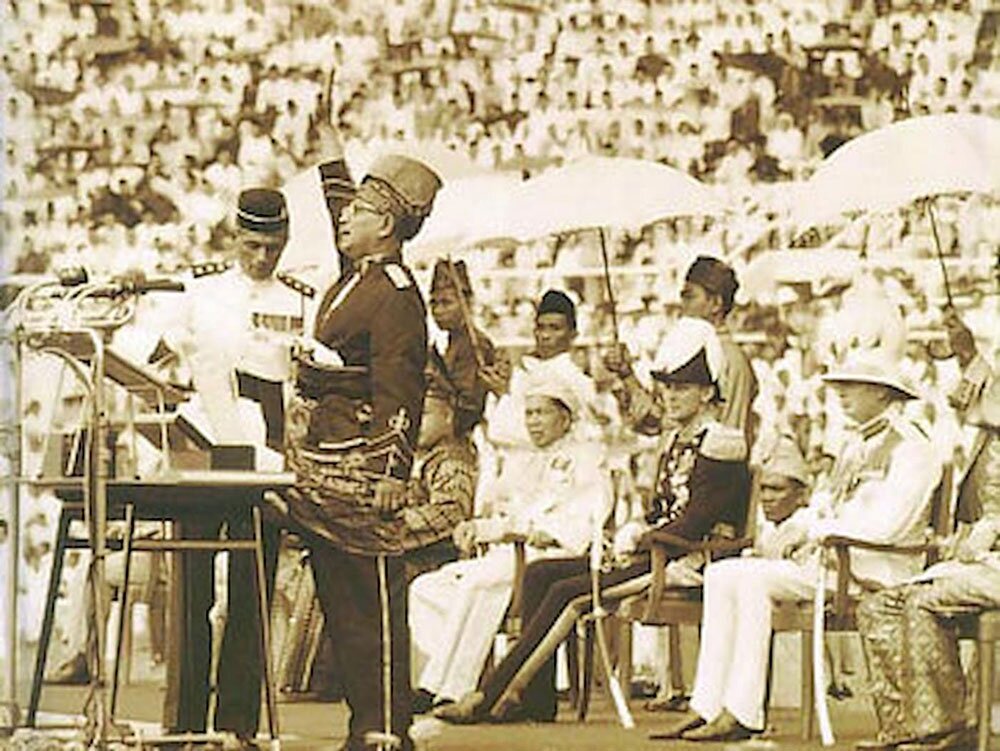
The Merdeka 118 Precinct is inseparable from Malaysia's story of nationhood.
At its heart is Stadium Merdeka, purpose-built to host the declaration of independence before more than 20,000 spectators. It was here that Tunku Abdul Rahman proclaimed "Merdeka!" seven times, marking the birth of an independent Federation of Malaya and creating one of the defining moments in the nation's history.
At its heart is Stadium Merdeka, purpose-built to host the declaration of independence before more than 20,000 spectators. It was here that Tunku Abdul Rahman proclaimed "Merdeka!" seven times, marking the birth of an independent Federation of Malaya and creating one of the defining moments in the nation's history.
The area had long been a centre for recreation and sport. Before the stadium was built, the 35-acre King George V Coronation Park occupied the site, with football fields, tennis courts and other sporting facilities serving the public. When construction began in 1956, Stadium Merdeka – then one of the largest stadiums in South-East Asia – was built over the park's football grounds, transforming an established sporting hub into the nation's most significant civic venue.
Beyond independence, the stadium continued to host sporting events, national celebrations and public gatherings, becoming a symbol of unity and shared identity for generations of Malaysians.
Adjacent to it stands Stadium Negara, completed in 1962 as Malaysia's first indoor stadium. For decades, it welcomed international sporting competitions, concerts, cultural performances and national events, reinforcing the precinct's history as one of Kuala Lumpur's great civic gathering places.
Recognising the significance of these landmarks, PNB Merdeka Ventures undertook the meticulous restoration of Stadium Merdeka, guided by international conservation principles that respected the building's original character. Completed in 2008, the project received the prestigious UNESCO Award of Excellence for Cultural Heritage Conservation, recognising one of Malaysia's finest examples of heritage preservation.
Today, Stadium Merdeka has been reactivated as a civic space where visitors can experience one of the nation's most important historic sites. Stadium Negara is also set to undergo refurbishment, ensuring both landmarks continue to serve future generations while preserving their historical significance.
Beyond independence, the stadium continued to host sporting events, national celebrations and public gatherings, becoming a symbol of unity and shared identity for generations of Malaysians.
Adjacent to it stands Stadium Negara, completed in 1962 as Malaysia's first indoor stadium. For decades, it welcomed international sporting competitions, concerts, cultural performances and national events, reinforcing the precinct's history as one of Kuala Lumpur's great civic gathering places.
Recognising the significance of these landmarks, PNB Merdeka Ventures undertook the meticulous restoration of Stadium Merdeka, guided by international conservation principles that respected the building's original character. Completed in 2008, the project received the prestigious UNESCO Award of Excellence for Cultural Heritage Conservation, recognising one of Malaysia's finest examples of heritage preservation.
Today, Stadium Merdeka has been reactivated as a civic space where visitors can experience one of the nation's most important historic sites. Stadium Negara is also set to undergo refurbishment, ensuring both landmarks continue to serve future generations while preserving their historical significance.
02
Architectural Significance
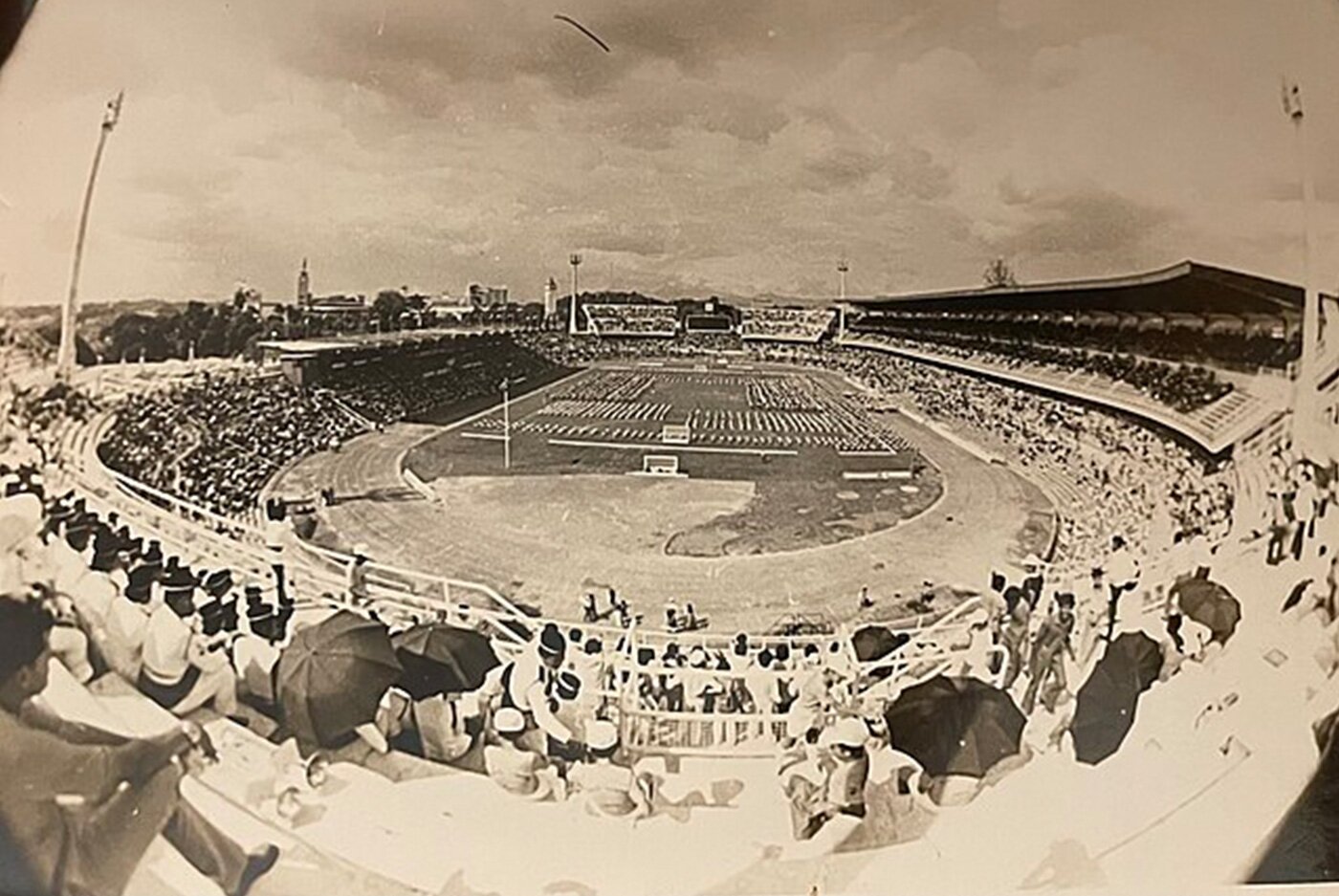
The Merdeka 118 Precinct presents a remarkable dialogue between architectural eras, spanning the optimism of newly independent Malaya to the confidence of contemporary Malaysia.
Designed by Stanley Edward Jewkes, Stadium Merdeka was among the country's earliest large-scale modernist structures. Its elegant cantilevered roof, sweeping grandstands and open-air design reflected the engineering ambitions of a young nation preparing to host one of the most significant moments in its history. The stadium remains one of the finest surviving examples of post-war modern architecture in South-East Asia.
Designed by Stanley Edward Jewkes, Stadium Merdeka was among the country's earliest large-scale modernist structures. Its elegant cantilevered roof, sweeping grandstands and open-air design reflected the engineering ambitions of a young nation preparing to host one of the most significant moments in its history. The stadium remains one of the finest surviving examples of post-war modern architecture in South-East Asia.
Nearby, Stadium Negara introduced a new architectural language as Malaysia's first indoor arena. Its distinctive bicycle-spoke roof and innovative structural engineering allowed for large column-free interior spaces, making it a pioneering venue for sports and entertainment in the region.
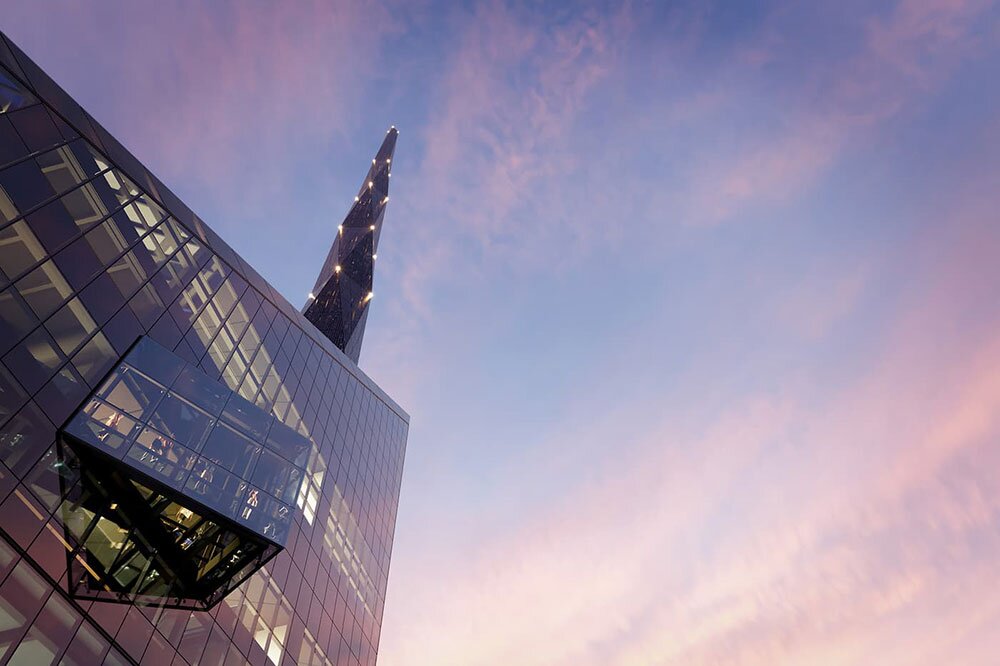
Towering above them is the world's second tallest building, the Menara Merdeka Maybank, designed by Australian architectural firm Fender Katsalidis in collaboration with RSP Architects. Standing at 678.9m with 118 storeys, it is also the tallest building in South-East Asia.
Its faceted glass façade draws inspiration from the geometric patterns found in traditional Malaysian arts and crafts, while its distinctive silhouette references Tunku Abdul Rahman's raised hand during the historic proclamation of independence. Together, these elements create a contemporary landmark that is deeply rooted in Malaysia's national identity.
The tower was conceived as part of a broader precinct where architecture from different generations tells a continuous story of Malaysia's evolution.
Towering above them is the world's second tallest building, the Menara Merdeka Maybank, designed by Australian architectural firm Fender Katsalidis in collaboration with RSP Architects. Standing at 678.9m with 118 storeys, it is also the tallest building in South-East Asia.
Its faceted glass façade draws inspiration from the geometric patterns found in traditional Malaysian arts and crafts, while its distinctive silhouette references Tunku Abdul Rahman's raised hand during the historic proclamation of independence. Together, these elements create a contemporary landmark that is deeply rooted in Malaysia's national identity.
The tower was conceived as part of a broader precinct where architecture from different generations tells a continuous story of Malaysia's evolution.
03
The Precinct Today
.jpg)
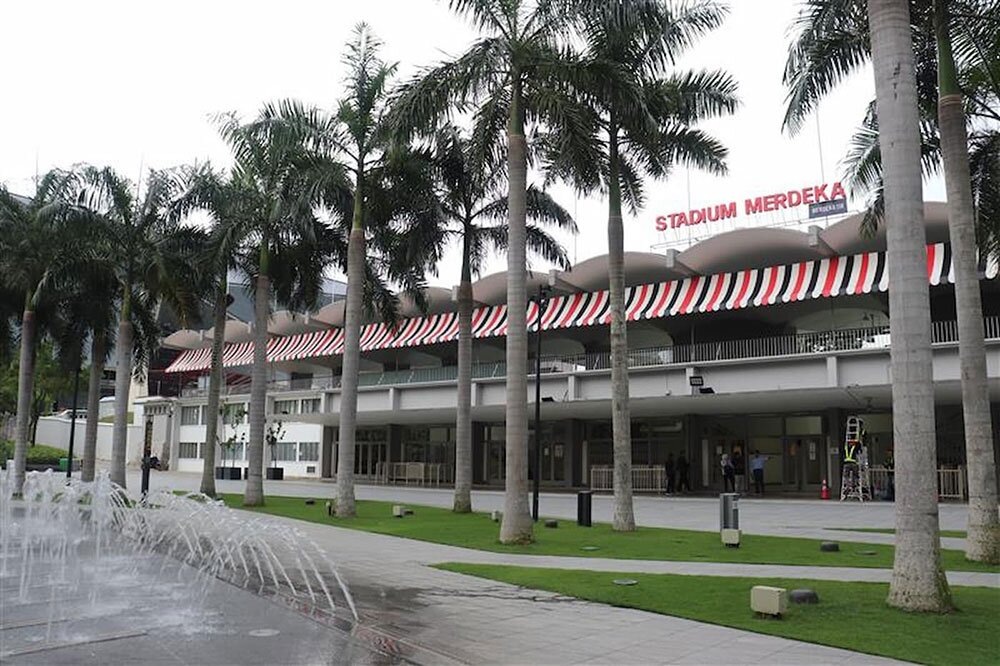
Today, the Merdeka 118 Precinct is evolving into one of Kuala Lumpur's most vibrant urban destinations, bringing together heritage, culture, commerce and community within a highly walkable city precinct.
Visitors will be able to enjoy panoramic views from The View at 118, located more than 500m above ground and set to become the highest observation deck in South-East Asia. At street level, the precinct introduces new public spaces, dining experiences, retail offerings and landscaped connections that encourage people to explore both the historic stadiums and the surrounding city.
The 118 Mall will serve as an integrated lifestyle destination featuring local and international brands alongside spaces dedicated to Malaysian creativity and entrepreneurship. Complementing this is the Makanism food hall, which celebrates the country's diverse culinary traditions through a carefully curated selection of local flavours.
Together, these experiences transform the precinct into more than a commercial destination – they create a place where history, culture and everyday urban life intersect.
Visitors will be able to enjoy panoramic views from The View at 118, located more than 500m above ground and set to become the highest observation deck in South-East Asia. At street level, the precinct introduces new public spaces, dining experiences, retail offerings and landscaped connections that encourage people to explore both the historic stadiums and the surrounding city.
The 118 Mall will serve as an integrated lifestyle destination featuring local and international brands alongside spaces dedicated to Malaysian creativity and entrepreneurship. Complementing this is the Makanism food hall, which celebrates the country's diverse culinary traditions through a carefully curated selection of local flavours.
Together, these experiences transform the precinct into more than a commercial destination – they create a place where history, culture and everyday urban life intersect.
04
Celebrating Malaysia's Textile Heritage
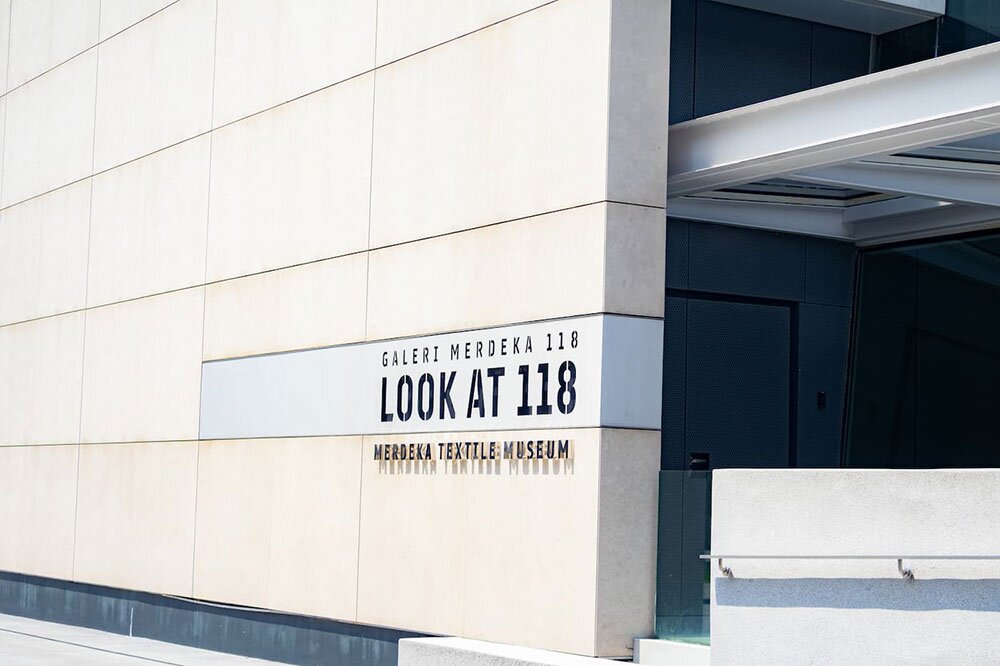
A cornerstone of the precinct's cultural offering will be the Merdeka Textile Museum (MTM), dedicated to preserving and celebrating the rich textile traditions of the Malay World.
The museum honours the legacy of the late Syarifah Azah Mohamed Alsagoff (also known as Azah Aziz), whose lifelong efforts helped safeguard traditional textile knowledge and cultural practices. As a journalist, author, women’s rights advocate and cultural custodian, her collection of rare textiles, traditional attire, jewellery and writings are remarkable. Visitors will gain a deeper appreciation of the artistry, craftsmanship and cultural significance woven into these traditions.
Beyond preserving historic artefacts, the museum aims to inspire future generations of researchers, designers and artisans, ensuring that Malaysia's textile heritage remains a living and evolving part of the nation's cultural identity.
The museum honours the legacy of the late Syarifah Azah Mohamed Alsagoff (also known as Azah Aziz), whose lifelong efforts helped safeguard traditional textile knowledge and cultural practices. As a journalist, author, women’s rights advocate and cultural custodian, her collection of rare textiles, traditional attire, jewellery and writings are remarkable. Visitors will gain a deeper appreciation of the artistry, craftsmanship and cultural significance woven into these traditions.
Beyond preserving historic artefacts, the museum aims to inspire future generations of researchers, designers and artisans, ensuring that Malaysia's textile heritage remains a living and evolving part of the nation's cultural identity.
05
Shaping the Future of the Historic City Centre
The Merdeka 118 Precinct demonstrates how heritage conservation and contemporary development can work hand in hand to strengthen Malaysia and Kuala Lumpur's identity.
Here, nationally significant heritage landmarks stand alongside world-class contemporary architecture, creating a destination where visitors can experience the full arc of Malaysia's story – from the moment independence was declared to the aspirations of a modern nation looking confidently towards the future.
As part of Warisan KL, the precinct is being reimagined as more than the home of an iconic skyscraper. It is becoming a living cultural destination where history, architecture, community and innovation come together, ensuring that the birthplace of Malaysia's independence continues to inspire generations to come.
Here, nationally significant heritage landmarks stand alongside world-class contemporary architecture, creating a destination where visitors can experience the full arc of Malaysia's story – from the moment independence was declared to the aspirations of a modern nation looking confidently towards the future.
As part of Warisan KL, the precinct is being reimagined as more than the home of an iconic skyscraper. It is becoming a living cultural destination where history, architecture, community and innovation come together, ensuring that the birthplace of Malaysia's independence continues to inspire generations to come.
Key Strategies
KLCCD’s Strategic Master Plan outlines seven core strategies to transform downtown KL into a thriving cultural district.
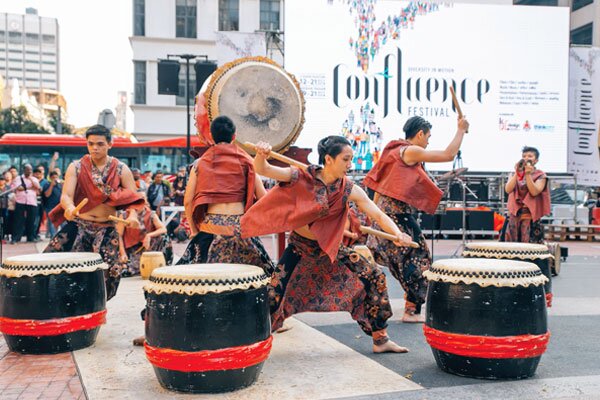
Strengthening the Creative & Cultural Ecosystem
- Developing dedicated arts and performance spaces.
- Supporting creative businesses, galleries, and innovation hubs.
- Hosting cultural festivals, exhibitions, and public art initiatives.
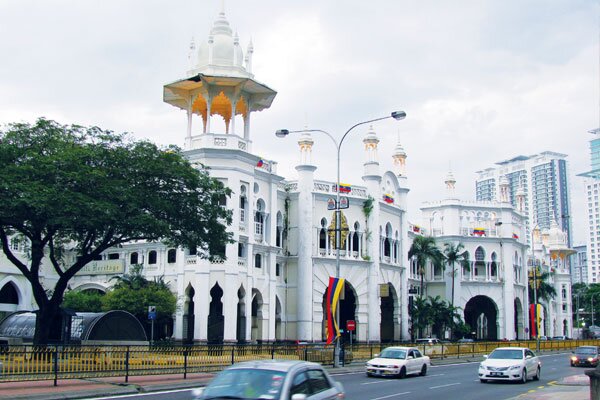
Preserving & Restoring Heritage
- Restoring Bangunan Sultan Abdul Samad, Central Market, and the Old KL Railway Station
- Adaptive reuse of historic buildings for new cultural and commercial functions
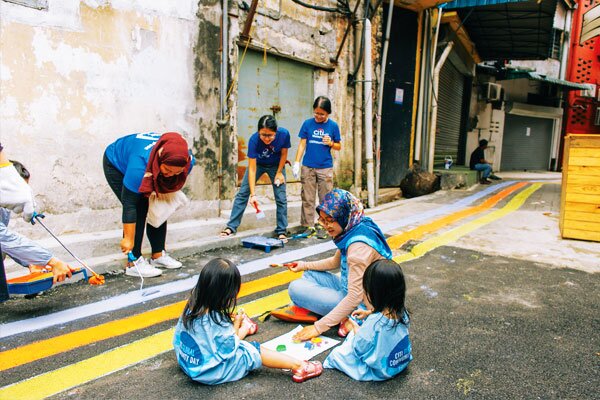
Improving Public Spaces & Connectivity
- Upgrade walkways, parks, and public squares for an inviting atmosphere.
- Enhance public transport links and cycling routes to promote urban mobility.
- Activate laneways and riverfront areas as vibrant community spaces.
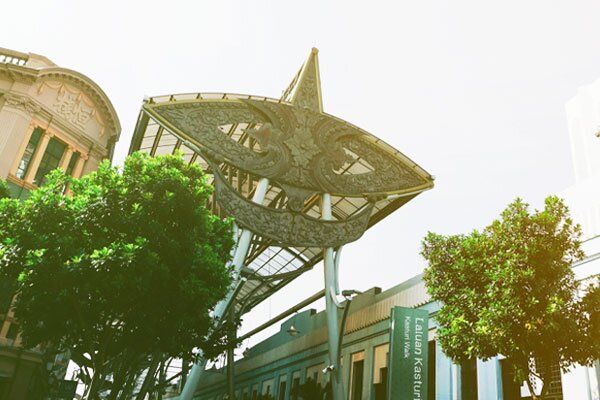
Revitalising Key Precincts
- Heritage Triangle Precinct – Restoring and reactivating historic streetscapes.
- Petaling Street & Traditional Shopping Street Precincts – Preserving KL’s Chinatown and its traditional trades.
- Civic Precinct – Enhancing the area around Dataran Merdeka and national landmarks.
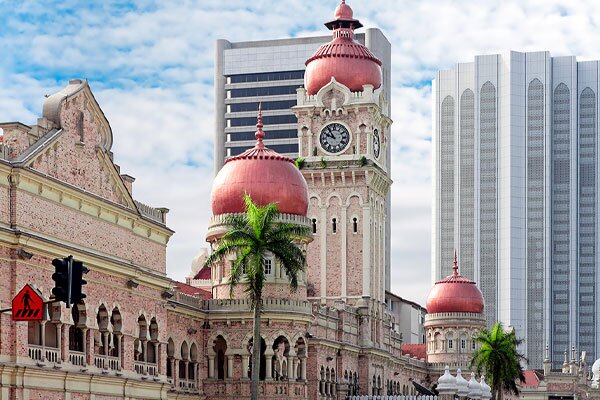
Repopulating the City Centre
- Encouraging urban living through mixed-use developments.
- Supporting affordable housing for artists, students, and professionals.
- Introducing community-driven projects to strengthen local engagement.
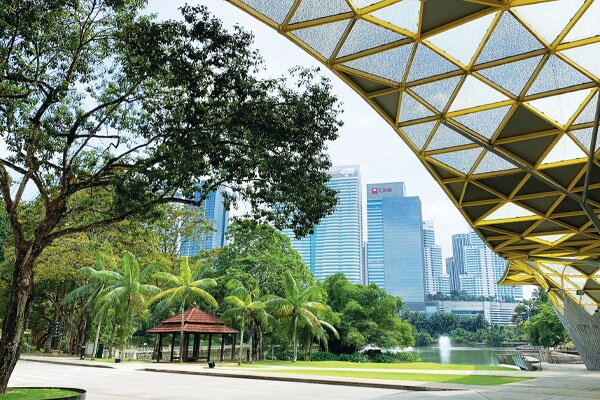
Environmental & Sustainable Growth
- "Forests in the City" – Expanding green spaces such as Taman Tugu and Bukit Nanas.
- Greener public spaces and eco-friendly urban planning.
- Sustainable conservation practices to protect cultural and natural heritage.
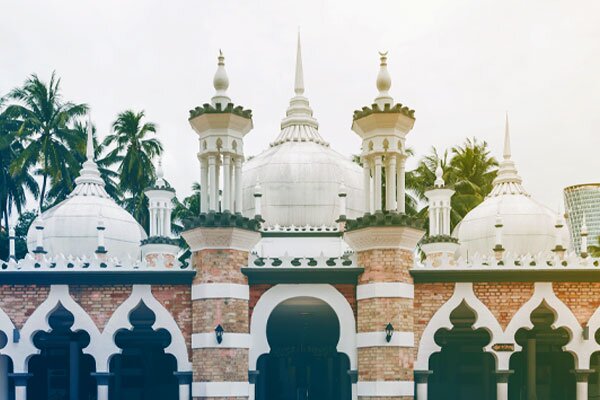
Governance & Long-term Sustainability
- Develop a governance framework to oversee heritage conservation and creative industries.
- Introduce incentives and funding mechanisms to attract private investment.
- Strengthen community participation in decision-making processes.
The new face of Kuala Lumpur
A city shaped by history and growth — explore Kuala Lumpur’s story in our booklet.
Don’t miss these interesting sites nearby
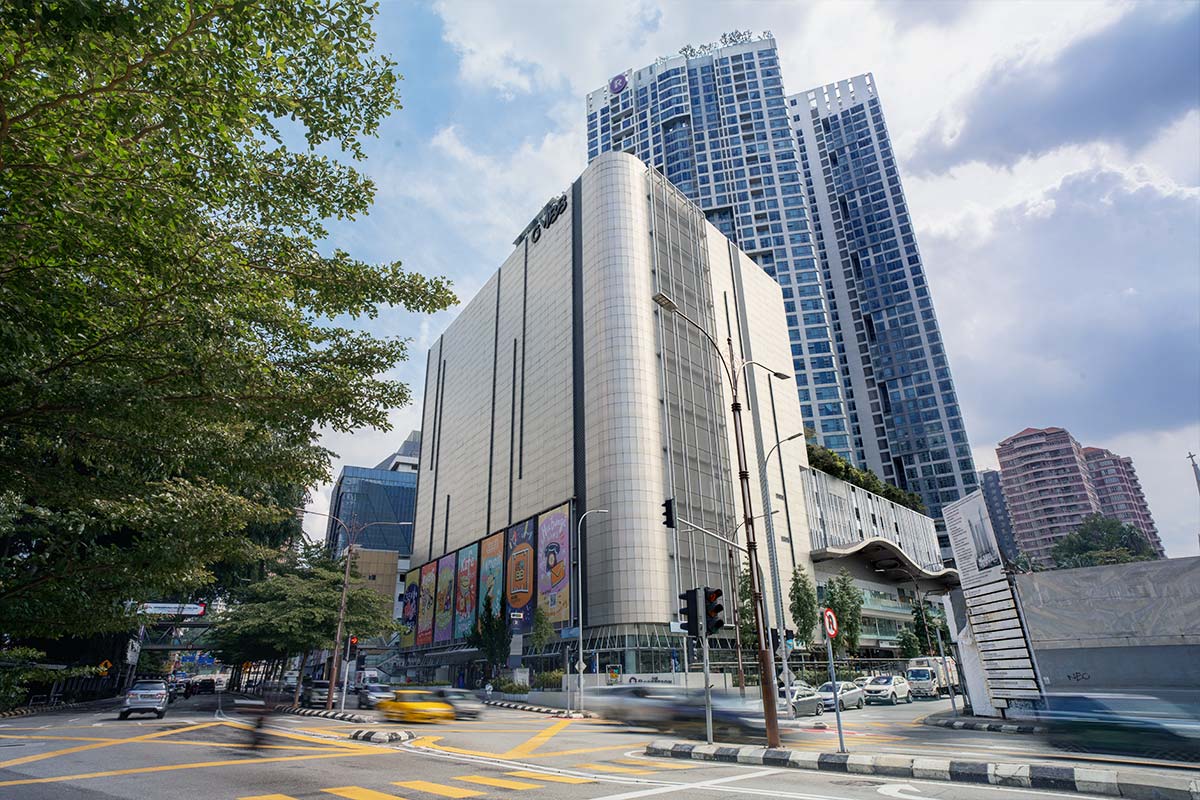
GMBB
Not your average mall – this one's a bold experiment in artsy retail and indie cool.
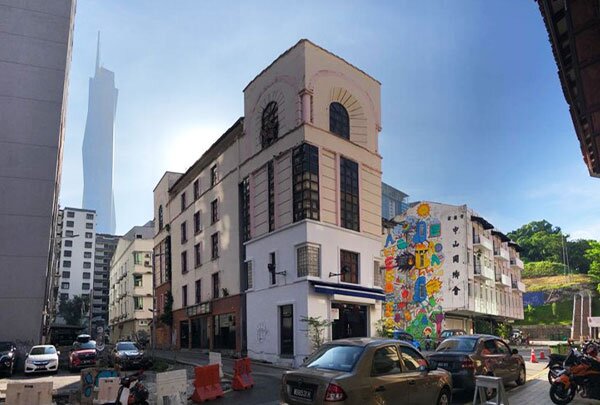
Zhongshan Building
Old building, fresh ideas – a favourite hangout for creatives, coffee lovers and curious explorers.
.jpg)
Taman Tugu
Discover a green sanctuary of rainforest trails, native wildlife and peaceful landscapes just minutes from the city centre.
Shaping the Future of KL
Warisan KL aims to redefine Kuala Lumpur as one of Asia’s premier creative and cultural destinations – a city where history, creativity, and modernity come together to create a dynamic and inclusive urban experience.