More Than Museums

ALEX DAUD BRIGGS | 18 May 2026

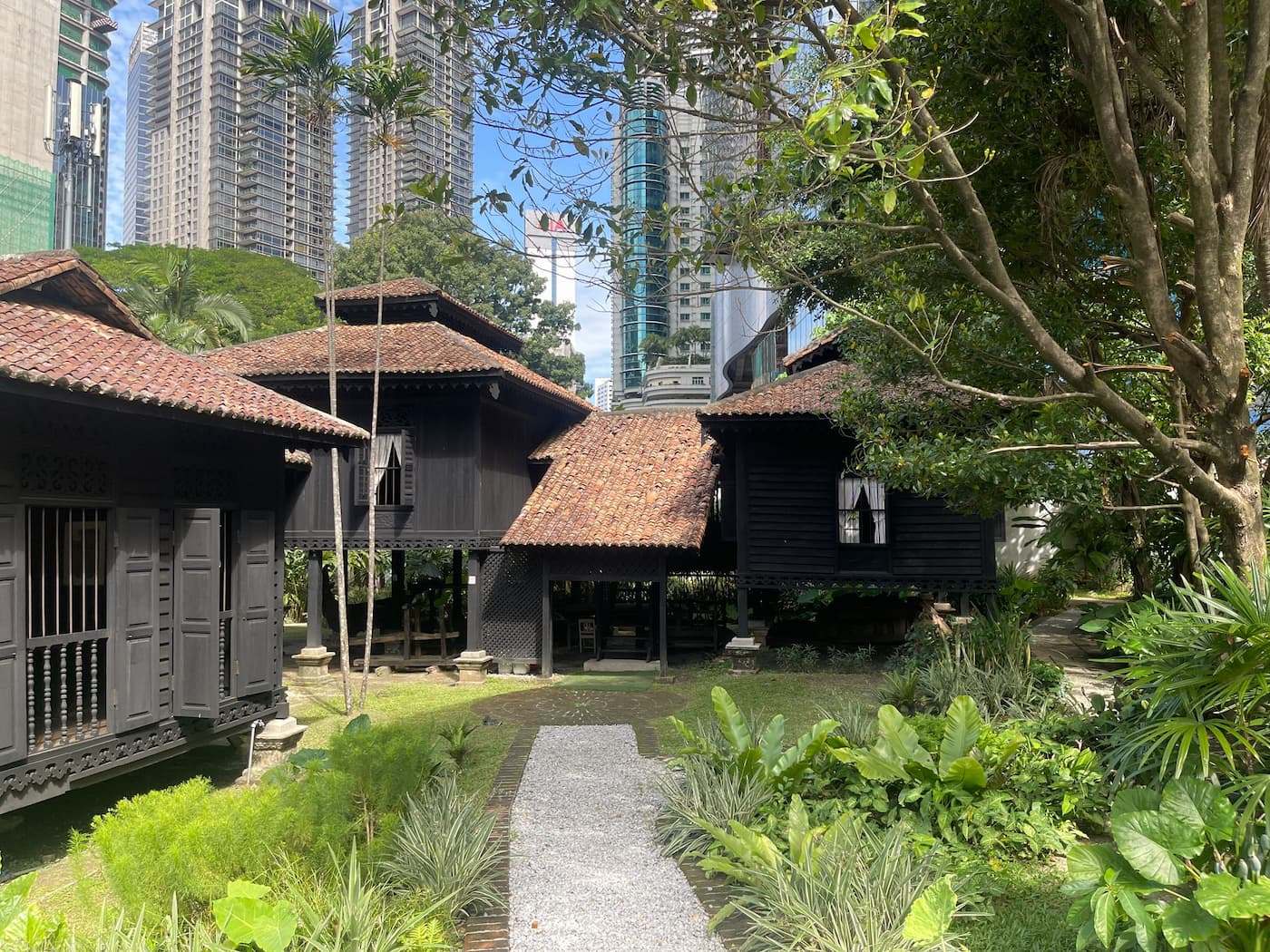
Rumah Penghulu Abu Seman at Badan Warisan Malaysia offers visitors a glimpse into traditional Malay life and craftsmanship, reflecting the spirit of World Museum Day and KL Festival 2026 in celebrating history through immersive cultural experiences.

AS International Museum Day 2026 unfolds, Kuala Lumpur is rethinking what a museum can be. No longer confined to the traditional image of silent galleries and glass cases, museums today exist in many forms: restored heritage buildings, artist-run spaces, community archives, digital installations and even forgotten city corners temporarily brought back to life through art and storytelling.

Across Kuala Lumpur, these cultural spaces are becoming active parts of the urban fabric — places where history meets contemporary life, where communities gather, and where stories continue to evolve.    

In many ways, the city itself has also become an open museum. Throughout the heart of KL, visitors encounter plaques, heritage signages and interpretive markers tucked between shoplots, along sidewalks and beside historic buildings, each offering glimpses into the people and communities that shaped Kuala Lumpur over the decades.     

These signages encourage passersby to pause, look closer and uncover the hidden narratives embedded within the city’s streets, transforming an ordinary walk through town into a journey through layers of history and memory.     

Alongside major landmarks such as Muzium Negara, many smaller museums, galleries and independent cultural initiatives are equally shaping the city’s cultural ecosystem, preserving memories while creating new experiences for today’s audiences.


One such “museum” is Rumah Penghulu, which is not only a building but an exhibit in itself, a grand Malay timber house relocated all the way from Kedah. It stands as a memory of times past in the heart of the city, at Badan Warisan Malaysia, 2, Jalan Stonor.

“I think the word that first springs to my mind [regarding museums] is connection,” says Kate Karpfinger, an honorary council member with Badan Warisan Malaysia and one of the leads of the Rumah Penghulu project.

“Museums and cultural spaces offer people in the city an opportunity to connect with each other, with a community, but also perhaps with their past, with a sense of identity and with their culture. Heritage spaces really offer a place for people to step outside of their everyday lives and reflect on something a little deeper.”

Karpfinger notes that as people pass through Rumah Penghulu’s halls, they often feel a sense of nostalgia and familiarity. Older generations remark on how it reminds them of their childhood homes and of a time before Kuala Lumpur became a bustling metropolis, while younger generations listen in awe to stories of a world before their time. In this way, it connects people to the Malaysian identity and to cultural roots from years long past.

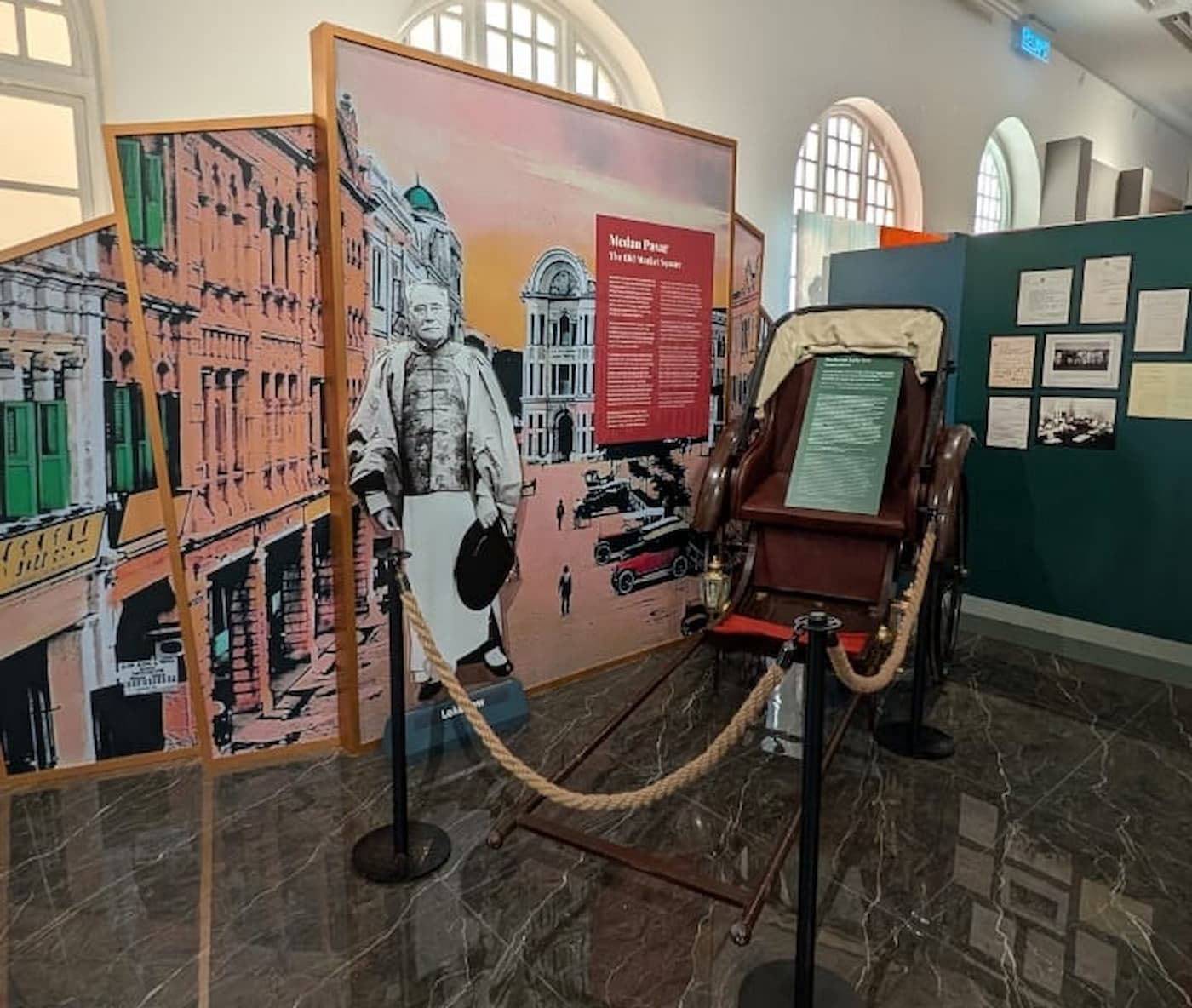
Rumah Penghulu is far from the only heritage space converted into a museum. KL’s oldest Chinese temple, Sin Sze Si Ya Temple, on Jalan Tun HS Lee, has expanded with its new Pioneers Temple (pic below) , recounting the Selangor Civil War and how the city rose from the ashes.
Even the iconic Bangunan Sultan Abdul Samad contains multiple small museums and galleries. Alongside these exhibitions, visitors can access the clock tower balcony overlooking a stunning 360-degree view of Kuala Lumpur, as well as the verandah facing the River of Life. The building, its contents and its views all radiate Malaysian culture and history.

Andrew Lee, founder of KL City Gallery in the Sultan Abdul Samad Building, has been holding two free tours of the building each day as part of the current KL Festival and IMD celebrations. He notes that revitalising the building is important not only because of its iconic status, but also because it creates a more interactive and immersive form of storytelling that can reach a wider audience.

“Stories and history can be presented through creative and engaging mediums that connect with today’s audiences, especially the younger generation. Younger audiences are more interactive and experience-driven. They enjoy immersive environments, visuals, digital engagement and spaces where they can participate rather than just observe.

“Many people still see museums as dull or traditional spaces, so it is important for us to introduce fresh and interactive experiences that make culture, heritage and learning more exciting and enjoyable for everyone to explore.”

The recently revamped Sultan Abdul Samad Building features heritage halls, showcasing the city’s journey from a tin-mining settlement to a modern global capital.

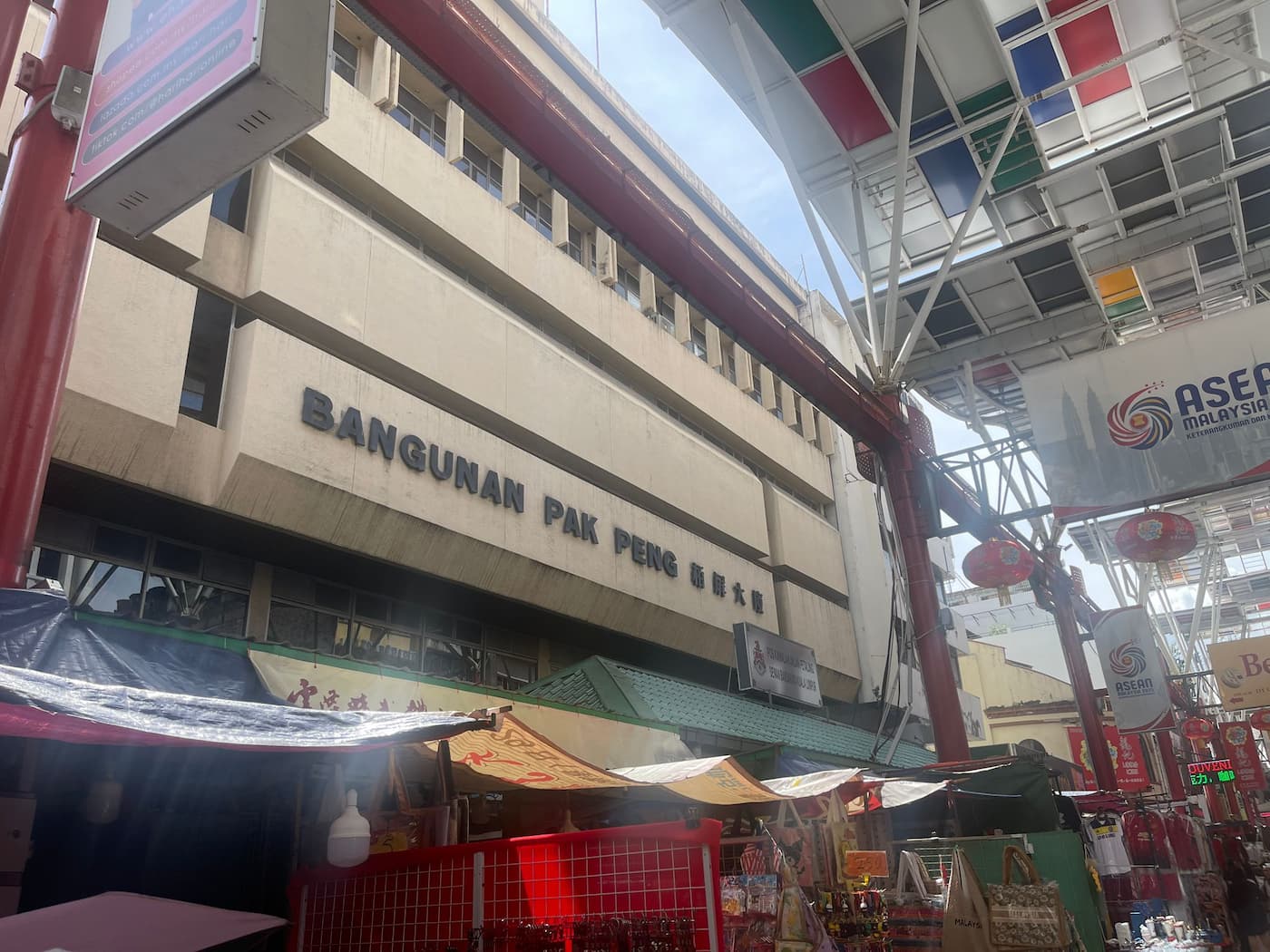
Museums throughout the city have also moved beyond iconic buildings to highlight the everyday narratives of KL’s multicultural communities. In the ever-moving markets of Petaling Street, hidden beneath the maze of umbrellas, souvenir stalls and food carts, sits a small building called Pak Peng.

Once a premier shopping mall, it now sits quietly with dim hallways and forgotten retail lots. Yet for one weekend this year, in conjunction with the KL Festival, it has been occupied once again through a new exhibition called Pak Peng Arcade. Developed by The Back Room Gallery at Zhongshan Building, the project seeks to tell the stories of the local community that still lives and works there, even as the building has passed its prime.

The Back Room founder and programme organiser Liza Ho notes “We have taken over this quiet building that has existed since 1971. Its heyday was probably in the 1980s, 1990s and early 2000s, but after that I think people moved to bigger shopping malls.” Her team activated 16 empty units in the building, transforming them into spaces for workshops, talks and places where visitors could relax away from the hustle and bustle of city life.

“There are a lot of people (in the building) who worked here, ran businesses here and are still here to this day, like a knife sharpener and a couple of ladies downstairs who do cloth alterations. For the activities we’ve organised, some of these people will talk about their time here, perform and host workshops. We even have activities where people explore Chinatown.”

Looking across these different museums and cultural spaces, common themes begin to emerge: community, connection and remembrance of a shared past. Museums and galleries are not simply places to store history; they are living parts of modern Kuala Lumpur that continue to shape how people experience the city today.
International Museum Day is ultimately a reminder that history can be experienced in many ways. Across KL, visitors can join guided walks and tours, attend talks and sharing sessions, participate in workshops, or encounter storytelling experiences that bring the city’s heritage to life in more engaging and personal ways.

So this May, why not spend a weekend rediscovering the city through its cultural spaces? Places such as KL City Gallery, the Pioneers Temple and National Textile Museum are all within walking distance of one another, allowing visitors to combine museums with cafés, heritage walks, performances and other cultural activities throughout the city.

Between them are the living stories of Kuala Lumpur itself – its streets, communities, vendors and everyday encounters. Kuala Lumpur’s history is not confined to the past; it remains alive and waiting to be rediscovered from a new perspective.

Discover more stories

Ooops!
Generic Popup2