Inside Badan Warisan Malaysia

Ann Marie Chandy | 27 October 2025

Once a 1925 colonial bungalow, No. 2 Jalan Stonor was restored by Badan Warisan Malaysia in 1995 and transformed into a living Heritage Centre, where history still inspires new conversations today. – Photos: Ann Marie Chandy
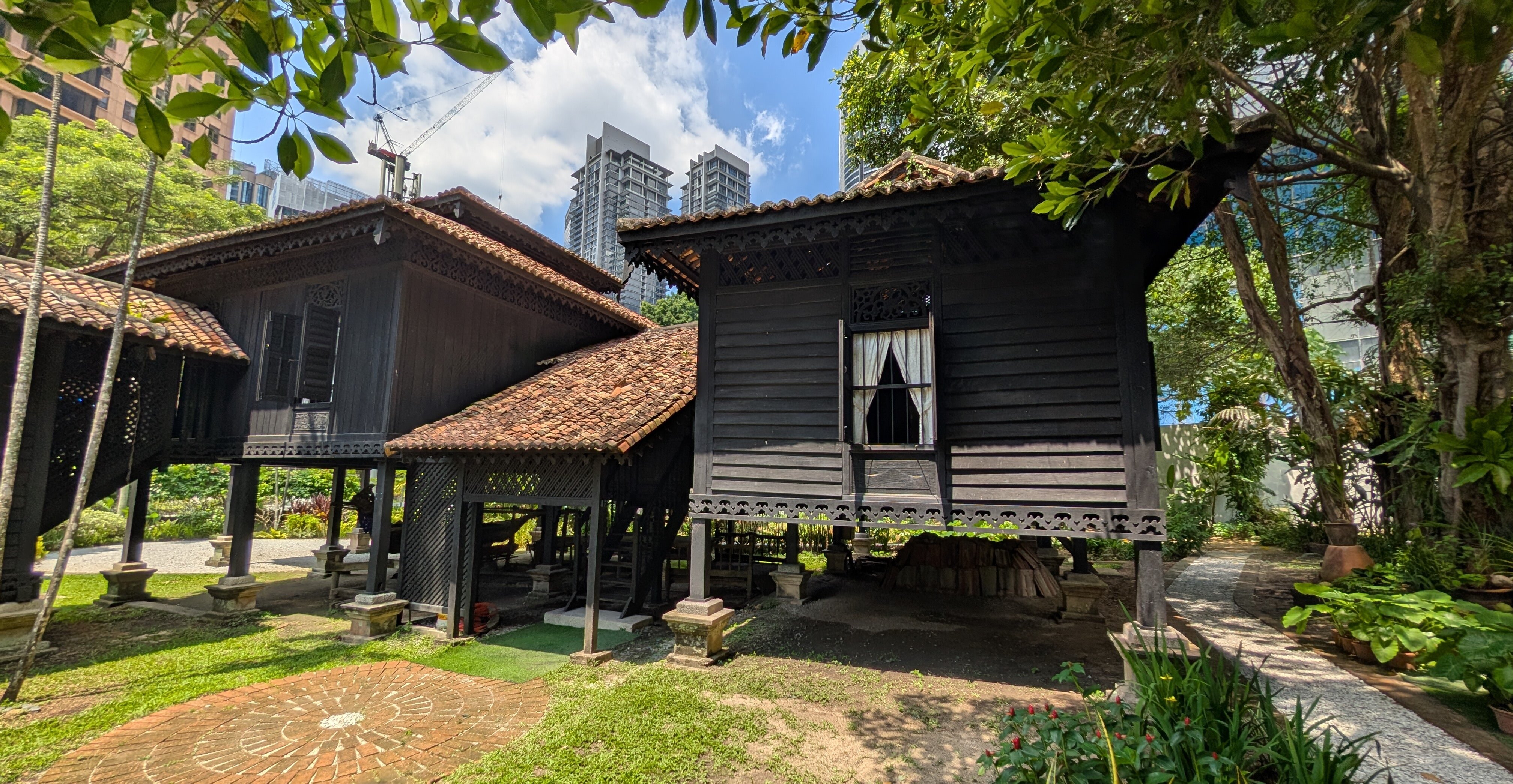
STEP off the busy streets of Kuala Lumpur’s Golden Triangle and you’ll find yourself in a different world. Beside the quiet colonial façade of No. 2 Jalan Stonor lies another house that feels as though it has journeyed through time and space – and, in many ways, it has.

This is Rumah Penghulu Abu Seman, a traditional Malay house that once stood proudly in the small village of Kampung Sungai Kechil, Kedah. It belonged to Penghulu Abu Seman, a respected village headman whose home symbolised leadership, family and craftsmanship in the 1930s. Decades later, when the building faced decay and demolition, Badan Warisan Malaysia (BWM) stepped in to give it a second life – dismantling and relocating it beam by beam, reassembling it right here in the heart of Kuala Lumpur.

In May 1996, the Rumah Penghulu Abu Seman was dismantled and moved to its present location on Jalan Stonor.
A Village in the City

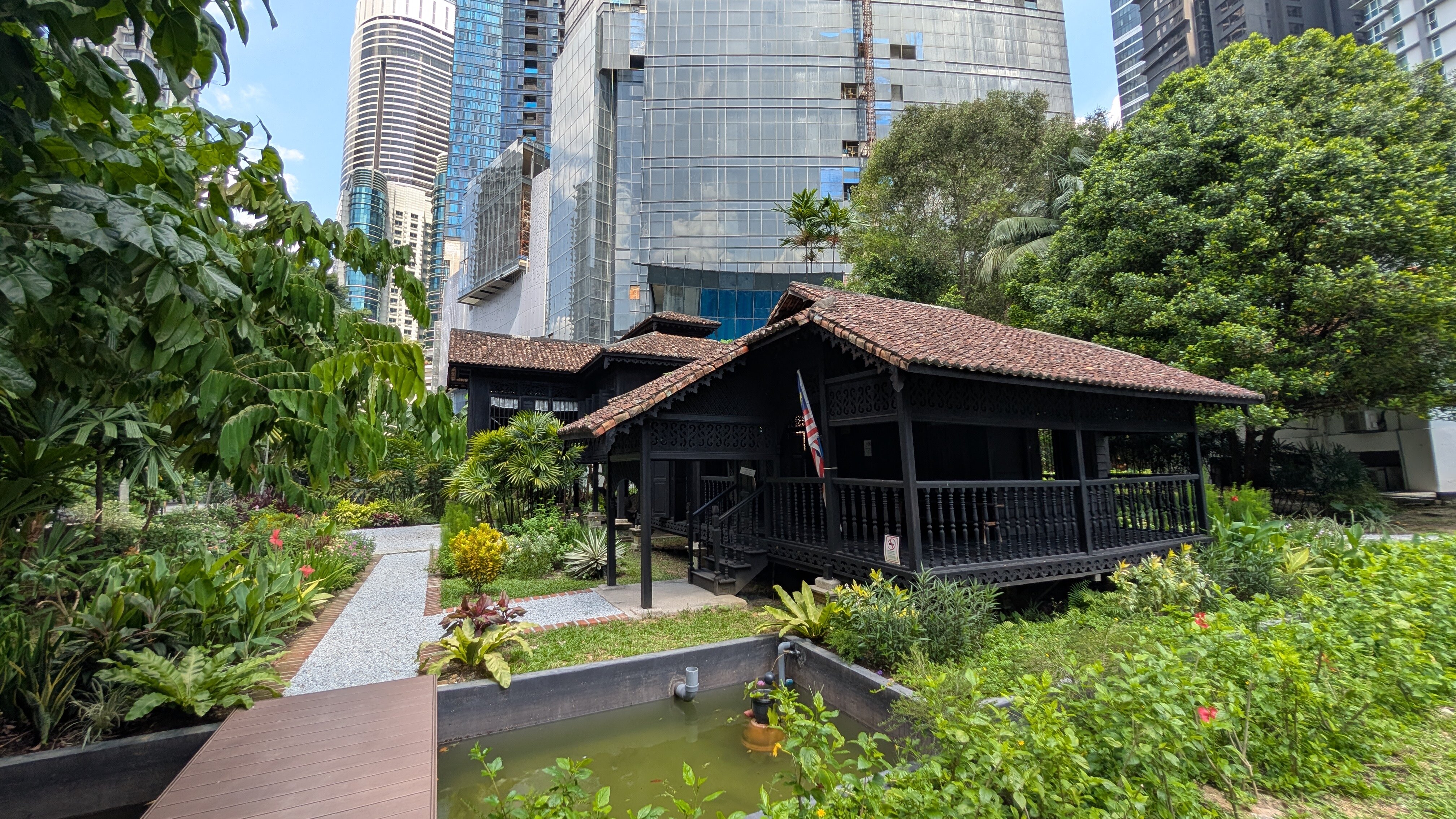
As you approach, the scent of serai and bunga kantan wafts from the garden, where edible herbs grow in neat clumps. Dragonflies skim across a small kolam, and if you’re lucky, you might spot a flash of green – a Rajah Brooke butterfly visiting this unlikely oasis.

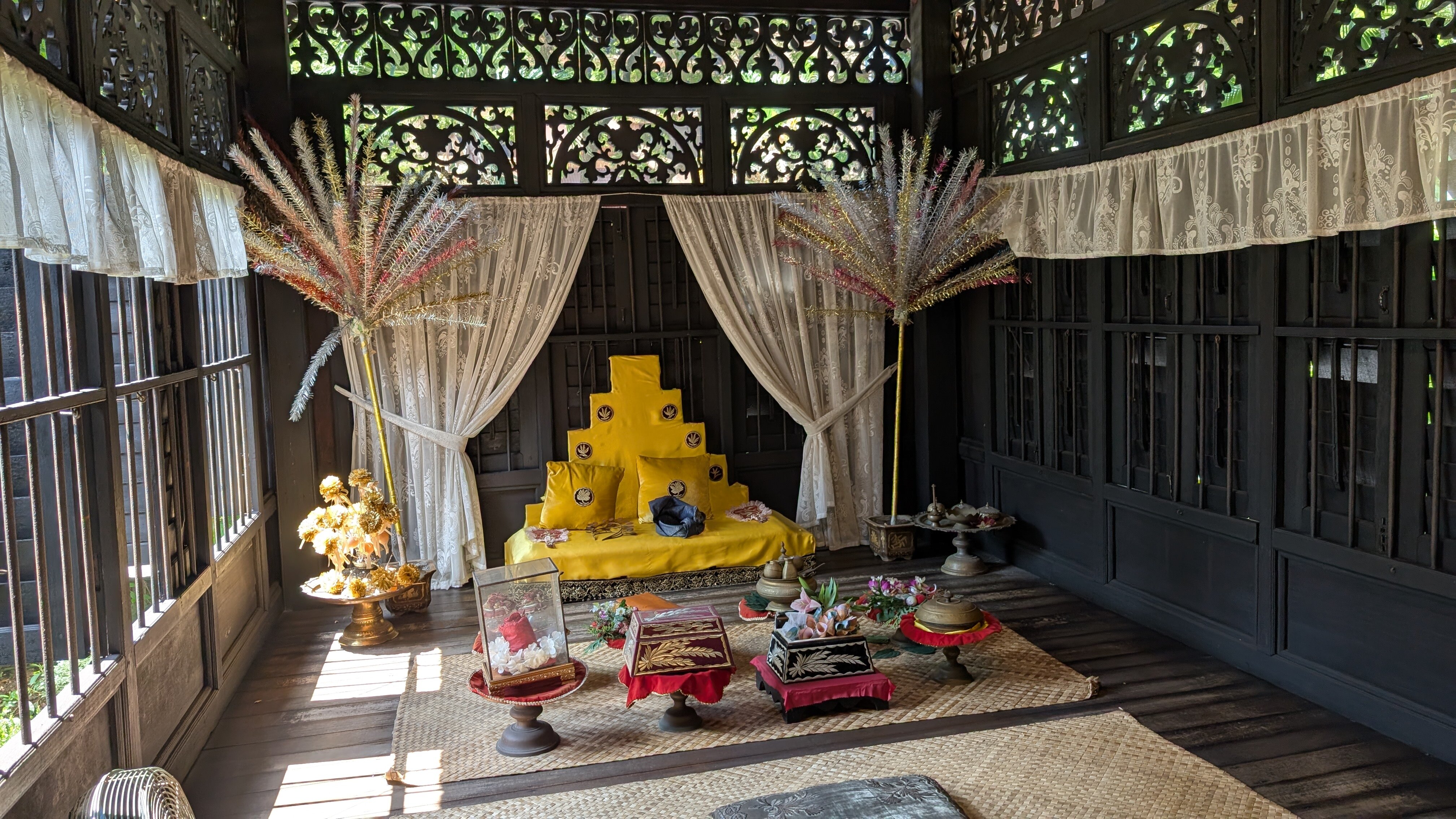
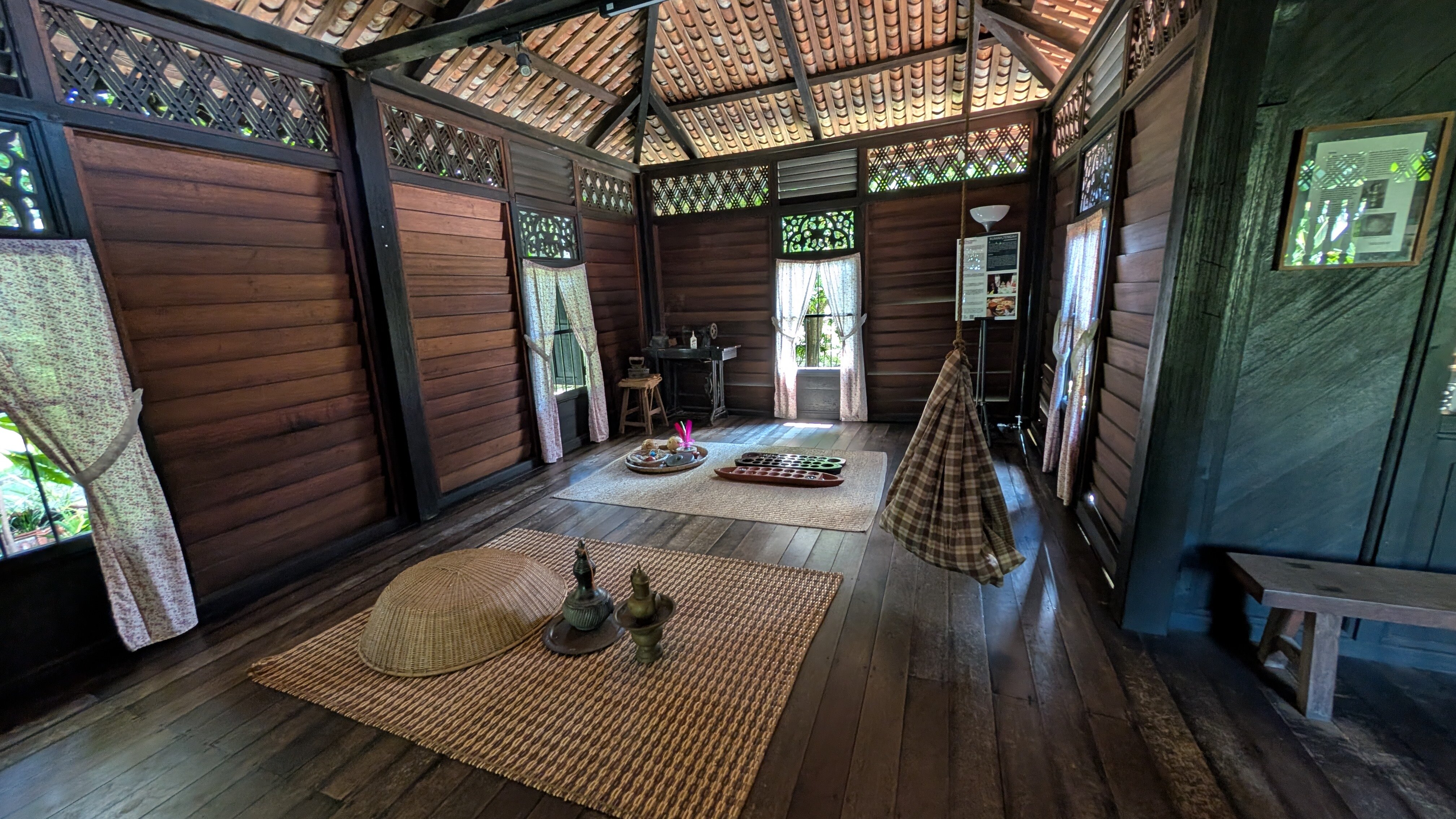
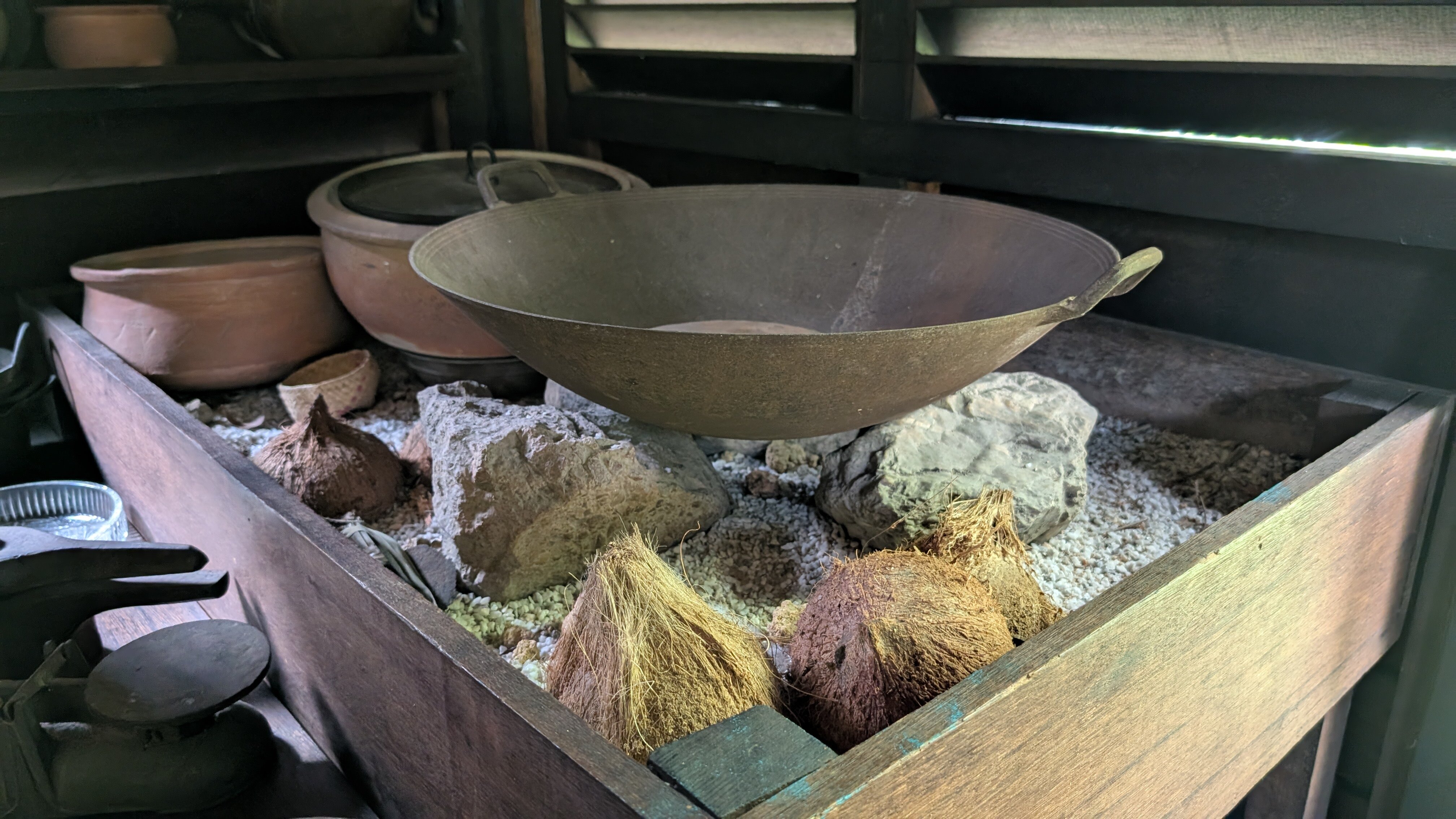
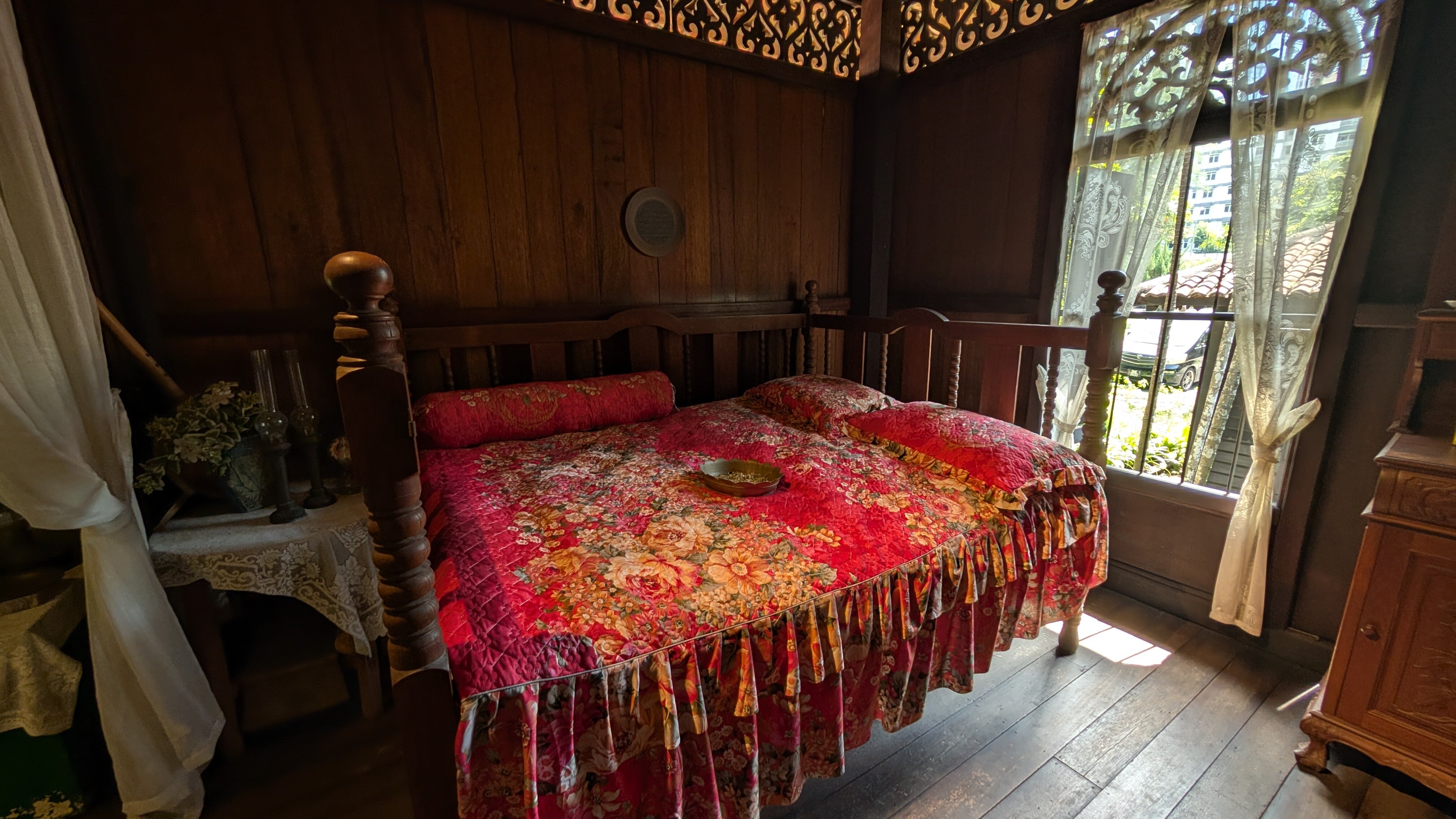
Inside, the house opens up like a story unfolding in chapters. The balai (verandah) once served as a public meeting space – and, in its day, even doubled as a village court. The tengah (middle house) was where women would do their household chores, while the ibu (main house) comprised the living quarters, used for public functions and to entertain guests.

The verandah opens onto a lush garden and pond, a peaceful corner where time seems to slow.
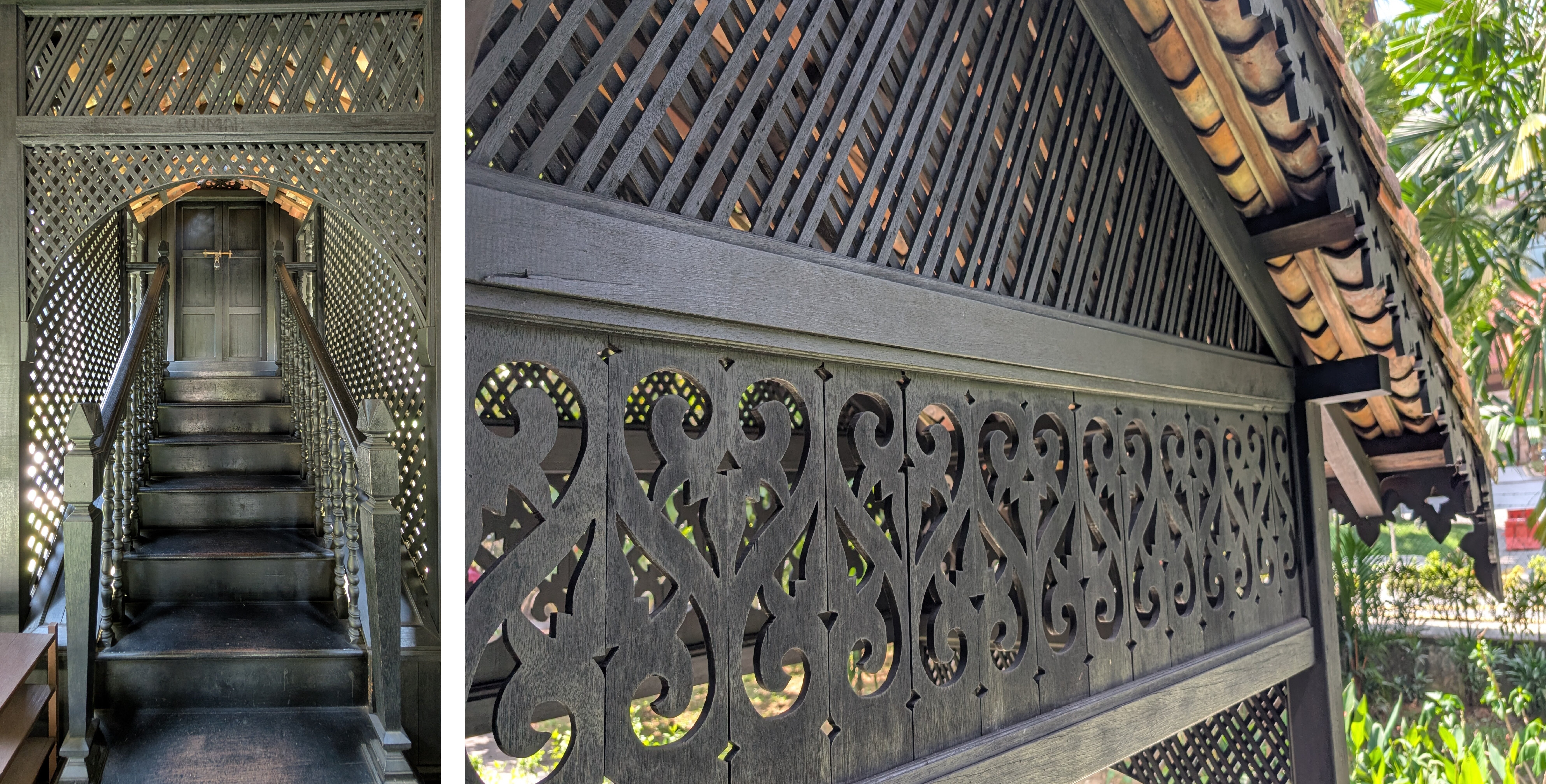
Every element has meaning. The low arch at the entrance to the balai requires visitors to lower their heads slightly – a subtle act of humility and respect. The main door rotates on a central axis rather than hinges, a clever traditional design that improves ventilation and keeps out heat. Smaller steps near the kitchen were built for women, whose daily chores involved moving between garden and hearth.

No nails were used in the making of the house – just intricate interlocking joints and pegs, the mark of Malay master carpenters. At the heart of the structure stands the tiang seri, the sacred central pillar. Two coins rest between the timber column and the stone foundation below – one from Kedah, and another from its reassembly in Kuala Lumpur in 1996. Together, they symbolise continuity – the spirit of a house reborn.

“When I walk through Rumah Penghulu Abu Seman, what really speaks to me is the quiet strength of the people who built homes like this,” says Lim Wei-Ling, president of the BWM Council 2025. “Every part of the house is designed and crafted with such care, thought and detail, and this reminds me that our heritage wasn’t built in big, grand moments, but through the everyday lives of people who worked with their hands and hearts.
 
“To me, this house also represents unity – how people used to live together in harmony, helping and supporting one another as a community.”

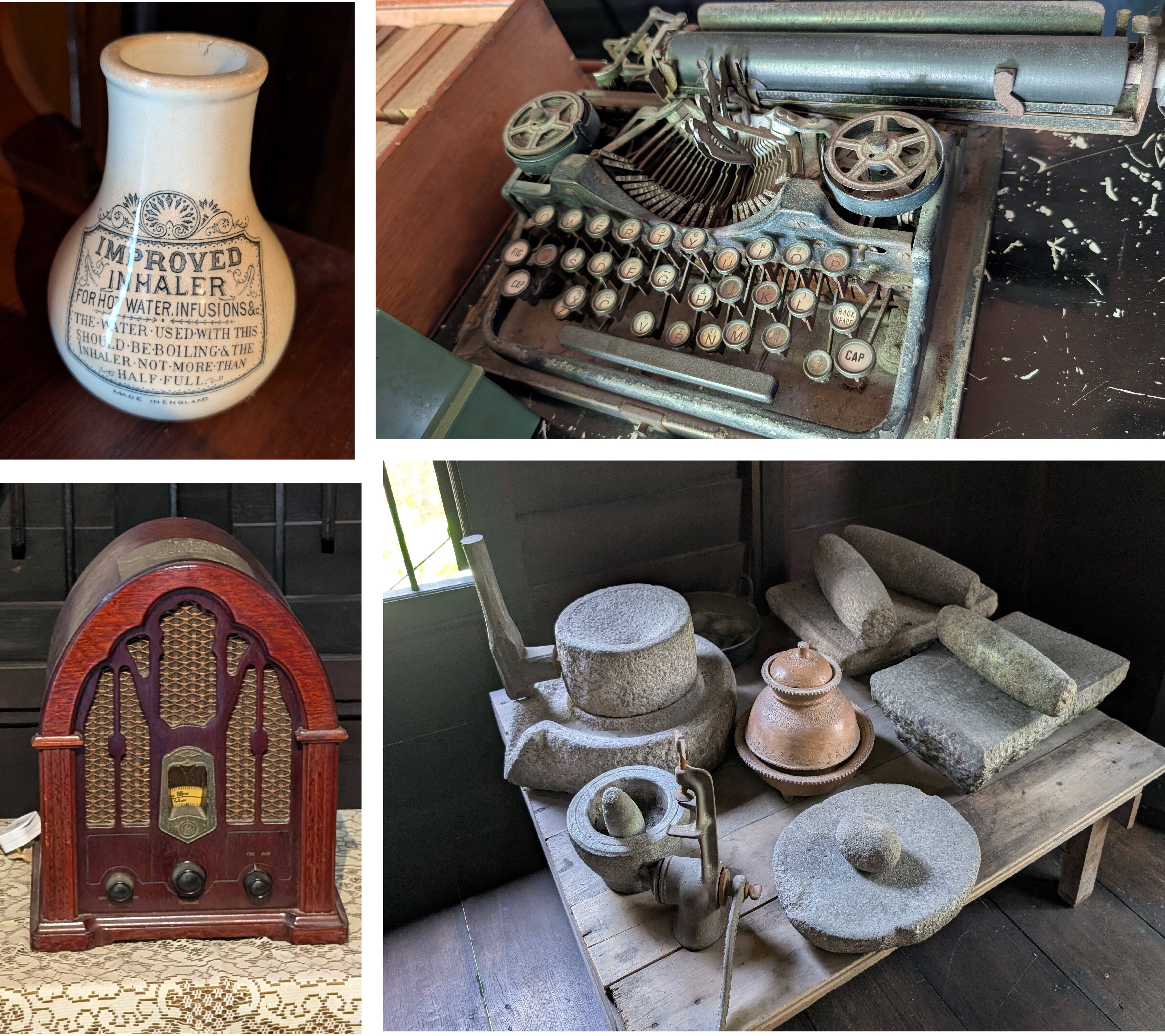
Not all things within the home are original, but each tells a story of memory and place.
From One House to a Movement

The rescue of Rumah Penghulu is only part of a much larger story – one that sees Badan Warisan Malaysia become the guardian of a nation’s architectural soul.

Founded in 1983 by cultural pioneers including the late Tan Sri Dato Harun M. Hashim, the late Tan Sri Mubin Sheppard, the late Ar. Chen Voon Fee and Prof. Dr. Ar. Jimmy Cheok-Siang Lim, BWM became Malaysia’s first non-governmental organisation dedicated to heritage conservation. Their philosophy was simple to ensure that what we inherit from the past continues to enrich the future. 

BWM has been behind some of the country’s most important restoration projects – from Stadium Merdeka, where independence was declared, to Suffolk House in Penang, and Bangunan Sulaiman in Kuala Lumpur. The organisation’s advocacy also helped pave the way for the National Heritage Act 2005, which formally recognised Malaysia’s cultural and built heritage.

Lim says: “Heritage conservation matters because it reminds us of who we are and where we come from. In a country like Malaysia, which is constantly evolving, our heritage serves as an anchor, helping us understand our identity.”

She says that for the younger generation, this is even more important. “In a world that moves faster every day, where trends and technology shape so much of daily life, heritage offers a sense of continuity and belonging. It reminds us that we are part of a larger story that extends beyond our own time and experience.”

Lim expresses this idea powerfully: “Heritage conservation is not about keeping things frozen in the past, it evolves with us. The stories, music, architecture and cultural practices of today will become the heritage of tomorrow. That’s why it’s vital for young people to engage with it, to see themselves reflected in what is being preserved. Only then can heritage truly stay alive. Not as something old, but as something that continues to guide and inspire our future.”
Where Learning Never Ends

At Jalan Stonor, heritage isn’t just displayed – it’s shared. The docent training programme invites volunteers to learn the art of storytelling, preparing them to lead guided tours that bring history to life. There are also educational activities for children, from herb-identification walks to sketching and craft workshops that introduce the principles of traditional design.

For researchers, the Chen Voon Fee Resource Centre is a trove of knowledge. Housing over 30 years of drawings, photographs and documentation, it’s Malaysia’s most comprehensive archive dedicated to architecture and conservation. Supported by the Chen Voon Fee Charitable Trust Fund, the centre is open to the public by appointment and serves as a living classroom for students and professionals alike.

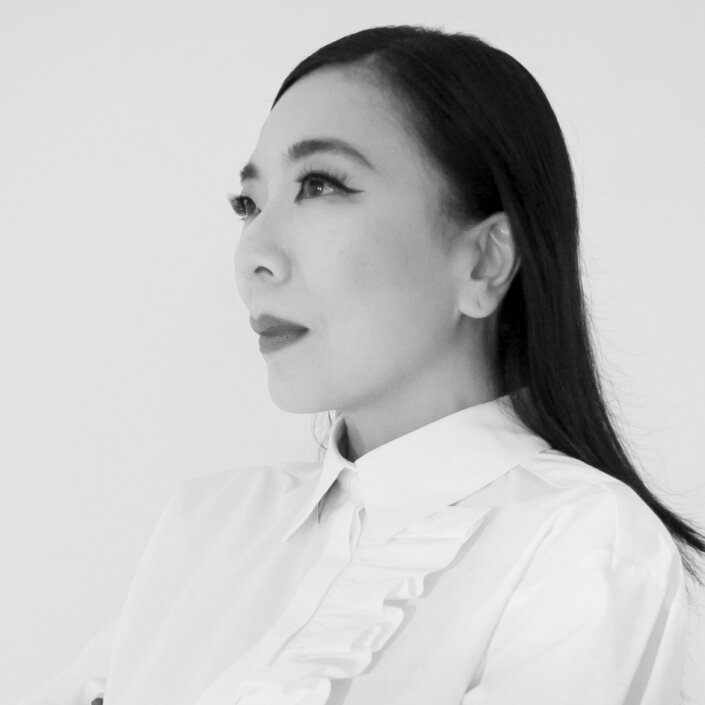
As the world accelerates, BWM President Lim Wei-Ling sees heritage as our anchor – a reminder of who we are. – Photo: weiling-gallery.com
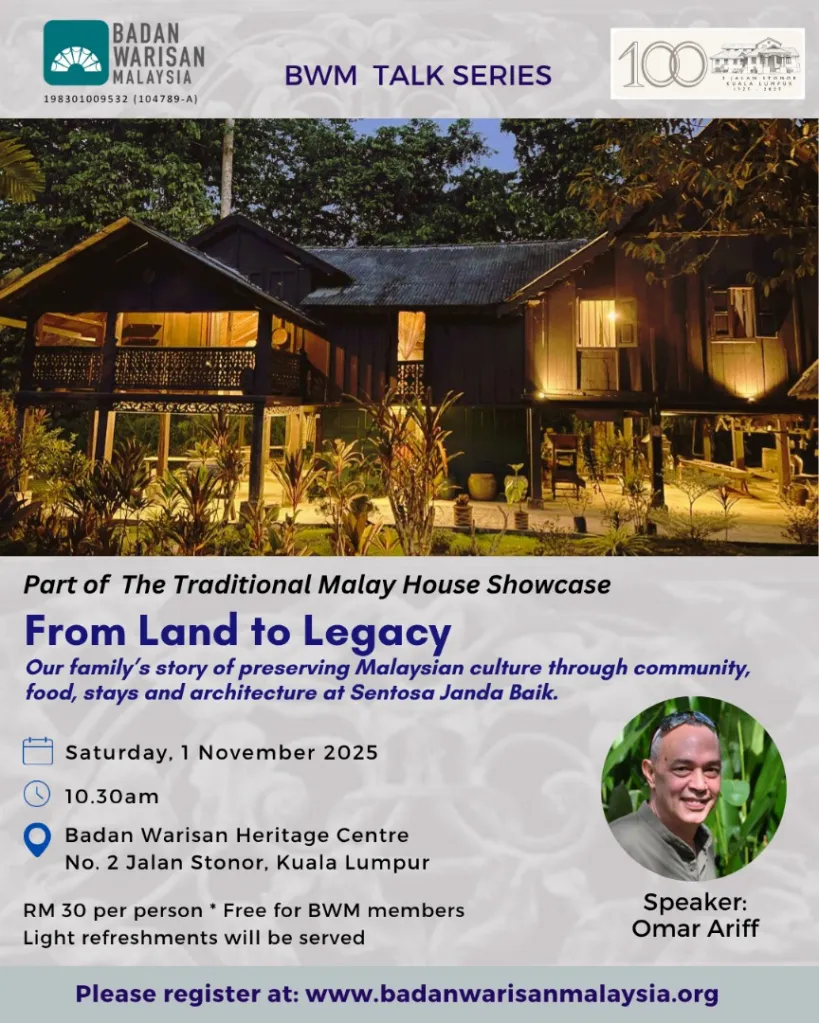
Even as Kuala Lumpur grows skyward, BWM continues to make space for the stories that shaped it. This November, the organisation will host the Traditional Malay House Showcase: Culture and Nature in Harmony (Nov 1–15), featuring exhibitions and talks by heritage experts Omar Ariff and Leon Leong. The event celebrates how traditional Malay architecture embodies sustainability – long before it became a global buzzword – through natural cooling, adaptive design and a symbiotic relationship with the environment.

Lim, who is also the founder and gallery director of Wei-Ling Gallery and Wei-Ling Contemporary, and has been widely recognised for her contributions to the growth and development of Malaysia’s art scene says that her journey in the contemporary art world has taught her that art, at its core, is a reflection of the human experience, a translation of our emotions, thoughts and stories. 

“Art grows out of how we see and feel the world around us, and in Malaysia, that experience is deeply shaped by our diversity. Our many cultures, languages, and traditions come together to create a vibrant artistic expression that is truly unique to our country. 

“That same diversity also forms the foundation of our heritage. To me, art and heritage are two sides of the same coin: both tell the story of who we are, where we come from, and how we are connected to one another. Heritage serves as a living memory; it reminds us of our history but also inspires how we move forward.” 

Lim says there are many parallels in her work at BWM and her years in the art world. “In the gallery I work closely with artists to imagine new perspectives, and in Badan Warisan I focus on preserving the stories and places that shape our identity. In both realms, it is ultimately about creating meaning, fostering connection, and keeping alive the essence of what defines us as a community. 

“You must remember that the stories we tell today through contemporary art, will one day form part of the storytelling of our past.”
A Living Heritage in the Heart of KL
The next time you find yourself near Pavilion or the Conlay MRT Station, take a small detour down Jalan Stonor. Step into the cool shade of Rumah Penghulu Abu Seman, and listen. You might hear birdsong mingling with the hum of the city, the creak of timber beneath your feet, or perhaps the whisper of a past that refuses to fade.

Here, in this wooden house surrounded by glass towers, heritage isn’t frozen in time. It breathes, evolves, and welcomes new visitors every day – thanks to the enduring efforts of Badan Warisan Malaysia. 

Because sometimes, the most forward-looking thing a city can do is to remember.

Visit Rumah Penghulu Abu Seman
No. 2 Jalan Stonor, Kuala Lumpur
Guided Tours: Tuesday–Saturday, 11am & 3pm
www.badanwarisan.org.my

And who says you can’t feed both your mind and your appetite for tradition? There are two lunch options on site: Pop up cafe Silarasa which serves Indonesian and Malaysian classics; Right next door, within the same compound, you’ll also find Open House Malaysian heritage cuisine featuring long-lost recipes.
Heritage Highlights: 5 Things too look out for while you’re at Rumah Penghulu

1. The Rotating Main Door
A hinge-free door that pivots on its axis – genius ventilation and traditional engineering combined.
2. The Tiang Seri Ritual
Two coins lie buried beneath the central post – one from Kedah, one from Kuala Lumpur – symbolising the house’s past and present; while you can't actually see them, it's interesting to learn about the ritual.
3. The Kolong Surprise
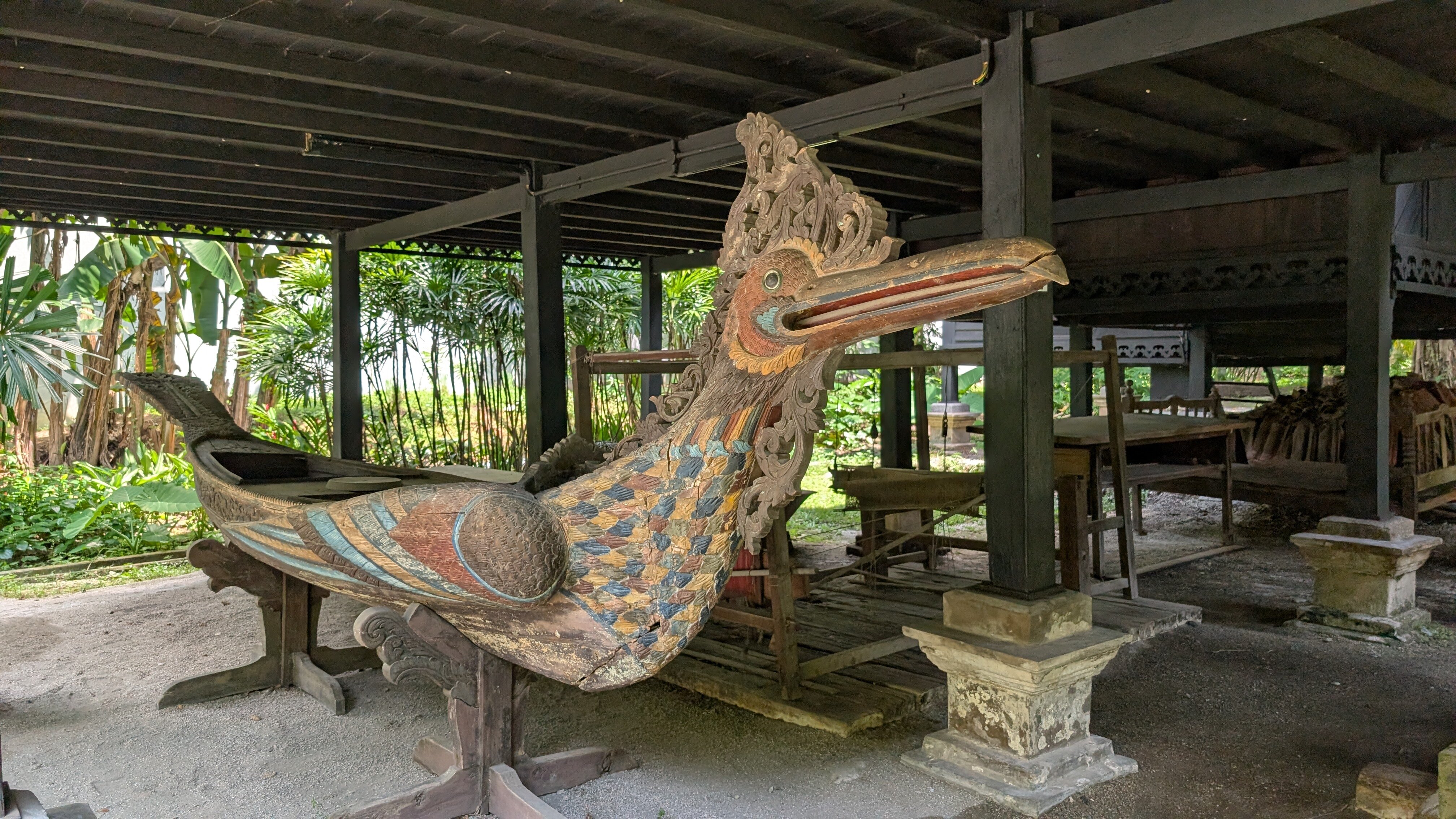
Look in the empty space (kolong) beneath the house and you’ll find a donated boat – a nod to the house’s northern roots and the role of waterways in Malay life.
4. A Garden of Flavours
The surrounding herb garden features bunga kantan, serai and pandan – once used for cooking, healing and scenting linen.
5. The Pond That Attracts Butterflies
The small kolam is a magnet for Rajah Brooke butterflies, dragonflies and even migratory birds – a biodiversity pocket in downtown KL

Discover more stories

Ooops!
Generic Popup2