Where Tradition Finds Its Rhythm

SOFIA SHAMSUNAHAR | 30 March 2026

Across Kuala Lumpur, sound becomes memory – echoing through temples, concert halls and restored spaces. Within this living, evolving soundscape, Kombo Budaya DBKL finds its voice.  – Photos: MUAMMAR ANSARI
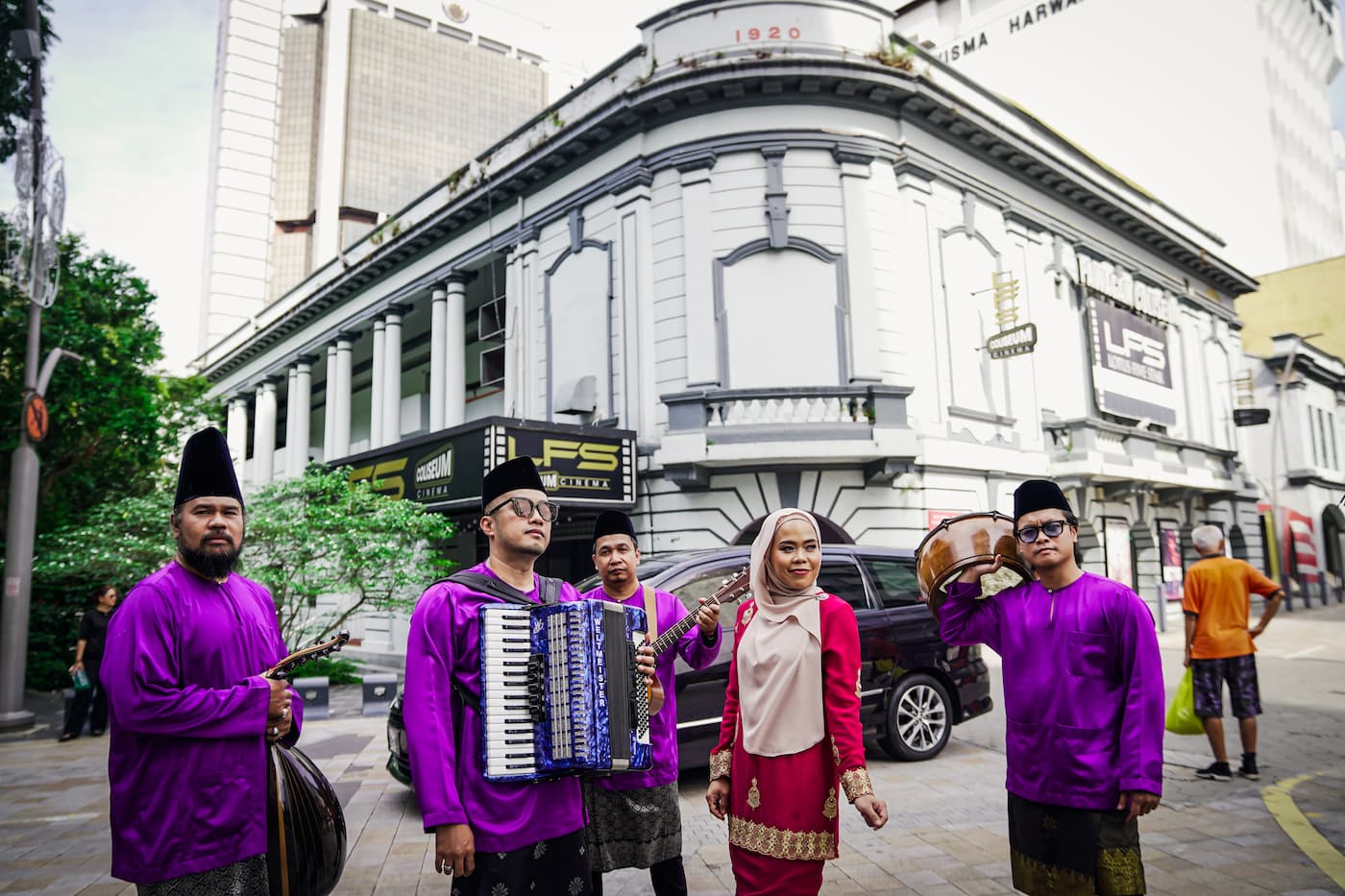
THERE is something magnetic about watching Kombo Budaya DBKL in action – but to understand why its music resonates, first you need to first listen to the city it belongs to.

Across Kuala Lumpur, sound carries memory. It drifts through temple grounds in the call of the nadaswaram and tabla, lingers in concert halls with the delicate strains of the erhu and pipa, and slips through restored laneways like Kwai Chai Hong, where past and present meet in quiet, unexpected ways in a city where heritage buildings are being thoughtfully restored and brought back into public life, inviting people to once again experience spaces like Sultan Abdul Samad Building. 

These sounds form part of a living archive – one that continues to evolve even as it remembers. And it is within this layered soundscape that Kombo Budaya DBKL finds its voice.

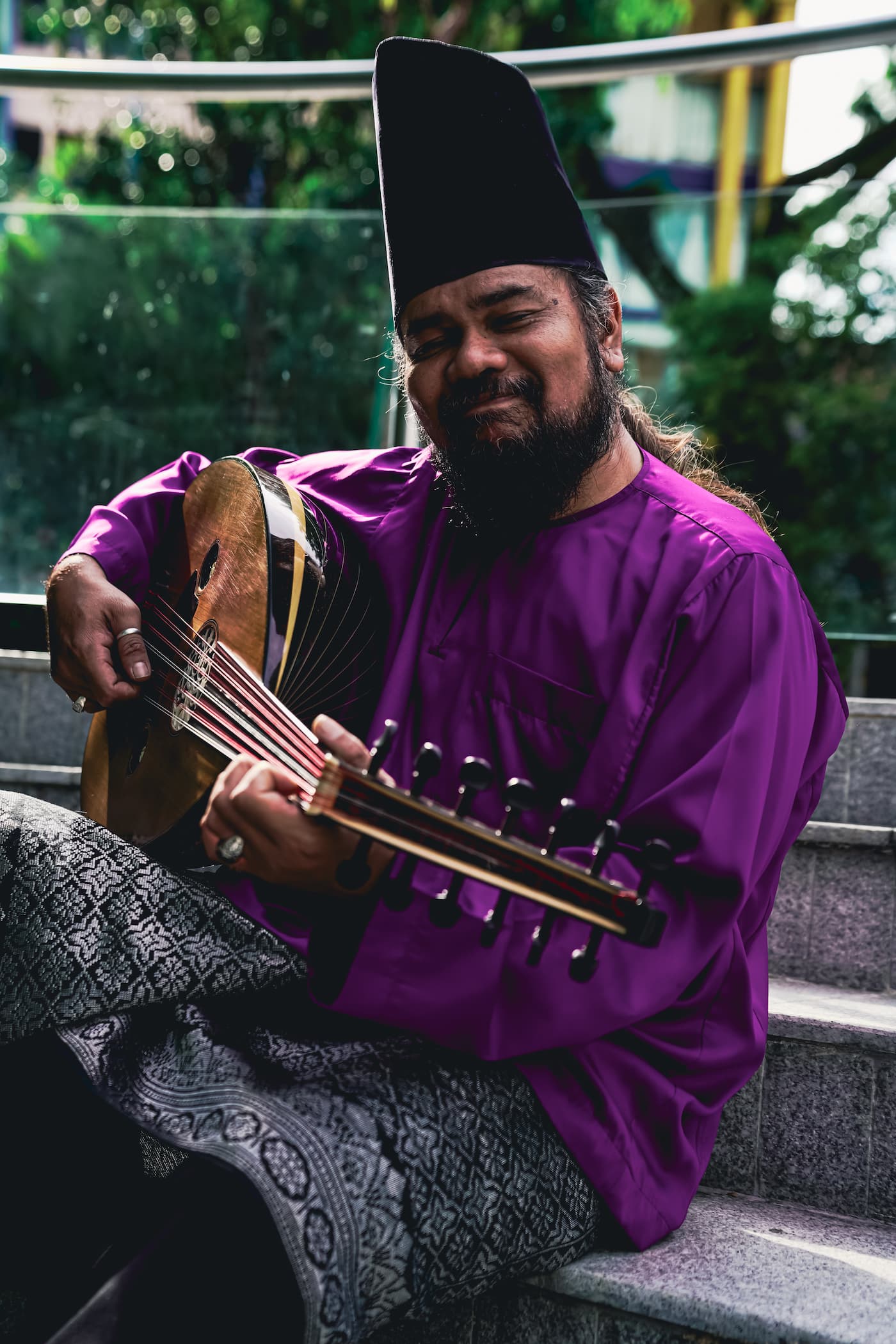
When not under the gaze of an audience, the band members laugh, trade jokes and slip into impromptu melodies on the gambus (the pear-shaped lute with roots in the Middle East) and accordion, their harmonies unfolding with an ease that feels instinctive. It is immediately clear: they love making music, and they enjoy doing it together.

Kombo Budaya DBKL, also known commercially as “Attap Band” – a nod to its studio and office in Kampung Attap – operates under the Culture, Arts, Tourism and Sports (CATS) Department of Dewan Bandaraya Kuala Lumpur.

Much like Kuala Lumpur itself – where heritage buildings stand alongside glass-and-steel towers – the band’s sound is a careful blend of the traditional and the contemporary.

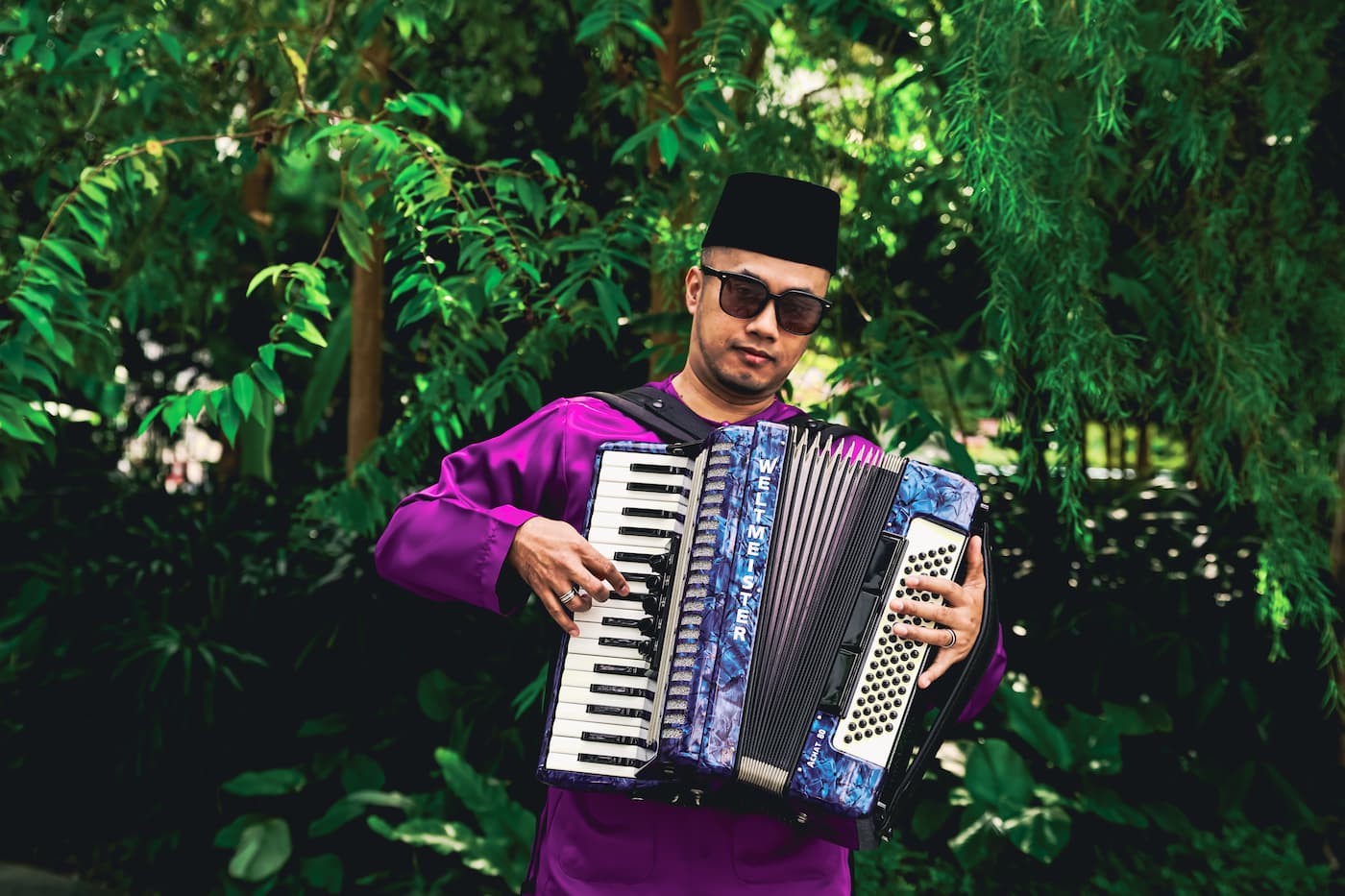
You hear it in their pairings. Gamelan instruments shimmer with the layered resonance known as ombak (“waves”), set against the accordion’s reedy breath that rises and falls in warm, lilting swells. It is there, too, in their compositions, where traditional Malay rhythms meet modern arrangements of guitar, bass guitar and keyboards.

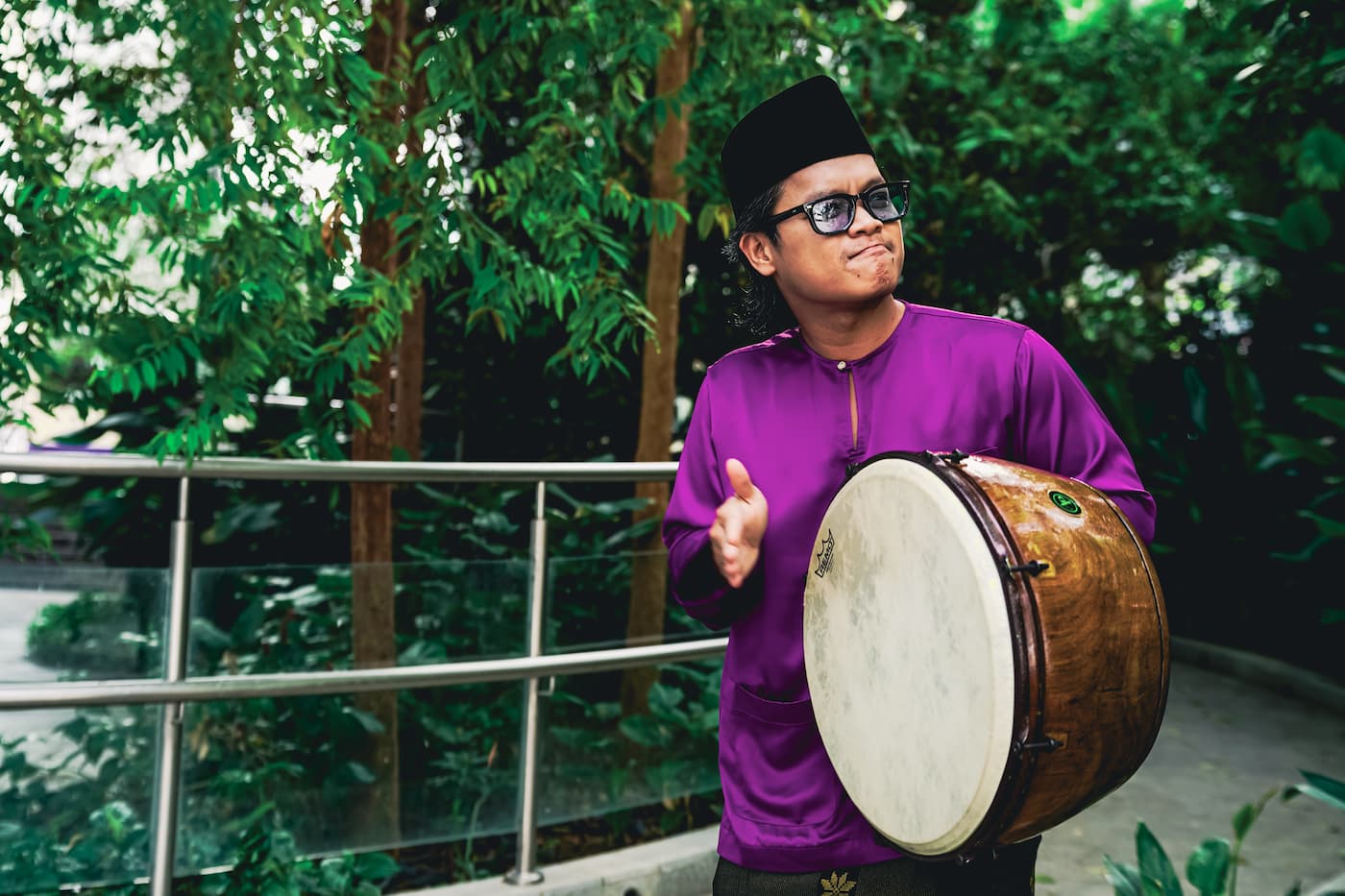
The 13-member ensemble performs across a wide range of instruments: bass guitar, guitar, dual keyboards, caklempong (a set of small bronze gongs), violin, accordion, gambus, bamboo flute, Malay and Western percussion, saxophone and drums – a line-up that at times feels closer to a compact Malay orchestra than a conventional band.

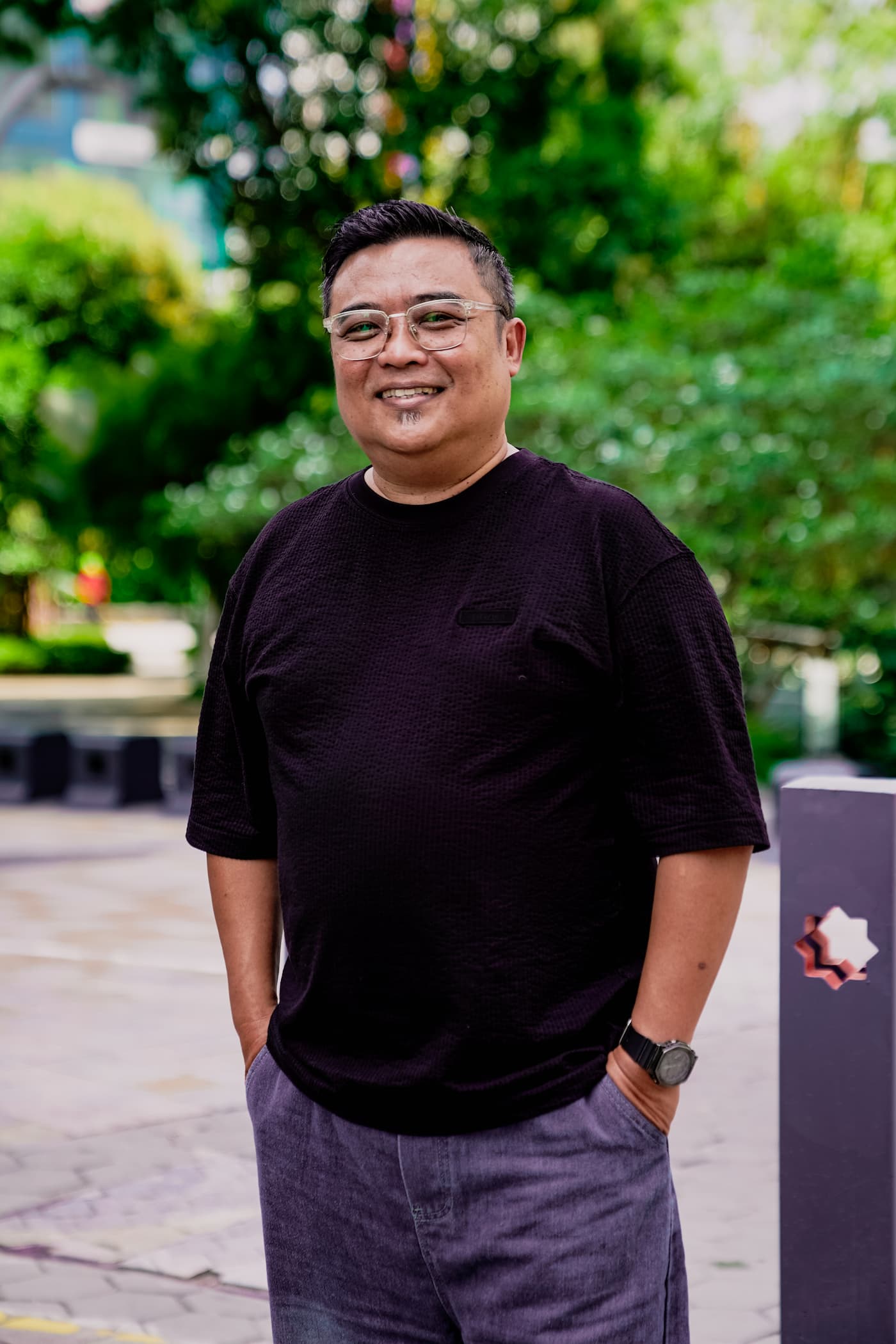
“Malaysia is multicultural, and our sound reflects that diversity. We draw inspiration from Malay traditional melodies, Chinese instrumental textures, and Indian rhythmic influences. Sometimes we reinterpret traditional folk songs into modern arrangements. Our music celebrates unity in diversity, which is at the heart of Malaysian heritage,” shares Tengku Mohd Zainuddin Tg Dalam, head of the band.

Established in 1972 when Kuala Lumpur was granted city status, DBKL has long played a role in shaping the city’s cultural landscape. Its music and cultural section, formed in 1988, continues to support local performers, organise public concerts, and promote Malaysian heritage through festivals and performances – a mandate that Kombo Budaya DBKL carries forward.

“Our goal is to create music that feels modern yet rooted in Malaysian identity – something that resonates with both younger audiences and older generations,” Tengku adds.

The band frequently performs at mayoral functions, government and corporate events, but its presence extends well beyond formal settings. It appears at cultural festivals, public events and arts venues across the city – from community halls to open-air stages around Dataran Merdeka – bringing its sound to audiences who might encounter it by chance as much as by design.

Among its highlights are large-scale concerts such as the Kuala Lumpur Drum and Dance Festival, alongside multicultural showcases and collaborations that bridge traditional and contemporary artistes. Its reach, however, is not limited to Malaysia.

“If traditions are not reinterpreted, they risk fading into silence,” says Tengku Mohd Zainuddin Tg Dalam – a reminder that heritage survives not just by preservation, but by being played anew.
“One of our most memorable international performances was in Uzbekistan, where we were invited to a regional cultural festival. The audience was incredibly diverse, and it was meaningful to see people from different backgrounds appreciating Malaysian traditional sounds blended with modern music,” Tengku recalls.

In a time shaped by rapid modernisation and global influences, such efforts take on added significance. Malaysia’s layered heritage risks fading if left untouched – but music offers a way to keep it alive, not as something static, but as something evolving.

“Performing locally helps preserve and evolve our cultural identity. If musicians do not continue reinterpreting traditional elements, they may slowly fade away. By performing in Malaysia, we ensure that younger generations are exposed to their own heritage in a form they enjoy and understand,” he explains.

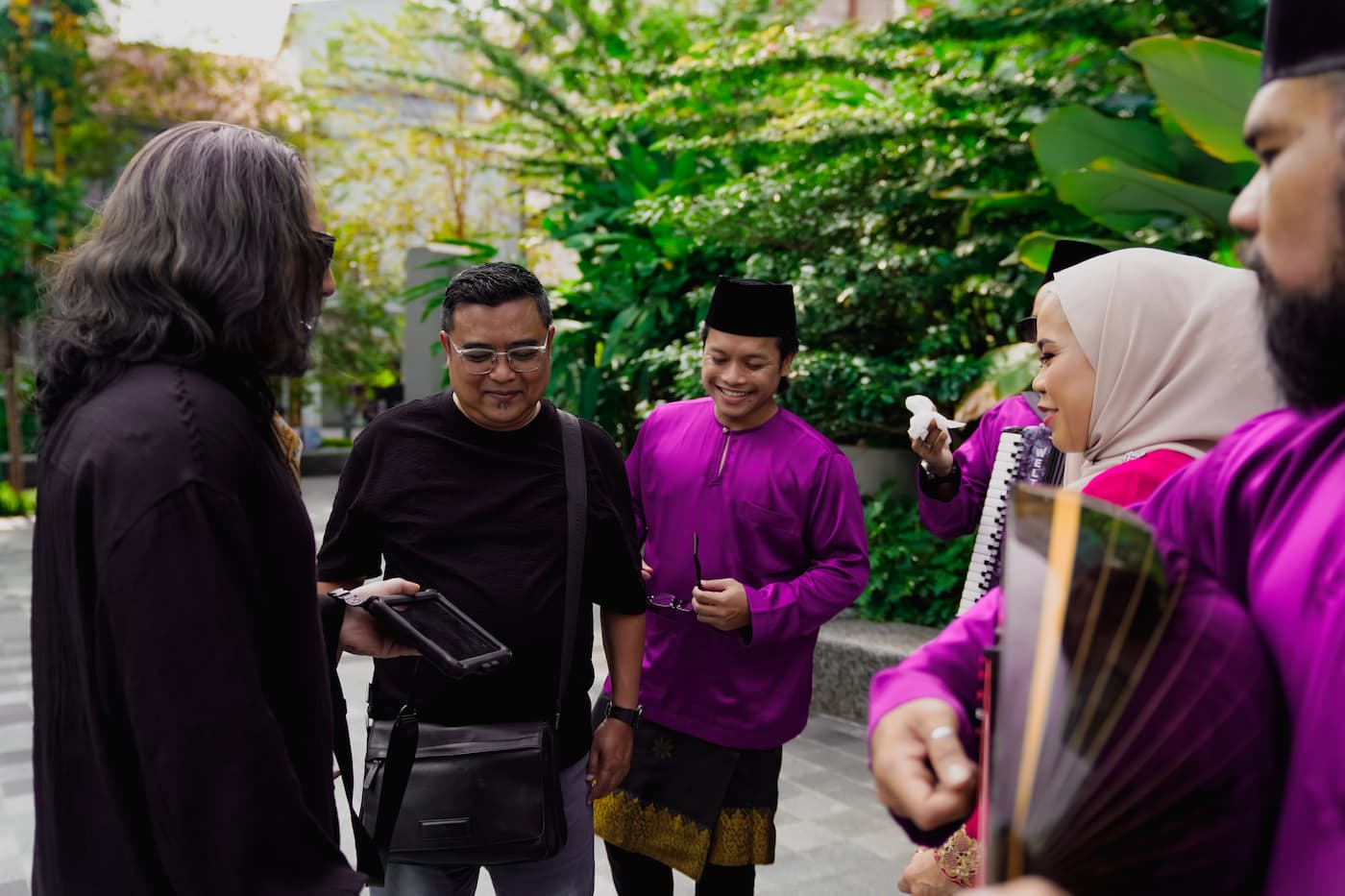
A moment of joy between the band and the video producer during the filming of 'Kisah Warisan Kita' at Lanai Seni, an urban oasis set along along Jalan TAR, part of KL's Green Connector bringing heritage, art and community into one continuous, living thread.

Watching the band’s easy camaraderie behind the scenes – the quiet humour, the spontaneous riffs, the shared rhythm – it becomes clear why its music resonates so widely.

“Malaysia has a very open and supportive music community. Audiences here appreciate both traditional and modern styles. Performing in KL especially allows us to connect with a diverse crowd – locals, tourists and international listeners,” Tengku says.

In the end, Kombo Budaya DBKL reminds us that tradition does not stand still. In Episode 1 of Kisah Warisan Kita: Sounds Of The City, its rendition of Pantun Budi, popularised by S. M. Salim, simply allows an old tune to be heard again, in a different time and place.

Discover more stories

Ooops!
Generic Popup2