Urbanscapes at Bangunan Sultan Abdul Samad

ELLFIAN RAHIM | 9 November 2026

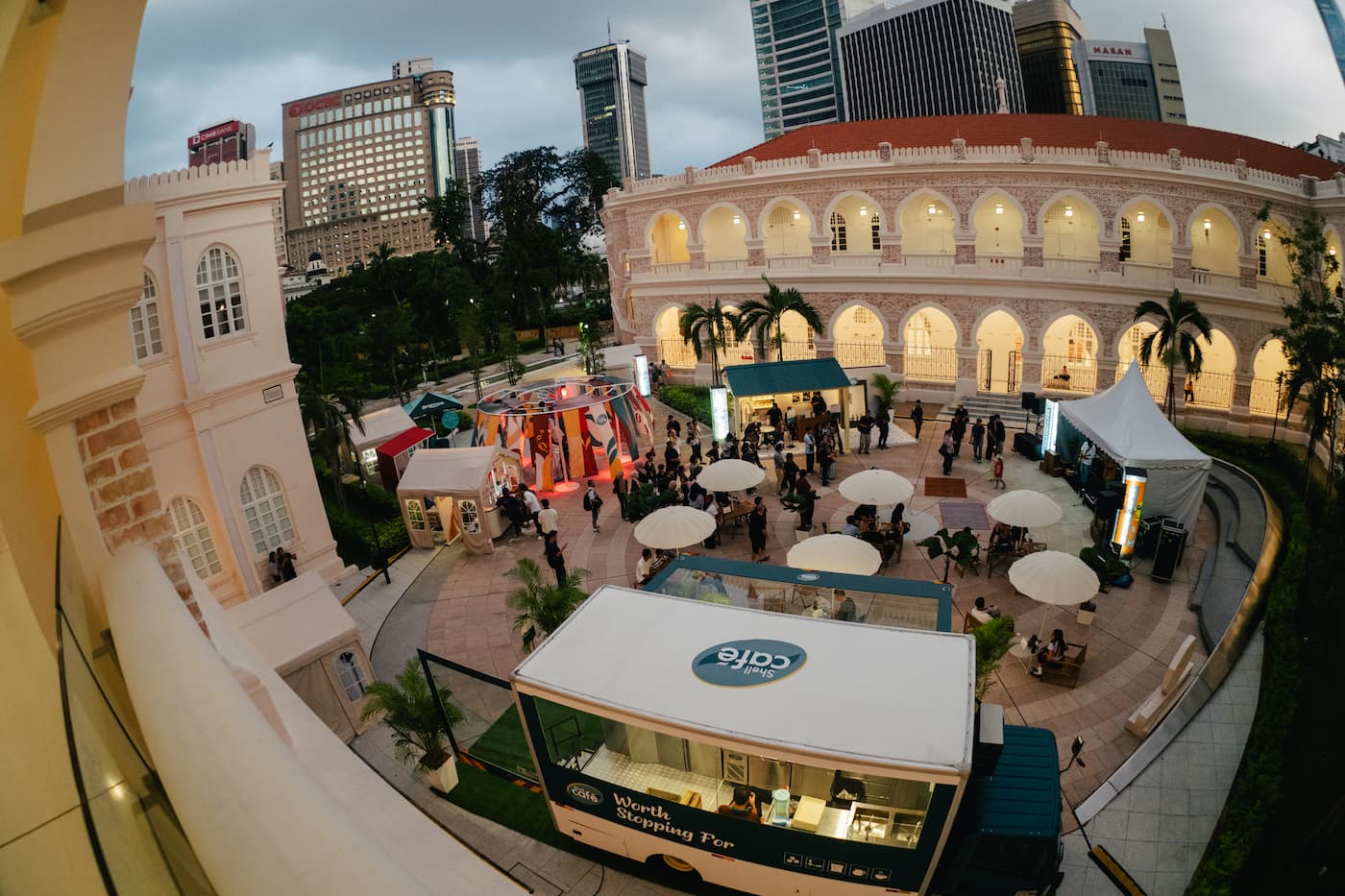
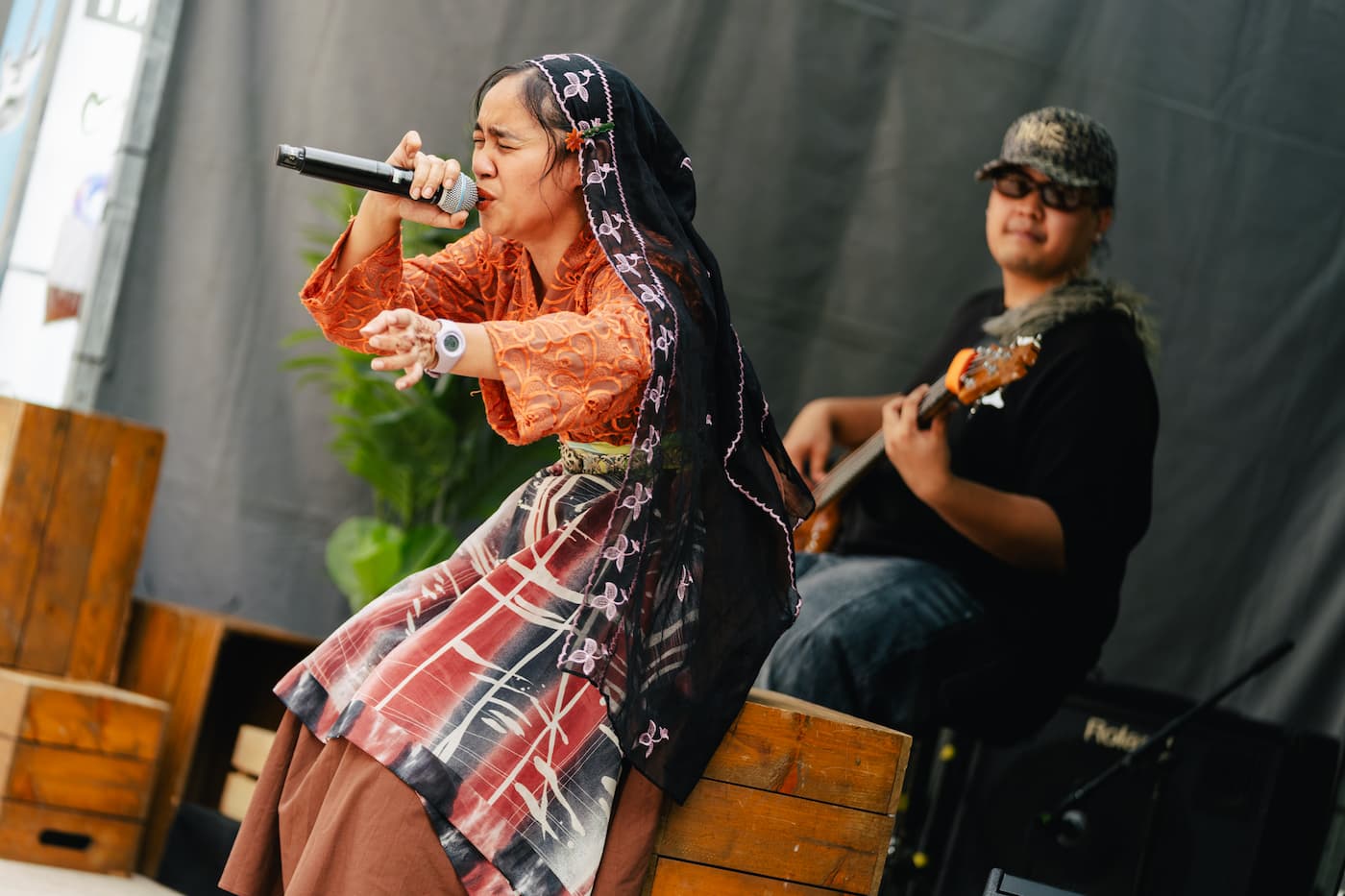
Visitors had plenty to see and do at Urbanscapes, with activities and performances bringing the courtyard of Bangunan Sultan Abdul Samad to life. Among them was Kelas Tari Kita by LOCCO, which introduced audiences to the traditional Zapin dance. – Photos: Urbanscapes
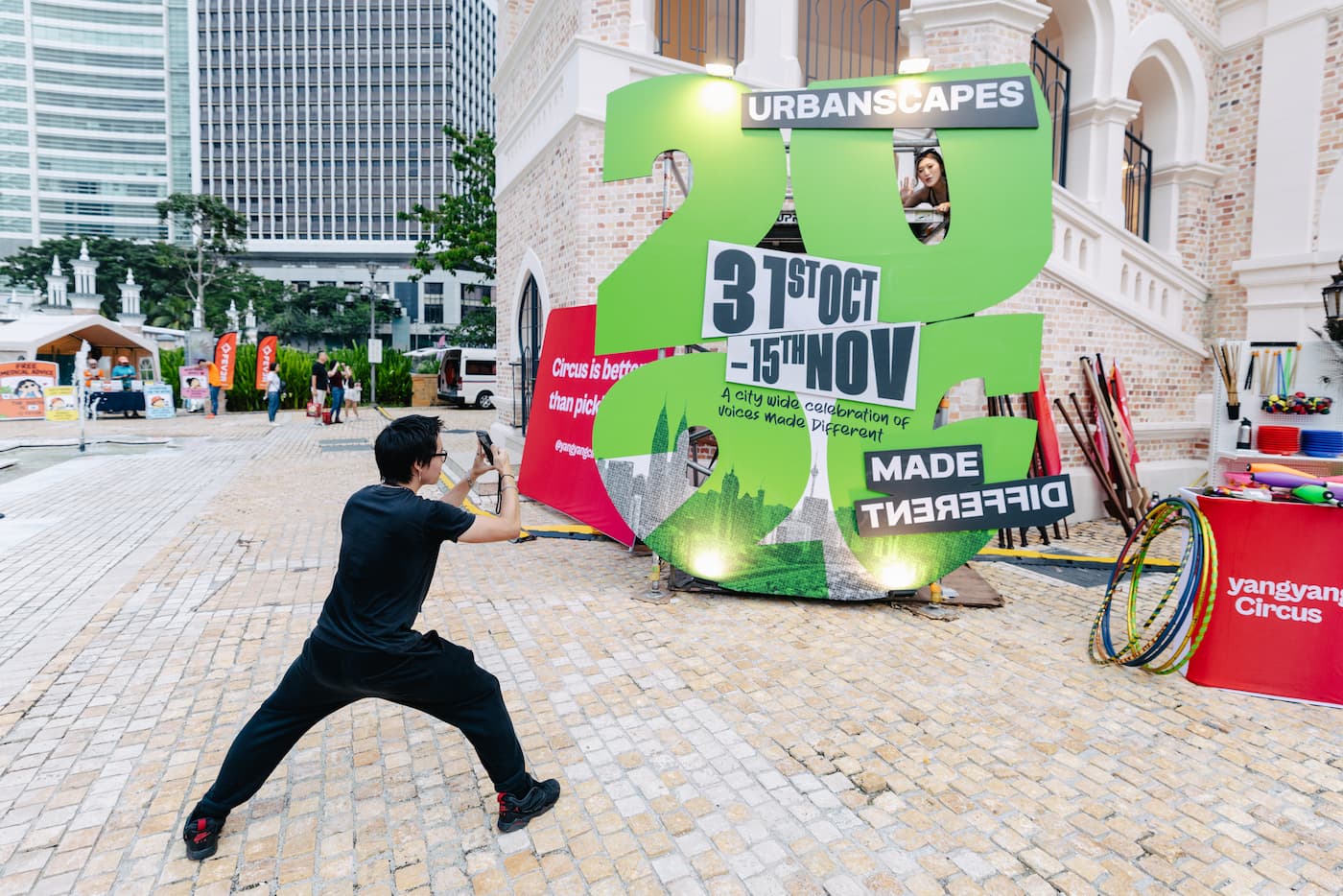
KUALA LUMPUR’s creative scene has always found ways to bring people together, creating spaces for new ideas, collaborations and cultural encounters. Few homegrown platforms have done this for as long as Urbanscapes, arguably Malaysia’s longest-running creative arts and music festival, which has been inspiring audiences and championing local talent since 2002.

This year, Urbanscapes brought that creative spirit to one of the city's most recognisable heritage landmarks, Bangunan Sultan Abdul Samad, where its first weekend unfolded against a backdrop of historic architecture and renewed public activity. The setting offered an interesting meeting of old and new, demonstrating how familiar city spaces can take on fresh life through creativity, culture and community.

The brainchild of Adrian Yap, Urbanscapes began at the now-defunct Grappa Soho along Bintang Walk. Its origins were closely linked to KLue, a local culture, arts and entertainment city guide that Yap founded and edited. What started as an effort to bring the eclectic stories and creative energy of Kuala Lumpur to life has since grown into a longstanding platform for the country's arts and creative communities.

“Urbanscapes began with the notion that whatever was featured in KLue could be brought to life so that people can experience in person the stuff that was written in the guide,” recalls Qisthina Razin, Urbanscapes' long-time project manager. She is also one of the key people at Freeform, the creative agency founded by Yap, which oversees the programming, operations and logistics involved in transforming various public spaces across downtown Kuala Lumpur for the festival.

Yap says that the theme for Urbanscapes 2026, “Made Different”, is essentially about going back to basics.

“Yes, we’re going back to basics by starting with the people and the ideas they want to share, and building the experiences around them. Our focus is on giving each voice room to be heard and each piece of work the attention it deserves, rather than on the scale of the production. That is the spirit that has connected Urbanscapes from the beginning.”

Rather than being confined to a single venue, the festival began decentralising in 2016, expanding into urban landmarks, historic buildings and hidden pockets of the city. Past venues have included Sentul Depot, klpac and Padang Astaka in Petaling Jaya.

Continuing this tradition, this year's 16-day edition, running from Oct 31 to Nov 15, brings together a range of venues, with key locations including the iconic Bangunan Sultan Abdul Samad, contemporary creative hub APW Bangsar and Tun Razak Exchange (TRX).

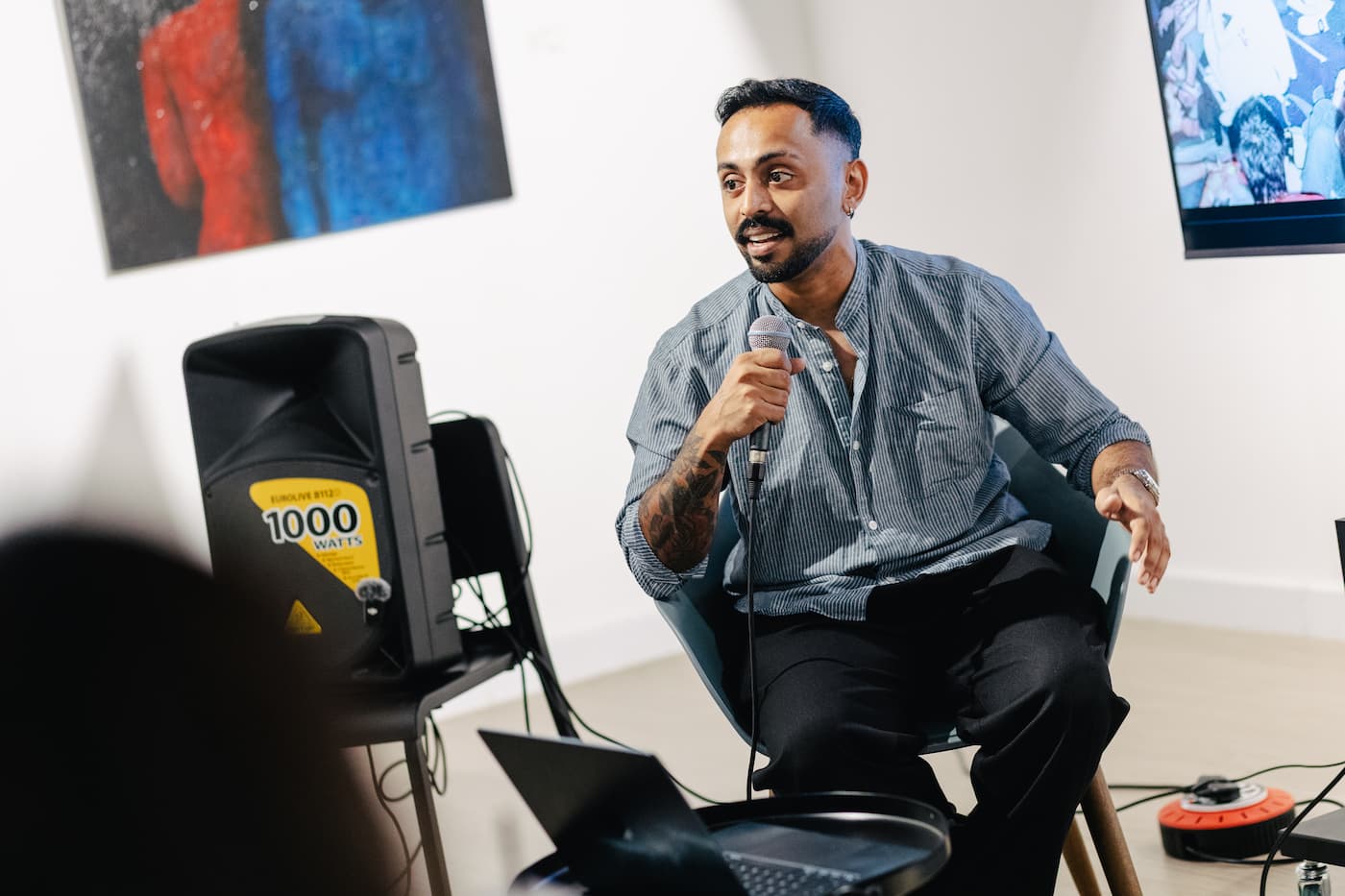
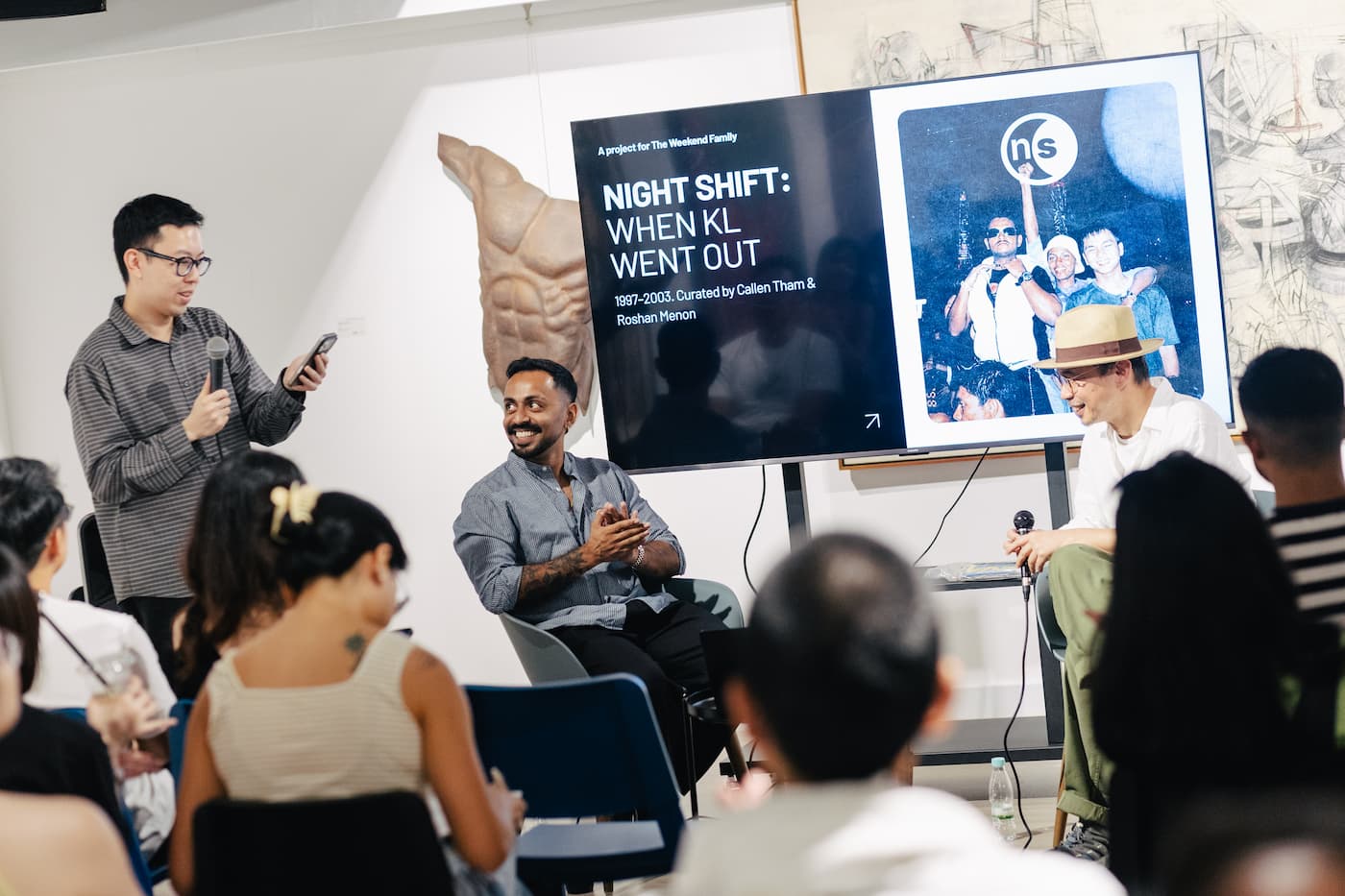
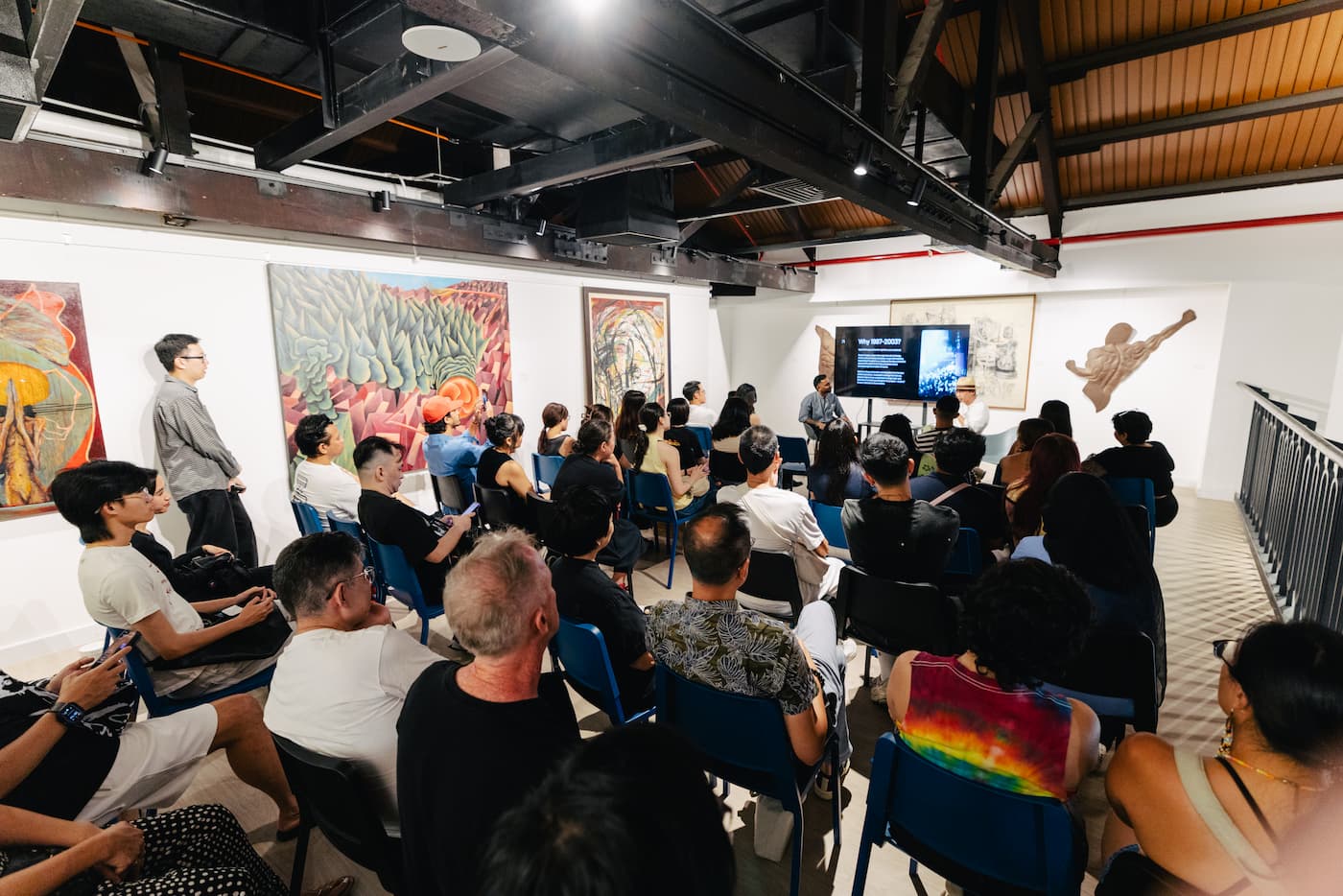
In keeping with its retrospective theme, Urbanscapes kicked off its opening weekend with an engaging discussion led by prominent Malaysian DJs, music producers and creative consultants Roshan Menon and Callen Tham. The two shared insights into their work compiling a cultural archive of Kuala Lumpur's nightlife, club culture and DJ scene from 1997 to 2003.


Tham admitted that he was initially unsure whether the project would come together smoothly, as earlier attempts to document KL's clubbing scene had failed to gain much traction.

“We weren’t documenting things properly back then, so there isn’t a complete record of what happened,” he says. “Everyone remembers things a bit differently too, which is why I thought it would be interesting to bring these things together.”

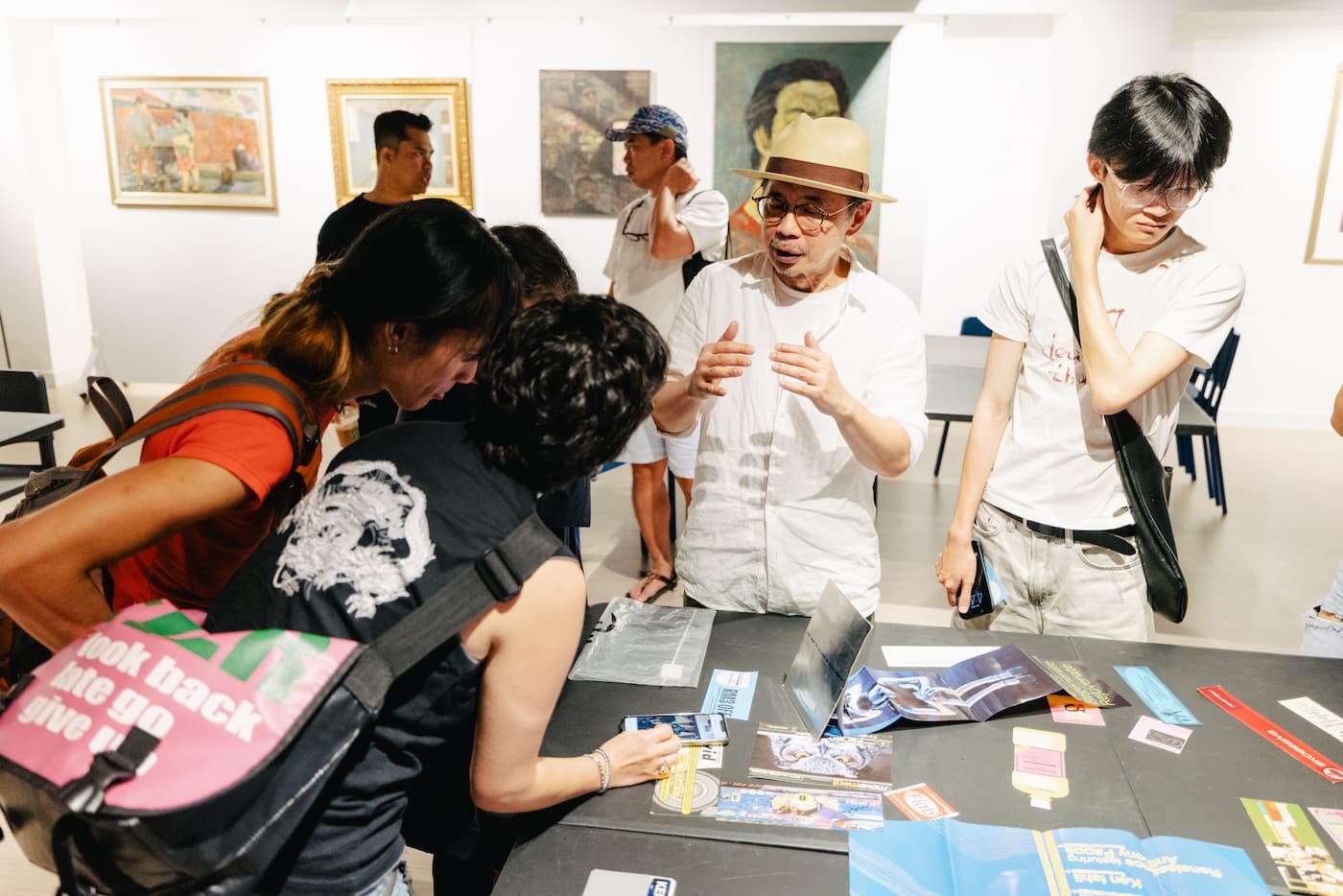
The exhibition is organised into four sections: The Art, covering flyers, posters, photography and design; The People; The Spaces; and The Economics, which looks at sponsorship and licensing. Visitors can explore flyers, posters, photographs, newspaper coverage from the period and objects salvaged from venues that no longer exist. The archive also features new interviews with promoters, DJs, venue owners and performers.

“And you know, much of the material here is being shown publicly for the first time,” says Tham.

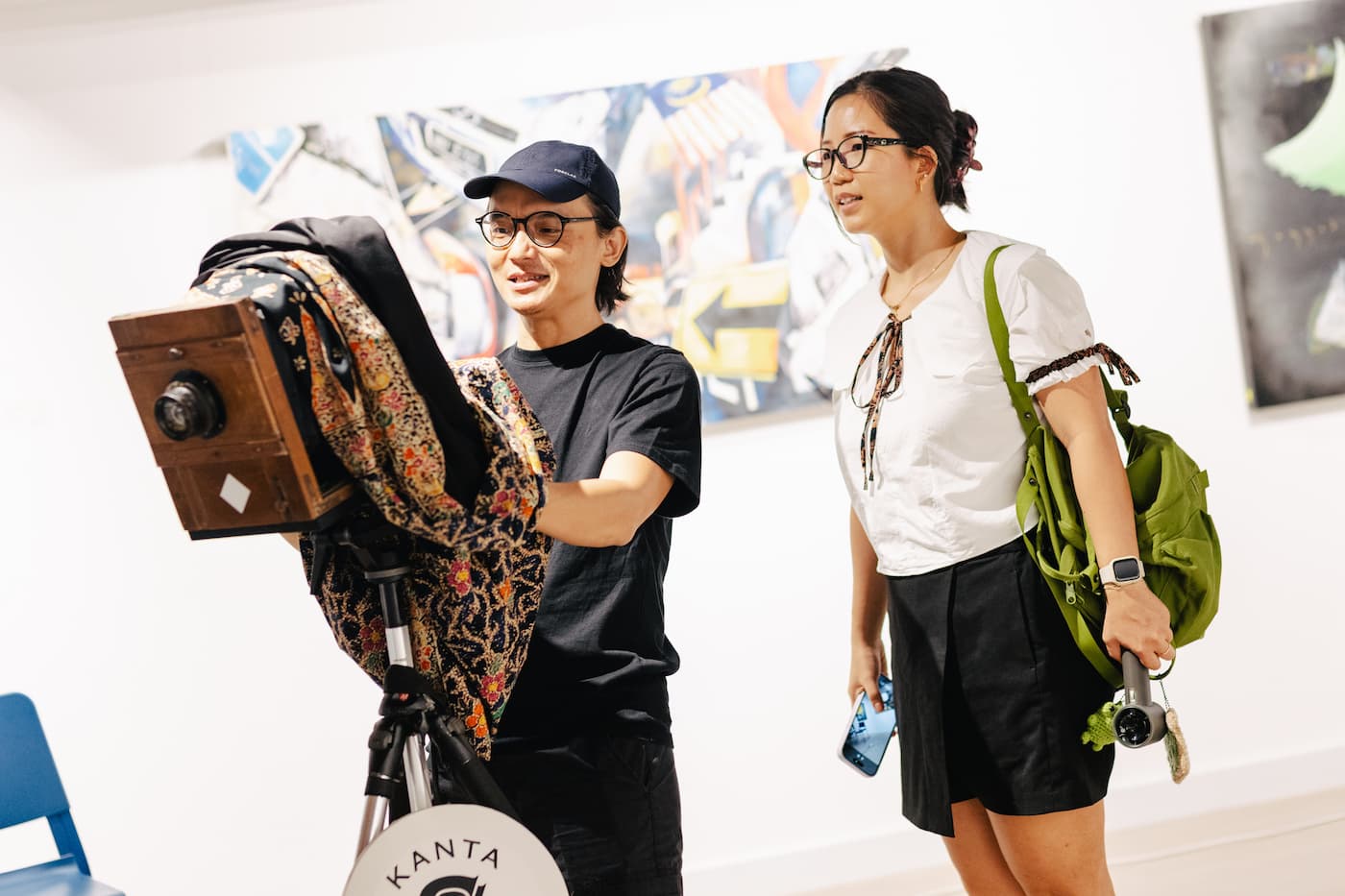
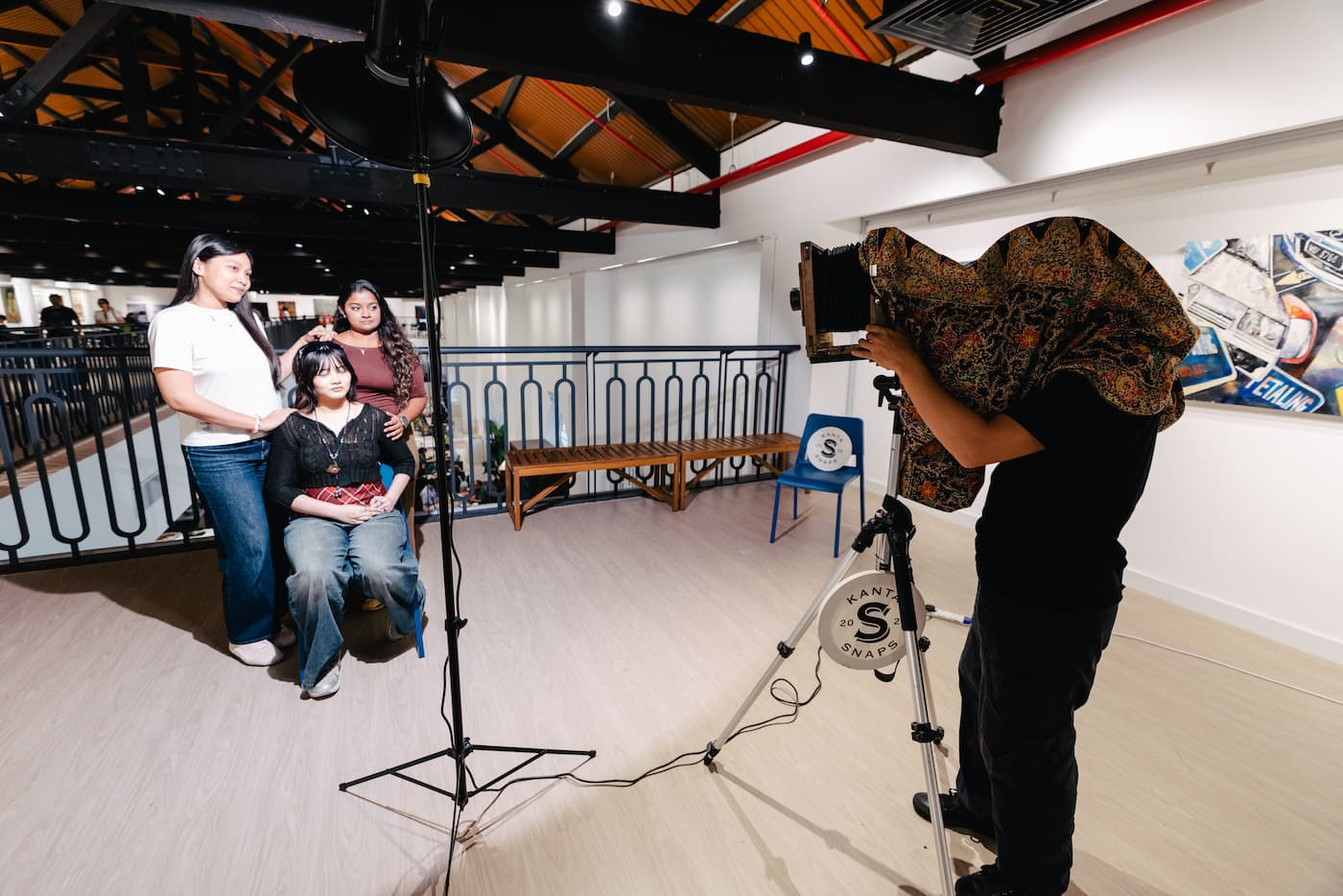
Preserving memories through a different lens, visual storyteller and photographer Jeffry Lim brought his Kanta.Studio project to the festival, offering visitors a glimpse into the heritage of traditional salon photography.


At his pop-up, visitors could experience Lim's signature live portrait photography through traditional silver gelatin prints – high-contrast black-and-white photographs developed on light-sensitive paper. He also demonstrated the art of instant hand-printing, using traditional darkroom chemistry to produce unretouched photographs on the spot.

“What I am doing here today is to bring visitors to an immersive, interactive revival of 19th-century traditional silverprint photography,” he explains. 

“It’s a far cry from the instant gratification provided by smartphones, but gives people the chance to experience the slow, more deliberate craft of chemical darkrooms and photography from days gone by. The unique process I use allows exposures to be developed and printed instantly onto sheets of silver gelatin paper, so visitors can actually leave with their finished print in hand!”

For those looking for a quicker way to capture a memory, artist Yasmin Lokman offered a rather different take on the traditional photo booth. She could sketch a caricature of a visitor in about 10 minutes, giving them a personalised keepsake to take home.
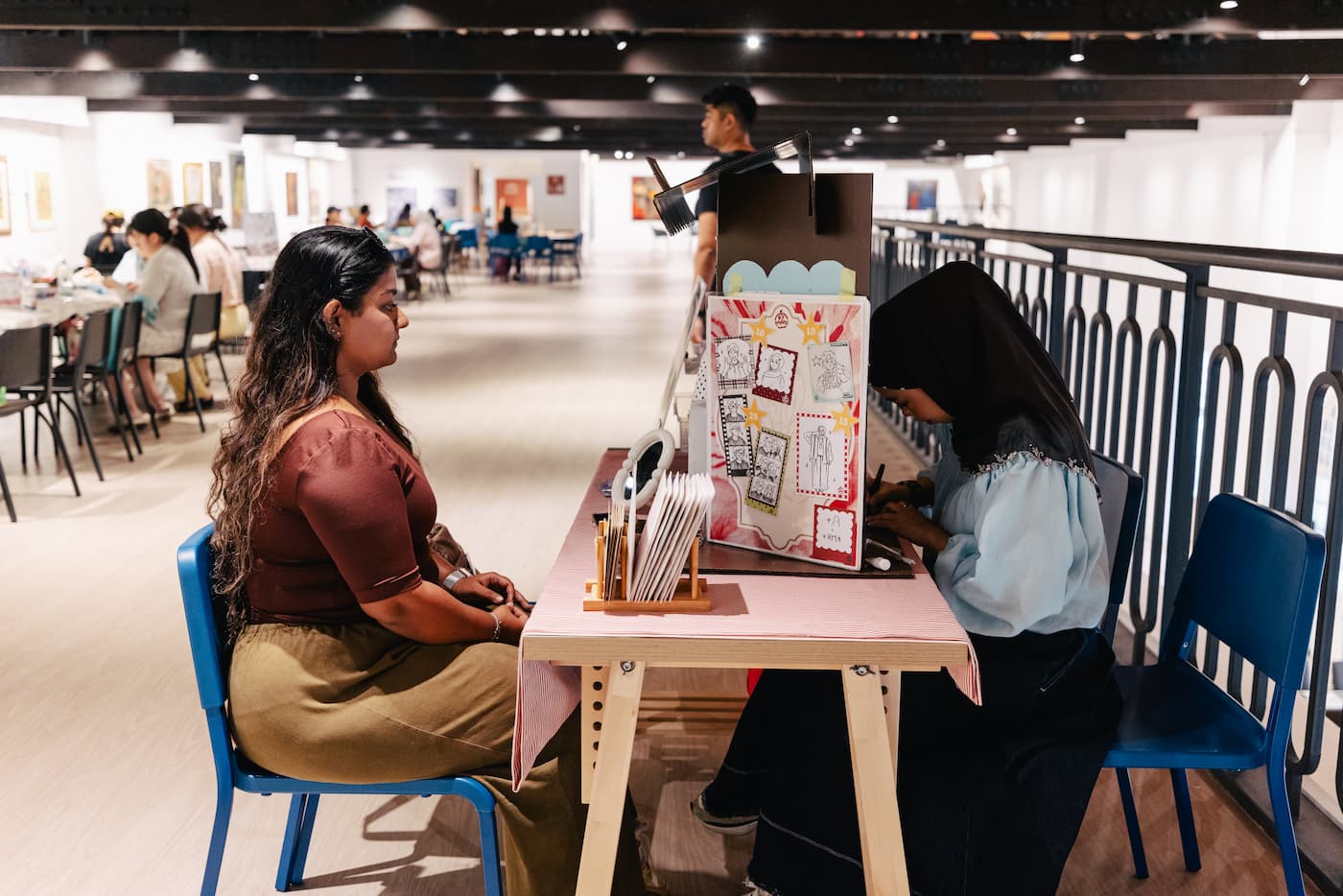
“I’ve got a caricature photo booth here at Urbanscapes, and since photo booths and physical photo strips are trending heavily again, with Gen Z and younger generations driving a major nostalgia wave, I just thought that what I can do would be an interesting twist on things,” she says.

A fine arts and design student at a local university, Lokman has been drawing caricatures since her school days and has since found a way to turn her favourite pastime into a small business.

“I want to promote art for the common people, so you’ll probably see me around KL at a social gathering or outside a popular eatery, setting up my pop-up booth and getting people to let me draw them! But yes, I am a full-time student, so this probably happens mostly over weekends for me, just like today.”

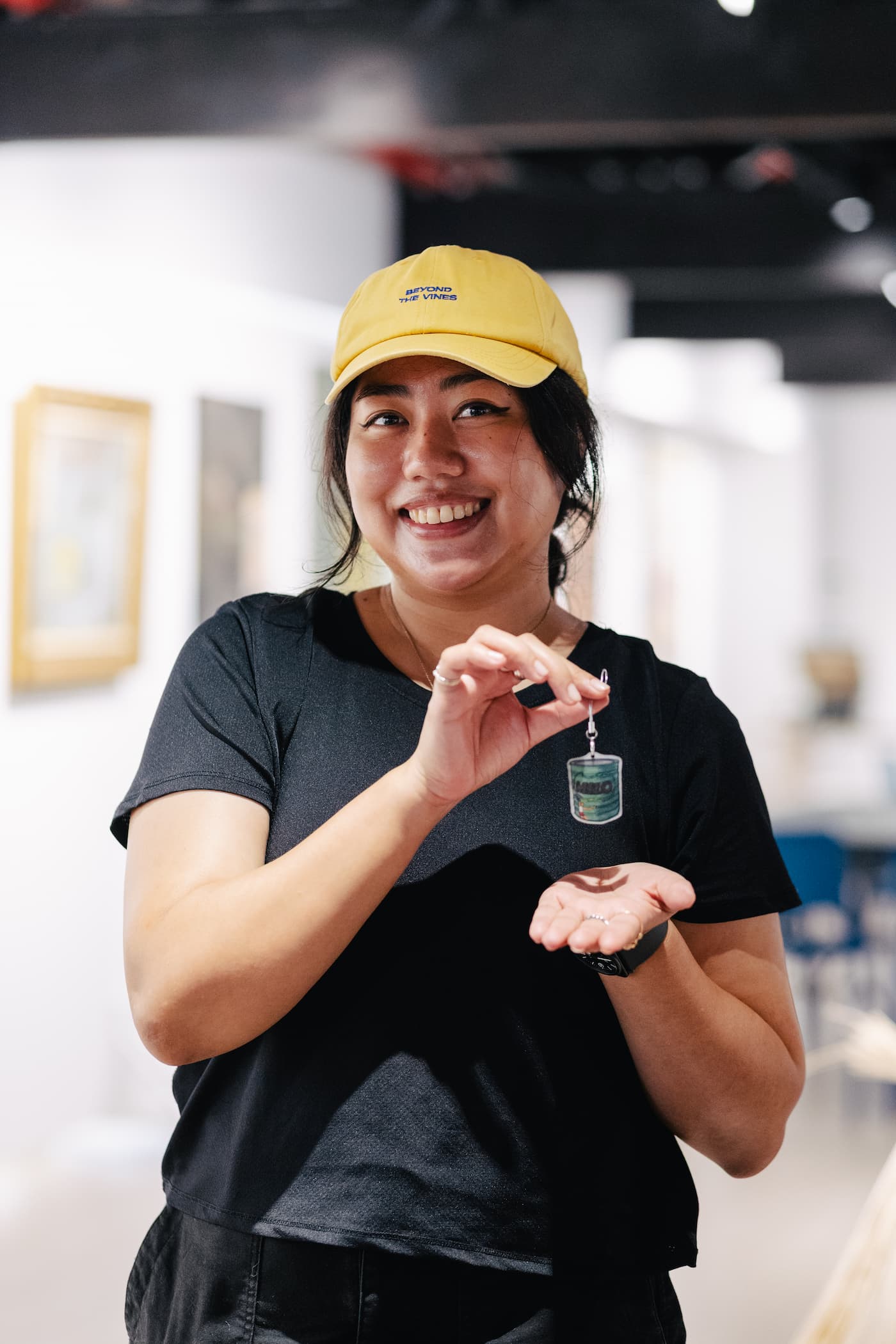
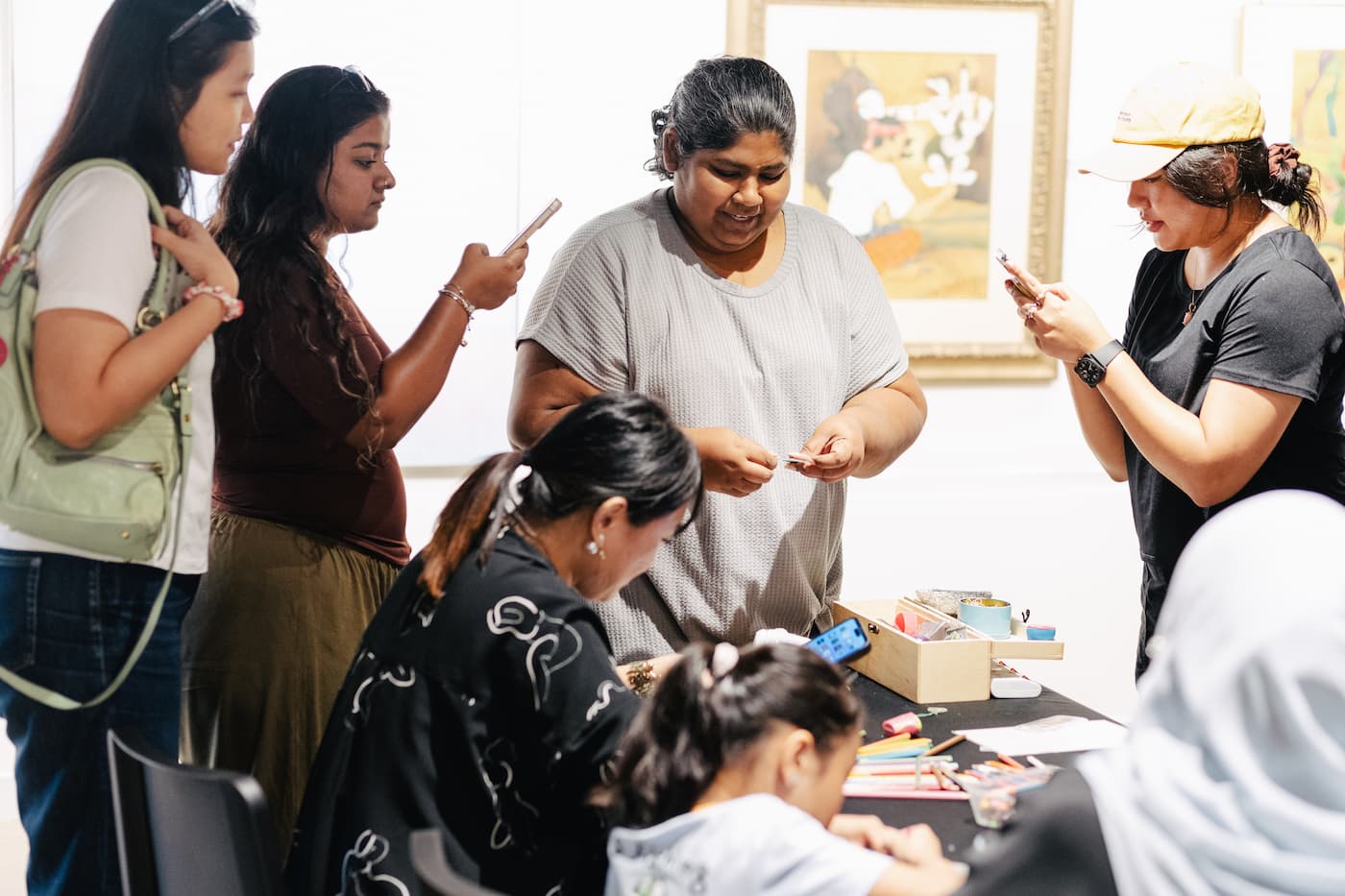
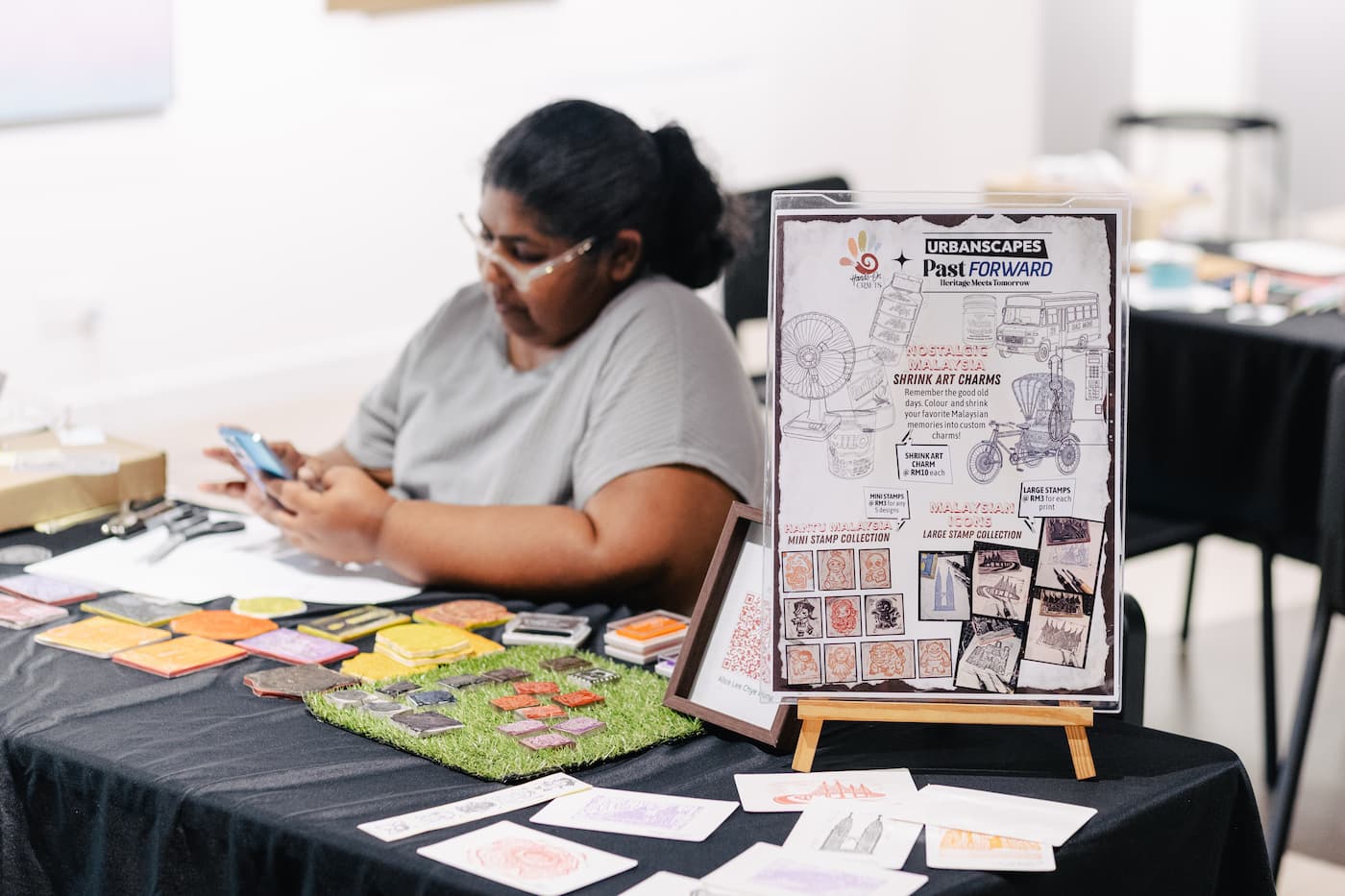
The festival also offered plenty of opportunities for visitors to get hands-on with their creativity, thanks to Rebecca Lawrence (pic below) and her outfit, Hands-On Crafts, which runs group workshops introducing people to different art and craft techniques.


“Normally, what we do is conduct similar experiences for private companies that want to instil a sense of togetherness among their people through art,” she explains.

Through activities such as stamp carving and printmaking, participants can create personalised gifts and decorative items. But Lawrence's approach is not limited to these techniques.

“We try to be highly versatile and work with a vast array of mediums, including custom hand-painted work on glass, wood and even walls. We’ve also done work on wax, clay, resins, fabric and textiles – so yes, give us a chance, and we’ll probably figure out a way to work with just about any medium, really!”

Hands-On Crafts also incorporates social awareness into its work, often organising purpose-driven initiatives such as interactive craft booths to support health awareness campaigns.

“That’s why I am so keen to share the therapeutic benefits of crafting with adults, kids, beginners and seasoned artists alike at Urbanscapes this year.”


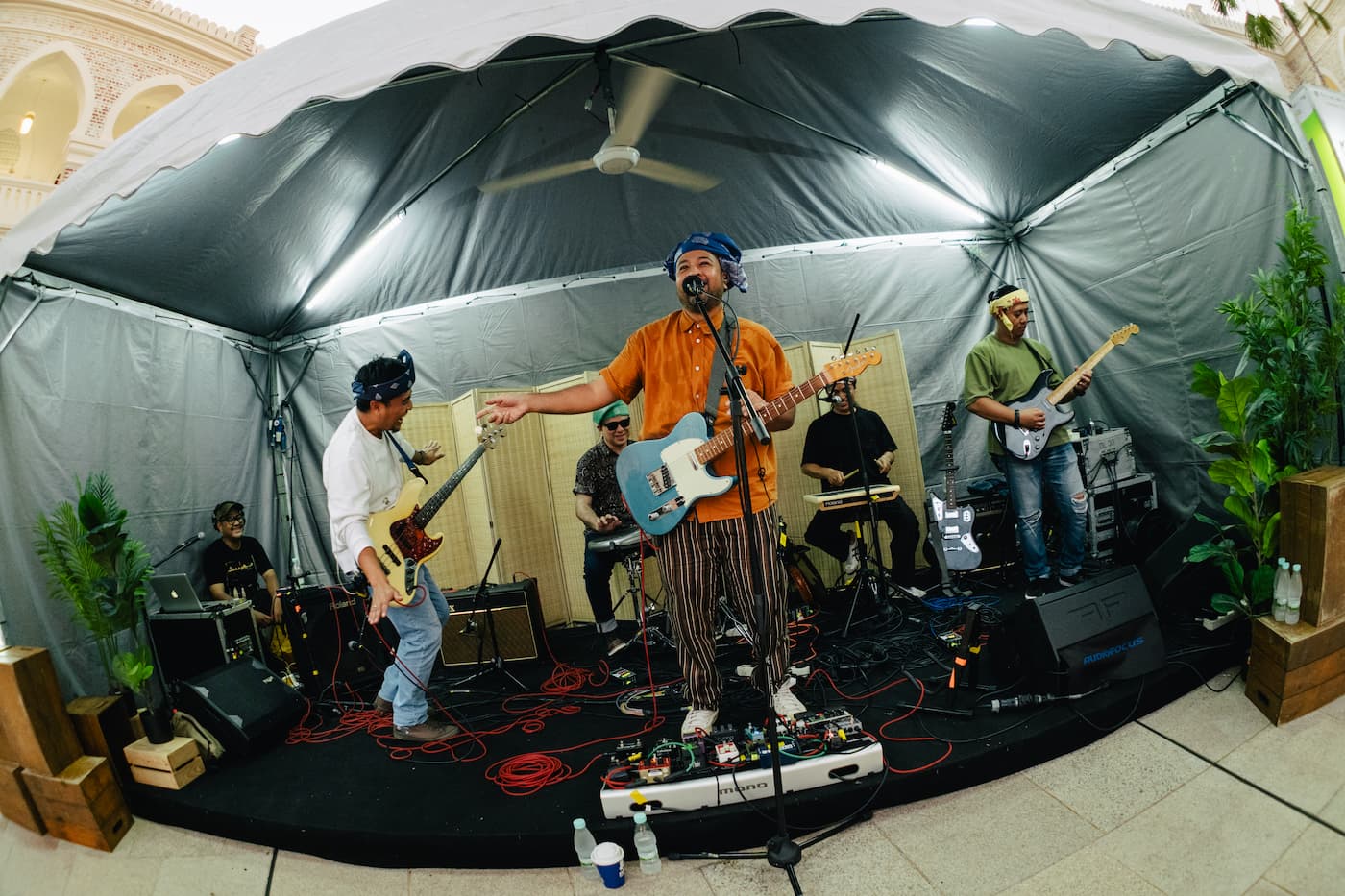
As the sun began to set, Pentas Urbanscapes, the festival's live music component, took over the ground-floor courtyard of the historic building. Leaism (pic below), a band whose sound blends tropical soul, neo-soul, R&B and electronic-infused pop, was among the highlights, with singer Ilyahida's raspy, soulful vocals making a lasting impression.

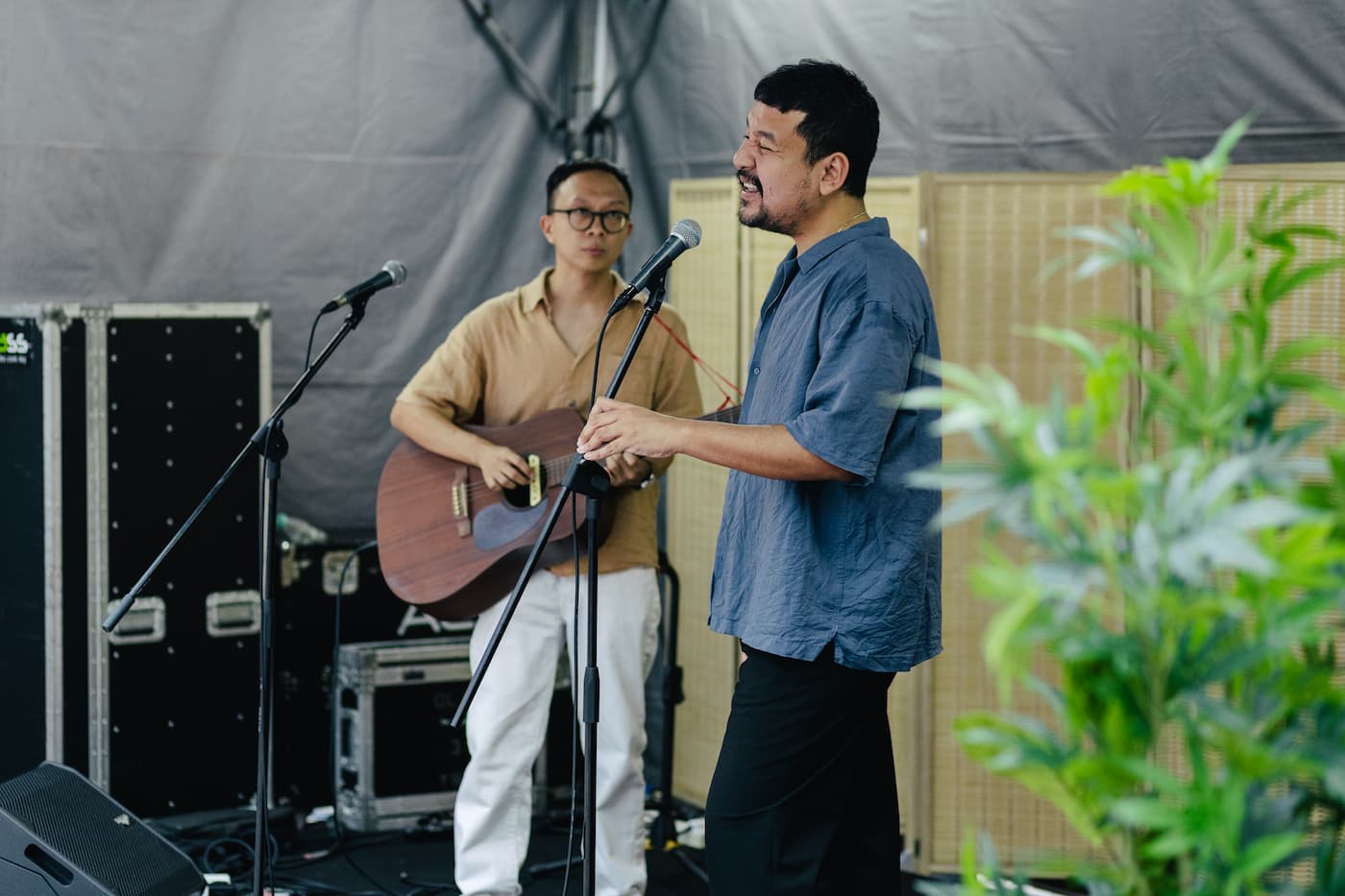
Next up was Sandy Eye, a new collaboration between singer-songwriter OJ Law and Faiq Syazwan Kuhiri of the band Terrer. Making their live stage debut, the duo performed original, intimate and melodic acoustic indie-pop songs from Fragments of Tuah, the award-winning theatre production by Five Arts Centre that also featured at KL Festival 2026 earlier this year.

The opening weekend's music programme continued into the night with performances by monoLoque, Laura Munan and FUAD. Rather than relying on the spectacle and scale of a stadium-style rock show, the acts brought a raw, crowd-centred energy that felt right at home in the intimate, open-air setting. The historic surroundings provided a fitting backdrop for a musical encounter that brought old-school KL culture together with contemporary indie sounds.

Following its opening weekend at Bangunan Sultan Abdul Samad, Urbanscapes 2026 continued at APW Bangsar for its second weekend, with the final leg set to take place at TRX. For the latest updates, schedules and announcements, visit the Urbanscapes Instagram page or Facebook page.

Discover more stories

connect with us
follow us on
Ooops!
Generic Popup2