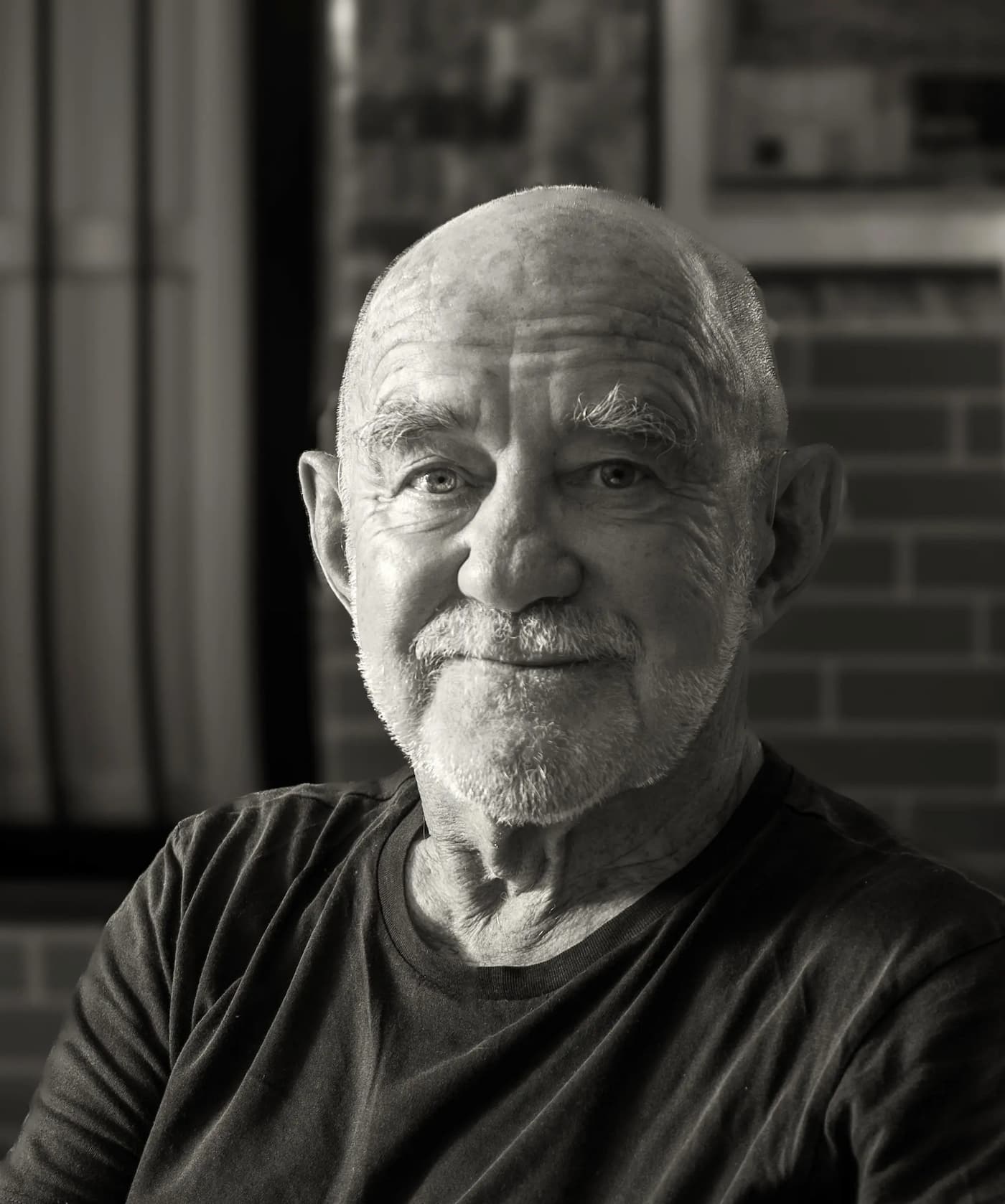
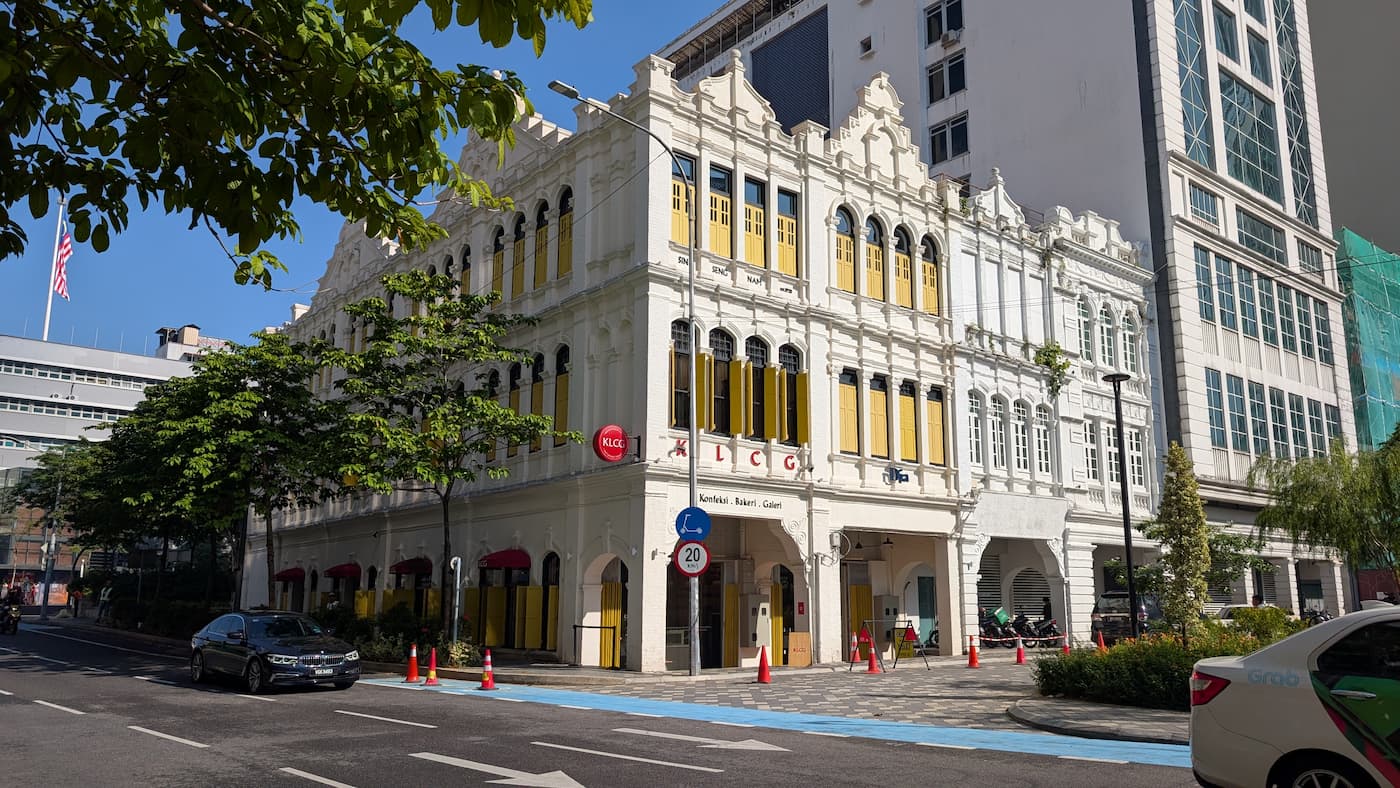
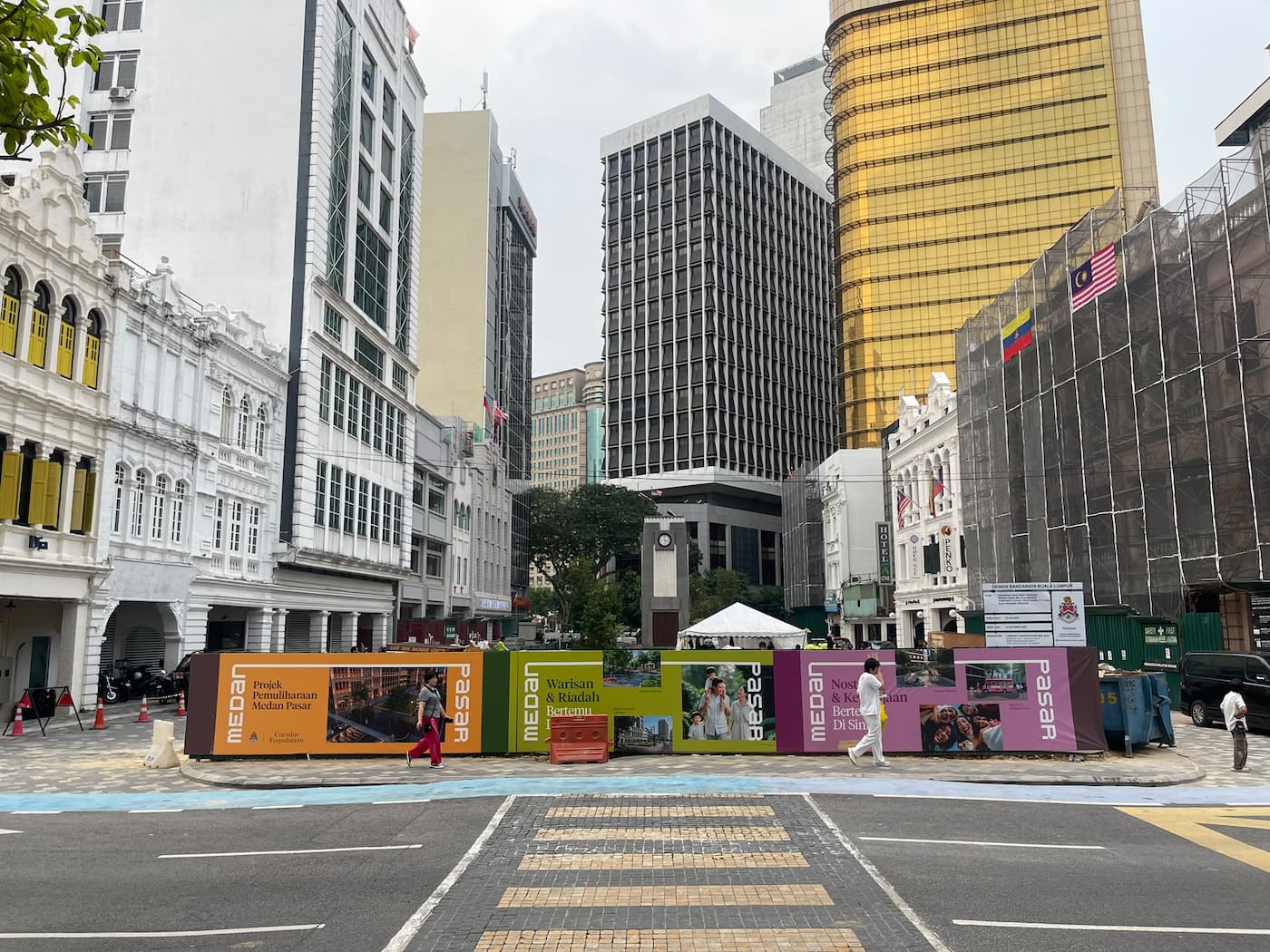
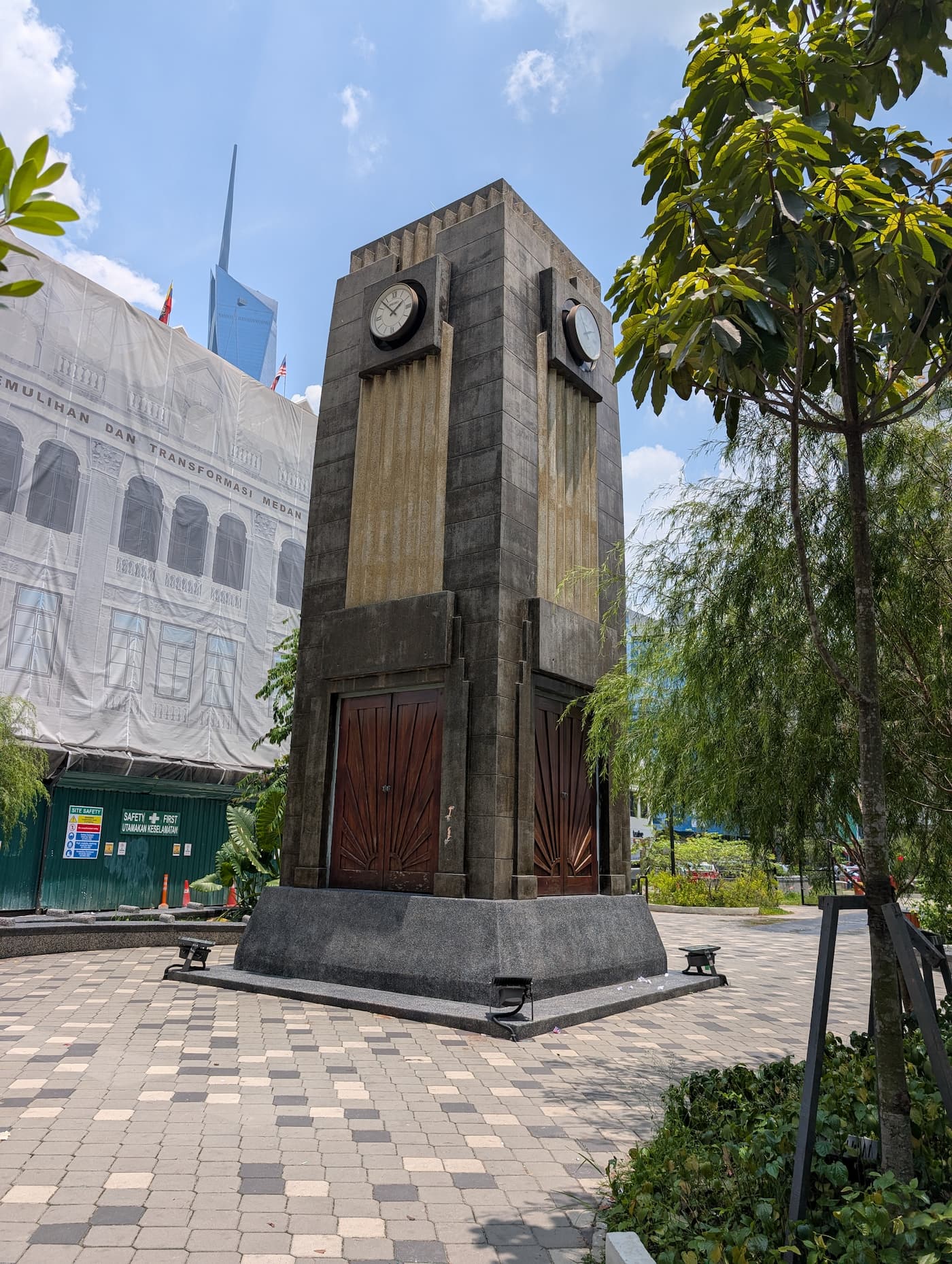
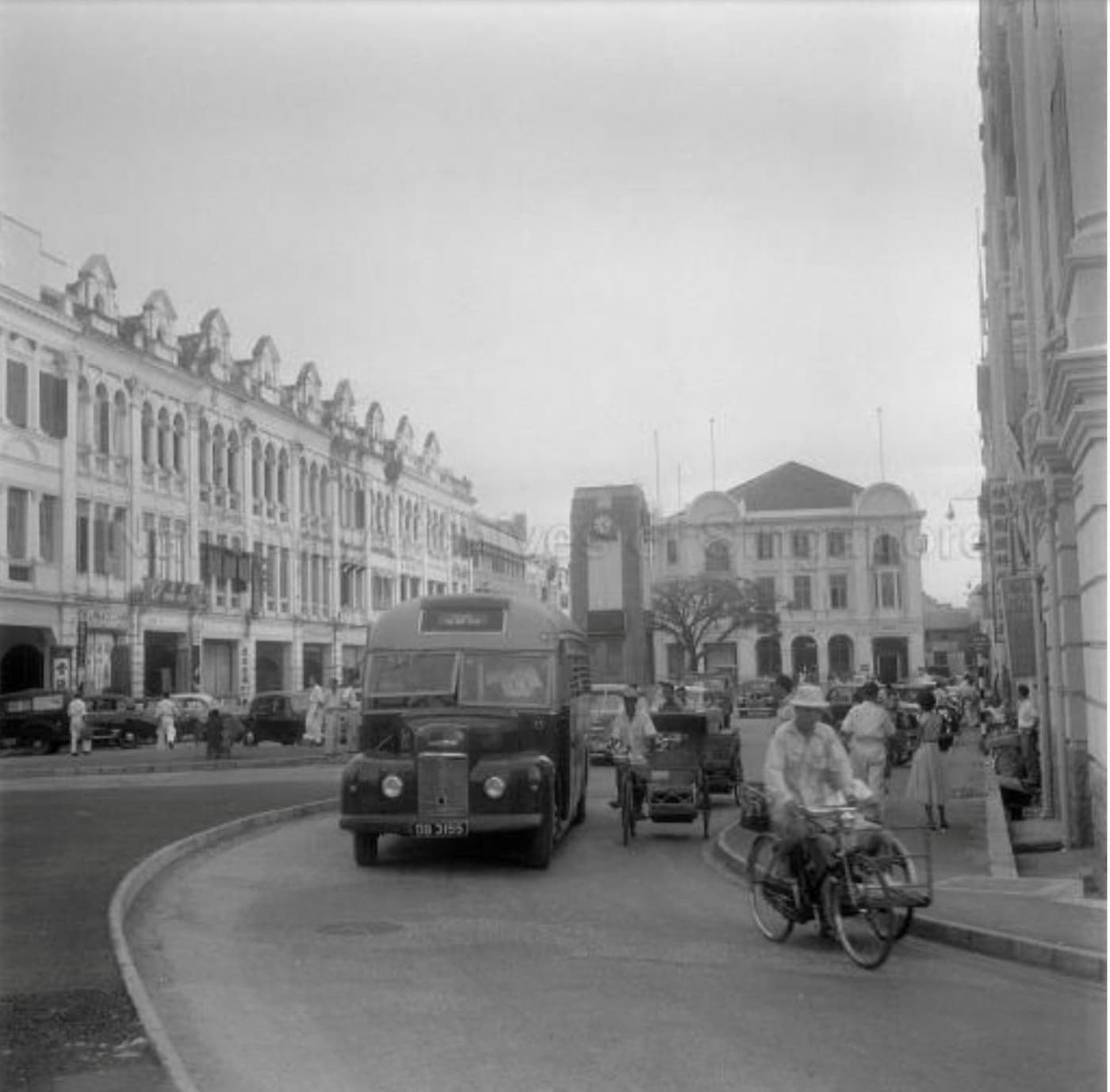
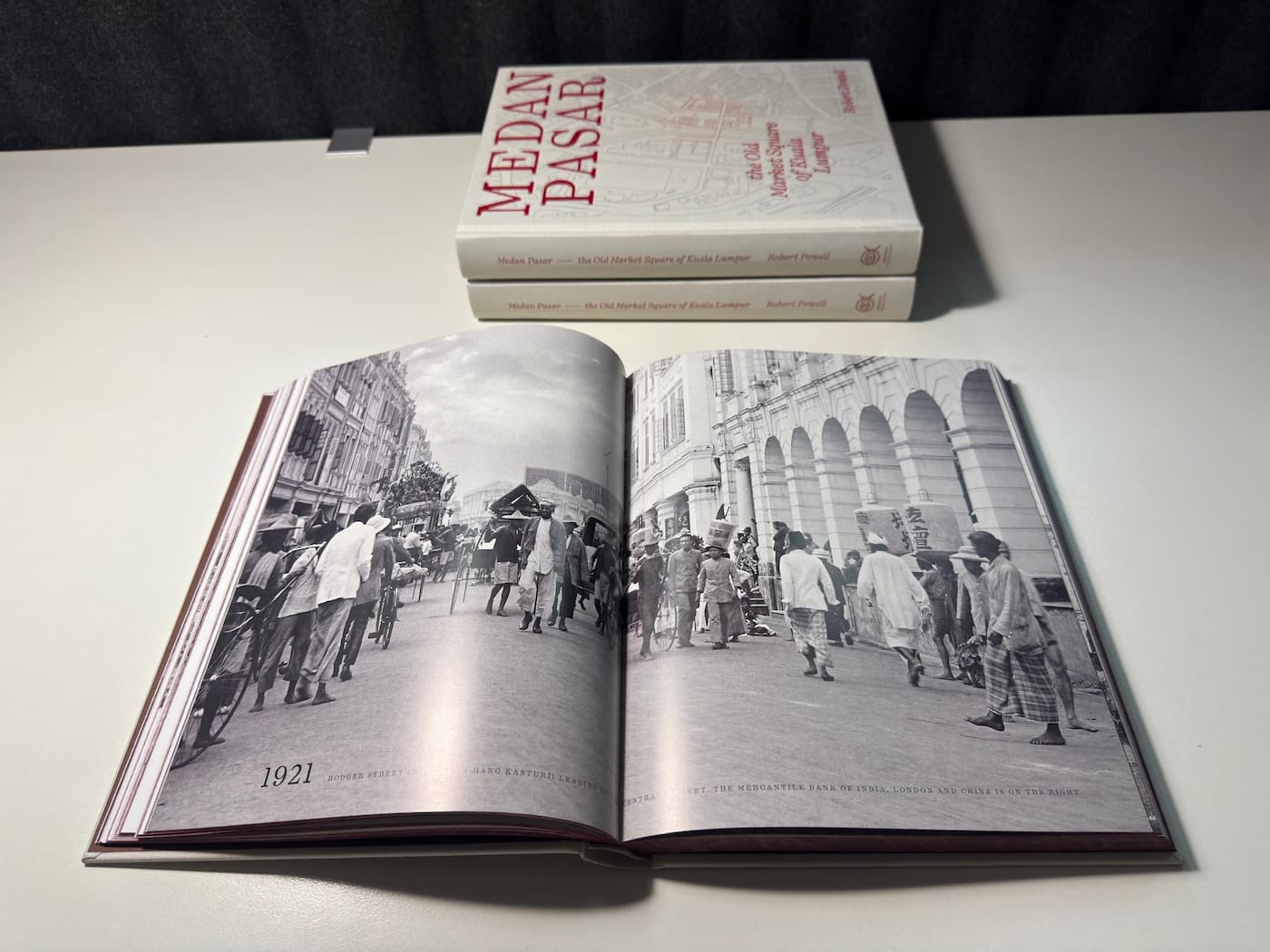
The Creador Foundation did indeed buy and begin revitalisation efforts on Medan Pasar, with the area now hidden behind construction boards awaiting its transformation. In 2024, Powell began working on the book to coincide with the reconstruction plans.
When asked about researching and writing the book, Powell lit up, describing the process as going down a rabbit hole: taking a simple building block, or row of shops, and diving into layers of history, tracing ownership and lineages back centuries.
He started by looking at the age-old question of who truly founded Kuala Lumpur and took particular interest in Raja Abdullah bin Raja Jaffa, a nobleman from Selangor of Bugis descent, deciding to look into his origins. This meant not only digging into national archives and translating centuries-old Jawi documents, but even flying to Sulawesi in Indonesia, where the Bugis originated.
“I started the investigation by going to Ujung Pandang, or presently it’s Makassar. It’s in the kingdom of Luwu in Indonesia. I learned the whole story of the Dutch East India Company pushing the aristocrats of Luwu out of Sulawesi. They headed towards mainland Malaya and eventually came to rule the kingdom of Selangor.”
“Then I traced how the third sultan of Selangor, Sultan Ibrahim’sdaughter married this young man from Luwu, Raja Abdullah. Then the next sultan gave the Klang Valley to Raja Abdullah. It was part of a long line of incidents that brought us to Me dan Pasar, there’s an unbroken timeline that connects the Bugis rulers of Luwu from Sulawesi to the Klang Valley. That’s my starting point.”
From there, several events that shaped KL passed through Medan Pasar: the miners sent in search of tin, the Klang War that burnt the city to the ground, and the many people who built the foundations of Kuala Lumpur and lived among its walls.
For Powell, Medan Pasar offers a window into the many communities and individuals who contributed to the growth of Kuala Lumpur. Its history reflects the movement of people from across the region and beyond, bringing with them their businesses, skills, traditions and cultures, and helping to shape the city that grew around the square.