The Flower Trade of Jalan Tun H.S. Lee

SOFIA SHAMSUNAHAR | 13 February 2026

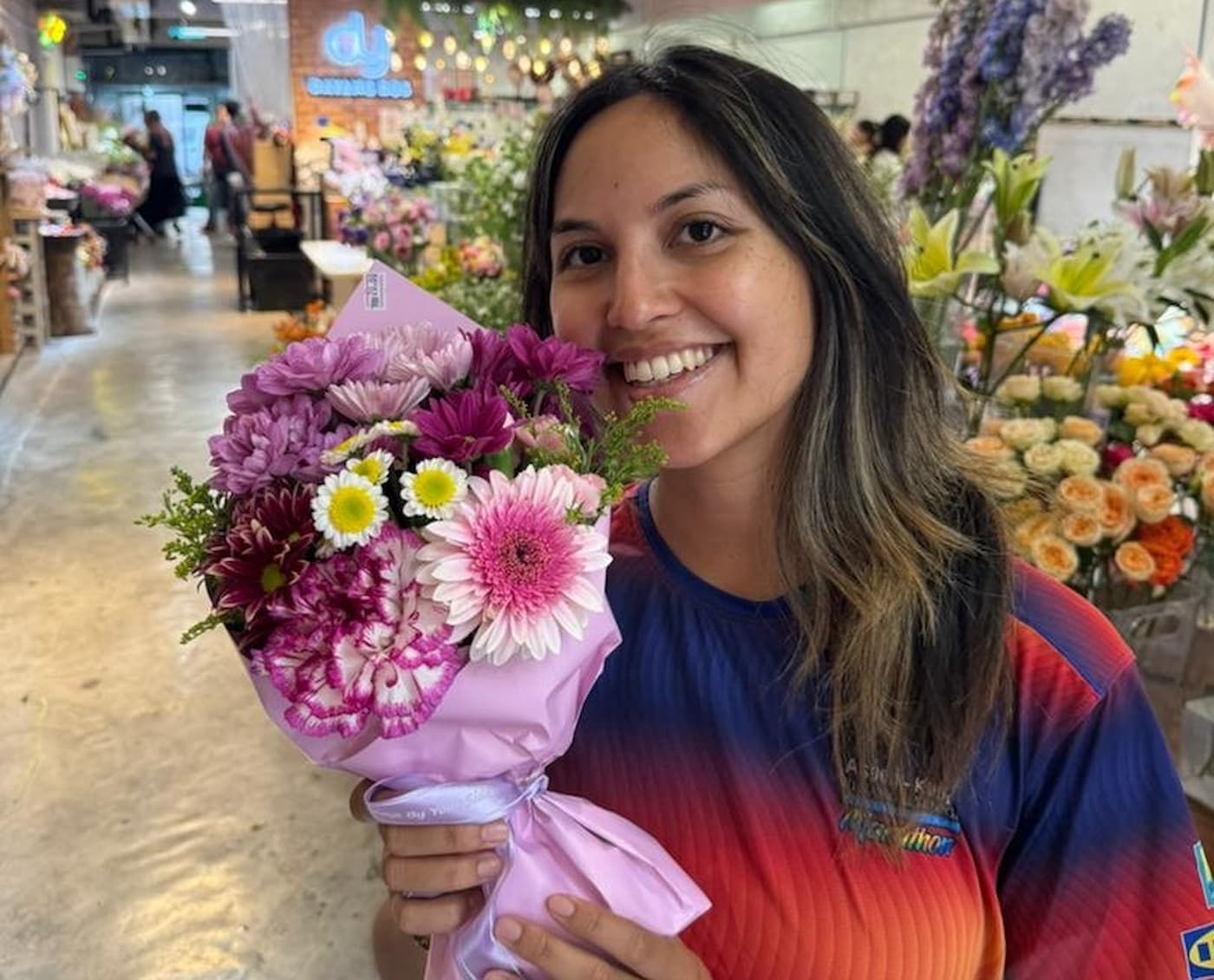
Rooted in temple traditions, shaped by generations of trade, and sustained by loyal hands that return year after year, Jalan Tun H.S. Lee is where petals carry history . – Photos: Johnny Adams

IN a hub along the heritage street of Jalan Tun H.S. Lee lives a blossom of flower shops. A gathering of florists here is no coincidence. The street houses a handful of temples, including Sri Maha Mariamman Temple, a Hindu temple fringed with stalls selling jasmine, marigold and chrysanthemum garlands. Just a short walk away stands the KL Guan Di temple. Further down, you’ll also find the Sin Sze Si Ya Temple, the oldest Taoist temple in Kuala Lumpur, was established in 1864 by Kapitan Yap Ah Loy.

It is this proximity to places of worship that shaped the street’s floral identity. For decades, flowers here have not merely been decorative – they have been offerings, woven for prayer, ritual and celebration. The strong connection between temples, cultural events and festivals created a natural trading ecosystem. Suppliers, wholesalers and customers gravitated to the area, and over time, trust and convenience anchored the trade.    

Today, while flowers are still bought for religious purposes, weddings and major celebrations, the relationship between city dwellers and floristry has expanded. Bouquets now mark apologies, self-care, anniversaries and spontaneous gestures. And each February, the tempo of the street quickens again with Valentine’s Day orders – a modern layer added to a much older tradition.
New kid on the block

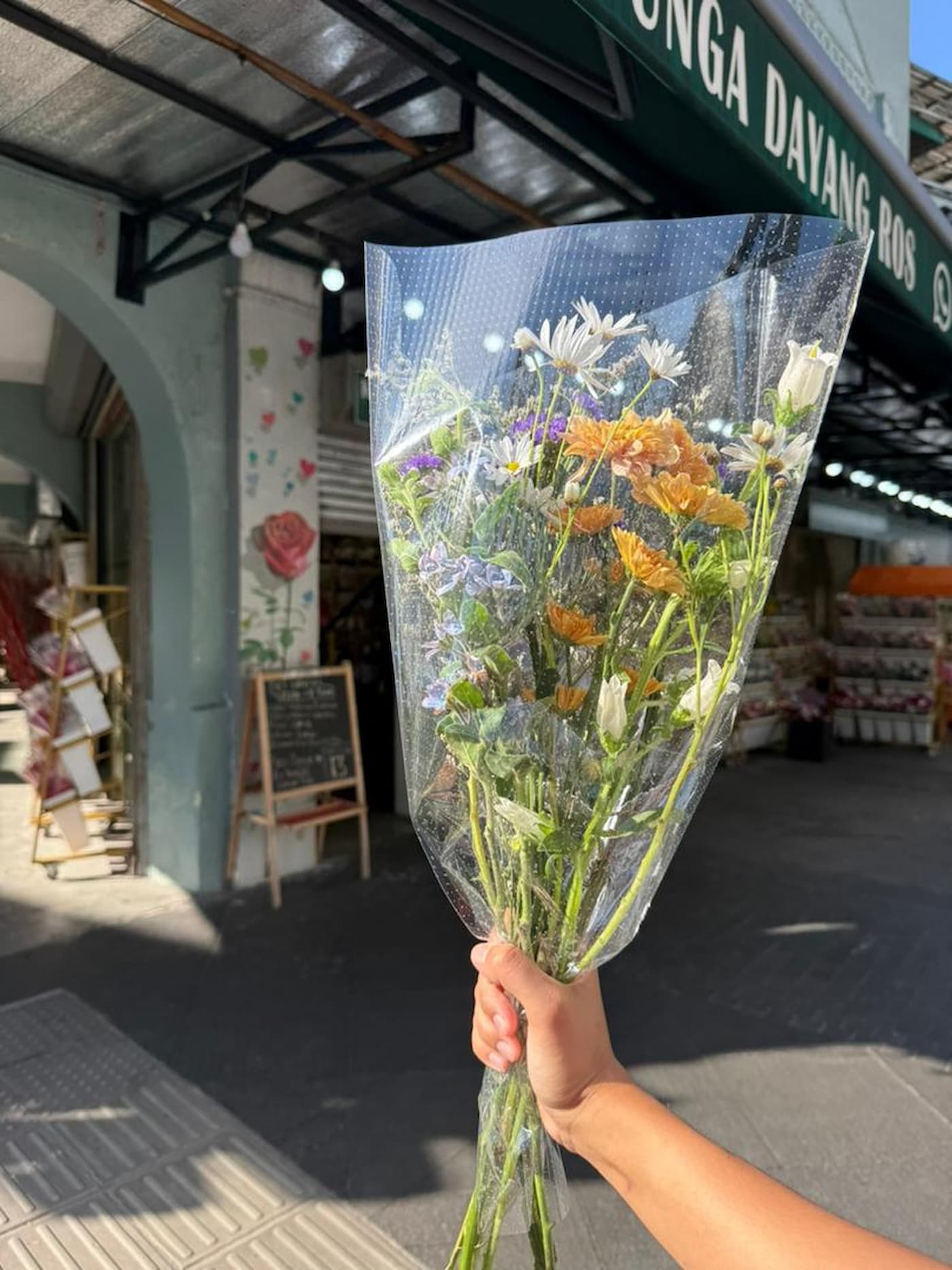
One of the newer additions to this historic corridor is Dayang Ros Cafe & Flower Boutique, a stone’s throw away from Petaling Street. In honour of Petaling Street’s history as a marketplace of craftsmanship, the shop aims to continue the area’s legacy through Malaysian traditional floristry.

“Chinatown has always been a trading hub, especially for flowers and fresh goods. Many flower shops started here because of the strong connection to temples, cultural events, and festivals where flowers play an important role. Over the years, suppliers, wholesalers and customers naturally stayed in this area. What keeps flower shops here is tradition, convenience, and long term trust built with customers,” shares Zulaikha Zulkifli, manager of Dayang Ros.   

The name itself carries a certain elegance – Dayang, meaning Malaysian royalty or young woman, and Ros, meaning rose. That sense of refinement is reflected in its merchandise, though the shop keeps its pricing accessible by selling flowers at wholesale rates. Customers may handpick individual stems to assemble their own bouquet or choose from ready-made arrangements.

Zulaikha observes how customer habits have shifted over time.

“In the past, people mostly bought flowers for religious purposes, weddings, or major events. Now, flowers are also part of lifestyle and self expression. Customers buy flowers for home decoration, self care, apologies, or just to make someone’s day better.”  

Though situated in a prime heritage location, Dayang Ros is still relatively young, approaching its third year in business. The brand has grown steadily and has opened two outlets, focusing on strengthening its foundation, improving quality and service, and gradually building its presence.     
   
Beyond floristry, the shop also operates a café, offering affordable set lunches from noon to 2.30pm – an intersection of old trading street and contemporary lifestyle.
   
Valentine’s Day week, Zulaikha notes, remains their busiest season, marked by higher volume, longer working hours and last-minute requests. Yet outside the February rush, their regular customers are largely drawn from the surrounding area – office workers, families and repeat patrons returning for birthdays, anniversaries, celebrations and religious occasions.
Changing trends

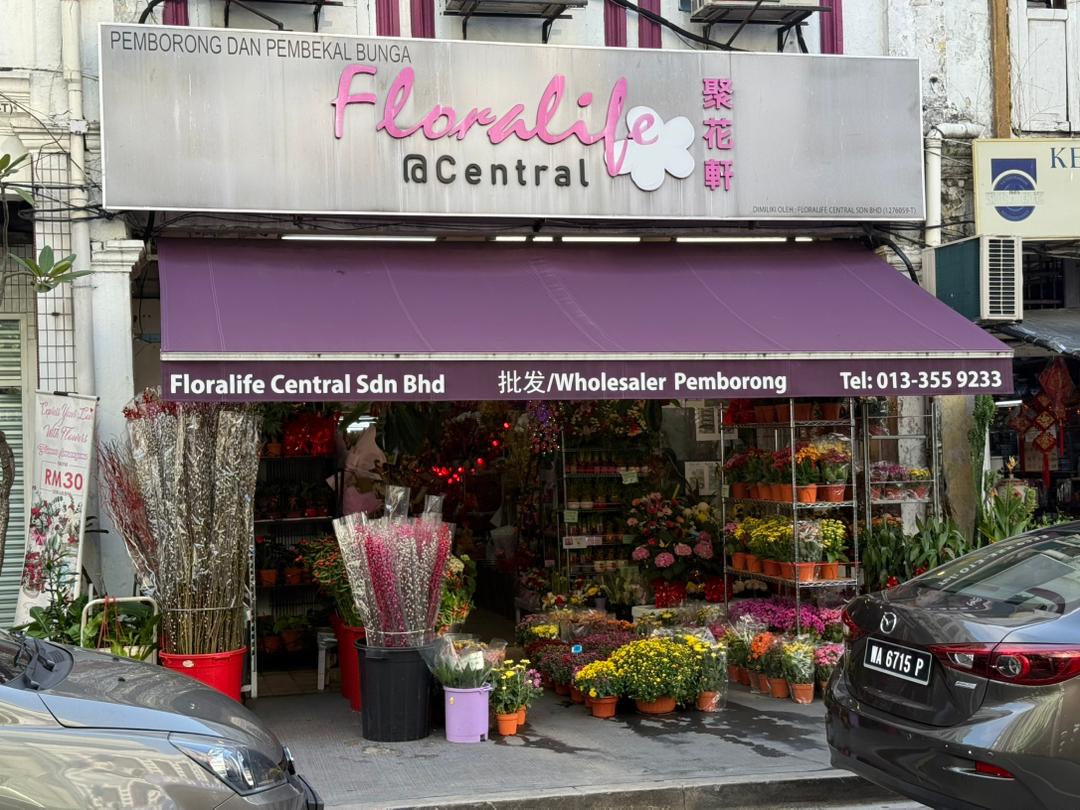
Across the road stands Floralife Central, which has been operating for seven years, with its headquarters in Kepong Menjalara.

For Joan Carolinecia Masliu, head cashier and customer service representative, the street’s reputation is longstanding.

“Chinatown has long been a famous place to buy fresh flowers and accessories for weddings and engagements,” she says.

With both Guan Di Temple and Sri Maha Mariamman Temple nearby, the connection between floristry and faith remains visible.  

“Flower shop have strong connection with temples for praying purposes,” Joan explains.  

While grand celebrations and religious observances once dominated purchases, Joan also says that customer behaviour has evolved. “Now, flowers have also become a part of everyday life. Customers also usually buy flowers for anniversaries, birthdays, Valentine's Day, Women's Day, Father's Day, Mother's Day, friendship or graduation.”  

This expansion of occasions is reflected in Floralife Central’s categories – from “I’m Sorry” to “Sympathy” and “Get Well Soon” – signalling how floristry has moved beyond ritual into daily expression.  

The rise of digital platforms has also reshaped the business.   

“Social media also has been a good change because customers from afar can order flowers and do postage outstation for them. Customers can also customise their requests; they are more trend aware and want modern arrangements,” Joan shares.  

For those unable to visit in person, the shop offers online orders and same-day delivery – a contemporary extension of a trade rooted in tradition.
The more the merrier

Jalan Tun H.S. Lee hosts several other established florists that contribute to the street’s identity.

Weng Hoa, named after the Chinese translation of “Bright Flower”, offers flower delivery services within Kuala Lumpur. New Flower Market positions itself as “a comprehensive center for all your floral needs”. Lee Wah, established in 2000, describes itself as “a trusted name in Malaysia’s floral industry”, serving both walk-in and online customers with bouquets across a range of price points.   

Among the newer names is Kayan Tropika. Beginning as a dedicated plant vendor serving corporate clients, the brand expanded in 2023 with a retail pop-up offering fresh cut flowers to the public. You’ll find them closeby, just outside Central Market.

Seasonal collections often carry evocative names such as Cupid’s Call, Love Language, Colour Crush and Euphoria, reflecting how floristry has embraced contemporary expressions alongside longstanding tradition. 
 
Today, arrangements along the street range from modest RM48 bouquets to elaborate designs priced up to RM1,800, catering to both simple gestures and grand declarations.

Valentine’s Day may bring an annual swell of roses and ribbon-wrapped bouquets, but the street’s floral trade has deeper roots. Here, flowers continue to move between altar and anniversary, ritual and romance – carrying forward a quiet tradition woven into the heritage fabric of Kuala Lumpur.

Discover more stories

Ooops!
Generic Popup2