Steeped in Tradition

JACQUELINE PEREIRA | 6 March 2026

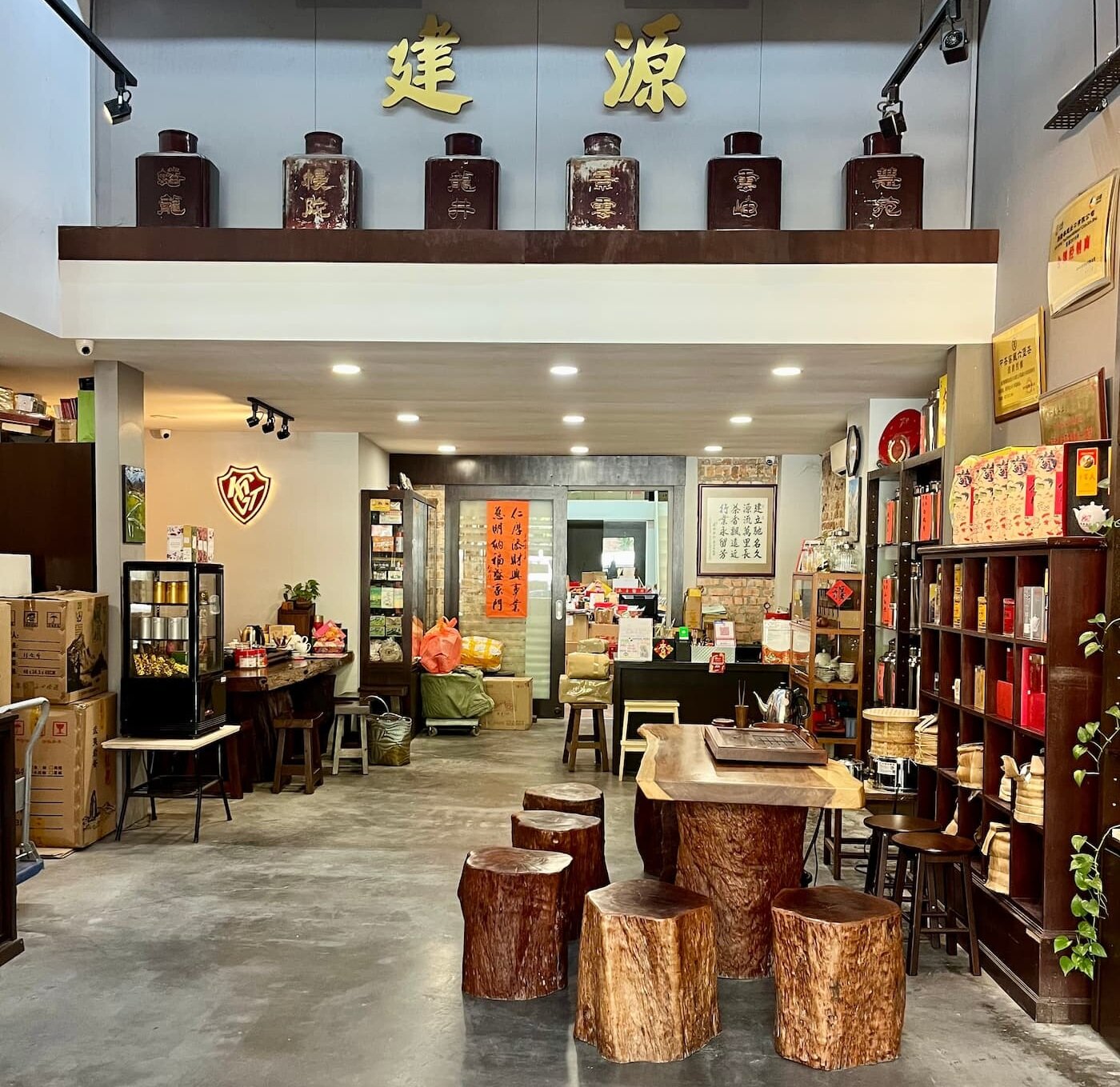
In seeking to escape Petaling Street’s bustle, sweltering beneath its glaring, unrelenting heat and seemingly ubiquitous murals, stepping into Kean Guan Tea Merchants offered an agreeable respite.

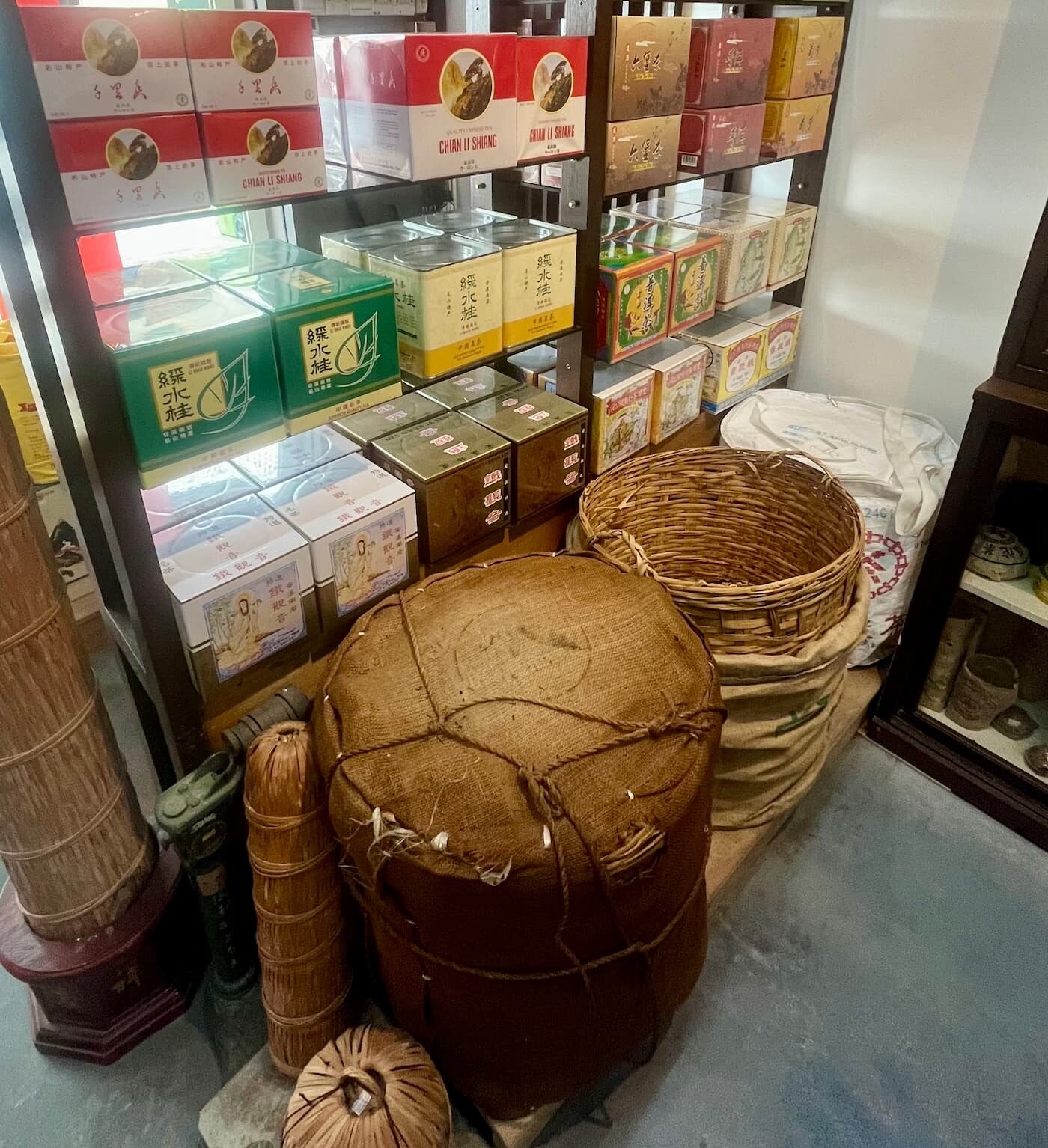
Time feels sedimentary. The heat loosens its grip. Even the dust appears settled. Old tea crates remind you of earlier times. Thirty-year-old leaves lie still in tin containers, awaiting connoisseurs. An old gunny-sack-wrapped basket nudges you toward the memory of tin miners anticipating a taste of home.

Old Leaves Still Breathe

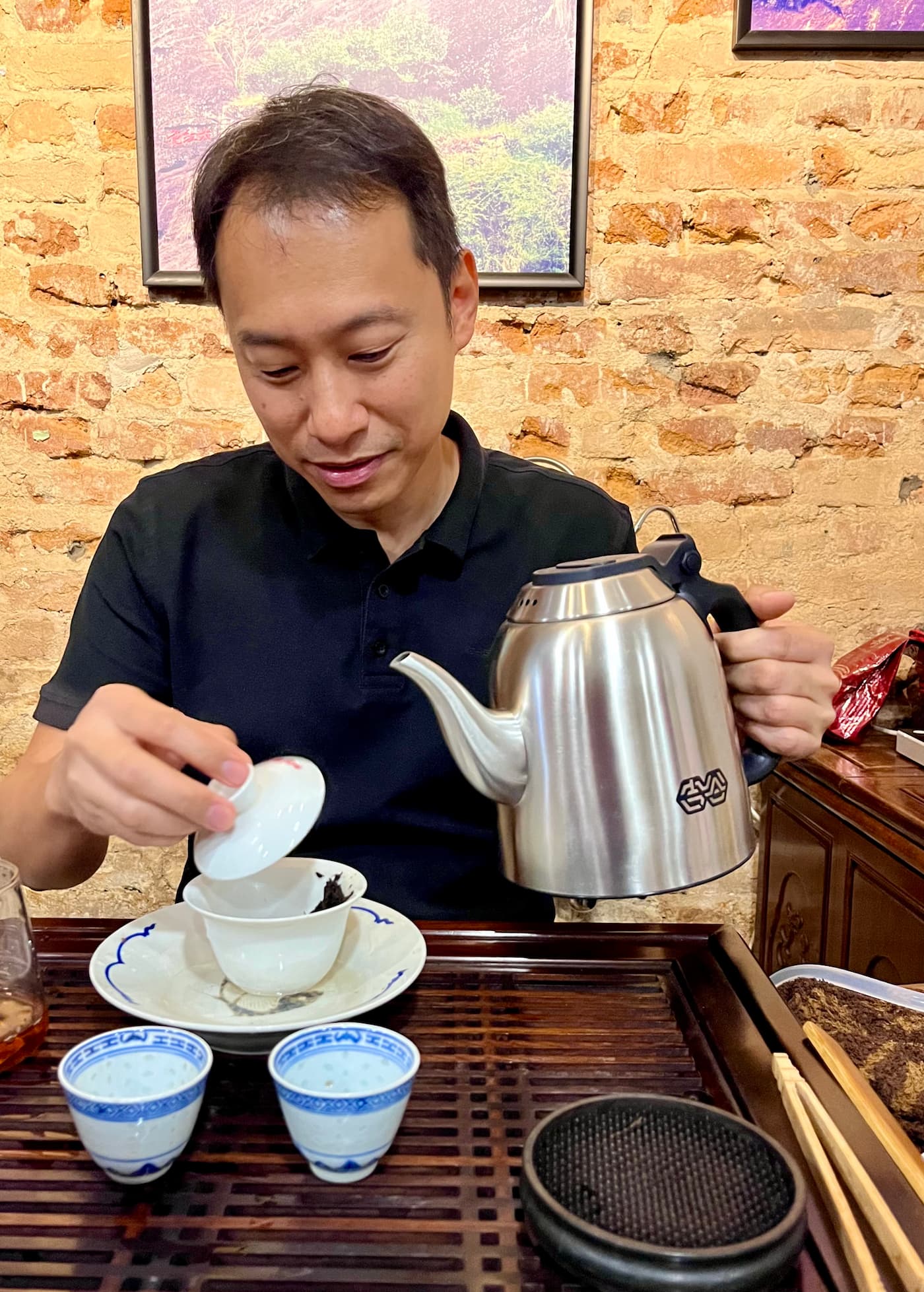
Koh Kian Chuan, the tea shop’s third-generation owner, brews a pot of white tea. Time begins to unfurl as conversation flows unhurriedly. About types of tea, about lineage and the quiet legacy it carries, about what it means to keep a tea house both modern and steeped in memory.

When Koh left his corporate job after 12 years to join the family business he had no knowledge about tea. Neither was he an avid tea-drinker. He only knew he was being handed a legacy that had begun in 1945 when his late grandfather opened the shop with a few partners. The elder Koh, who had many business interests in the city, originally hailed from Fujian's Anxi county, renowned in China for producing high-quality oolong tea.

Some accounts suggest that tea arrived in Malaysia as early as the 15th century, first brought in by Chinese traders and migrants with their tea-drinking tradition. At that time at Kean Guan Tea Merchants, people gathered to converse, relax and enjoy the camaraderie. "They sat around a pot of tea, steeped in the tastes of a homeland they had left behind” explains Koh, “to talk, gather information and receive news." He believes tea is a medium that brings people together, as does Malaysia's very own teh tarik.

Koh's initiation into the tea trade began with an open mind. He traversed Peninsular Malaysia in a van, accompanying salesmen selling tea to restaurants. They had to have stock on hand to meet orders when required, on a day-to-day basis. This induction taught him a lot, from early wake-up calls to collecting payment later in the day, in line with small Chinese enterprise practices. He recalls his interest at meeting many types of people with different attitudes.
Types of Tea

Even after 13 years in the business, Koh is still learning about tea, from those who know tea more than him, becoming more knowledgeable. "I always tell people there are only six types of tea, five colours and one oolong." They are green tea, yellow tea, white tea, dark tea that is post fermented tea, black tea that is fully oxidated and oolong tea.

Initially, the shop only sold oolong imported from his grandfather’s hometown. It is also the most famous tea, he adds, as well as the most expensive, because of the delicate process of semi-oxidation and sealing the taste. Other than from China, now they import black tea from Indonesia, India and Africa.

The variety of tea in the shop is refined. He points to a shelf stacked neatly with tins housing vintage rock tea that has been stored for more than 30 years. This is Yancha oolong tea, produced among the sandstone cliffs and mineral-rich soils of Fujian’s Wuyi Mountains, where tea has been cultivated for centuries. Among vintage tea collectors, it is highly prized, with many maintaining their own carefully stored collections.

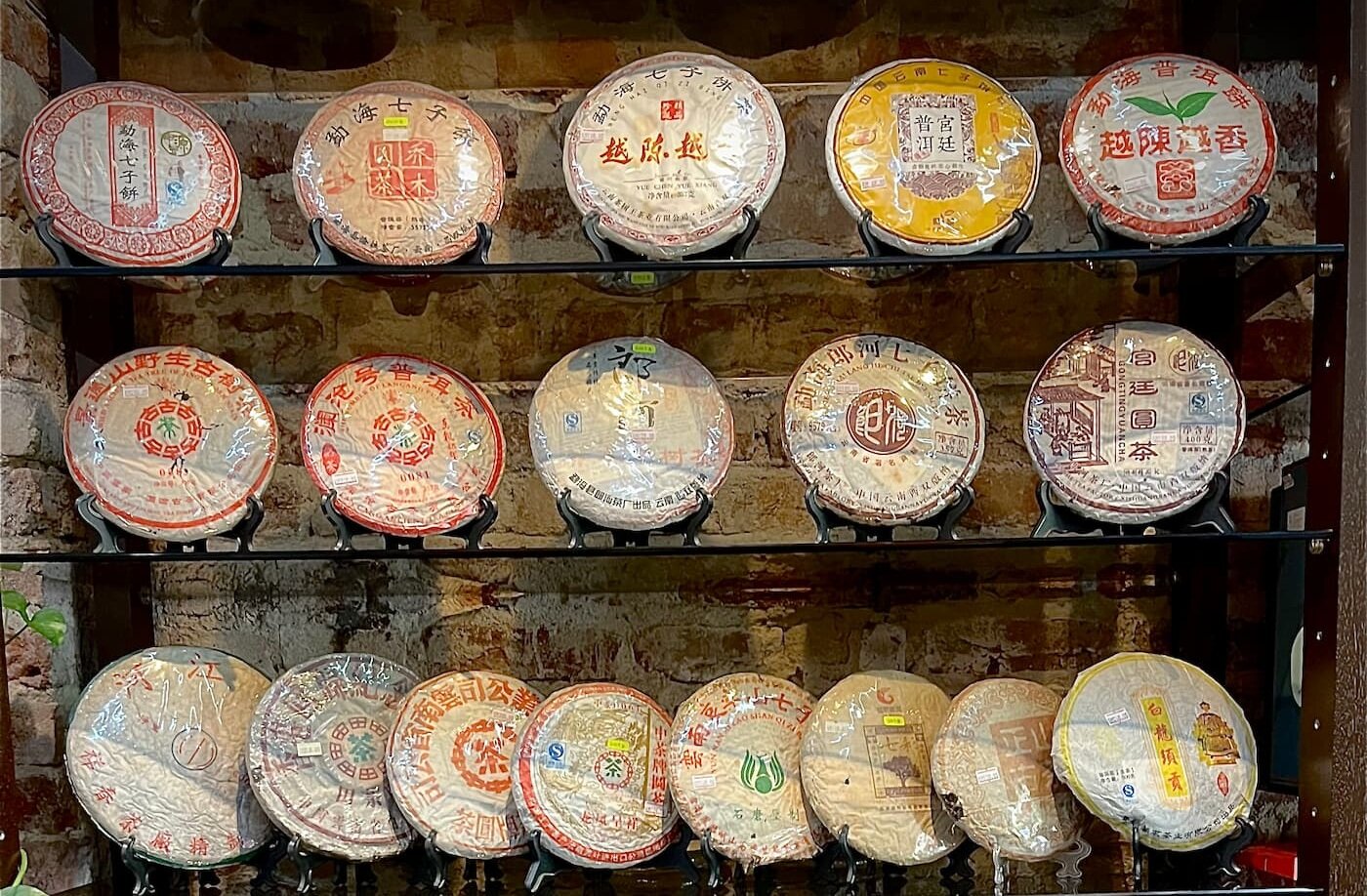
Compressed teas, which help seal in flavour, are popular as gifts and among those who have time to air the leaves before brewing. Also on display are baskets once used to carry 50kg loads of Li Pao tea for the city’s early miners. The shop sells its own in-house tea brands, blended, roasted and packaged for retail, including its signature roasted oolong varieties, Li Shui Kwei and Chian Li Siang. For the shop’s 80th anniversary, it produced a commemorative gift set, including two grades of oolong tea, to share its story.

Tea is not assessed by grade alone – equal attention is given to its aroma and subtle aftertaste. Intuition guides the art of blending as much as precise measurement. That is why Koh and his father take their signature tea brands seriously. “We strive to uphold our taste and quality, and to continue what my grandfather began.”
Weight of Inheritance

Although Koh feels the pressure of sustaining his family's legacy, he focuses on adapting his business, educating Malaysians about tea and promoting the art of appreciation. "I need to make tea more exciting, so people realise its history, its art and how it has evolved."

While remaining true to its roots, Kean Guan Tea Merchants operates primarily as a wholesale and distribution business. Yet, as part of the experience of gathering over tea, visitors are invited to sit and savour a fresh brew while considering the varieties they might like to purchase.

Glowing online reviews praise both the knowledge shared and the tea quality. Koh also collaborates with Jane Rai, the force behind Kuala Lumpur's heritage walks. As a result, he has noted increased interest in their traditional teas, as well as tea-drinking culture.

Koh stresses the need to preserve the art of drinking tea, adding that knowing “the roots of our culture” is imperative. "Just as in the old tea houses, we must be able to sit down and concentrate solely on that cup of tea."

Kean Guan Tea Merchants embodies both flexibility and continuity, whether in how long you brew the leaves or in the choice of leaves themselves. Its quiet insistence that some things should not move at the speed of trend cycles is reassuring. Like tea, it rewards those willing to slow down long enough to truly taste it.

Here, in the heart of Kuala Lumpur, the past does not linger as memory alone. In this shop it is poured, sipped, and kept alive in every calming cup.
Kee Guan Tea Merchants
160, Jalan Petaling
City Centre,
50000 Kuala Lumpur

https://www.instagram.com/kgtea/
https://www.facebook.com/kgtea.my

Discover more stories

Ooops!
Generic Popup2