Reclaiming Local Narratives

ANN MARIE CHANDY | 18 January 2026

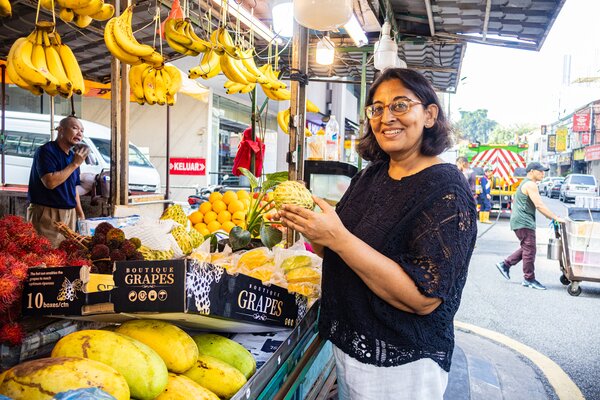
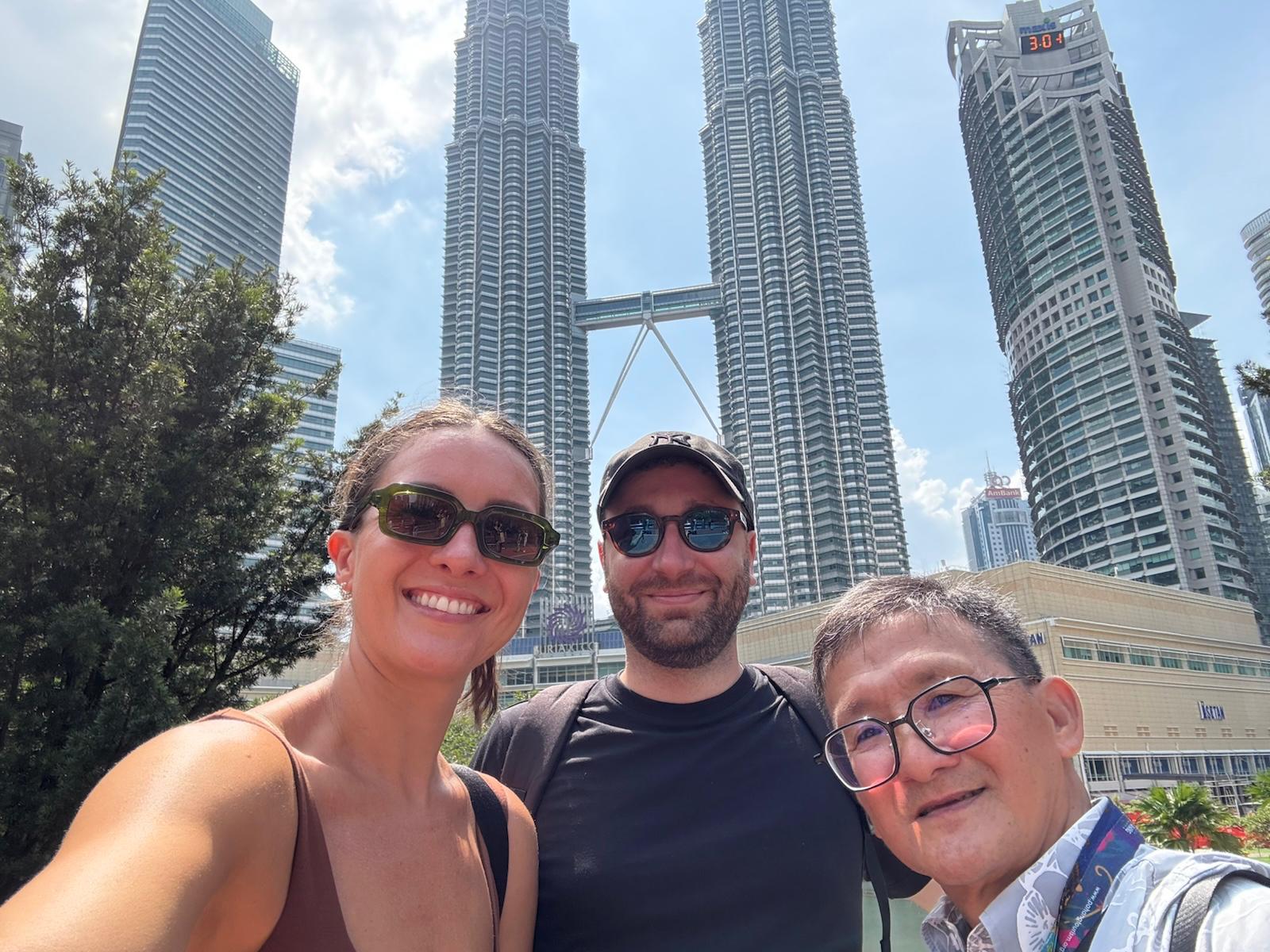
More than a map: Airbnb and Think City’s Heritage Guide to Kuala Lumpur, told through the lives and work of (from left) Manjeet Dillon, Ellina Amin (in jeans) and Tey Chin Lea.
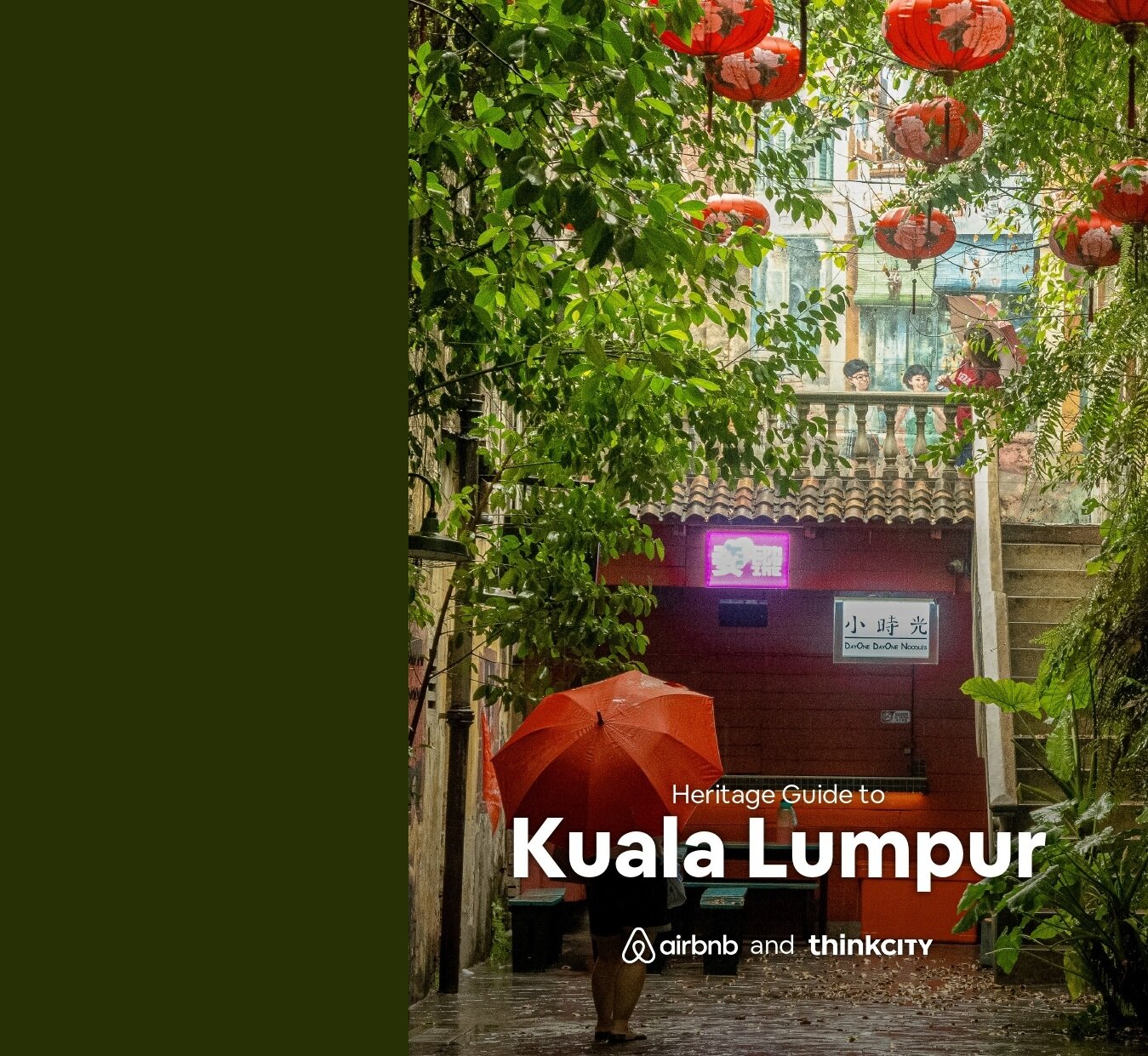
KUALA Lumpur’s history is often told through monuments and milestones. But some of its most enduring stories sit elsewhere – in kitchens, homes and the everyday paths people take through the city. Think City and Airbnb’s Heritage Guide to Kuala Lumpur works quietly within this space, shifting attention from the usual tourist highlights to the people and stories that sustain them.

At the heart of the guide is the idea that heritage is not static. It moves, adapts and accumulates meaning over time – much like food.

“Malaysia’s food is the outcome of movement,” says Airbnb host and guide Manjeet Dillon, whose food culture experiences anchor one of the guide’s most thoughtful entry points into the city. “Trade routes, labour migrations, religious practice, colonial economies and everyday adaptation.” A plate of nasi lemak, she notes, carries far more than coconut rice and sambal. Chillies – now so central to Malaysian cooking – arrived only in the 16th century with Portuguese traders. Before that, heat came from long pepper, cabe jawa, ground with ginger and black pepper, now largely forgotten.

For Manjeet, food matters because it is lived history. “Railways brought workers; workers brought recipes; recipes shifted to suit local produce, tastes and constraints,” she says. Dishes like mee goreng mamak – egg noodles tossed with tofu, soy sauce, tomato ketchup and curry powder – point to multiple origins, yet come together as something unmistakably Malaysian. The same logic shapes Nyonya cooking, where local herbs and leaves are absorbed into inherited techniques, as seen in dishes such as nasi ulam.

Manjeet Dillon says that food works as a gateway because it asks people not just to consume, but to notice how history continues to live on the table.
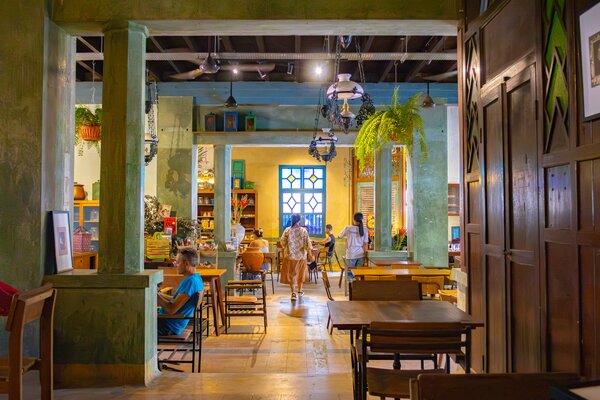
Food, she argues, teaches visitors about Malaysia’s plural society. “A kopitiam menu reads like an archive,” she says. Roti bakar beside roti canai, mee curry next to wantan noodles, cakoi dipped in sambal, kuih sharing space with buns. These combinations were not curated for visitors. They exist because communities have long lived side by side. Sitting with that everyday coexistence, she adds, often explains Malaysia better than formal heritage markers ever could.

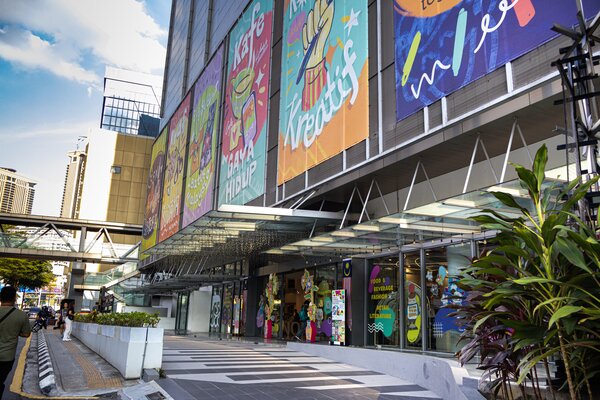
This sensitivity to context is what makes the Heritage Guide feel less like a checklist and more like an invitation. Alongside familiar sites such as Dataran Merdeka, Central Market and Medan Pasar, it draws attention to places shaped by use rather than display – creative hubs like GMBB and Zhongshan Building, neighbourhood eateries, restored shophouses and independent cultural spaces that reveal themselves slowly.

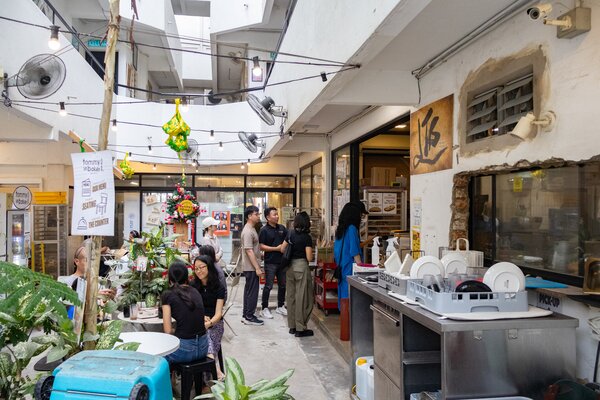
While you will still want visit the more iconic spots in KL, there are other places in nooks that only a local will be able to point you to such as the art mall GMBB, Michelin-selected Peranakan restaurant Limapulo and the unmistakable oven-baked freshness of Tommy Le Baker at Kg Attap.
It also foregrounds voices like Tey Chin Lea, who understands history not as abstraction but as lived memory. Born just months after Merdeka, Tey regards himself as “a proud post-Independence Malayan”, someone who quite literally grew up alongside the nation. Raised in a Chinese New Village near Bukit Kepong, Johor, he grew up hearing his parents’ first-hand accounts of events like the Bukit Kepong Incident and the Battle of Muar. As a schoolboy, those stories felt distant – even with history lessons in class.

It was only later, while working in Kuala Lumpur, that the significance of those experiences began to surface. “Only whilst working in KL did I begin to get a better understanding of those times growing up,” he reflects. Sharing how Malaysia came to be – particularly with friends and colleagues from other countries – became a personal calling. After retiring from the corporate world, Tey took that instinct further, becoming a full-time licensed tourist guide.

His walks through the city do not aim to overwhelm with facts. Instead, they connect streets and buildings to human experience, grounding national history in personal timelines. In doing so, they echo the guide’s broader intention: to return narrative authority to those who have lived alongside the city’s changes.

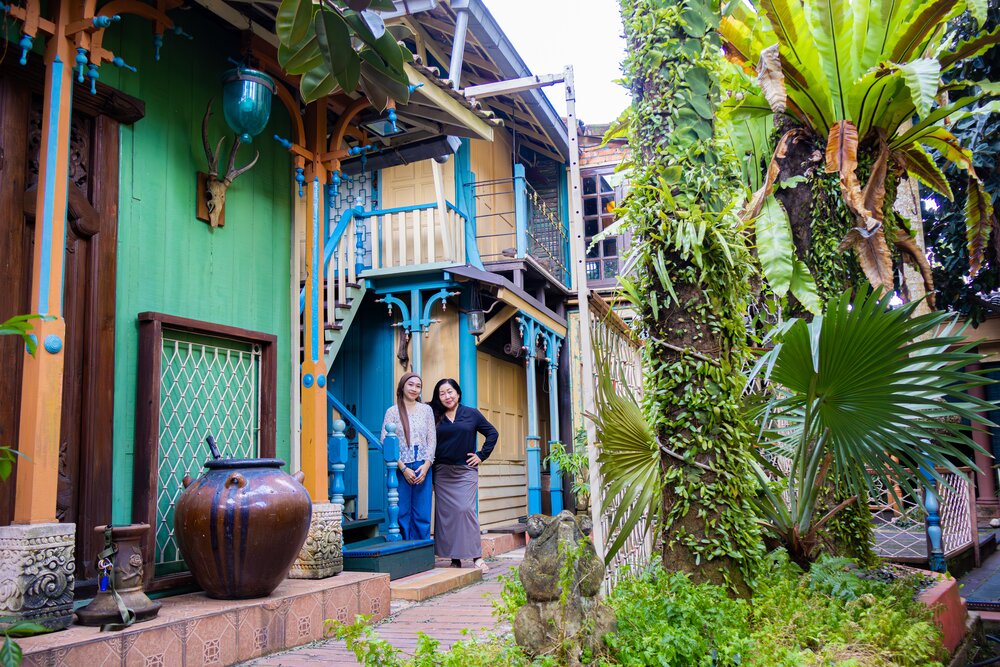
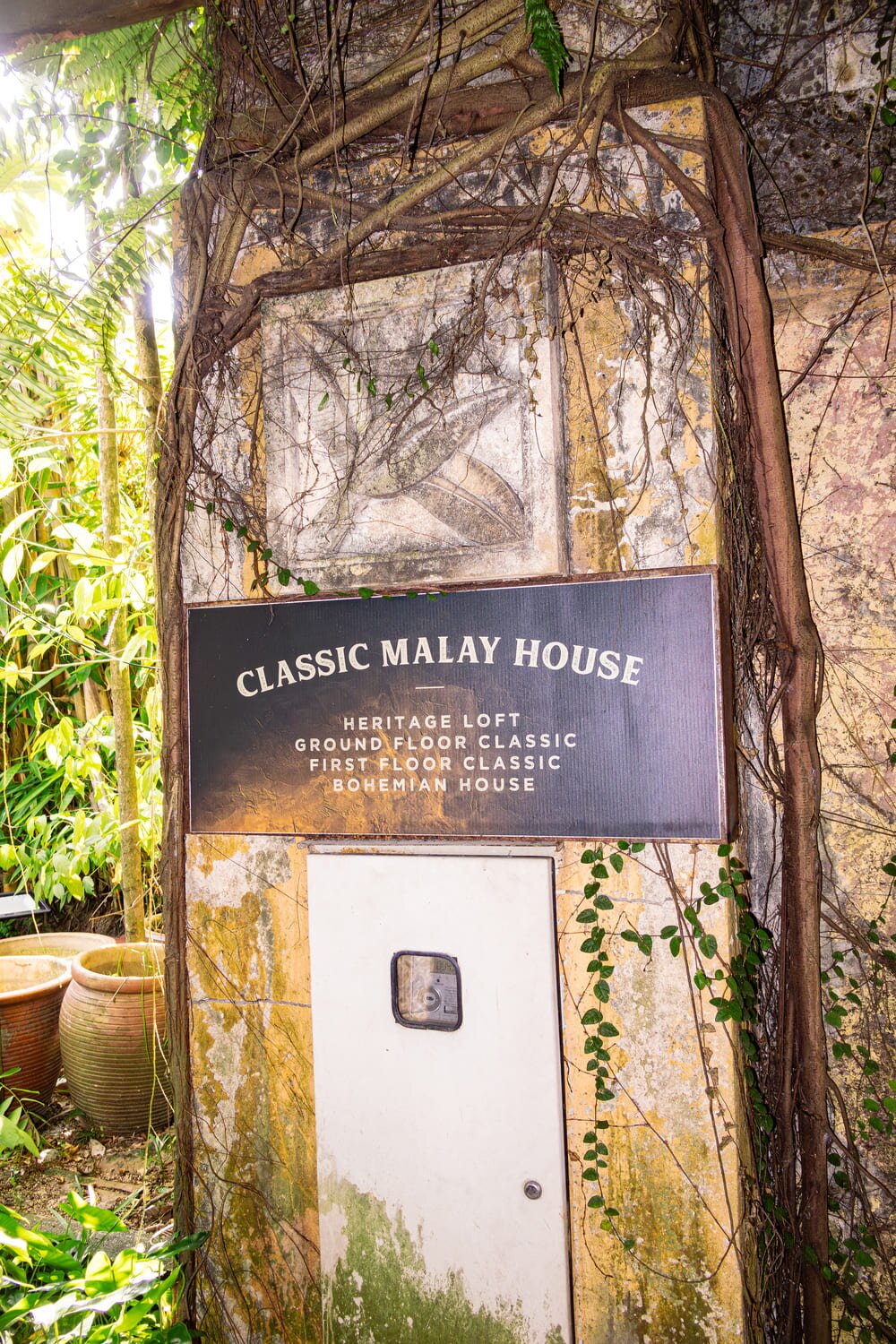
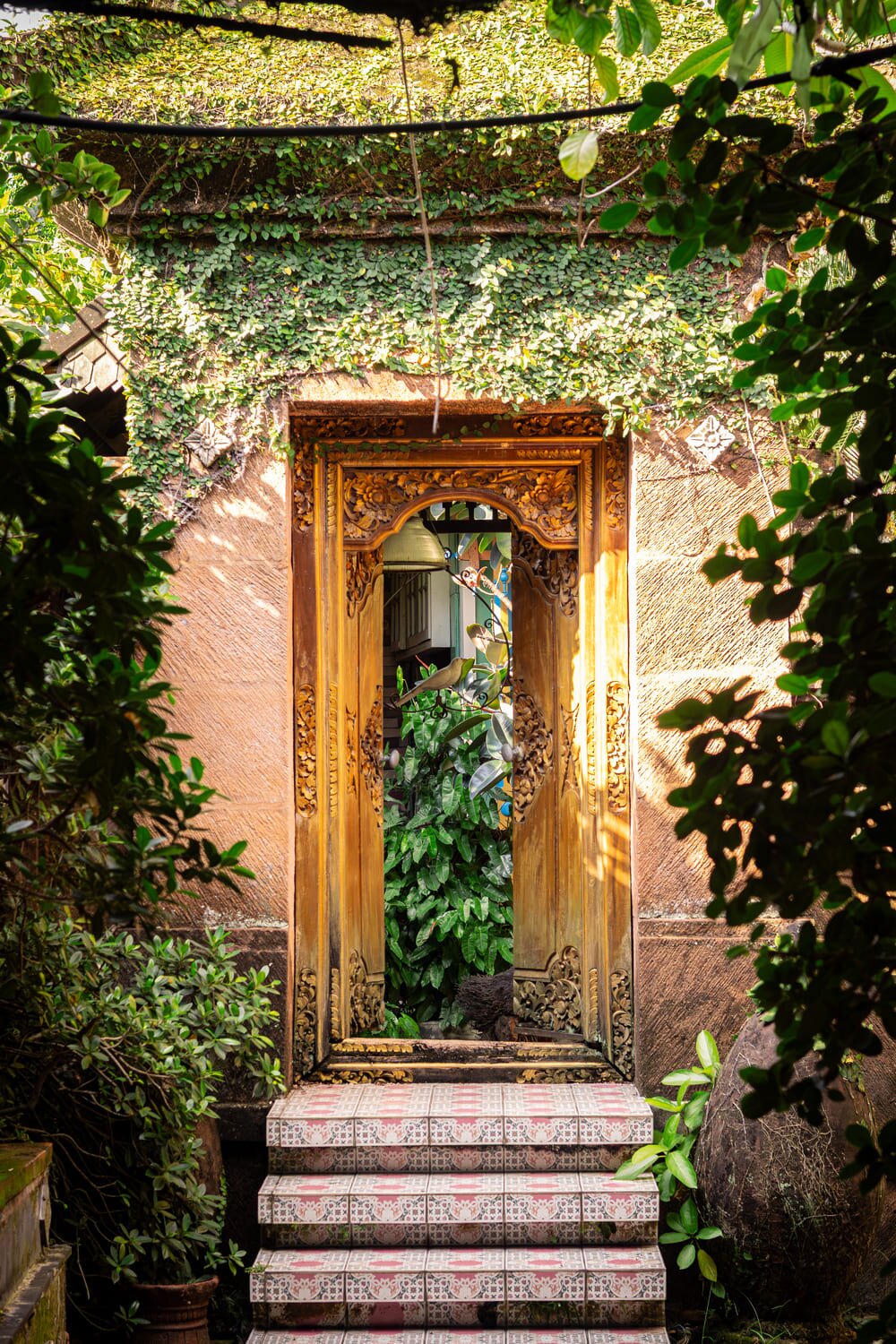
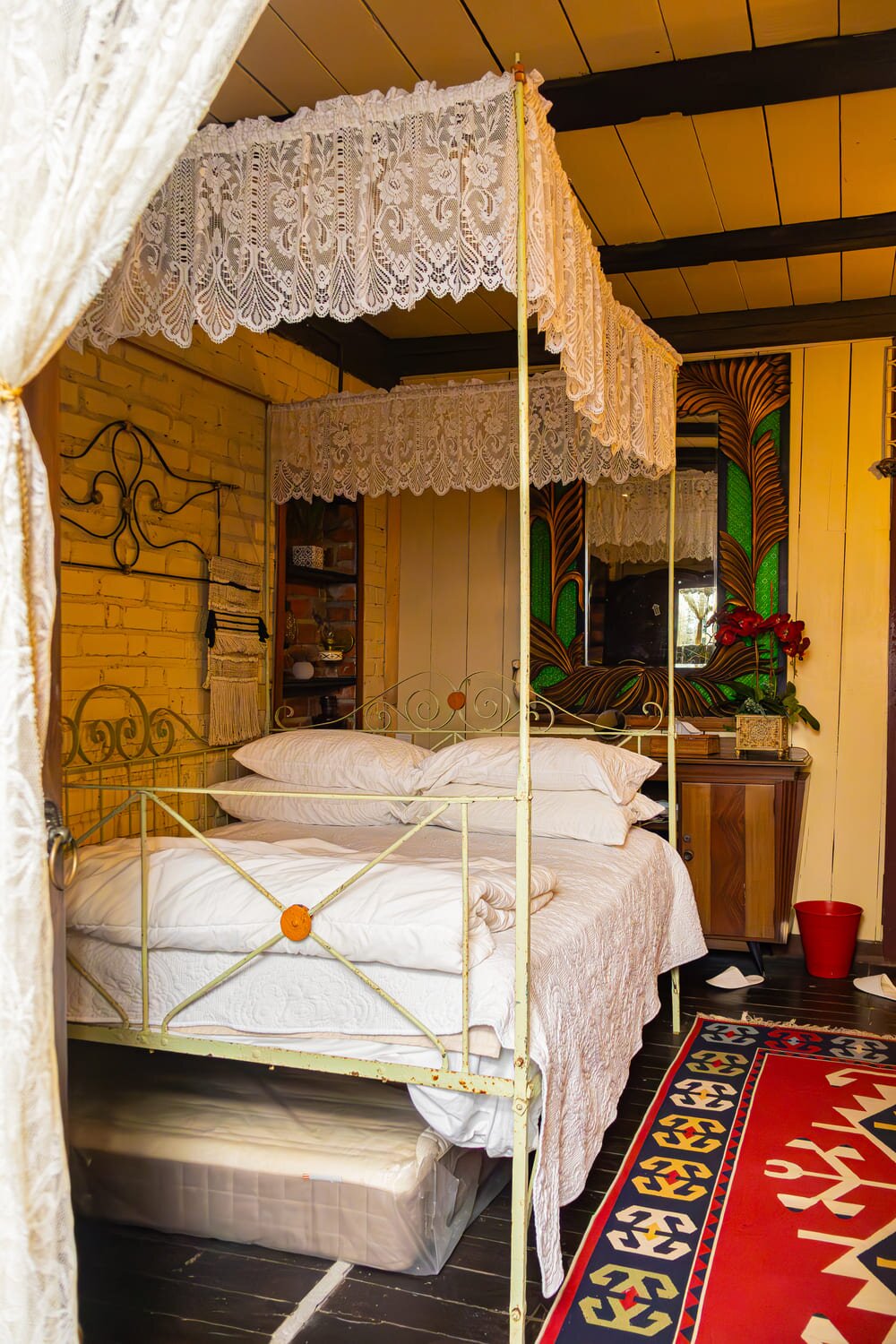
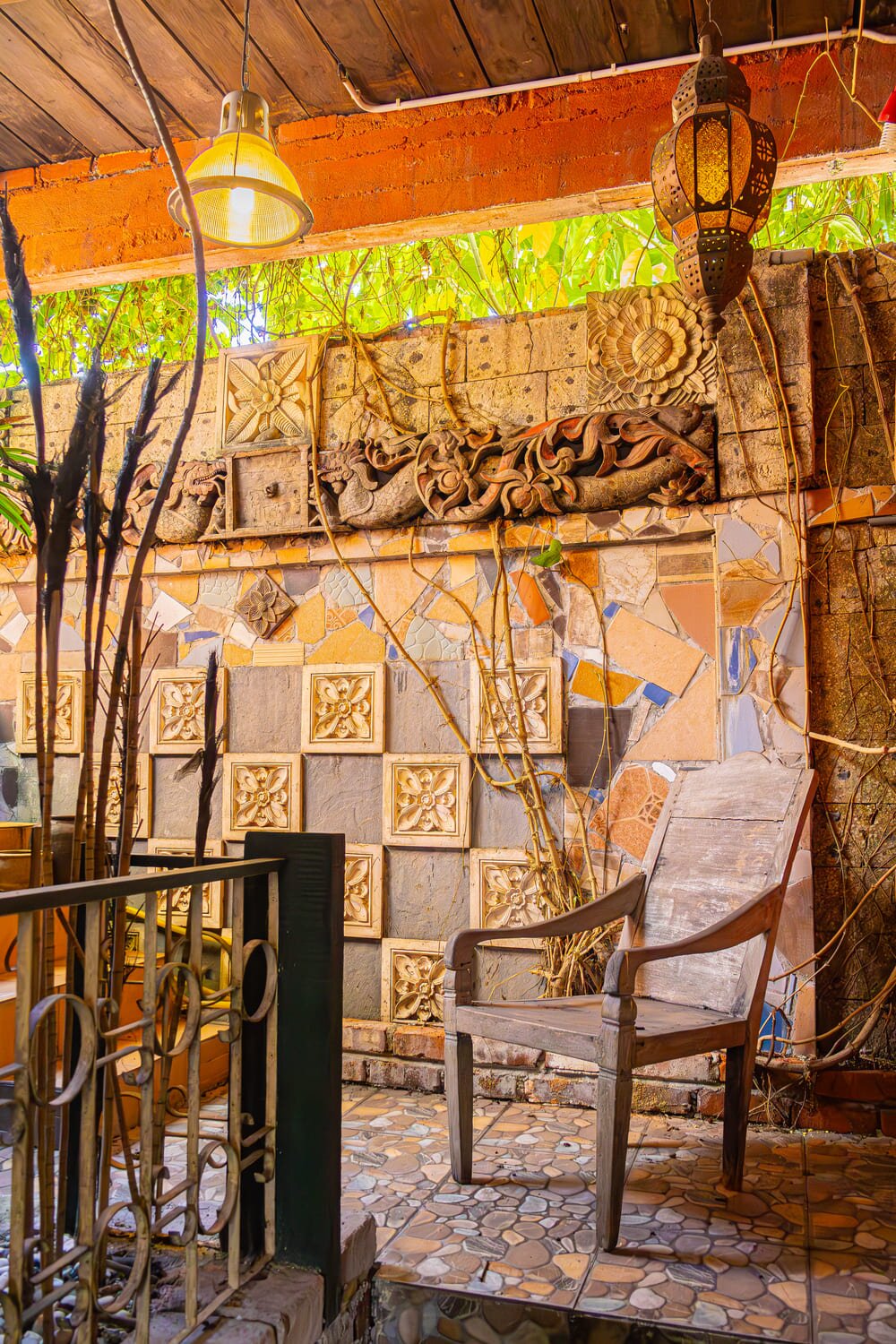
That same ethos shapes Ellina Amin’s heritage home, another quietly powerful feature in the guide. Hidden within greenery and surrounded by her father’s pond, the house feels less like accommodation and more like an ecosystem – one that includes squirrels, the occasional otter, and layers of memory that shift over time. “It’s not just a normal staycation,” she explains. “Even the exterior and interior change over time.” 
  
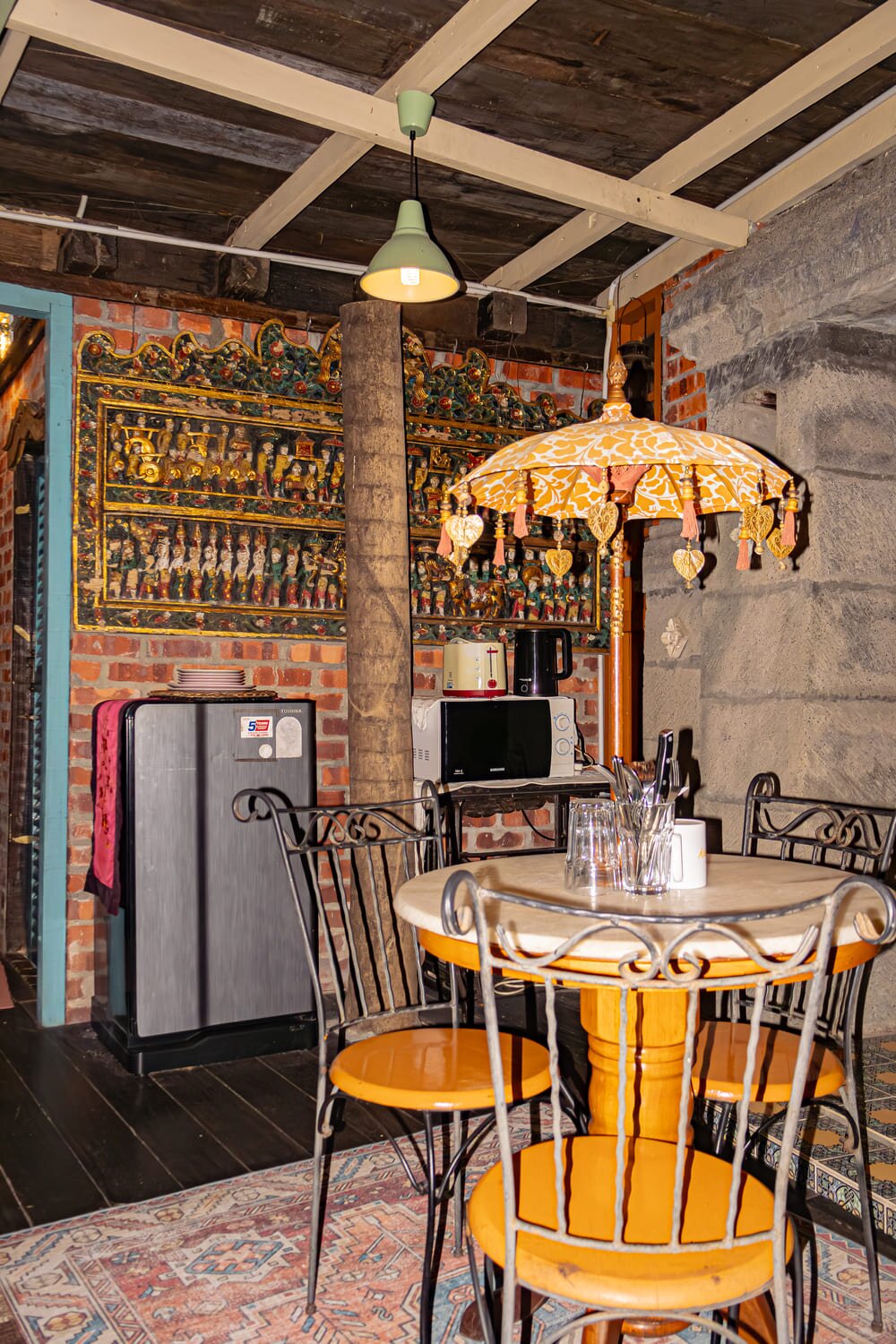
Inside, décor moves and evolves. Some items are display pieces that may be sold and replaced, turning the space into what Ellina calls “a moving memory”. Preservation here is not about freezing the past, but about allowing continuity.

That balance, however, comes with very real labour. Old wooden houses require constant maintenance – roofing, doors, daily cleaning – especially when filled with antiques. Guests may not always realise what it takes to sustain such a place. “We have to make sure it’s comfortable,” she says, noting the careful inclusion of air conditioning, Wi-Fi and new bedding, even as expectations are managed. The kitchen, for instance, functions more as a pantry to reduce fire risk. “It’s a traditional home, not a luxurious stay,” she explains, “but we try to give our visitors the best.”

Placed inside local Airbnbs, the Heritage Guide meets visitors at eye level, encouraging exploration beyond shopping districts and familiar photo stops. It nudges travellers to walk, to eat attentively, to notice how buildings age and how communities adapt. More importantly, it redirects attention towards people – hosts, guides, cooks and custodians – whose daily choices keep Kuala Lumpur’s heritage alive.
As Malaysia looks ahead to Visit Malaysia Year 2026, the guide suggests a quieter, more sustainable form of engagement. One that asks visitors not just to consume the city, but to listen and experience it more meaningfully. Or, as Manjeet puts it, to notice how history continues to live on the table – not as performance, but as structure, pace and care.

Discover more stories

Ooops!
Generic Popup2