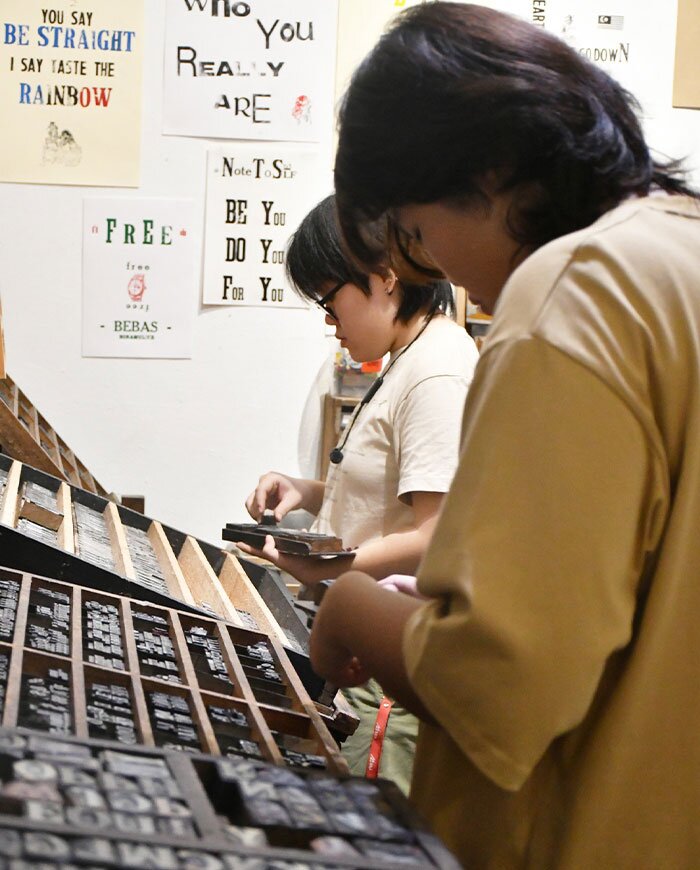
Lost Prints community revives printmaking

GOH CHEE KIAN | 6 May 2025

LOCATED on the third floor of a building along Jalan Panggong in Kuala Lumpur, Lostgens' contemporary art space is embarking on a new journey, bringing an old-world trade like letterpress back into the spotlight.

As you climb the staircase, the transformation becomes clear – where posters for past art exhibitions once hung, the walls now feature announcements for letterpress workshops and paper-making events by The Lost Prints community.

This well-organised space, now a hub for printmaking, was created by artist Yeoh Lian Heng, 46, who has spent the past five years rescuing old letterpress machines, tinkering with and repairing them to restore their functionality.

His efforts reflect a quiet but steadfast devotion to preserving a printmaking shop tradition in downtown Kuala Lumpur.

Yeoh, founder of Lostgens and the driving force behind its offshoot The Lost Prints, first set out on this path after learning about the closure of San Sang Press, a Kuala Lumpur print shop established in 1937.
“I didn’t know exactly how to set up a letterpress studio. But I knew I couldn’t let these machines – and everything they stood for – be thrown away.”

Yeoh, founder of Lostgens
When the pandemic forced it to shut its doors in mid-2020, Yeoh knew he needed to act – not just to save the machines and the shop’s inventory, but to maintain the slower, “hands-on” way of working.

He remembers being told that the letterpress machines were destined to be sold off as scrap metal. “I didn’t know exactly how to set up a letterpress studio,” says Yeoh with a smile. “But I knew I couldn’t let these machines – and everything they stood for – be thrown away.”

The challenges of the early lockdown days in Kuala Lumpur made the rescue mission more difficult. "There were all sorts of restrictions on people moving about," says Yeoh. "Imagine trying to clear out a printmaking shop under those conditions."

With movement tightly controlled, he had to first transport the old equipment home, piece by piece. There, he took time to study the machines, repair what he could, and figure out how they might one day find a place within the Lostgens’ gallery space.

“It was important to salvage the old manuals, as they provided valuable guidance for repairing and operating the machines,” he says.

The San Sang Press rescue was just the beginning. Yeoh has since tracked down more presses from Segamat, Johor and Jinjang, Selangor, scouring shops and warehouses where old printing equipment had been left to gather dust.

For Yeoh, the setup of Lost Prints was like assembling a puzzle. Restoring the machines and learning to operate them was a challenge, but one that ultimately paid off. “These machines, each with its own story, are the heart of Lost Prints, where visitors can enjoy the hands-on process of printmaking,” says Yeoh.

In the last few years, he received help from retired art lecturer Yuen Kheng Seng (aka Sky), who assisted in getting the machines in working order, planning a letterpress programme, and carving wooden alphabet blocks to add to the inventory.

“This printmaking studio didn’t appear overnight – it took a lot of planning and effort to bring it all together. Yuen's experience in the field was a big help, offering both technical know-how and thoughtful input along the way,” says Yeoh.
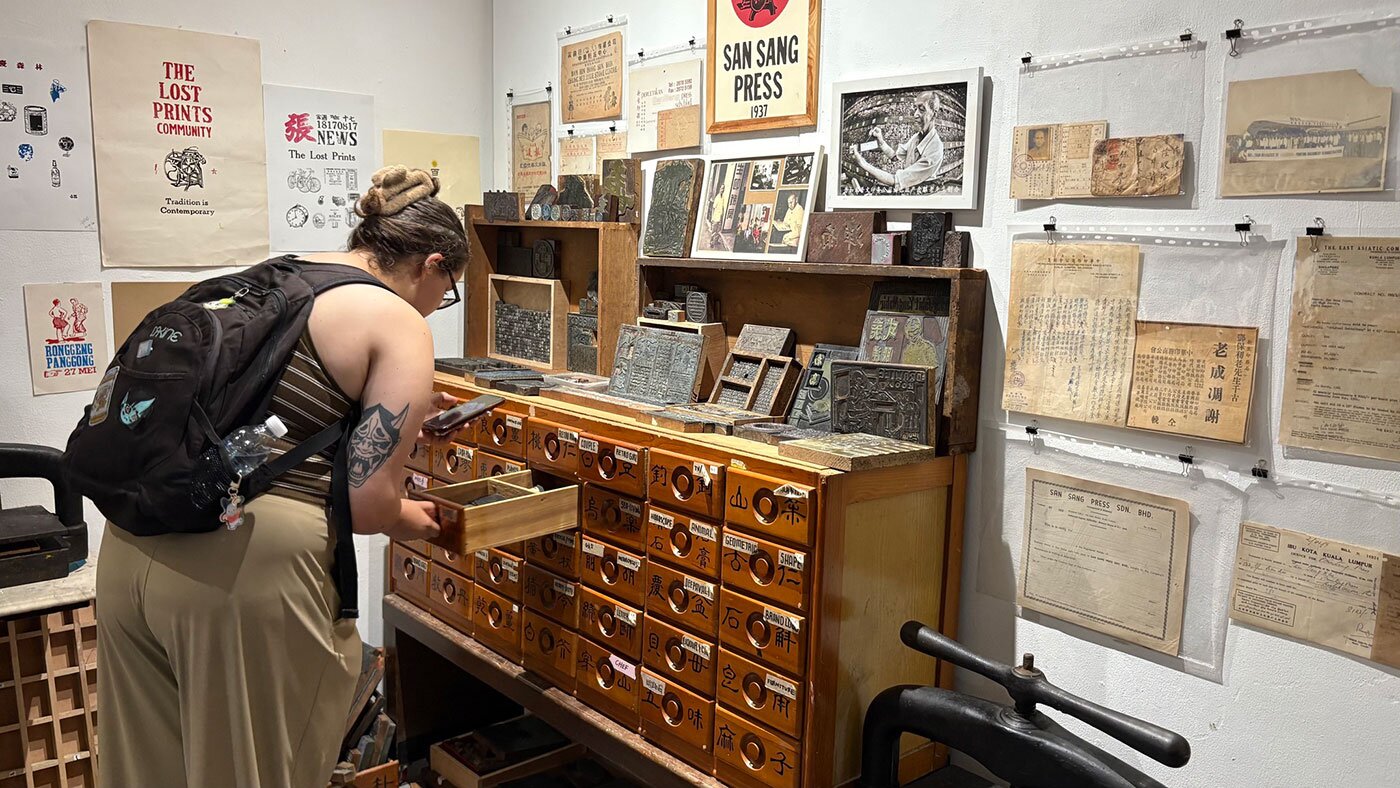
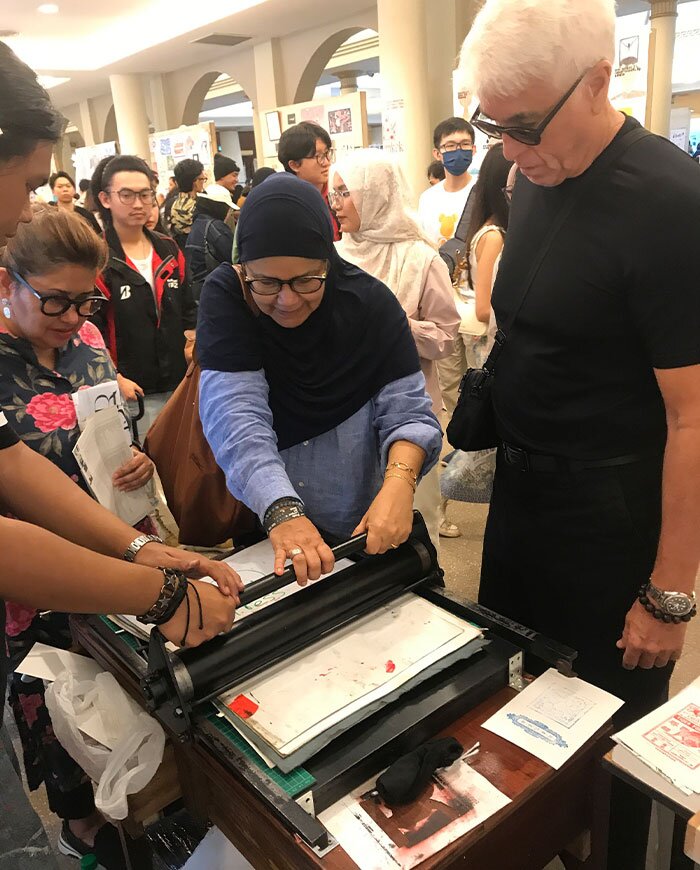
In the early days, Lost Prints began with a series of pop-up printmaking events at arts festivals, festive season markets and exhibitions, but it has since found a home in its own dedicated space.

For Yeoh and his small team, the workshops at Lost Prints, now a regular activity, are where the real magic happens. Participants don’t just walk in and start printing – they’re guided through the whole process, from idea to finished product.

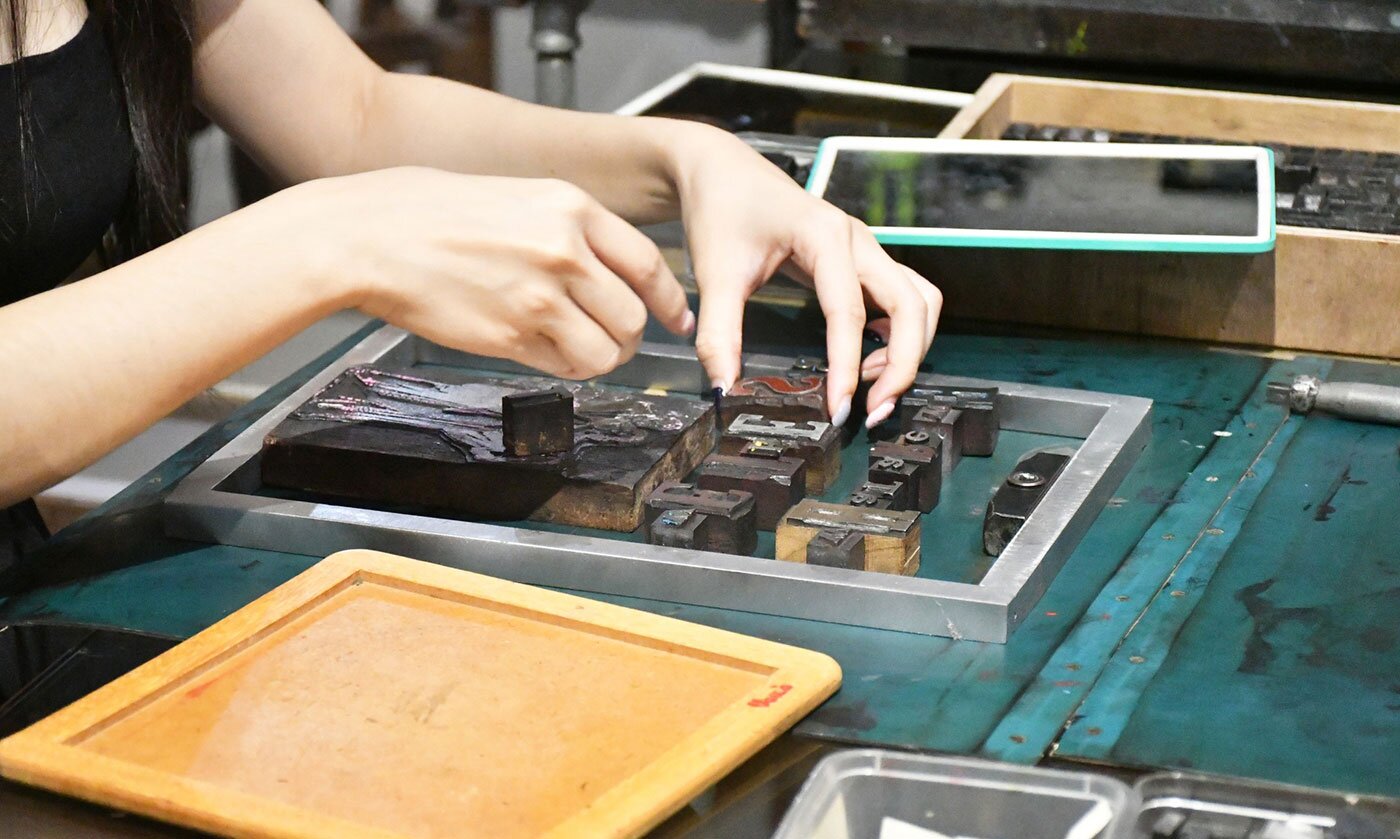
“The workshops begin with brainstorming and sketching designs. Then, the participants pick the right blocks, learn typesetting, inking and locking the press, before finally printing their creations,” says Yeoh.

It has been fascinating to see these machines and old methods being revived. Yeoh says that most participants, who are usually students or walk-ins, have no experience with printmaking – it’s something completely new to them. But watching them dive into the process is rewarding.

“It’s a very methodical process,” Yeoh explains. “You’re not just hitting a ‘print’ button; you’re building something from scratch, step by step.”

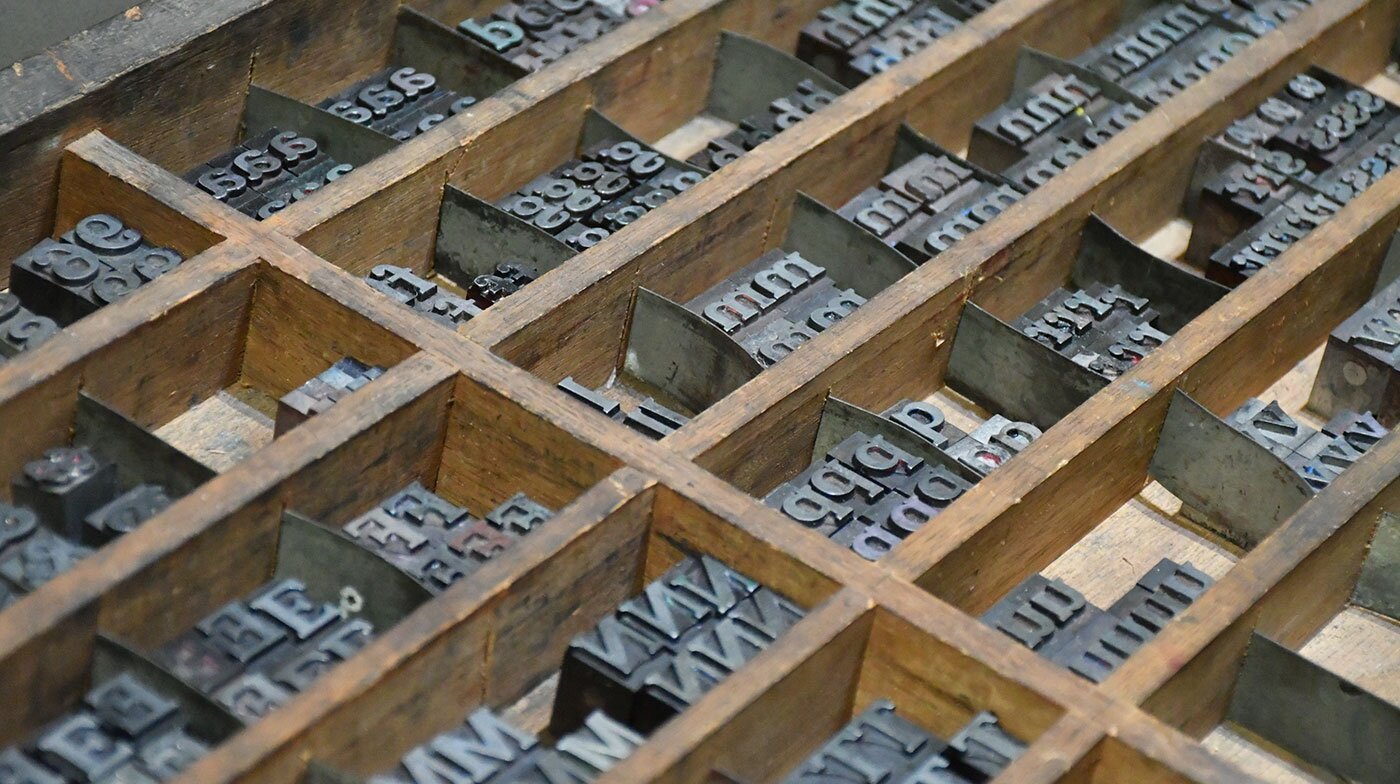
“It’s been great to see people digging through drawers to find alphabet blocks and other tools. It’s part treasure hunt, part art project,” he adds.
The appeal of Lost Prints lies in its ability to reconnect people with the physical world of making. In an era dominated by digital technology, it’s a rare opportunity to engage with a medium that requires patience, focus and manual effort.
Yeoh often observes participants as they slowly let go of their digital distractions. “At first, they’re checking their phones every five minutes,” he says with a laugh. “But soon they’re completely absorbed in the letterpress work. It’s amazing to watch them reconnect with the world around them, if only for a few hours.”

The workshops at The Lost Prints aren’t rushed sessions. Yeoh recommends the 2-3 hour session for newcomers, as it allows them to fully immerse themselves in the craft. “The longer sessions give people a chance to find their rhythm and really connect with the process,” he says.

Each session is kept small – no more than 15 participants – so that every person gets individual attention. “We try to keep it manageable,” says Yeoh. “One facilitator to five participants allows for more guidance.”

Whether you’re a complete beginner or someone with some experience, the workshop series is designed to be accessible.

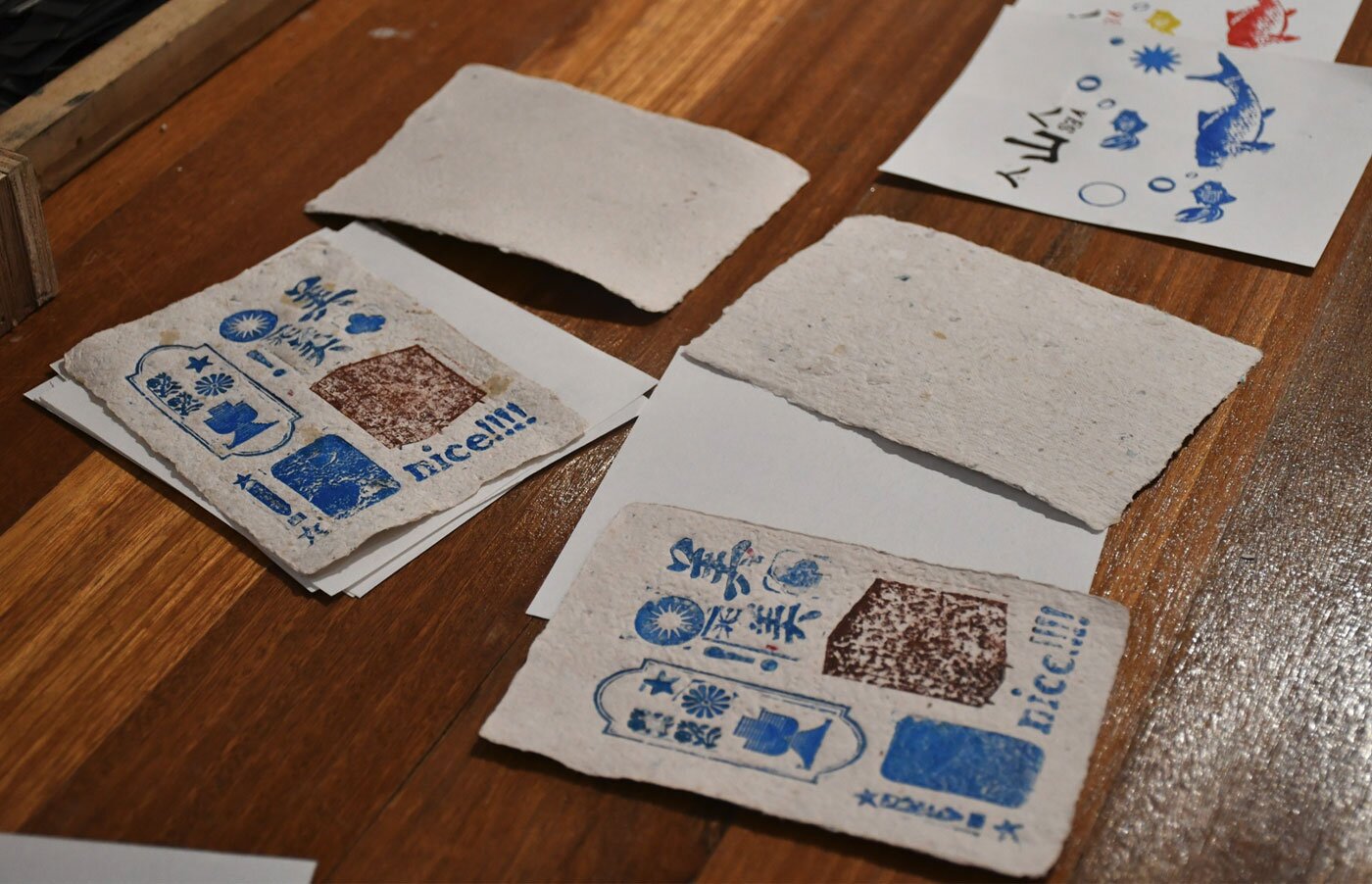
What sets Lost Prints apart is also its playful approach to printmaking traditions, all while encouraging personal expression. Blocks once used for eye test charts, bus tickets, wedding invitations, and horoscopes – once purely functional – are now reimagined for creative use.
“It’s not just about replicating these things,” says Yeoh. “It’s about using them as starting points to create something entirely new, something that reflects your personal vision.”

Participants are encouraged to experiment, combining old and new in surprising ways. Yeoh’s goal is to help people realise that printmaking isn’t just a historical trade or craft – it’s a contemporary art form with endless possibilities. “People are really surprised by what they can create once they’re given the freedom to explore,” says Yeoh.
How to get there
Connect with the The Lost Prints community at 8C, Jalan Panggong, Kuala Lumpur. Call 018-578 4652 for more information. The printmaking hub is accessible from Pasar Seni LRT and MRT Stations, and is a hop, step and jump away from Kwai Chai Hong.

Discover more stories

Ooops!
Generic Popup2