KL Brings South-East Asian Voices Together on Urban Creativity

DANIAL ISHAK | 23 November 2025
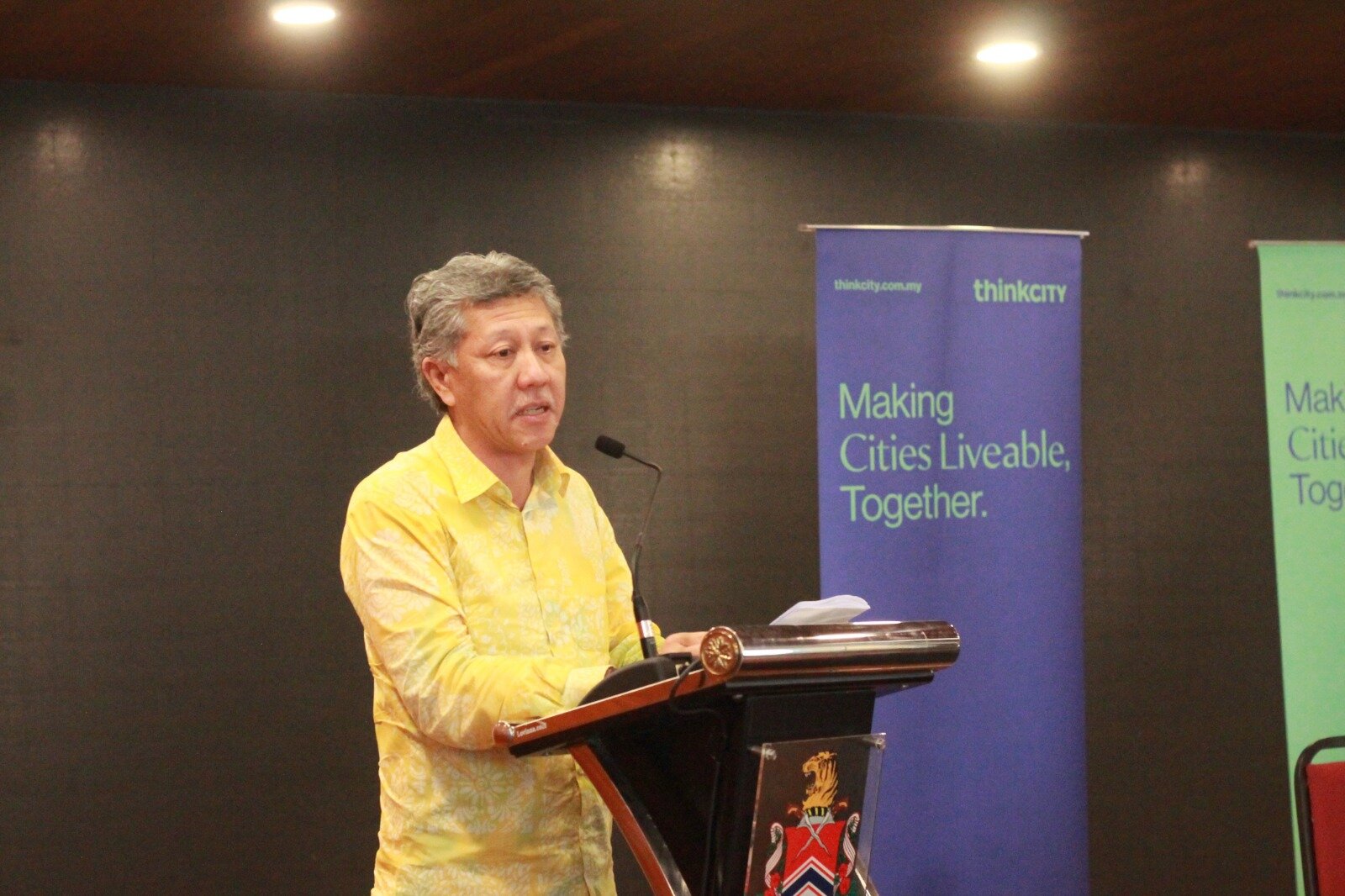
THE Mayor’s Courtyard next to Rumah Tangsi in Kuala Lumpur hosted a regional dialogue on Nov 15, officiated by Dato’ Shaharuddin Abu Sohot, Secretary-General of the Ministry of Tourism, Arts and Culture, bringing together South-East Asian cultural leaders, policymakers and practitioners to discuss how creativity and design can shape the future of cities.

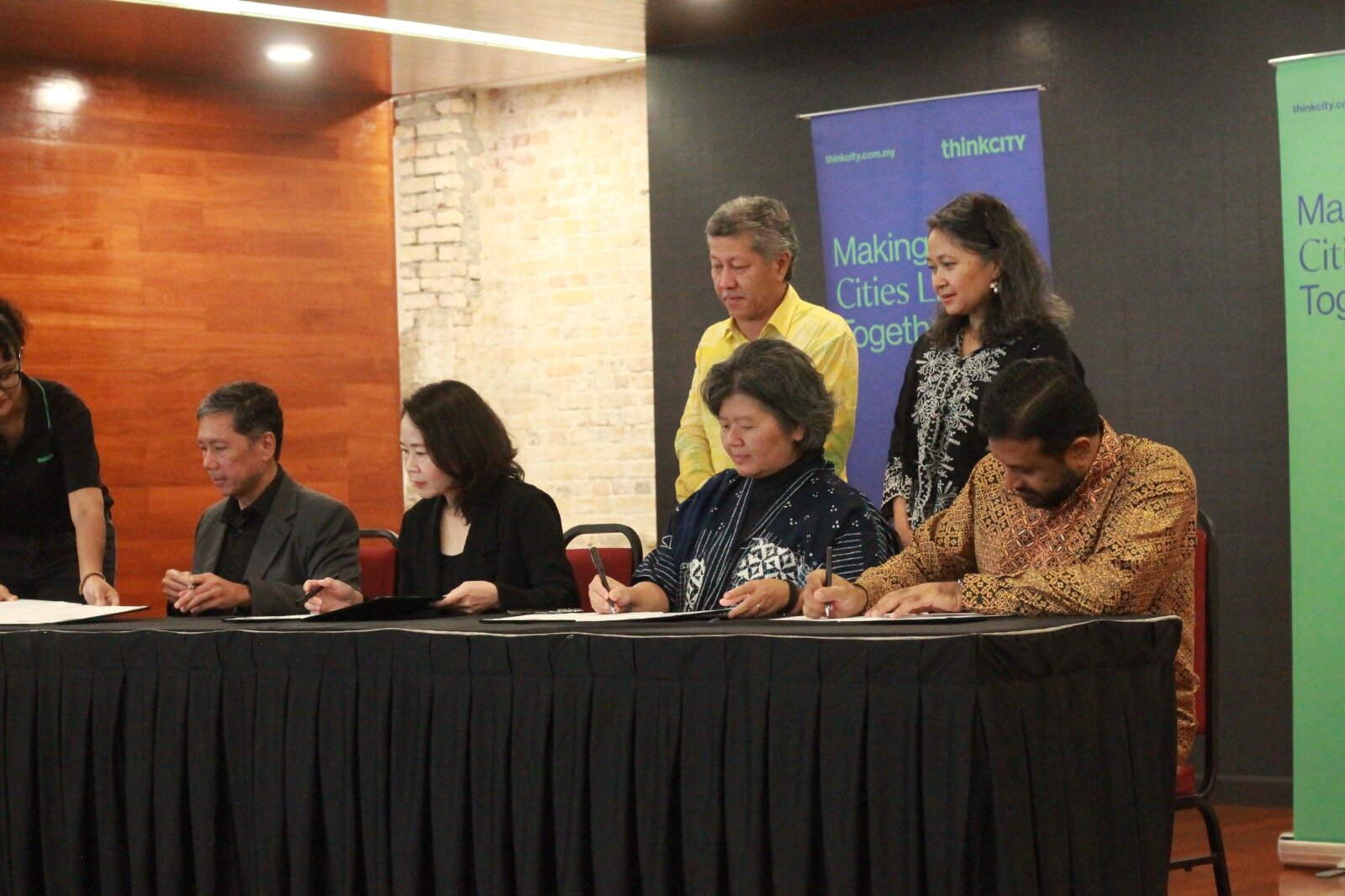
Organised by Think City together with Dewan Bandaraya Kuala Lumpur, the event marked the renewal of the South-East Asian Creative Cities Network (SEACCN) Memorandum of Understanding, reinforcing a unified regional commitment to advance urban development.

Dato’ Shaharuddin Abu Sohot, Secretary-General of the Ministry of Tourism, Arts and Culture, officiated the event on Nov 15 which brought together cultural leaders, policymakers and practitioners.
Held shortly after KL’s designation as a Unesco Creative City of Design, the gathering reflected Malaysia’s prominent role in 2025 as ASEAN Chair. With KL stepping into the spotlight, speakers explored what this recognition means in practice and how South-East Asian cities can share solutions, challenges and opportunities across borders.

KL was officially designated a Unesco Creative City of Design on World Cities Day 2025, joining global peers such as La Spezia, Riyadh and Daugavpils. The recognition affirms KL’s long-standing creative character, where design is embedded in everyday life – from heritage buildings and traditional crafts to digital culture, fashion, food culture and community-led spaces. KL’s strength lies in its people and lived experiences, reflected in adaptive reuse, local makers and a collaborative creative ecosystem supported by institutions like PAM and MRM, alongside independent designers and brands. As part of the global UCCN network and connected to regional creative capitals like Bandung, Kuching and Ipoh, KL steps onto the world stage with both recognition and responsibility: to honour its cultural roots while shaping a future city powered by creativity.

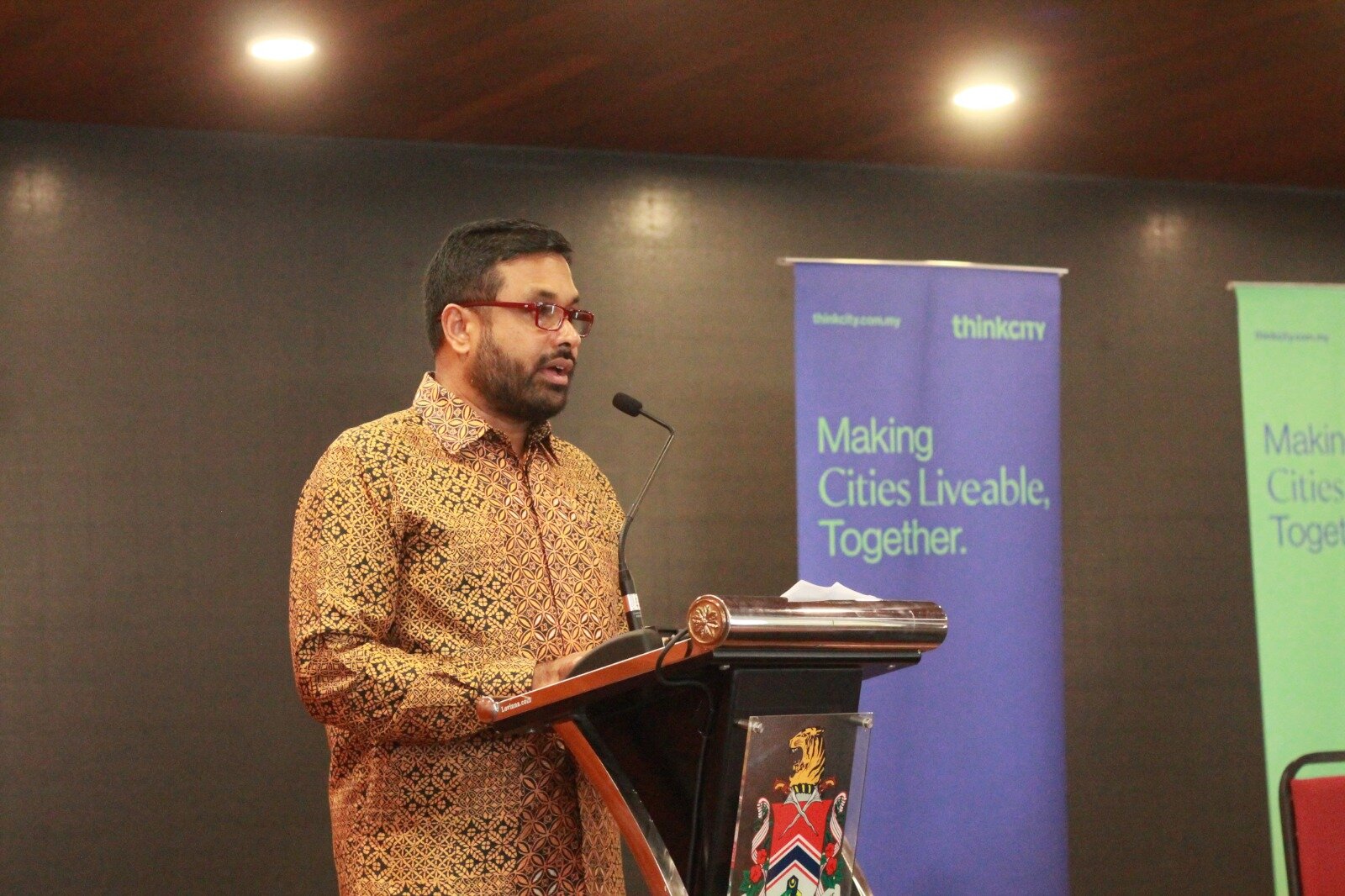
Dato’ Hamdan Abdul Majeed, Managing Director of Think City, framed the renewal as an important step for regional collaboration. In his welcoming remarks, he said: “This renewal comes at a timely moment. Cities across the region are rediscovering the power of culture and creativity, not just as soft assets, but as strategic drivers of regeneration, identity and resilience.”

Dato’ Hamdan Abdul Majeed outlined the importance of regional partnerships, as Kuala Lumpur strengthens its position as a Creative City of Design.

Continuity Beyond Political Cycles

The dialogue, moderated by social historian Neil Khor, reinforced a regional spirit often joked about yet deeply felt, that South-East Asians are SEA-blings, cousins who learn from and support one another.

The first panelist to speak, Indonesian design educator and researcher Dwinita Larasati, discussed the need for long-term structures that support creative development even as governments change. She explained that Indonesia learned this out of necessity.

Larasati said: “We realised early on that good ideas would not survive if they depended too closely on political terms. So academics and creative communities worked together to draft an academic manuscript that eventually formed the basis of the Creative Economy Bill. It was a bottom-up effort that gave our programmes legal protection and continuity.”

This foundation, she added, created space for Indonesia to experiment with new approaches without having to wait for bureaucracy to catch up.

Larasati said: “We started an annual design action workshop where municipal officers, students, designers and community groups would sit together to develop prototypes. By the time a proposal reaches the government, the idea already has real-life testing behind it. It helps policies move into action faster.”

Her point was clear. Creative cities need roots that endure uncertainty, and those roots often come from civic, academic and community collaboration.

From left to right: Montinee Yongvikul, Dwinita Larasati, Neil Khor, Paolo Mercado and Izan Satrina shared insights on creative city development, tackling cultural policy, community engagement and inclusivity.

Creativity Starts in the Neighbourhood

The next speaker, Montinee Yongvikul of Thailand’s Creative and Design Centre (TCDC), focused on how cities can strengthen creative identity by embracing the everyday culture of their communities. She explained that Thailand’s approach is grounded in recognising the value of lived experience.

Yongvikul said: “We placed our headquarters in an old cultural district because creativity already lives there. It grows from humour, daily rituals and shared stories. Our job is to help people see those cultural assets as something they can use to create new products or services.”

She added that their programmes extend far beyond the walls of a design centre.

Yongvikul said: “We activate streets and public areas so communities can claim them as creative spaces. When people recognise that their own culture has value, ther confidence increases. That is why we expanded TCDC centres across the regions. We want rural and provincial communities to have access to the same tools and opportunities as Bangkok.”

This approach emphasises that creativity is not only a matter of industry, but the amplification of identity, humour and heritage already present in the community.

Creative Growth Must Be Inclusive

From the Philippines, Paolo Mercado highlighted the importance of inclusion and proper recognition for creative workers. He explained that before the Creative Industries Law was passed, the Philippines had a vibrant scene but lacked formal acknowledgement of its creative sector.

Mercado said: “For years, the sector was active but invisible on paper. We had no agency tracking it and no clear strategy. The Creative Industries Law changed that. Now we are able to count our workers, understand their needs and plan better.”

Mapping the sector revealed gaps that needed immediate attention.

Mercado said: “Many creative workers were not registered, so they were never counted. Inclusivity begins with knowing who your workers are. Once we did that, we could design programmes that lifted the entire ecosystem, not just the visible players.”

His emphasis on counting and valuing labour echoed a wider regional concern that creative contributors must not be overlooked or underpaid, especially when they shape the cultural character of a city.

Representatives from participating cities formalising their commitment to the South-East Asian Creative Cities Network (SEACCN) during the MoU renewal ceremony.

Governance, Fair Wages and Regional Alignment

Representing Malaysia, Izan Satrina Mohd Salehuddin, Senior Director of Think City spoke about the governance structures needed to support creative workers sustainably. She stressed that creative ecosystems require stability, consistent funding and clear protection for practitioners.

Izan said: “Support systems for the cultural and creative sectors must last beyond political cycles. Ground-up energy in South-East Asia is strong, but it still needs stable structures to ensure creative workers receive fair wages. They are the ones who bring life and vibrancy to the city.”

She also highlighted Malaysia’s responsibilities under ASEAN frameworks.

Izan said: “We now have a vision and shared priorities at the ASEAN level. The challenge is translating that into coordinated action. KL’s progress should connect with other South-East Asian cities so we can learn and build together.” A strategy must be followed by a clear action plan. Only then can resources, partners and implementers work effectively.”

A Creative City Must Still Feel Like Home

One of attendees of the dialogue, architect Adela Askandar, provided a grounded perspective on KL’s new Unesco status. She agreed with expressed optimism but emphasised that creativity must complement everyday life.

Adela said: “I am excited about the possibilities, but we cannot forget what makes a city livable: our kedai runcit, laundromats, public transport, money changers, etc. Walkability, daily amenities and comfort matter. Creativity should enhance ordinary routines, not overshadow them.”

She added that measuring design value would be important in the years ahead.

Adela said: “Good design has value. Intellectual property is one of the clearest ways to measure it. If we engage good designers, the benefits will show in quality, identity and long-term economic strength.”

In the end, the dialogue showed that South-East Asian cities share similar ambitions and challenges, and that they grow stronger when learning from one another as SEA-blings, shaping creative futures that are connected, practical and rooted in their people.

Missed the event? Catch the full FB Live stream of Shaping Creative Cities in Southeast Asia – A Regional Dialogue & MoU Renewal Ceremony on Think City’s Facebook page.

Discover more stories

Ooops!
Generic Popup2