Where Community Keeps Commerce Alive

WAN NOR ALIA WAN ALI | 29 April 2026

Participants on a walking tour by Kaki Jelajah Warisan explore the streets of Kuala Lumpur, reflecting a growing interest in guided walks that uncover the city’s layered histories and everyday stories.  – From the photo archives of Kaki Jelajah Warisan's FB

JALAN Tuanku Abdul Rahman – once known as Batu Road – is where this writer’s earliest memories of shopping began. Weekend after weekend, she was led by her family along its rows of shops, leafing through fabrics and garments, while just behind them, the back lanes bustled with food and drink stalls that formed part of the weekend market. Even then, the area was never quiet.

Nearly 20 years on, she remains one of its regular visitors. The history of a place shapes its demographics, its economic rhythms and the communities that take root within it.      

So what is it about Jalan TAR that keeps it so commercially active – still drawing crowds of locals, out-of-town visitors and tourists alike?    

We step into Capital Cafe – a kopitiam that has been operating for over 70 years – to find out.    

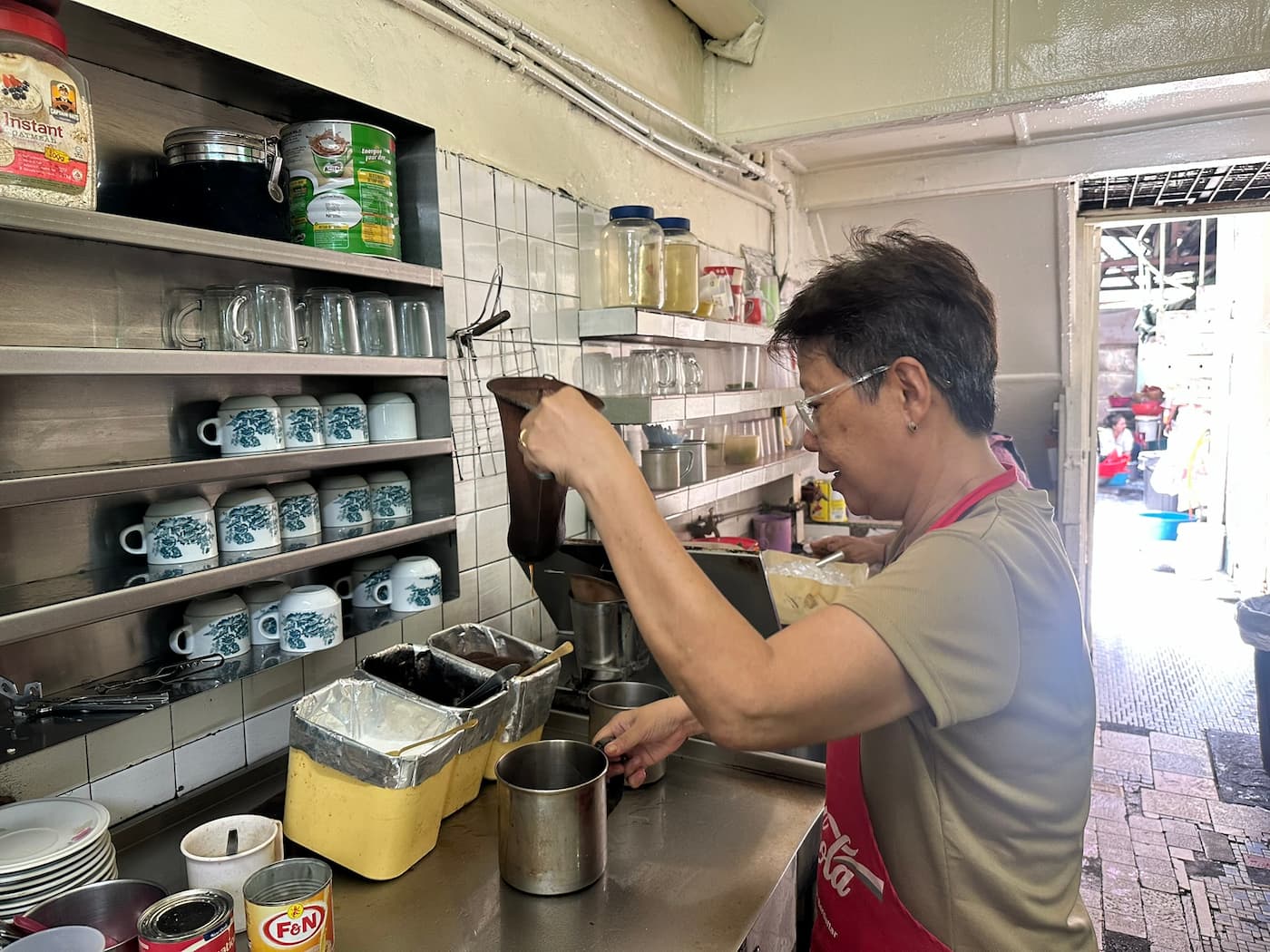
The sense of nostalgia is immediate. According to second-generation owner Lin Boi Eng, 64 – affectionately known as the “Lady Boss” among regulars – her journey into the family business began early.


Lin Boi Eng prepares drinks and roti bakar the same way her parents did, preserving flavours that have drawn customers back across generations.

“Back then, things were difficult, so I started helping out my parents while I was still in my 20s, and I just stayed on. I’ve continued the business with my brother ever since,” she says.

The cafe’s longevity, she notes, is closely tied to its surroundings – the steady flow of shoppers from nearby textile shops and the enduring loyalty of its patrons.    

She may describe her food as simple, but there is something quietly compelling about it. A serving of kaya toast – unassuming at first glance – carries the familiar taste of buttered toast layered with kaya. For many customers, the food and drink, the cups and saucers, tables and chairs, all remind them of their childhood. It is a modest meal, yet one that holds deep meaning.

Working under one roof, shared livelihoods have fostered a close-knit community. From left, second-generation operators Khadar Moydeen (rojak stall) and Lin (Capital Cafe), alongside third-generation operator of Nasi Padang Asril, Zahin Ikwan.

Shared livelihoods under one roof have also fostered close-knit ties. In front of the café, Khadar Moydeen runs a rojak stall, while to the side sits Nasi Padang Asril. Both are second-generation operators who took over from their families, continuing a long-standing arrangement within the same shoplot.

There is a quiet warmth in this arrangement – a sense of community built not only through customers and neighbours, but also through long-standing friendships among traders.      

“In 1962, about six years after Capital Cafe began, my father moved here to operate alongside the kopitiam,” says 68-year-old Haji Asril Abdul Wahab, owner of Nasi Padang Asril.     

“Over time, food prices have changed. Back then, a packet of mixed rice was RM1.50. Today, prices have risen – that’s one of the most obvious differences.”     

Even so, the café remains full, particularly during breakfast hours. Price increases reflect broader economic realities, yet they have not deterred the steady stream of customers.     

If you’ve made your way to this area, your trip wouldn’t be complete without first seeking out the numerous textile shops. Jalan TAR is well known for its fabric and clothing offerings, especially during festive seasons like Hari Raya and Deepavali.
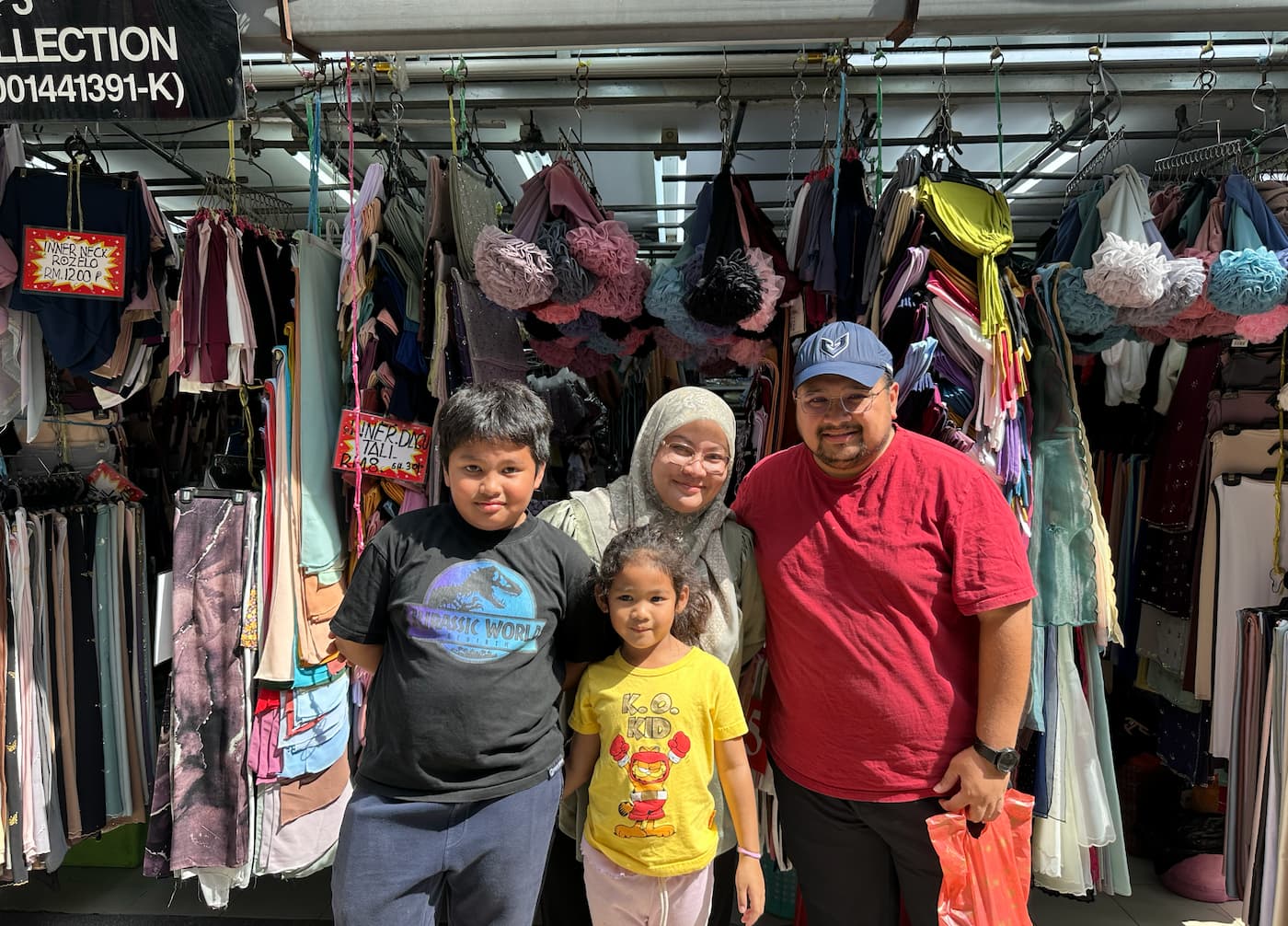
A visit to Jalan TAR would feel incomplete without exploring its textile offerings. The street is especially known for fabric and clothing, drawing crowds during festive periods. Among them are Azree Azhar, 38, and his wife Yana Ghazali, 31, who continue to shop here with their family.

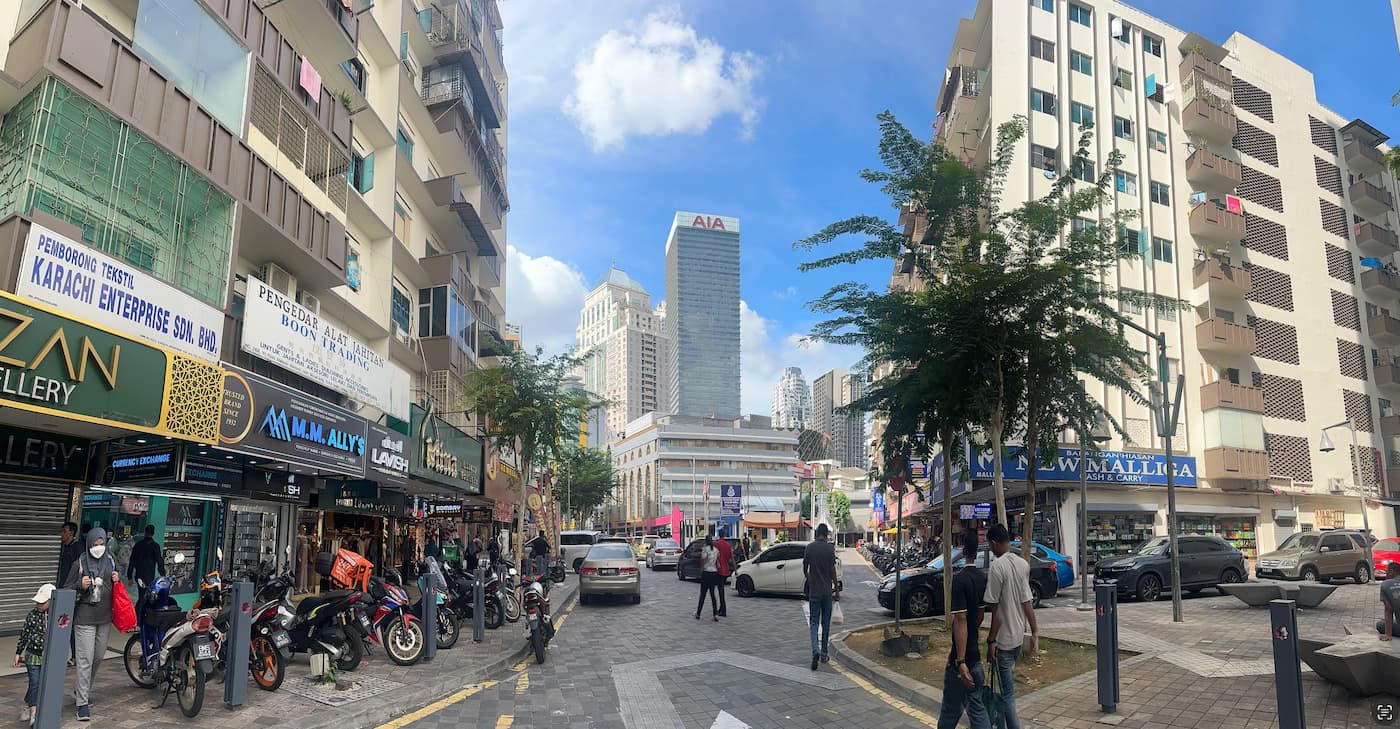
t is just a short walk from Capital Cafe to Jalan Masjid India – an area shaped by the South Indian Muslim community since the 1960s, now known for jewellery and textiles. On Fridays, Tamil khutbah (sermons) can be heard nearby, and many shops close temporarily as traders and customers both pause for prayers.

At a nearby junction stand Selangor Mansion and Malayan Mansion – among Kuala Lumpur’s earliest freehold flats – flanking the Masjid India Community Police Station. The area feels lively, supported by ongoing improvements from Kuala Lumpur City Hall (DBKL).

Selangor Mansion and Malayan Mansion stand on either side of the Masjid India Community Police Station.

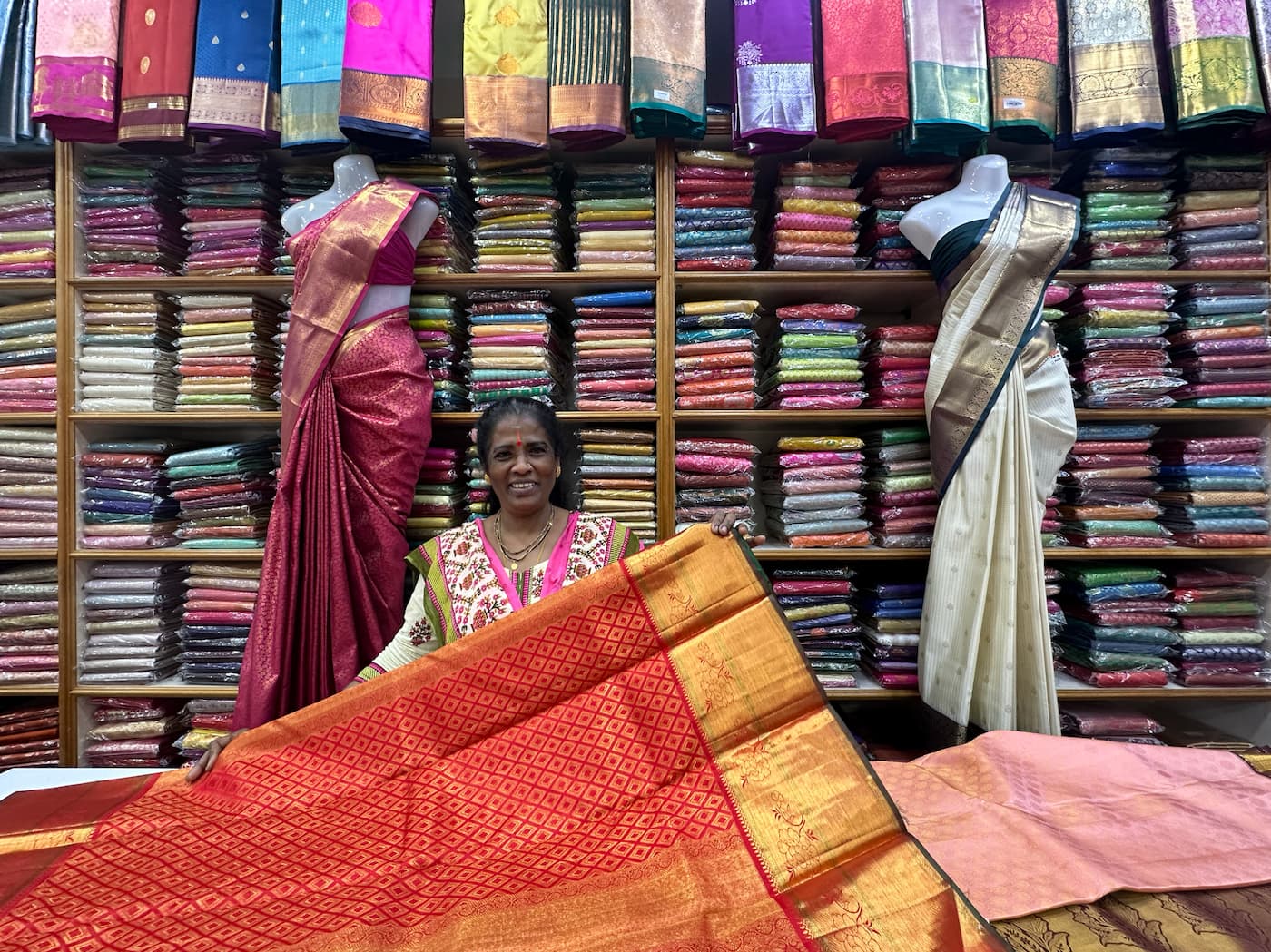
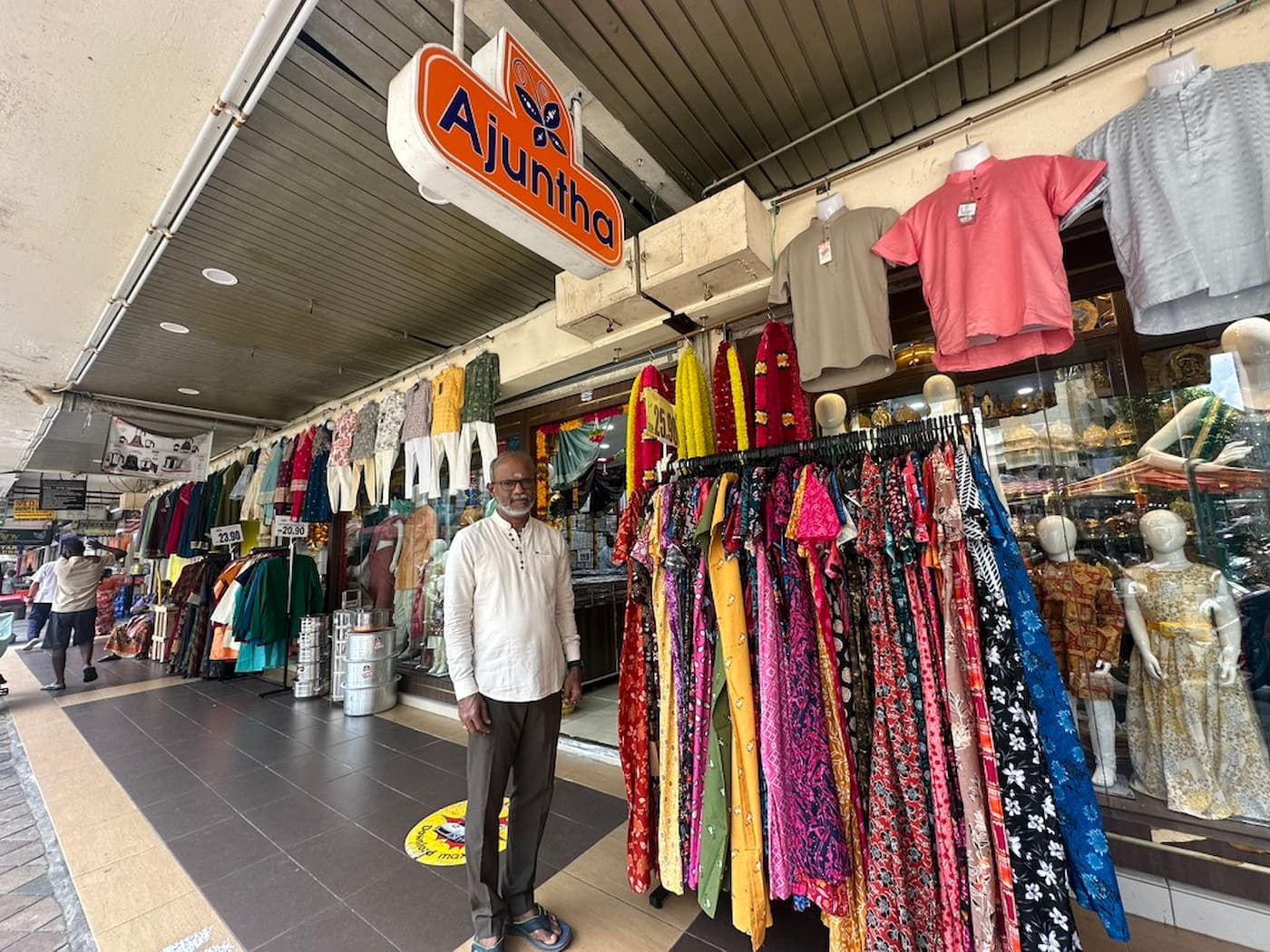
At street level, shops specialising in Indian attire line the walkway. Among them is Ajuntha Textile, established in 1984, and has become a part of the area’s retail ecosystem. Mahathevan Thangammal, 58, has worked there for more than 26 years.

“The shop used to be very small,” she says. “Now we occupy five units, selling saris, Punjabi suits, kurtas, bedding, household items and silver and brass prayer accessories.”

She has also observed changes in customer behaviour. “Before, most purchases were made in person. Now there are many other ways to shop,” she says sharing their instagram page, @ajunthaofficial.

Mahathevan Thangammal, 58, displays bridal fabric available at Ajuntha Textile boutique. Below: Shop manager Chinna Muthu poses in front of the shop.

Yet there is still something uniquely satisfying about shopping in person – feeling the texture of fabric, trying on garments and browsing through racks of colours and designs. While tastes evolve with time, long-standing businesses such as Ajuntha Textile continue to draw loyal customers across generations.

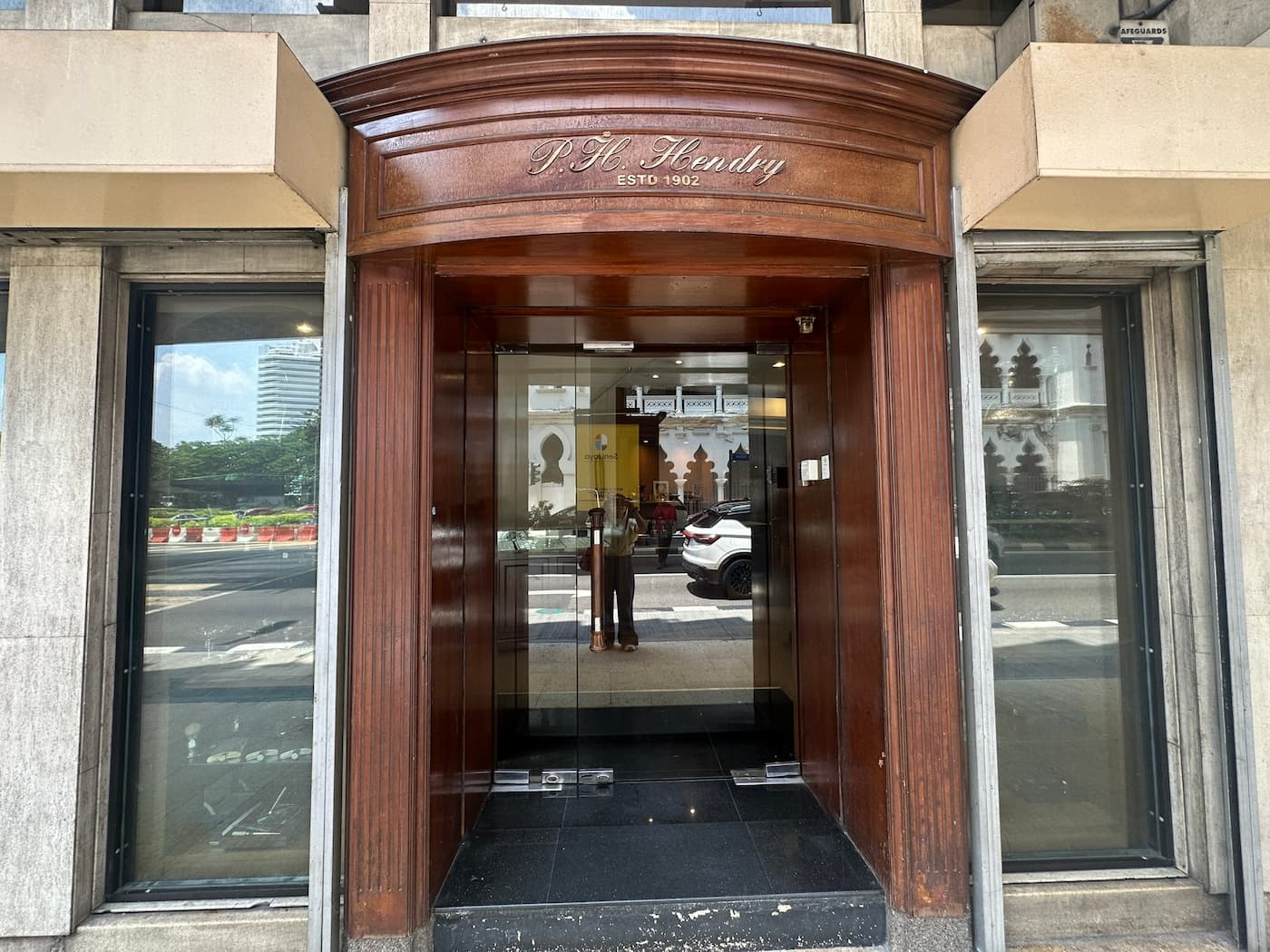
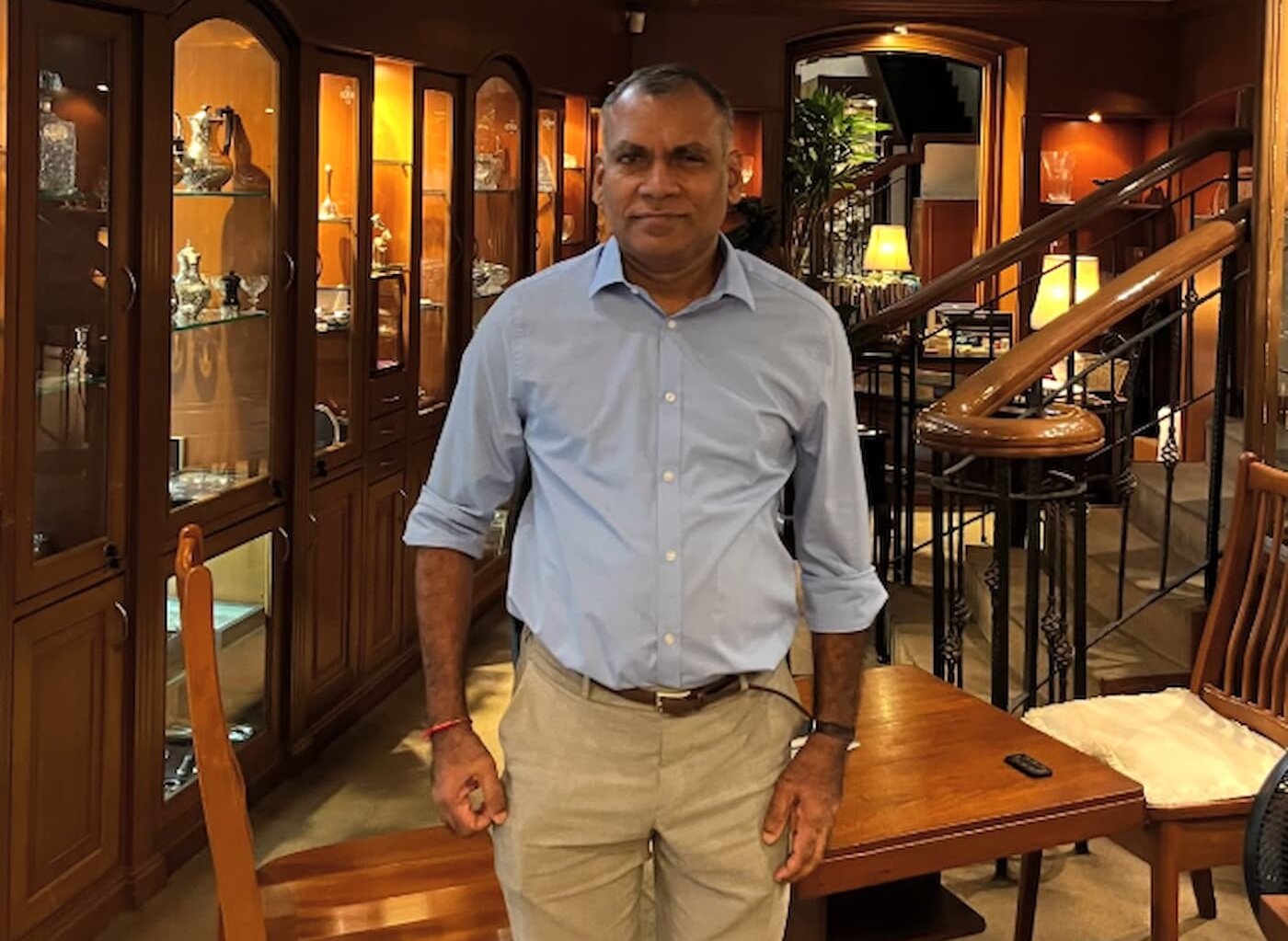
That sense of continuity is not confined to textiles alone. A short distance away along Jalan Tun Perak stands P.H. Hendry – a jewellery and curio shop established in 1902. Today, it is led by Suren Hendry, the third-generation custodian of the family business, who continues to carry forward its legacy with quiet dedication. Warm and approachable, he shares the story behind the business.

P.H. Hendry Jewellery, located along Jalan Tun Perak, sits directly opposite the old Panggung Bandaraya.

“Our great-grandfather was a trader from Ceylon – now Sri Lanka – dealing in silk, gemstones and other goods, though the family’s main trade was jewellery-making,” he says.

“Interestingly, he first opened a cake shop – Ceylon Bakery. It was only later, when my grandfather decided to focus on jewellery, that the business took its current direction.”    

Though now located slightly away from the main cluster of jewellery shops, P.H. Hendry carries a deep sense of history. Originally situated at the start of Batu Road near what is now Dataran Merdeka, Suren shares that the business expanded in the 20th century to include gemstone jewellery, engraving, watchmaking and the trading of trophies and sterling silver.

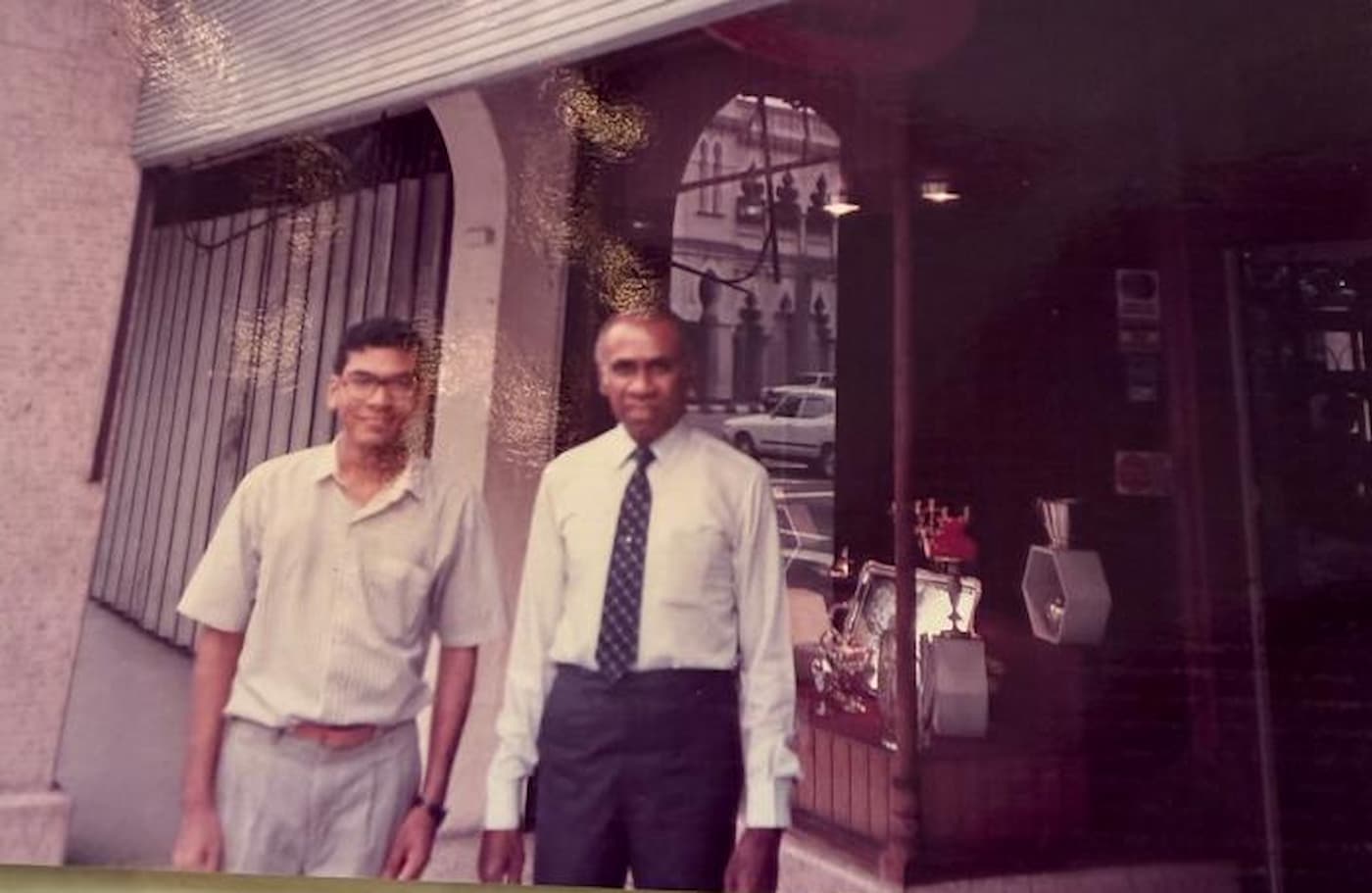
Suren Hendry inside the family’s jewellery shop. Below:  A multigenerational legacy: Suren with his father, Dato’ P.G.D. Hendry JP, in front of their shop along Jalan Tuanku Abdul Rahman.

“At one point, we were royal jewellers to Negri Sembilan and Selangor in 1929, and to Kelantan in 1948,” Suren notes. “Our clients included aristocrats and prominent figures such as Tunku Abdul Rahman and Sir Edward Gent, among others.”

Like Ajuntha Textile and Capital Cafe, P.H. Hendry has witnessed many generations of customers. While Suren acknowledges the importance of moving into the digital space, he believes certain experiences remain irreplaceable.

From left: Sketch of the original P.H. Hendry shop located at Batu Road (now Jalan TAR), a building that has since been demolished; Emblem of Tuanku Abdul Rahman, the first Yang di-Pertuan Agong of Malaya, produced by the family after independence; P.H. Hendry was involved in the creation of the Diamond Fringe Tiara for the Sultanah of Negri Sembilan, Tuanku Kurshiah, the first Permaisuri of independent Malaya.

“With jewellery, especially high-value pieces, it’s better to see them in person before buying,” he says.
Time inevitably brings change – in prices, labour costs and even design preferences. Where once intricate craftsmanship was in demand, many customers today favour simpler styles.

Yet businesses like these continue to define Jalan TAR and its surrounds. Their endurance is not only a matter of sentiment, but also of service to the communities that sustain them.        

In preserving these enterprises, we are also preserving a shared continuity – one that allows us to look back, engage with the present and move forward alongside the communities that have shaped this place over time.

Discover more stories

Ooops!
Generic Popup2