Familiar Flavours, Reworked

MANJEET DHILLON | 21 April 2026

ACROSS our city, food heritage does not only live in recipes that remain unchanged. It also moves forward – reworked, reinterpreted and presented in ways that speak to a different generation. The ingredients stay close to home, the flavours remain recognisable, but the form shifts.

In this way, the city’s food story continues not just through preservation, but through adaptation – where older references are carried into new contexts without losing their grounding.    

Along Jalan Petaling, this conversation unfolds inside a restored shophouse.   

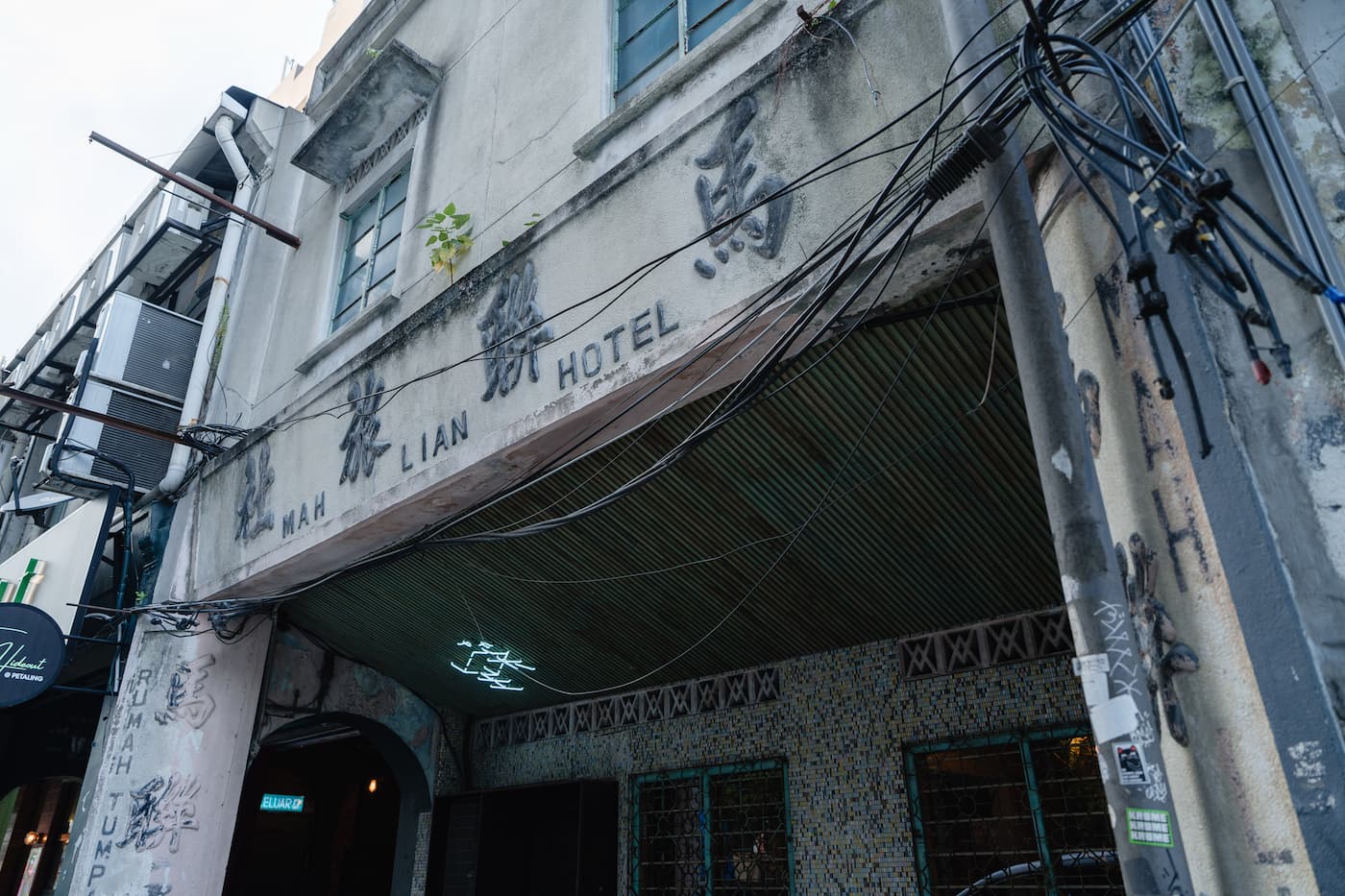
Chocha Foodstore sits within a building that has stood for almost a century. Once the Mah Lian Hotel, the structure was brought back into use in 2016 by architect Shin Chang and his team. Rather than rebuild, they chose to retain what was already there – peeling plaster, raw concrete walls, mosaic tiles worn with age. The original “Mah Lian Hotel” signboard remains in place, a quiet marker of what came before.


Inside, the space opens up to a central courtyard, where light falls through the building in a way that feels unchanged. The layout holds its earlier life, even as the function has shifted – from lodging to restaurant, from temporary stays to something more rooted.

“The name ‘Chocha’ comes from the Hakka phrase for sit and drink,” explains Li Youn Chang, who manages the place. It suggests a pause, a place to gather. But in the kitchen, the work moves with intent.

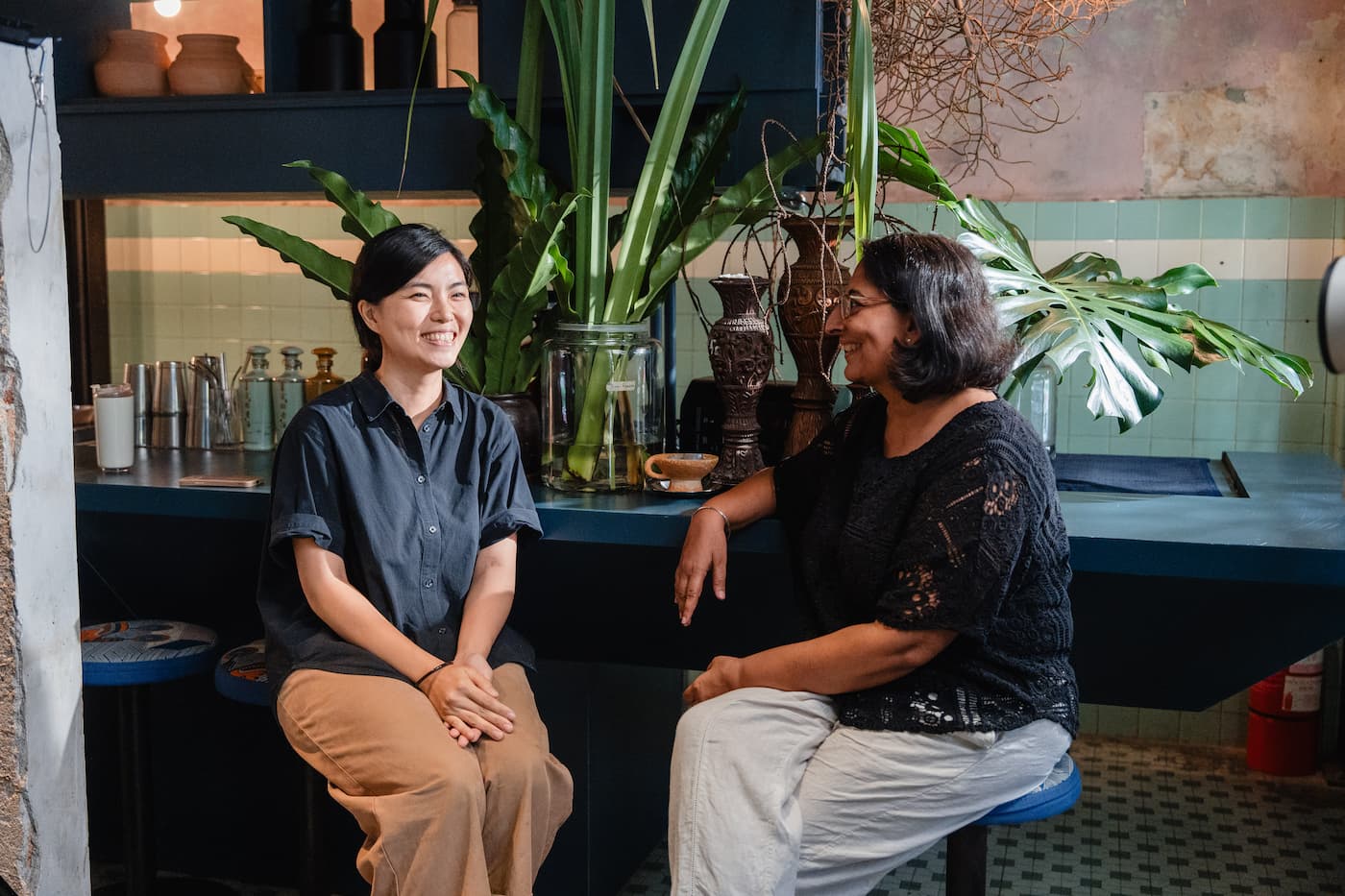
Youn and writer Manjeet in conversation about Chocha, reflecting on its place in Kuala Lumpur’s evolving food and cultural landscape.

Chocha is a contemporary Malaysian restaurant. Its approach is not to move away from tradition, but to work within it – drawing from local ingredients and rethinking how they are presented.

The menu reads like a map that extends beyond the peninsula – baung, kasam ensabi, tuhau, losun – names that may even be unfamiliar to residents of KL. Many of these ingredients come from Sabah. Some are sourced directly by Sabahan native Chef Nazri Gapur, who makes trips to the Borneo market in Seri Kembangan when he can.   

“Sometimes I go myself, sometimes suppliers bring in small amounts,” he says. “It depends on what is available that week.”   

Chef Nazri has been with Chocha for close to a decade. When he speaks about the food, it is less about reinvention and more about continuity.   

“It always starts with taste,” he says. “Memory. If the flavour is not right, then no point changing anything else.”
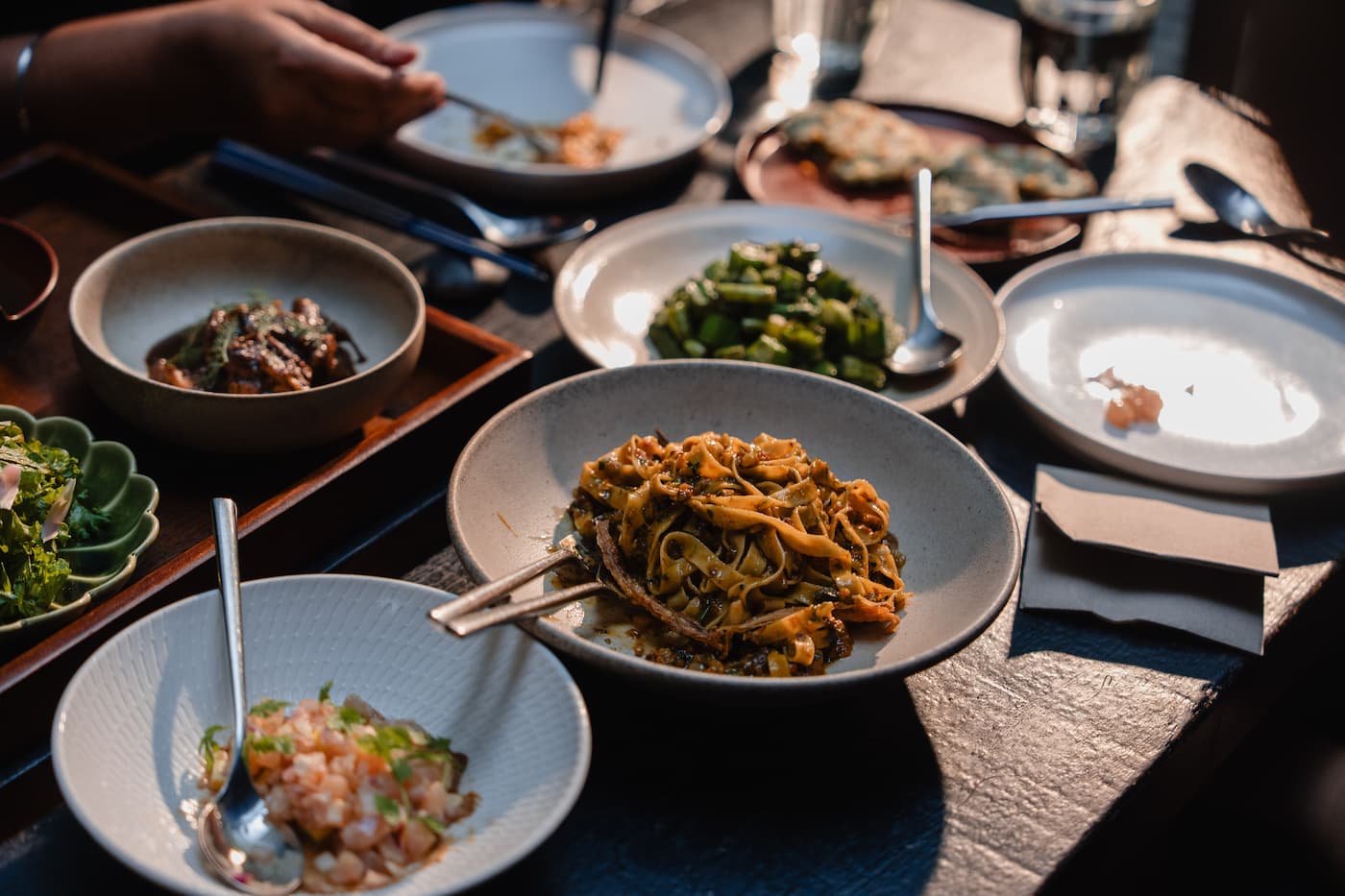
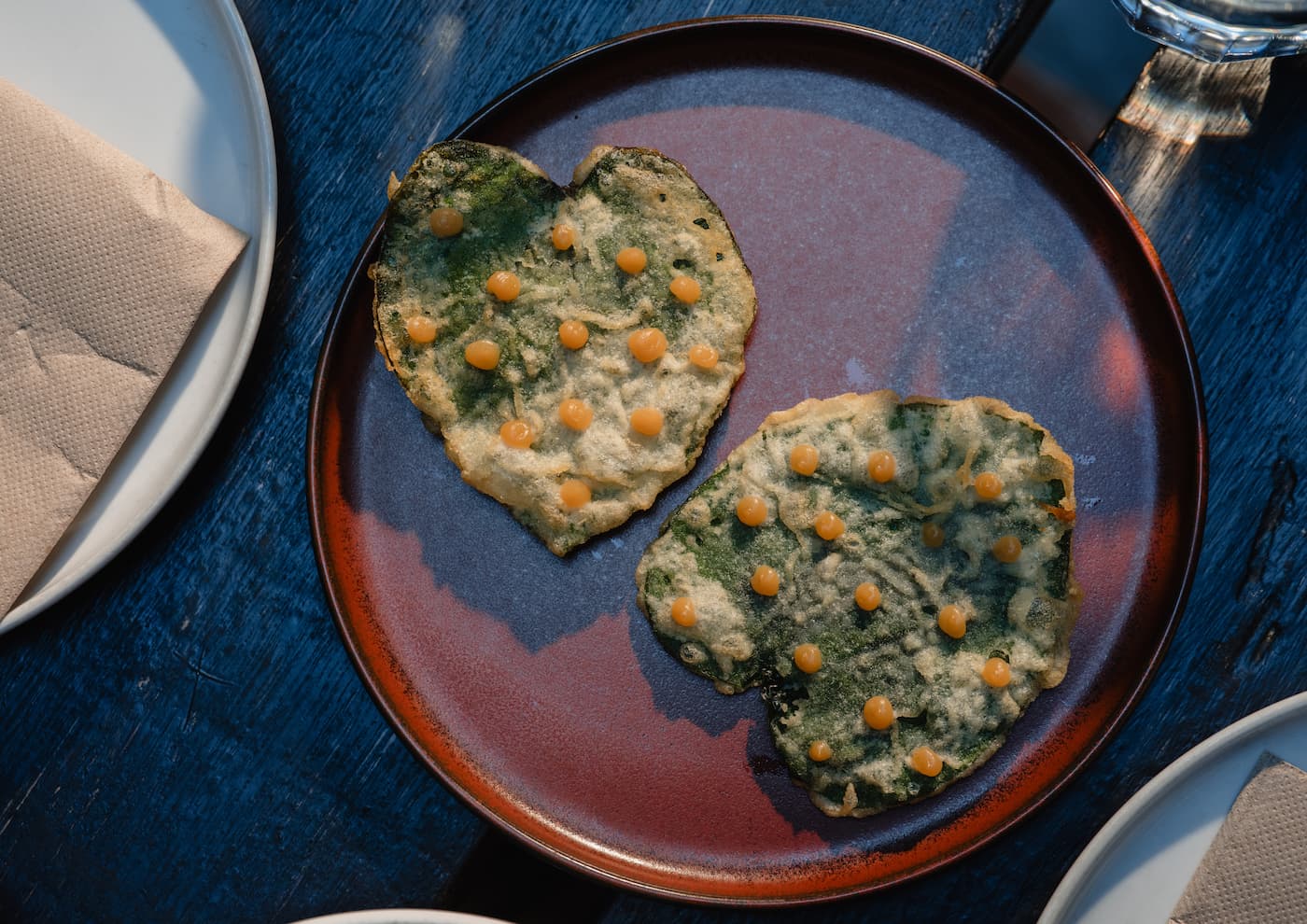
Across the menu, dishes are built on this principle. Familiar elements appear, but not always in expected forms. Tempura kadok brings together wild pepper leaves and mackerel paste, echoing the texture of otak-otak while introducing a different structure. Ulam, seafood and herbs are layered with sauces or purées that draw from regional references, sometimes revealing themselves only gradually.
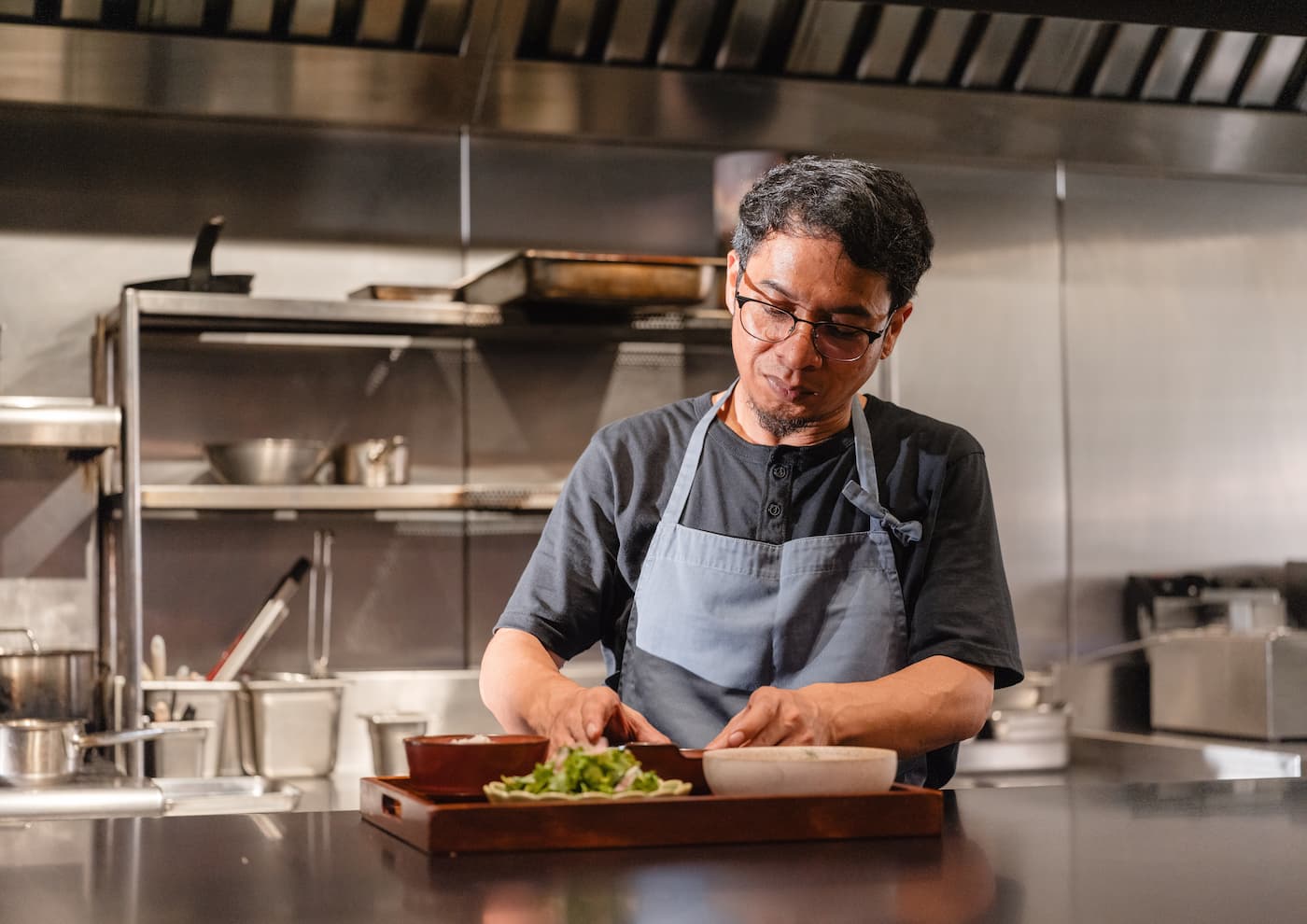
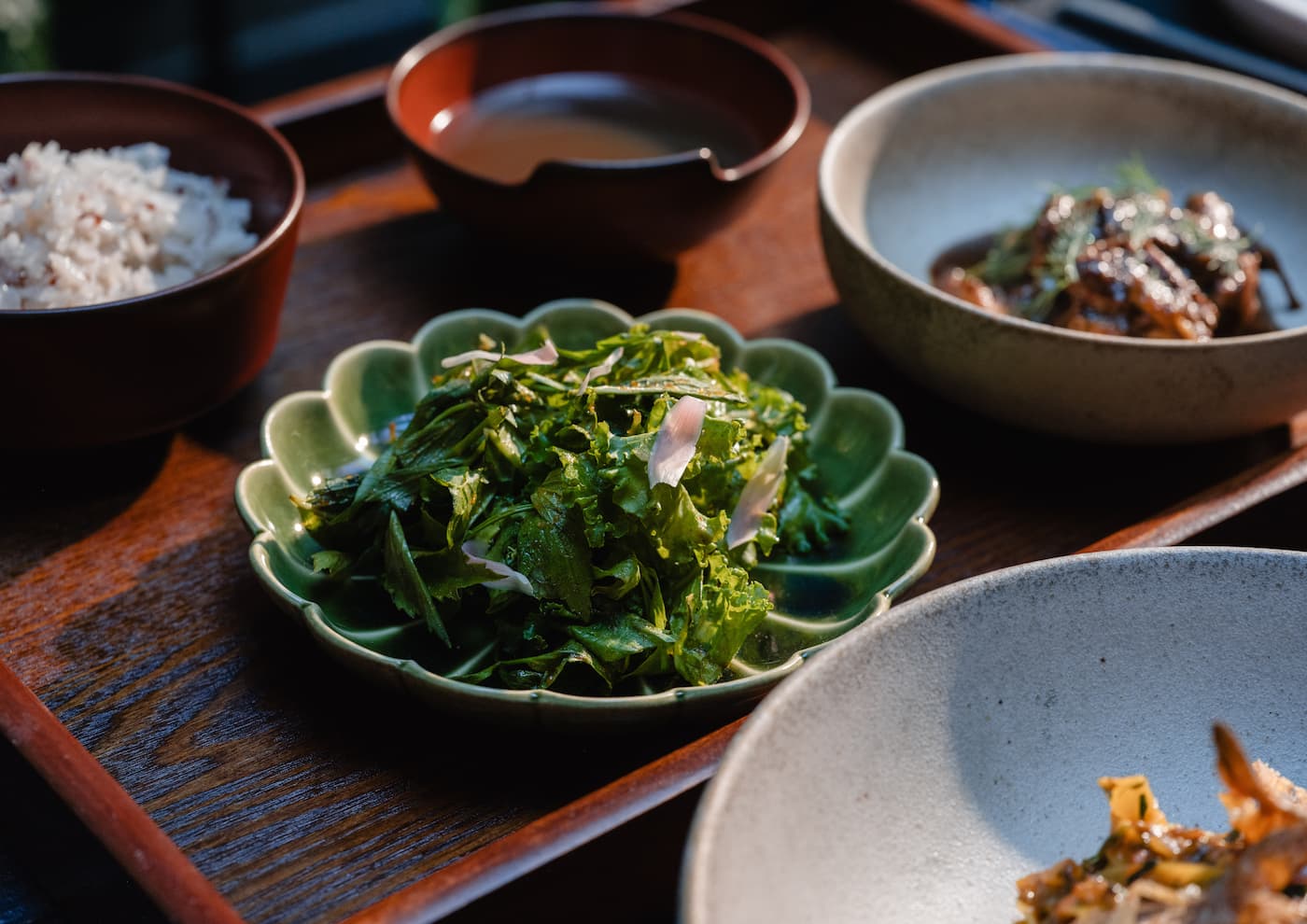
Chef Nazri plates nasi gulai kerutuk with duck leg, served alongside ulam-ulaman, duck fat rice, sambal tuhau, and a duck bone soup.

“I like to keep things familiar first,” Nazri says. “Then slowly you discover the rest.”

Vegetables are treated with equal attention. Winged beans, okra, petai and pickled greens are brought together with ingredients such as kulim oil or paired with elements like pucuk manis hummus – combinations that feel unexpected, but remain grounded in flavour.       

Rice and larger plates follow a similar logic. Dishes such as nasi paired with gulai kerutuk-style proteins are presented in a way that allows each component to be taken on its own or together – rice, sambal, herbs, broth – closer to how a meal might naturally unfold rather than as a fixed composition.     

“I don’t want to overcomplicate,” Nazri says. “The ingredients already have their own strength.”     

That thinking extends to how less familiar ingredients are handled. Ambuyat, traditionally soft and pulled before dipping, is reworked here – fried until it holds its shape, shifting its texture and how it interacts with accompanying flavours.     

“It’s still the same ingredient,” he explains. “Just a different way for people to eat it.”    

Cempiang – often compared to a savoury doughnut – is reinterpreted with curry powder and paired with gula apong, where sweetness and spice sit alongside each other without one overtaking the other.

Across the menu, the ingredients remain identifiable. What shifts is how they are encountered – through texture, structure and sequence.

Outside the kitchen, the building continues to hold its own narrative. The aged surfaces, the retained signage, the central courtyard – all point to a decision to reuse rather than replace.       

The project was not just about opening a restaurant, but about giving a disused space a second life, allowing it to remain part of the neighbourhood.     

In that sense, Chocha reflects a broader pattern across Kuala Lumpur. Heritage is not always static. It can be carried forward in different forms – through architecture, through food, through the ways spaces are adapted to new uses.     

There is no single way to define contemporary Malaysian cuisine. But here, it takes on a clear shape. The ingredients remain local. The flavours are grounded. What changes is the way they are brought to the table.
And like many other places across the city – whether in long-standing bakeries or reworked shophouses – the work continues in this balance between what is kept and what is reimagined.

Chocha Foodstore
Address: 156, Jalan Petaling, Kuala Lumpur
Phone: 03-2022 1100
Website: www.chochafoodstore.com

Discover more stories

Ooops!
Generic Popup2