Enduring Recipes

MANJEET DHILLON | 21 April 2026

Wooden moulds, traditional baked mooncakes, and delicate snow skin creations offer a glimpse into the craft and care behind the artisanal offerings at Seong Ying Chai. – Photos: Way Studio

Seong Ying Chai is a long-standing bakery in Kuala Lumpur where seasonal pastries, handmade techniques and inherited knowledge continue to define its place in the city.

IN Kuala Lumpur, there are shops that sit quietly along older streets, their work tied less to passing trends and more to the calendar. Recipes are not written so much as remembered, carried forward through use and adjusted by hand.
 
Across the city, these places continue as family-run kitchens, where one generation steps in after another, not always by design, but often by circumstance.       

Each year, before the Mid-Autumn Festival in September, for example, mooncakes begin to appear across the city. For many, they are familiar: dense fillings of lotus paste or red bean, encased in a golden crust, their roundness tied to reunion, to gathering at a fixed point in the year.

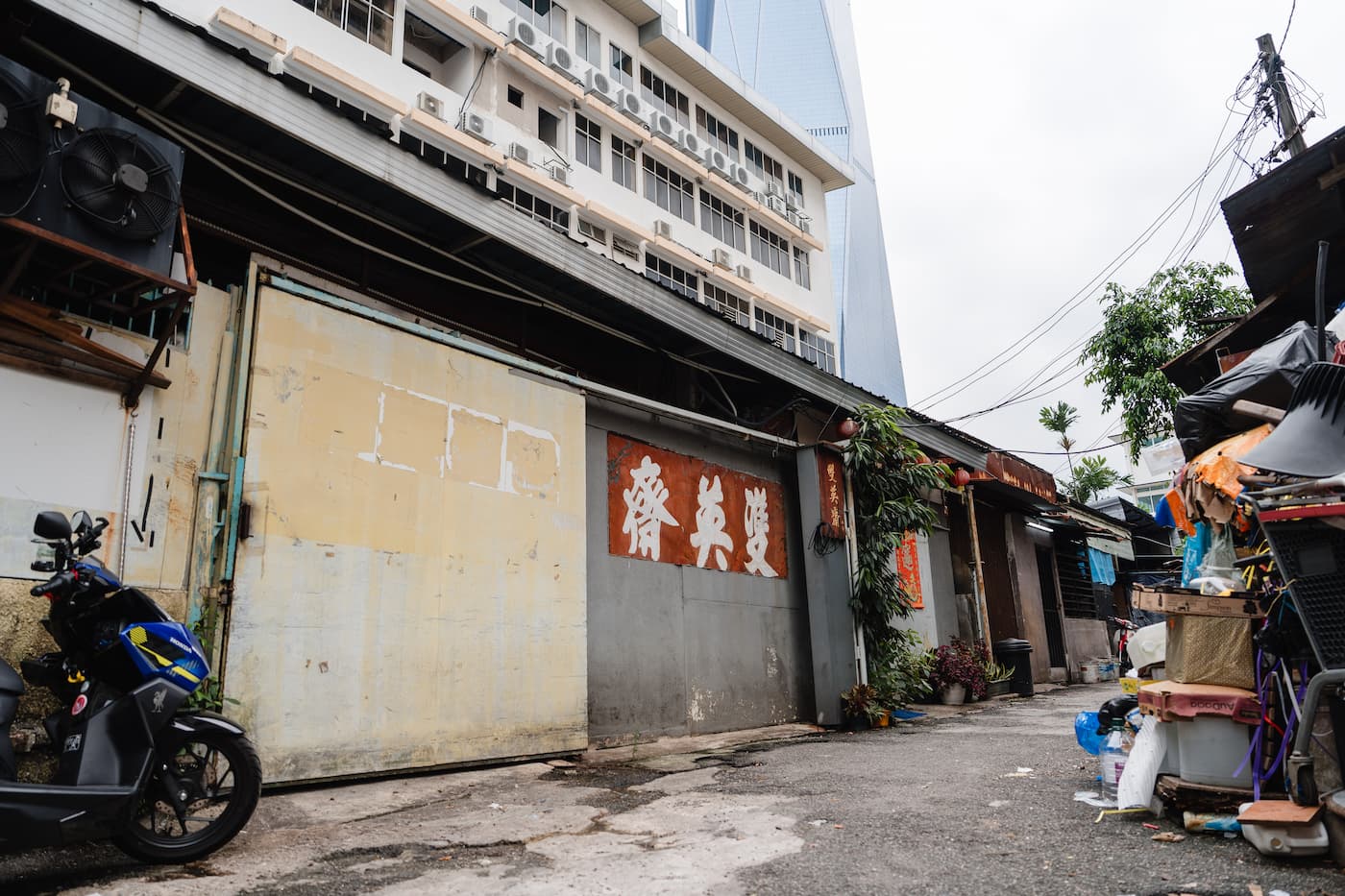
Seong Ying Chai sits just off Jalan Sultan, easy to miss unless you know to look for it.

During this season, if you stepped off the main stretch of Petaling Street and into Jalan Sultan, you’d find Seong Ying Chai. A store that sits slightly out of the way, easy to miss unless you are looking for it. Inside, work would be already underway.

Dough rests on the table. Fillings are portioned beside it. One follows the other without pause – wrapped, shaped, pressed. The movements are continuous, picked up from where they left off the day before.

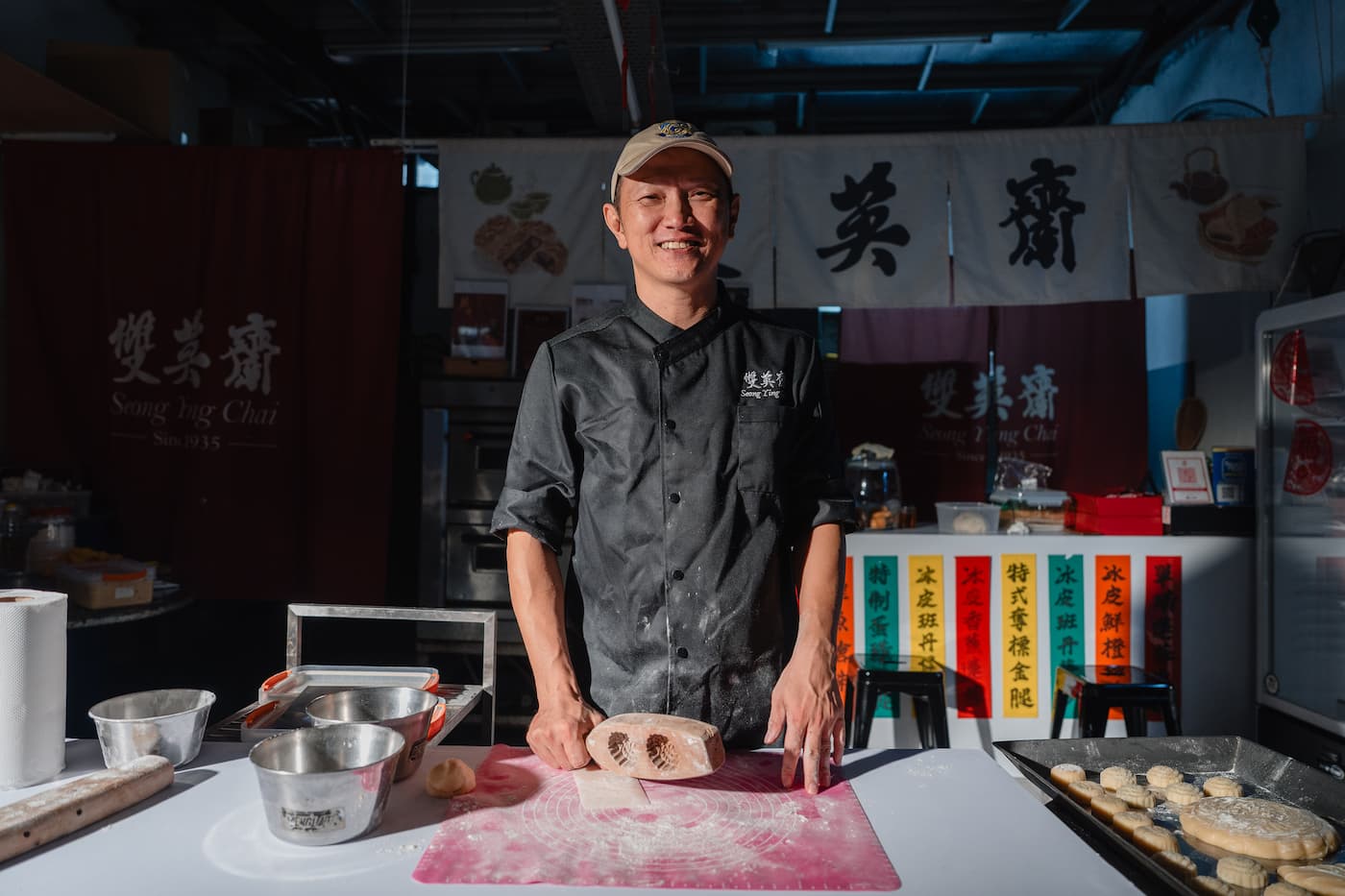
Leonard Lee at work, shaping dough before it meets the mould.

“We don’t really stop,” says proprietor Leonard Lee. “Once the season starts, it just continues like this every day.”
The shop dates back to 1935. It began as a Cantonese restaurant before moving into pastries, becoming known for its mooncakes over time. Lee is the third generation. As a child, he spent time around the shop, watching more than participating.

“I was always here, but not really thinking I would ever take over someday,” he says. “At that time, it was just the family business.”         

He eventually moved into a different line of work. When the shop closed in 2016, it seemed final. He recalls. “We closed, and that was it.”     

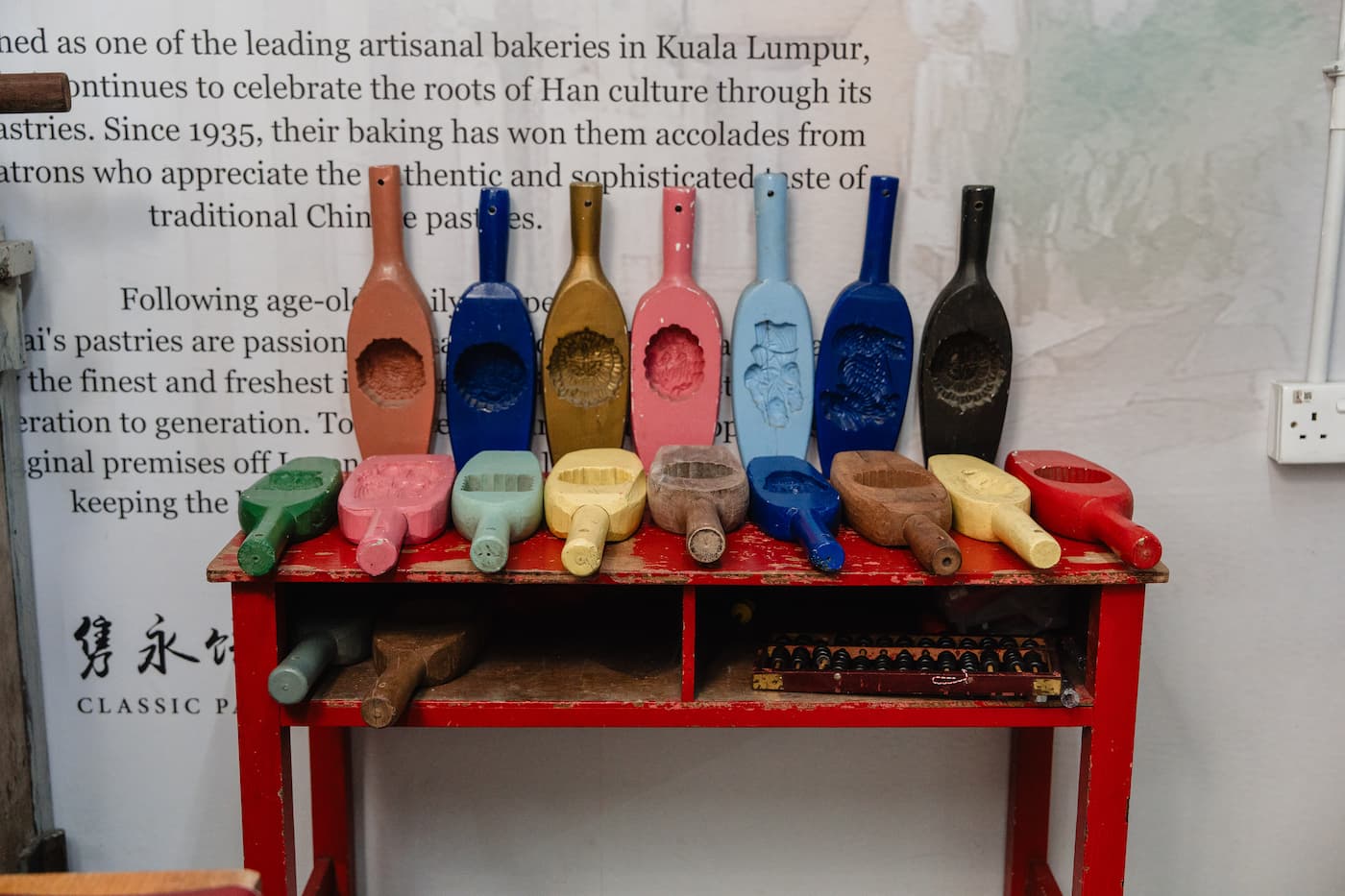
But the following year, a fire broke out nearby. Lee returned to the shop to retrieve what he could. Among the things he carried out were the wooden mooncake moulds – worn smooth from decades of use, some older than he was.

Rows of moulds, worn from use, each holding a different pattern.

“The moulds, those I knew I had to keep,” he says, adding that as he carried them out one by one, a decision was made.

“I didn’t think about reopening before that,” he admits. “But after going back in, seeing everything again… I felt maybe we should continue.”       

By 2018, Seong Ying Chai was operating once more.     

Inside the shop today, much of the work follows the same pattern it always has. Fillings are made in-house and cooked slowly, adjusted along the way. Dough is handled by feel rather than strict measurement.
“No recipe is written down,” Lee shares. “It’s all agak-agak. You see, you feel, you adjust.”

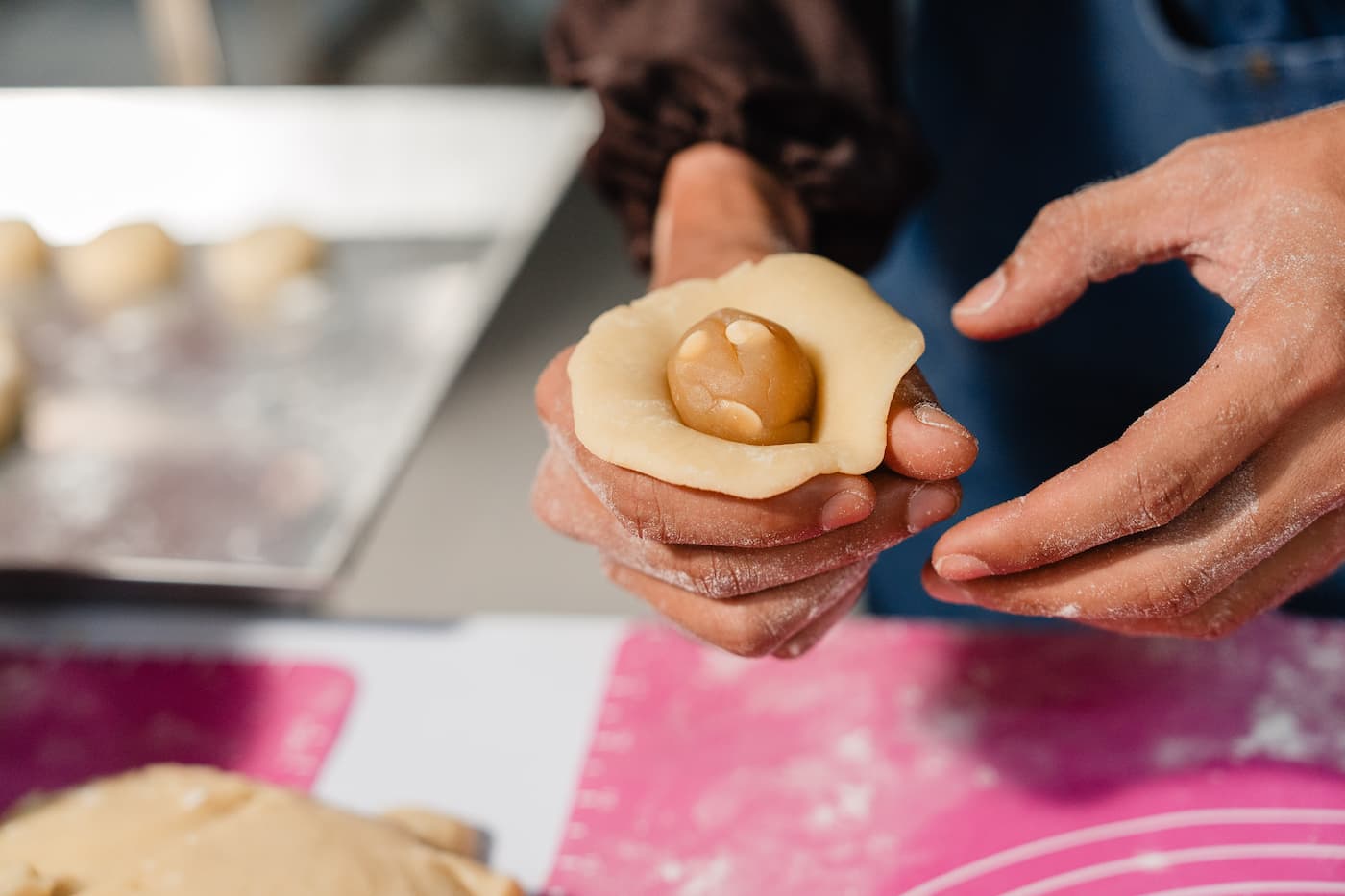
Dough wrapped around filling, shaped by hand before pressing.

Each piece is shaped by hand before being pressed into a wooden mould. When the mould meets the table, it produces a soft, steady knock – one that begins to set the pace of the room. Dough releases cleanly, the pattern holds, and the next piece is already being prepared.

“You listen long enough, you will notice the sound,” he says with a small smile. “If something is not right, even the sound is different.”        

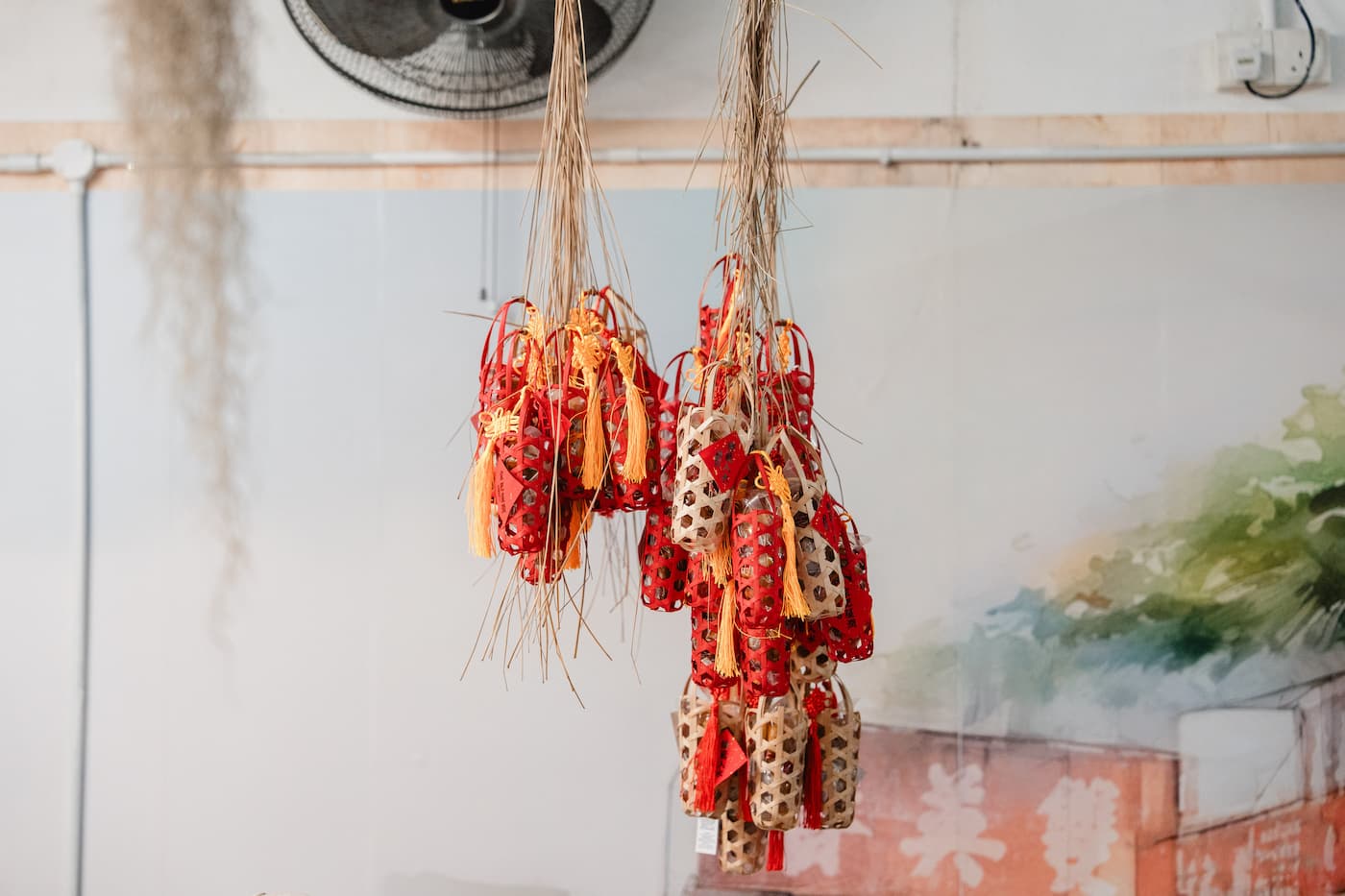
Near the front of the shop, a cluster of small baskets hangs in view – some plastic, some woven. Inside them are small animal-shaped biscuits, a quieter part of the Mid-Autumn season.     

“They were originally from leftover dough,” Lee explains. “We used them to test the oven before baking the mooncakes.”     

Without filling, they were more affordable, often bought for children while the mooncakes were reserved for the main table. Over time, they became part of the tradition in their own right.

Biscuits in hanging baskets, hung and ready.

Lee points to a Cantonese phrase: zhu long ru shui – loosely translated as “cages entering the water,” a symbol of wealth flowing in. “That’s why sometimes you see them sold in pairs,” he says. “There is meaning behind it.”

The shop’s rhythm changes with the year. Mooncakes are made for the Mid-Autumn Festival; pineapple tarts follow closer to Lunar New Year. These are not items produced year-round. They arrive when the season calls for them.       

“People know when to come,” Lee says. “We don’t need to tell them.”     

It always returns to taste – and to consistency.     

“The crust must hold, but not too hard,” he explains, referring to the pineapple tarts. “The filling cannot be too wet, cannot be too dry. If it changes, customers will know.”    

Many of those customers have been returning for years. Some come in person, others send someone on their behalf. Over time, the faces change, but the act of returning remains.    

“Sometimes the parents come, later the children come,” Lee says. “Same family, different generation.”    

There have been adjustments. Leonard has travelled to Hong Kong to pick up new techniques. The range has expanded to include crystal skin mooncakes, and new flavours appear from time to time.    

“But the way we work is still the same,” he says. “That part doesn’t change so much.”
Through the day, the sequence continues – filling, wrapping, pressing, setting aside. Small corrections are made without comment: a slight change in pressure, a longer pause before baking.
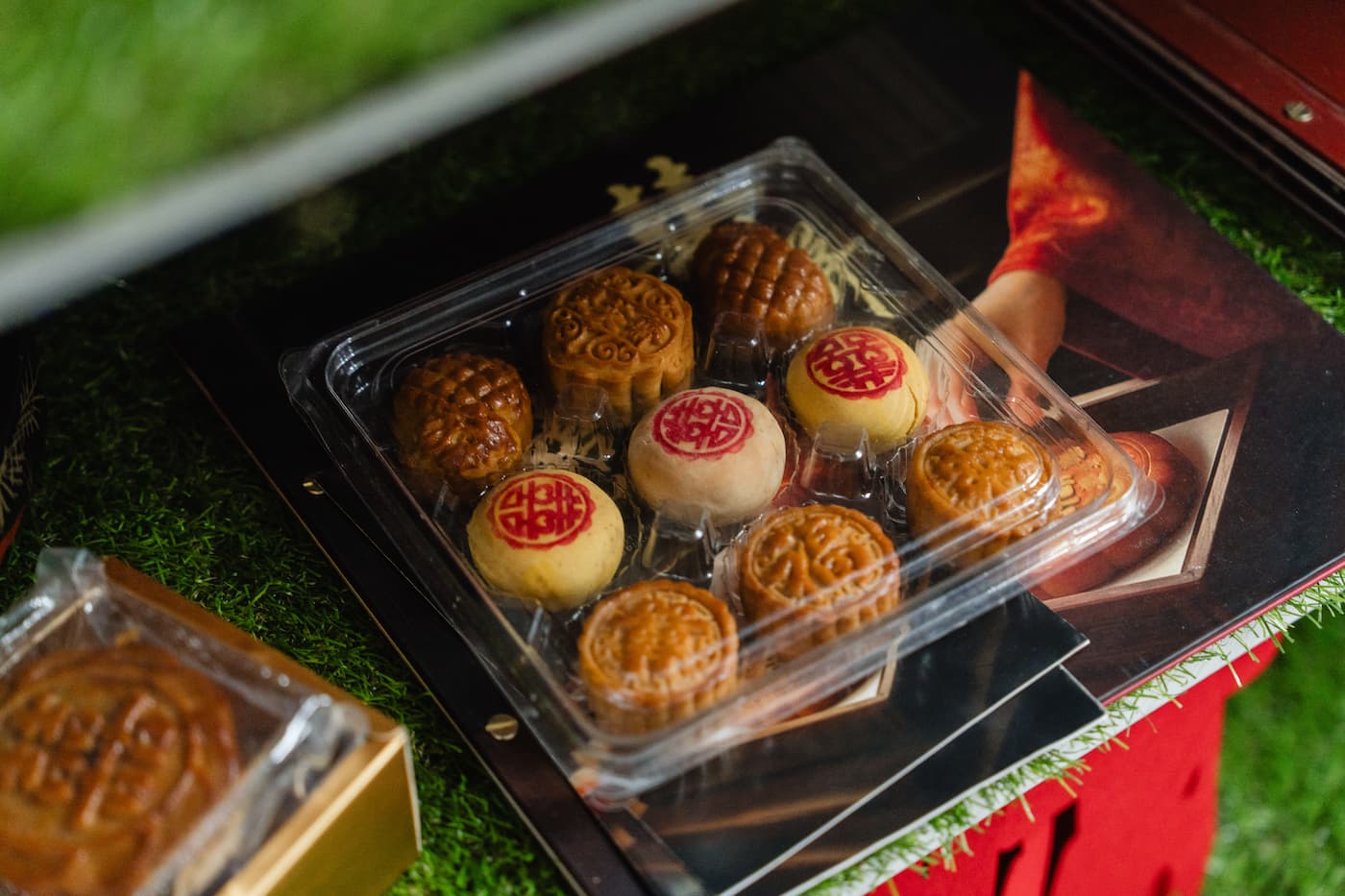
Packed and ready for the season, the mooncakes move quickly once they reach the counter.

At one point, Lee runs through the full process in quick succession, shaping and pressing with practiced ease. Each movement follows the next without hesitation.

“You do it long enough, it becomes natural,” he says.    

He is quick to credit those around him – his wife, Jacklyn Yap, the kitchen team, and close friend Loke Poh Lin, who supported the reopening.    

“I didn’t do this alone,” he says. “Without them, the shop wouldn’t come back.”    

Across Kuala Lumpur, there are many places like Seong Ying Chai, shops that have lasted decades, sometimes nearly a century. Their recipes are not written so much as remembered, carried through use, adjusted by hand and by feel.    

They do not always draw attention to themselves, but they continue through the year, returning with the seasons and the people who come for them. What continues is not a fixed form, but a way of working, repeated each season as it returns.

Seong Ying Chai
Address: 191A, Jalan Hang Jebat, City Centre, 50150 Kuala Lumpur, Wilayah Persekutuan Kuala Lumpur
Phone: 019-831 9019
Website: seongyingchai.com

Discover more stories

Ooops!
Generic Popup2