Jelajah Warisan KL Rekindles the Spirit of Togetherness and Heritage

18 March 2026

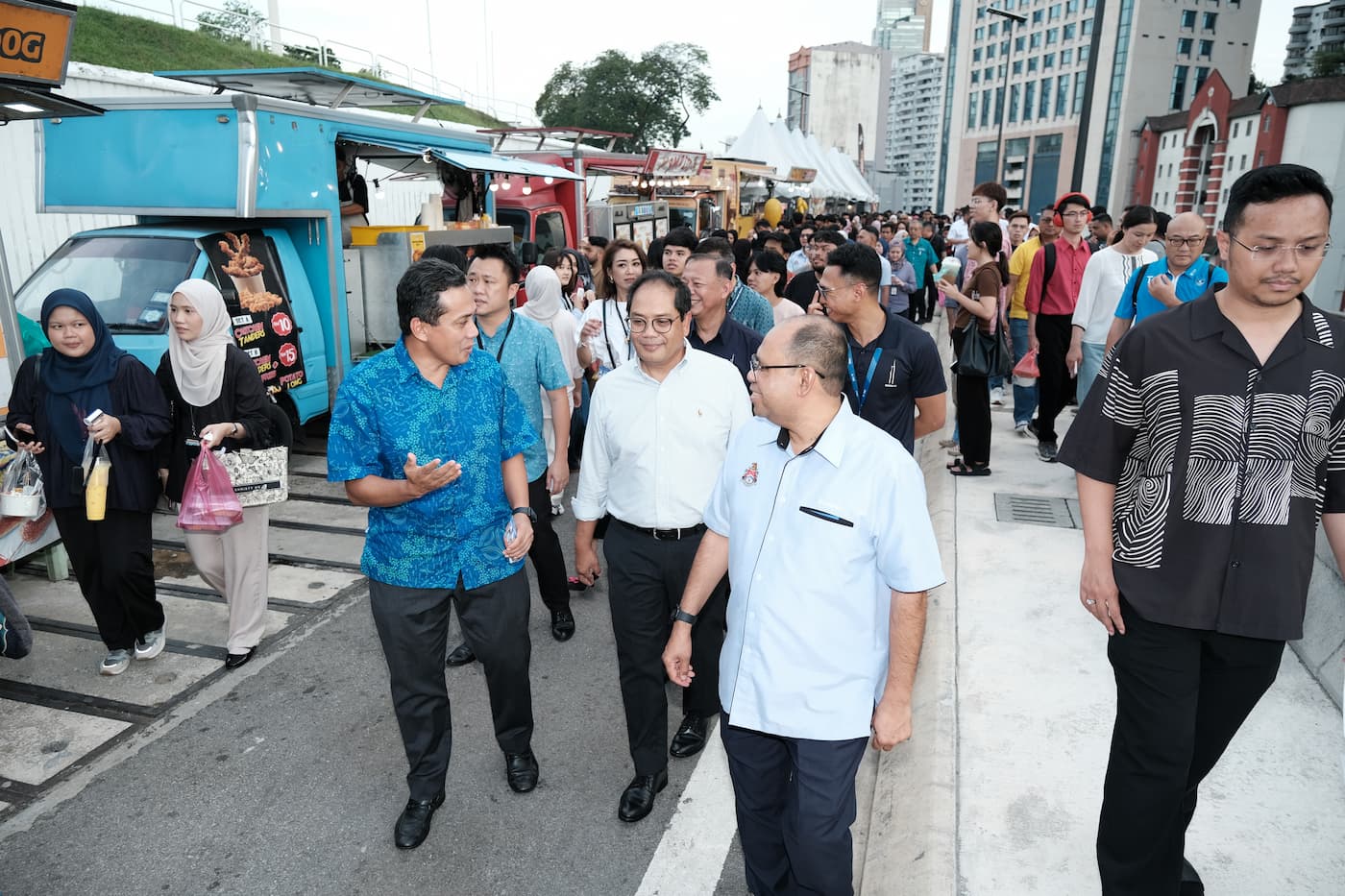
Dato’ Ir. Ts. Izwan Ibrahim, chief executive officer of PNB Merdeka Ventures, with DBKL Executive Director (Project Management) Tuan Shamshul Joehari during the recent walkabout around Stadium Merdeka in conjunction with the inaugural Jelajah Warisan KL. 
THERE was a time when the stands of Stadium Merdeka pulsed with energy and the roar of thousands – not only for football matches but for defining moments that shaped the nation – Merdeka Cup matches, national celebrations and shared moments of pride.

It was here, on Aug 31, 1957, that the historic cry of “Merdeka!” was proclaimed, marking the birth of a new nation and cementing Stadium Merdeka’s place as a cornerstone of Malaysia’s identity. Decades later, the stadium, recognised today as a National Heritage (Warisan Kebangsaan) landmark continues to evoke deep sentiment.
    
Recently, as Malaysians gathered on its hallowed grounds for iftar, the Warisan KL working committee took to the ground for the inaugural Jelajah Warisan KL series, an on-ground approach to deepen understanding of KL’s identity while advancing the values of Ekonomi MADANI, particularly inclusivity, dignity, shared prosperity and the preservation of Malaysia’s cultural narrative, where the sense of unity felt both familiar and renewed.
     
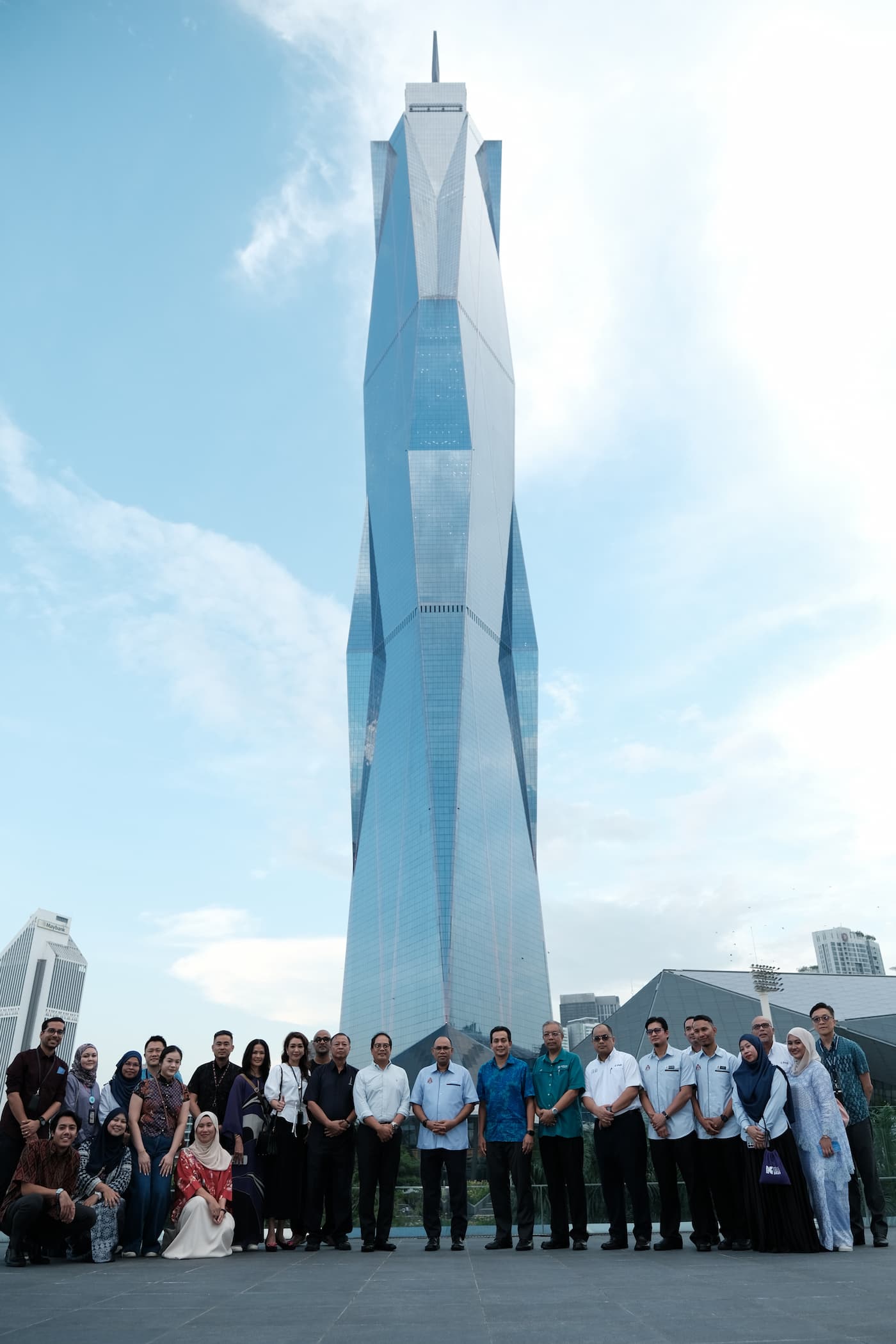
Friends, families, community leaders and representatives from organisations including Dewan Bandaraya Kuala Lumpur, Warisan KL working committee and Think City walked together from the modern precinct surrounding Merdeka 118 to the historic stadium where the nation’s story unfolded.
     
As dusk settled over the city, the scene felt quietly symbolic – the stadium’s historic terraces facing the illuminated tower, while the call to prayer drifted through the evening air and MRT trains glided past in the distance.
     
Kuala Lumpur’s past and present seemed to share the same horizon.

Taking in the sights and flavours of Bazram Merdeka, as hundreds of visitors wander through the surrounding stalls around Stadium Merdeka – a lively mix of aromas, colours and conversations that capture the spirit of Ramadan in the heart of the city.

A Precinct Rooted in History

For Dato’ Ir. Ts. Izwan Ibrahim, chief executive officer of PNB Merdeka Ventures, the relationship between the historic stadium and the modern skyscraper beside it has always been deliberate.

“When we developed Merdeka 118, our anchor – our soul – was and is Stadium Merdeka and its heritage,” he said. “We focused on building this development anchoring it to our heritage, but also making sure the surrounding communities and neighbours benefit from it.”

He pointed to how the stadium continues to be used today – from heritage programmes to community events such as the recent buka puasa gathering and Bazaar Ramadhan Merdeka (BazRam).
“You see people coming in – whether they bring their own food or buy something from Bazram – and they picnic here together,” he said. “It’s rare to see such a global iconic development like Merdeka 118 anchored so closely to heritage.”
     
According to Izwan, the vision behind the precinct was always to create something that was both globally significant and deeply Malaysian.
     
“You might see strong commercial developments elsewhere, but to build a global and sustainable precinct at the very place where Malaysia was born – that is something special. And that, really, is our story.”

Design Inspired by Heritage

The connection to heritage was embedded in the project from the beginning – even in the tower’s name and design.

“It was intentional from the start – building it around Stadium Merdeka,” Izwan said. “If you look at the tower, the design is inspired by songket patterns and by Tunku Abdul Rahman’s proclamation of Merdeka.”
    
He added that the development aims to showcase Malaysian culture in ways that go beyond architecture.
“We will also be positioning the mall differently from other malls – highlighting Malaysia’s heritage and local products on a global stage.”

The stadium itself also holds personal memories for him. “I have played football many times at Stadium Merdeka – and I even scored one great goal there,” he said with a laugh. “I also came for concerts here … I remember Bon 
Jovi in 2018!”
 
He added that playing on the field today offers a new perspective. “Now when I play football here with Merdeka 118 in the background, it’s just amazing. And yes – I still play!”

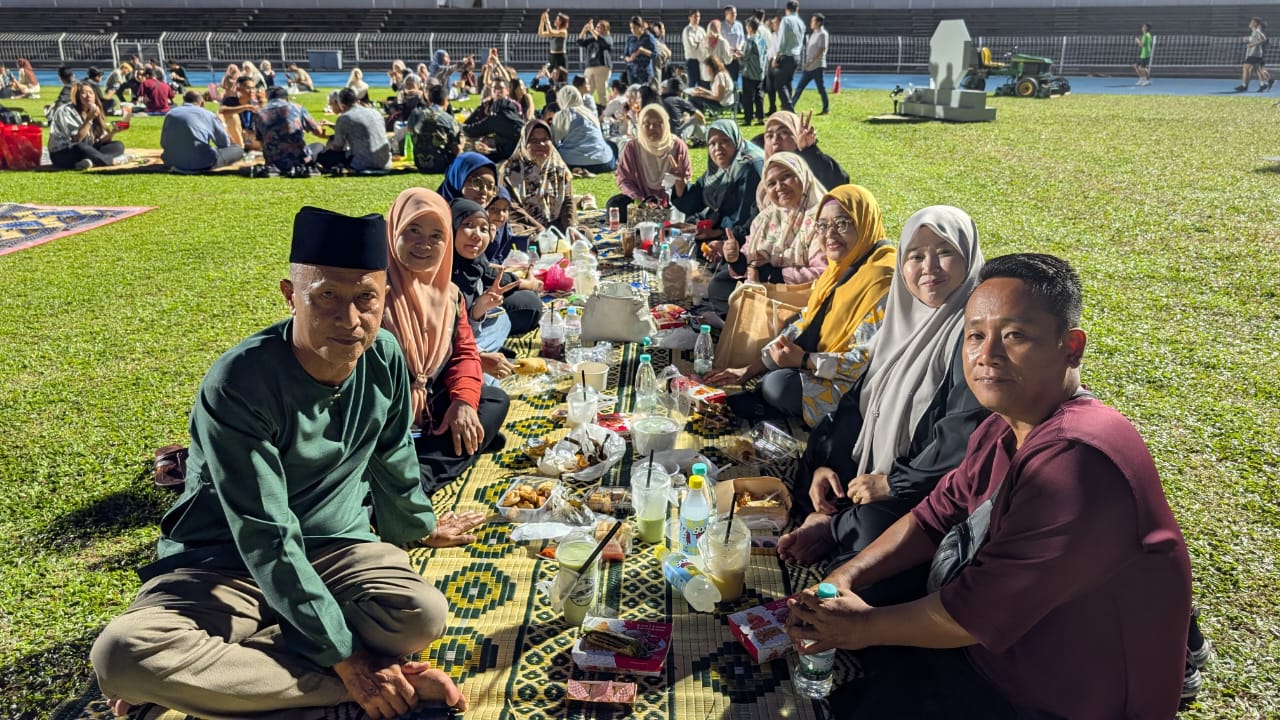
Members of the Warisan KL Working Committee and friends come together to break fast at Stadium Merdeka during the Jelajah Warisan KL — an evening marked by shared stories and a renewed sense of community at one of the city’s most storied landmarks.
A Stadium That Lives Again

As the heritage walk concluded, participants made their way onto the field. Here, the evening shifted into something deeply communal.

Participants gathered for buka puasa, selecting food and drinks from the lively BazRam Merdeka stalls before returning to the stadium field, where rows of people sat together for buka puasa picnic on mats waiting for the azan.
      
Families, community leaders, residents from nearby public housing, students, heritage advocates and visitors all shared the same space – Malaysians of every background, along with migrants and tourists curious about the stories of the city.

For Izwan, evenings like this reflect the deeper purpose behind the initiative.

“Walking from Merdeka 118 to Stadium Merdeka symbolically connects Malaysia’s past with its present and future,” he said. “Breaking fast together here reinforces that heritage sites are not just monuments – they are living spaces for communities to gather.”
Rediscovering the City Together

Community leaders present echoed that sentiment, describing the programme as both meaningful and educational.

Thay Peng Kee, secretary-general of the Selangor and Kuala Lumpur Hokkien Association at the Kuan Yin Temple Kuala Lumpur, said the evening brought together people from many backgrounds in a setting that carried deep memories.
     
“This is very meaningful and very educational for many of us – not just the Muslim community but people from different ethnic and religious backgrounds,” he said.

“The setting is wonderful, right here in front of the 118 tower and in this historical place that many of us grew up with, especially during the days of the Merdeka Cup in the 1970s and 1980s. Events like this are innovative – something new for all of us.”
     
For Mohd Hilmi Abu Bakar, deputy chief commissioner of Persekutuan Pengakap Malaysia, the evening also highlighted the importance of passing heritage knowledge to younger generations.
    
“Our headquarters has been nearby, on Jalan Hang Jebat, since 1956,” he said. “The scouts, the stadium – we are all part of this city’s heritage.”
    
He added: “It is important for young people to understand the history of landmarks like this and appreciate them so they remain protected for the future. Activities like this bring youth closer to these places.”

Mohd Azmi Zakaria, chairman of the residents’ association for PA Seri Sarawak, and his wife Fatimah (left) with their extended family breaking fast at Stadium Merdeka together.
Nearby residents were equally appreciative of the opportunity to gather on such historic ground. Mohd Azmi Zakaria, chairman of the residents’ association for PA Seri Sarawak, described the experience as deeply meaningful.

“We are grateful for the opportunity to break fast here at this historic place,” he said. “It’s wonderful to see people of all races together here. This is Malaysia – berbilang kaum.”

His wife, Fatimah, added simply: “Thank you for inviting us. Our whole family is here tonight and we feel very grateful.”
A Shared Future for Kuala Lumpur’s Heritage

The programme forms part of the broader Warisan Kuala Lumpur initiative – a national effort to revitalise Kuala Lumpur’s historic core by bringing together government agencies, heritage organisations, private sector partners and local communities.

By experiencing these places together, Izwan believes people rediscover their sense of ownership over the city.
“Events like this remind us that this part of Kuala Lumpur is not just somewhere to visit,” he said. “It is a shared space that belongs to the city and its people.”
        
As the evening closed with Maghrib prayers at Masjid Al-Sultan Abdullah, the lights of Merdeka 118 shimmered above the skyline.

Below it, on the same historic ground where the nation once gathered to witness independence, people had gathered again – not to watch history unfold, but to remember that they are part of it.

Discover more stories

Ooops!
Generic Popup2