How the M118 Grant Is Supporting Artists, Heritage and Community Projects

Alex Daud Briggs | 13 June 2026

Cultural festivals , public murals and photography exhibitions are among the initiatives made possible by the M118 Grant, a programme that supports grassroots creatives and community-led projects while celebrating the heritage and cultural identity of Kuala Lumpur.

KUALA Lumpur is constantly reinventing itself. New landmarks rise above the skyline, while in the streets below, artists, photographers, entrepreneurs and community groups continue to add new layers to the city's story.

Standing at the heart of this transformation is Merdeka 118. While the tower has become a defining feature of the city's skyline, its ambitions extend beyond architecture. Through the Merdeka 118 Community Grants Programme, it is investing in the people who celebrate, document and reinterpret Kuala Lumpur's heritage, creating projects that invite the public to see familiar places through fresh eyes.

From community murals and photography exhibitions to neighbourhood festivals and cultural initiatives, the grant has become a platform for grassroots creatives to preserve the city's character while imagining its future.

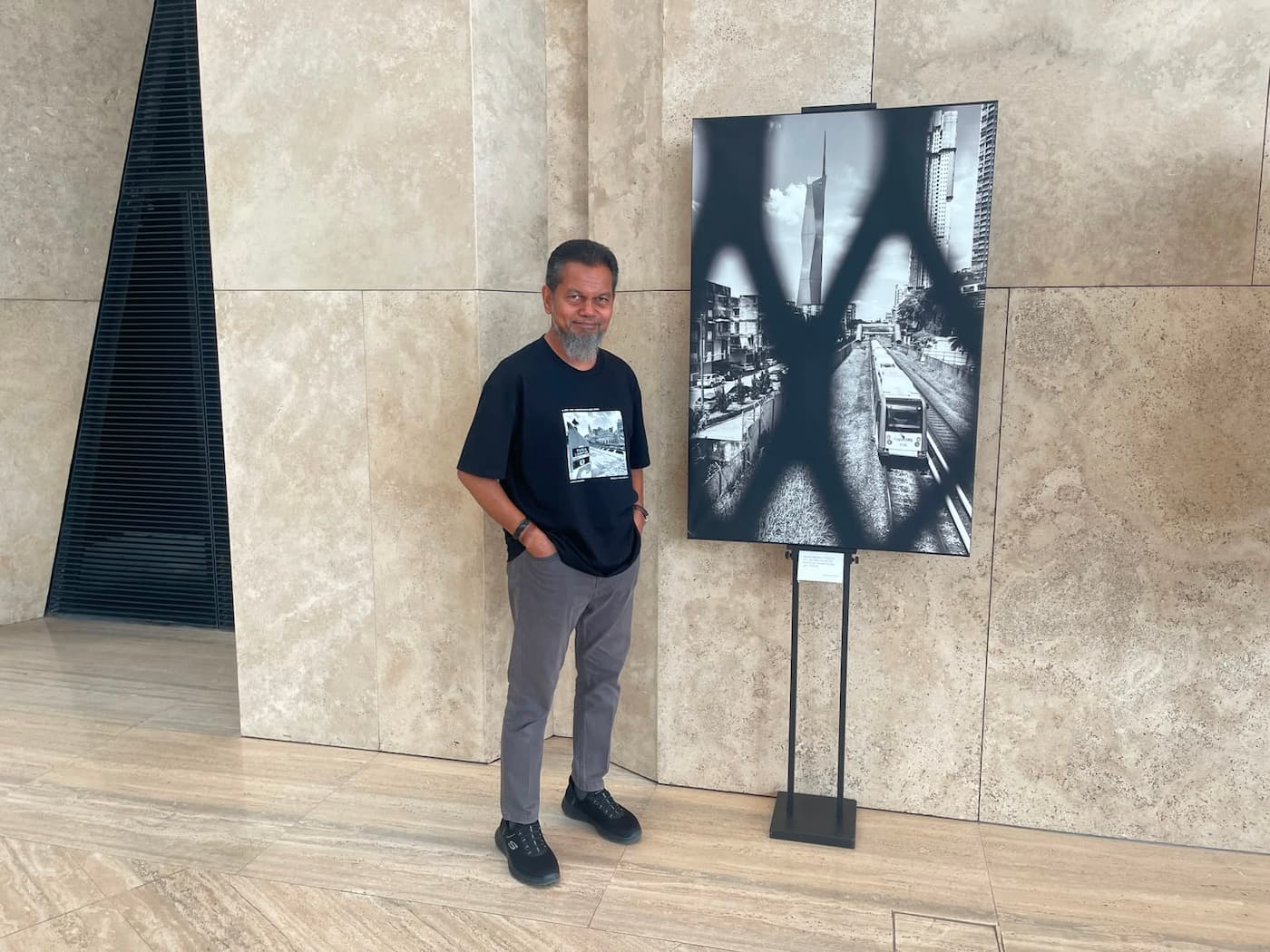
Photographer Azul Adlan (pic below) is one of those storytellers. His project, Under the Shadow of Merdeka, brought together a photo exhibition, workshops with local schools and a newly published book that captures the overlooked corners of the city surrounding Merdeka 118.
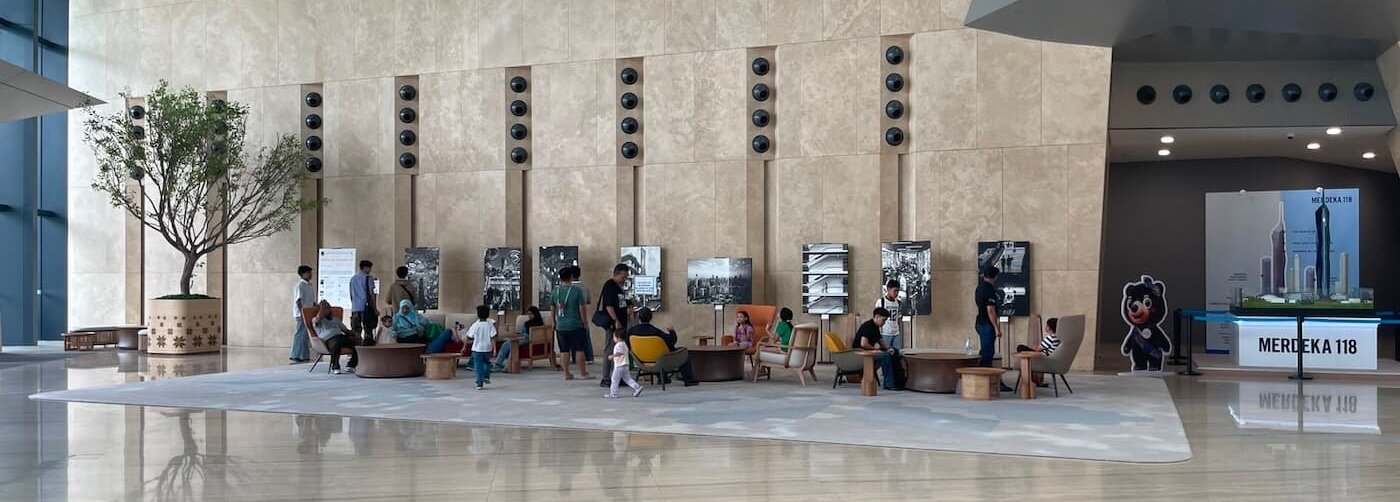
"The objective of my project was actually to go and take pictures of the areas surrounding Merdeka 118," he said. "We went around shooting anything and everything in these areas – the people, buildings, businesses and everyday street scenes."


From community murals and photography exhibitions to cultural festivals, the M118 Grants initiative seeks to help grassroots creatives and communities reimagine Kuala Lumpur through art, heritage and public engagement.

A fine example is the grant awarded to photographer Azul Adlan for his project, Under the Shadow of Merdeka. The project consisted of a photo exhibition, workshops with local schools in the surrounding area, and a newly published book highlighting the lesser-known sights of Kuala Lumpur.

“The objective of my project was actually to go and take pictures of the areas surrounding Merdeka 118, surrounding the tower. We went around shooting anything and everything in these areas, the people, buildings, businesses and street scenes of people going about their everyday lives.”

For Azul, the importance of the project is twofold. It allowed him to share a snapshot of his photography knowledge with a new generation while also showing people a different side of Kuala Lumpur that can be appreciated by visitors from around the world.

“Through another connection, I was able to get a distribution channel. So now the book is actually in Kinokuniya. For me, that's a huge thing. Through the grant, I was able to take the photos and create the book, and now it can be seen by people from all over the world. Visitors and tourists can come and buy that book. This means you're promoting Kuala Lumpur and showcasing it not just to locals, but also to outsiders.”

Photography is only one of many creative pursuits supported by the grant. Previous recipients have used the funding to establish businesses in downtown Kuala Lumpur, launch artistic ventures and provide young independent creatives with the opportunity to turn ideas into reality.

For photographer Azul, however, the value of the grant extends well beyond financial support. While the funding made it possible to publish his book and stage an exhibition, he believes the relationships forged throughout the process will have an even greater impact on his career.

“The funding for the book and exhibition was important, but the biggest takeaway has been the connections I've made,” he said. “I've had the chance to work with the team at Merdeka 118, and build relationships with individuals who understand and support the creative industry. Those connections open doors and create opportunities for future collaborations.”

This contributes to the grant's larger goal of working with the wider KL community and helping it both preserve existing heritage and allow it to grow. When asked what potential grantees could do to improve their chances of approval, organisers said it’s important to think not about how the grant could benefit you as an individual, but rather how it could benefit the community. That's what matters most.

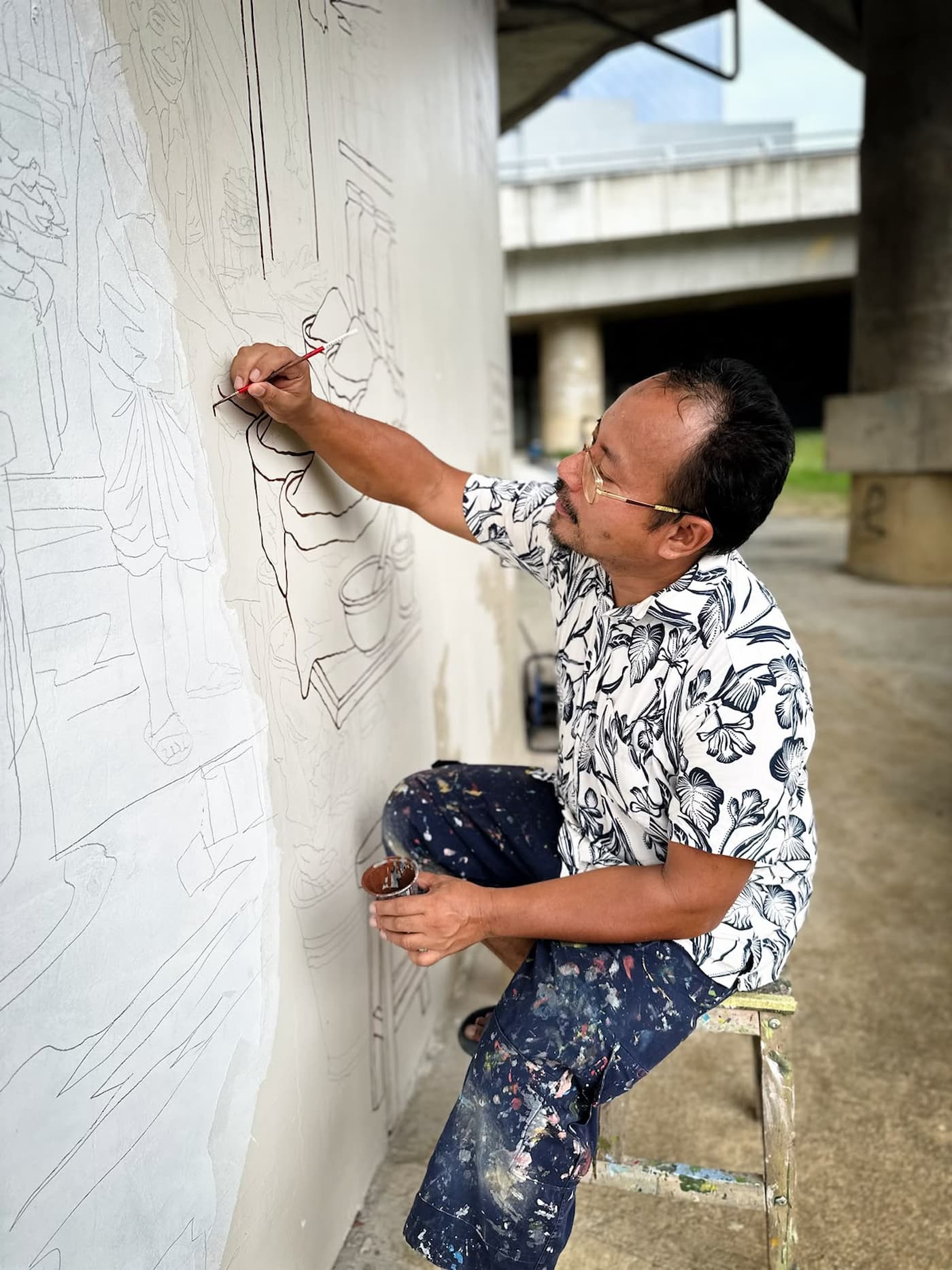
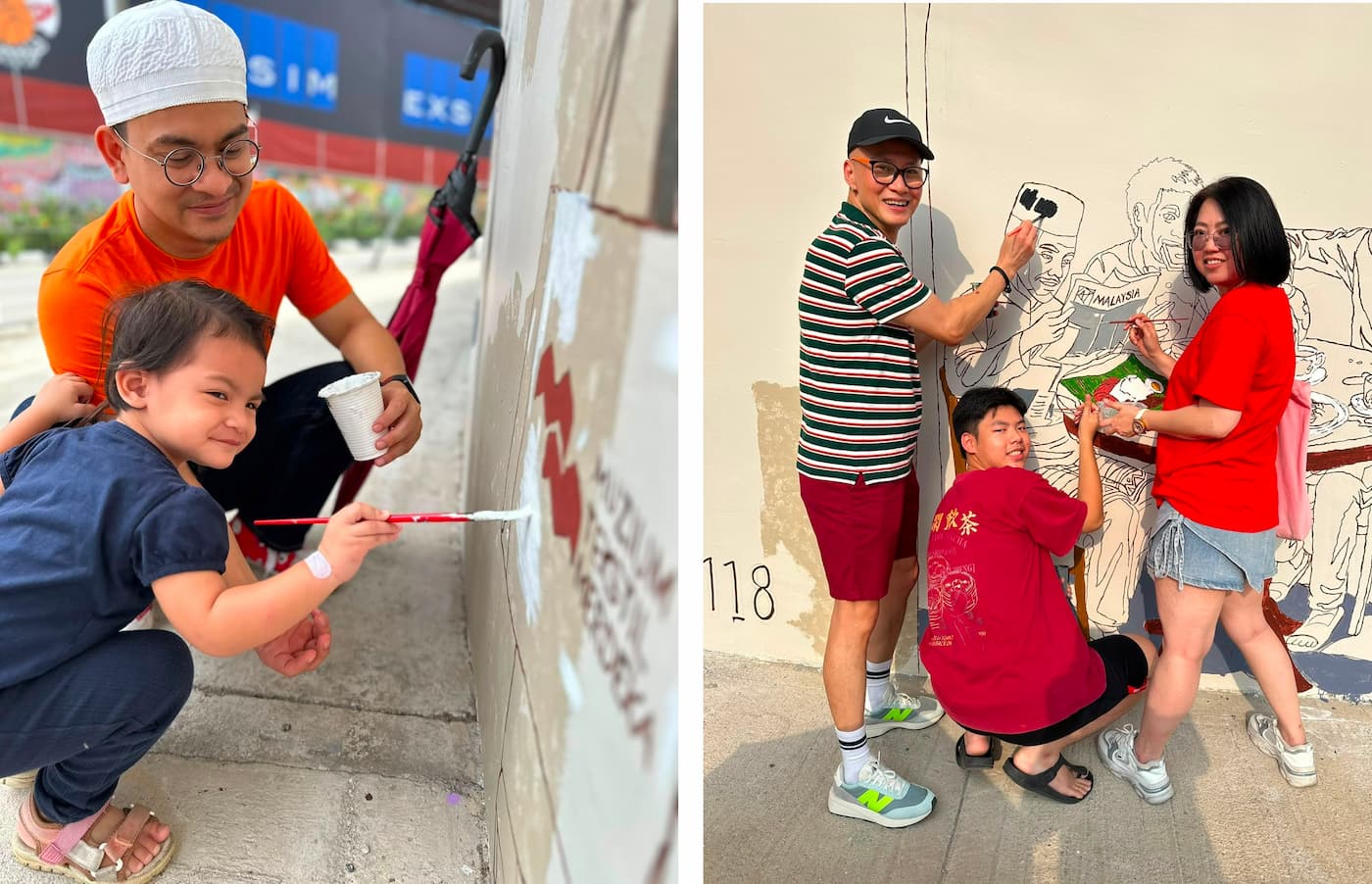
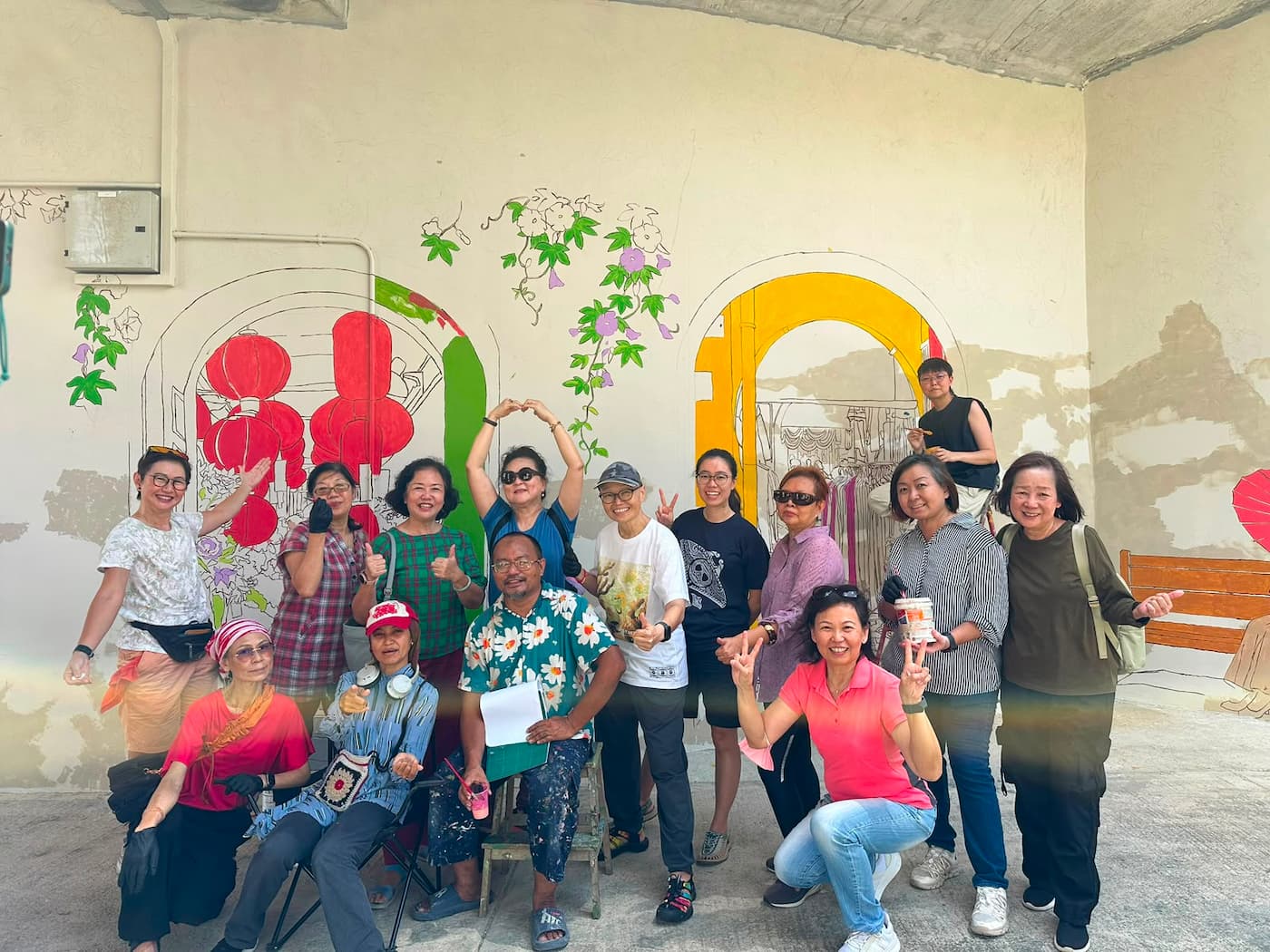
Architect Fazlan Rizan Johani, better known as Paklan (pic above) of Dipapansembilan Studio, channelled the grant into a project that transformed a blank wall on Jalan Hang Jebat, just steps from Merdeka 118, into a vibrant public mural. Over the course of a month, he invited artists, residents and volunteers to pick up a paintbrush and contribute to a sweeping depiction of Kuala Lumpur life, proving that public art can be as much about participation as the finished product.

For Pak Lan, the mural’s significance lies not only in its imagery but in the many hands that brought it to life.
"People might see it as a beautiful piece of art, but what they don't see are the countless individuals who left a part of themselves on this wall,” he said. “It wasn't created by a single artist to showcase one person's talent. It was built collectively, with every participant contributing their own mark and becoming part of its story.

“Lots of different people came. There was a group of cancer survivors who came, and some of them are still undergoing treatment. One of them brought their son along to paint. I was touched because maybe this is would have been a memorable moment for them as father and son.”

The grant programme was also a collaborative process, with ideas taking shape through conversations between the recipients and the Merdeka 118 team. While some grantees received slightly different funding amounts from those originally proposed and occasionally adjusted elements of their projects, these discussions were viewed as part of bringing ambitious ideas to life. Through open communication and compromise, projects retained their creative identity while benefiting from the guidance and support of a large organisation invested in their success.

Above: What began with a blank wall became a shared canvas, as artists and community members painted side by side to create a portrait of Kuala Lumpur, drawing inspiration from the book 'Kaki Lima Stories: Life in the Five Foot Ways of Downtown Kuala Lumpur'. – Photos: PNB MV

Below: Stretching along Jalan Hang Jebat, the mural celebrates the city through the many hands that shaped it, proving that public art is as much about participation as the finished piece.


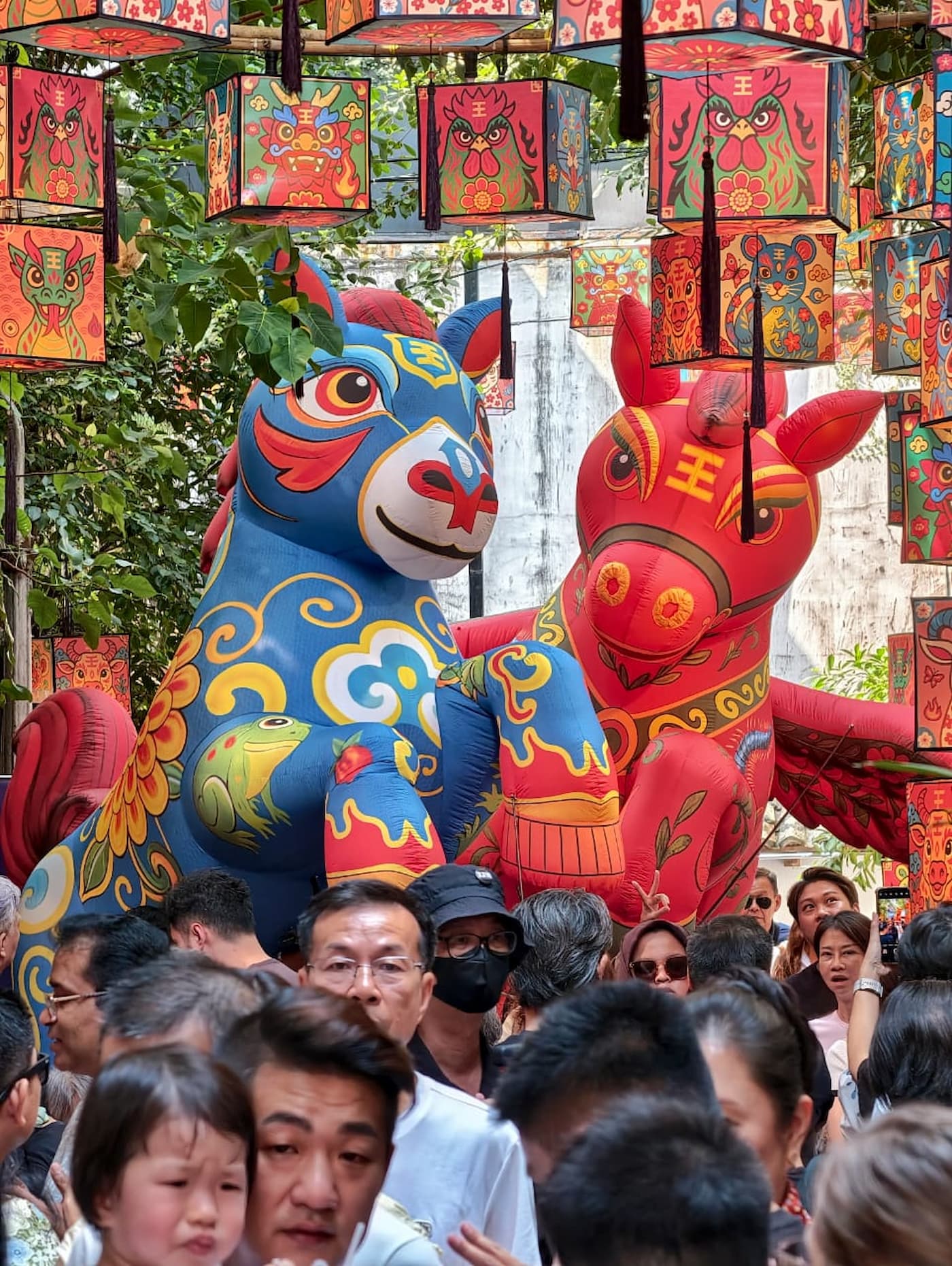
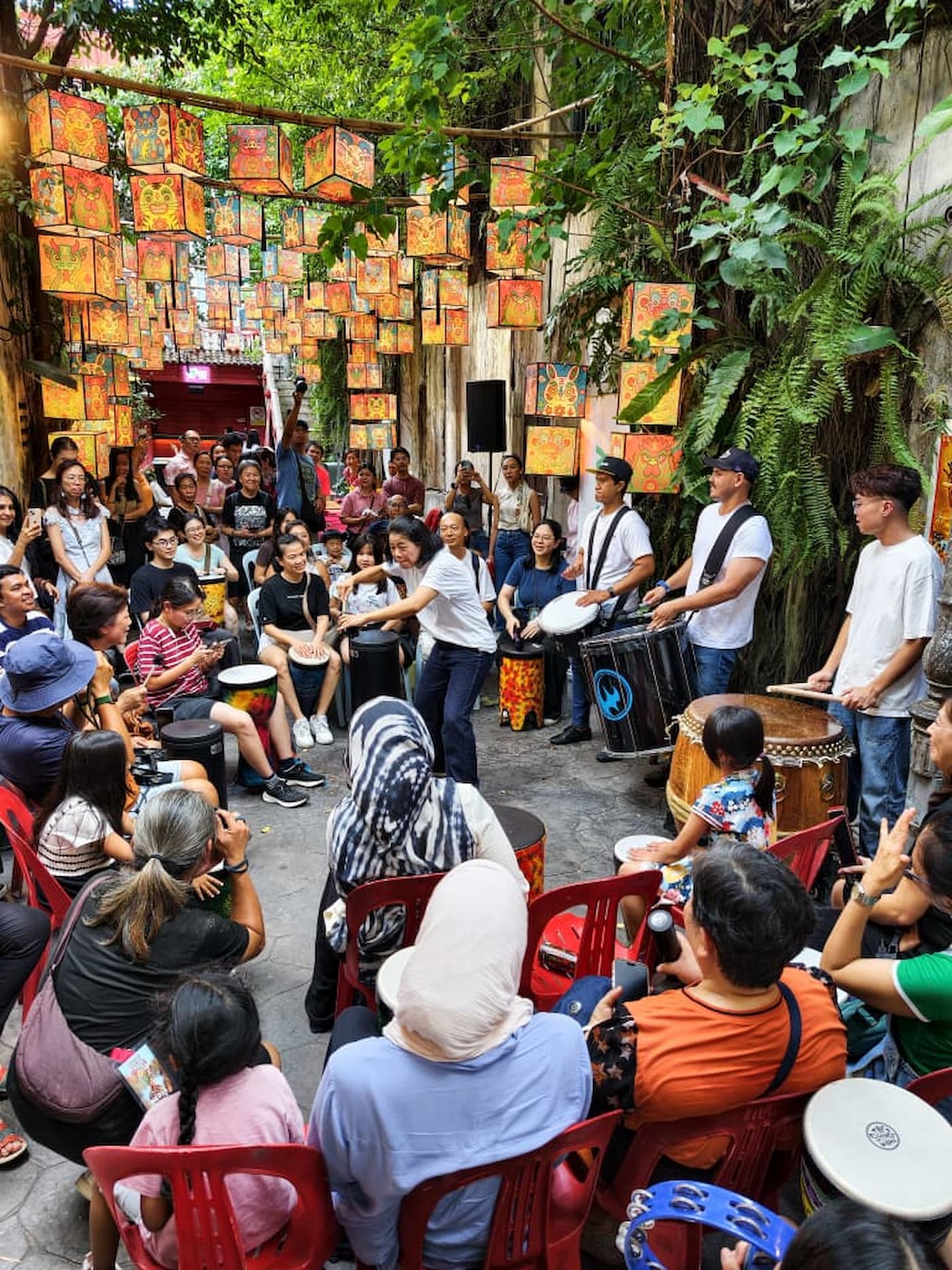
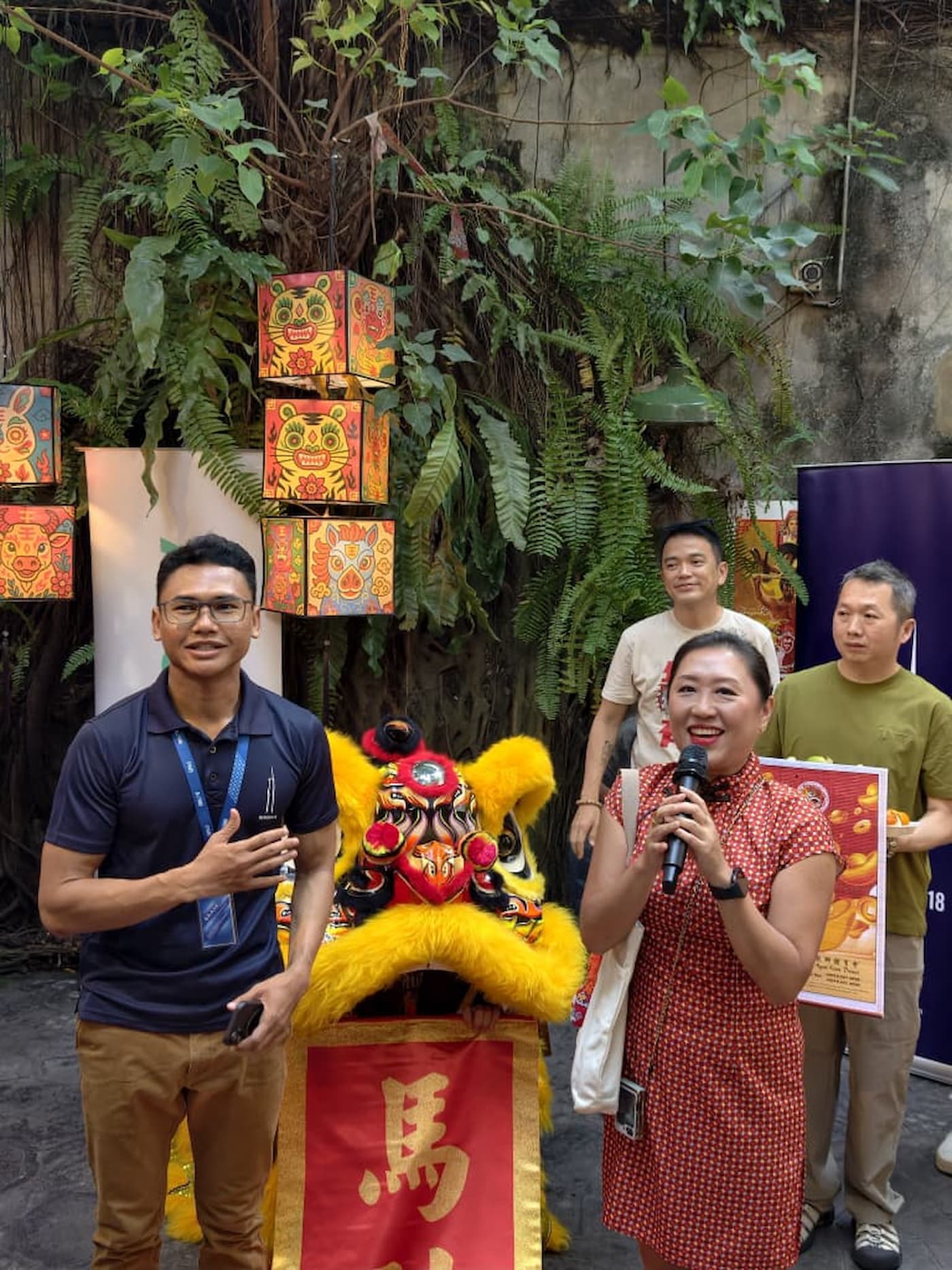
Zeen Chang, the director of Kwai Chai Hong in Petaling Street, noted that she initially faced difficulties while planning her event, Echoes of Chinatown, an homage to the old days of Petaling Street featuring traditional Chinese clothing, traditional performances and lion dances, and a number of 1980s pop songs. After speaking with the grants team in person, however, they found themselves on the same page.

“I told them my point of view for Echoes of Chinatown. I think if you want to work with community people, you need to believe in what they do and trust that they have the know-how to deliver the project. From that moment on, we had a lot more understanding and collaboration.”

In the end, the event attracted more than 10,000 attendees, achieving its goal of transporting guests back in time, celebrating Petaling Street and Malaysian Chinese culture in a way that could be enjoyed by people from all walks of life.

“I still remember the rain for two hours on the first day. It rained during the Chinese Opera performance. People stayed back for two hours until 4pm. We go by what the weather allows, and when people come back two hours later to watch that same performance, you know they enjoyed it.

“You see three generations together, grandparents coming in wheelchairs, and the grandchild helping the grandmother across the bridge. I think to myself, this is how I want the Chinatown Festival to be, this is how I want Malaysia to be represented, lots of people enjoying themselves.”

Long after the paint dries, the opera music fades and the photographs are printed, the projects supported by the M118 Grant leave something less tangible behind: a shared memory of the city. Whether captured in the pages of a photobook, painted onto a wall or performed in the alleys of Petaling Street, these stories remind us that Kuala Lumpur's heritage is not only preserved in its buildings but also in the people who continue to shape it.

Riduan Ngesan of the Merdeka 118 Community Grants Programme team with Kwai Chai Hong’s Zeen Chang at last month’s Echoes of Chinatown activation, which drew strong crowds and a lively response from visitors throughout the programme. 

– Photo: Kwai Chai Hong

Discover more stories

Ooops!
Generic Popup2