Festival Orkestra Kuala Lumpur redefines the orchestra for a new generation

ANN MARIE CHANDY | 28 May 2026

From gamelan and Chinese orchestras to youth ensembles and international collaborations, the month-long Festival Orkestra Kuala Lumpur returns this June with a bold vision of orchestral music rooted in South-East Asian identity, cultural exchange and the sounds of the city.

THROUGHOUT June, the city will pulse with the sounds of orchestras from across Malaysia and beyond as the Festival Orkestra Kuala Lumpur (FOKL) returns for its third edition. What began in 2024 as a compact four-day initiative has steadily grown into a sprawling month-long celebration that now stretches across five weekends, bringing together youth orchestras, traditional ensembles, percussion collectives and international collaborations under one banner.

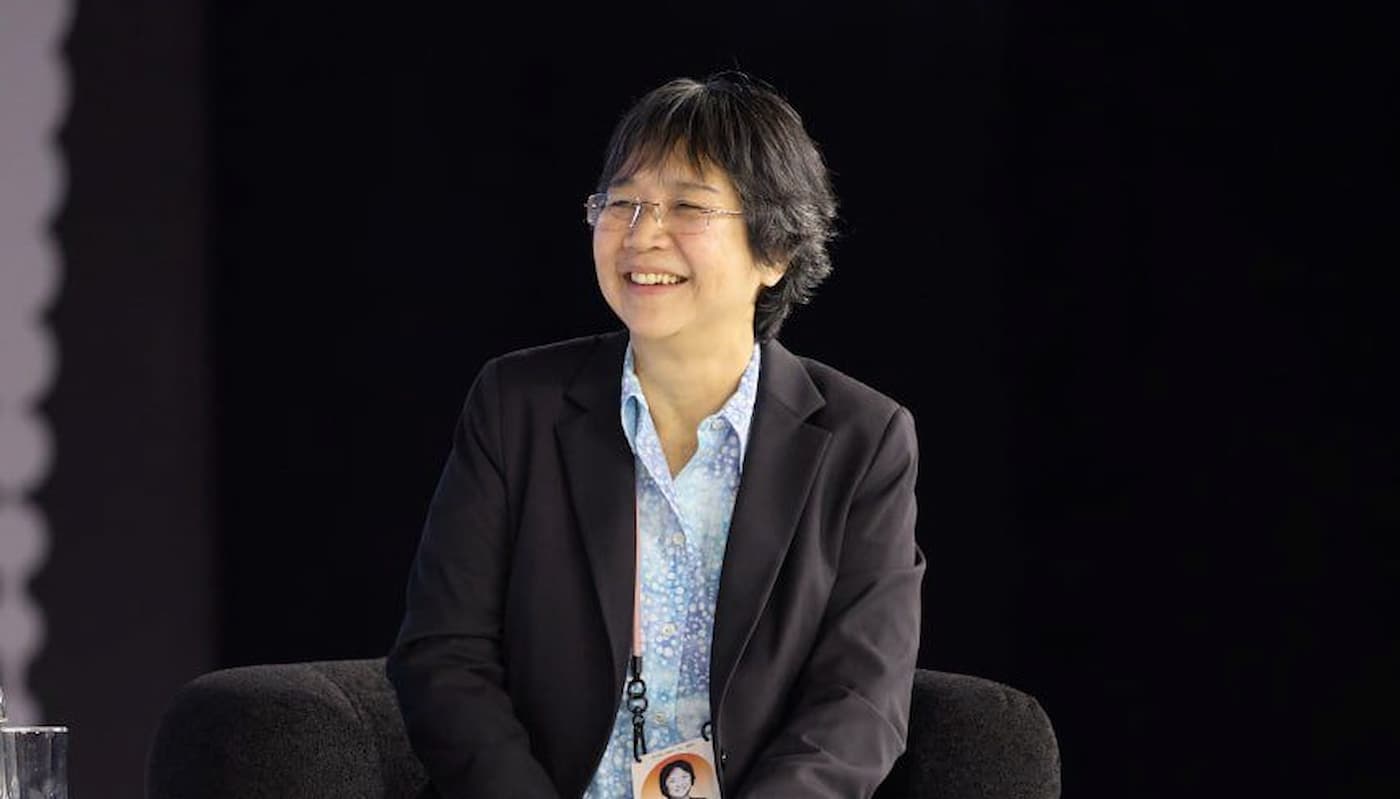
Led by Dr Isabella Pek, Head of Music at DBKL and Festival Director of FOKL, the festival continues to challenge conventional ideas of what an orchestra can be.

“FOKL is very unique because it is not, in the strictest sense, a western orchestra festival,” she says. “If you look at the festival, you will see gamelan orchestras, angklung orchestras, ukulele orchestras, Chinese orchestras and even sitar and tabla groups. We adopt a very flexible and deliberate definition of what an orchestra is.”

For Pek, this broader interpretation is central to the festival’s identity. “If it is a group larger than 25 people, then we call it an orchestra,” she says with a laugh. “We are no longer restricted by the definition of the West.”

That philosophy has attracted attention internationally. Isabella recalls meeting the German editor-in-chief of Das Orchester in Tokyo earlier this year, who was fascinated by FOKL’s inclusive approach and its embrace of Asian orchestral traditions.

Running alongside the city’s larger cultural calendar, FOKL is beginning to carve out a distinctive place for itself within Kuala Lumpur’s arts ecosystem. Pek envisions it as a natural continuation of the momentum generated by the Kuala Lumpur Festival in May.


The Malaysian contingent at FOKL will includes Orkestra Kuala Lumpur (above) Orkestra Radio Televisyen Malaysia and the Kuala Lumpur Youth Orchestra and the PJ Philharmonic Orchestra among others. 

“KL Festival has been more outdoors,” she explains. “Festival Orchestra is naturally more indoors because of the performance limitations; But nonetheless, the party continues. We think of it as segueing into something more niche and immersive.”

This year’s edition features participation from Japan, Thailand, Singapore, the Philippines and China, alongside a strong Malaysian contingent that includes Orkestra Kuala Lumpur, Orkestra Radio Televisyen Malaysia and the Kuala Lumpur Youth Orchestra.

Notably, many of the visiting groups are self-funded. “They come on their own and at their own cost,” Pek says. “We provide transfers, lodging and some meals, but the willingness to come here shows how interested they are in cultural exchange.”

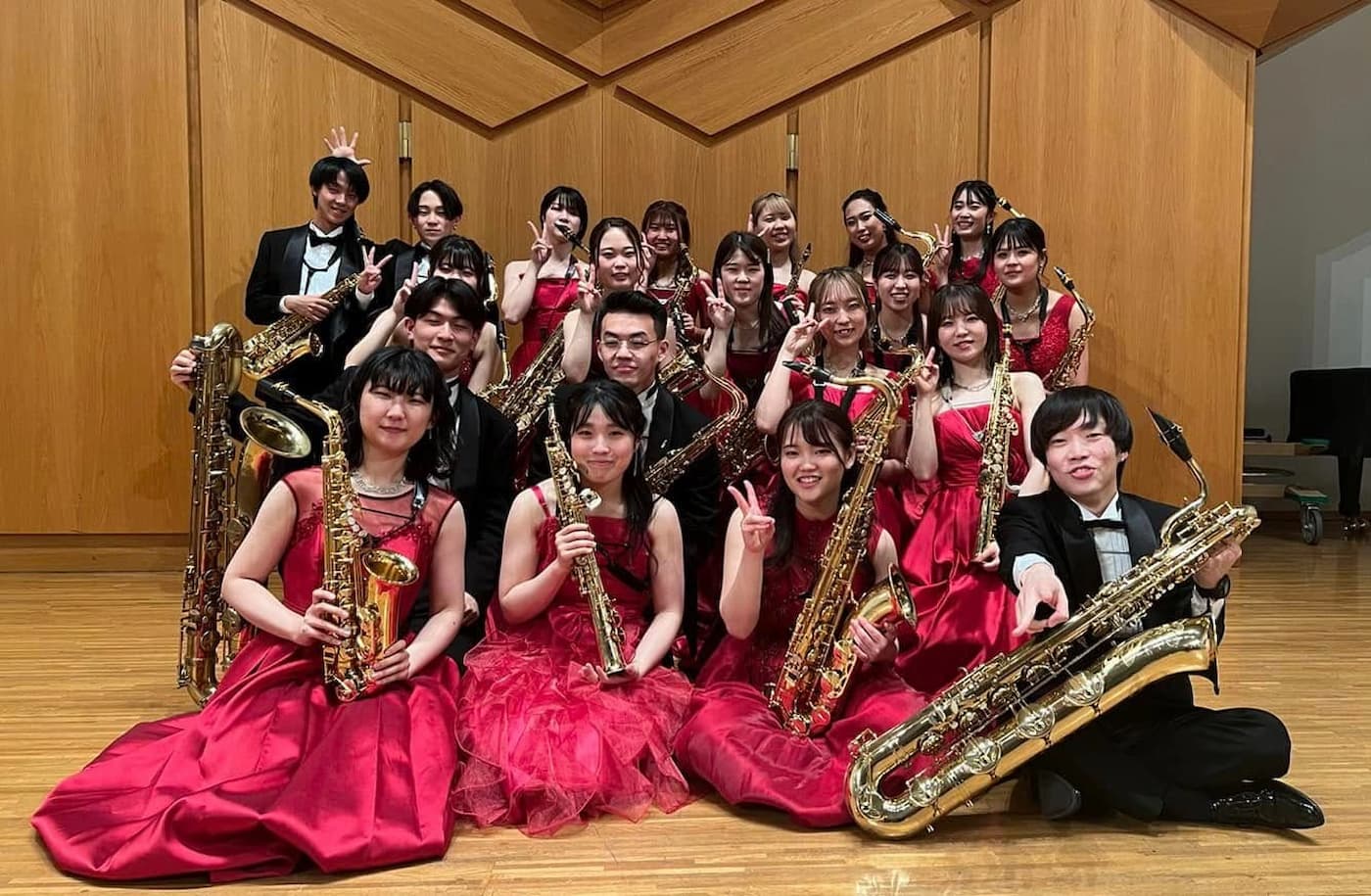
Among the festival highlights is Japan’s Soai University Saxophone Ensemble on June 6. The 25-member ensemble performs entirely on saxophones ranging from soprano to bass, presenting music from Studio Ghibli composer Joe Hisaishi and other Japanese repertoire.

“We do not have a saxophone group like that in Malaysia,” says Pek. “I told them, please play Japanese music, and they came up with a wonderful programme.”
The Soai Saxophone Ensemble from Japan brings together performers playing saxophones of every size, from soprano to bass, in a vibrant showcase featuring music inspired by Studio Ghibli as part of FOKL 2026.

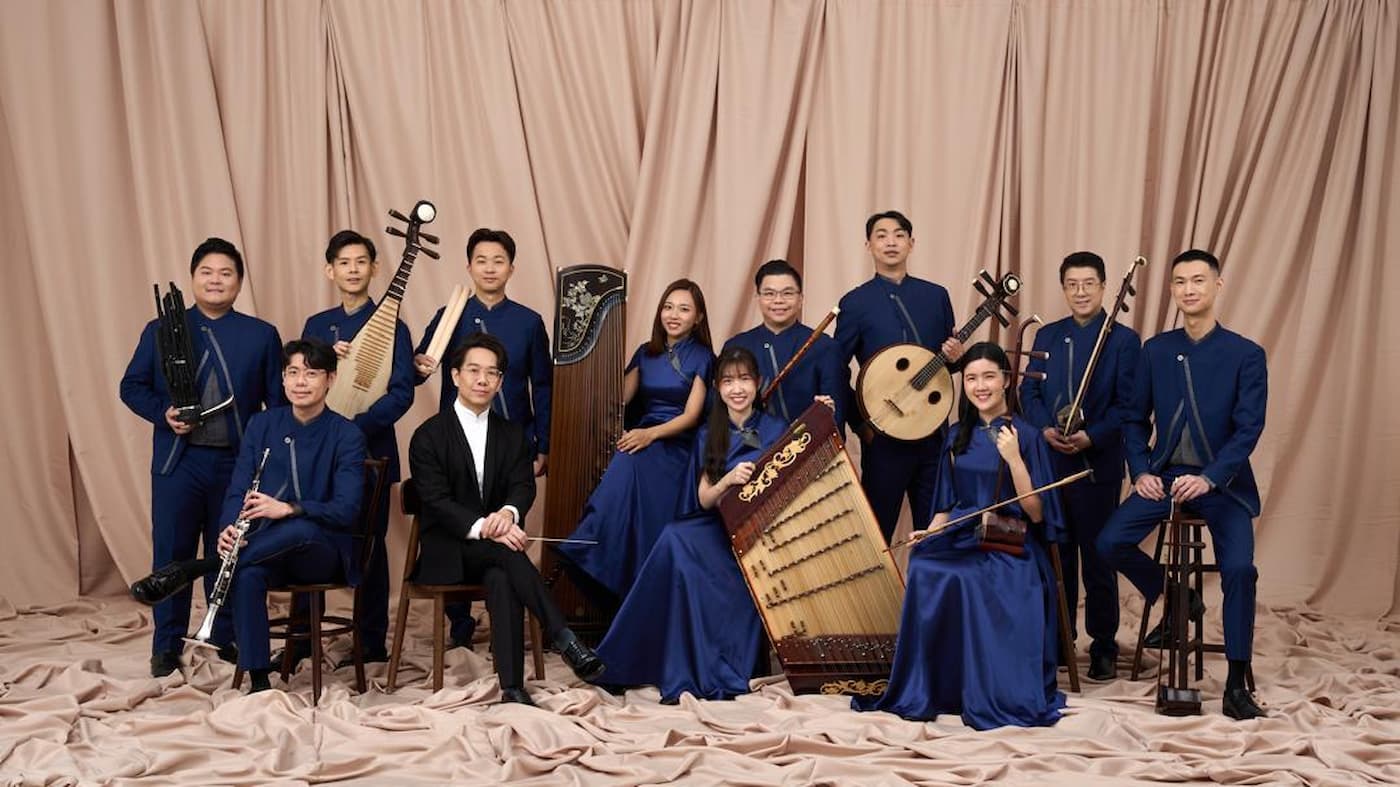
Another major collaboration takes place on June 7 when Singapore’s Ding Yi Music Company joins forces with the Malaysia Chinese Century Orchestra for a rare cross-border Chinese orchestra performance.

“It is a big deal,” Pek says. “Normally, orchestras do not simply combine with another orchestra. Even the politics of seating can get complicated.”

The concert will feature the beloved Butterfly Lovers Violin Concerto, performed by Malaysian Philharmonic Orchestra’s assistant concertmaster Ming Goh.

“If you search for this piece online, it is usually performed by western orchestras,” Isabella notes. “For FOKL, it will be played by Chinese orchestras instead, which makes it very special.”
Singapore’s Ding Yi Music Ensemble (above) joins forces with the Malaysia Chinese Century Orchestra for a rare cross-border collaboration at Festival Orkestra Kuala Lumpur 2026, featuring the beloved Butterfly Lovers Violin Concerto.

Percussion also takes centre stage during the FRhythmhs International Drum Festival on June 27 and 28, celebrating its 10th anniversary.

“They play a lot with lighting and theatrics,” Pek says. “The presentation itself becomes a dramatic experience.” The performances also blend traditional percussion with gamelan and handpan elements, pushing the boundaries of rhythm-based ensemble work.

One of the festival’s most meaningful aspects, however, is its commitment to nurturing young musicians. School orchestras from around Kuala Lumpur will perform on June 10 and 24, giving students the opportunity to participate in a city-wide arts platform alongside professional ensembles.

“We deliberately bring them into the conversation,” Pek shares. “They work very hard preparing for this. You can see it from the costumes, the choreography and the rehearsals.”
Dr Isabella Pek, Head of Music at DBKL and Festival Director of Festival Orkestra Kuala Lumpur, has championed a broader and more inclusive understanding of orchestral music by bringing together traditional, contemporary and cross-cultural ensembles from across the region.

The Festival Orkestra Kuala Lumpur officially opens this Saturday with the Gala Konsert Orkestra Remaja Kuala Lumpur by the Kuala Lumpur Youth Orchestra (KLYO), a 70-member ensemble under DBKL’s purview made up of musicians aged between 13 and 25.

Now entering its third year, KLYO has already begun producing alumni. “We already have musicians who are now 26 years old,” Pek says proudly.

The opening concert will feature pianist Claudia Yang performing the Legend of Maritime Silk Road, a piano concerto by British pianist and composer John Lenehan, inspired by folk songs from South-East Asia and China.

Beyond concerts, FOKL also includes forums, workshops and outreach programmes designed to encourage dialogue around music and cultural development. Topics this year include youth empowerment through technology and music and mental health, while musicians from the Malaysian Philharmonic Orchestra and Thailand’s Feroci Philharmonic Society will conduct workshops for aspiring performers.

The festival also embraces digital innovation. Indonesia’s Jogjakarta Royal Orchestra, which participated during FOKL’s inaugural year, will collaborate virtually this time through a YouTube screening and online performance exchange.

“We are working very hard to shape ourselves and assert our own ideas,” Pek says. “We encourage orchestras to play music that is close to their hearts, not just Beethoven, Mahler or Tchaikovsky.”

Ultimately, FOKL’s strength lies in its willingness to redefine orchestral culture through a distinctly South-East Asian lens. Rather than merely replicating western traditions, the festival celebrates the diversity of sounds, instruments and histories that exist across the region.

As audiences move from gamelan rhythms and Chinese concertos to youth orchestras and saxophone ensembles over the course of June, FOKL offers something increasingly rare in the modern city – a chance to experience Kuala Lumpur as a meeting point of cultures, traditions and evolving musical identities. In many ways, the festival also reflects the broader spirit of the Warisan KL initiative, which seeks to celebrate and preserve the city’s living cultural heritage through contemporary community experiences.

More information and registration details are available here.

The Guizhou Culture & Performance Industry Group from China brings the rich traditions of Chinese folk music and performance to Festival Orkestra Kuala Lumpur 2026 as part of the festival’s growing international cultural exchange.

Discover more stories

Ooops!
Generic Popup2