Family Fun with an ASEAN Twist

Wan Nor Alia Wan Ali | 26 May 2025

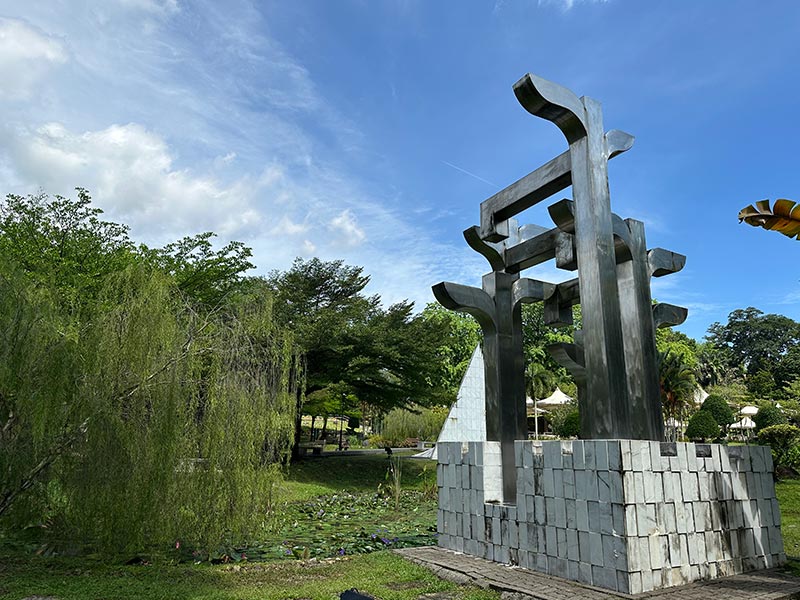
Towards Peace, a work by Han Sai Por at the ASEAN Sculpture Garden. – Photo: Wan Nor Alia Wan Ali
ASEAN, or the Association of South-East Asian Nations, was established on Aug 9, 1967. Initially comprising five countries, Asean has since grown to include 10 member states across South-East Asia: Indonesia, Malaysia, the Philippines, Singapore, Thailand, Brunei, Vietnam, Laos, Myanmar and Cambodia.

The organisation has evolved into a regional body aimed at accelerating economic growth, social progress and cultural development within the region. It also promotes regional peace and stability, encourages active cooperation across sectors such as economy, society, technology, science and administration, and supports one another in areas like training and research. This includes enhancing collaboration in agriculture and industry, expanding trade, and improving transportation and communication infrastructure.

Since its inception, the Asean chairmanship has rotated among its member countries. This year, Malaysia is once again playing host for the fifth time under the theme “Inclusivity and Sustainability”; Malaysia previously chaired Asean in 1977, 1997, 2005 and 2015.

While the 46th Asean Summit is on now, from May 26-27. Later this year in October, the Asean Summit with Dialogue Partners will take place.

Did you know there are activities in the capital city of Kuala Lumpur that have been themed around Asean. The best part? The activities below are FREE and perfect for a weekend outing, to relax, learn and have fun with the whole family.
Asean Sculpture Garden (Taman Arca Asean)
Bring along a mat and picnic essentials! This garden is perfect for families to spend a leisurely Sunday morning – exercising, relaxing and enjoying the fresh air right in the heart of the city while appreciating art from our neighbouring nations.

Situated within Taman Tugu, KL, the garden was officially opened in 1987 in conjunction with the 20th anniversary of Asean. Its landscaped grounds feature sculptures created by artists and sculptors from across the Asean region, including:
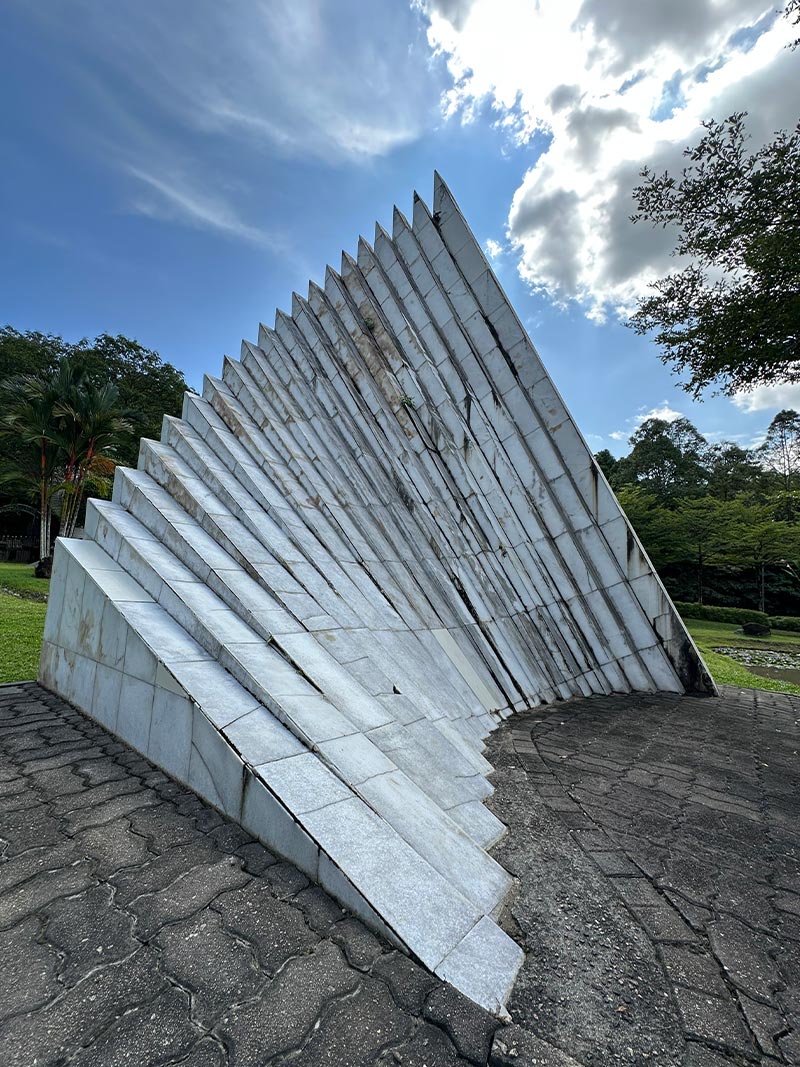
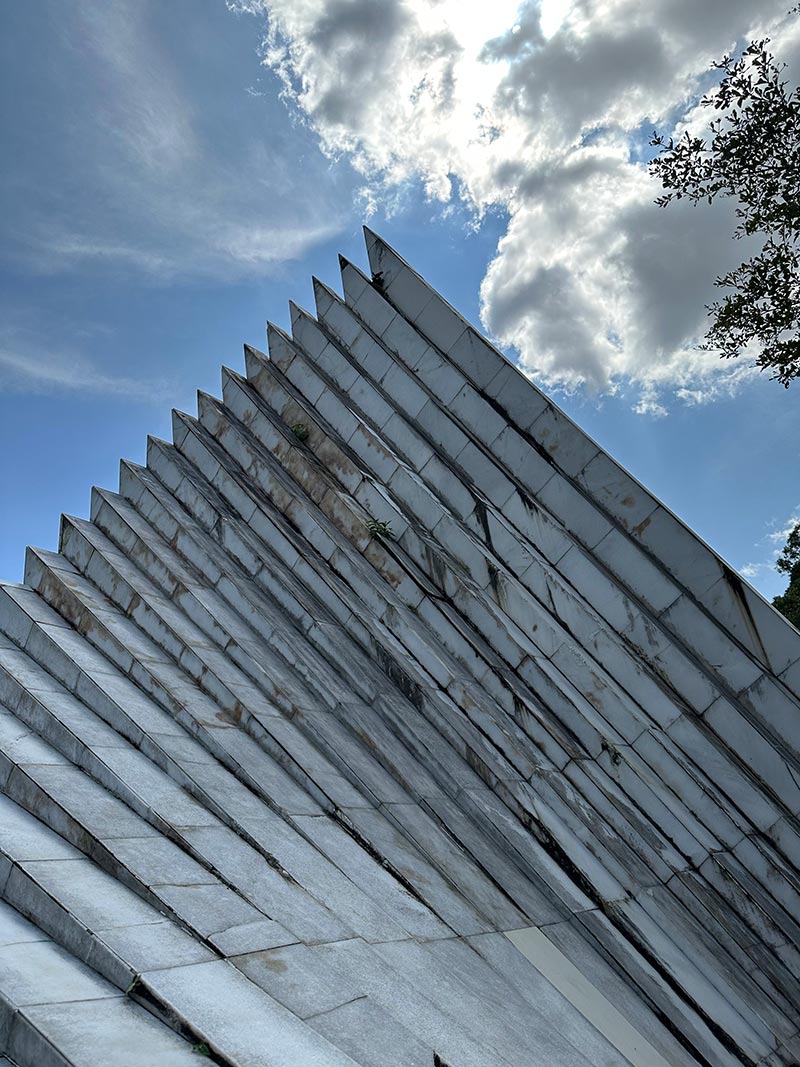
Growth, a sculpture by Syed Ahmad Jamal from Malaysia, using materials such as marble and concrete. – Photo: Wan Nor Alia Wan Ali
Pertumbuhan (Growth), is a piece created by Syed Ahmad Jamal using Malaysian marble and concrete. It comprises 20 panels arranged in a flowing motion, transitioning from a low-profile curve to a “tumpal” or triangular form. According to the artist, the structure symbolises Asean’s dynamic growth over its first 20 years.
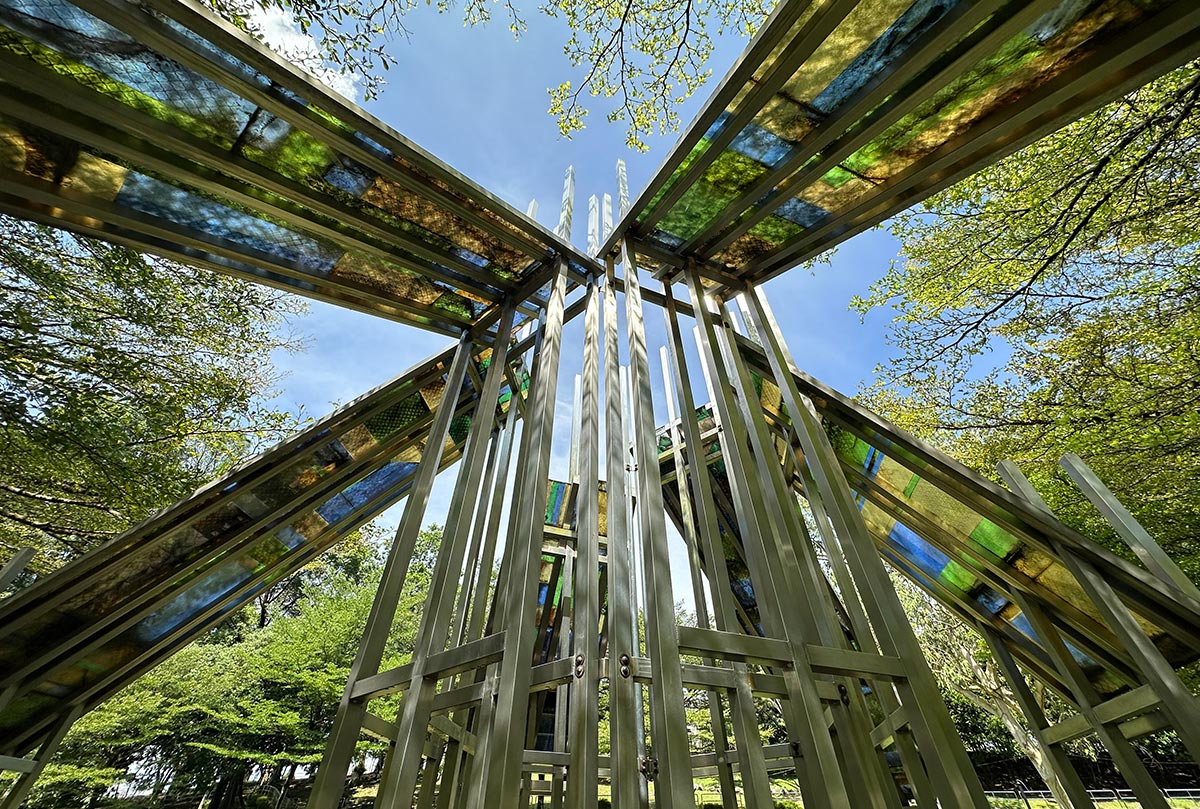
Barong-Barong, a sculpture by Filipino artist Jerusalino V Araos. – Photo: Wan Nor Alia Wan Ali
Barong-Barong, by Filipino sculptor Jerusalino V. Araos, is a modern interpretation of traditional Asean architectural forms, crafted from sculpted metal and glass. What makes this piece especially compelling is its functionality: it doubles as a playful space for children, a bench for sitting or lying down, and a vibrant light catcher as sunlight filters through its colourful glass panels.

Other notable sculptures along the garden trail include: Towards Peace by Han Sai Por from Singapore, Pintu Harmoni (Door of Harmony) by Dolorasa Sinaga from Indonesia, Progress by Itthi Khongkhakul from Thailand and Tarian Asean (Asean Dance) by Abu Bakar Abdul Rahman from Brunei.

Though created over a decade ago and gently weathered by time, these works still resonate with meaning – and nestled within the lush greenery of Taman Tugu, they offer a serene space to reflect on and appreciate Asean’s creative spirit.
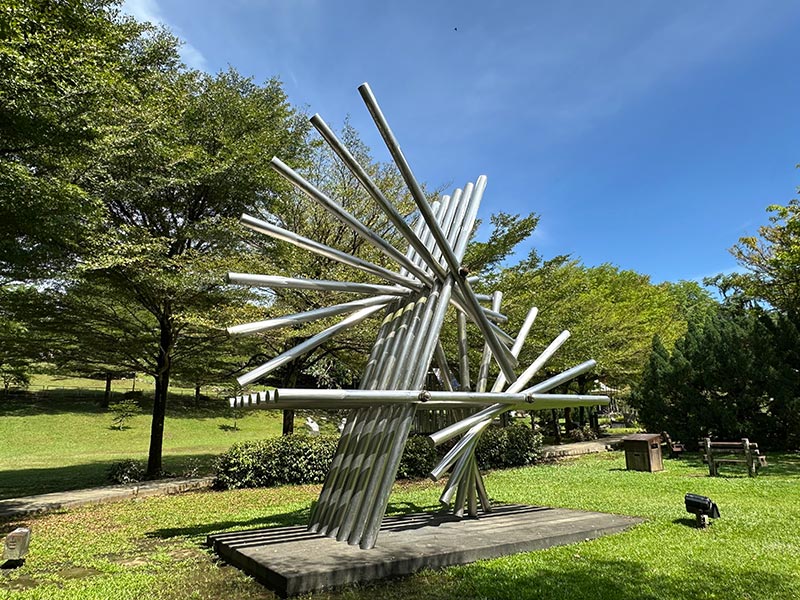
Asean Dance, a work by Abu Bakar Abdul Rahman. – Photo: Wan Nor Alia Wan Ali
Progress, a work by Itthi Khongkhakul. – Photo: Wan Nor Alia Wan Ali
Numismatic Marvels: Minted History, Printed Heritage
Bank Negara Exhibition Photos: Chong Biying
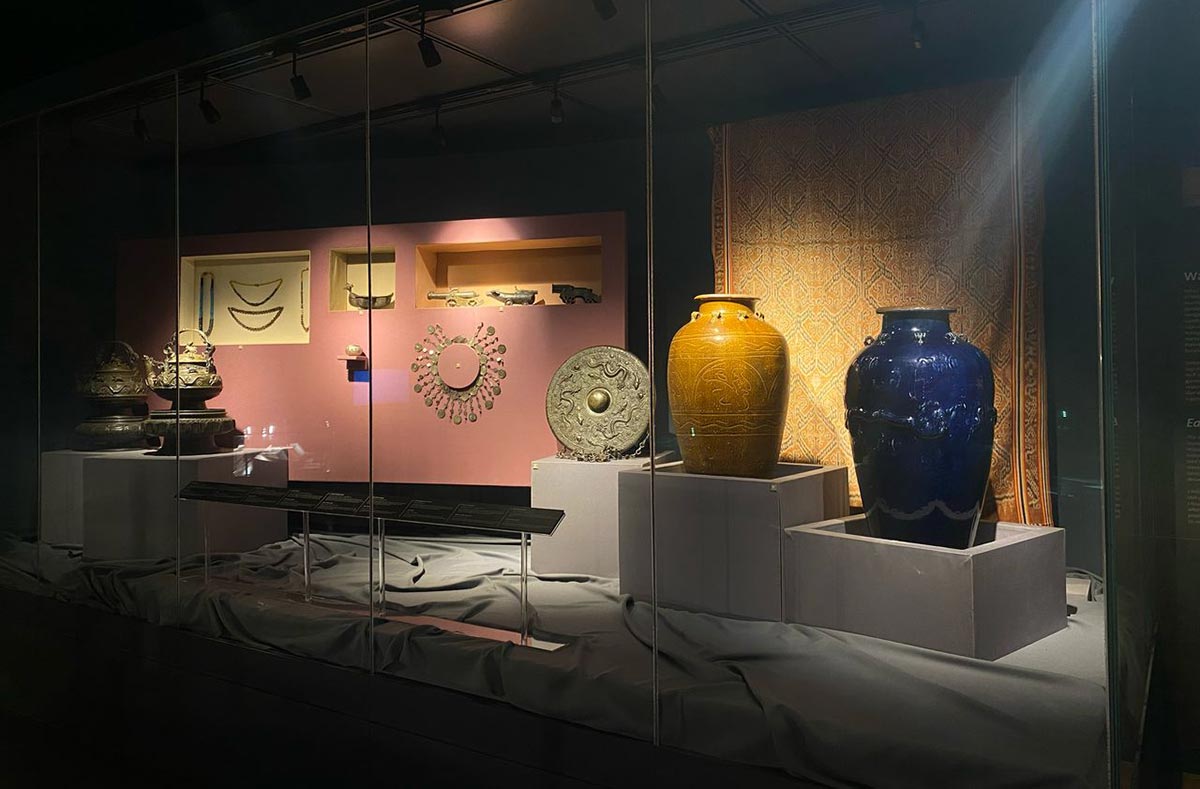
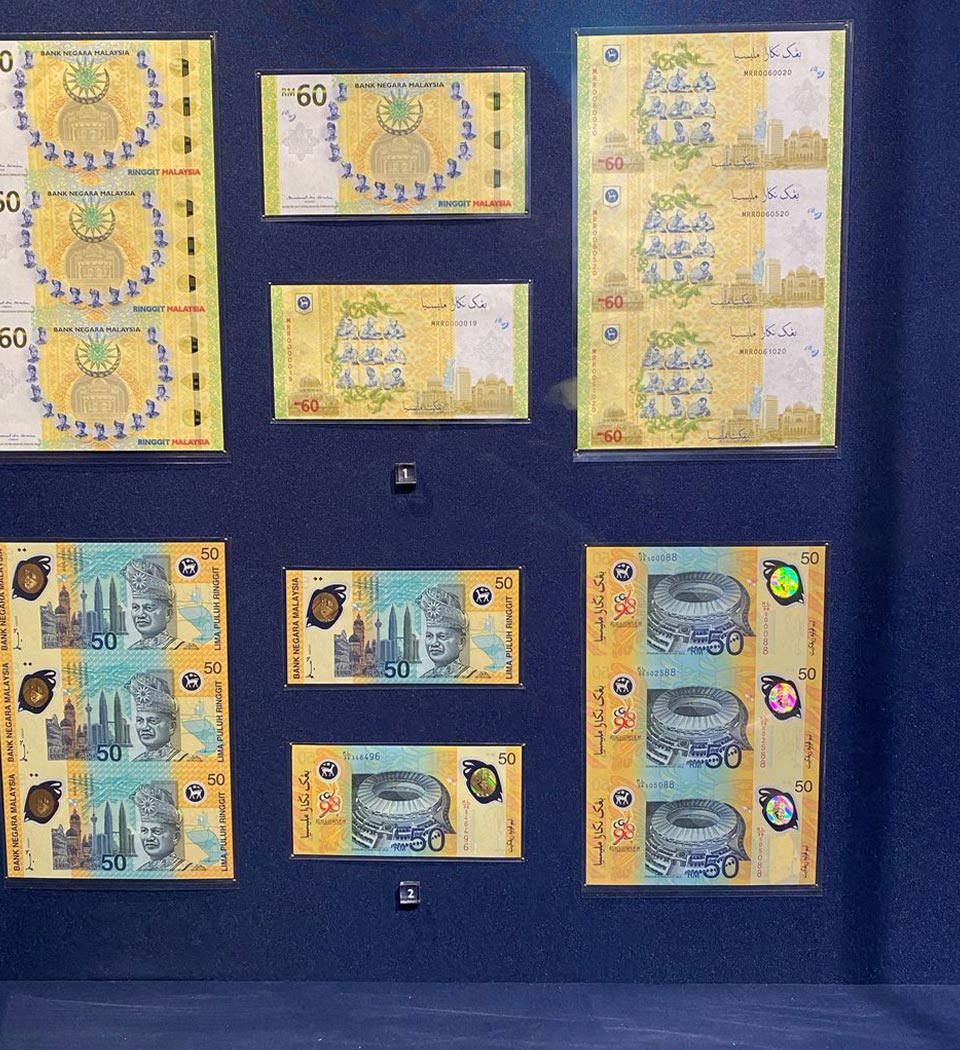
A five-minute drive from Taman Tugu, you will find Bank Negara Malaysia’s Museum and Art Gallery, where at the Temporary Gallery on Level 2 you can discover more about money in a unique way. The Numismatic Marvels of Asean exhibition offers a fascinating dive into the region’s currency history. Starting from the formation of Asean, the exhibition details the organisation’s origins and the role of central banks in this narrative.
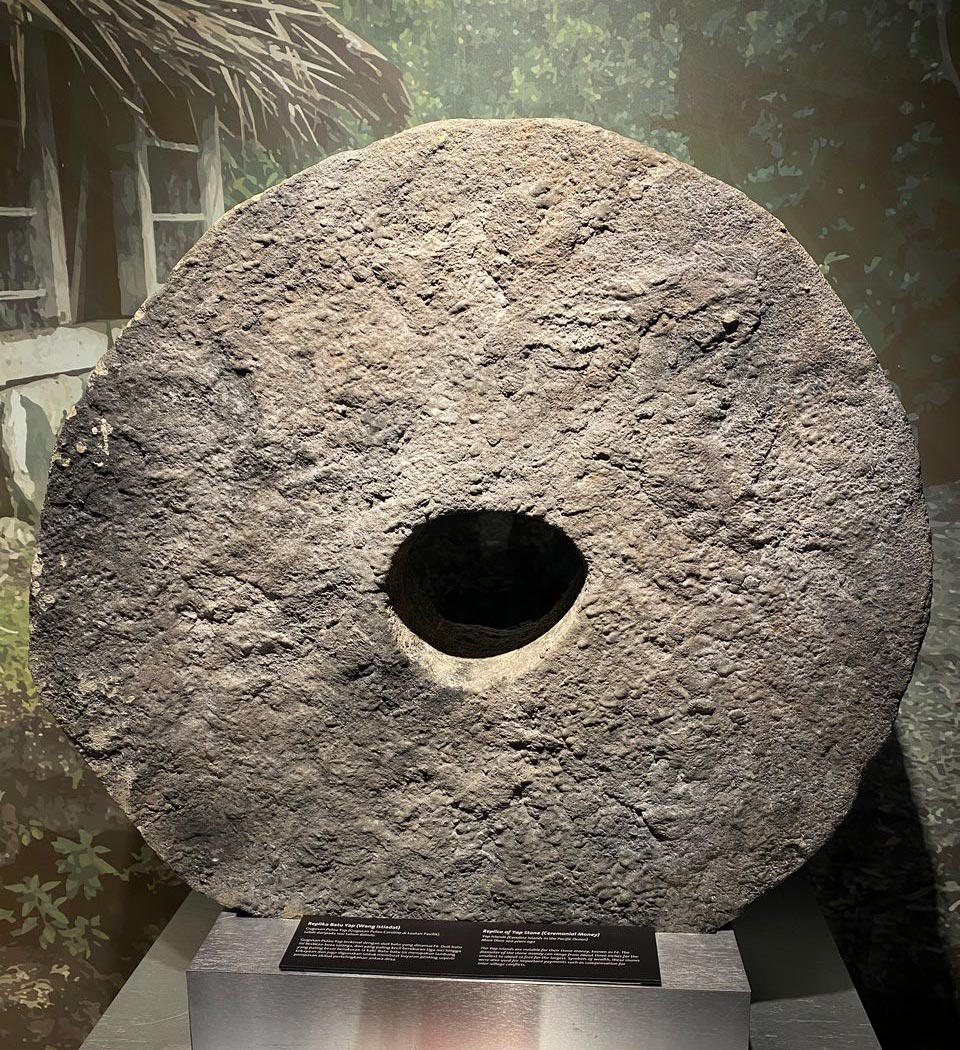
Next, you’ll be taken on a chronological journey. Here you’ll discover how currency systems evolved – from barter and cowrie shells to the earliest coins and printed money. It’s particularly exciting to see not just Malaysia’s first coin, the Kijang, but also currency from neighbouring nations and ancient empires like Funan, Srivijaya and Majapahit.

Before concluding your walk through time, stop by the Asean Market section. There’s much to explore here – from colonial-era currencies to today’s digital payment systems. This segment also highlights bustling market scenes across Asean where these currencies were once (or still are) in use, allowing visitors to understand the ebb and flow of trade and exchange.

For children, there are also plenty of engaging activities such as drawing, colouring and interactive features, including scanning and projecting their artwork onto a screen – perfect for combining fun with learning.
At a Glance
ASEAN Sculpture Garden
Location: Taman Tugu Negara
Dates: Open year-round
Admission: Free
Numismatic Marvels: Minted History, Printed Heritage
Location: Bank Negara Malaysia Museum and Art Gallery
Dates: Open until Oct 12, 2025
Admission: Free

Discover more stories

Ooops!
Generic Popup2