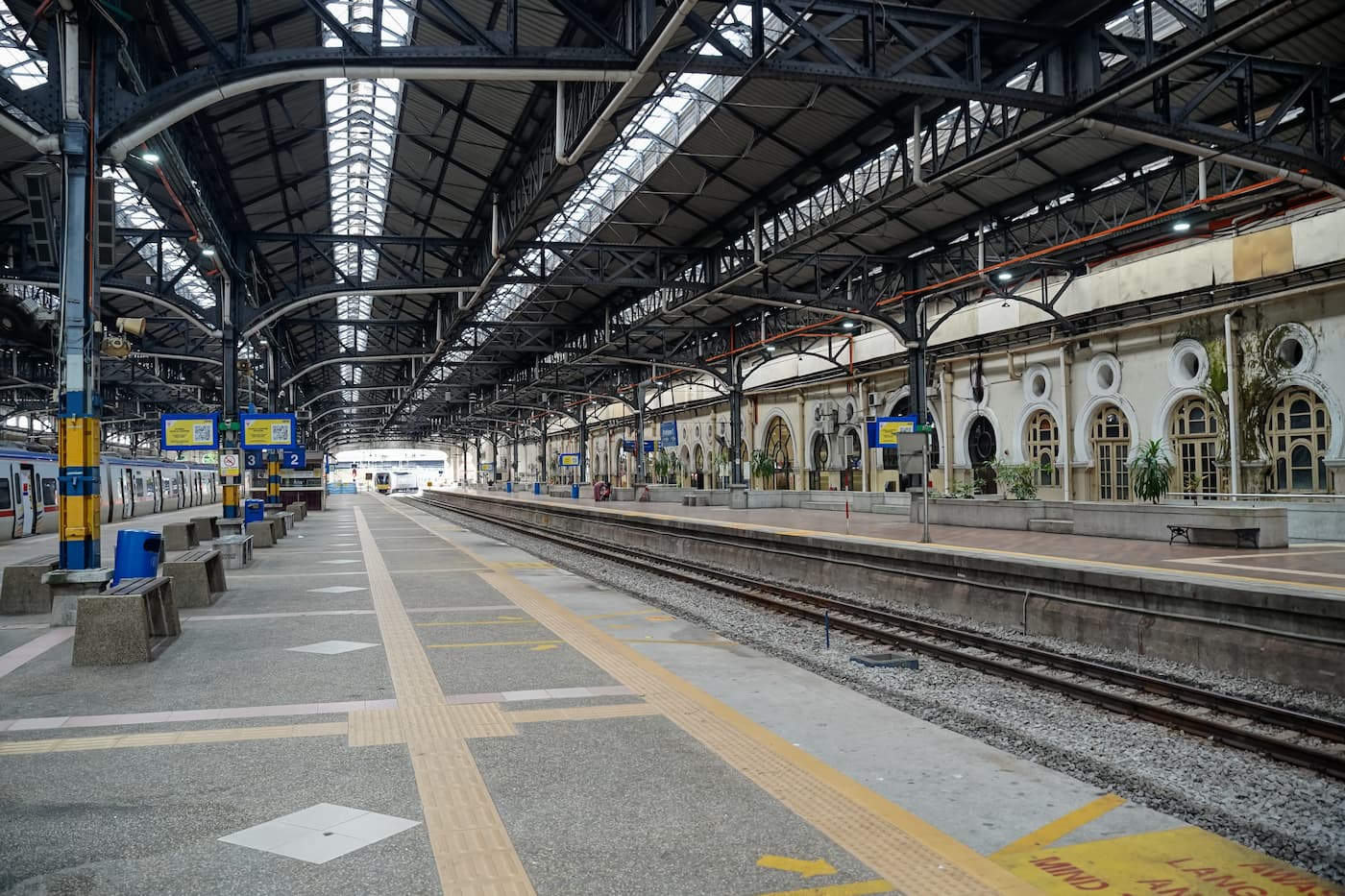
More than a century after it opened, the KL Railway Station continues to play an important role in Malaysia’s rail network.
Today, it serves several key services operated by Keretapi Tanah Melayu (KTM), including the KTM Komuter Seremban Line between Batu Caves and Pulau Sebang/Tampin, the KTM Komuter Port Klang Line, and the ETS West Coast Main Line, which connects cities from Padang Besar in the north to Gemas in the south.
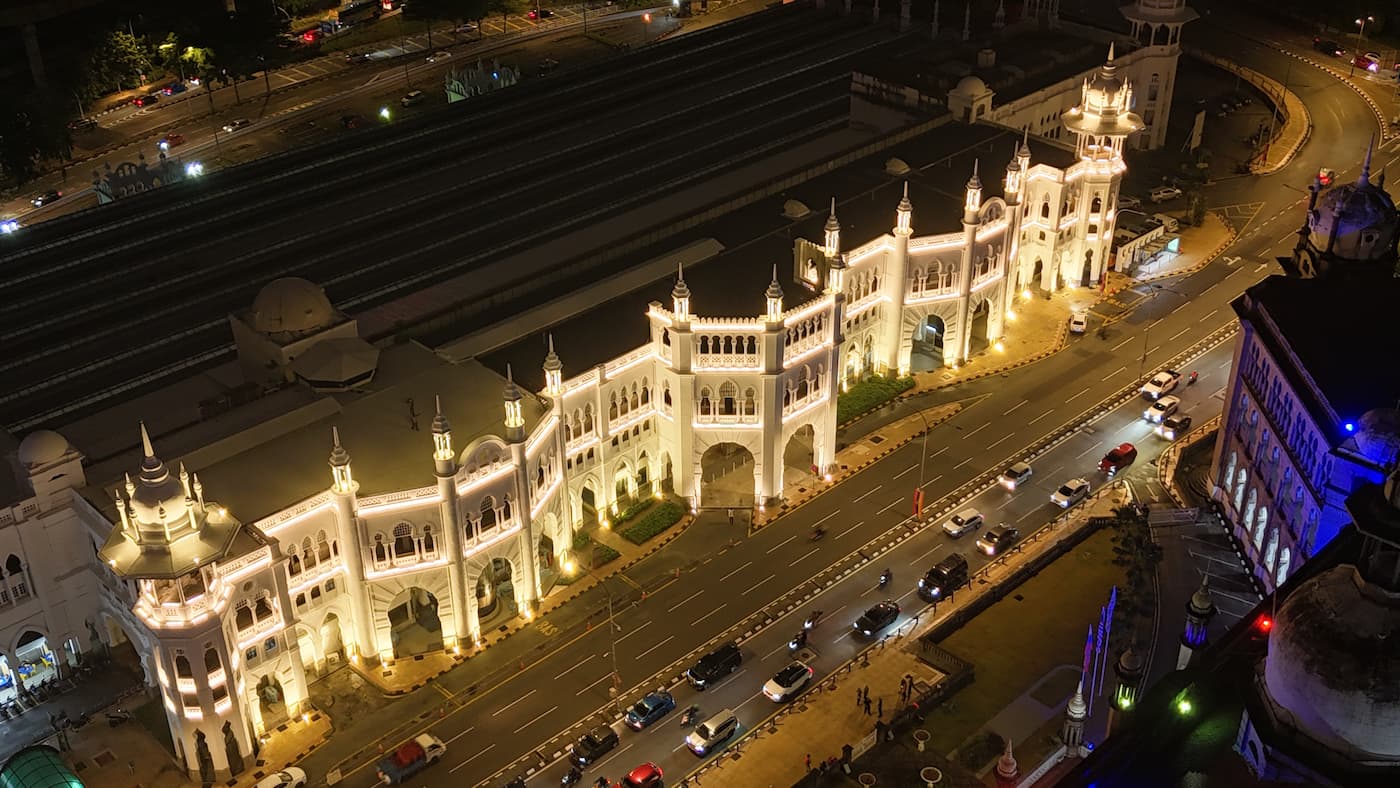
Located along Jalan Sultan Hishamuddin, it sits among several important landmarks including the Railway Administration Building, the National Mosque of Malaysia and the Dayabumi Complex. Just across the Klang River lies the Pasar Seni Station, connecting the area to the city’s LRT and MRT networks.
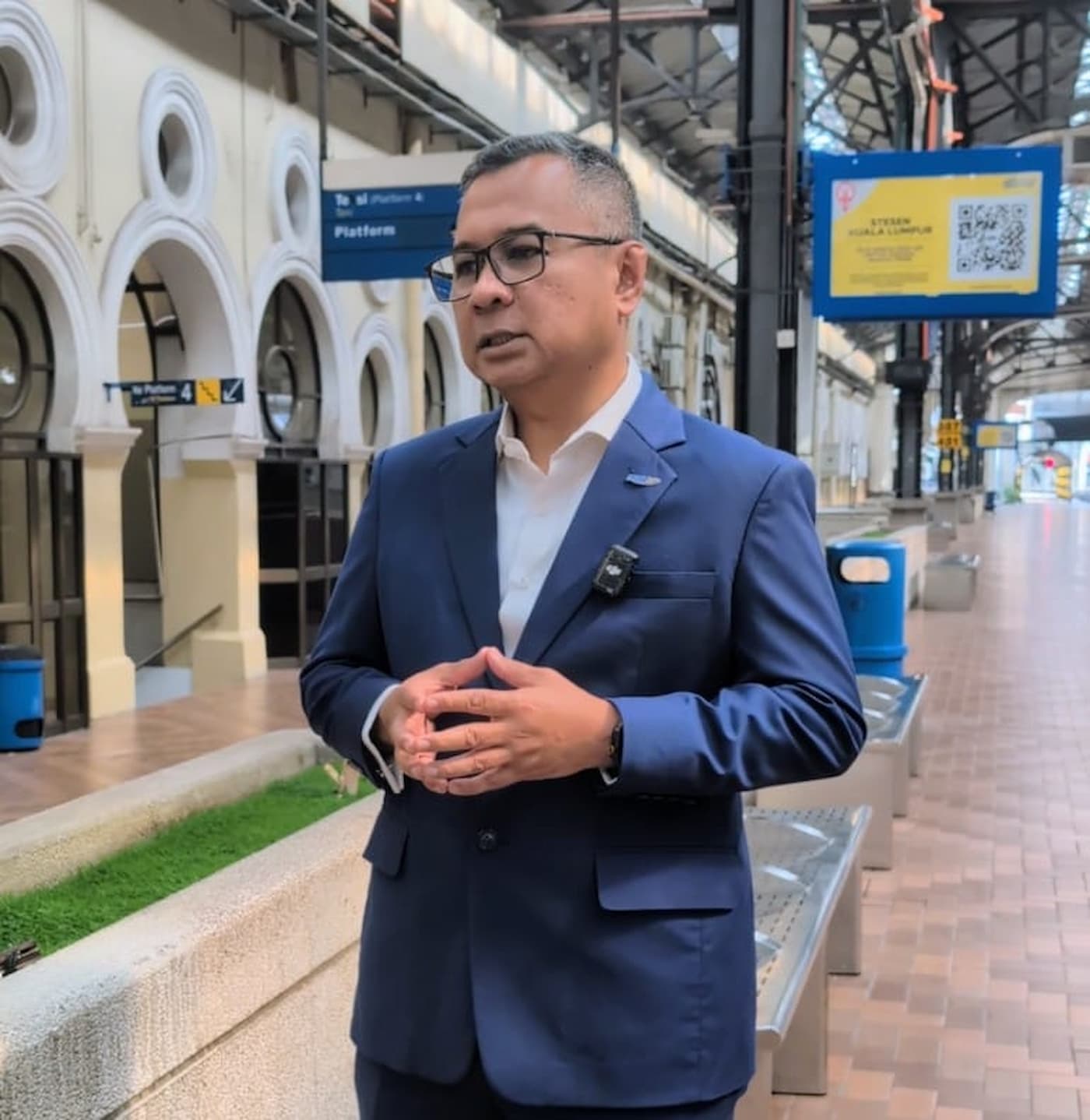
Within the broader Warisan KL initiative, the station has been identified as one of the capital’s key heritage sites. “Warisan KL is a major effort by the Government to bring historic areas in Kuala Lumpur back to life,” Azhar explains. “The approach is not simply to repair old buildings, but to ensure they remain active, relevant and usable.”
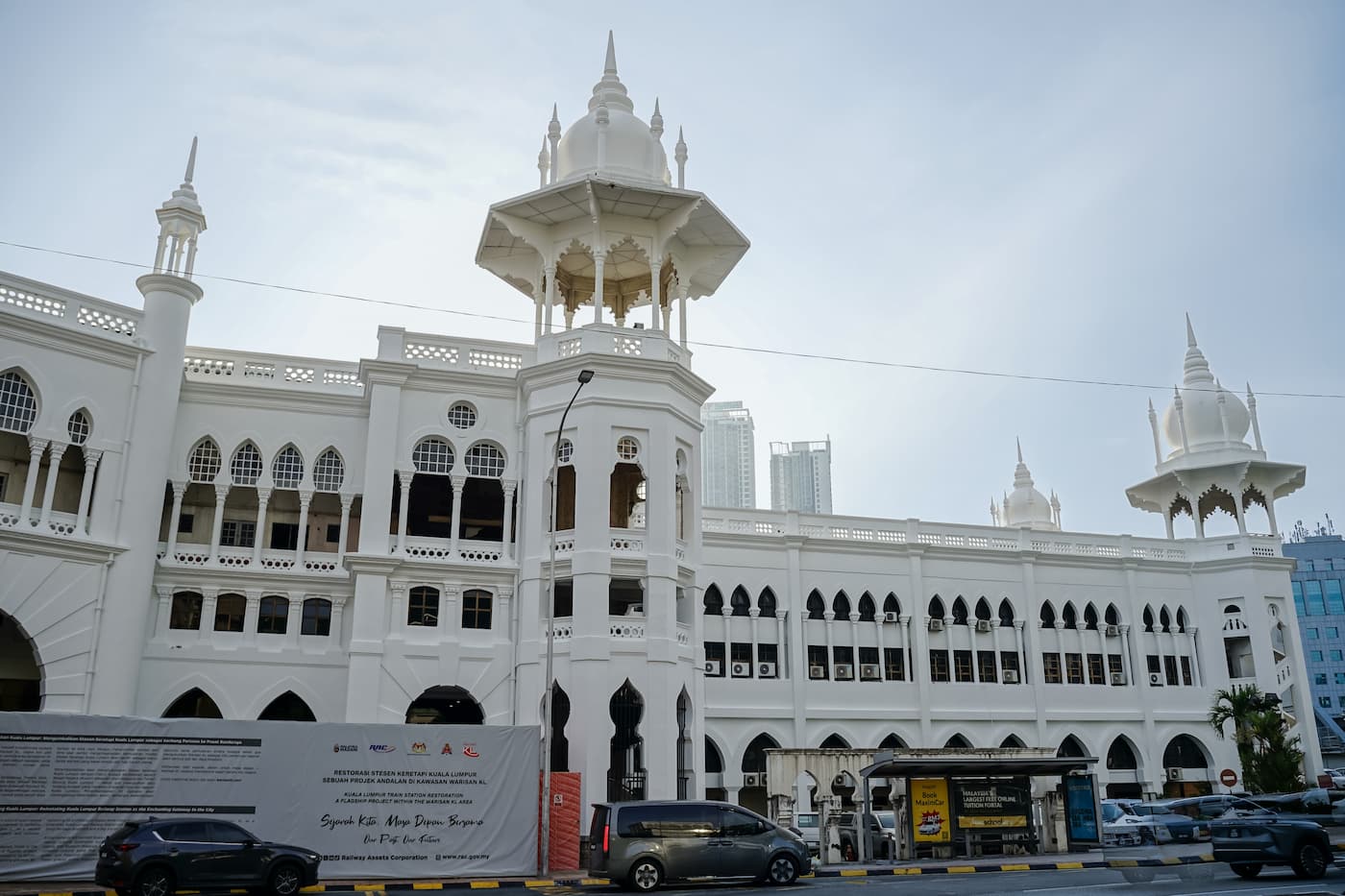
In line with this vision, RAC launched Phase 1 of the Kuala Lumpur Railway Station Facade Conservation Project on March 25, 2025.
The works focus on addressing weathering, deteriorating plaster and building materials that have been affected by decades of exposure to the elements. “This project is not just about repainting or cosmetic improvements,” Azhar emphasises. “It involves technical conservation work carried out according to heritage preservation principles to ensure the original character of the building is maintained.”
The project is a collaborative effort involving urban regeneration organisation Think City, architectural consultants ATSA Architects and Pakatan Arkitek, as well as contractor As-Syaff Resources. The works are closely monitored by Jabatan Warisan Negara due to the station’s heritage status.
“This multi-party collaboration is crucial,” Azhar says. “It ensures that the work done is not only visually appealing, but technically correct and respectful of the building’s historical value.”