
Central Market
St Mary’s Cathedral: A Living Landmark of Faith and Heritage
Standing beside Merdeka Square (Dataran Merdeka) on Jalan Raja, and bounded on the north by the Gombak River, St Mary’s Cathedral is one of Kuala Lumpur’s enduring historic landmarks.
The cathedral dates to the late 19th century and remains the mother church of the Anglican Diocese of West Malaysia. The foundation stone of the church at its current location was laid on Feb 3, 1894 by the then British Resident of Selangor, WH Treacher, in a ceremony officiated over by Bishop GF Hose.
Its English Gothic architecture, historic stained-glass windows, antique pipe organ and century-old furnishings offer a glimpse into the city’s colonial-era past, while its active congregation continues to give the building a living purpose today.
01
Historical Significance and Legacy
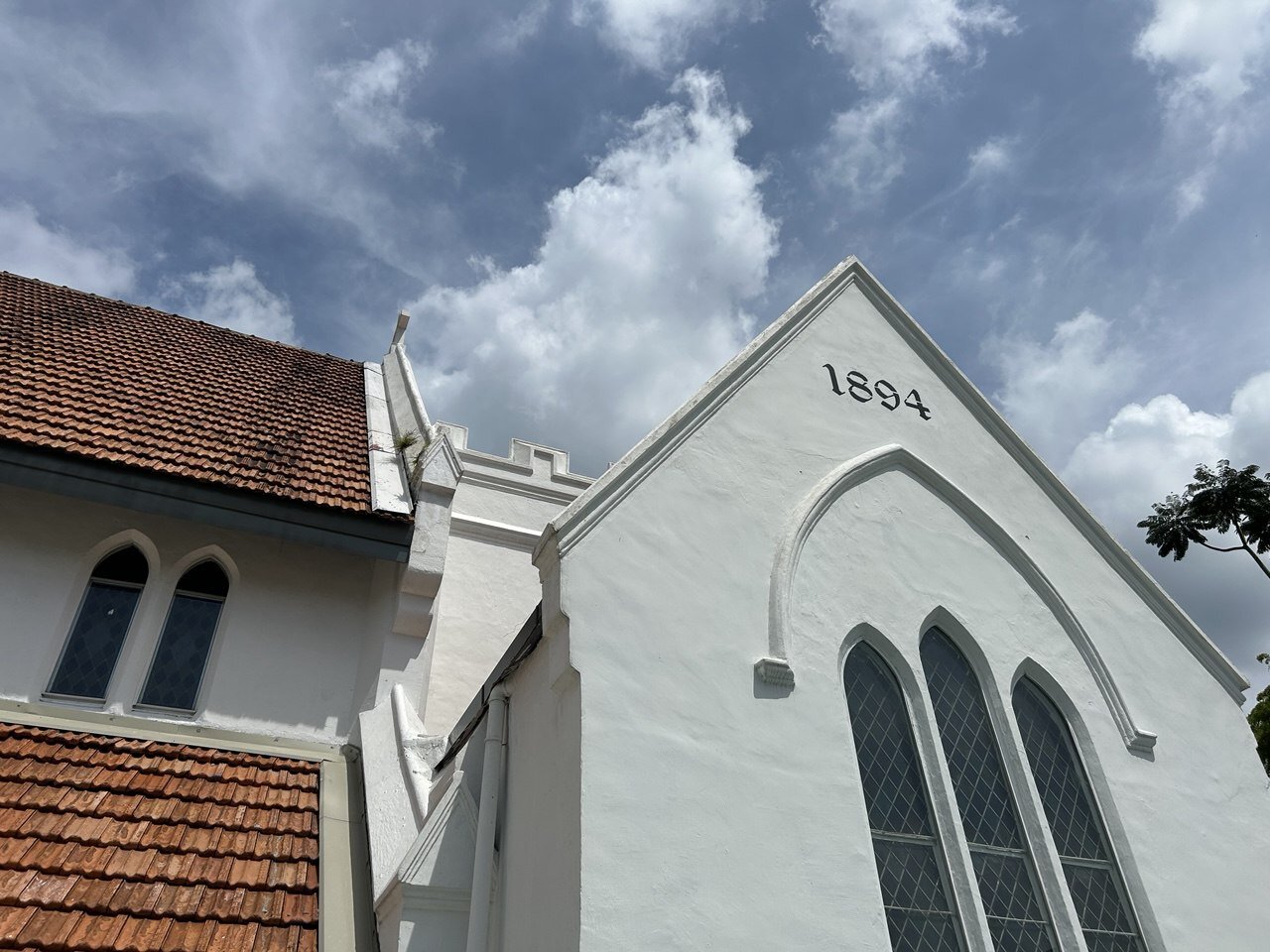
St Mary’s Cathedral forms an important part of the historic civic landscape surrounding Dataran Merdeka, an area that traces Kuala Lumpur’s transformation from a colonial administrative centre into the capital of an independent nation. The cathedral has stood at the heart of this changing city for more than a century.
- Early Days: The original church was a simple wooden building on Bluff Road, only able to accommodate 95 people. As the congregation grew, a decision was made in 1893 to build a larger church at a new site on Jalan Raja.
- A Historic Place of Worship: Consecrated in the late 19th century during the era of British Malaya, St Mary’s has served generations of worshippers and remains an active place of worship today.
- A Living Landmark: The cathedral has endured the upheavals of the early 20th century and repeated floods, yet continues to serve a flourishing congregation.
- An Enduring Presence: Its location along Jalan Raja places it within one of Kuala Lumpur’s most significant heritage areas, alongside the Merdeka Square and landmarks including the Sultan Abdul Samad Building and the Royal Selangor Club.
02
Architectural Legacy
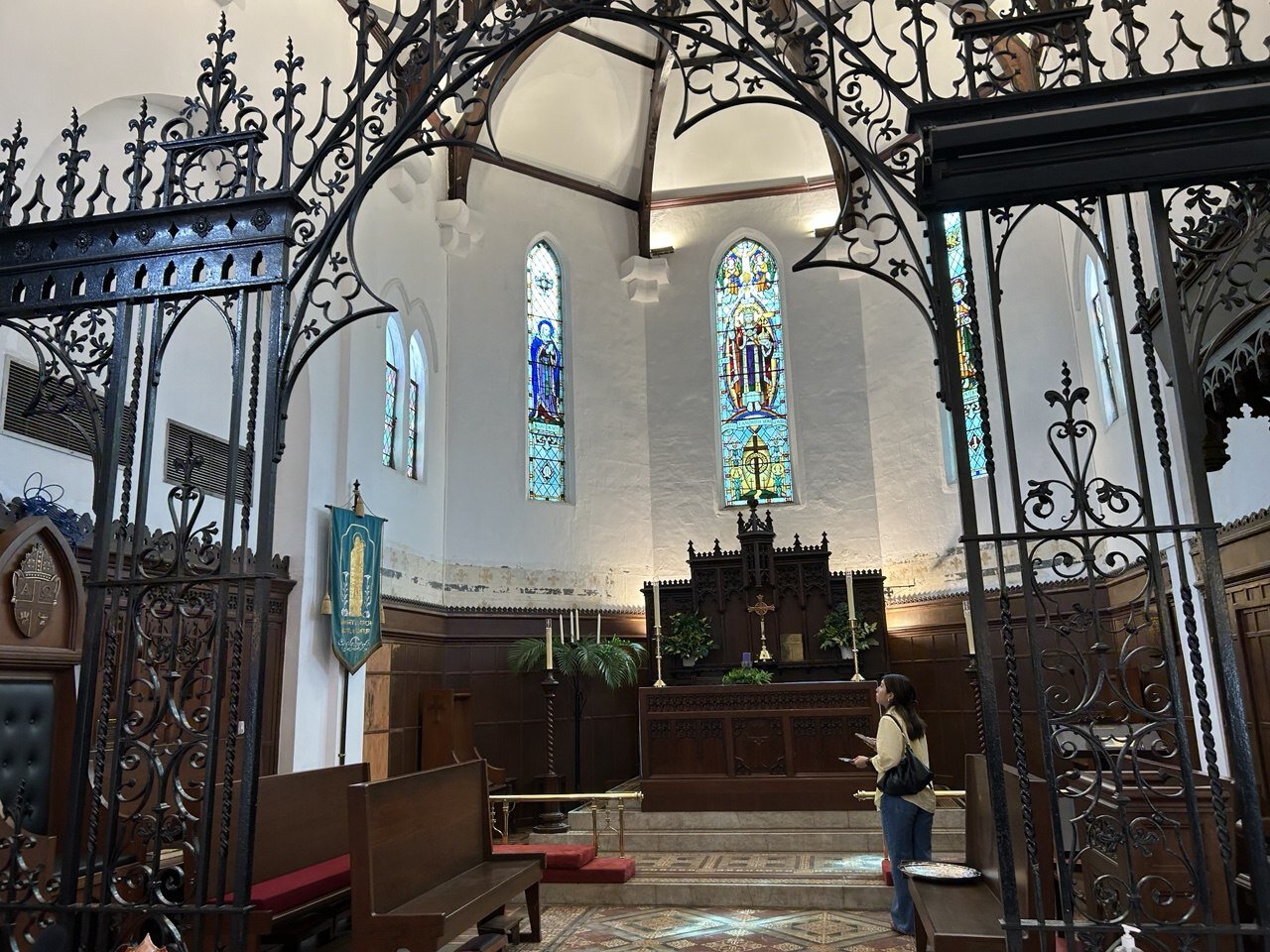
With its distinctive cross-shaped plan, St Mary’s Cathedral reflects the Early English Gothic tradition. Designed by British architect AC Norman, the building features characteristic Gothic elements, including pointed arches and stained-glass windows. Inside, three stained-glass windows above the chancel depict Jesus Christ, St John and the Virgin Mary, forming one of the cathedral’s most prominent interior features.
The building itself has also evolved through necessity and careful maintenance. Over the years, conservation work has included repairing roof beams damaged by termites, requiring matching timber and specialist carpentry to reproduce the original European-style cuts.
The building itself has also evolved through necessity and careful maintenance. Over the years, conservation work has included repairing roof beams damaged by termites, requiring matching timber and specialist carpentry to reproduce the original European-style cuts.
03
Windows That Tell the Story of Malaya
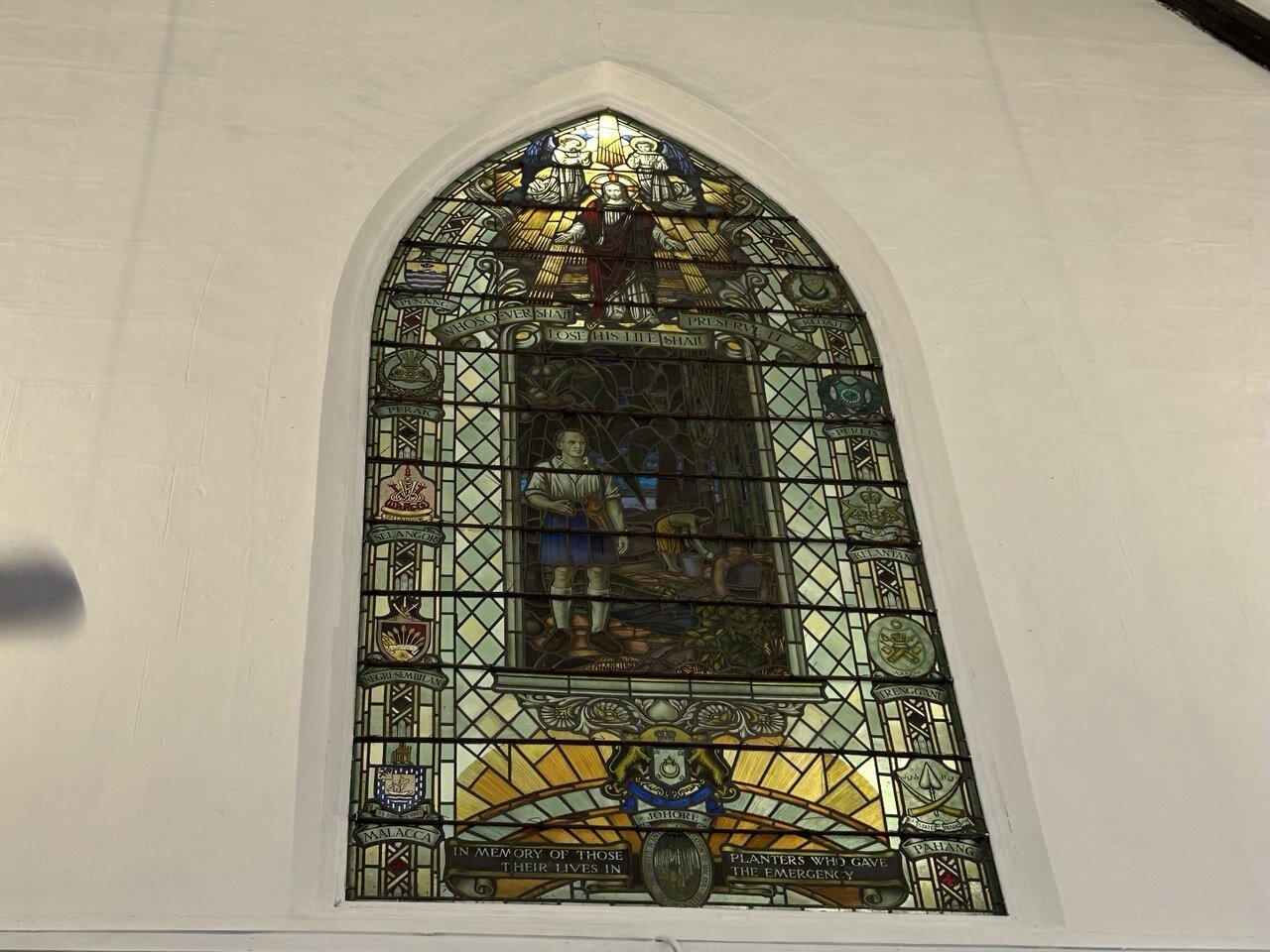
The cathedral’s stained glass is more than decorative. Its windows preserve stories of the people, events and communities connected to the country’s past.
One of the most distinctive is the Planter’s Window at the western end of the cathedral. It commemorates planters who lost their lives during the Malayan Emergency from 1948 to 1960. Its imagery reflects the agricultural landscape of the period, featuring rubber, tea, oil palm and coconut, alongside estate workers and a Scottish planter in a kilt. The crests of the former states of the Federation of Malaya are also incorporated into the design.
The cathedral’s central stained-glass window depicting Christ has its own wartime history. According to a long-serving verger, the original window was removed and buried by a rubber planter during the Second World War to protect it from damage. The planter later returned to England and did not come back, and the whereabouts of the original window remain unknown.
Together with the cathedral’s commemorative plaques, these details transform the building into a repository of memories – connecting its religious history with the wider story of Malaya and Kuala Lumpur.
04
A Cathedral of Memory
Throughout St Mary’s are metal plaques commemorating people and events associated with its history.
Among the memorials and commemorative plaques inside the cathedral is one honouring the 91 people who lost their lives during the First World War, and another marking the visit of Queen Elizabeth II in 1998.
Another honours Dr Ernest Aston Otho Travers, who founded the Sungai Buloh Leprosarium in 1930. His contribution to medical care in Malaya is also remembered in the name of Jalan Travers, which bears his name.
Even seemingly small details reveal the building’s age. During renovation work, layers of white paint were removed from the walls near the altar, revealing faint fleur-de-lis patterns beneath – traces of an earlier decorative scheme that had been hidden for decades.
The cathedral underwent several extensions and renovations over the years. The rear was extended in 1958 to accommodate Jubilee Hall, followed by the construction of a two-storey parish and administrative annexe in 1968. Further renovations between 2006 and 2007 saw the addition of a Multipurpose Hall, offices and meeting rooms, while Jubilee Hall was incorporated into the rear section of the main cathedral. Acoustic improvements were also carried out in 2012 to reduce external noise.
05
An Organ with a History

Among the cathedral’s most remarkable objects is its antique pipe organ, located on the upper floor on the northern side of the nave.
Although the organ has no maker’s label, it is widely believed to have been built by celebrated Victorian organ builder Henry Willis, whose work also includes the organ at St Paul’s Cathedral in London.
The organ was originally bought by Frederic Duberly, the Acting Resident of Pahang, for his personal use in 1898, before being installed at St Mary’s in 1904. The instrument survived the devastating floods of 1928, although it had to be moved to another location within the cathedral. It was badly damaged again during World War II and was completely rebuilt in 1951.
Originally operated by hand-pumped bellows, it has since been converted to electrical power.
The organ is therefore not simply a musical instrument, but another surviving artefact from the cathedral’s early history.
06
A Building Shaped by Time
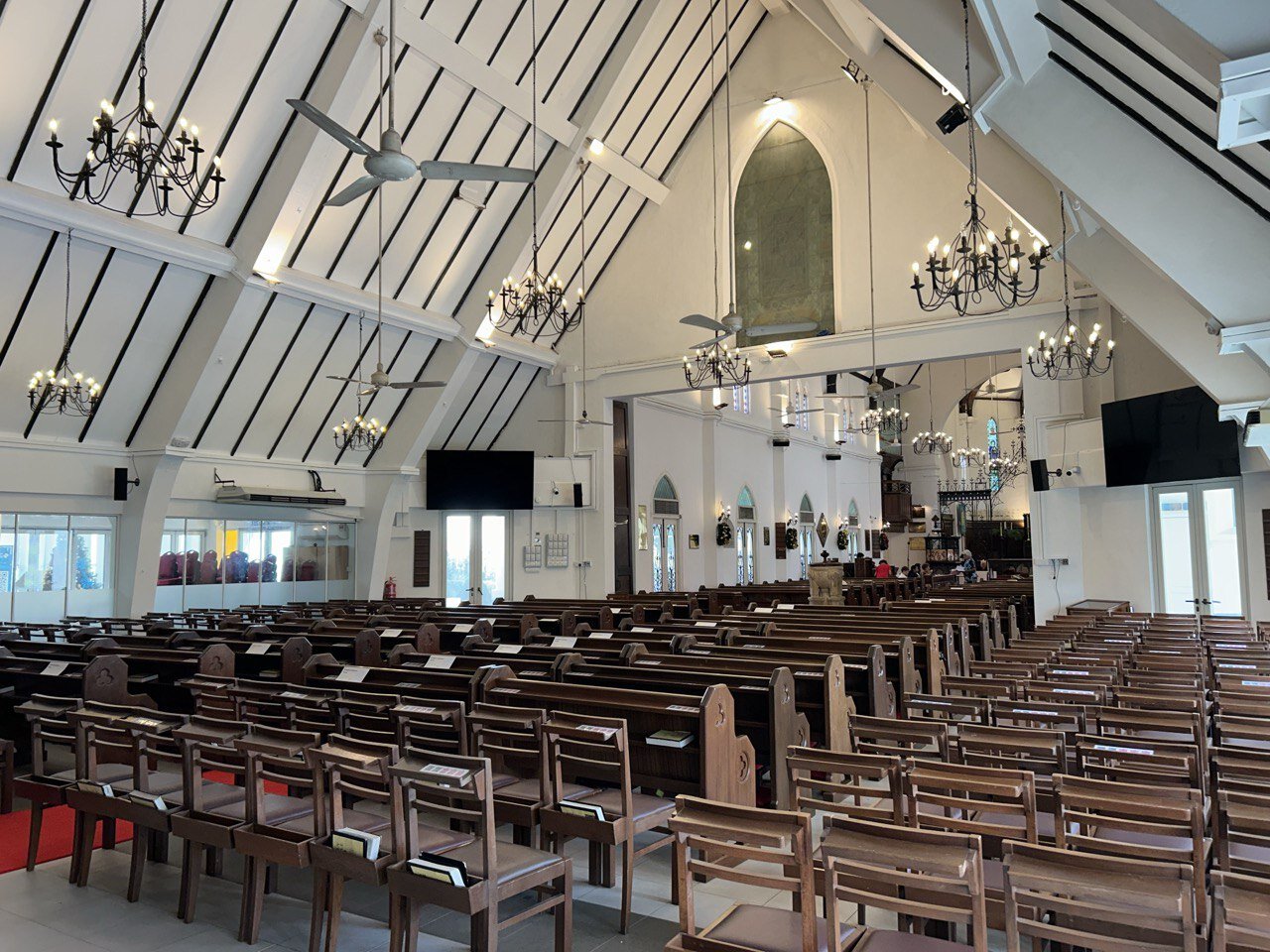
The cathedral’s historic character can also be found in its everyday furnishings. Most of its wooden pews are believed to date from 1894 and have survived repeated floods – including occasions when floodwaters were strong enough to lift them from the floor.
Maintaining a building of this age requires both specialist knowledge and considerable care. Conservation work has involved sourcing timber that matches the original beams and finding craftspeople able to reproduce traditional European architectural details.
These efforts reflect an important principle of heritage conservation: preserving a historic building is not simply about maintaining its appearance, but understanding the materials, craftsmanship and techniques that give it its character.
07
St Mary’s Cathedral Today
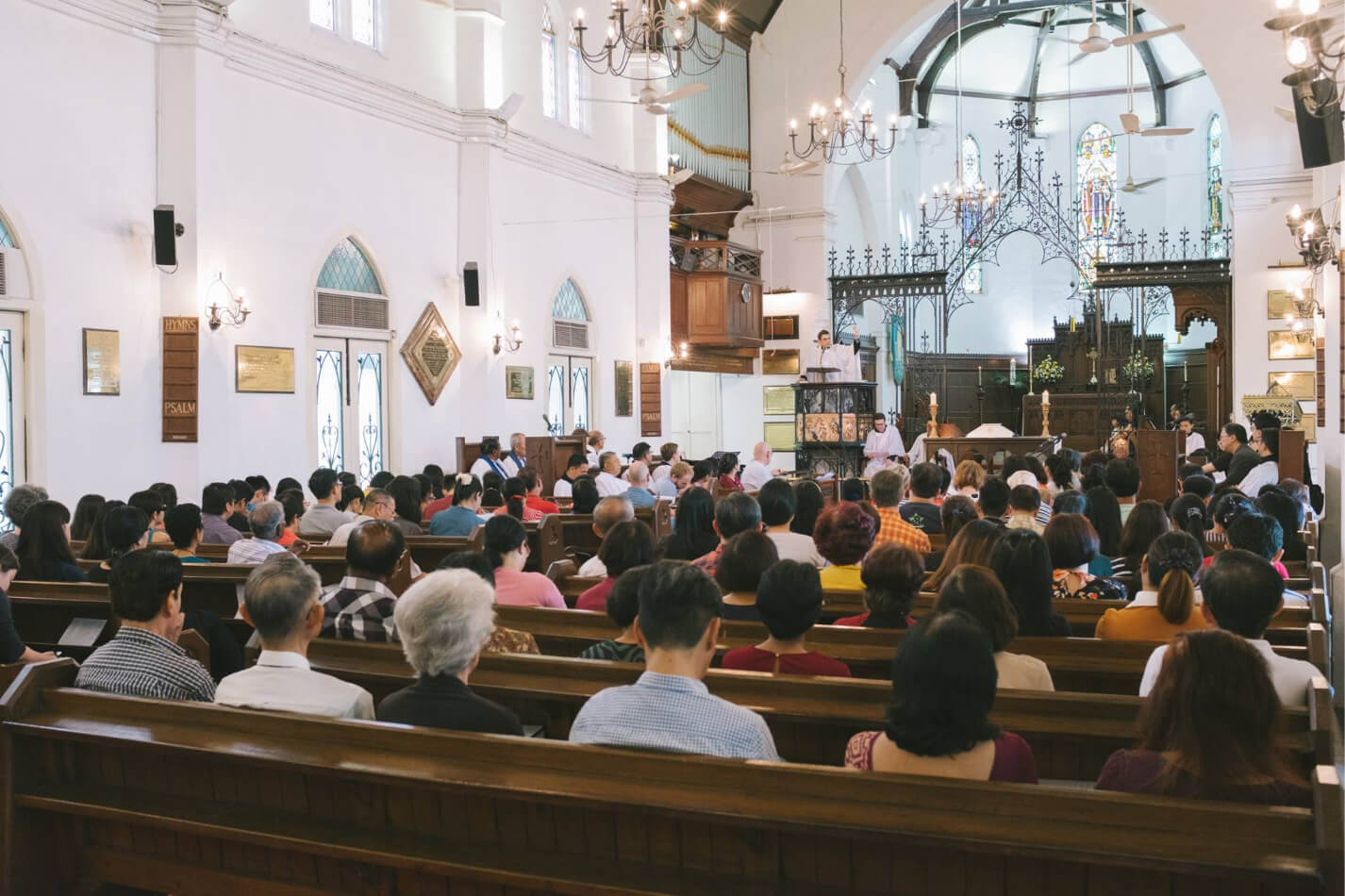
While its architecture and surviving artefacts connect St Mary’s to Kuala Lumpur’s past, the cathedral remains very much a living institution.
Its congregation continues to gather for worship and community activities, with Christmas traditions including carolling and the annual Nine Lessons and Carols service. Such activities ensure that the cathedral is not preserved merely as an architectural relic, but remains an active part of the city’s social and spiritual life.
Standing alongside the historic buildings of Merdeka Square, St Mary’s Cathedral contributes another dimension to Kuala Lumpur’s heritage landscape. Its walls, windows, organ and furnishings carry stories of different generations, while its continuing role as a place of worship ensures that those stories remain part of the city’s living heritage.
St Mary’s Cathedral is, ultimately, more than a surviving example of English Gothic architecture. It is a landmark shaped by faith, history, conflict, floods, conservation and community — and an enduring part of the story of Kuala Lumpur.
Key Strategies
KLCCD’s Strategic Master Plan outlines seven core strategies to transform downtown KL into a thriving cultural district.
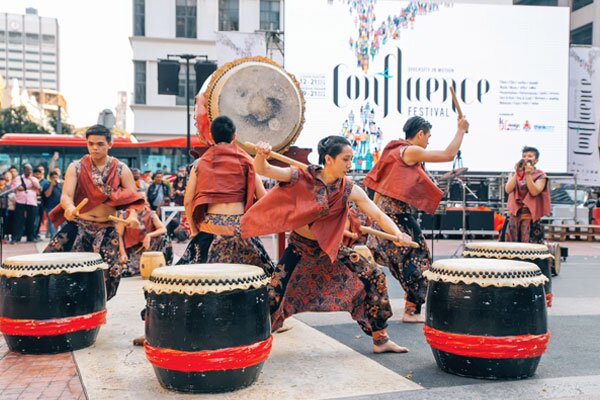
Strengthening the Creative & Cultural Ecosystem
- Developing dedicated arts and performance spaces.
- Supporting creative businesses, galleries, and innovation hubs.
- Hosting cultural festivals, exhibitions, and public art initiatives.
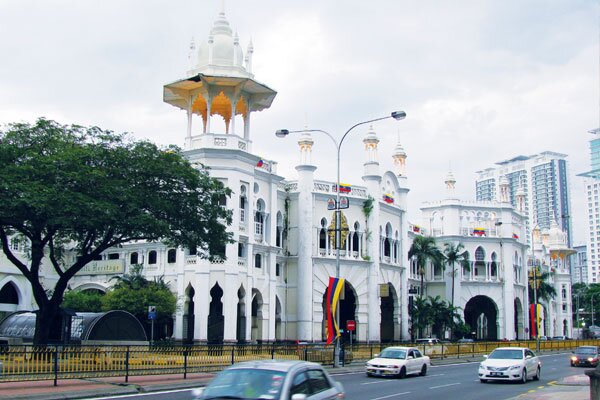
Preserving & Restoring Heritage
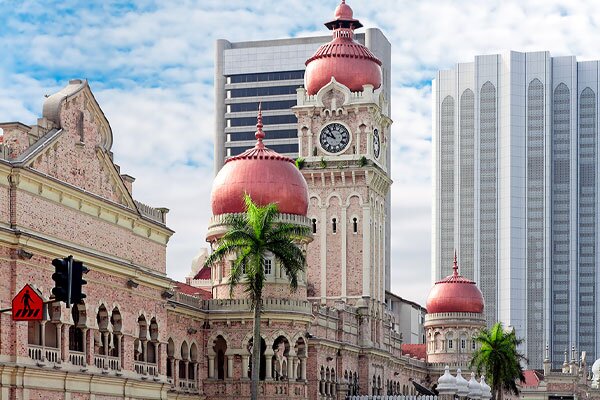
- Restoring Bangunan Sultan Abdul Samad, Central Market, and the Old KL Railway Station
- Adaptive reuse of historic buildings for new cultural and commercial functions

Improving Public Spaces & Connectivity
- Upgrade walkways, parks, and public squares for an inviting atmosphere.
- Enhance public transport links and cycling routes to promote urban mobility.
- Activate laneways and riverfront areas as vibrant community spaces.
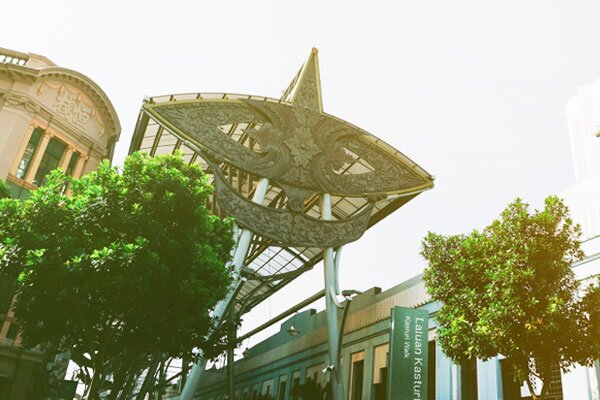
Revitalising Key Precincts
- Heritage Triangle Precinct – Restoring and reactivating historic streetscapes.
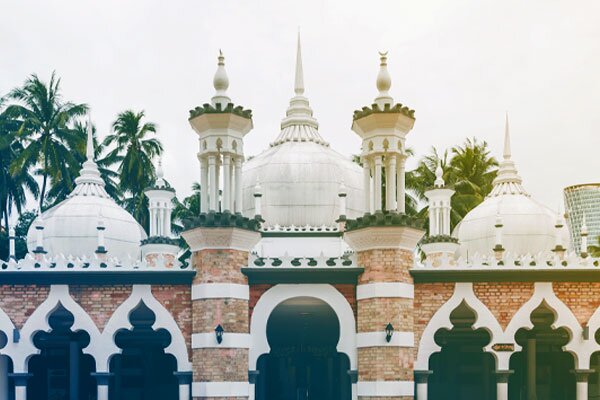
- Petaling Street & Traditional Shopping Street Precincts – Preserving KL’s Chinatown and its traditional trades.
- Civic Precinct – Enhancing the area around Dataran Merdeka and national landmarks.
Repopulating the City Centre
- Encouraging urban living through mixed-use developments.
- Supporting affordable housing for artists, students, and professionals.
- Introducing community-driven projects to strengthen local engagement.
Environmental & Sustainable Growth
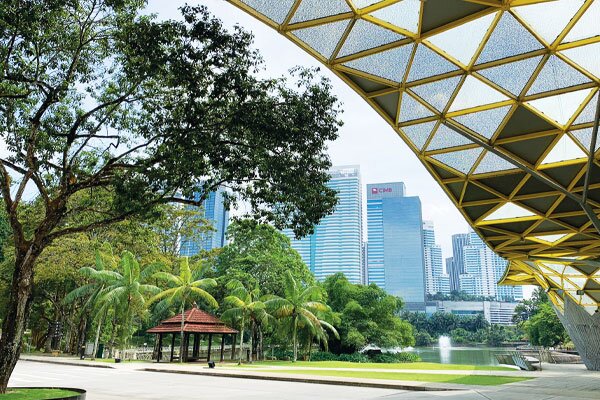
- "Forests in the City" – Expanding green spaces such as Taman Tugu and Bukit Nanas.
- Greener public spaces and eco-friendly urban planning.
- Sustainable conservation practices to protect cultural and natural heritage.
Governance & Long-term Sustainability
- Develop a governance framework to oversee heritage conservation and creative industries.
- Introduce incentives and funding mechanisms to attract private investment.
- Strengthen community participation in decision-making processes.
The new face of Kuala Lumpur
A city shaped by history and growth — explore Kuala Lumpur’s story in our booklet.
Don’t miss these interesting sites nearby
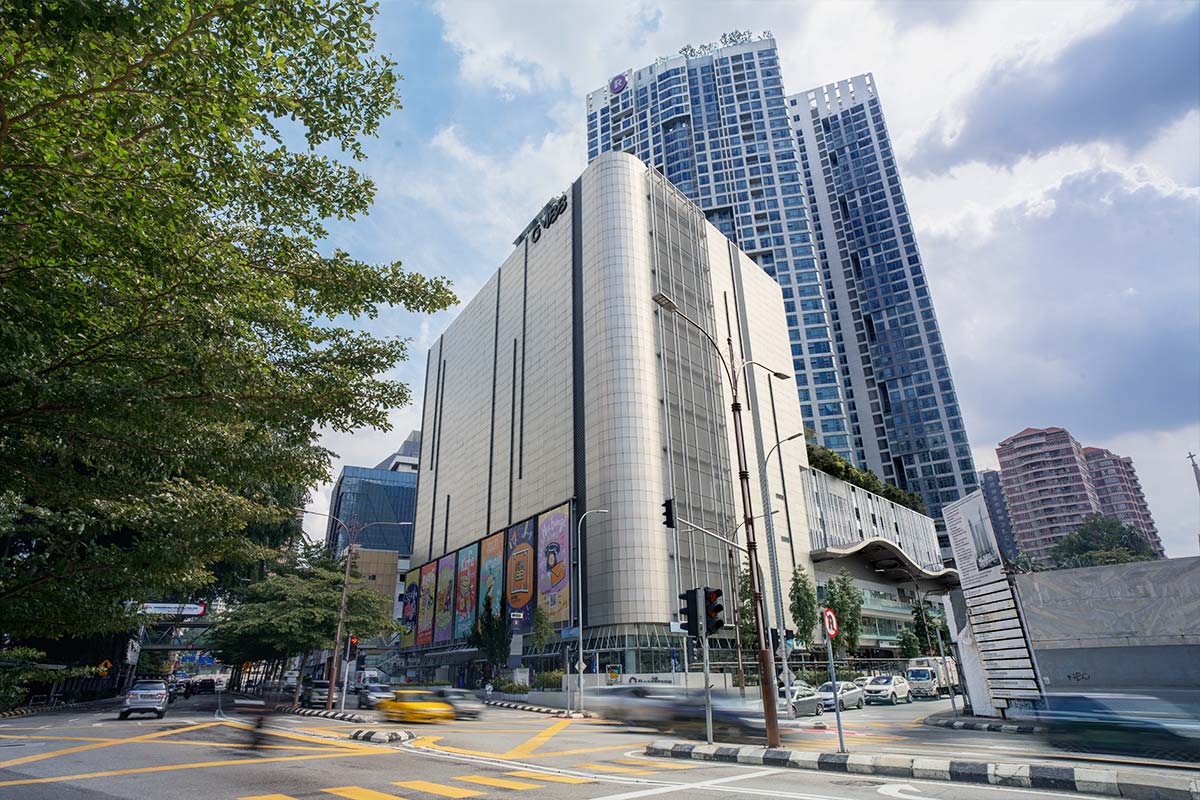
GMBB
Not your average mall – this one's a bold experiment in artsy retail and indie cool.
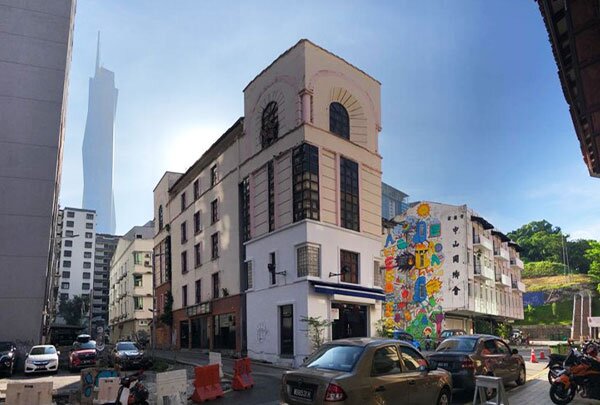
Zhongshan Building
Old building, fresh ideas – a favourite hangout for creatives, coffee lovers and curious explorers.
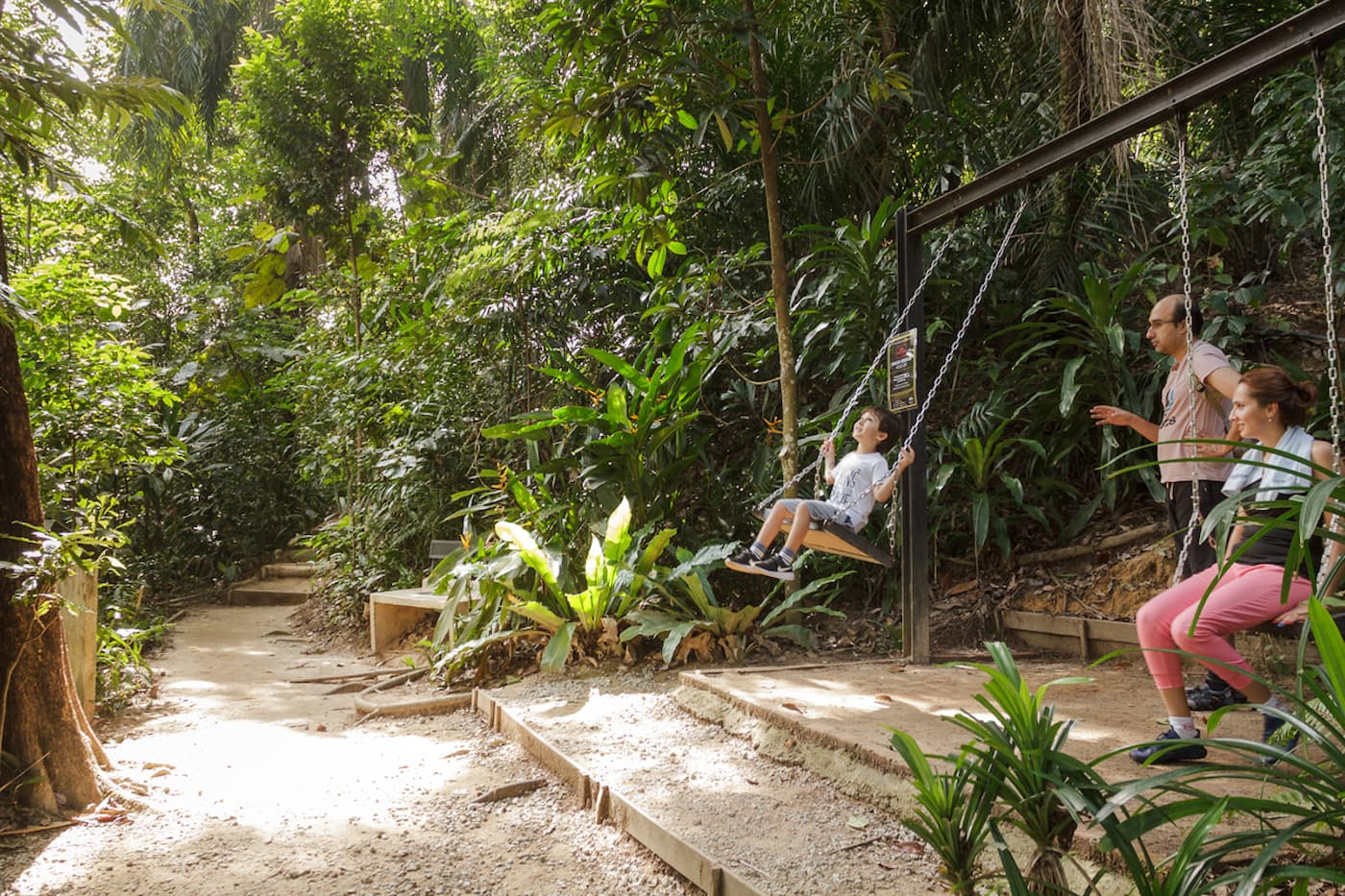
Taman Tugu
Discover a green sanctuary of rainforest trails, native wildlife and peaceful landscapes just minutes from the city centre.
Shaping the Future of KL
Warisan KL aims to redefine Kuala Lumpur as one of Asia’s premier creative and cultural destinations – a city where history, creativity, and modernity come together to create a dynamic and inclusive urban experience.
