Rolling Out Chapatis and Memories

Lynette Moey | 24 July 2025
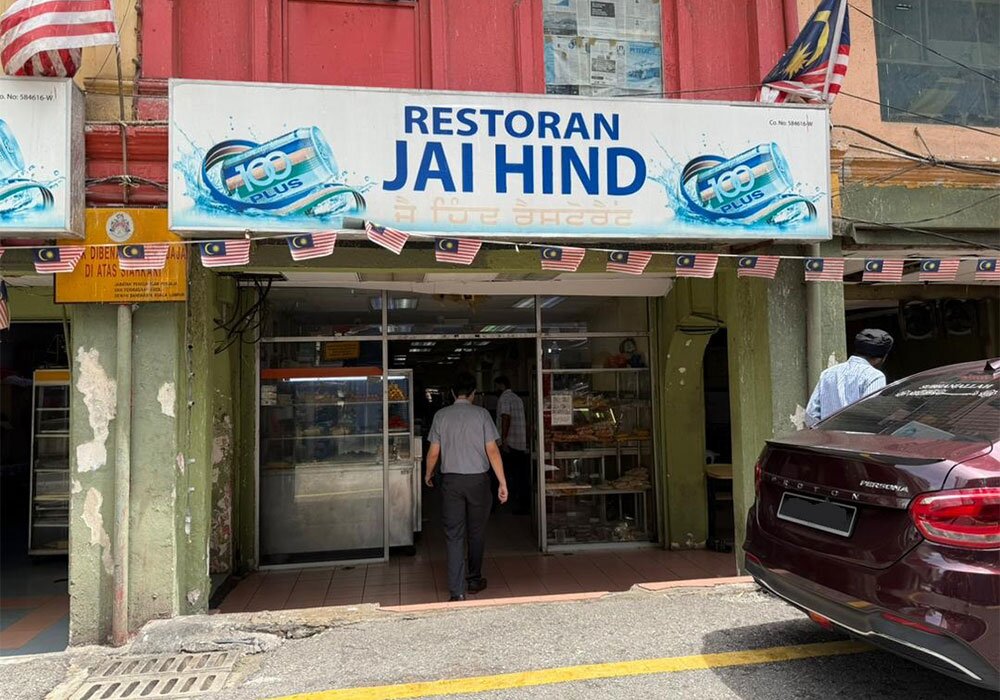
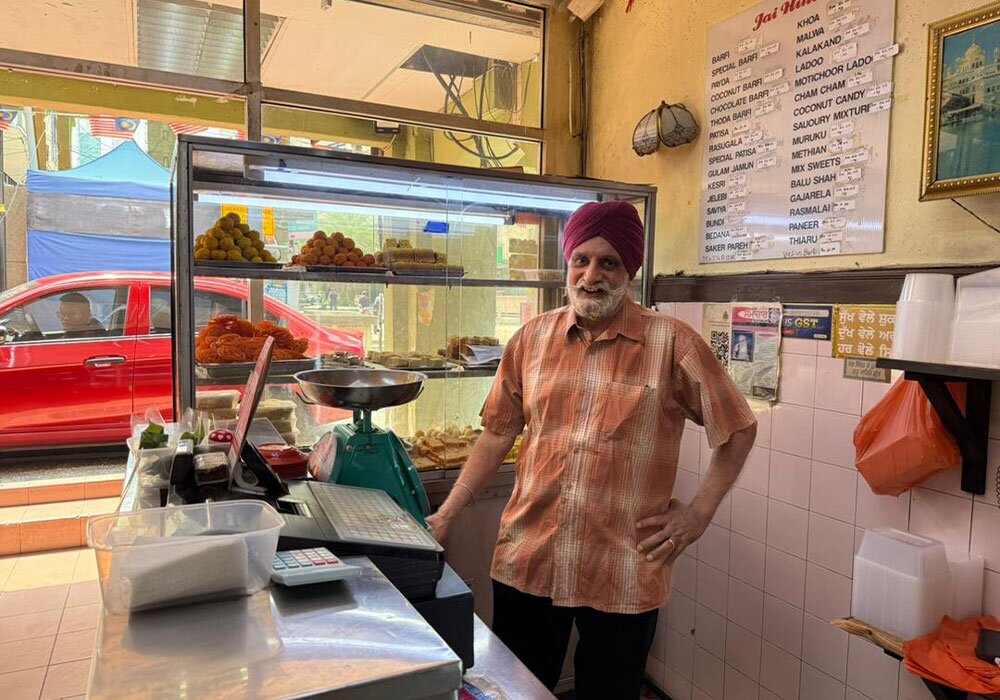
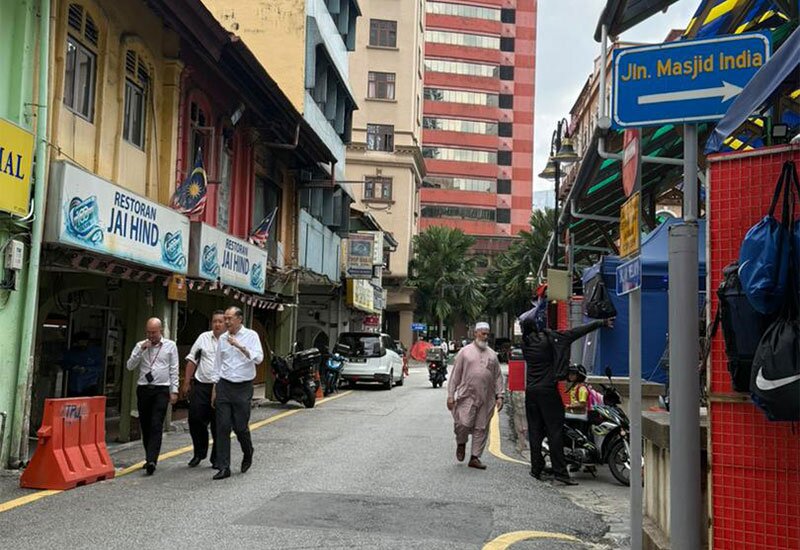
IF you’ve ever wandered through the Masjid India area and its adjoining Jalan Melayu bazaar – where shops and tents sell just about everything under the sun – you may have noticed Jai Hind, a venerable old Punjabi restaurant that’s been around for more than half a century.

Masjid India itself is one of the oldest quarters of Kuala Lumpur. It’s a hub of colour and commotion, embodying both the history and hubris of the local Indian community.

In fact, some tour groups even include Jai Hind as a designated pit stop for visitors — proof of just how legendary this little restaurant has become.
Generations
Jai Hind is old, established even before the Second World War. Dallip Singh, the father of Bhoopender Singh, who now runs Jai Hind, was originally from Punjab. When he came to Malaya, he worked hard, saved up money and hoped to make a better life for his family.

Dallip worked as a cashier down the road at another Indian restaurant. When the owners of Jai Hind (it was also called Jai Hind back then) wanted to return to India, Dallip took the opportunity to buy over the business in 1946 together with three other partners.

“Along the years, my father bought out the other partners,” Bhoopender shares. “He sent me to study chemical engineering in Australia. But when I came back, it was the 1970s, and there were no jobs for chemical engineers. So I went to work in the shop. I managed to find work as a chemical engineer, but I only worked in that profession for five years. Then I came back to run Jai Hind.”
The affable owner, Bhoopender Singh, still lives above the restaurant on Jalan Melayu. Photos: Annabeth Lee
Jai Hind has seen its ups and downs over the many years it has been in operation. “I took over in 1982 because the business was not doing well,” Bhoopender says. “We worked very hard, and the business picked up again.”

Situated close to the confluence of the Klang and Gombak rivers at Masjid Jamek, Jai Hind was no stranger to Kuala Lumpur’s notorious floods in the 1970s, 80s and even into the 90s. Long before the SMART Tunnel diverted stormwater away from the city centre, flood season often meant the restaurant’s shop floor would be submerged under three feet of murky water – a seasonal challenge the owners took in stride.

They would have to close the shop, drain the floodwater and then reopen it.
Another bad time was during the Covid-19 pandemic. They had to close the shop for six months, and could only open it up for takeaways for another six months.

“It was a very difficult time,” Bhoopender admits.
Sumptuous Punjabi and North Indian Food

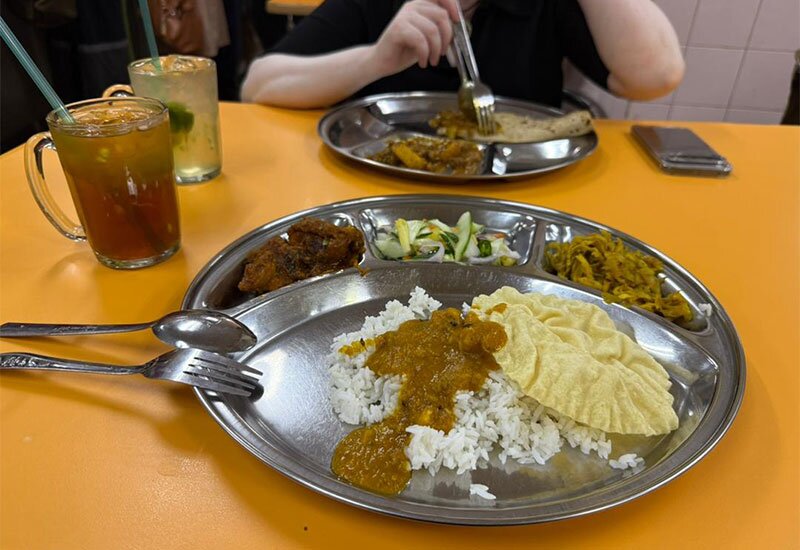
For decades, Jai Hind has drawn loyal patrons (including this writer!), many of whom fondly recall its excellent mutton mince (kameer) and ras malai – a delicate North Indian dessert that remains a rare find in both Malaysia and Singapore.

Jai Hind’s prices remain remarkably competitive even today. A meal for two – including two warm, round chapattis, a fluffy naan, a masala chai, two portions of mutton mince, a curry chicken thigh, and a serving of ras malai – came to just RM25. It’s the kind of value rarely found in Kuala Lumpur establishments these days.

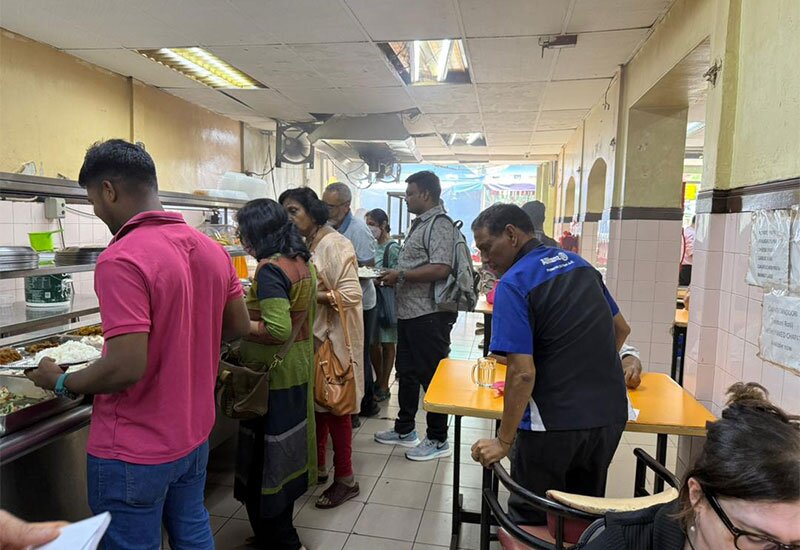
There are plenty of chicken, mutton and vegetable dishes to choose from, catering to both vegetarians and meat-eaters. What sets Jai Hind’s food apart from other joints is its authentic taste.
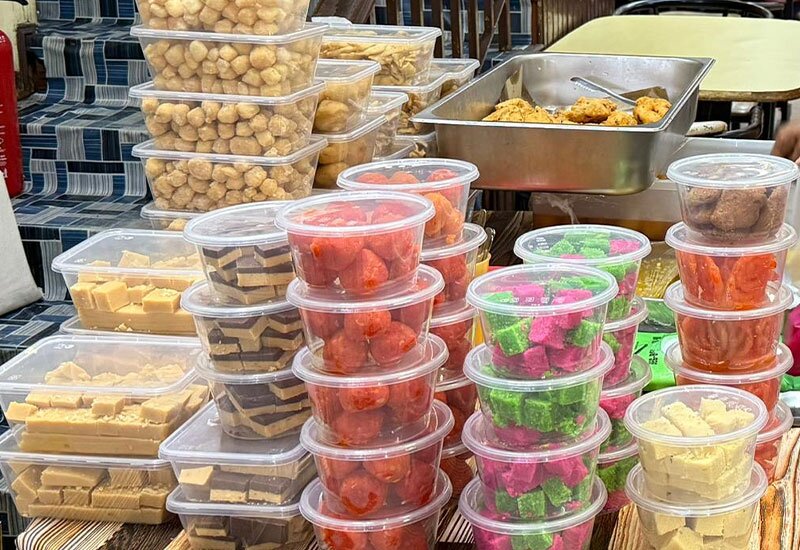
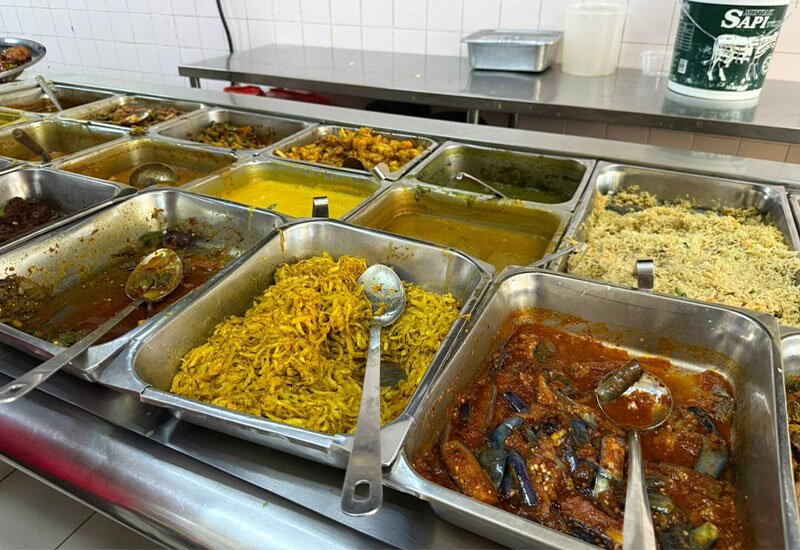
John Bhullar, 65, a loyal customer, has been going to Jai Hind for years. “This is what you call real food,” he says. “I always insist that they make my chapati fresh and not take it from the pile. My girlfriend is Chinese, and she loves the food too.”

Jai Hind’s front counters boast a very huge variety of sweets like gulab jamun, ladoo and palkova, traditional Indian sweets.

“During Deepavali, there would be queues and queues for the sweets,” John says. “Those sweets are famous,” Bhoopender agrees. “At one time, we were catering those sweets to the Malaysian Airline System.”

Then and Now

Bhoopender grew up with Jai Hind. He still lives in his childhood home above the shop itself, even though he has a house in Section 14, Petaling Jaya. “We rent that out. I prefer to live here.”

During the early years post-war, Jai Hind’s menu was a lot less hefty than it is today. “It was some chapati, dhal, rice and cow milk tea,” he says, adding that the cow milk tea is still famous today!
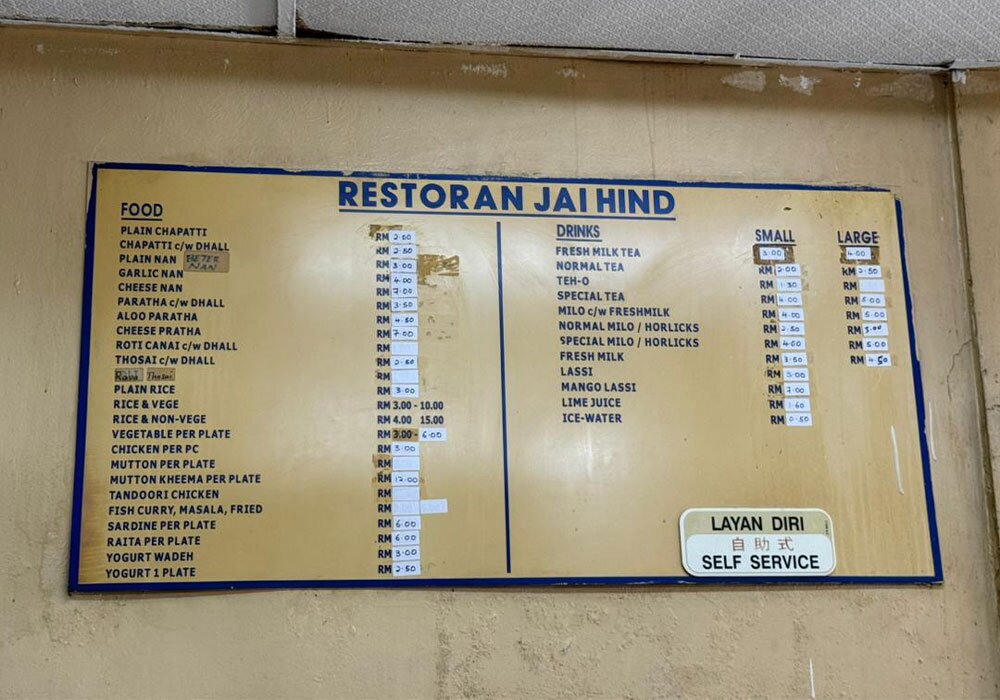
Today, the menu has expanded considerably. Jai Hind has also expanded from one humble shoplot to its current three today, although one shoplot is used mostly as a kitchen. The clientele has also expanded, adding many tourists and North Indian workers to its patrons.

“The North Indian workers like to come here because the food reminds them of home,” Bhoopender explains.

The store’s owner admits to worrying about the future and who will carry on the family legacy. “My three children aren’t interested, so I’m hoping my nephew might take over one day,” he says with a hint of resignation.

One can only hope – for the sake of great food at honest prices – that this grand old fixture of the Masjid India area continues to thrive for generations to come.

Restoran Jai Hind
15, Jalan Melayu, City Centre, 50100 Kuala Lumpur, Wilayah Persekutuan Kuala Lumpur

How to get there? Take the LRT to Masjid Jamek Station and it’s just a short walk down Jalan Melayu.

Discover more stories

Ooops!
Generic Popup2