Ann Marie Chandy | 28 July 2025
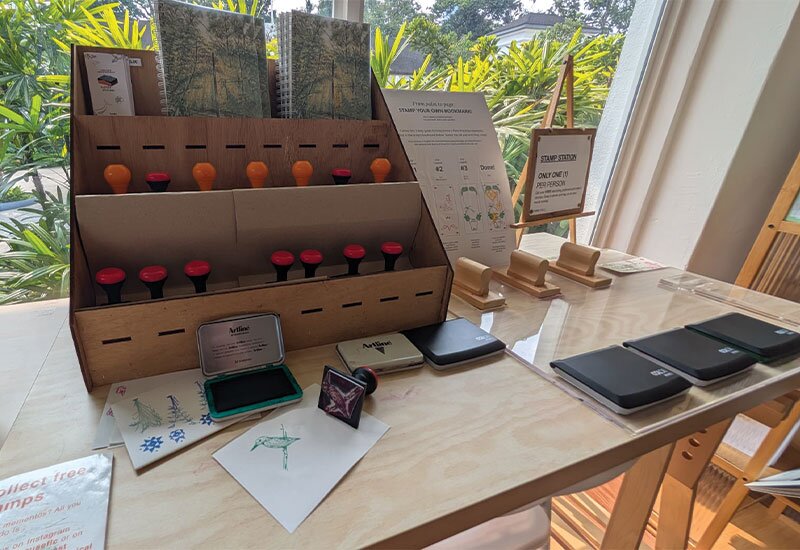
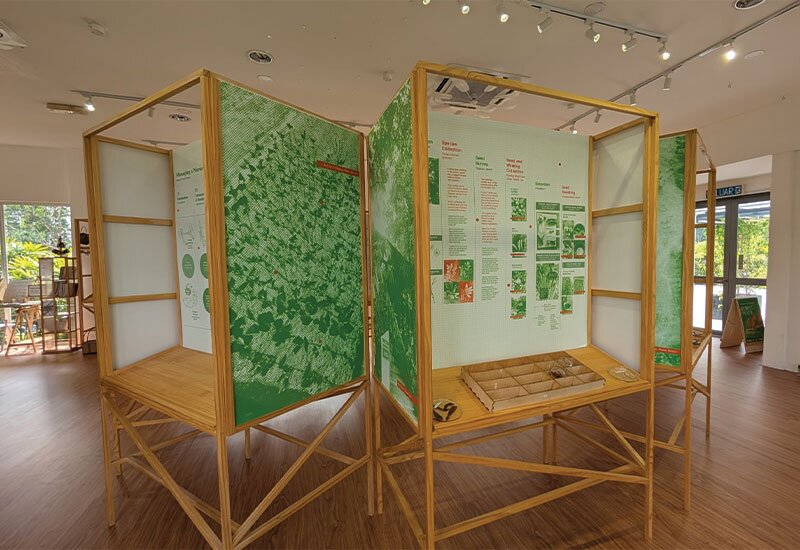
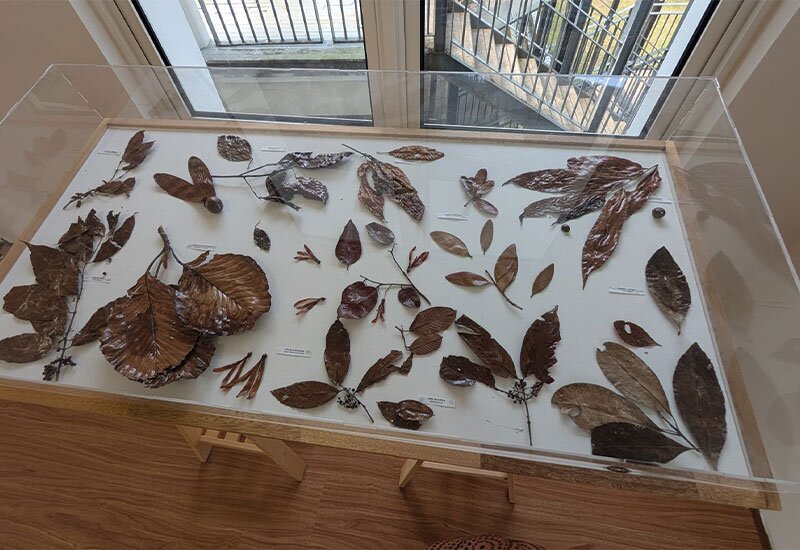
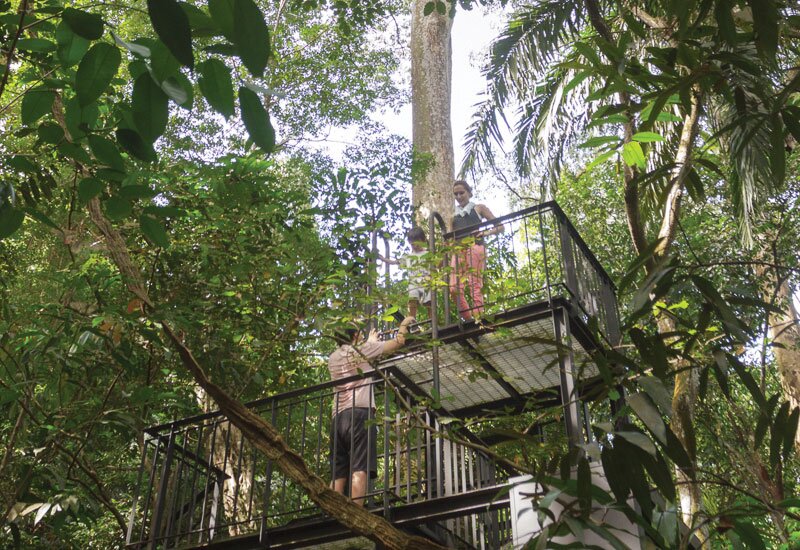
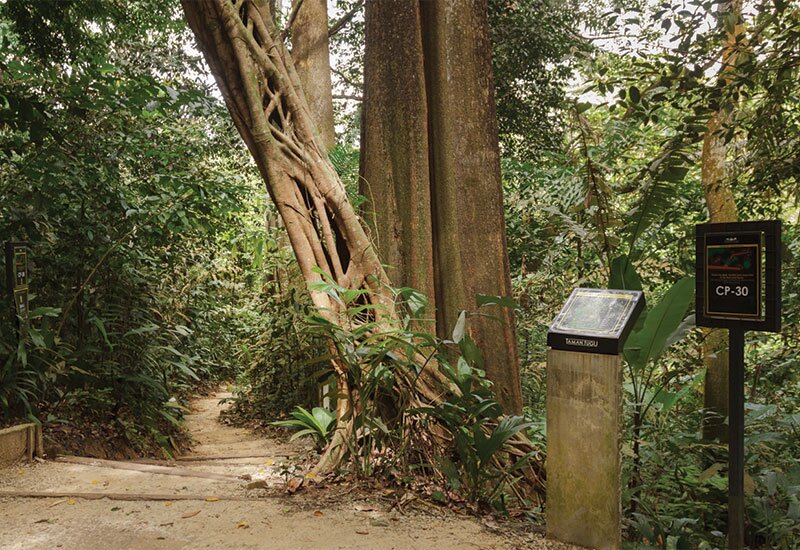
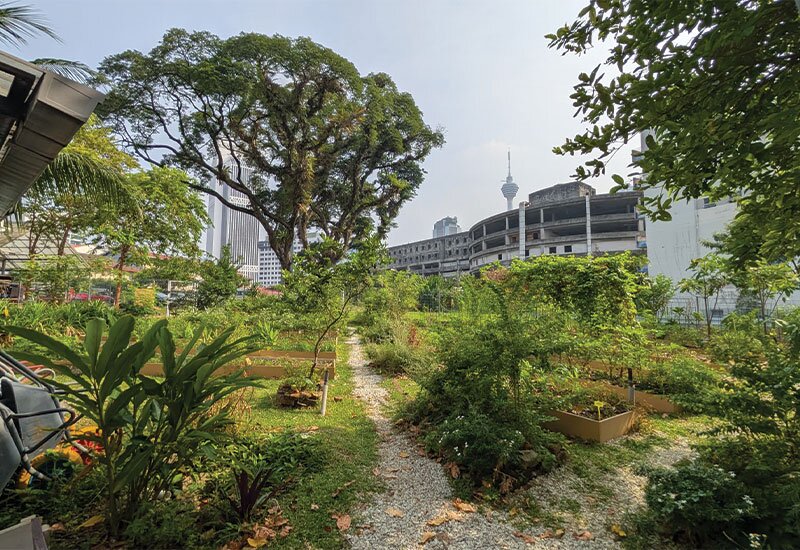
Between KL Tower, Menara 118 and Parliament House lies a 26ha surprise: Taman Tugu, a rewilded urban forest that feels a world apart from the city’s buzz.
“Taman Tugu is like stepping into a secret forest behind the city’s hustle,” says Anwar Sauqie, Fundraising, Activation and Communication Manager for the initiative. Once earmarked for commercial development, the land was instead reclaimed and transformed into one of KL’s rarest public gifts: a green lung that grows richer each year.
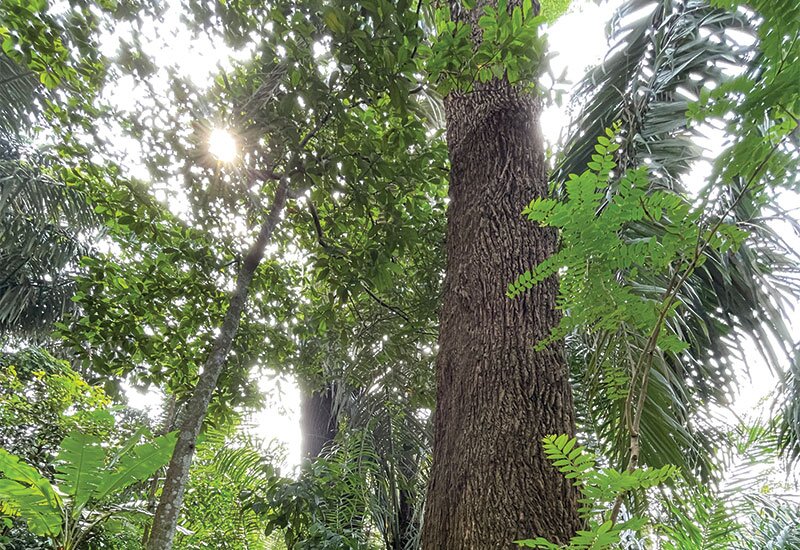
Over 5,000 trees representing more than 230 indigenous species have been planted, including endangered giants like Tembusu, Jelutong and Pulai. “You can find trees here that you’d normally have to travel to Taman Negara to see,” Anwar notes. “It’s a living museum of Malaysia’s rainforest heritage.” Wildlife is returning too, with macaques, birds and native fauna increasingly spotted among the thickening canopy.
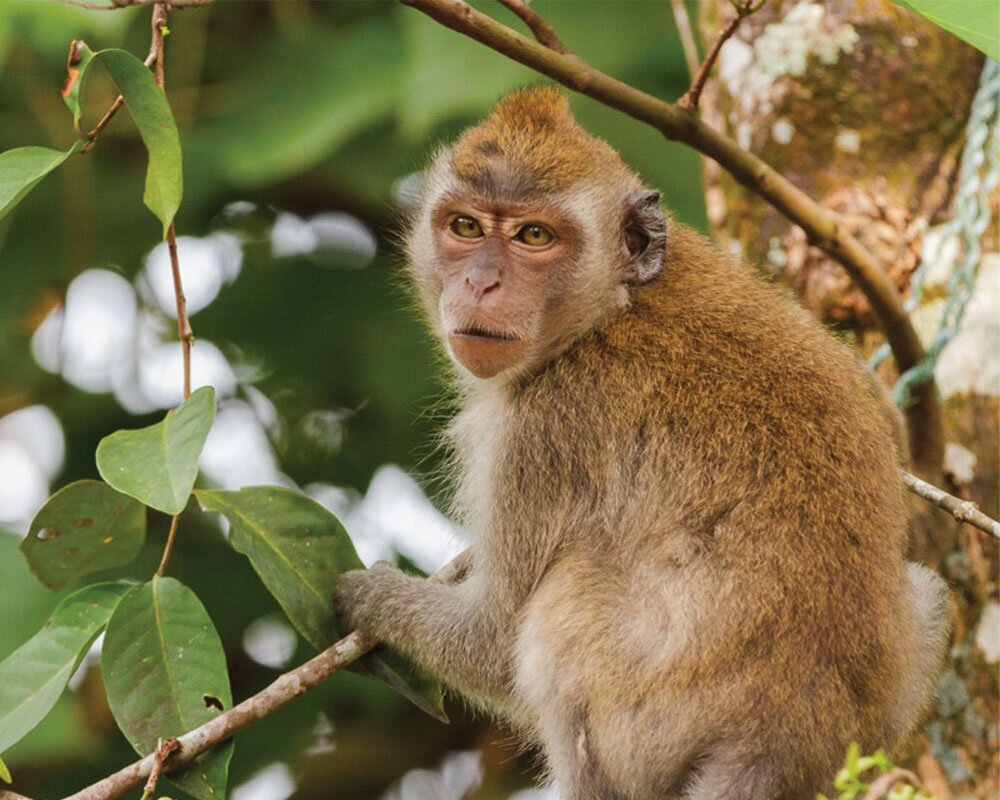
“It’s more than just a public park – it is a thriving ecosystem,” he explains. “Taman Tugu acts as a green space and habitat for wildlife, a natural filter for city air, and a corridor for species movement. By protecting this space, we’re ensuring that KL’s future includes not just skyscrapers, but squirrels, birds, fungi and trees.”
The site still bears traces of its past: colonial-era oil palms and remnants of demolished government quarters remain, slowly being overtaken by nature’s quiet persistence.
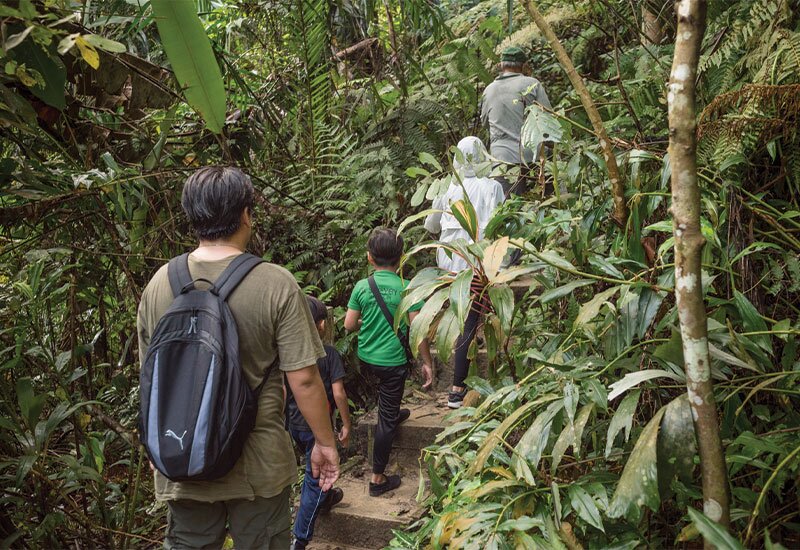
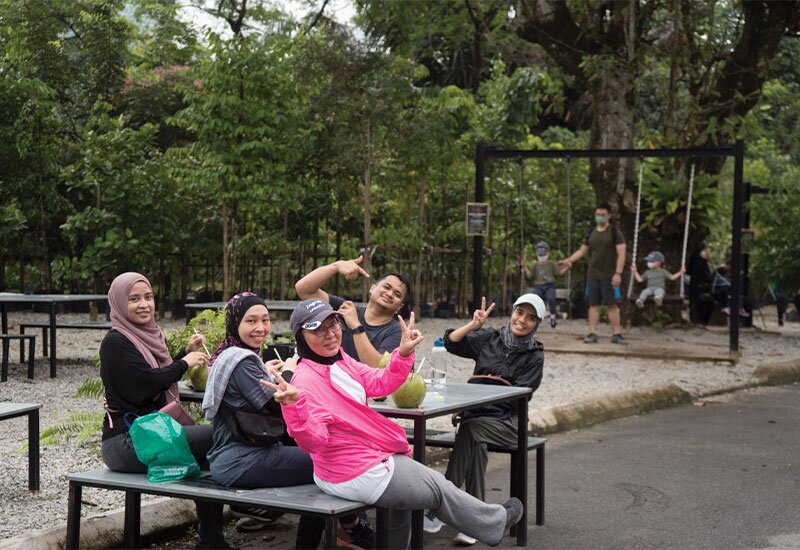
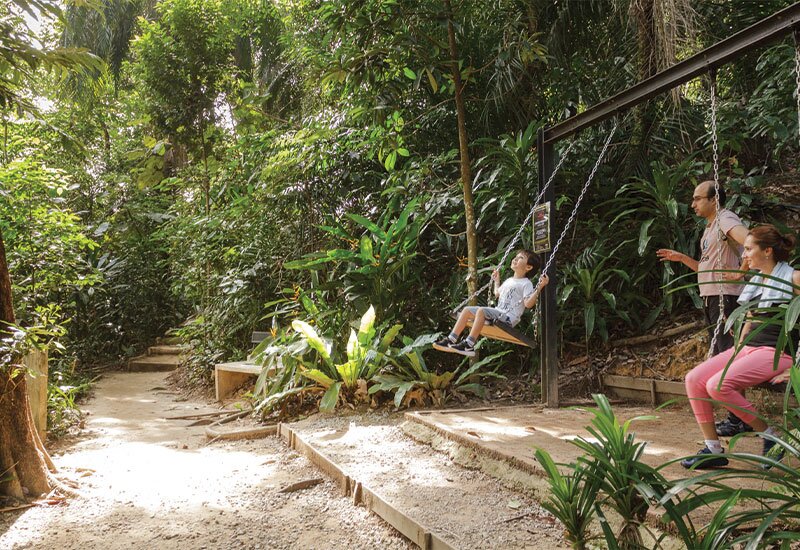
Beyond conservation, Taman Tugu invites public engagement through free weekend programmes like Plant Giveaways, Nature Education, Zumba Rimba and Aerodance, often run in collaboration with community partners. Anwar says: “Our biggest challenge is making people see green spaces not just as places to visit, but places to protect.”
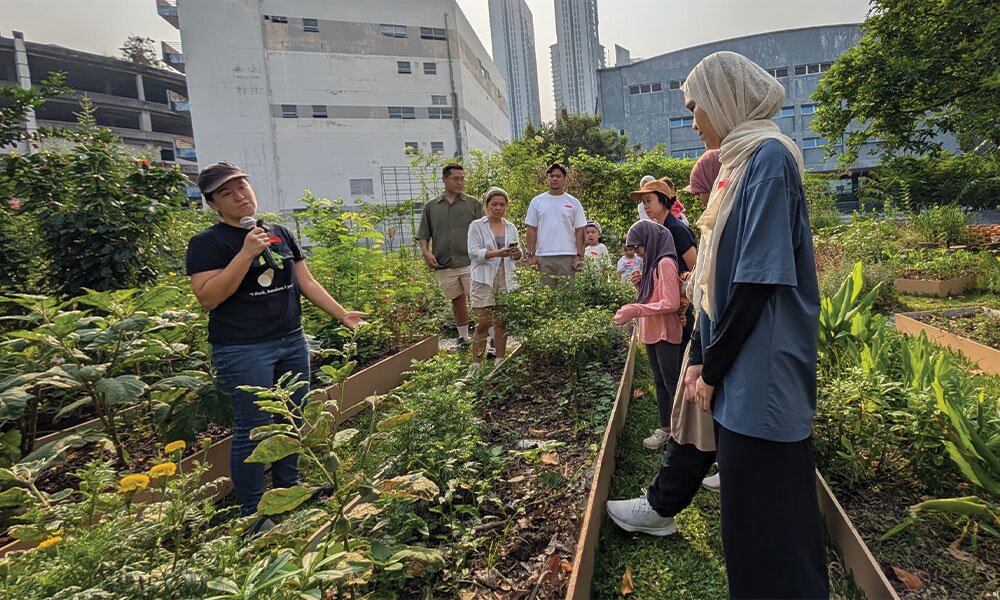
Behind the YWCA building on Jalan Hang Jebat, in the shadow of ongoing development, a quiet green haven thrives. For the past seven years, this unlikely plot has grown into what may be Downtown KL’s only working urban farm – thanks to the vision and persistence of Eats, Shoots & Roots, a local social enterprise advocating for food resilience.
“When we first got here in 2017, the soil was full of rubble – the land had been dug up for the MRT project,” recalls Shao-Lyn Low, co-founder and Design Director. “Nothing grew well at first. We had a tiny budget and did most of the work ourselves, with help from friends and borrowed tools. But we kept at it. The soil improved, and so did the garden.”
The farm began as a collaboration with Think City, which provided initial funding to identify potential sites. The YWCA turned out to be a perfect match – not just for its space, but for its vocational culinary and baking school. “We wanted to build a garden with a community that could take care of it – and everything just clicked,” Low says.
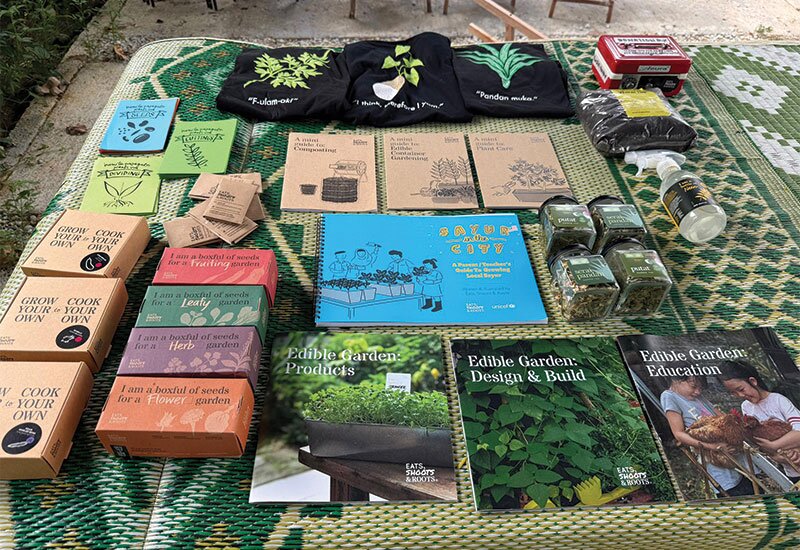
The initiative eventually blossomed into a broader campaign called “Sayur in the City”, aimed at promoting local fruits and vegetables that thrive in KL’s lowland, tropical climate – brinjals, chillis, herbs like basil and mint, passionfruit, lime, winged beans and butterfly pea.
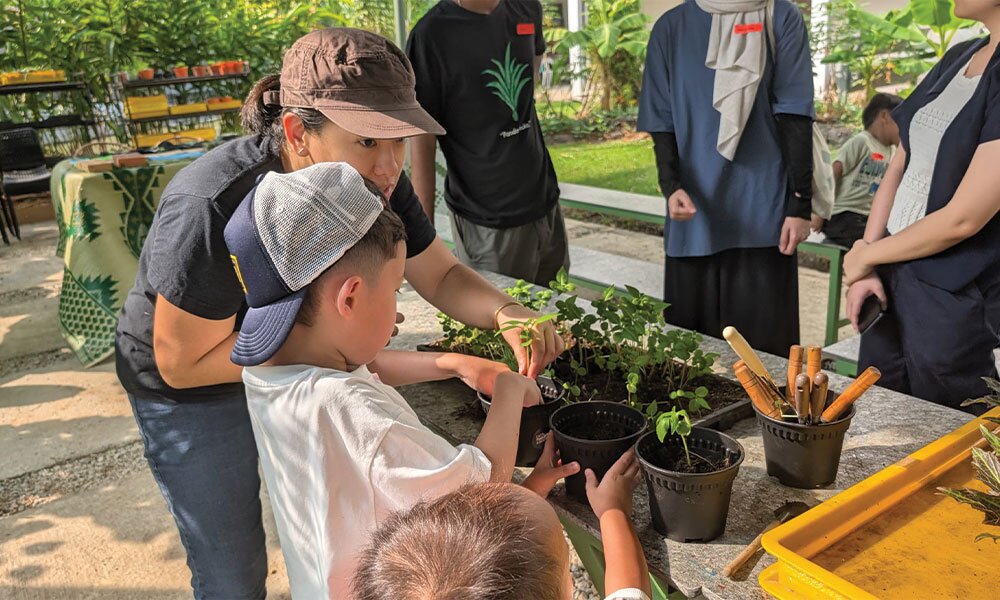
Today, the farm is open to the public and Eats, Shoots & Roots hosts monthly garden tours, workshops and planting sessions, all designed to be beginner-friendly and family-oriented. “We’ve seen a real shift in the kinds of visitors we get,” Low says. “It used to be mostly urban farming enthusiasts – now we’re seeing families, school groups, even corporate teams looking to reconnect with nature.”
But preserving green space in KL is never guaranteed. “The development around us is intense. A lot of large rain trees in the area were cut down. We’re lucky to have one of the few remaining ones,” Low says, sharing how Architect-Urbanist and Creative Community Advocate Joanne Mun and the YWCA fought to keep it alive.
With renewed support from Yayasan Hasanah’s Social Enterprise Fund, and YWCA’s upcoming plans to open a public park, more collaborative community activities are in the works.
“I got into this work 13 years ago during the haze crisis,” Low adds. “It made me realise that so many of our urban problems are man-made – and that means we can fix them. That’s why we do what we do. Every small green space matters.”
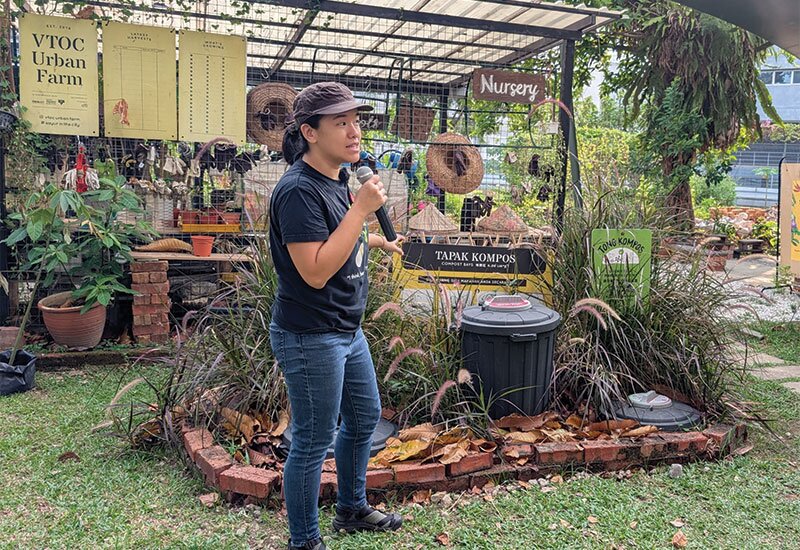
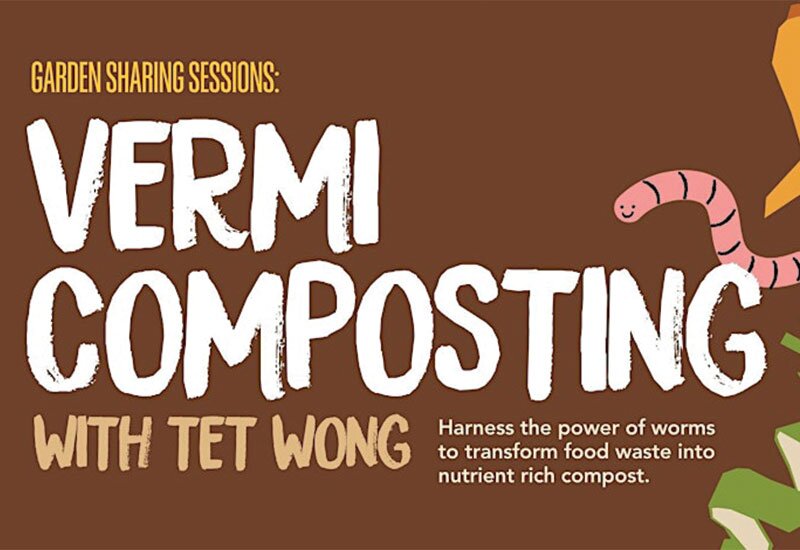
Interested to learn more about food scraps, yard waste and worms? You’re in luck, there’s a workshop coming up, Vermicomposting 101 with Tet Wong, on Aug 16.
Discover more stories