Typical of the time, the row of shophouses made space for small businesses on the ground floor and merchant families on the floors above. As Kuala Lumpur modernised, the building changed hands and purposes – from housing to a workers’ hostel – before falling into disrepair.
Entrepreneur Rob Tan, whose family once ran a butcher’s shop there, inherited the property from his grandmother. Rather than demolish it, he and his wife, Liza Ho, an art consultant, decided to restore and repurpose the building with support from Think City. Their goal was not just preservation but activation – to breathe new life into the building while honouring its humble origins.
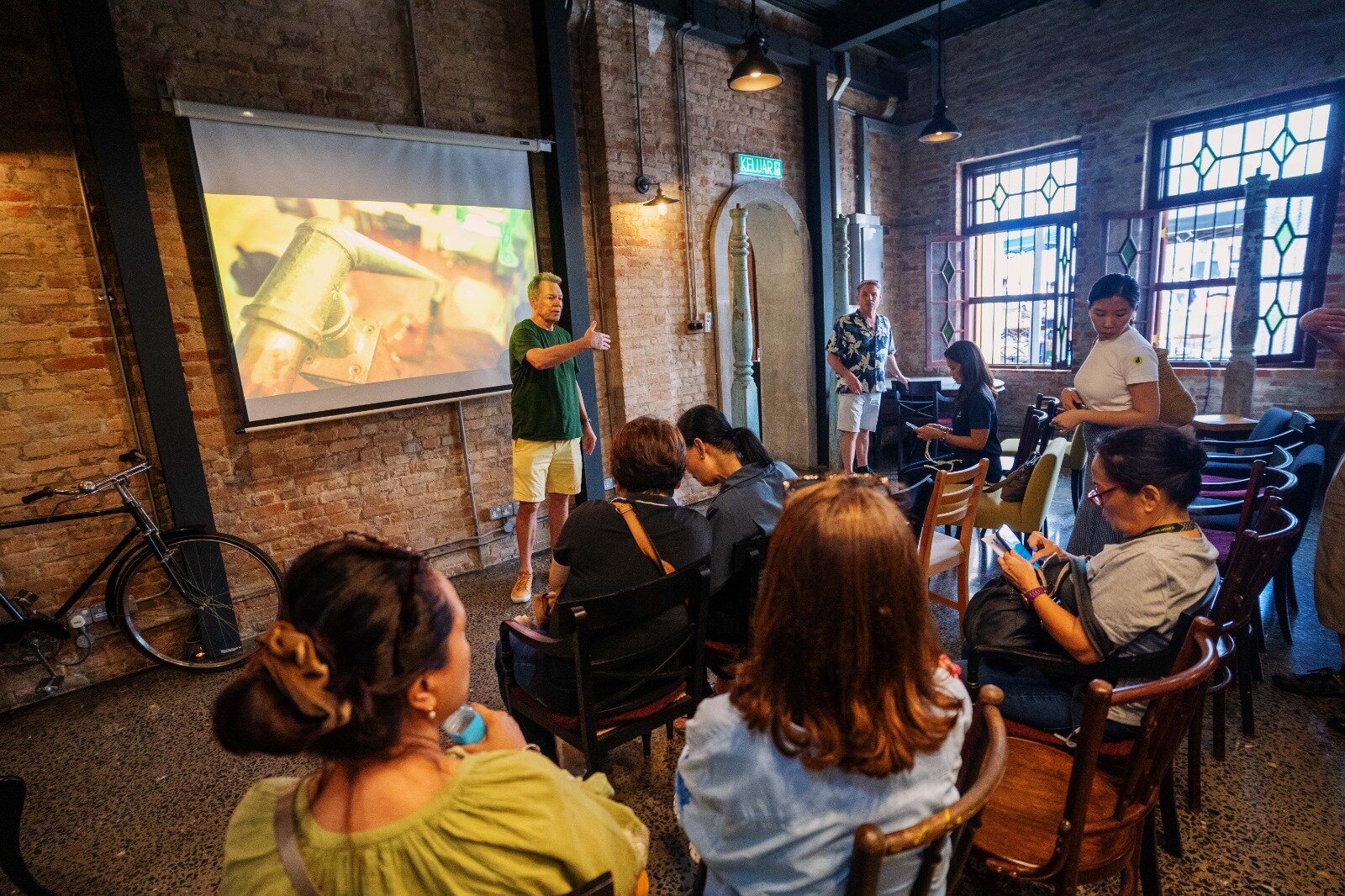
The couple retained the building’s concrete frame, clean lines and narrow corridors, while subtly adapting the interior for new uses: bookstores, design studios, cafés, galleries and event spaces. Original materials such as steel, timber and concrete were left exposed, allowing history to show through.
Since its reopening in 2017, the Zhongshan Building has become a symbol of adaptive reuse done right – a place where the past and present coexist in creative harmony. Its porous architecture encourages encounters between artists, researchers, designers and musicians. Within its walls, ideas move freely between disciplines, sparking collaborations that sustain both craft and business.
.jpeg)
.jpeg)
.jpeg)
.jpeg)
.jpeg)
.jpeg)
.jpeg)
.jpeg)
.jpeg)
.jpeg)