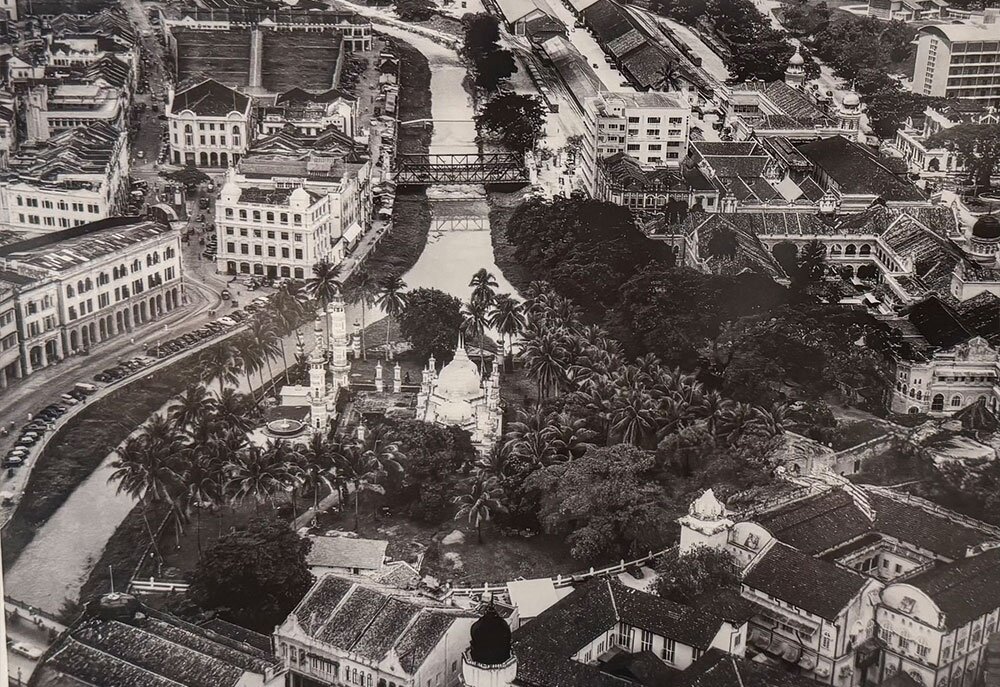
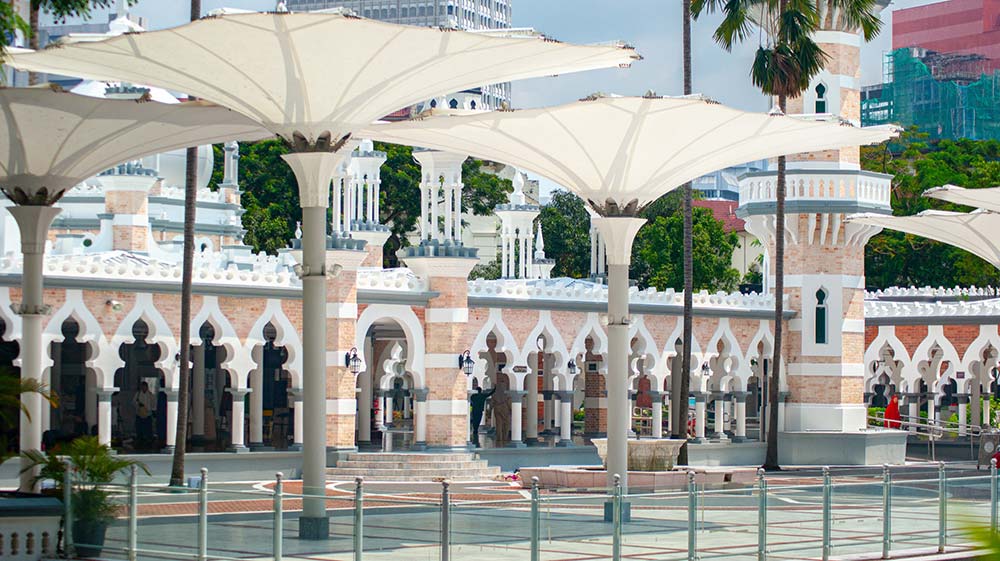
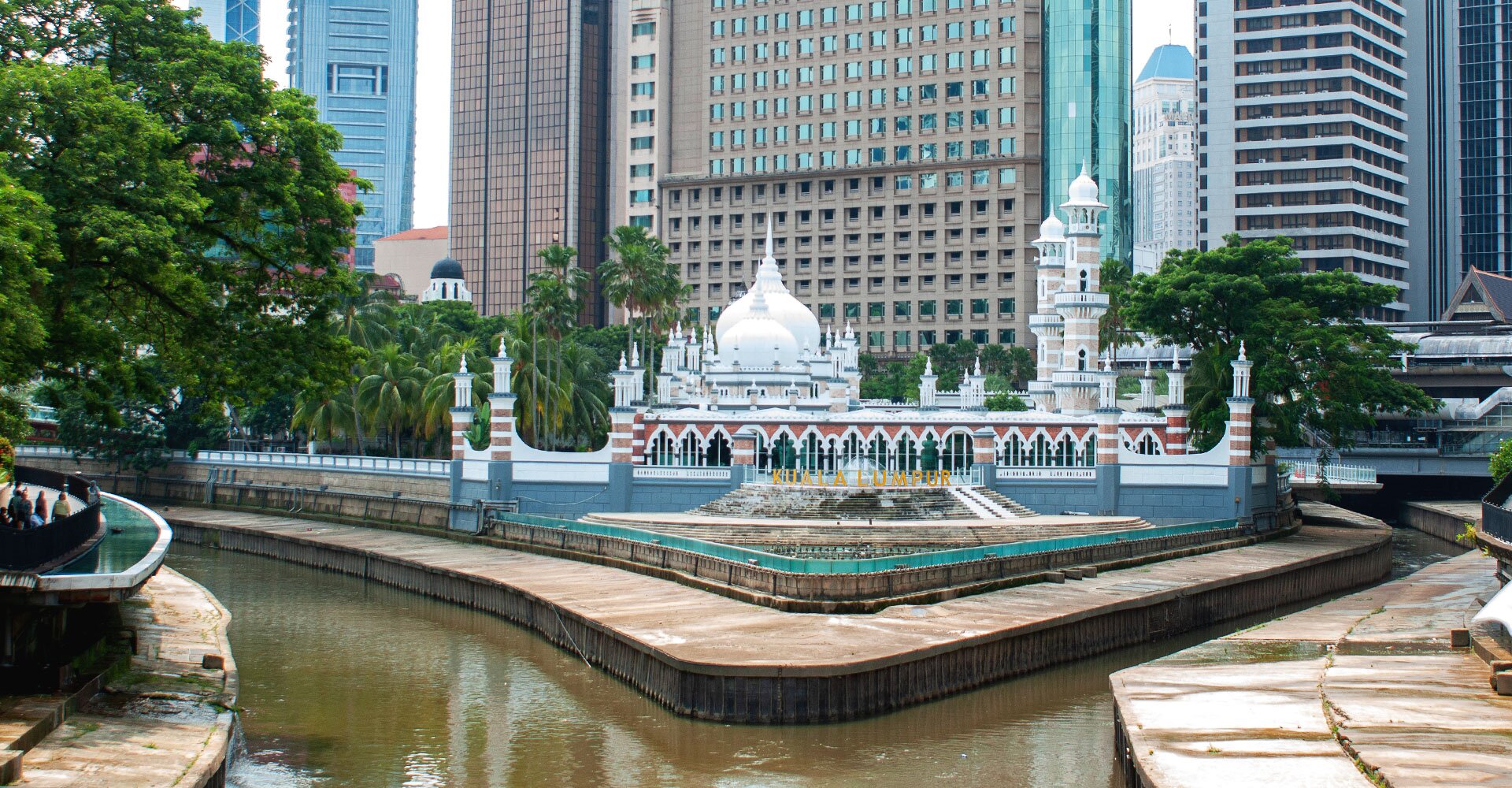
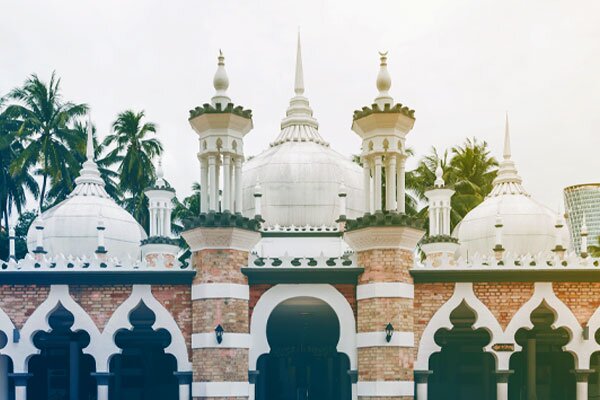
Few visitors realise that the mosque stands on what was once a cemetery, a site chosen after the relocation of the earlier Masjid Jalan Java to make way for road expansion. Today, framed by elegant domes, graceful arches and towering minarets, Masjid Jamek remains a striking symbol of Kuala Lumpur's rich history, where the story of the city unfolds at the meeting point of its two rivers.
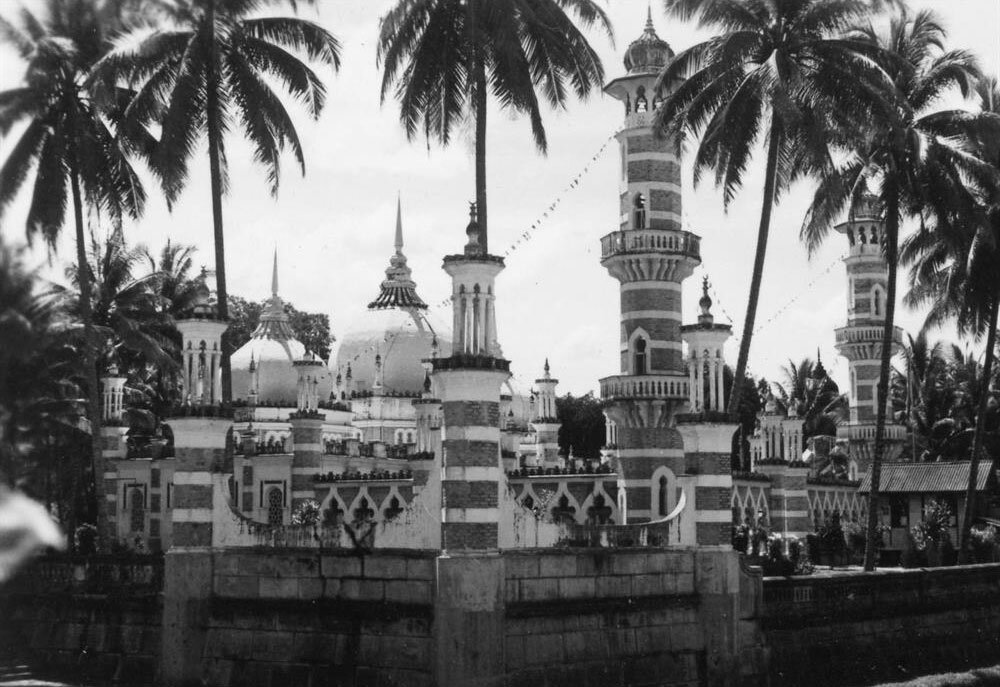
Combining Mughal and Moorish architectural influences, the mosque was described by Sir Henry Conway Belfield, the British Resident of Selangor at the time, as one of the finest examples of its kind in Malaya.
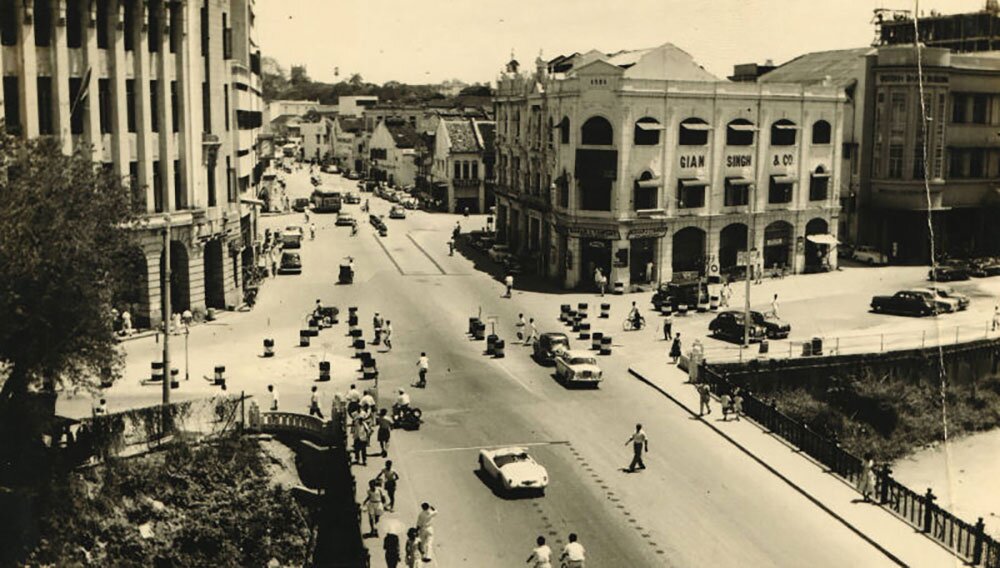
- Back story: The history of Masjid Jamek dates back to the early years of Kuala Lumpur’s development and reflects the growth of the settlement that would become Malaysia’s capital city. The origins of Masjid Jamek can be traced to Java Street Mosque, which once stood at the Gian Singh Building at the junction of Leboh Ampang and Java Street (now Jalan Tun Perak). When road widening works required the demolition of the mosque, its trustees agreed to surrender the site on the condition that a new mosque would be built nearby.
- Building Funds: Funds for the new mosque were raised through contributions from Malay members of the Selangor State Council, a donation from the Sultan of Selangor, Sultan Alae'ddin Suleiman Shah, and support from the Federated Malay States Government. Together, they raised $33,538.25 Straits Dollars. On March 25, 1908, a ceremonial foundation was laid with the burial of nine coins – three sovereigns and six dollars – beneath the site, marking the beginning of construction. The mosque took one year and nine months to complete.
- Inauguration: Masjid Jamek was officially inaugurated on Dec 25, 1909 (14 Safar 1336 AH) by Sultan Alae'ddin Suleiman Shah. Originally, the mosque could be accessed from Gombak Bridge, the Old Town Hall, Java Street (now Jalan Tun Perak), and even by river.
- New name: On June 23, 2017, the mosque was officially renamed Masjid Jamek Sultan Abdul Samad during a ceremony officiated by the Sultan of Selangor, DYMM Sultan Sharafuddin Idris Shah Alhaj.
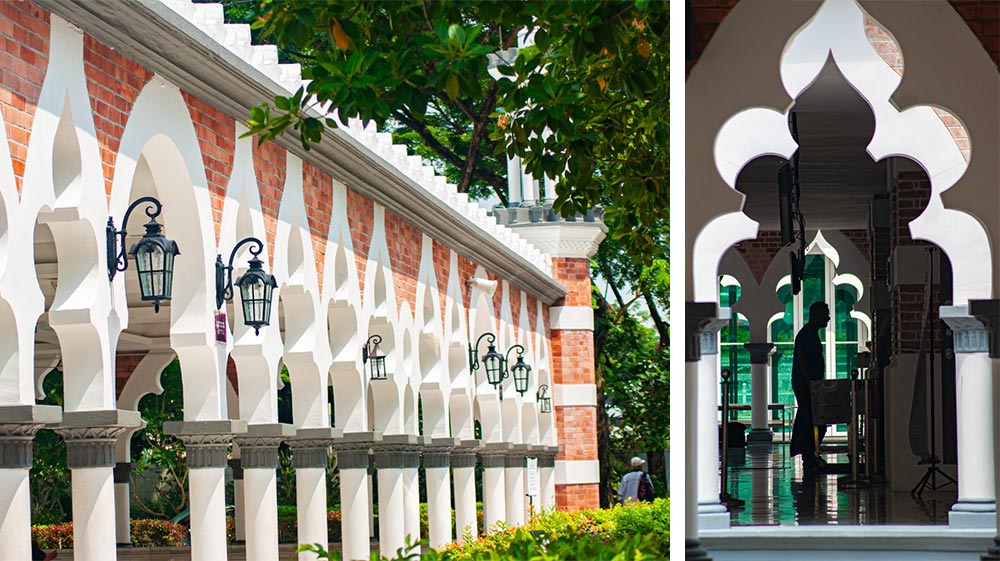
- Main Prayer Hall: Dimensions: 40 feet deep and 100 feet wide
- Minarets: Two symmetrical minarets stand at opposite corners of the mosque, each rising 88 feet high.
- Construction Materials: The original structure was built using brick and plaster. Its three domes were constructed from timber and covered with malthoid roofing, a waterproof and weather-resistant material reinforced with bitumen, coated with tar and finished with a layer of sand.
Despite its popularity as a tourist attraction, the mosque continues to fulfil its primary role as a place of worship for the Muslim community.
Visitor Hours
Tourist visits are welcome during the following sessions:
Morning: 10am – 12.30pm; Afternoon: 2.30pm – 4pm
Key Strategies
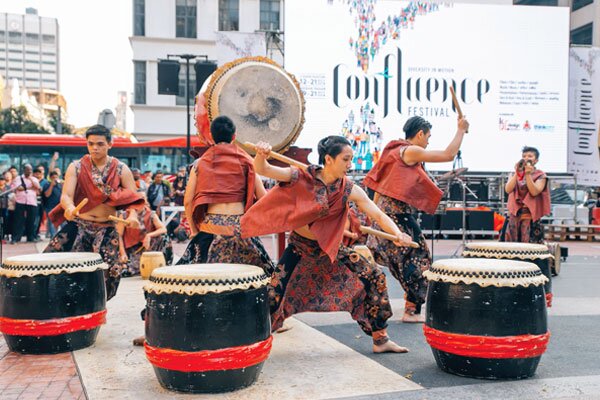
- Developing dedicated arts and performance spaces.
- Supporting creative businesses, galleries, and innovation hubs.
- Hosting cultural festivals, exhibitions, and public art initiatives.
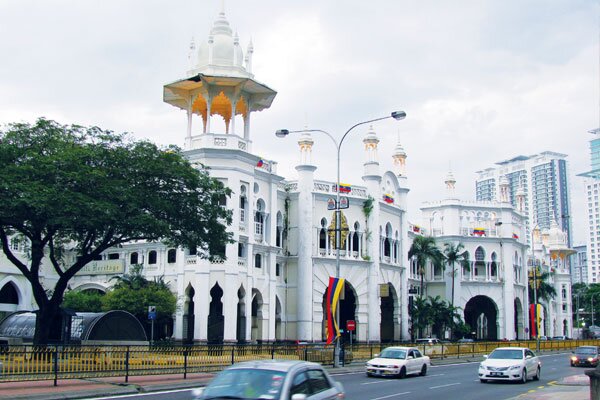
- Restoring Bangunan Sultan Abdul Samad, Central Market, and the Old KL Railway Station
- Adaptive reuse of historic buildings for new cultural and commercial functions
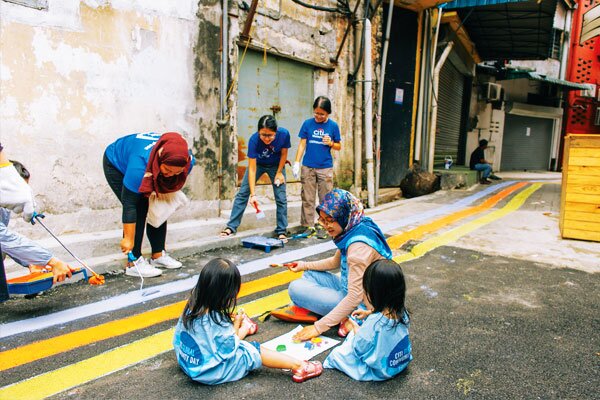
- Upgrade walkways, parks, and public squares for an inviting atmosphere.
- Enhance public transport links and cycling routes to promote urban mobility.
- Activate laneways and riverfront areas as vibrant community spaces.
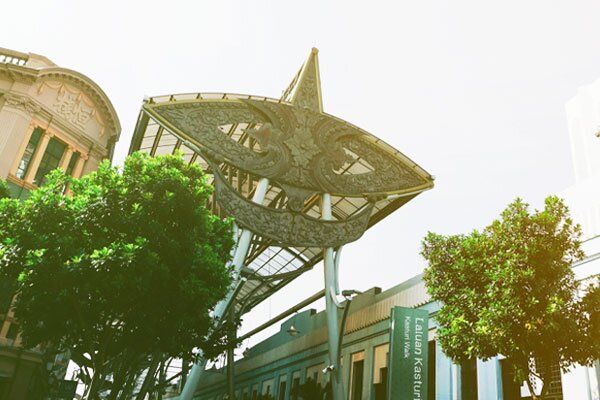
- Heritage Triangle Precinct – Restoring and reactivating historic streetscapes.
- Petaling Street & Traditional Shopping Street Precincts – Preserving KL’s Chinatown and its traditional trades.
- Civic Precinct – Enhancing the area around Dataran Merdeka and national landmarks.
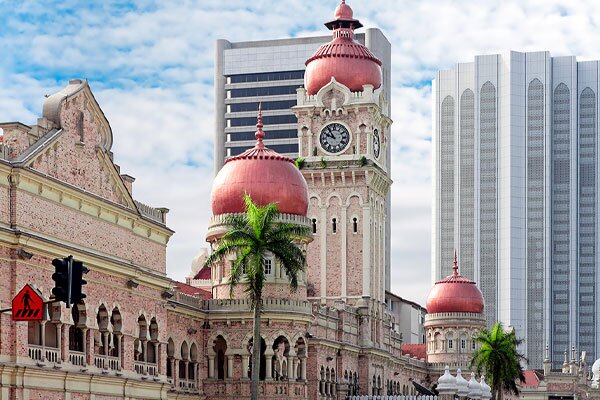
- Encouraging urban living through mixed-use developments.
- Supporting affordable housing for artists, students, and professionals.
- Introducing community-driven projects to strengthen local engagement.
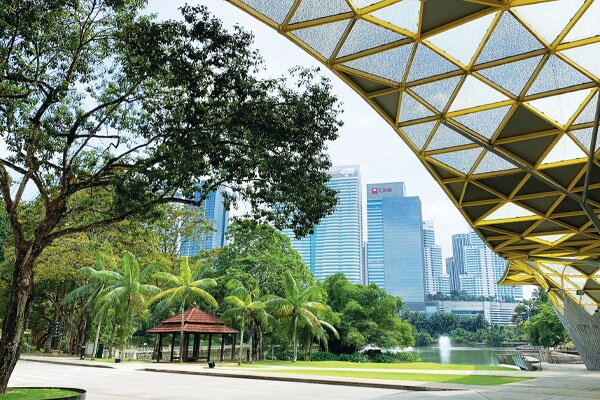
- "Forests in the City" – Expanding green spaces such as Taman Tugu and Bukit Nanas.
- Greener public spaces and eco-friendly urban planning.
- Sustainable conservation practices to protect cultural and natural heritage.
- Develop a governance framework to oversee heritage conservation and creative industries.
- Introduce incentives and funding mechanisms to attract private investment.
- Strengthen community participation in decision-making processes.
The new face of Kuala Lumpur
A city shaped by history and growth — explore Kuala Lumpur’s story in our booklet.
Don’t miss these interesting sites nearby
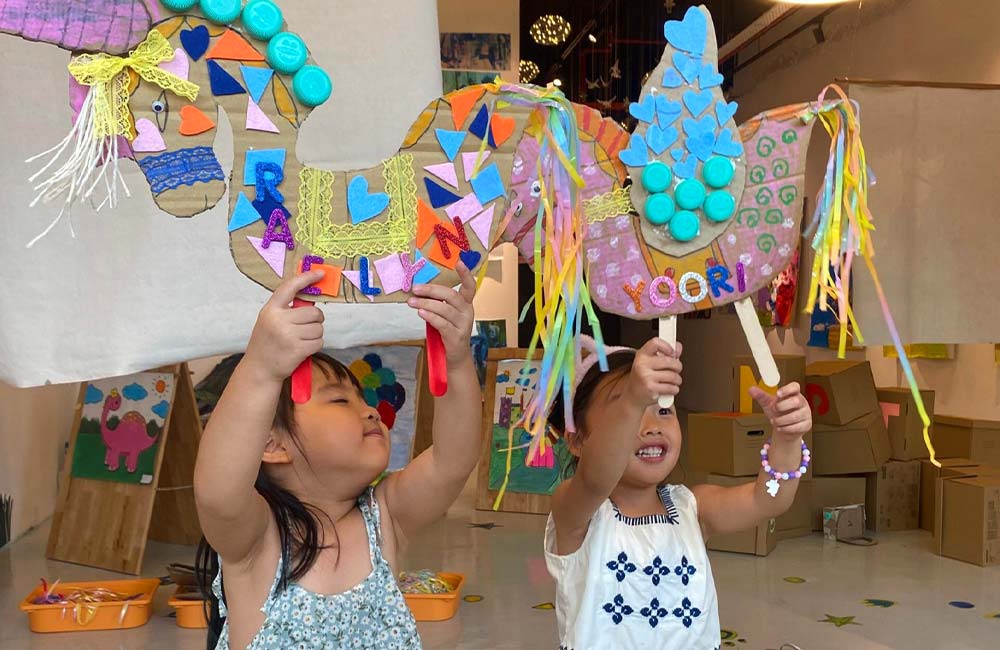
MoSAIC
The Museum of Science, Arts and Innovation for Children – KL’s newest creative playground where young minds tinker, explore and imagine big.
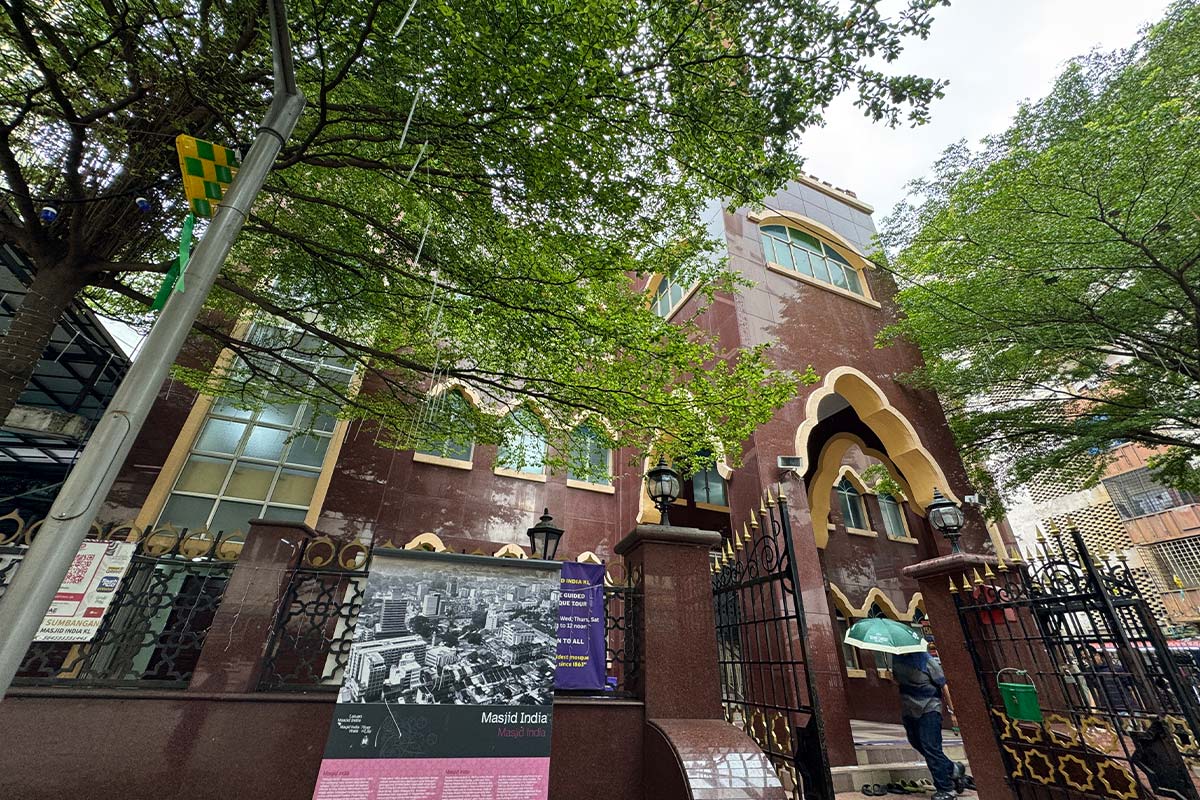
Masjid India
A spiritual landmark crowned by Mughal-style minarets, this mosque overlooks the lively, pedestrian-friendly Jalan Masjid India bazaar, where shops brim with textiles, jewellery, accessories and Indian snacks.
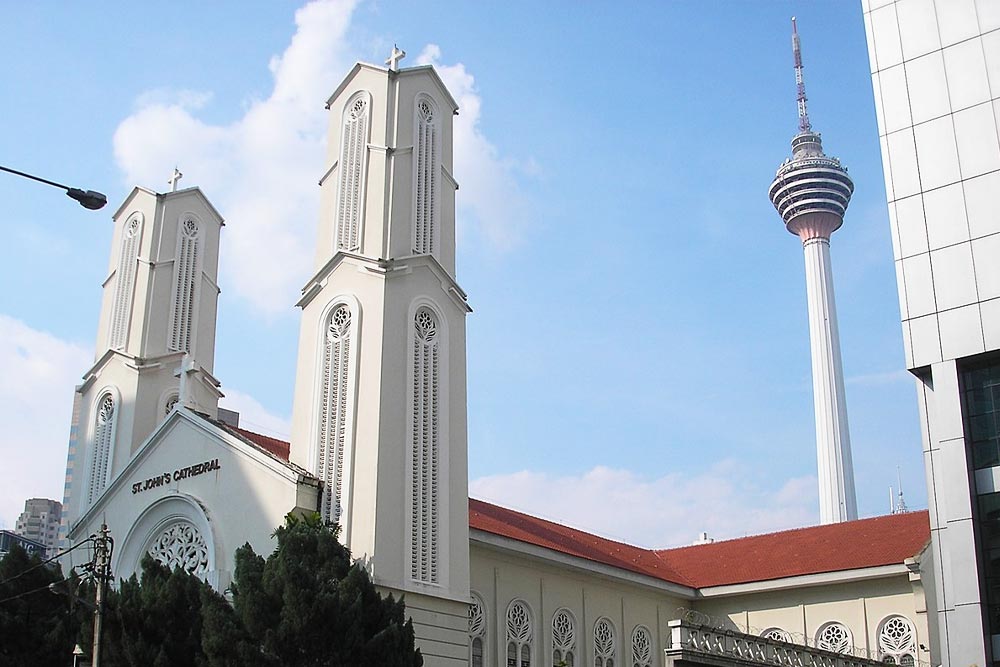
St John Cathedral
Dating back to 1883, the Cathedral of St. John the Evangelist is one of Kuala Lumpur's oldest Catholic churches, renowned for its beautiful stained-glass windows and rich history.
Shaping the Future of KL