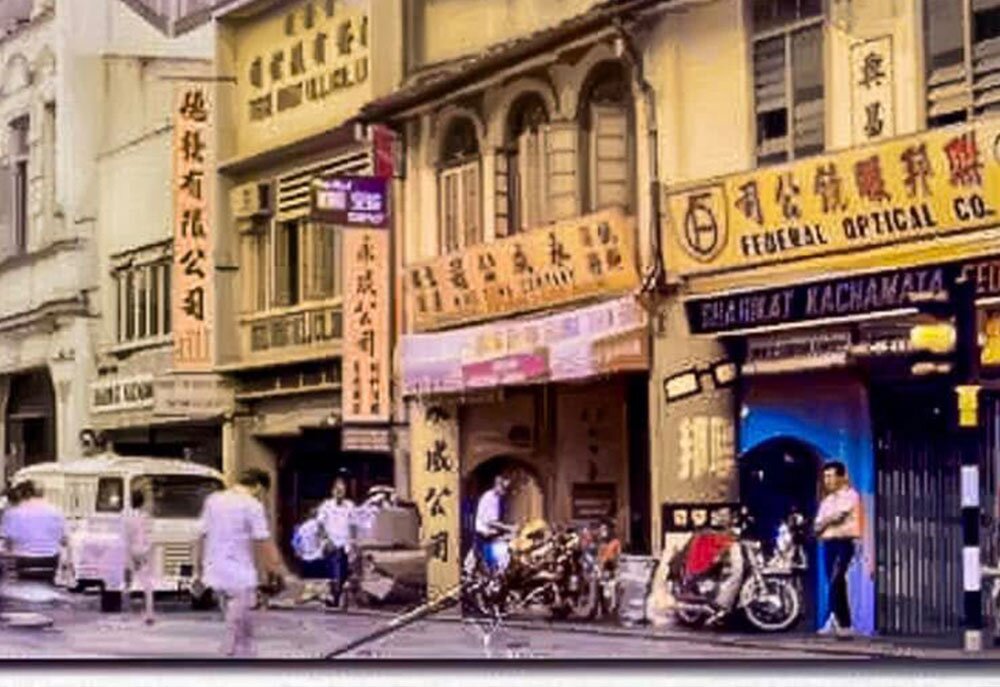
The neighbourhood is also an open-air showcase of Kuala Lumpur's architectural evolution. Rows of late 19th- and early 20th-century shophouses, many displaying Straits Eclectic influences, with their decorative plasterwork, timber shutters and sheltered five-foot ways, stand alongside buildings displaying influences of the Federated Malay States period, streamlined Art Deco façades from the 1930s and sensitively restored heritage properties that have found new life as cafés, galleries, boutiques and creative spaces.
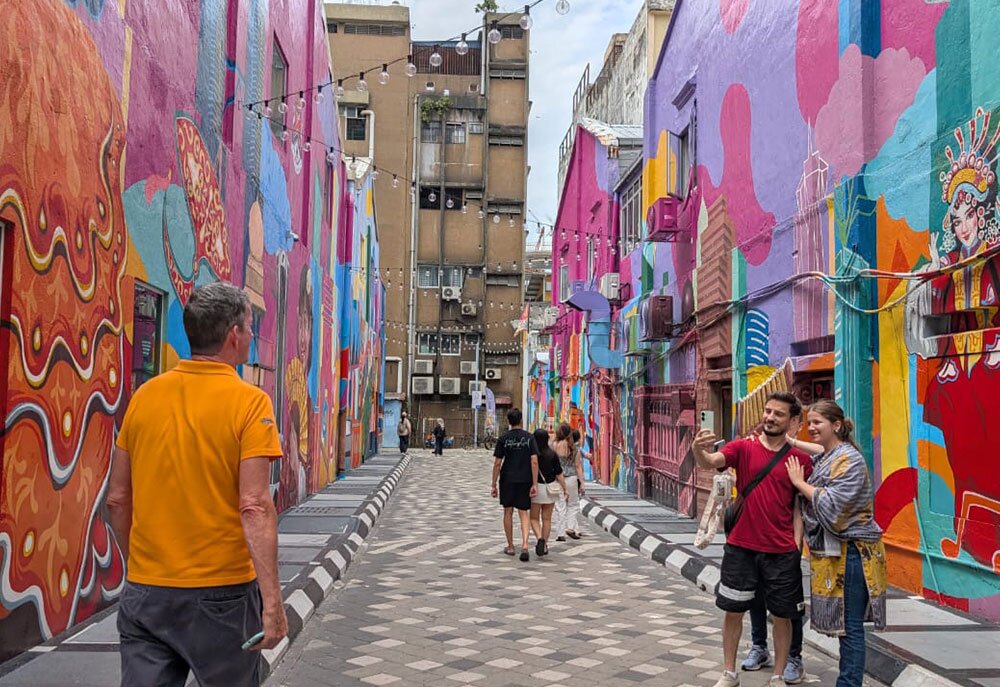
Today, the precinct extends well beyond its famous covered market. Visitors wander through the colourful murals of Kwai Chai Hong, discover independent cafés, restobars and heritage shophouses along Jalan Sultan, explore hidden laneways filled with public art, and admire historic temples and mosques, while experiencing a vibrant mix of traditional trades and contemporary businesses. Among these historic streets is Jalan Panggung, one of Kuala Lumpur’s oldest roads. Once known as Theatre Street, it was named after a 19th-century Chinese theatre built by prominent merchant Cheow Ah Yeok. Running between Jalan Sultan and Jalan Balai Polis, the street offers a glimpse into the area’s early commercial and entertainment history.
The area has become one of Kuala Lumpur's most dynamic heritage destinations, demonstrating how conservation, adaptive reuse and placemaking can work together to preserve the city's identity while keeping it alive for new generations.
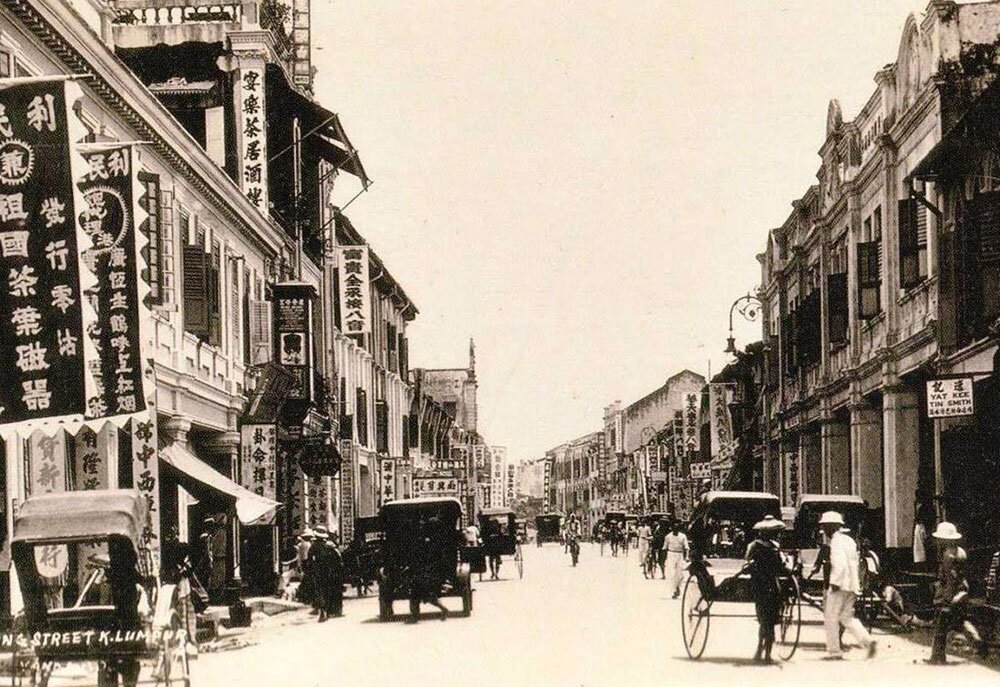
Tucked between Jalan Tun H.S. Lee and the bustling Petaling Street tourist belt, Jalan Sang Guna is one of Kuala Lumpur's lesser-known historic lanes. Once known as Drury Lane, the narrow thoroughfare played an important role in the city's commercial and cultural life.
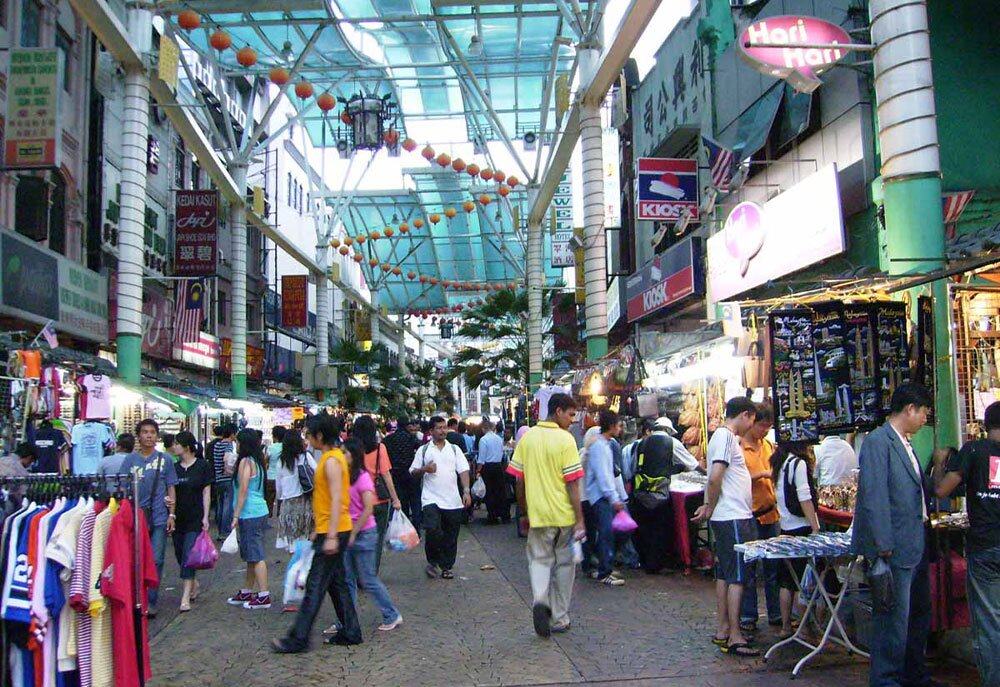
In its early years, the surrounding neighbourhood was known for theatres, Chinese opera performances and entertainment venues before later becoming closely associated with Pasar Lee Lam Thye, one of the area's busiest traditional markets. For generations, traders, residents and visitors passed through its bustling market spaces. As businesses gradually relocated and buildings deteriorated, however, the lane fell into decline, becoming increasingly neglected and difficult to navigate.
Today, Jalan Sang Guna is entering a new chapter through Warisan KL's efforts to revitalise Kuala Lumpur's historic urban core while preserving its cultural identity.
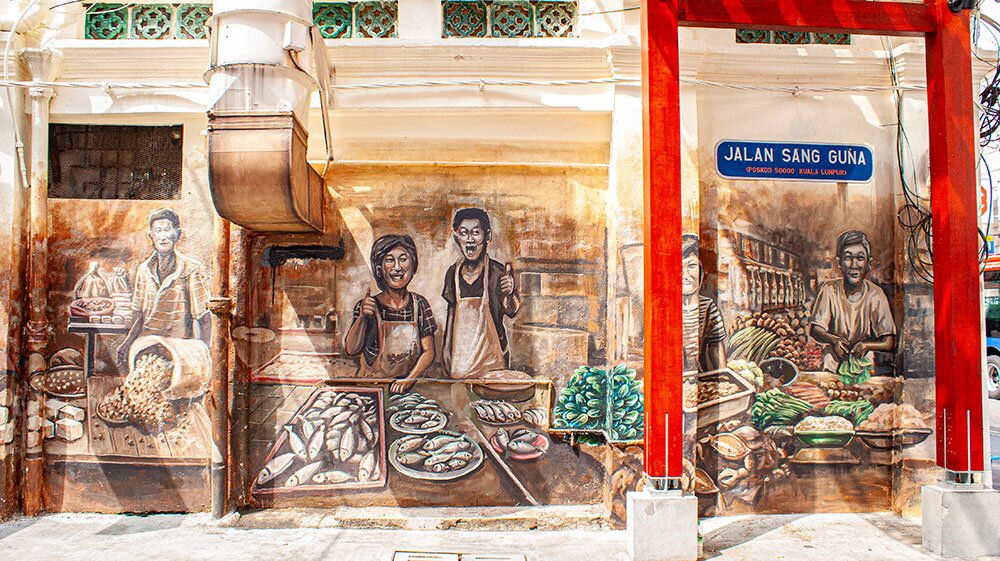
Completed in January 2026, the first phase addressed long-standing infrastructure and cleanliness issues through extensive drainage, paving and lighting upgrades, making the laneway safer, cleaner and more welcoming.
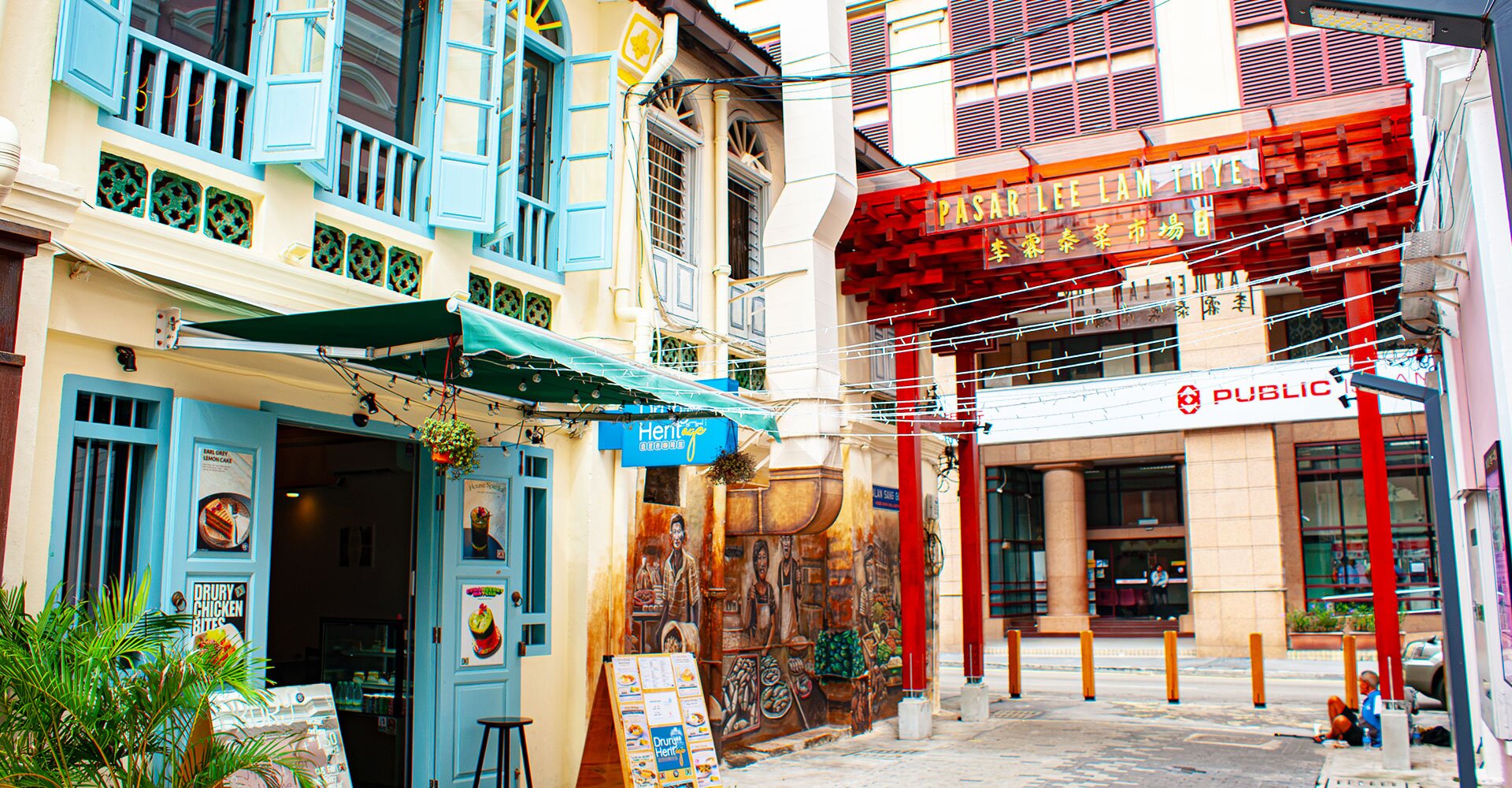
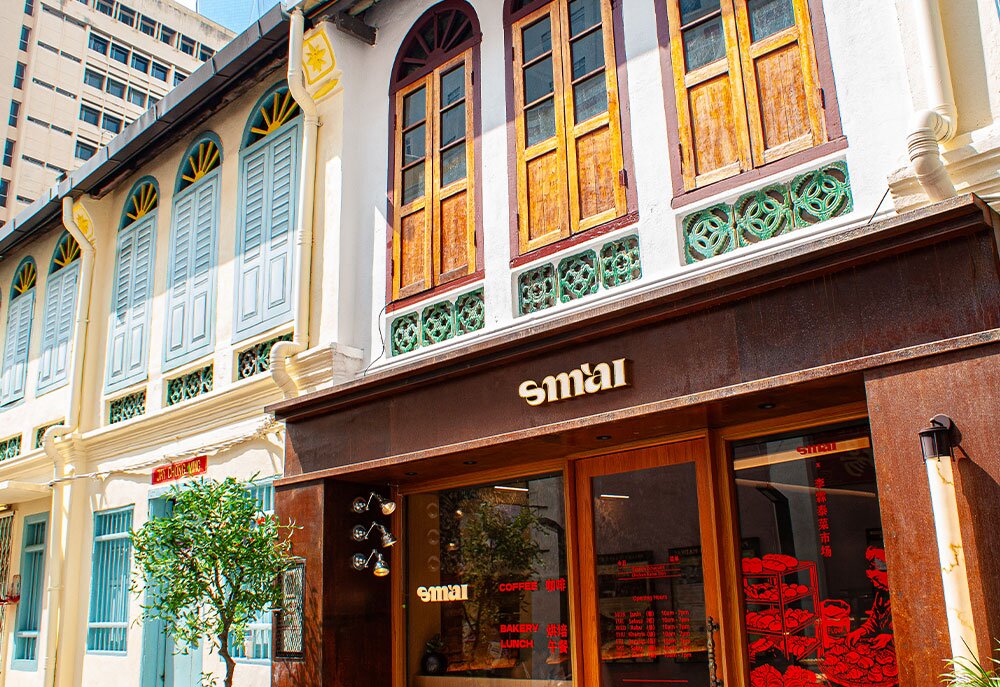
Visitors today will notice porous paving inspired by film strips, paying tribute to the historic Madras Theatre that once stood nearby. Restored late-19th and early-20th century shophouses display the rich architectural vocabulary that characterises Petaling Street, from ornate Straits Chinese Eclectic façades to later Federated Malay States influences. Together with nearby pre-war Art Deco buildings, they reflect the changing fortunes and aspirations of the community over more than a century.
At the Jalan Tun H.S. Lee entrance stands the Pasar Lee Lam Thye Glu-Lam Timber Archway, inspired by traditional timber joinery techniques, combining the Chinese dougong bracket system with local tanggam craftsmanship.
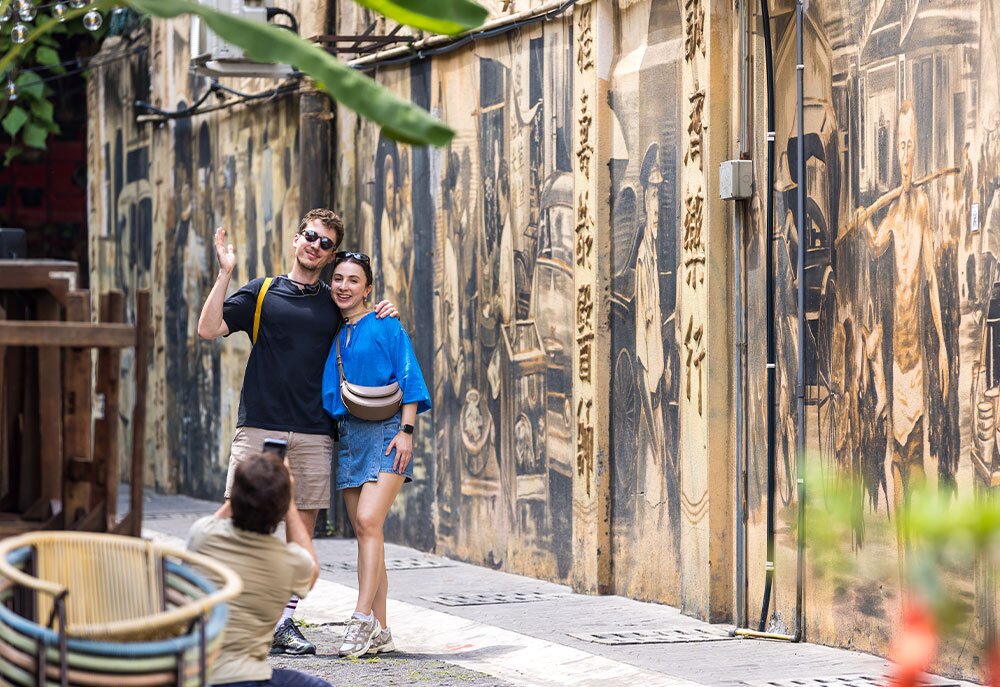
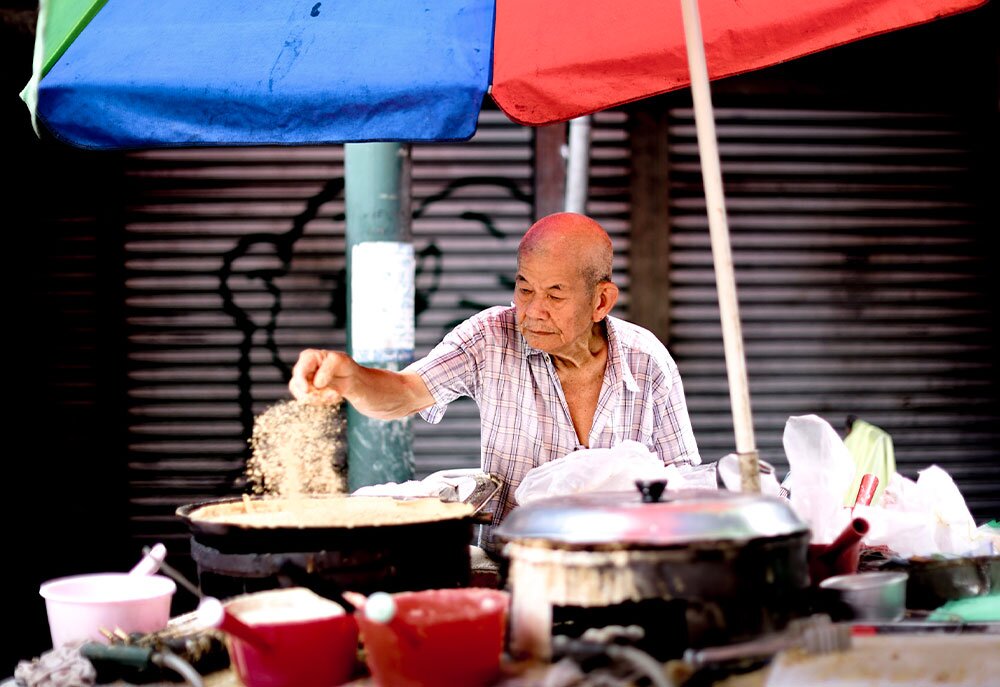
Storytelling panels and murals trace the lane's evolution from theatre district to marketplace, celebrating the communities and businesses that once flourished here. Vacant shophouses have found new life as cafés, dessert shops and vintage stores, while longstanding neighbourhood businesses continue to serve the local community.
.jpg)
Rather than preserving buildings as static monuments, these initiatives encourage people to experience heritage as part of everyday city life – whether exploring hidden laneways, enjoying local food, visiting places of worship or discovering the stories embedded within the historic streetscape.
Jalan Sang Guna demonstrates how thoughtful urban regeneration can restore forgotten spaces while strengthening the cultural identity that continues to make Petaling Street one of Kuala Lumpur's most enduring destinations.
Key Strategies
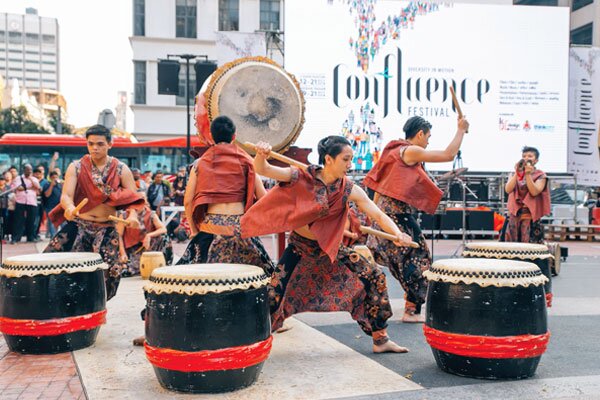
- Developing dedicated arts and performance spaces.
- Supporting creative businesses, galleries, and innovation hubs.
- Hosting cultural festivals, exhibitions, and public art initiatives.
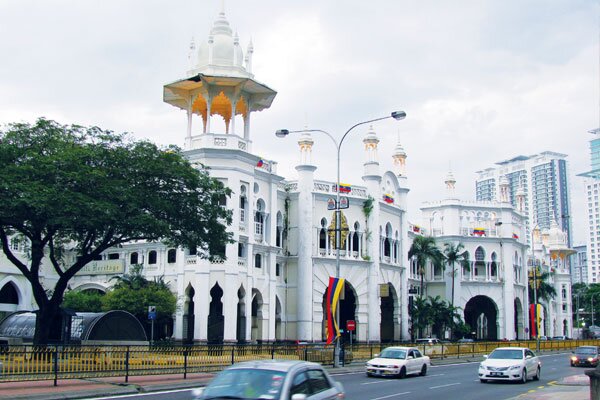
- Restoring Bangunan Sultan Abdul Samad, Central Market, and the Old KL Railway Station
- Adaptive reuse of historic buildings for new cultural and commercial functions
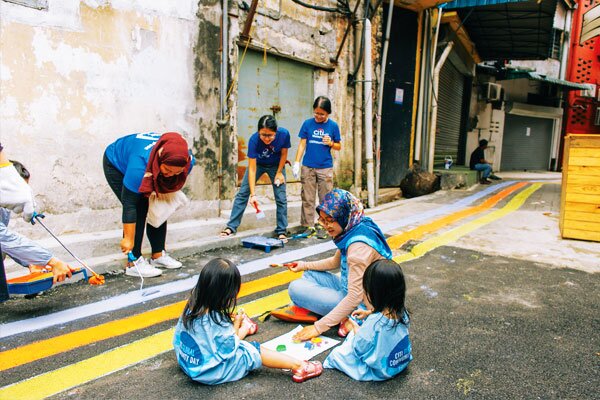
- Upgrade walkways, parks, and public squares for an inviting atmosphere.
- Enhance public transport links and cycling routes to promote urban mobility.
- Activate laneways and riverfront areas as vibrant community spaces.
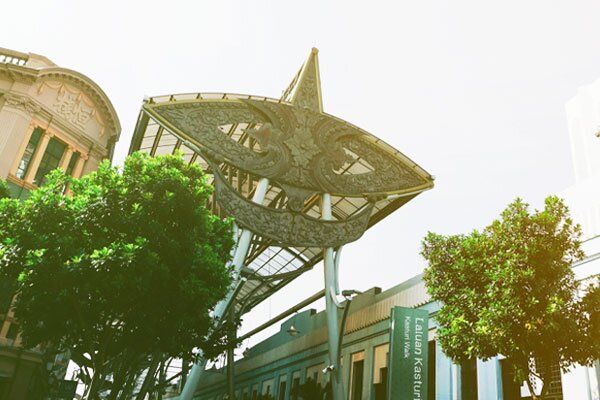
- Heritage Triangle Precinct – Restoring and reactivating historic streetscapes.
- Petaling Street & Traditional Shopping Street Precincts – Preserving KL’s Chinatown and its traditional trades.
- Civic Precinct – Enhancing the area around Dataran Merdeka and national landmarks.
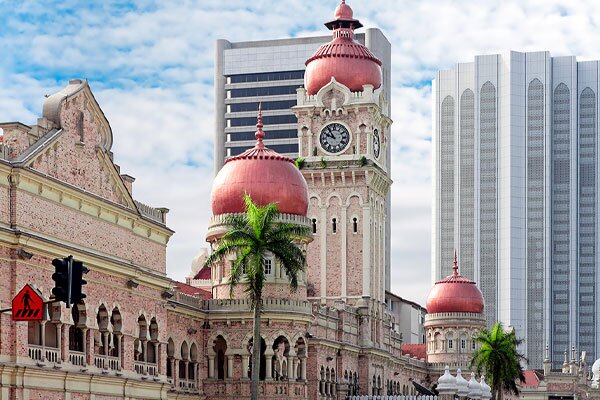
- Encouraging urban living through mixed-use developments.
- Supporting affordable housing for artists, students, and professionals.
- Introducing community-driven projects to strengthen local engagement.
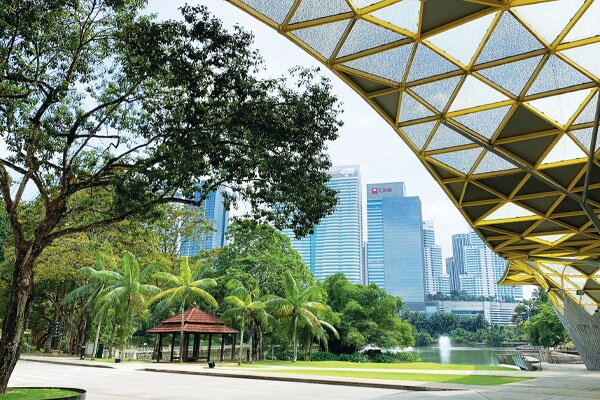
- "Forests in the City" – Expanding green spaces such as Taman Tugu and Bukit Nanas.
- Greener public spaces and eco-friendly urban planning.
- Sustainable conservation practices to protect cultural and natural heritage.
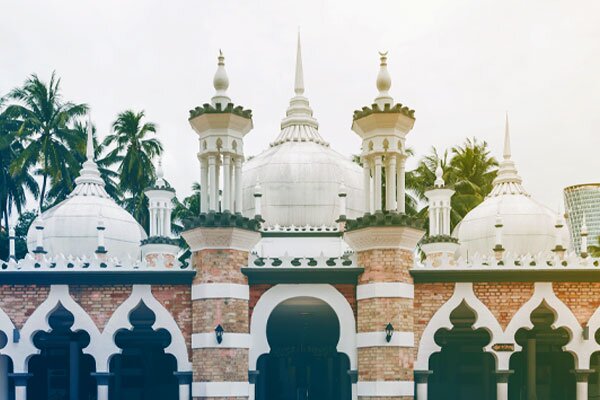
- Develop a governance framework to oversee heritage conservation and creative industries.
- Introduce incentives and funding mechanisms to attract private investment.
- Strengthen community participation in decision-making processes.
The new face of Kuala Lumpur
A city shaped by history and growth — explore Kuala Lumpur’s story in our booklet.
Don’t miss these interesting sites nearby
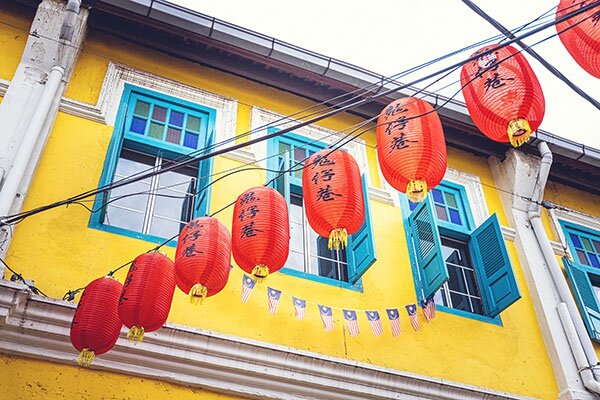
Kwai Chai Hong
A backlane of murals, memories, and moonlit charm – Chinatown’s photogenic sweetheart.
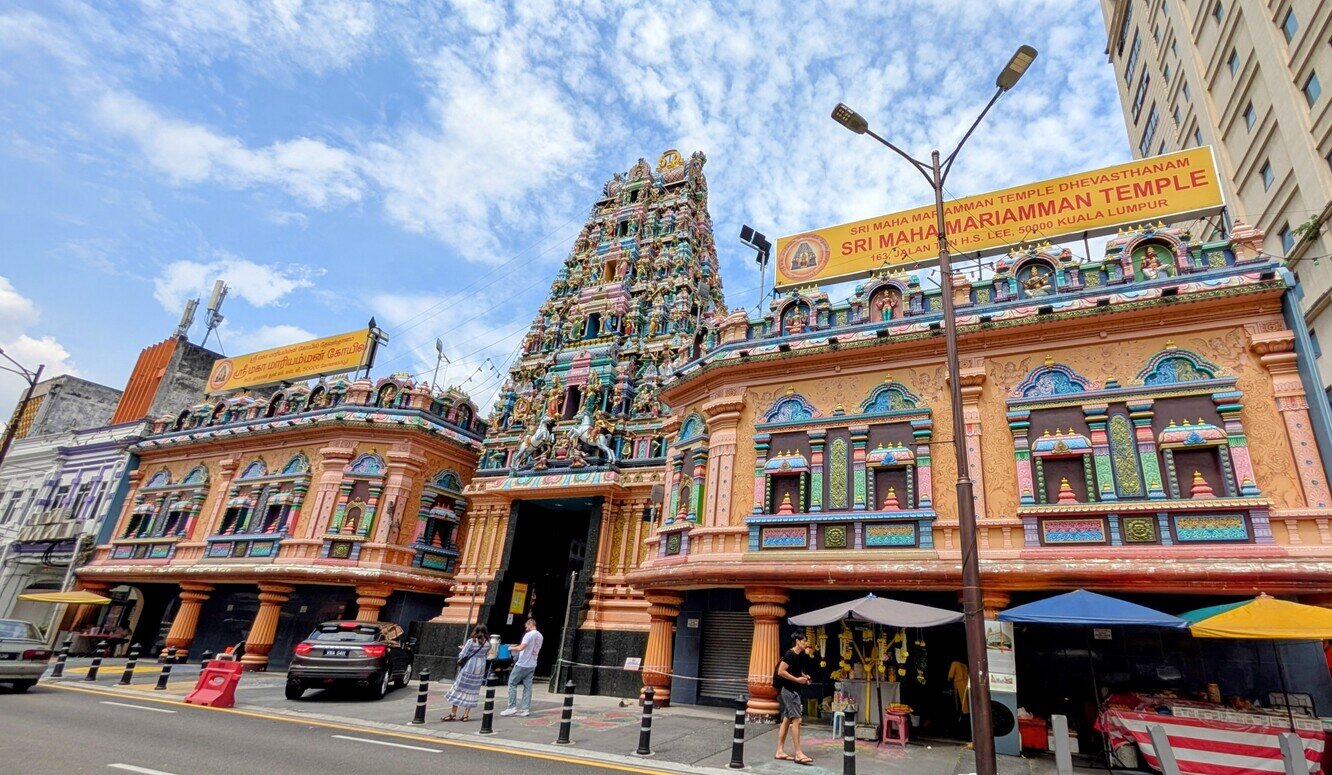
Sri Maha Mariamman Temple
Satu penghormatan kepada keimanan dan seni bina Dravidia – kuil Hindu tertua di Kuala Lumpur ini menyerlah dengan menara berukir yang menakjubkan.
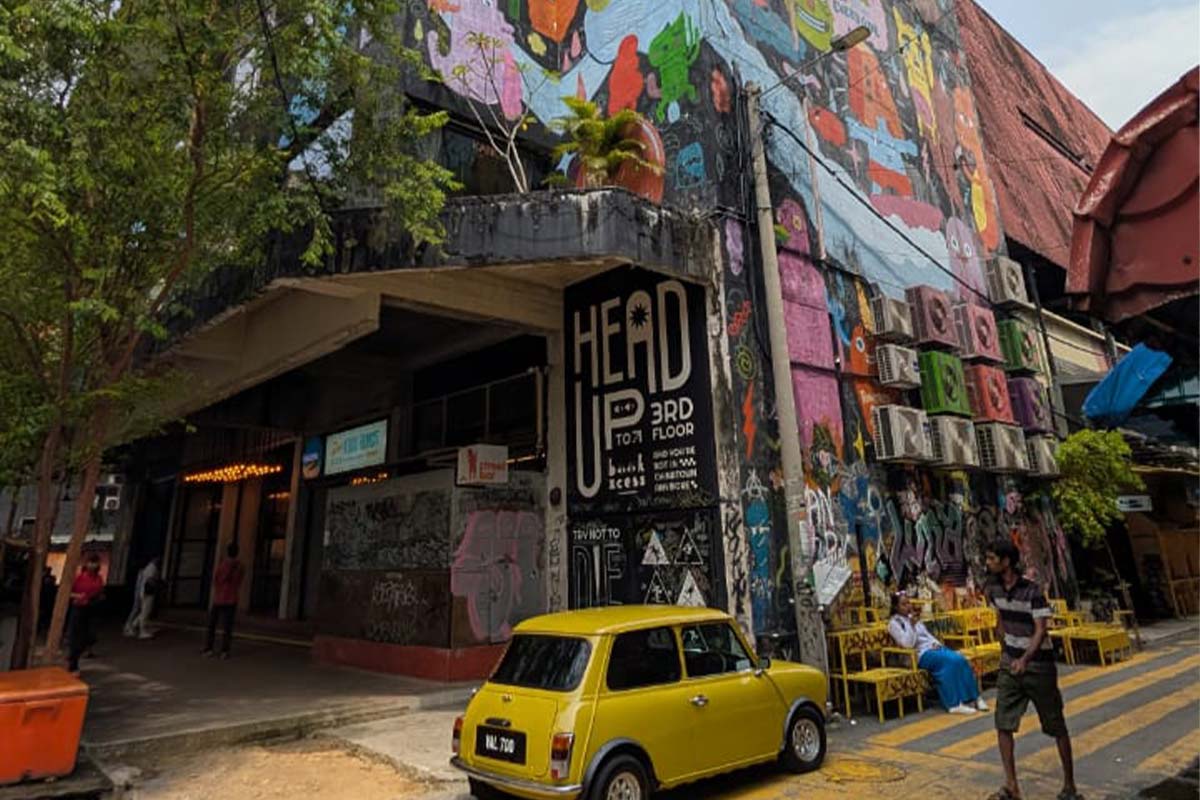
REXKL
An old cinema reborn – now a buzzing hub for books, brews, bites, and creative souls.
Shaping the Future of KL