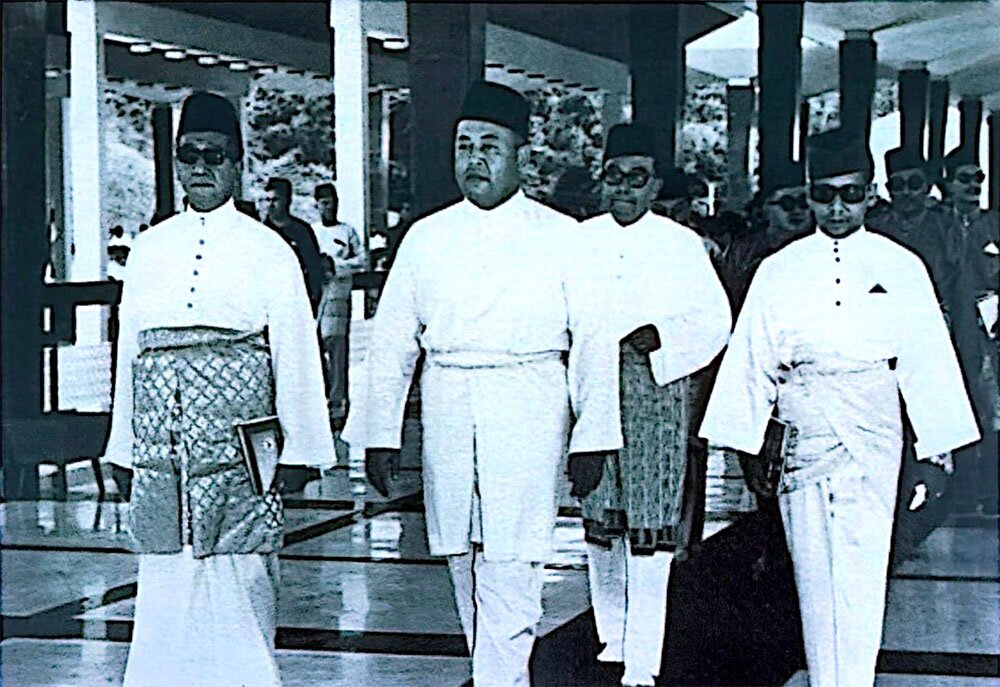
The mosque was officially declared open on Aug 27, 1965 by the Duli Yang Maha Mulia Seri Paduka Baginda Yang di-Pertuan Agong III, Almarhum Tuanku Syed Putra Al-Haj Ibni Almarhum Syed Hassan Jamalullail, marking its opening to the public. However, discussions about the construction of this iconic building had begun even before independence. During a Federal Executive Council meeting, the proposal for the mosque was put forward as a symbolic memorial commemorating the country’s peaceful achievement of independence.
The construction of Masjid Negara was a national endeavour, with contributions coming not only from the government but also from the public, who donated towards its building fund. When it was completed in 1965, it was the largest mosque in Malaysia and one of the largest mosque buildings in South-East Asia. Designed as a symbol of a newly independent nation, its modernist architecture reflected Malaysia’s aspirations, identity and unity.
- Memorial of Independence: On March 5, 1958, during a meeting of the Chief Ministers of the Federation of Malaya states, it was proposed that the mosque be named after the Father of Independence in recognition of his contributions to the nation. However, Tunku Abdul Rahman Putra Al-Haj declined the honour and instead suggested the name “National Mosque” as a symbol of gratitude for Malaya’s independence.
- Official Opening: Nearly 10,000 people attended the inauguration ceremony, which took place on a Friday. Among those present were the Malay rulers of the time, Prime Minister Tunku Abdul Rahman Putra Al-Haj, Tun Abdul Razak Hussein, and various dignitaries.
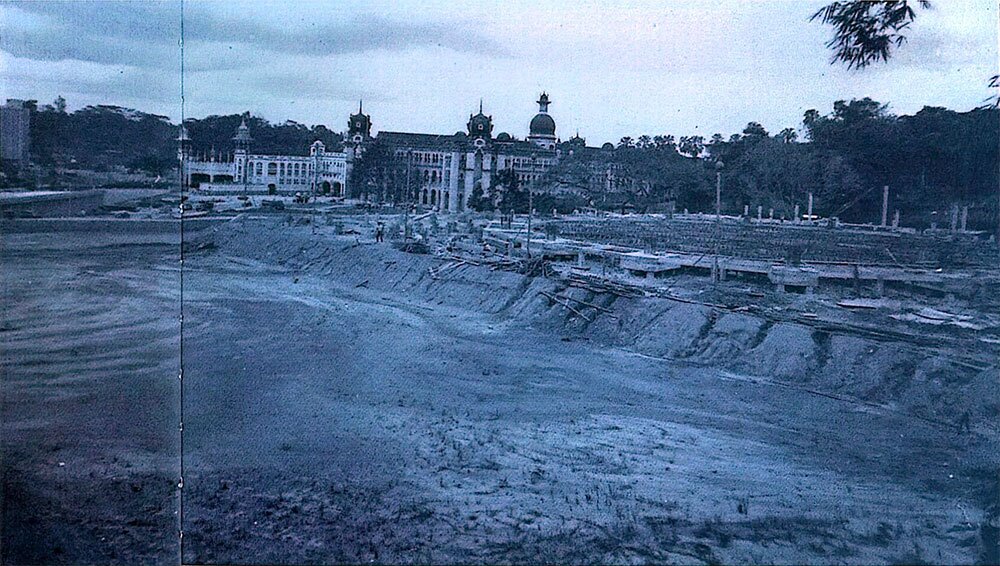
- Strategic Location: At the time, rail transport was the main means of travelling into the city. Tunku Abdul Rahman therefore selected this strategic location to ensure easy public access via the Kuala Lumpur Railway Station. The mosque originally occupied a 13-acre site. Preparatory works began in December 1960, and on Sept 27, 1961 Tunku Abdul Rahman officiated the kiblat-setting ceremony.
Visitors are often captivated by the building’s design, which was overseen by three architects from the then Federal Public Works Department’s Design and Research Division: Dato’ Hisham Albakri, Howard Ashley and Datuk Baharuddin Abu Kassim. Earlier research was conducted by Baharuddin, who had undertaken a study of Islamic architecture, drawing on mosques in India, Pakistan, Iran, Türkiye, Saudi Arabia, the United Arab Republic and Spain.
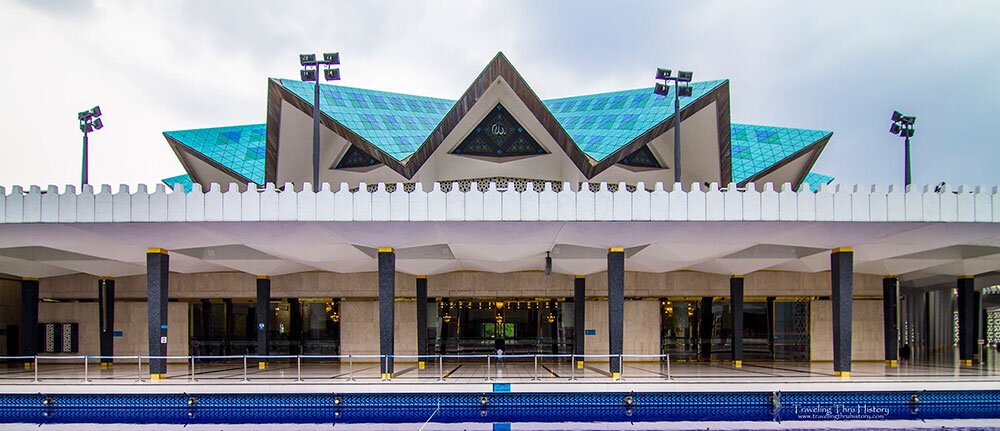
- The Umbrella-Shaped Roof: Unlike classical domes, the mosque features an umbrella-shaped roof with sixteen pointed folds. Fun fact: While it's turqoise today, when it was first built, the roof was white in colour!
- Prayer Hall: Originally, the prayer hall could accommodate only around 3,000 worshippers. Following renovations, it can now hold more than 15,000 people at one time.
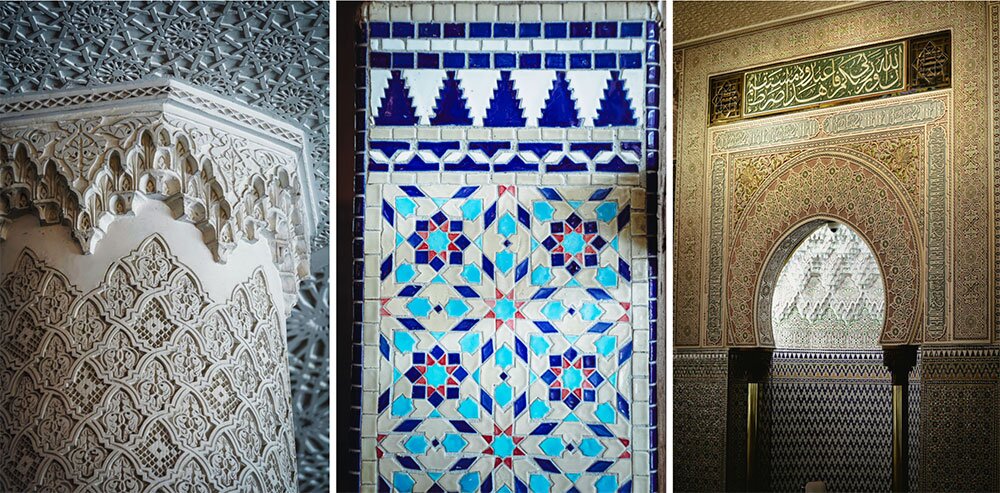
- The Mihrab: The mihrab draws inspiration from Moroccan and Andalusian Islamic architecture, recalling the intricate artistry of the Alhambra in Granada, Spain.
- Quranic Verses and Calligraphic Motifs: The beauty of Islamic art is woven into the fabric of the mosque. Quranic verses are carefully inscribed across the walls and ceilings of the main prayer hall, while intricate calligraphy and geometric motifs unfold across blue and green tiled surfaces, creating an atmosphere of contemplation and reverence.
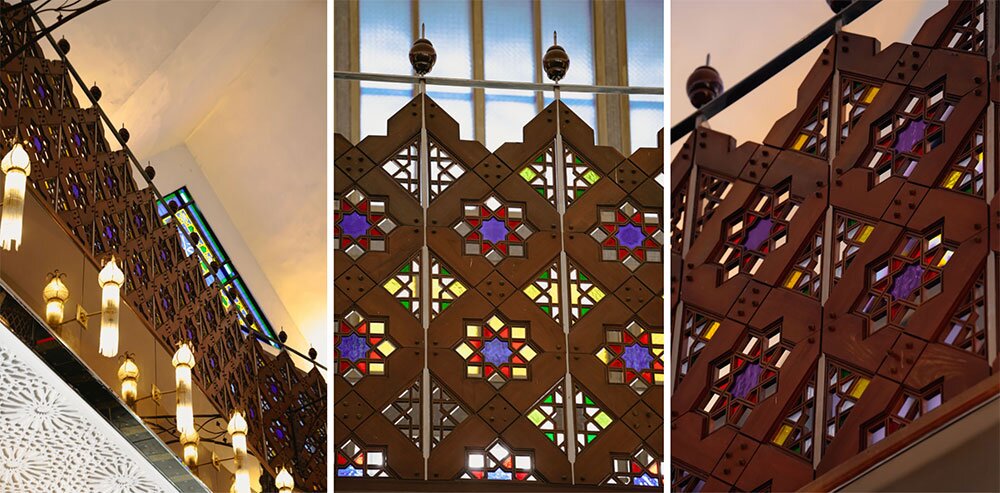
- Malay Architectural Touches: Within the prayer hall, patterned screens replace solid walls, filtering natural light and allowing air to circulate freely. Inspired by traditional Malay kampung houses, these screens, together with the staircases and pillars, introduce familiar elements of vernacular Malay architecture into the mosque's design.
- The Minaret: Rising above the surrounding cityscape, the 73m minaret has long been one of the mosque's defining features. It stands as a lasting symbol of Islam's presence in the nation's capital. When completed, it was the tallest minaret in Kuala Lumpur.
- Beautiful Landscaping: Surrounding the mosque is a meticulously maintained garden, creating a layered cultural landscape where architecture, ritual and artistry converge.
- Fountains: Water features located throughout the mosque grounds and upper concourse serve both symbolic and practical purposes. In Islamic tradition, water represents purity, life and spiritual renewal, while the fountains also help create a cooler and more tranquil environment for worshippers and visitors alike.
Whether altered through restoration or preserved as much as it was originally conceived, the National Mosque remains a living place of worship. The call to prayer continues to punctuate each day, drawing worshippers for the five daily prayers, just as it has for decades. While its primary role remains unchanged, the mosque also welcomes a steady stream of visitors from around the world, offering them an opportunity to experience one of Malaysia's most significant religious and architectural landmarks.
Visitors wishing to explore the mosque are asked to observe the dress code and wear modest attire. Access is restricted during prayer times, and guided visits are available during designated visiting hours.
Visiting Hours
Monday to Thursday, Saturday and Sunday
- First session: 9.00 am – 12.30 pm
- Second session: 3.00 pm – 4.00 pm
- First session: 3.00 pm – 4.00 pm
- Second session: 5.30 pm – 6.30 pm
Key Strategies
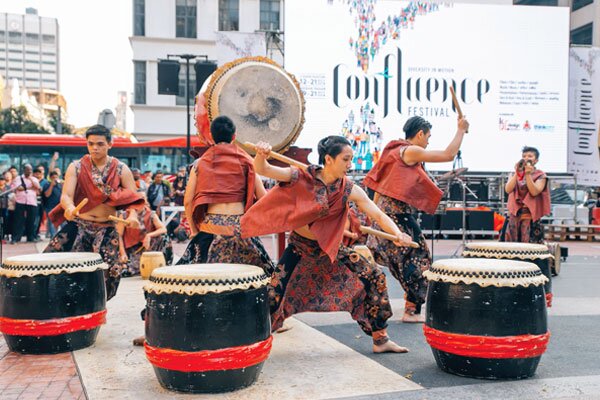
- Developing dedicated arts and performance spaces.
- Supporting creative businesses, galleries, and innovation hubs.
- Hosting cultural festivals, exhibitions, and public art initiatives.
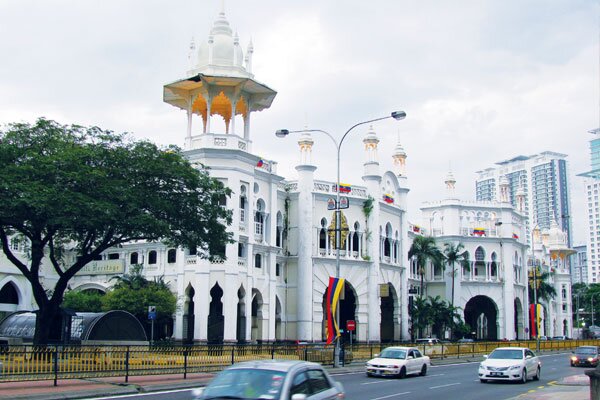
- Restoring Bangunan Sultan Abdul Samad, Central Market, and the Old KL Railway Station
- Adaptive reuse of historic buildings for new cultural and commercial functions
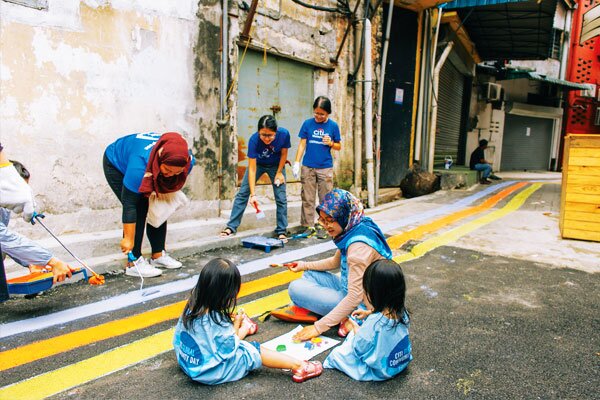
- Upgrade walkways, parks, and public squares for an inviting atmosphere.
- Enhance public transport links and cycling routes to promote urban mobility.
- Activate laneways and riverfront areas as vibrant community spaces.
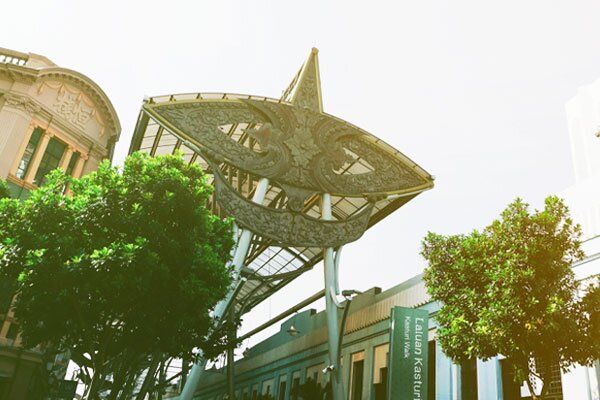
- Heritage Triangle Precinct – Restoring and reactivating historic streetscapes.
- Petaling Street & Traditional Shopping Street Precincts – Preserving KL’s Chinatown and its traditional trades.
- Civic Precinct – Enhancing the area around Dataran Merdeka and national landmarks.
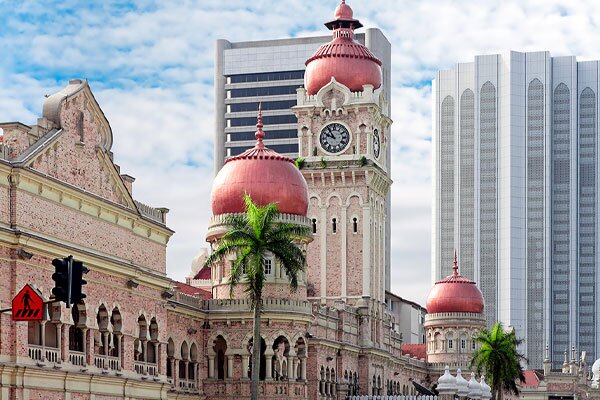
- Encouraging urban living through mixed-use developments.
- Supporting affordable housing for artists, students, and professionals.
- Introducing community-driven projects to strengthen local engagement.
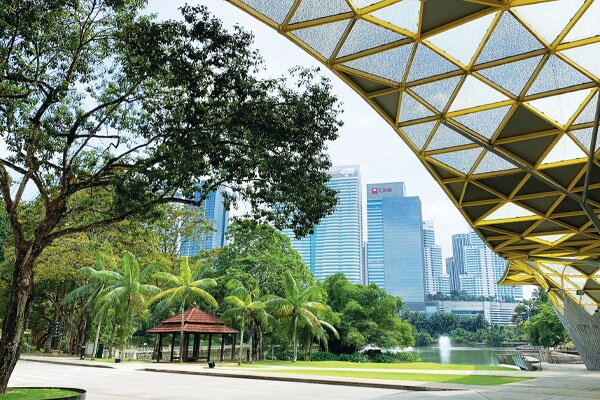
- "Forests in the City" – Expanding green spaces such as Taman Tugu and Bukit Nanas.
- Greener public spaces and eco-friendly urban planning.
- Sustainable conservation practices to protect cultural and natural heritage.
- Develop a governance framework to oversee heritage conservation and creative industries.
- Introduce incentives and funding mechanisms to attract private investment.
- Strengthen community participation in decision-making processes.
The new face of Kuala Lumpur
A city shaped by history and growth — explore Kuala Lumpur’s story in our booklet.
Don’t miss these interesting sites nearby
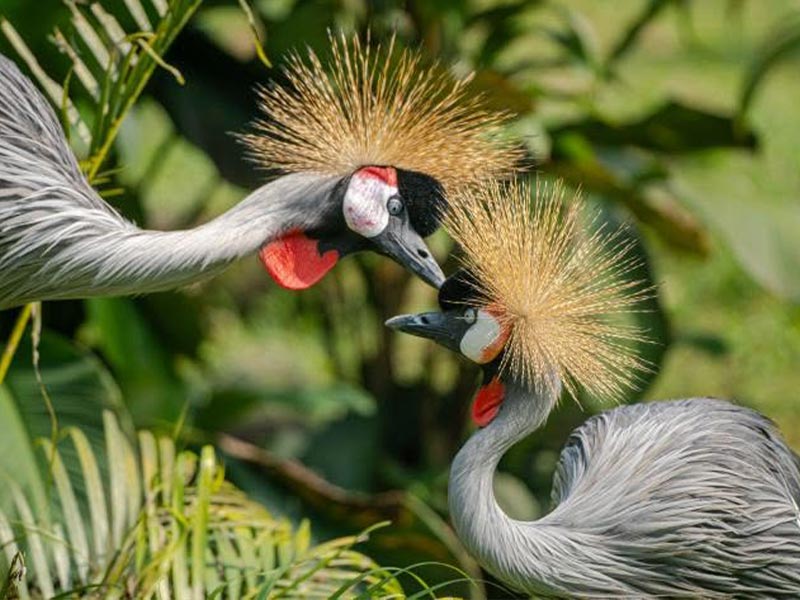
KL Bird Park
Nestled within the Lake Gardens, the Kuala Lumpur Bird Park offers an immersive experience where visitors can encounter hundreds of bird species in a sprawling free-flight sanctuary.
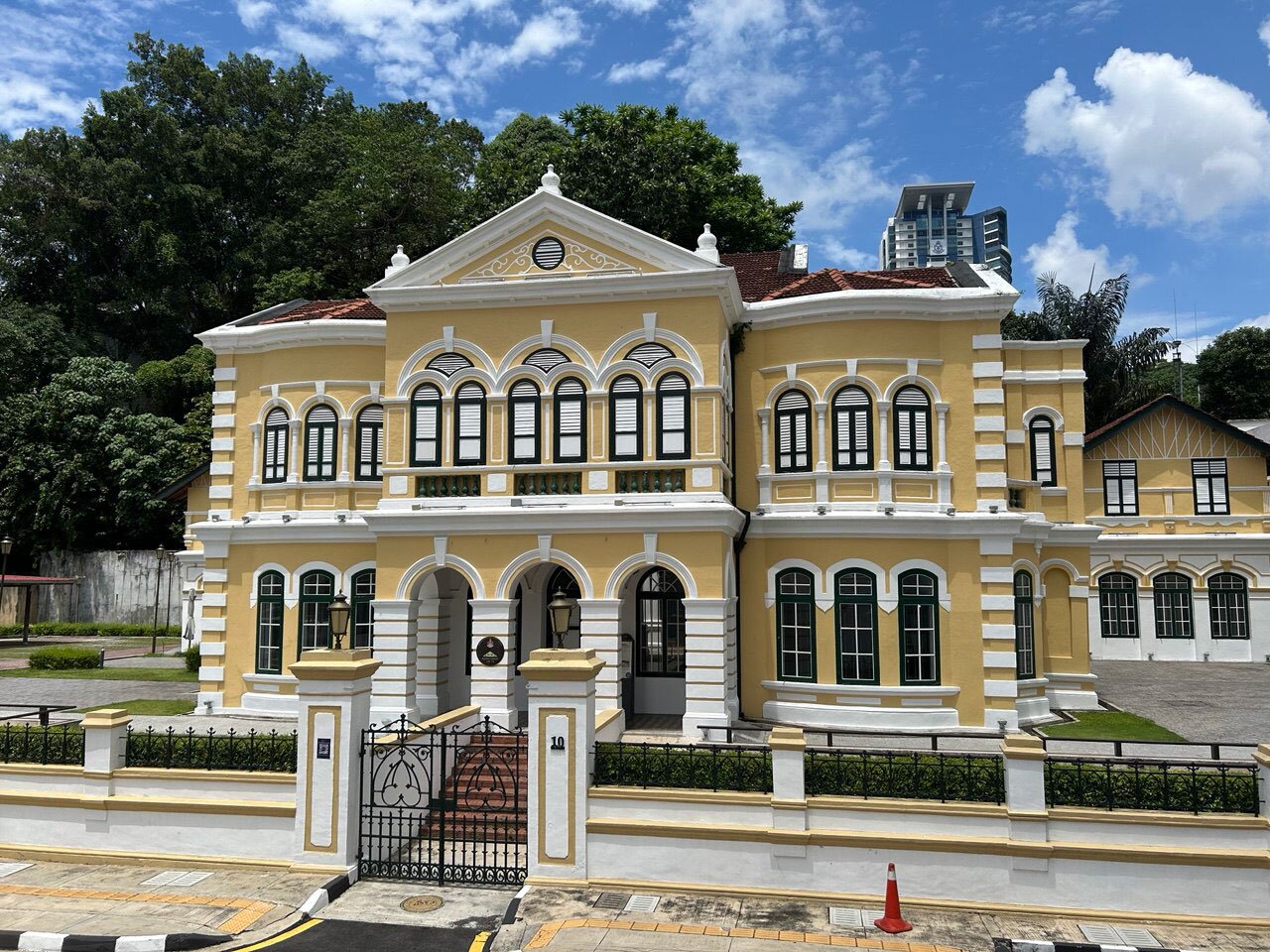
Rumah Tangsi
Once Loke Chow Kit’s lavish digs, now a charming mash-up of art, culture, and Neoclassical flair.
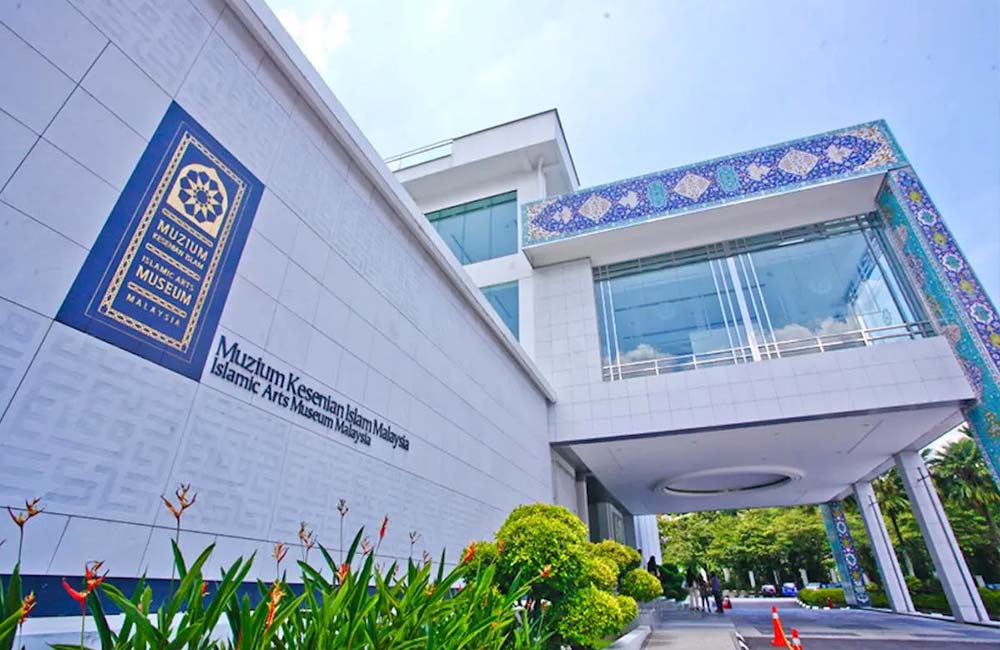
Islamic Arts Museum Malaysia
A treasure trove of Islamic art and craftsmanship, housing one of Southeast Asia's finest collections.
Shaping the Future of KL