Central Market
The Enduring Legacy of Central Market
There are places in Kuala Lumpur that tell their story quietly. And then there is Central Market Kuala Lumpur – better known as Pasar Seni – a landmark that has never quite stopped moving. From its origins as a muddy trading ground to its present-day role as a cultural hub, it remains one of the city’s most recognisable spaces, shaped as much by memory as by reinvention.
01
Historical Legacy
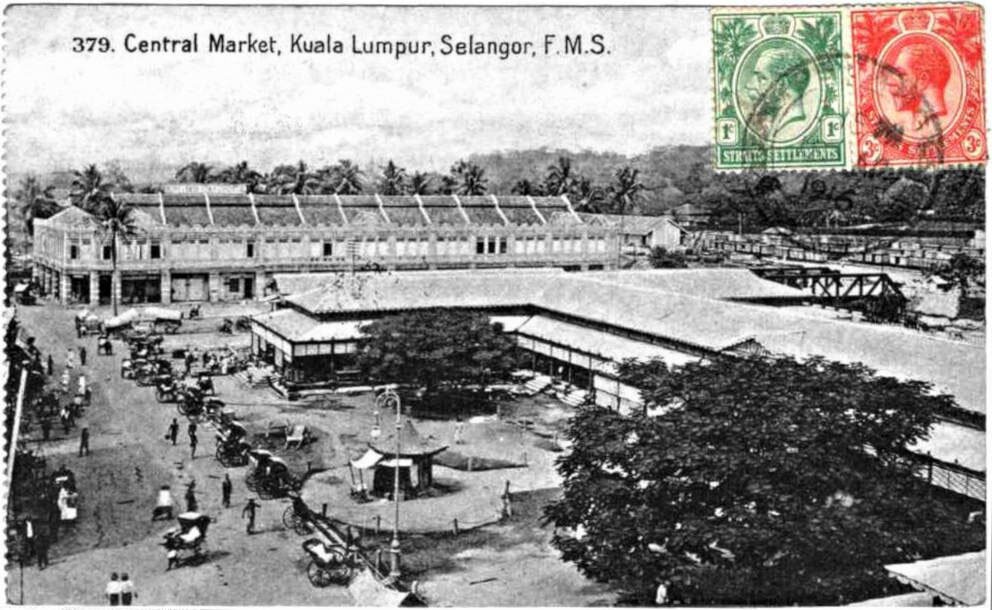
Photograph of a postcard showing the first market built c.1888 in Medan Pasar (Old Market Square) along the street Leboh Pasar Besar (Grand Market St.). This wooden market was badly damaged in one of the great fires in Kuala Lumpur. The new concrete market was built in 1936 behind the shophouses in the photo at Foch Avenue and Jalan Hang Kasturi. In the photo, the rotunda in the foreground is the approximate location of the Medan Pasar Clock Tower. – Photo: Wikimedia Commons
The story begins in 1888, when Yap Ah Loy, the then Chinese Kapitan (community leader) of Kuala Lumpur, established a simple wet market to serve a growing settlement of tin miners and traders. Located near the meeting point of the Klang and Gombak rivers, the site quickly became a vital node in the city’s early commercial life. What started as an open-air market soon expanded into a network of wooden and brick structures, reflecting the steady growth of Kuala Lumpur itself.
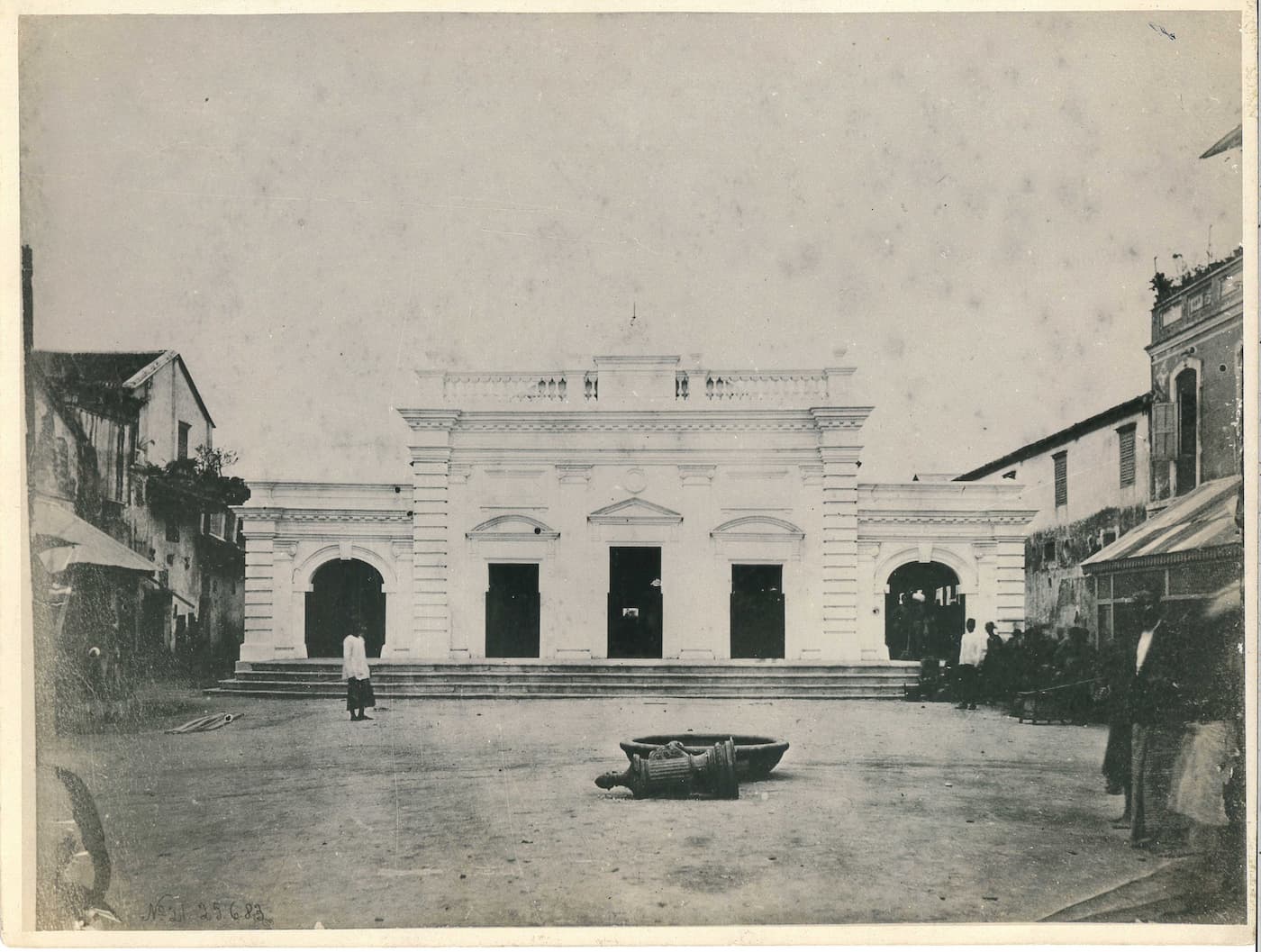
The Art Deco building that stands today dates to 1937, with clean lines, geometric form and practical features. – National Archives of Malaysia: Accession No. 2006/0049618
By the early 20th century, Central Market had become an essential part of daily life in the city. Yet its survival was far from guaranteed. In the 1980s, rapid urban development placed it at risk of demolition, with plans to replace it with a commercial complex. What followed marked a turning point in Kuala Lumpur’s heritage movement. Advocacy from the Malaysian Heritage Society led to its preservation, ensuring that the building would not be erased in the name of progress.
This moment of resistance laid the groundwork for one of Malaysia’s early examples of adaptive reuse. In 1986, after a significant refurbishment, Central Market reopened not as a wet market but as a cultural centre – Pasar Budaya – signalling a shift from everyday trade to the celebration of Malaysian arts, crafts and traditions.
This moment of resistance laid the groundwork for one of Malaysia’s early examples of adaptive reuse. In 1986, after a significant refurbishment, Central Market reopened not as a wet market but as a cultural centre – Pasar Budaya – signalling a shift from everyday trade to the celebration of Malaysian arts, crafts and traditions.
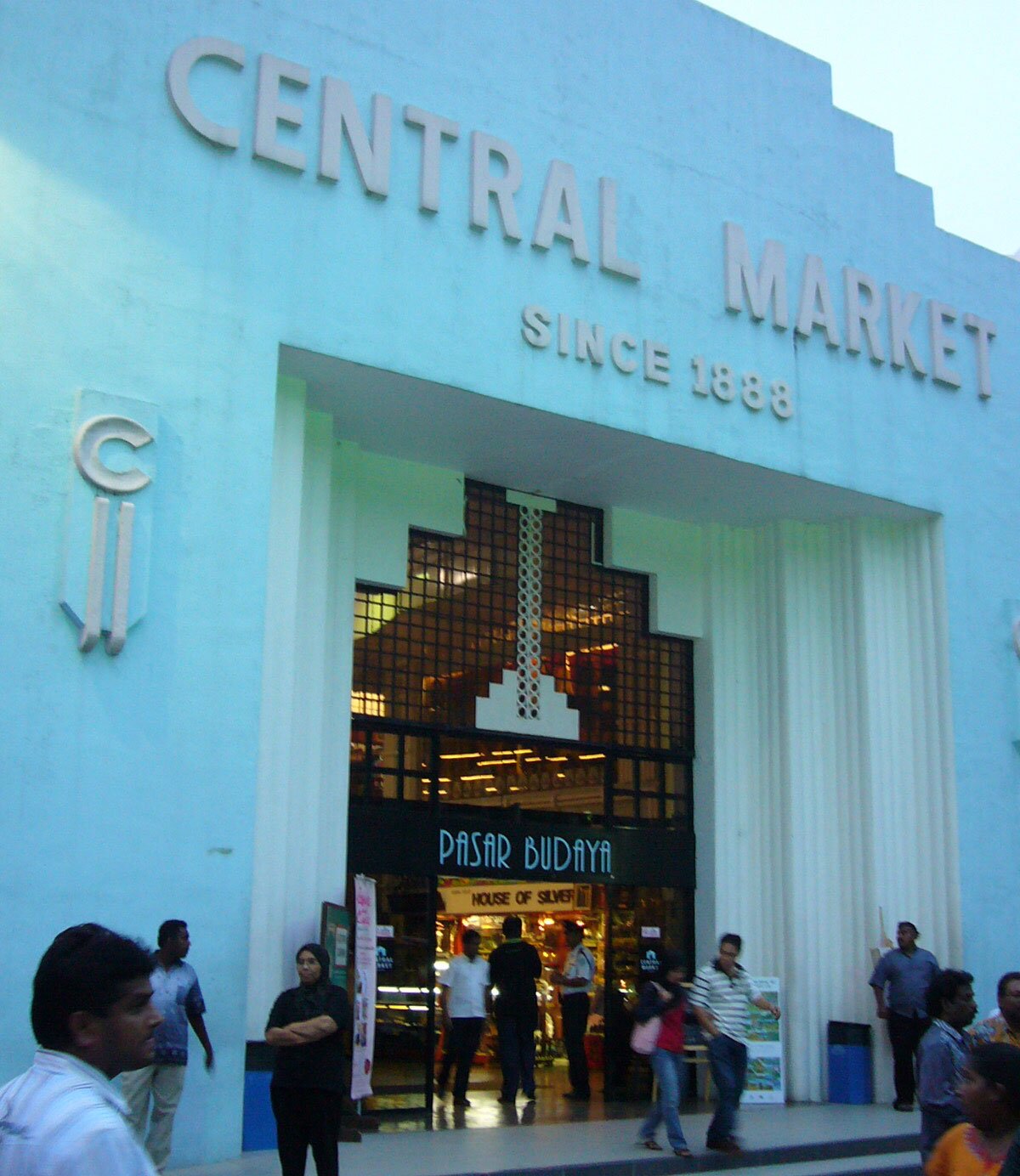
Before it was more popularly known as Pasar Seni, Central Market was called Pasar Budaya in the 1980s. – Photo: Wikimedia Commons
02
Architectural Significance
The building that stands today dates back to 1937, when architect TY Lim designed a new structure to accommodate the city’s expanding population. Executed in Art Deco style, the building introduced a more permanent and modern architectural language to the site. Its reinforced concrete frame and heat-resistant glass were practical innovations for a tropical climate, while its clean lines and geometric form reflected the design sensibilities of the period.
Perhaps its most recognisable feature is its baby blue façade – an identity that has endured through at least four decades of change. More than just an aesthetic marker, the building represents a moment when Kuala Lumpur began to formalise its urban character, transitioning from improvised structures to more considered public architecture.
Perhaps its most recognisable feature is its baby blue façade – an identity that has endured through at least four decades of change. More than just an aesthetic marker, the building represents a moment when Kuala Lumpur began to formalise its urban character, transitioning from improvised structures to more considered public architecture.
03
Central Market Today
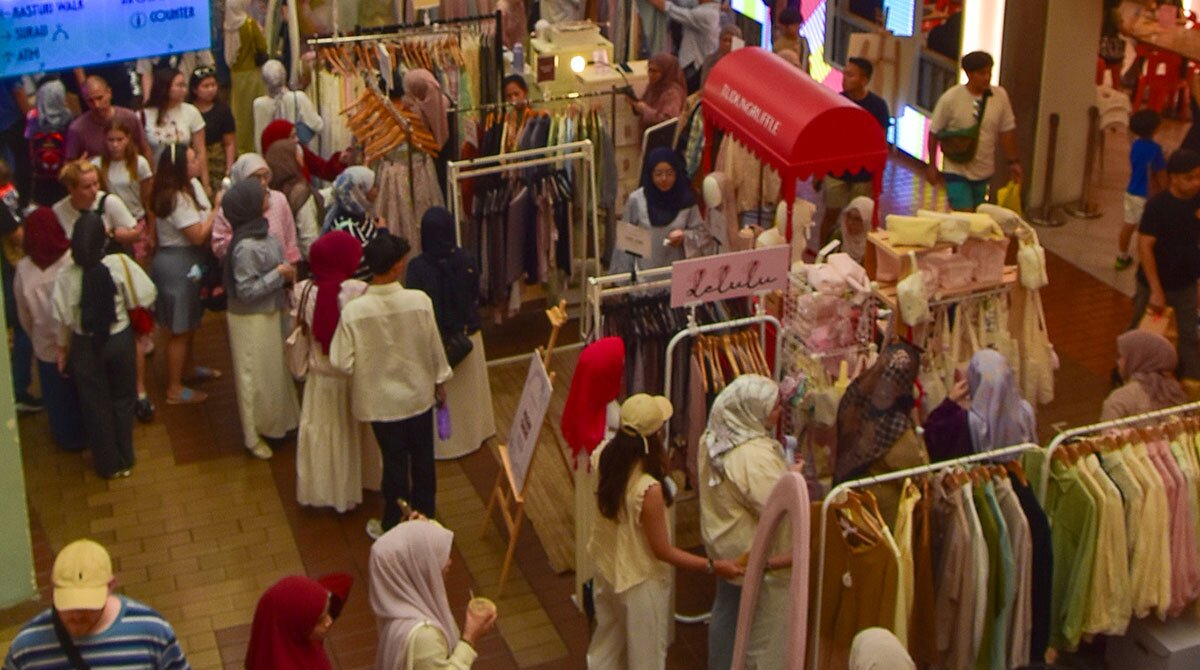
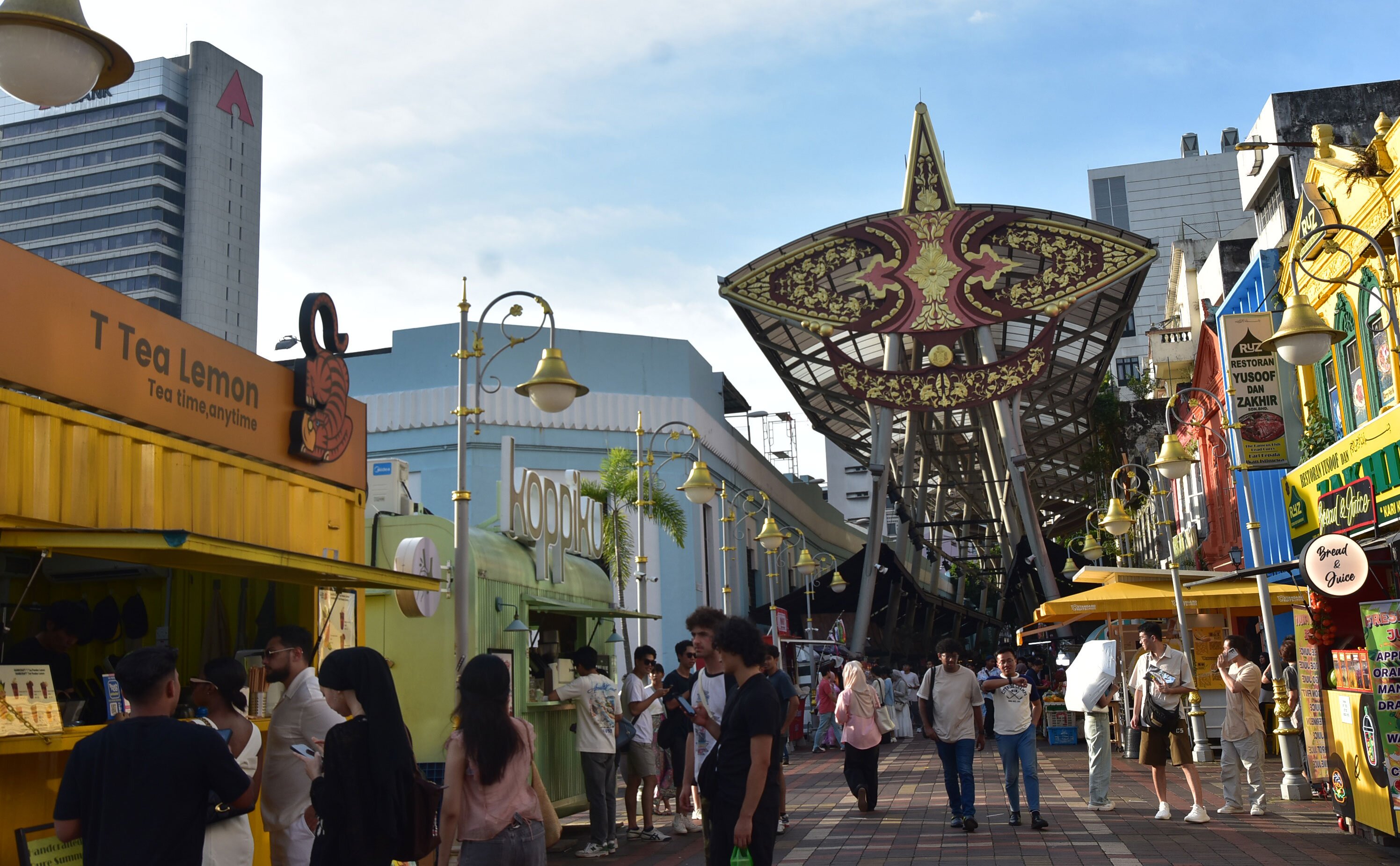
Today, Central Market continues to evolve under the stewardship of the Kha Seng Group, which acquired the site in 2004. Additions such as the Annexe and Kasturi Walk have extended its footprint, introducing new spaces for art, retail and street-level activity while retaining the spirit of the original market.
Inside, more than 300 stalls offer a cross-section of Malaysian craftsmanship – from batik textiles and songket to wood carvings and handmade souvenirs. Art Lane provides a more intimate glimpse into the creative process, where visitors can observe artists at work or take part in workshops themselves. Upstairs, a heritage-style food court gathers familiar local dishes such as satay and laksa, offering a taste of the city’s culinary diversity.
Recent initiatives signal a renewed focus on community engagement. Concepts such as Pasar Besar, Makers Hall, and Makan Hall reinterpret the traditional market for contemporary use, encouraging locals to return not just as visitors but as participants in the space. Regular programming – from weekend markets (Pasar Gadis, Pesta Muda Mudi) to book festivals like the KL Alternative Bookfest and festive bazaars – ensures that Central Market remains active and relevant.
In a city that continues to shift and expand, Central Market endures not by standing still, but by adapting. It remains a place where commerce, culture and memory intersect – holding together fragments of Kuala Lumpur’s past while making room for its present.
Today, Central Market remains a "must-visit" for anyone wanting to witness the transformation of Kuala Lumpur into a walkable, liveable city while staying deeply rooted in its 19th-century origins.
Inside, more than 300 stalls offer a cross-section of Malaysian craftsmanship – from batik textiles and songket to wood carvings and handmade souvenirs. Art Lane provides a more intimate glimpse into the creative process, where visitors can observe artists at work or take part in workshops themselves. Upstairs, a heritage-style food court gathers familiar local dishes such as satay and laksa, offering a taste of the city’s culinary diversity.
Recent initiatives signal a renewed focus on community engagement. Concepts such as Pasar Besar, Makers Hall, and Makan Hall reinterpret the traditional market for contemporary use, encouraging locals to return not just as visitors but as participants in the space. Regular programming – from weekend markets (Pasar Gadis, Pesta Muda Mudi) to book festivals like the KL Alternative Bookfest and festive bazaars – ensures that Central Market remains active and relevant.
In a city that continues to shift and expand, Central Market endures not by standing still, but by adapting. It remains a place where commerce, culture and memory intersect – holding together fragments of Kuala Lumpur’s past while making room for its present.
Today, Central Market remains a "must-visit" for anyone wanting to witness the transformation of Kuala Lumpur into a walkable, liveable city while staying deeply rooted in its 19th-century origins.
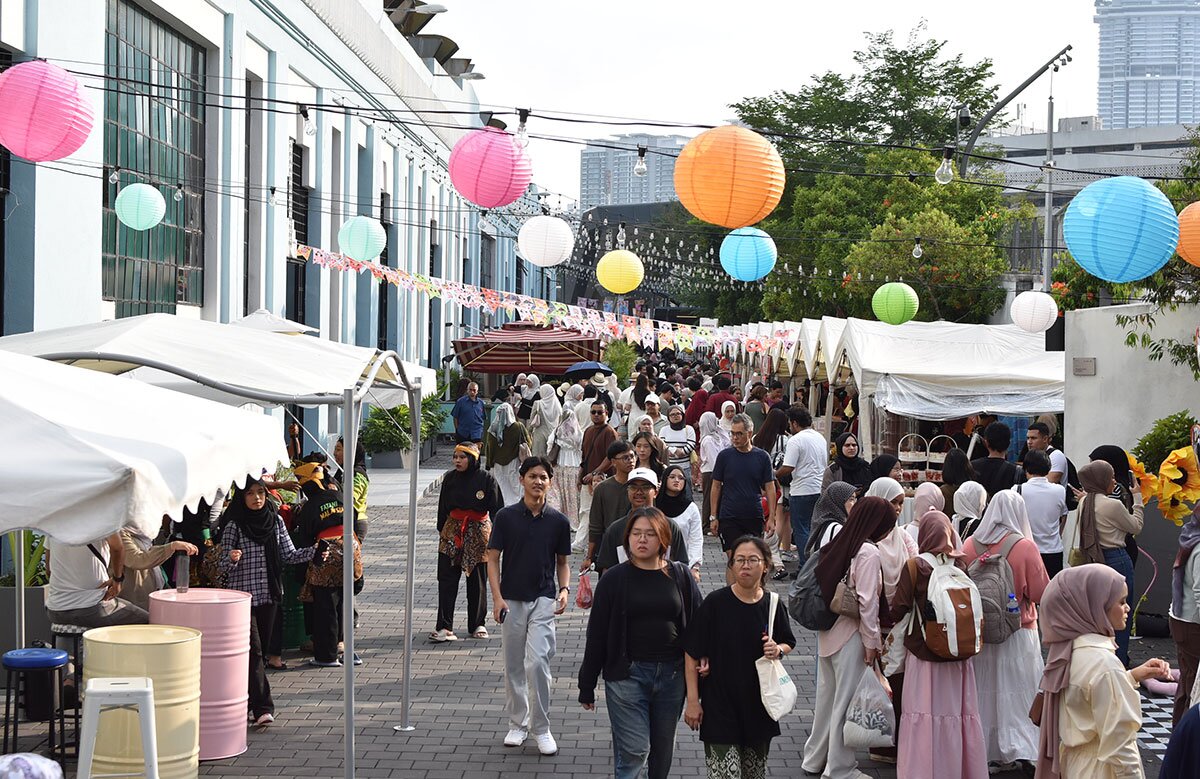
Key Strategies
KLCCD’s Strategic Master Plan outlines seven core strategies to transform downtown KL into a thriving cultural district.
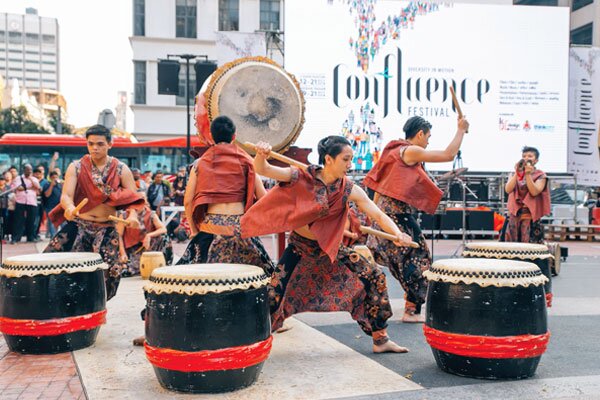
Strengthening the Creative & Cultural Ecosystem
- Developing dedicated arts and performance spaces.
- Supporting creative businesses, galleries, and innovation hubs.
- Hosting cultural festivals, exhibitions, and public art initiatives.
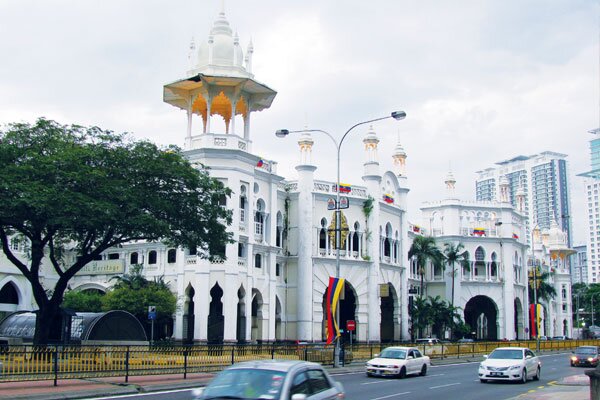
Preserving & Restoring Heritage
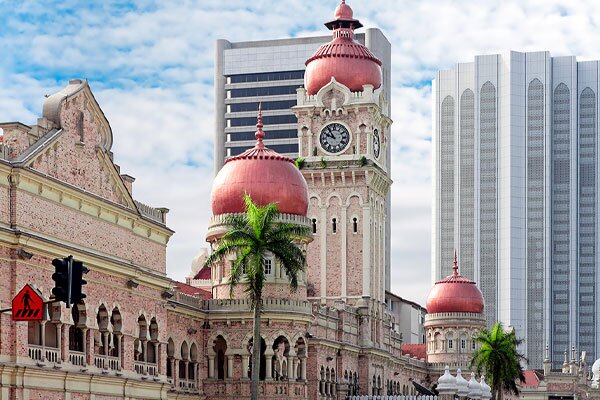
- Restoring Bangunan Sultan Abdul Samad, Central Market, and the Old KL Railway Station
- Adaptive reuse of historic buildings for new cultural and commercial functions
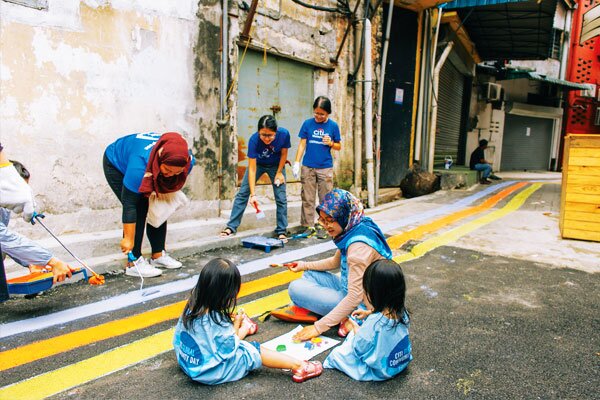
Improving Public Spaces & Connectivity
- Upgrade walkways, parks, and public squares for an inviting atmosphere.
- Enhance public transport links and cycling routes to promote urban mobility.
- Activate laneways and riverfront areas as vibrant community spaces.
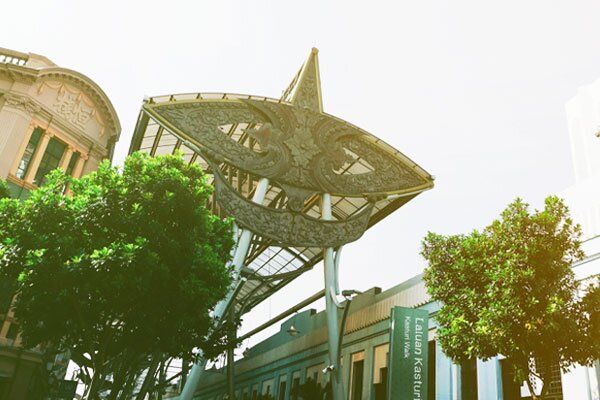
Revitalising Key Precincts
- Heritage Triangle Precinct – Restoring and reactivating historic streetscapes.
- Petaling Street & Traditional Shopping Street Precincts – Preserving KL’s Chinatown and its traditional trades.
- Civic Precinct – Enhancing the area around Dataran Merdeka and national landmarks.
Repopulating the City Centre
- Encouraging urban living through mixed-use developments.
- Supporting affordable housing for artists, students, and professionals.
- Introducing community-driven projects to strengthen local engagement.
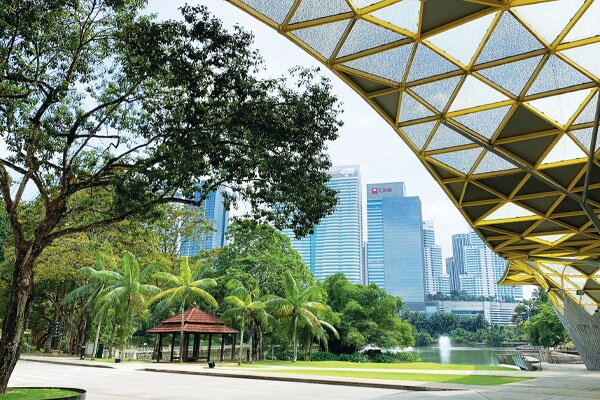
Environmental & Sustainable Growth
- "Forests in the City" – Expanding green spaces such as Taman Tugu and Bukit Nanas.
- Greener public spaces and eco-friendly urban planning.
- Sustainable conservation practices to protect cultural and natural heritage.
Governance & Long-term Sustainability
- Develop a governance framework to oversee heritage conservation and creative industries.
- Introduce incentives and funding mechanisms to attract private investment.
- Strengthen community participation in decision-making processes.
The new face of Kuala Lumpur
A city shaped by history and growth — explore Kuala Lumpur’s story in our booklet.
Don’t miss these interesting sites nearby
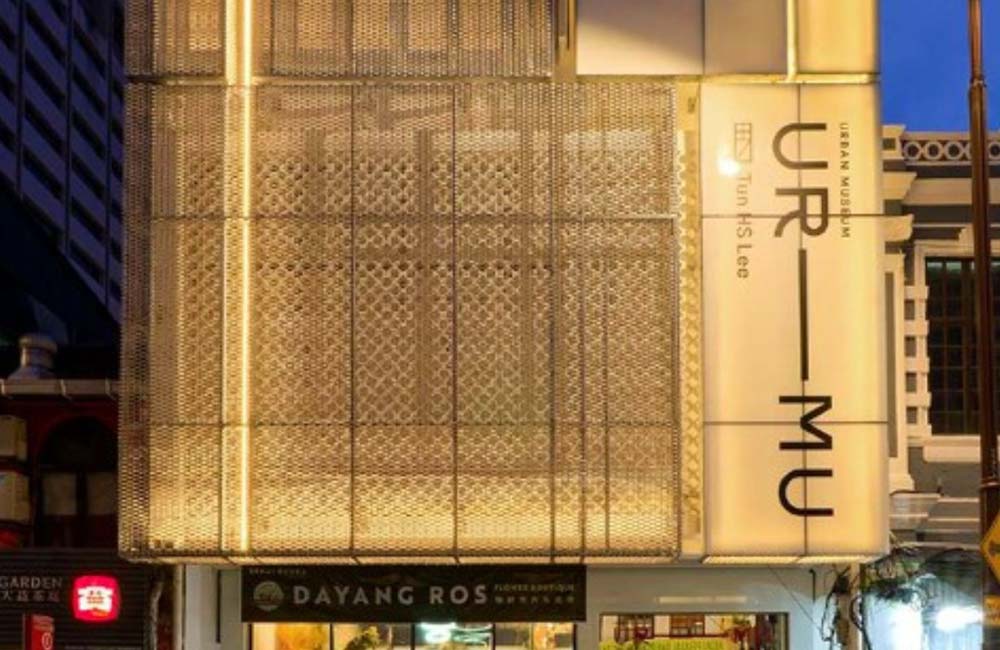
+n by UR-MU
KL’s sleekest private museum – modern art meets Malaysian narratives in a swanky shophouse.
.jpg)
Sin Sze Si Ya Temple
Whispers of old KL – red lanterns, incense, and the spirit of Yap Ah Loy still lingering.
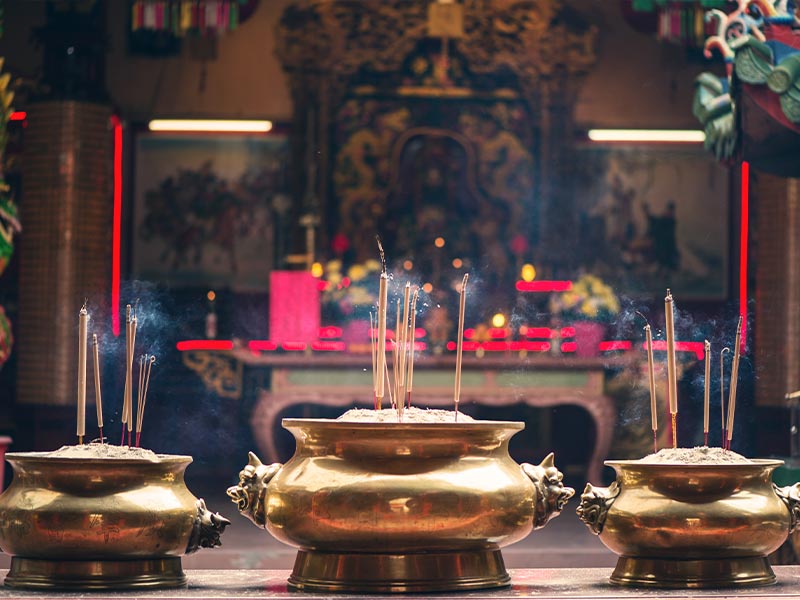
Guan Di Temple
A longstanding place of worship on Jalan Tun H.S. Lee, Kwan Tee Temple has served the city's Chinese community for more than a century and honours Guan Di, the God of War.
Shaping the Future of KL
Warisan KL aims to redefine Kuala Lumpur as one of Asia’s premier creative and cultural destinations – a city where history, creativity, and modernity come together to create a dynamic and inclusive urban experience.