Warisan KL’s shoplots offer yet another way to buka puasa – relaxed, intimate and often inventive.
At Kafe Kleptokrat, diners sit around a turquoise courtyard pool inside a restored heritage building. Its Ramadan set menu features local favourites such as Asam Pedas Sea Bass Fillet and Ayam Goreng Berempah, proving that good design need not come at the expense of flavour – or affordability.
For a lighter, plant-based alternative, The Hungry Tapir turns beloved Malaysian dishes vegan. Tempeh cili padi masak lemak, satay and mushroom rendang offer a refreshing contrast to meat-heavy buffets.
And at Olea Dining, Mediterranean flavours take centrestage. Handmade plates carry dishes “From The Garden”, “From The Sea” and “From The Land” – from stuffed artichokes to tender lamb chops – offering yet another way to gather meaningfully at sunset.
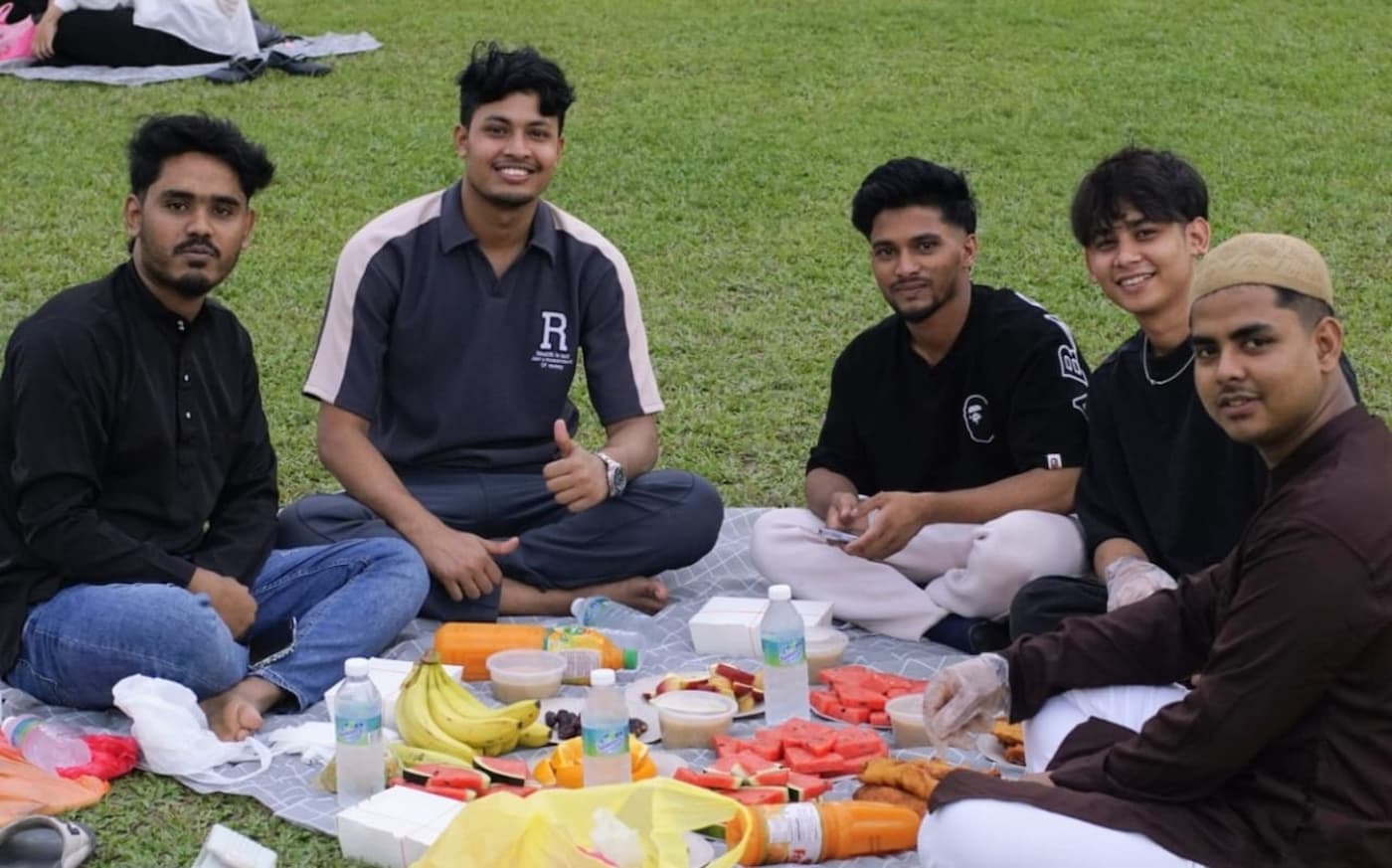
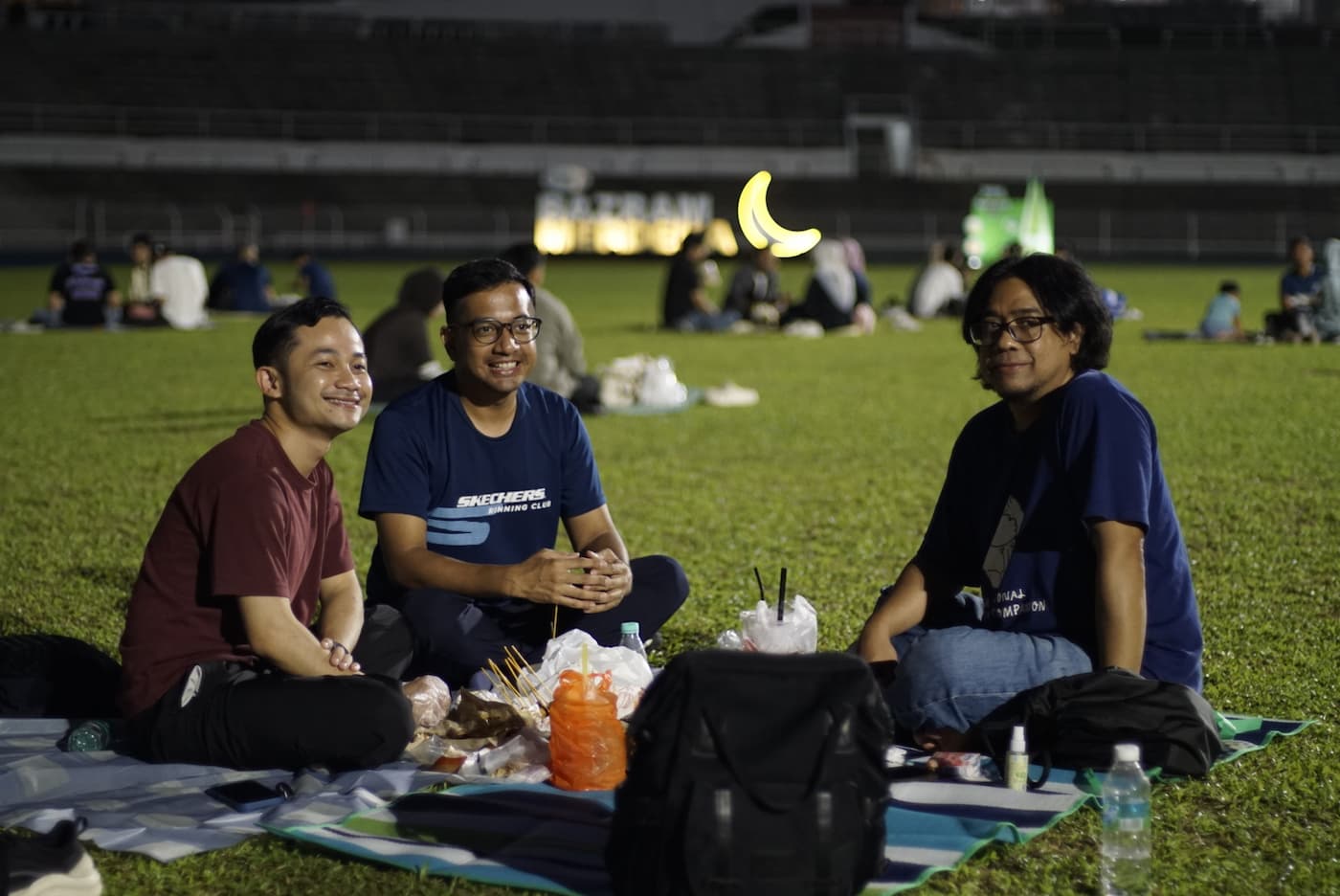
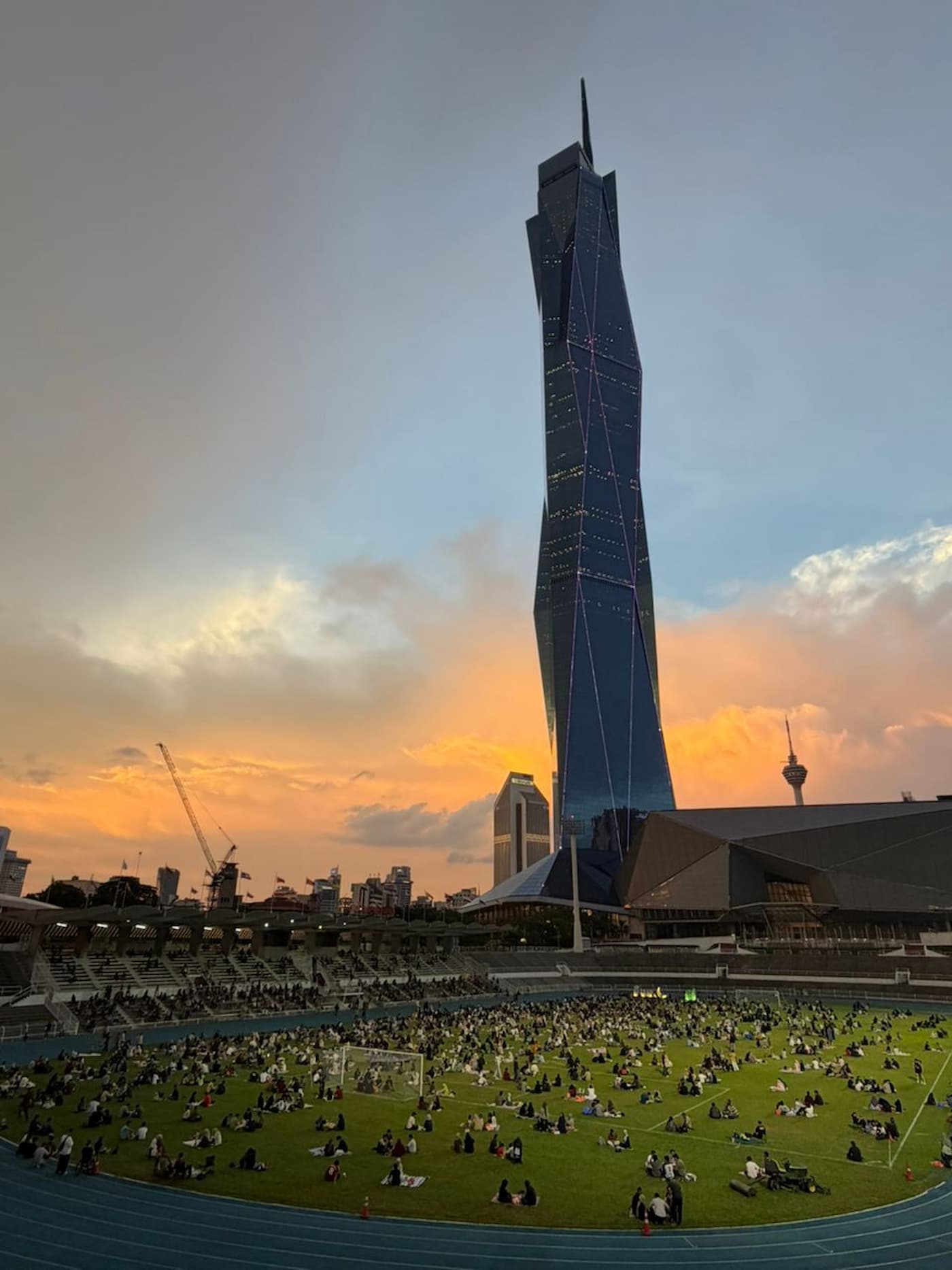
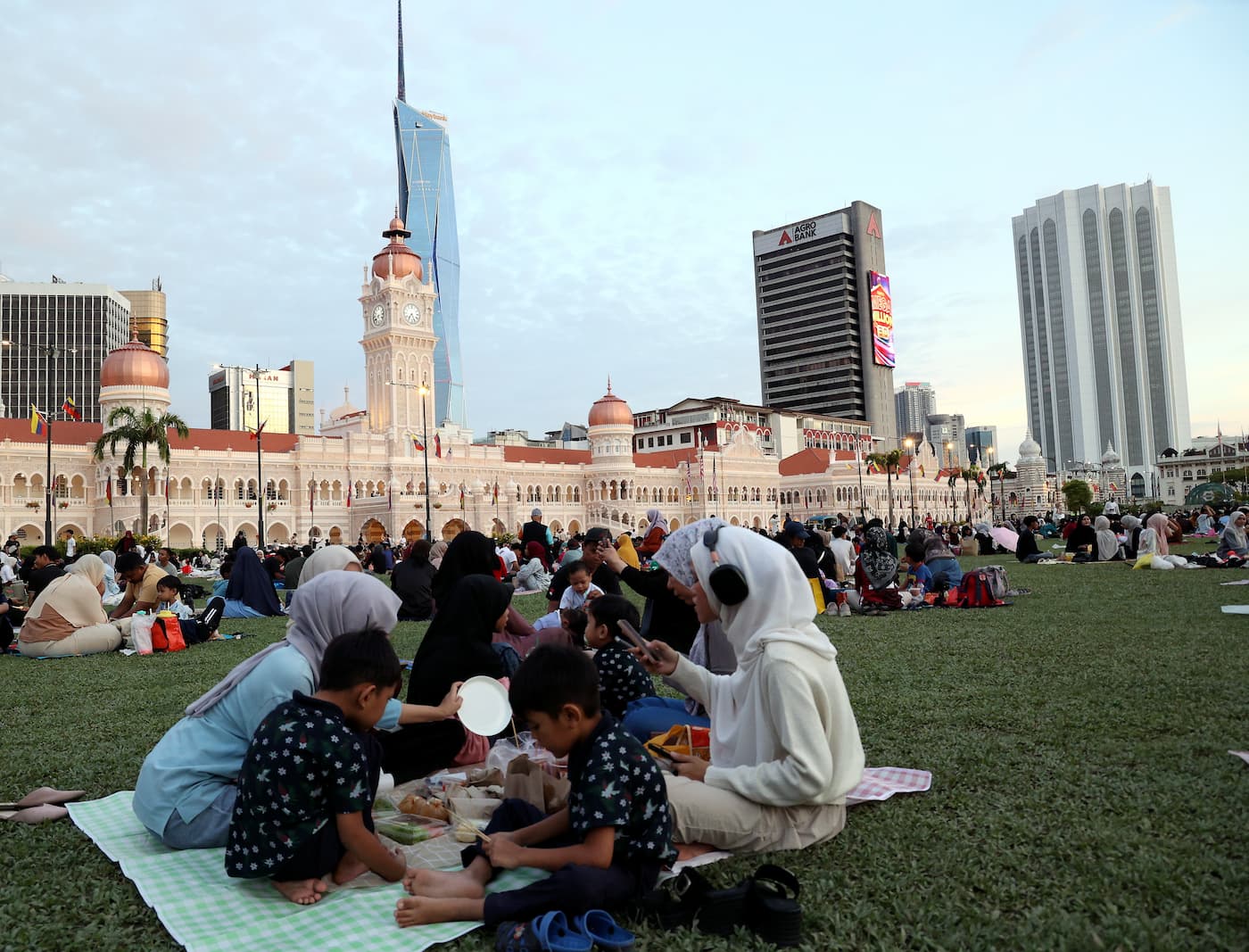
Fasting may be deeply personal, but in Kuala Lumpur, iftar belongs to the city. It spills onto historic squares, into stadium grounds, along five-foot ways and up into the skyline – a shared ritual that threads together memory and modernity. From grass fields to glass towers, each setting reveals a different layer of KL’s story.
Across these spaces, Ramadan bazaars and buka puasa gatherings are more than seasonal events. They are living expressions of what Warisan KL seeks to nurture – a city where heritage buildings are not just preserved, but reinhabited; where public spaces are not merely photographed, but experienced.
Through the collective efforts of private stakeholders, public partners and government agencies, Warisan KL continues to revive the soul of Kuala Lumpur – ensuring that its historic heart beats strongly, especially in moments like these, when the city gathers at sunset as one.
.jpg)
.jpg)
.jpg)
.jpg)
.jpg)
.jpg)
.jpg)