New Memories in Historic Places

ELLFIAN RAHIM | 8 September 2026

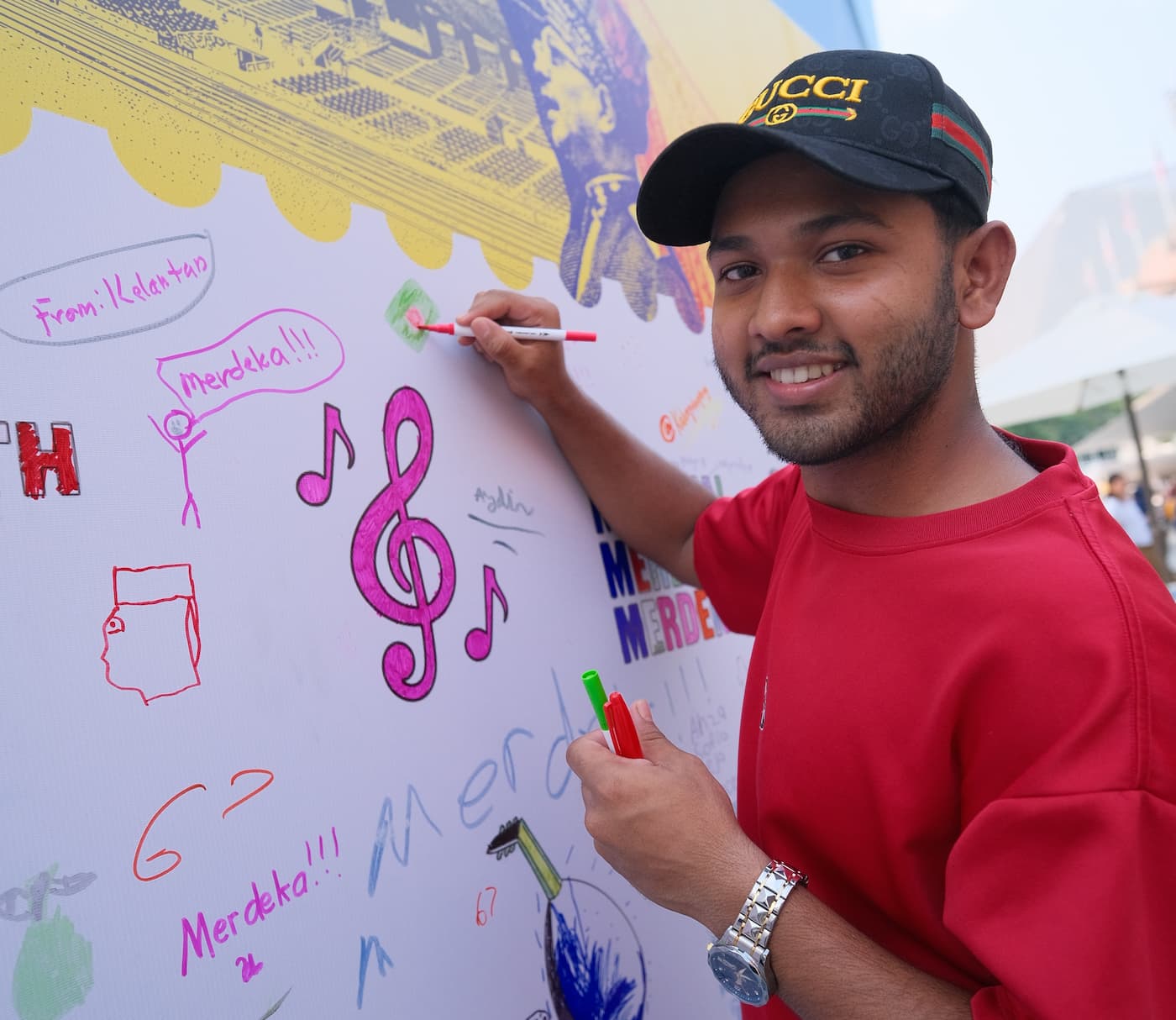
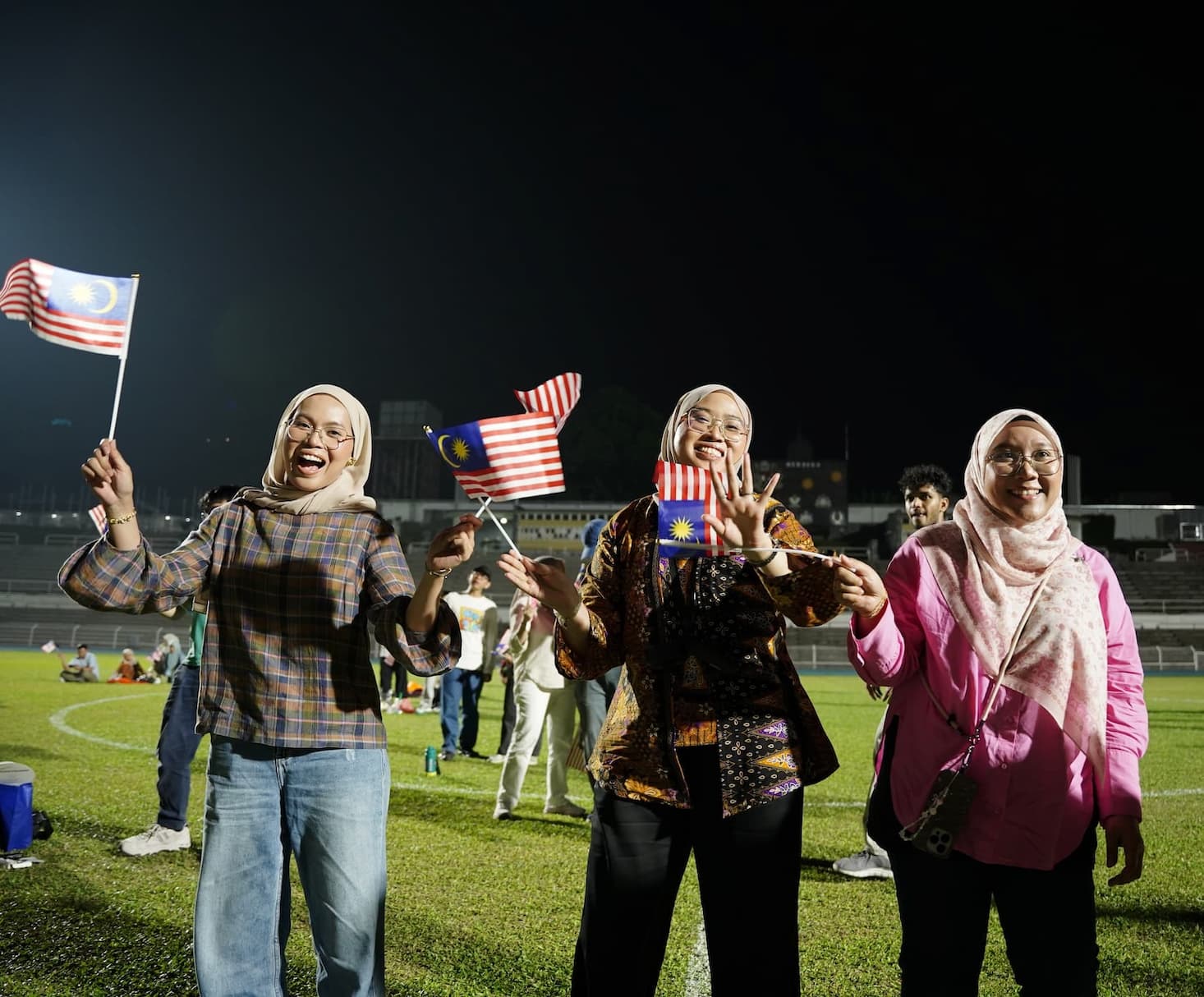
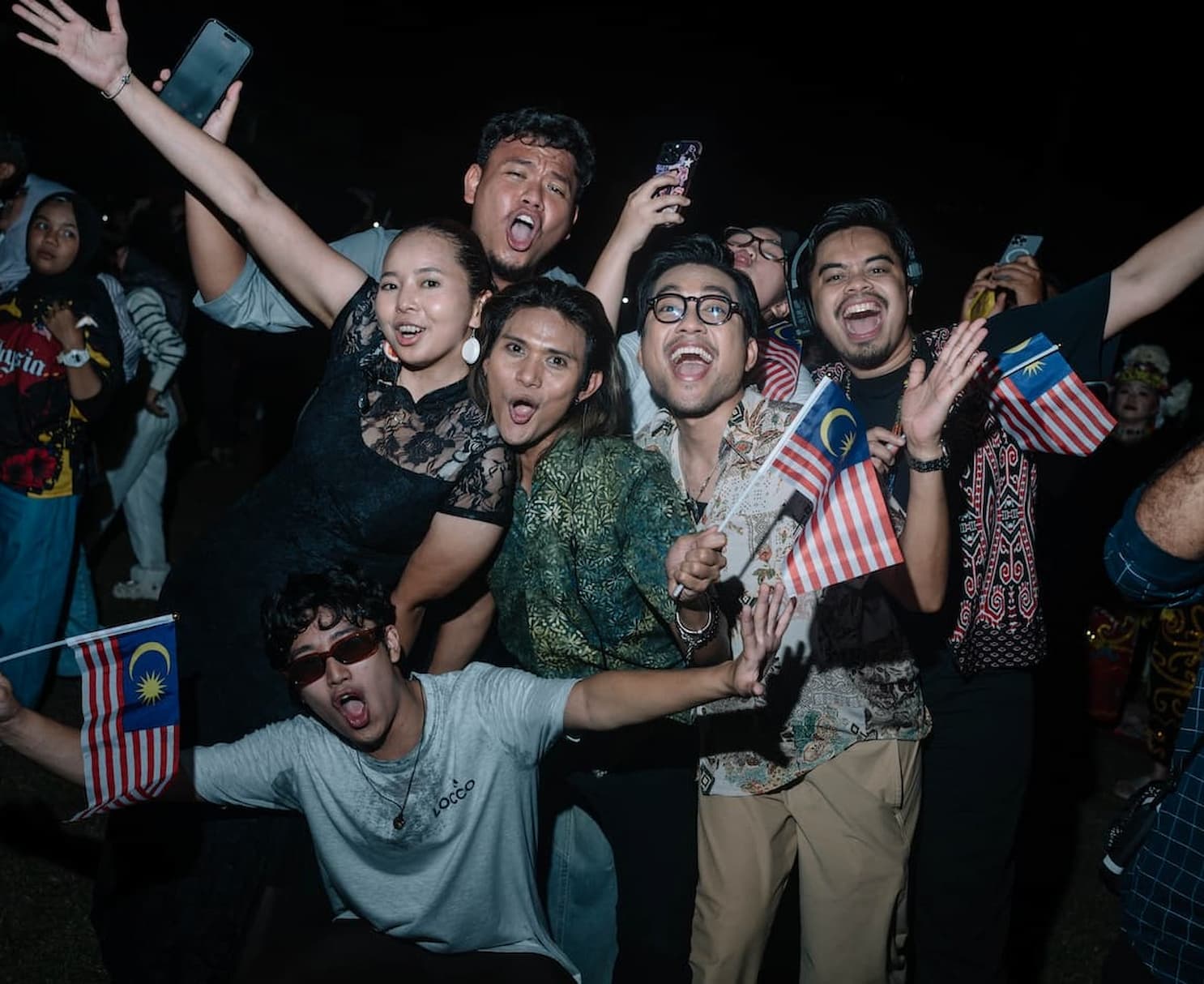
A National Day celebration in Kuala Lumpur offered a reminder that the city’s historic spaces are not simply places to remember the past – they are places where Malaysians continue to create new memories together.  – Photo: Facebook
There are some places in Kuala Lumpur where history feels particularly close. Stadium Merdeka is one of them. Dataran Merdeka is another.

For this year’s National Day celebrations from Aug 29-31, thousands of Malaysians returned to these two historic spaces – not simply to mark another Merdeka Day, but to experience the city’s past alongside the sights, sounds and technology of the present.

It was a fitting contrast.

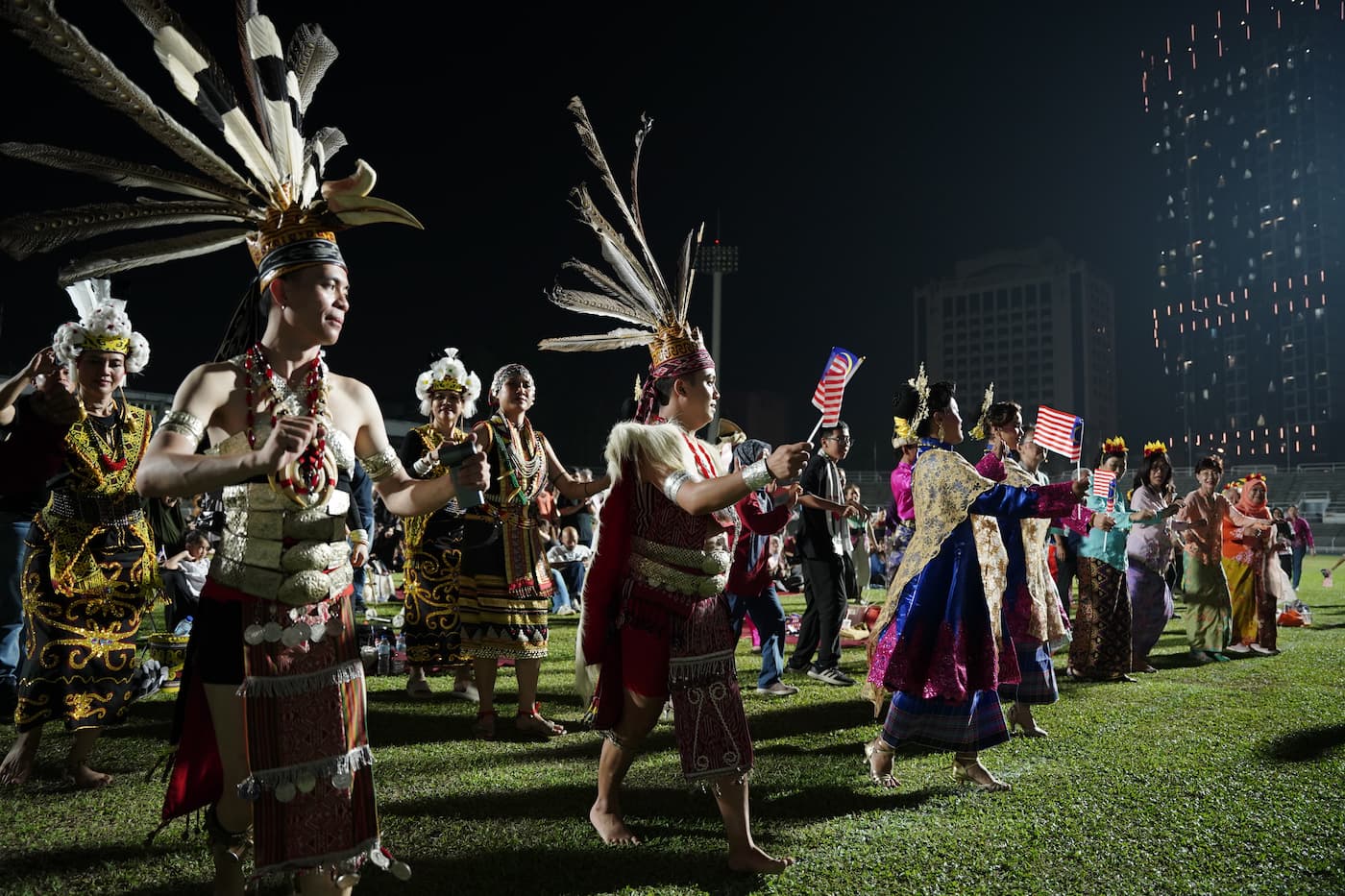
At Stadium Merdeka, where Tunku Abdul Rahman proclaimed the independence of the Federation of Malaya on Aug 31, 1957, a new generation gathered for Gapai Merdeka, an evening of music, culture, food and community.
At Dataran Merdeka, meanwhile, the countdown to National Day unfolded against the familiar silhouette of the Sultan Abdul Samad Building, and LightUpKL’s Pesta Lampu Sedunia Malaysia transforming the historic heart of the city through light, projection and drone technology.

Together, the celebrations offered a glimpse of how Kuala Lumpur’s heritage spaces can continue to evolve. The landmarks remain rooted in history, but the ways people experience them are constantly changing.


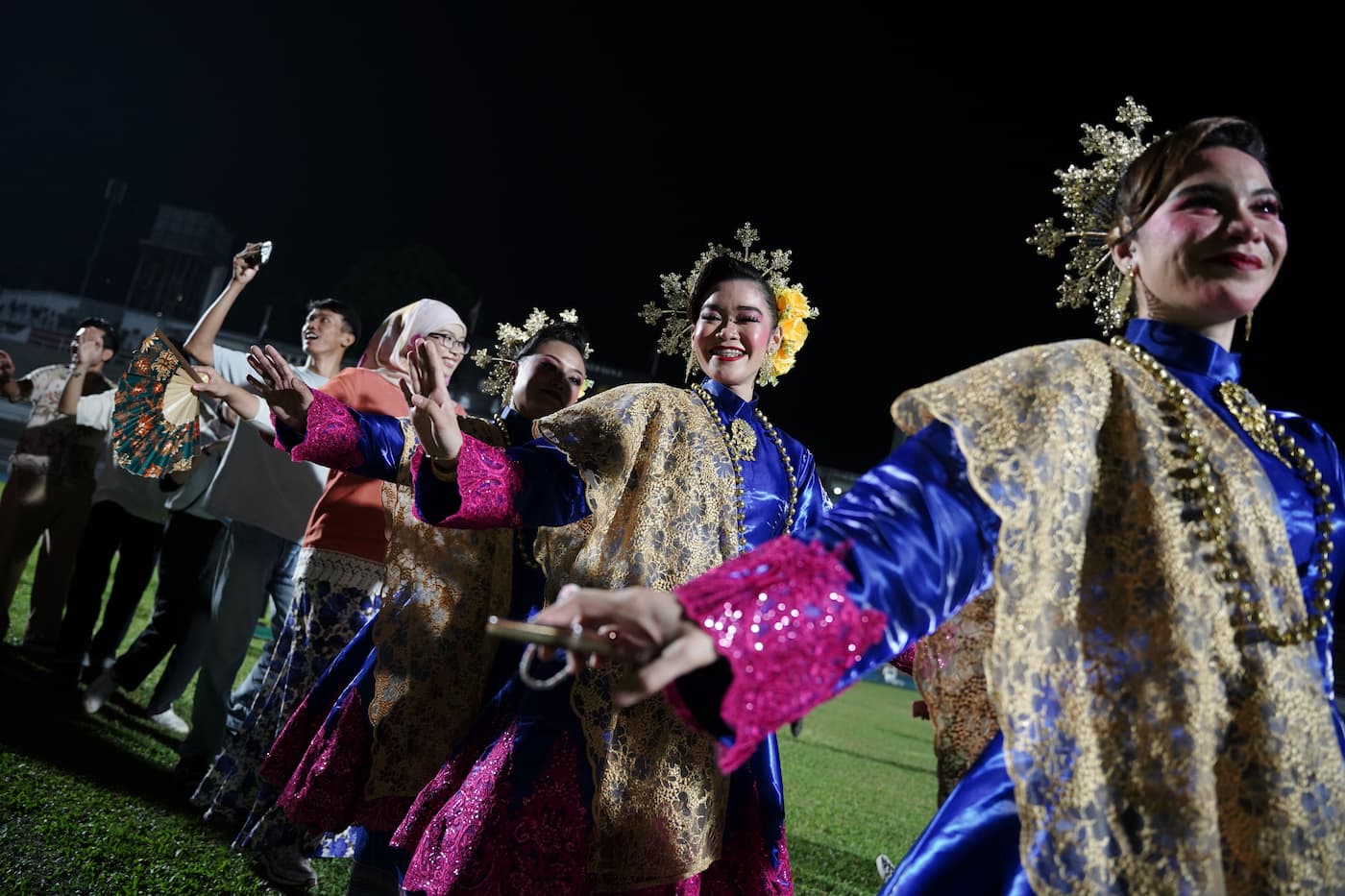
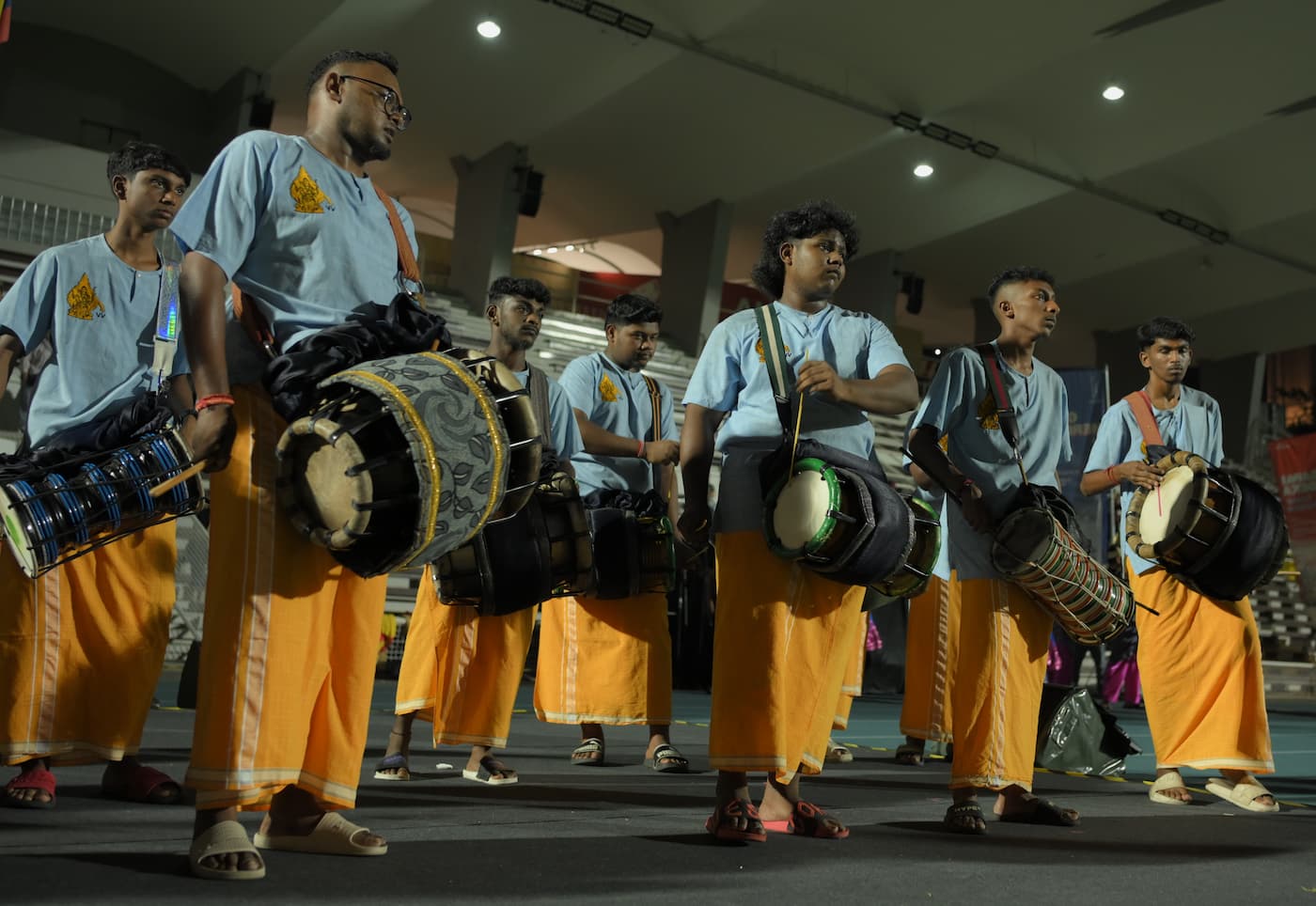
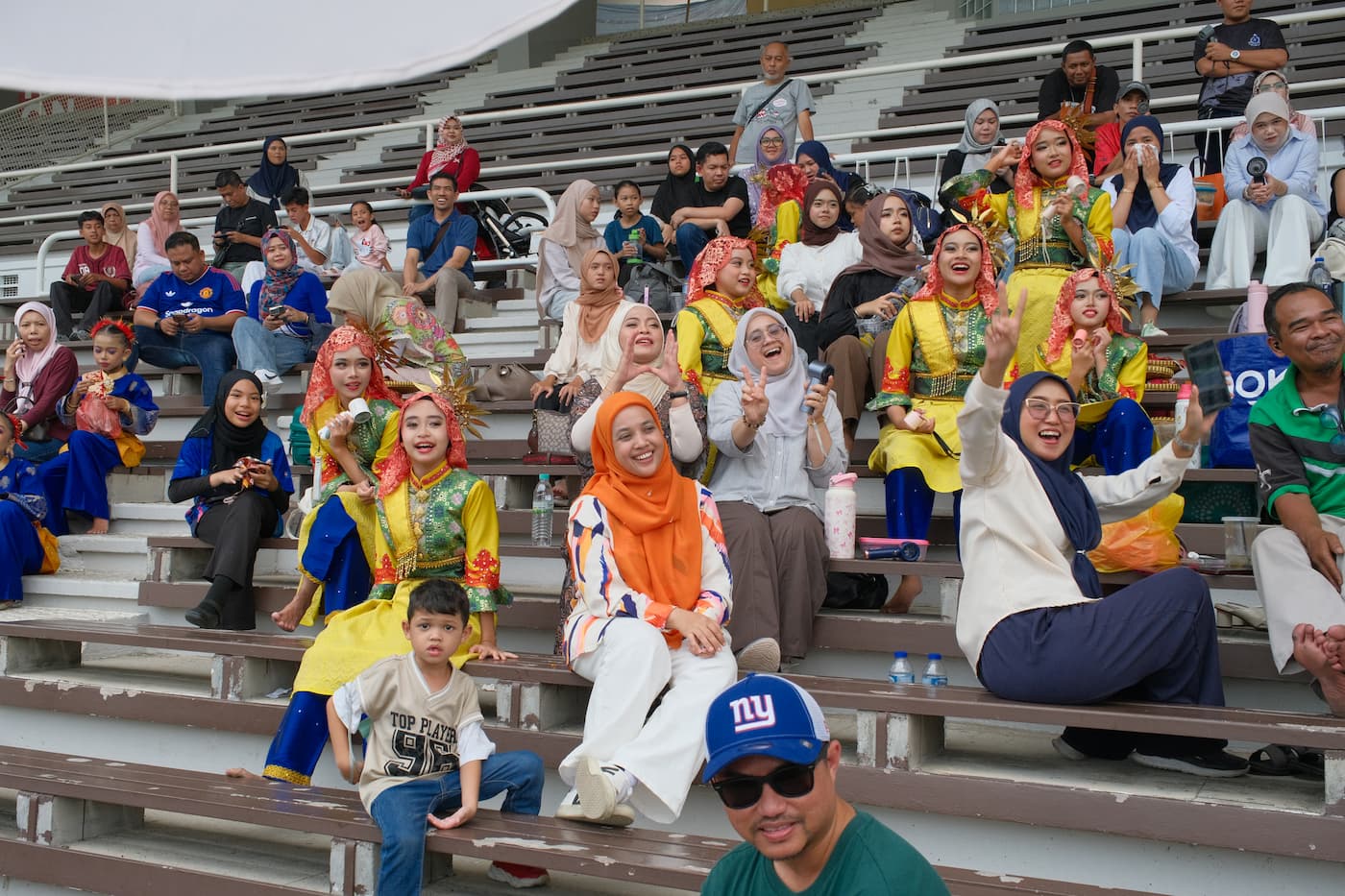
At Stadium Merdeka, Gapai Merdeka brought together traditional and contemporary expressions of Malaysian culture. The programme featured music performances, fashion showcases, wayang kulit and a midnight pre-Merdeka joget lambak session, alongside food and opportunities for families and friends to spend time together.

The event’s message – “Satu pentas, pelbagai budaya, satu rentak jiwa Malaysia” (One stage, many cultures, one Malaysian spirit) – was reflected in the variety of people who came through the gates.

For some, the significance of the occasion lay simply in being at the stadium. Nineteen-year-old Inti College Subang student Edmund Yap, who had recently moved to Kuala Lumpur from Penang, said visiting Stadium Merdeka was a way of making a personal connection with a moment he had previously encountered only in history books.

“It’s actually my first year in KL after moving here from Penang, so I made it a point to celebrate Merdeka Day this year,” he said. “And I thought what better way than to make a beeline to where our nation’s independence was declared many years ago.”

For Yap, being physically present at the stadium gave history a different kind of immediacy. “I am only 19 and by being here, someone like me can actually feel a bit of a connection to such an iconic moment in our nation’s history.”

That sense of connection was echoed by visitors from very different generations. For 23-year-old medical professional Nurashikin Sulaiman, a visit to Stadium Merdeka had long been on her bucket list. She admitted that she was neither a sports fan nor someone who usually attended large-scale gatherings.

“But this year, I made it here and wow, am I impressed!” she said. “It’s been a great experience for me, especially after witnessing the sort of solidarity and spirit displayed by everyone here right now.”

Then there was Patrick Sim, a retired teacher in his 70s, who made the journey from Sentul by KTM Komuter before continuing by monorail. He came to see how people in the city he loved were celebrating their country’s birthday. “The spirit of solidarity is so strong here that you can feel it everywhere,” he said.

That intergenerational quality is perhaps one of the most meaningful aspects of celebrating Merdeka at a place such as Stadium Merdeka. The people gathered there may have very different memories of the country – or none at all of the events of 1957 – but the stadium provides a common point of reference.


As Dato’ Ir. Ts. Dr Izwan Ibrahim, Chief Executive Officer of PNB Merdeka Ventures, the custodian of Stadium Merdeka, put it: “We wanted to bring Malaysians back to where it all started, the very place where our independence was proclaimed in 1957.”

“After all, Stadium Merdeka belongs to everyone. It is part of our shared history, and we want people to feel that they can come here, experience the stadium and be part of whatever celebration that’s happening there.”

Gapai Merdeka was developed with local community partner LOCCO and involved groups including the Victoria Institution Cadet Corps Band, St. John’s Institution, Geng Retro Vintage and community partners from Keretapi Sarong. The result was a celebration that allowed heritage, community and contemporary city life to meet in the very place where the nation’s independence was proclaimed.

If Stadium Merdeka offered a more intimate encounter with the physical site of independence, Dataran Merdeka provided a different kind of spectacle.
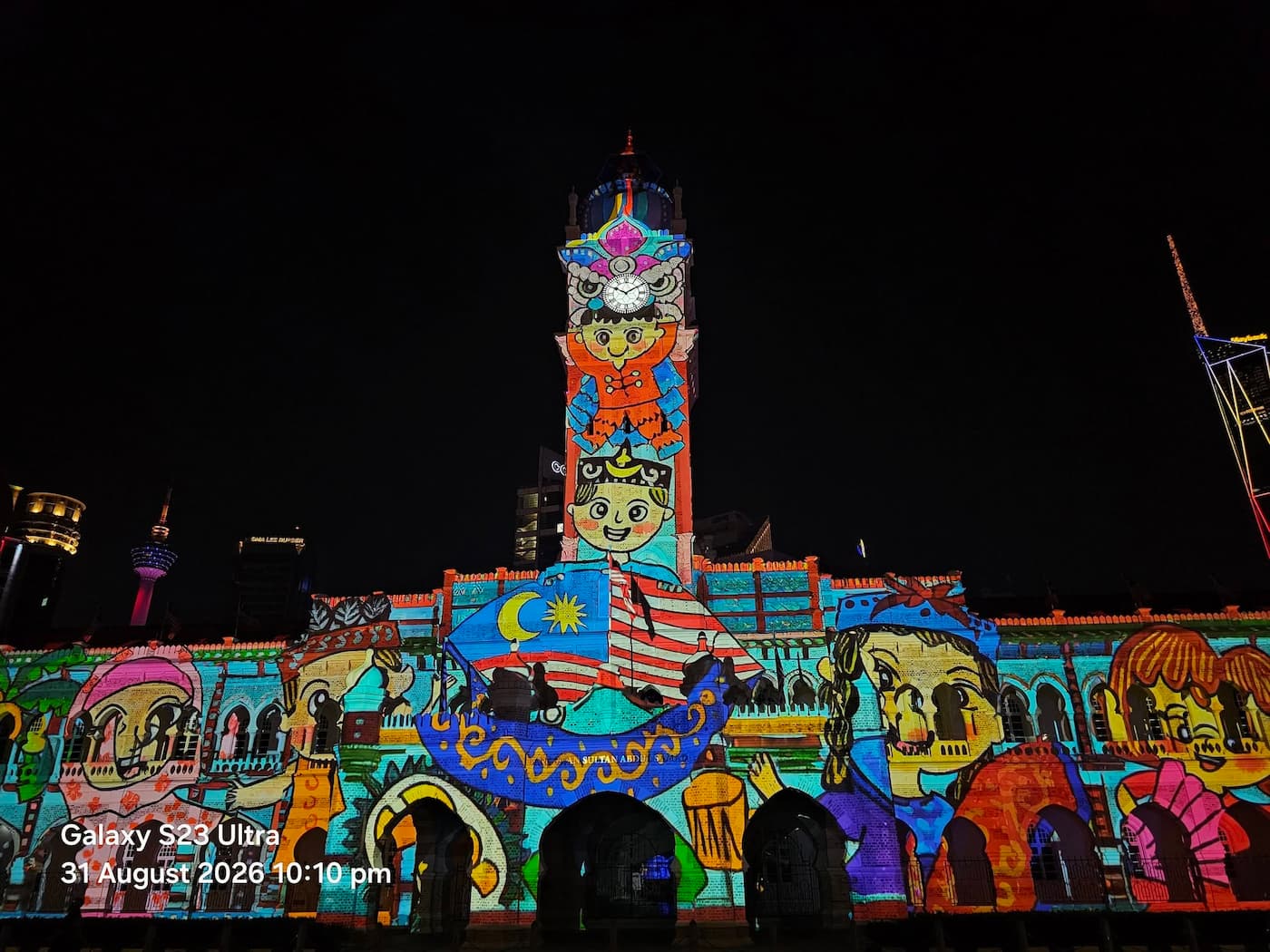
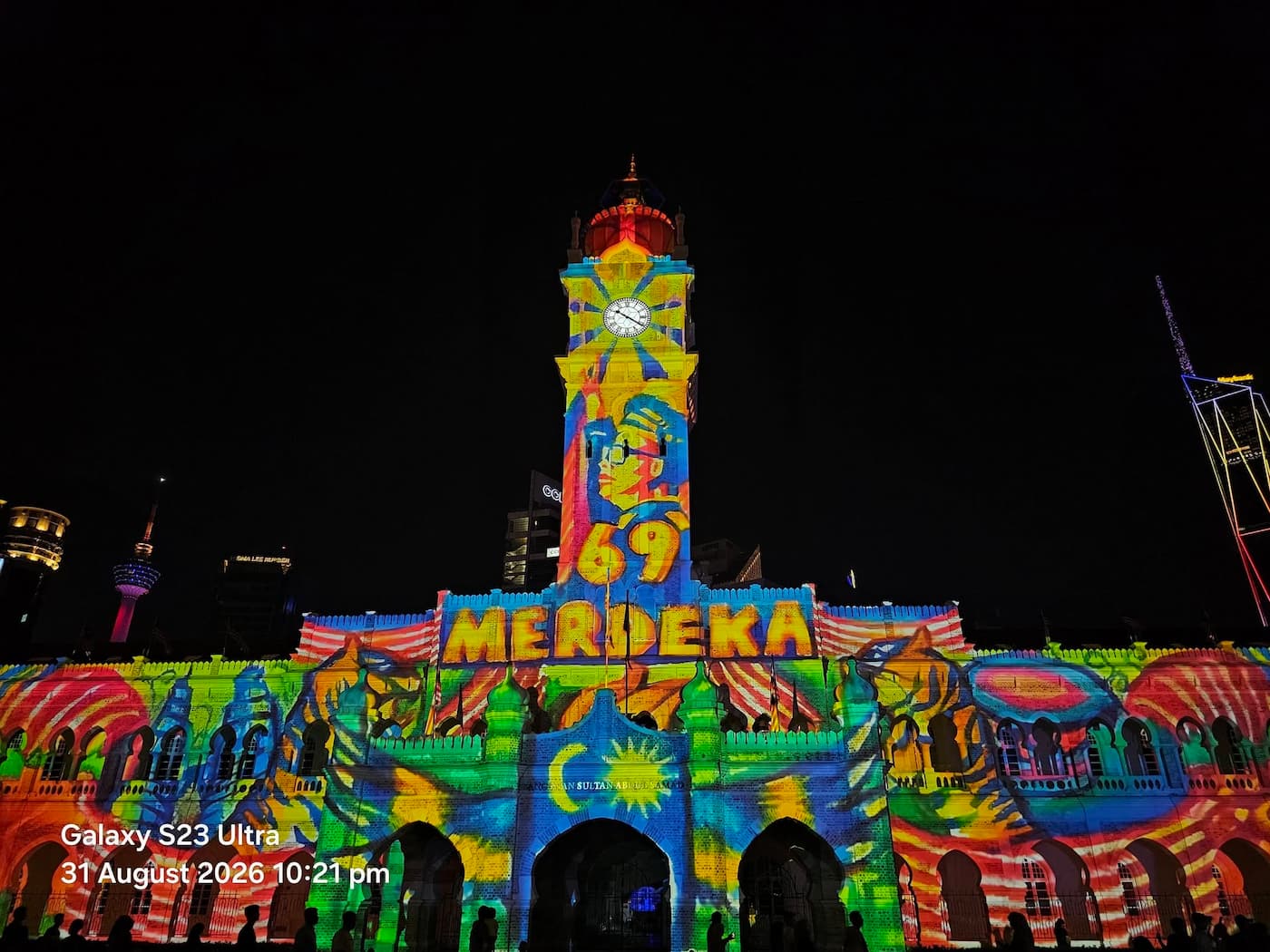
The Pesta Lampu Sedunia Malaysia received 1,300 entries from schoolchildren across the country. – Photos: Muhammad Mikhail Suhaimi/Facebook
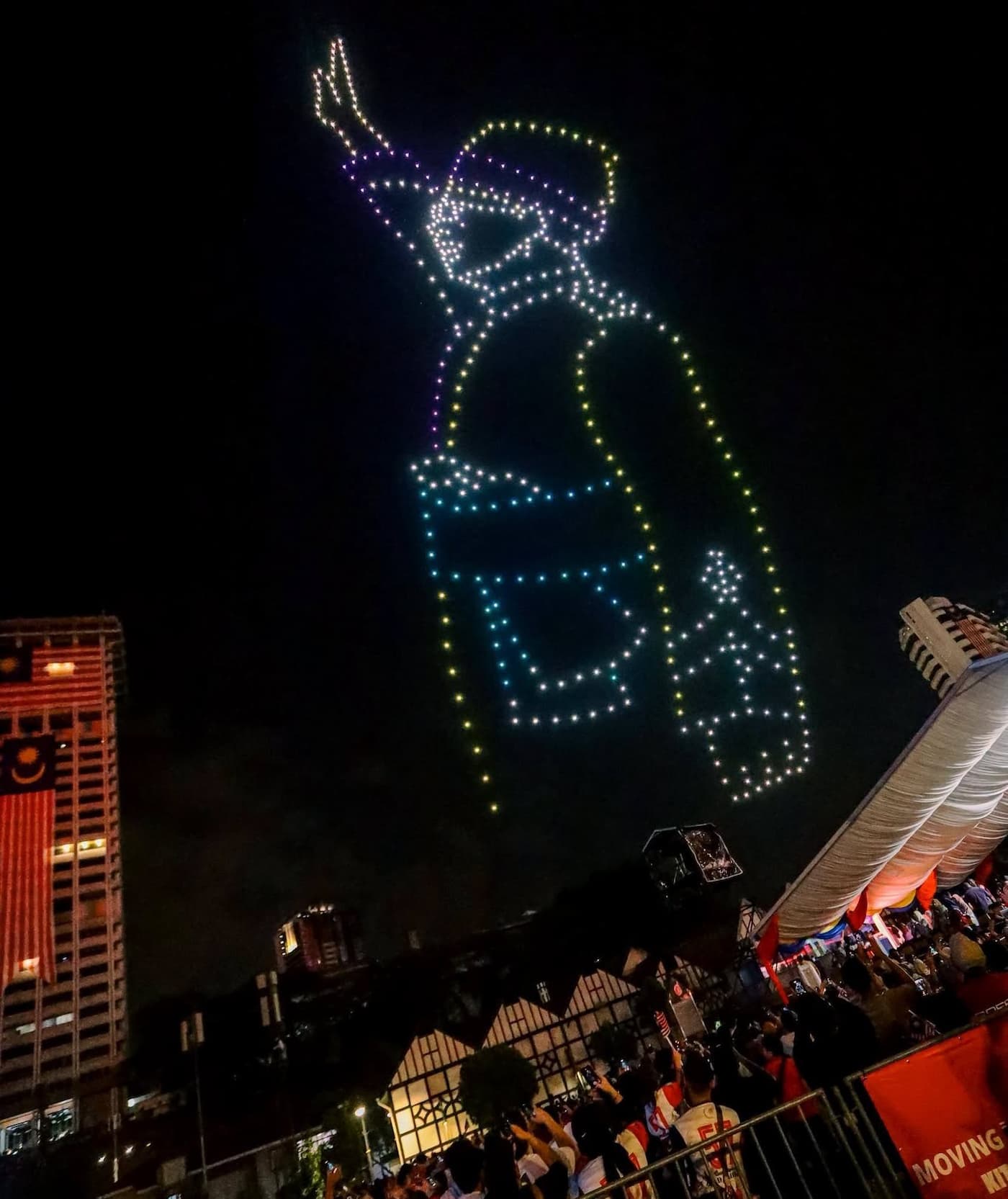
As the weekend progressed, Kuala Lumpur’s historic civic centre became a canvas for Pesta Lampu Sedunia Malaysia, with LightUpKL, in collaboration with Dewan Bandaraya Kuala Lumpur, using light and projection to bring new visual narratives to one of the city’s best-known landmarks.

Over two spectacular nights, an estimated 130,000 Malaysians gathered at Dataran Merdeka, turning the historic square into a vibrant meeting point for celebration, creativity and community.

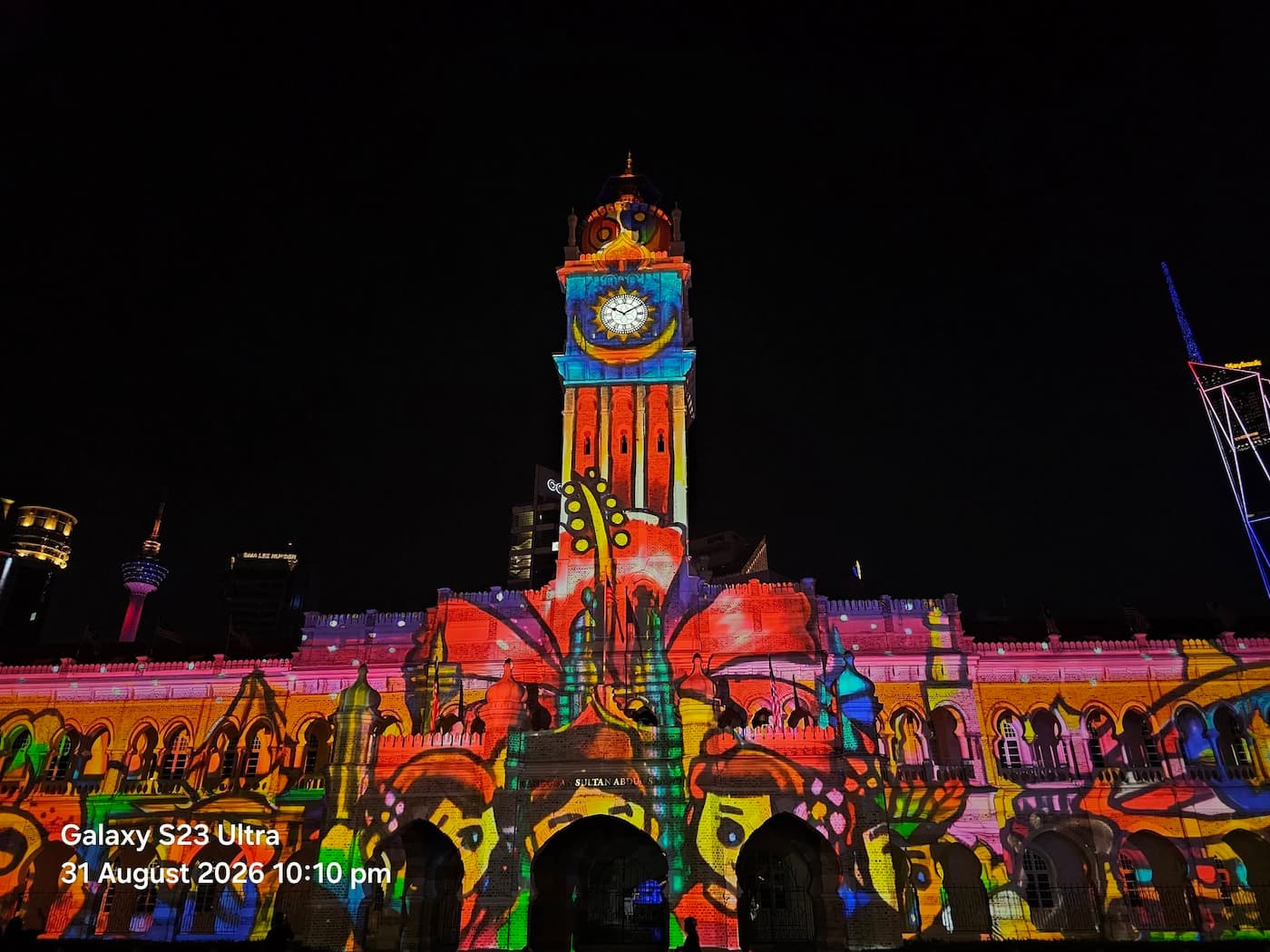
The Sultan Abdul Samad Building, with its distinctive Mughal-inspired architecture, has long formed part of Kuala Lumpur’s visual identity. For Merdeka, its façade took on a new role – becoming a canvas for the creativity of Malaysians from across the country.

The Pesta Lampu national art competition drew 1,300 submissions from across Malaysia, with 60 selected artworks digitally mapped and projected onto Bangunan Sultan Abdul Samad. From these, 39 winners were recognised, bringing the work of a new generation of artists into the heart of the city’s historic civic landscape.

The resulting Merdeka projection mapping show transformed the building through colour, movement and imagery, adding another layer to the relationship between heritage and the present.

Instead of the traditional fireworks display, Malaysians gathered at Dataran Merdeka were also treated to a spectacular aerial drone show, with formations depicting the Jalur Gemilang, heritage buildings and the silhouette of Tunku Abdul Rahman lighting up the night sky. The technology may have been decidedly contemporary, but the setting remained steeped in history.

In a Facebook post following the celebrations, Minister in the Prime Minister’s Department (Federal Territories) Hannah Yeoh reflected on the atmosphere, noting that the drone display had provided a particularly memorable alternative to fireworks, which were not held due to the haze.

For Yeoh, however, the significance of the evening extended beyond the spectacle in the sky. She said she wanted to see public spaces such as Dataran Merdeka “continue to come alive like this” – filled with music, local artists, traders and people simply coming together to enjoy the city.

That idea captures what made the evening particularly fitting for Dataran Merdeka. The square was not merely a backdrop for a National Day countdown, but a living public space where Kuala Lumpur’s history, culture and everyday community converged. A historic civic square became a canvas for new art and technology. 

Meanwhile, Stadium Merdeka, a place forever associated with the declaration of independence became a gathering place for a new generation.

In both, the past was not something to simply look back on. It was something people could step into, experience and make their own.

“As the custodian of Stadium Merdeka, we see ourselves as a keeper of its legacy,” said Dr Izwan. “Our responsibility is not only to preserve Stadium Merdeka and its history, but to keep that legacy alive and relevant for future generations.”

That perhaps is the greater role of Kuala Lumpur’s heritage spaces. They preserve the memory of where we have come from, while giving each generation the opportunity to add something of its own.

As Dr Izwan describes the vision for the wider Merdeka 118 precinct: “Menggapai ke langit, berakar di bumi” – to reach for the sky while remaining rooted to the ground.

This past Merdeka weekend, Kuala Lumpur did just that – holding on to the places and stories that shaped the nation, while giving them new life in the hands of the people who gathered there.


Discover more stories

connect with us
follow us on
Ooops!
Generic Popup2