Merdeka Comes Alive at Central Market 

ELLFIAN RAHIM | 17 August 2026

As Malaysia counts down to National Day on Aug. 31, Central Market has turned its riverside concourse into a lively hub for food, culture, community... and great music!

KUALA LUMPUR’S National Day celebrations are spilling beyond official ceremonies and grand stages. Around Central Market, the countdown is taking shape in the form of bustling market lanes, street food, live performances, workshops and young people capturing the moment on their phones – turning a historic part of the city into a gathering place once again.

Across recent weekends, Pesta Kita and Pesta Muda Mudi added to the festive atmosphere around Central Market, drawing visitors into its riverside concourse and the streets surrounding one of Kuala Lumpur’s most recognisable cultural landmarks.

For Ariani Soraya, marketing executive for Central Market’s creative team, the idea is rooted in something familiar: bringing people together in the open air.

“In fact, the ‘Pesta Kita’ moniker has been in use since 2024 when we actively began having regular street markets and cultural shows on an outdoor stage at the riverside Central Market concourse area leading up to the Central Market Annexe,” she says.

This year, the Merdeka season has given the concept an added sense of festivity. “On the weekends in August thus far, both the Pesta Kita Festival and Pesta Muda Mudi events had a Merdeka celebration feel with lots of local entertainment, cultural shows and plenty of home-grown goodness mainly revolving around food to keep revelers entertained,” Ariani Soraya says.

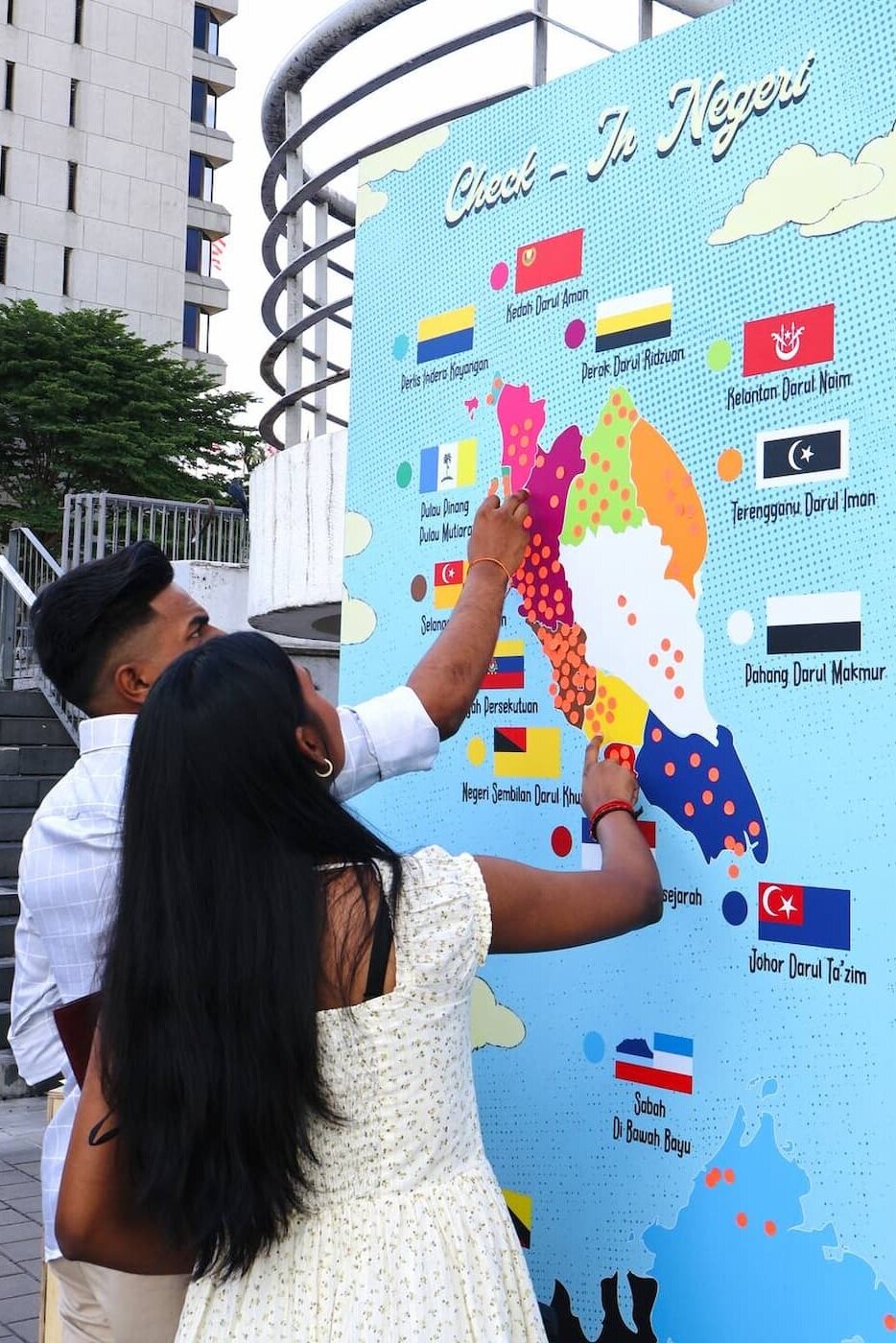
The result has been a street festival that felt both distinctly Malaysian and unmistakably of the moment. Central Market worked closely with the organisers to make both events appealing to a younger, digitally connected crowd, with colourful market lanes, live music, cultural performances, interactive brand booths and displays by local artisans.

“This simply means there were plenty of fun activities to experience, lots of performances to witness and most important of all, a wealth of photography and videography opportunities to remember those two weekends by,” Ariani Soraya says.

A Taste Of Home

Food, naturally, was at the heart of the experience.

At Pesta Kita, a Nestlé Volkswagen Combi van welcomed visitors with the Jom Rilek Minum KitKat local brand showcase, part of the Ministry of Domestic Trade and Cost of Living’s campaign supporting Malaysian-made products. Elsewhere, Kopi Saigon offered its intense Vietnamese Robusta coffee balanced with sweet cream and palm sugar.

For Saidatul Amin, the brand’s growth reflects the appetite for local street-style food and drink. “This actually started out as a small street-style coffee concept in Taman Datuk Harun in KL back in June 2021 and has since grown into a massive nationwide brand with hundreds of outlets across Malaysia,” she says.

At Laksa Pinang Sebatang, visitors could try Laksa Perlis, made with hand-mashed ikan kembung broth. Proprietor Fitrin Nadia Yusof explains that it has a milder flavour and browner tone than the better-known Penang asam laksa.

Even strawberries made an appearance! Yunie Muhammad of Zeryn Cake House says the Central Market-based business is known for its strawberry treats, using fruit from Cameron Highlands and serving them with chocolate or the increasingly popular pistachio dip.

Together, the stalls offered a snapshot of Malaysia’s contemporary food culture – familiar flavours, new ideas and small businesses finding new audiences.

Style, Craft And Community

Beyond food, the festivals also created space for local fashion, artisans and hands-on activities.
 
Melova Store’s Azwan Firdaus Mansor sees vintage clothing as more than a fashion trend. “Vintage fashion is trending because it offers a powerful mix of individuality, sustainability, and superior craftsmanship in an era dominated by mass-produced fast fashion,” he says. Unique pieces, he adds, become “a creative statement and a badge of personal style”.

Rosie Fashion takes a different approach, offering minimalist everyday clothing such as knit tops, cardigans and matching sets. For the August weekends, its polka-dot pieces proved particularly popular.

The programme also included traditional and card games, consumer-awareness challenges, carnival-style attractions and activities for younger visitors. The emphasis was simple – keep people engaged, give them reasons to stay and allow them to experience Central Market from a different perspective. 

Music provided one of the Pesta Kita’s biggest draws. Local indie-pop band Dukes – Ziyyad, Rayyan, Jimbo, Umar and Cheng – took to the riverside stage, performing songs including Surat, Yearing, Fell in Love with a Girl in Bristol and Kisah Kita.

For frontman Ziyyad, the performance carried a personal significance: “Sure, feels like everything’s gone one full circle,” he says. “Just a few years ago, me and the boys were just hanging out at CM and talking about music, now, here we are playing a gig right across the river… it just feels unbelievably awesome!”

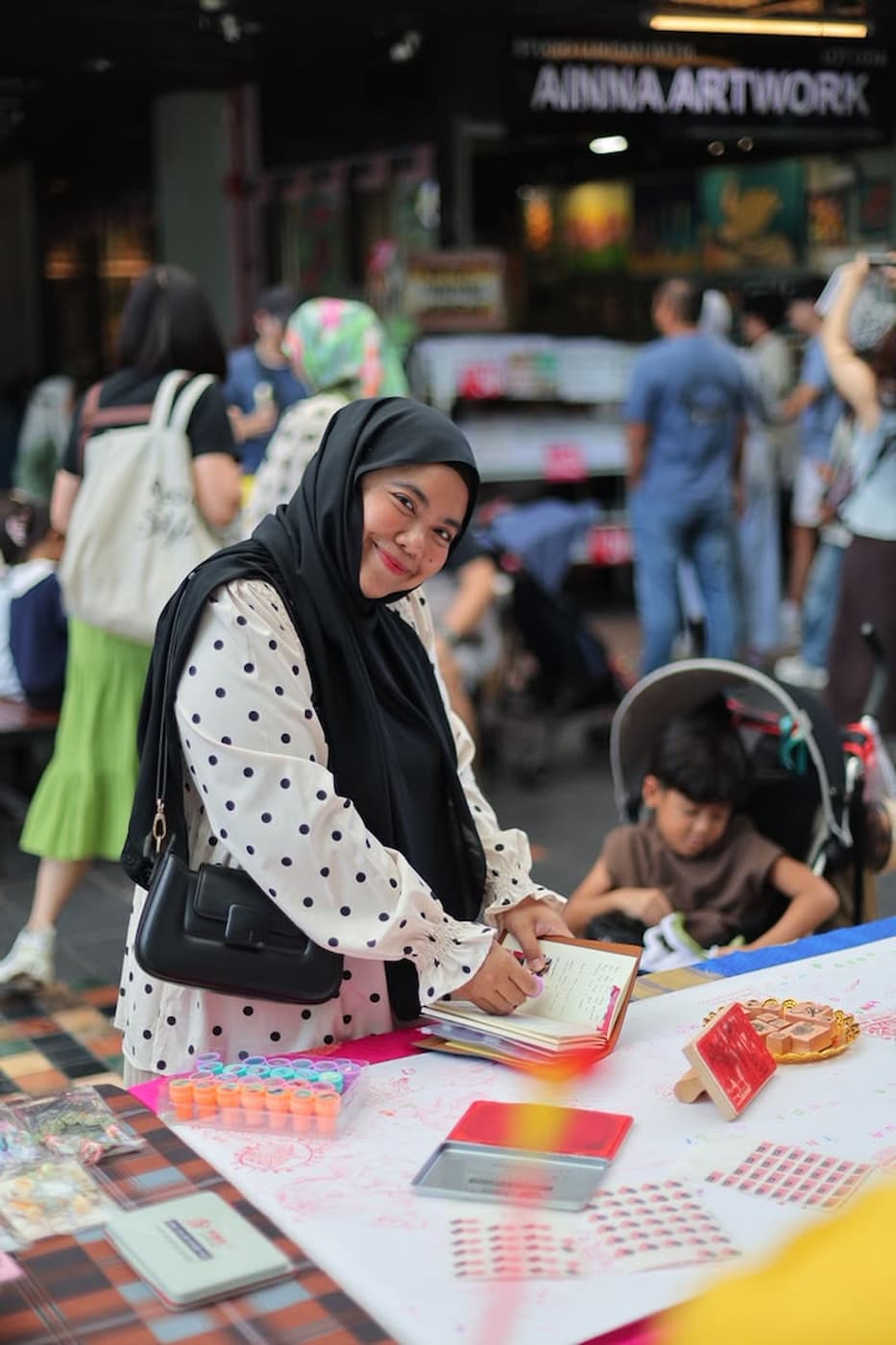
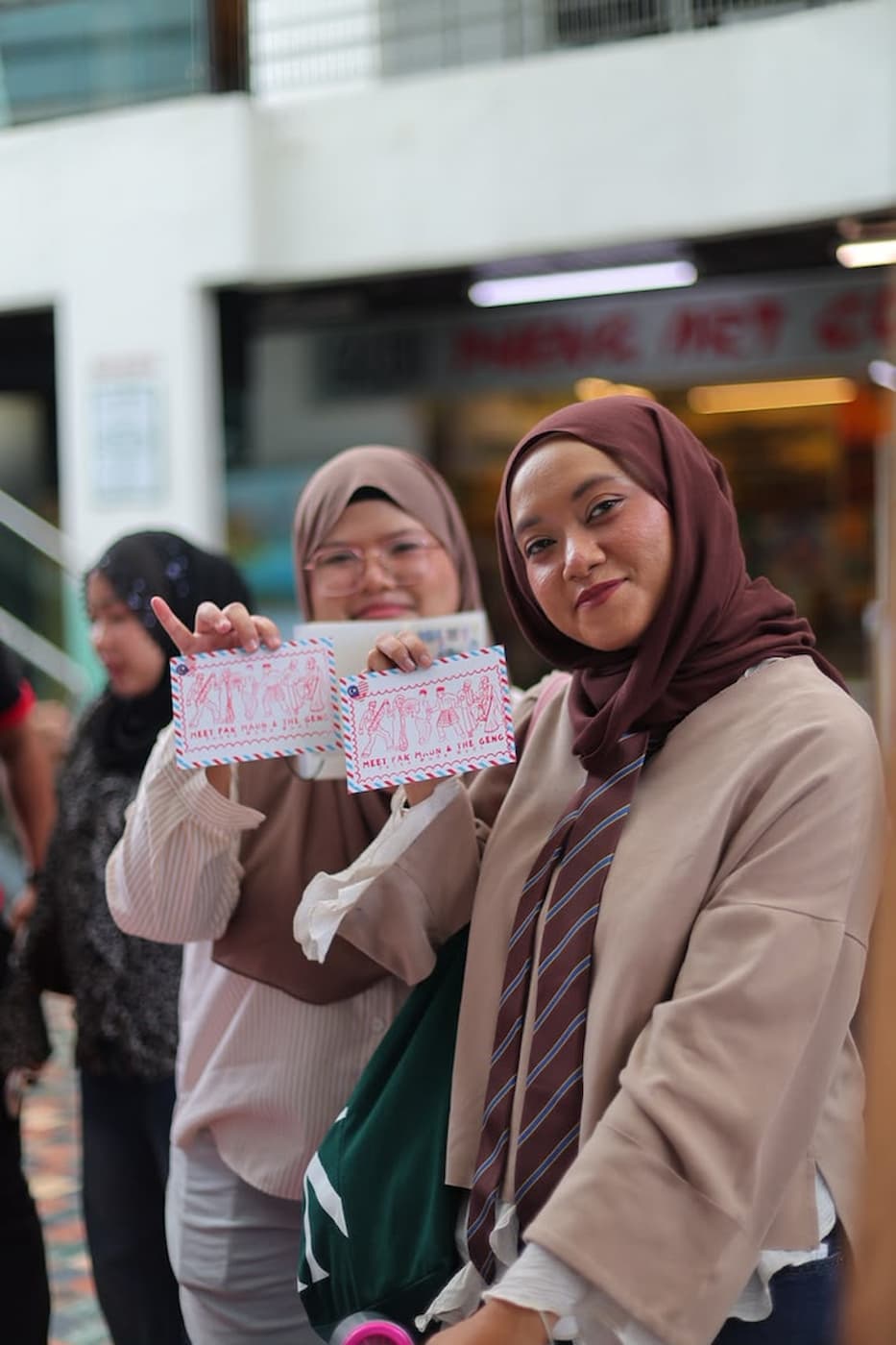
Last weekend brought a different kind of attraction. At Pesta Muda Mudi, visitors queued for exclusive Merdeka-themed stamps, with three special designs available for free. Some brought their own journals; others picked up local postcards to create a small, tangible souvenir of the celebration.

A Living Part Of The City

That variety is precisely what makes Central Market an important part of Kuala Lumpur’s heritage story. Built at its current location in 1937, the landmark has evolved far beyond its original role as a market, becoming a cultural hub where commerce, creativity, food, performance and community life intersect.

Its role during Merdeka season reinforces a broader Warisan KL vision: heritage is not simply about preserving the past. It is about keeping historic places useful, accessible and meaningful to the people who live in and experience the city today.

As Kuala Lumpur prepares to celebrate another National Day, Central Market is doing what it has done in different forms for generations – bringing people together. The music may change, the food evolves and the crowd gets younger, but the essential role remains.


Discover more stories

Ooops!
Generic Popup2