Making New Memories at a Museum

25 October 2026

WHAT makes a city feel like a city? Its buildings and landmarks, certainly. Its streets, public spaces and institutions. But beneath all these are the people who inhabit them – and the memories, stories and experiences they accumulate over time.

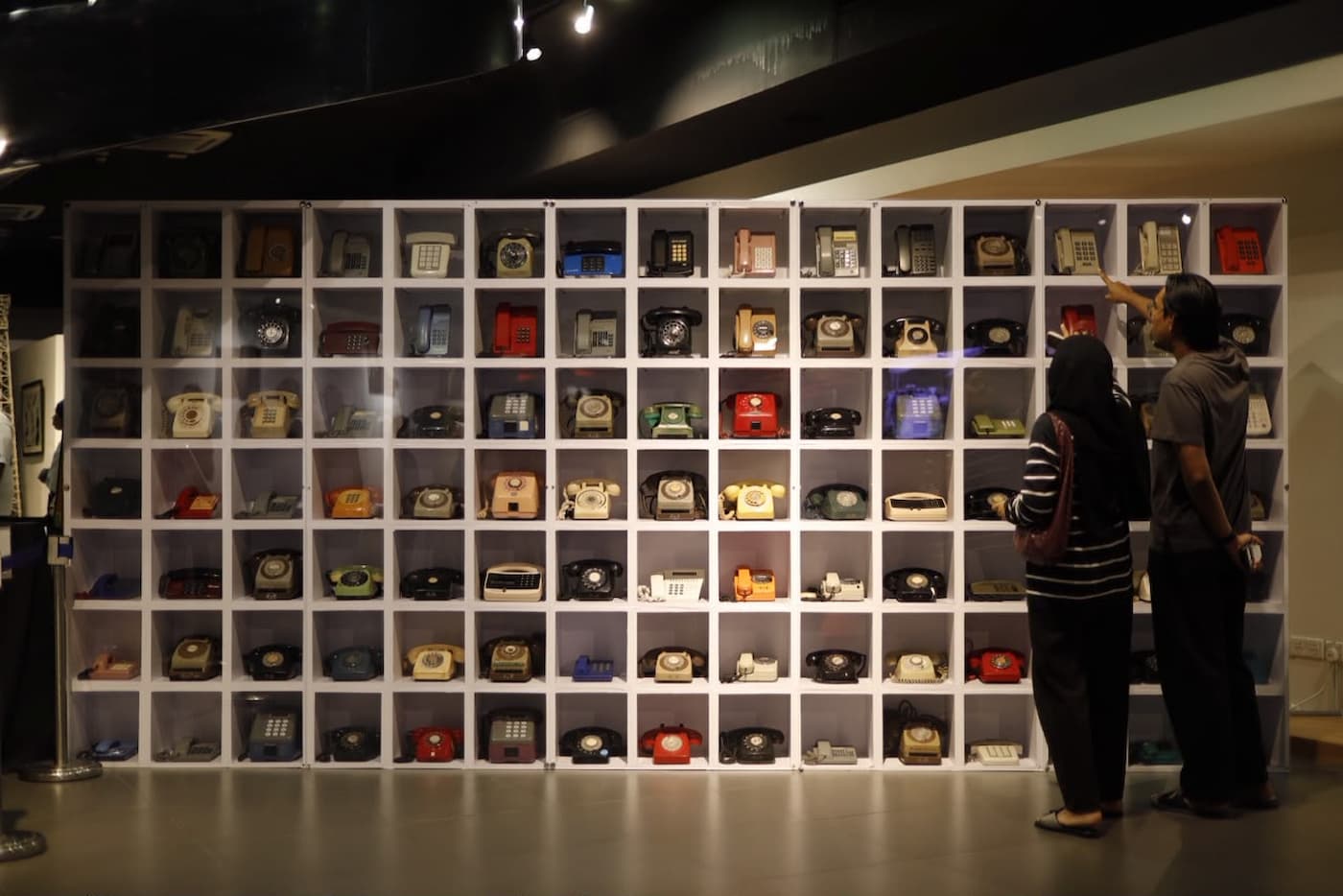
This idea lies at the heart of Kota & Kenangan, a three-month creative placemaking campaign at Muzium Telekomunikasi Negara, Jalan Raja Chulan in Kuala Lumpur (the campaign also travels to Muzium Telegraf Taiping). Rather than treating heritage as something fixed in the past, the campaign asks what happens when people are invited to become part of the story.

For Nazura Rahime, Placemaking Director at Celebrate TV, which is executing the campaign, a city's identity is inseparable from the people who experience it. “A city’s image, voice, and soul is formed by its people and the stories they experienced throughout their time in the city.”

It is an idea captured in the campaign's tagline, Cerita kita. Citra kita. Our stories, Our image.


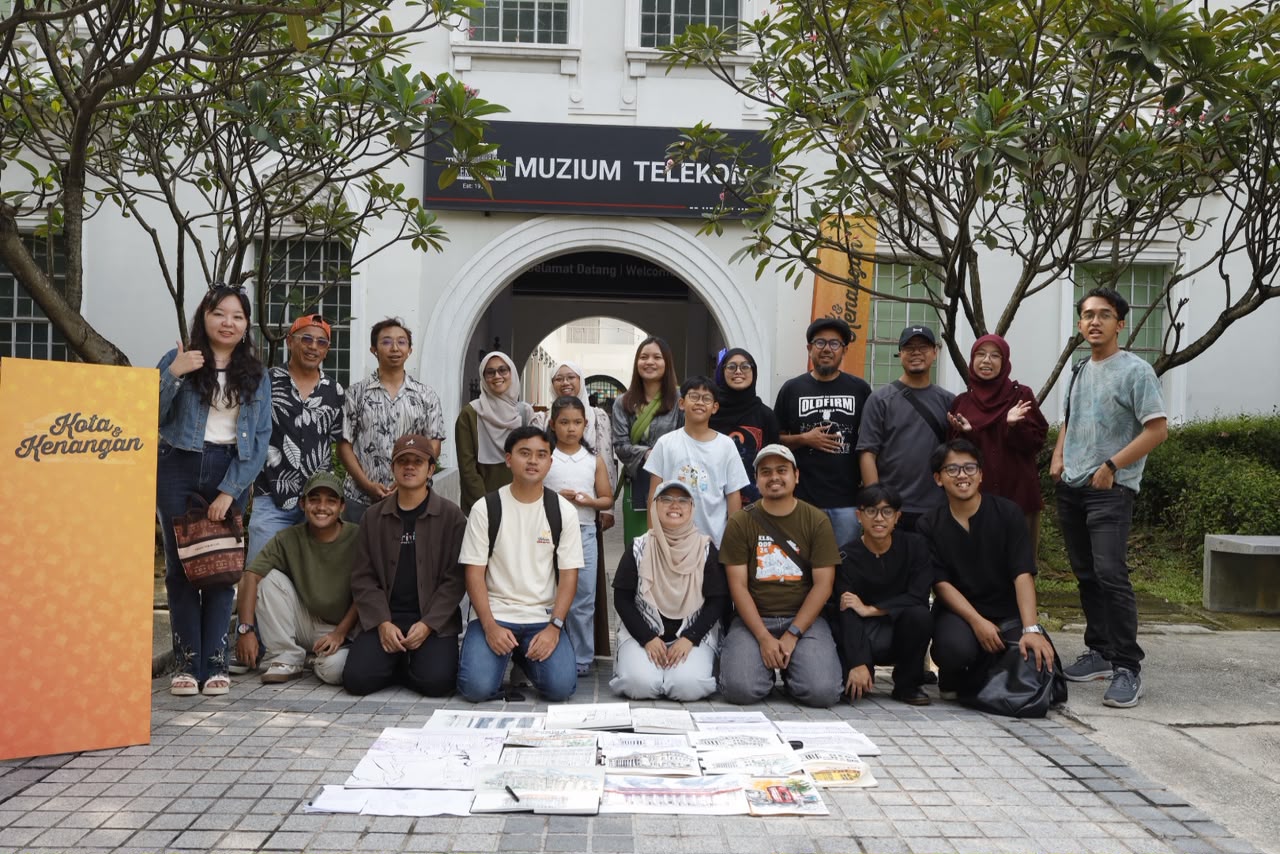
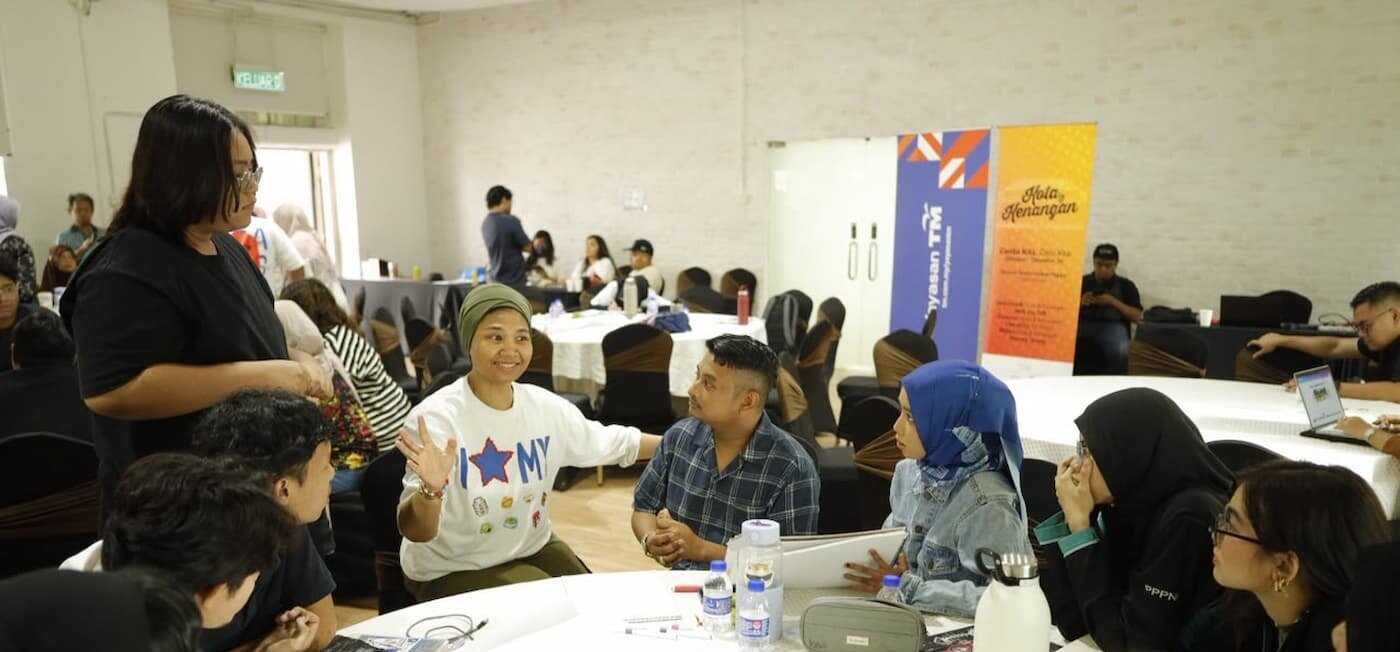
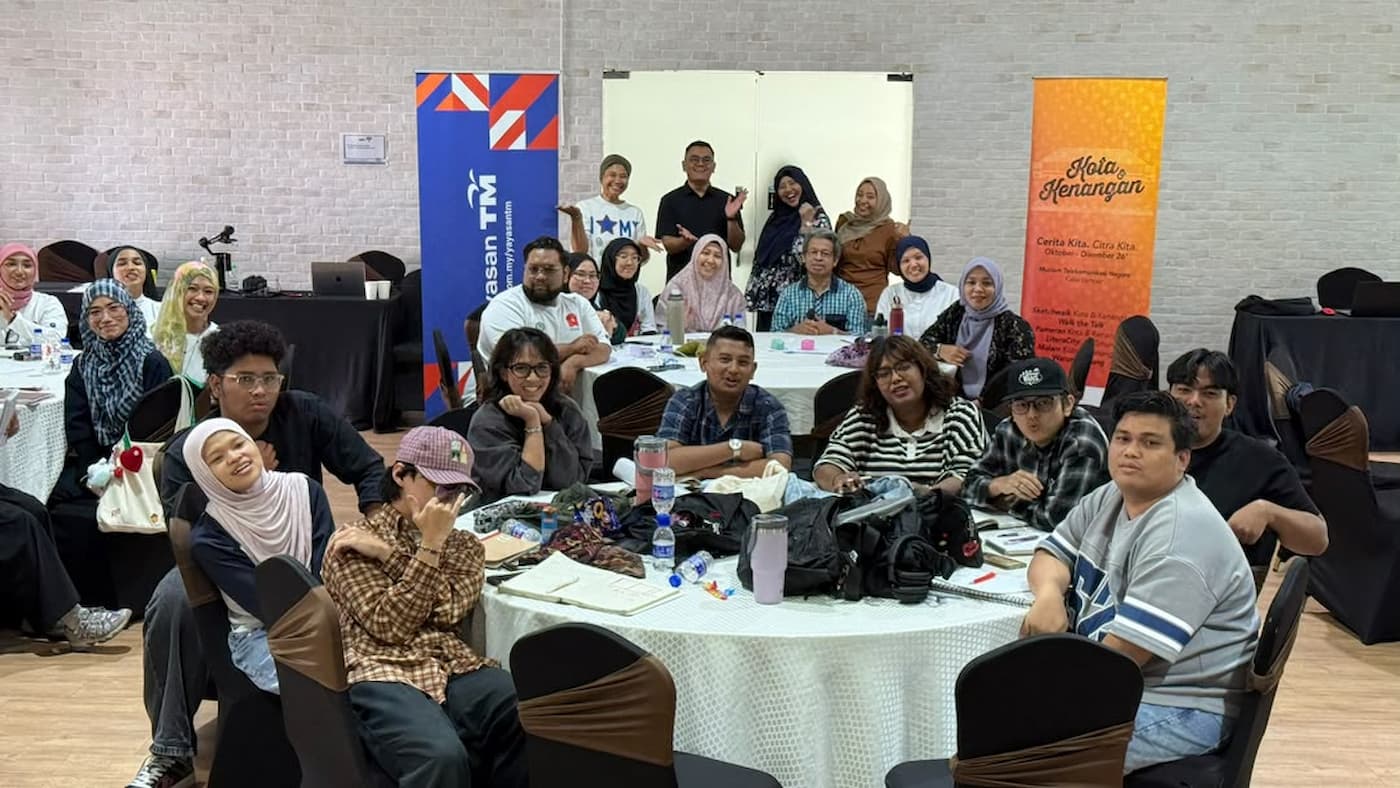
Nazura Rahime (centre, in white) with participants at a Kota & Kenangan workshop last weekend. The campaign seeks to connect the museum’s heritage with the lived experiences of the community, creating new ways for people to engage with the space.

From museum to living cultural hub
Museums traditionally ask visitors to look, listen and learn. Kota & Kenangan invites them to do something more: contribute.

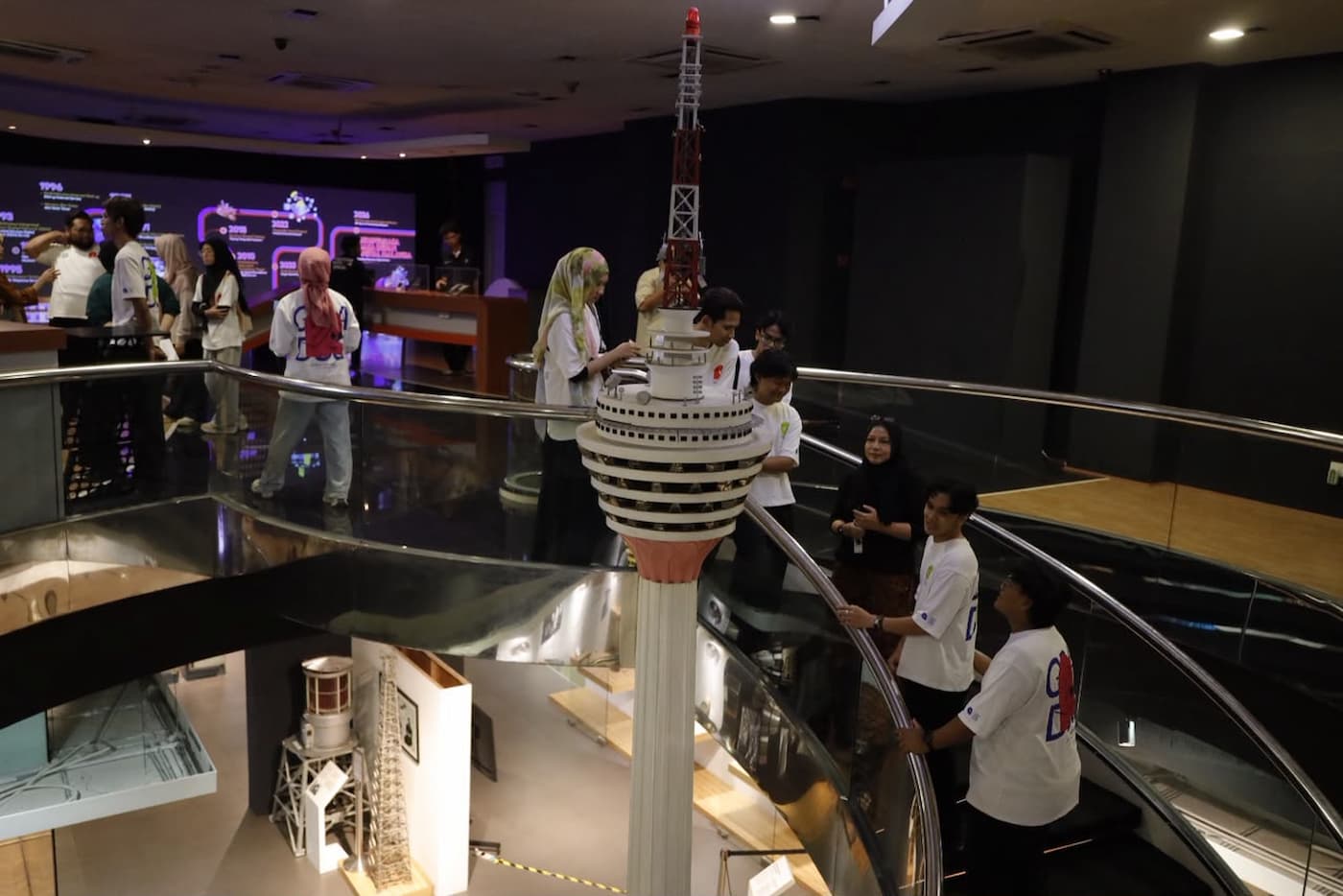
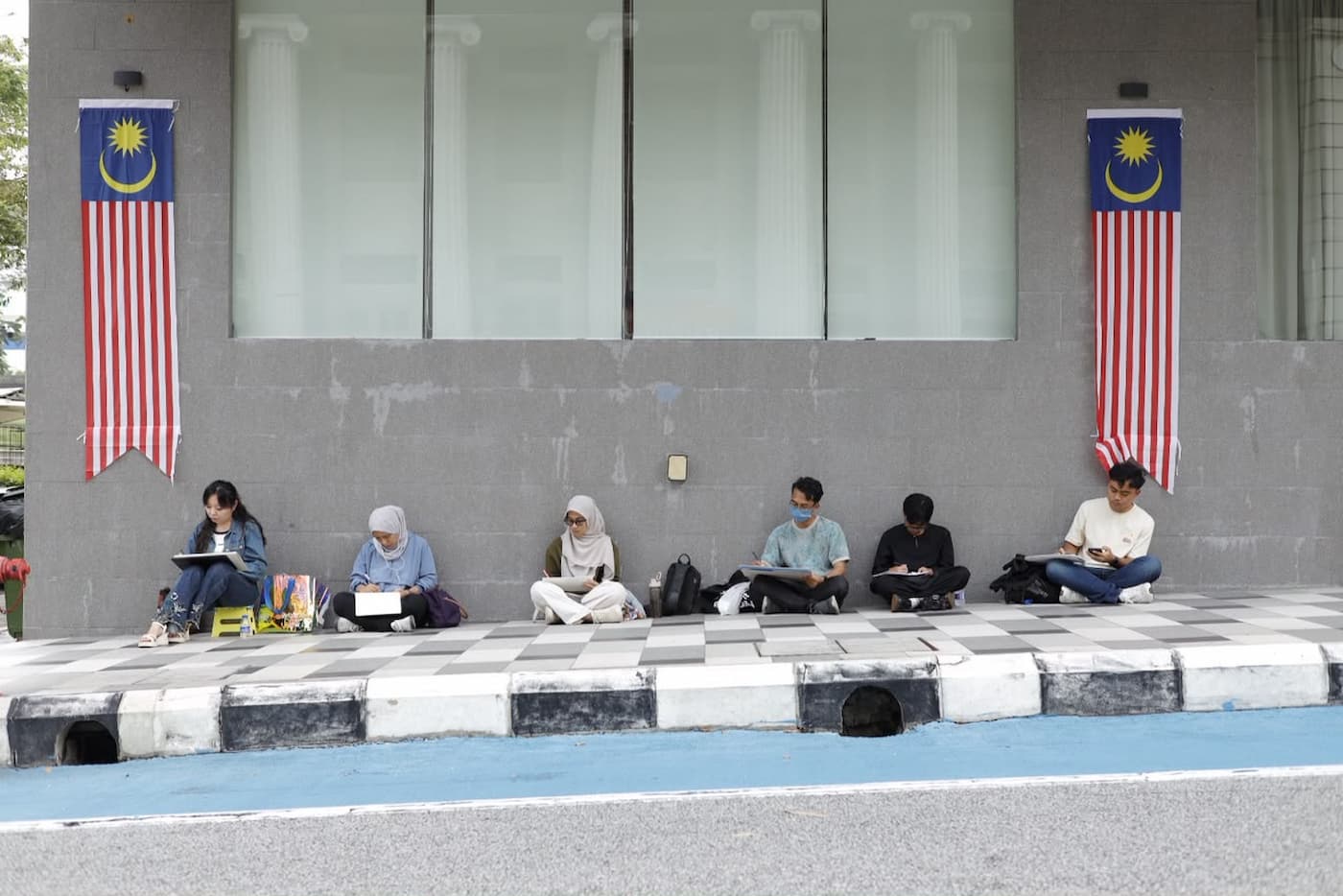
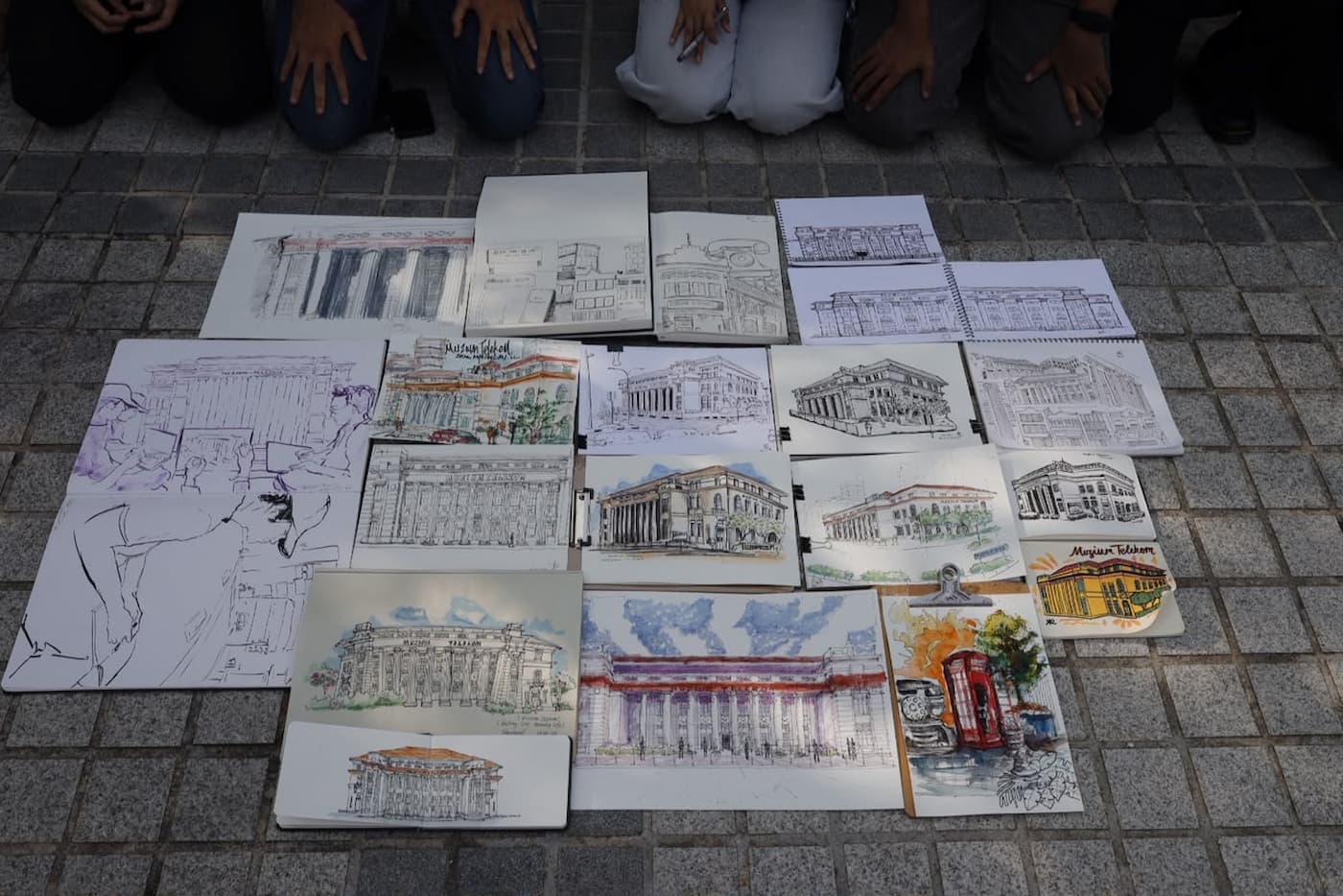
At Muzium Telekomunikasi Negara, heritage walks, sketchwalks, workshops, mural painting and talks bring communities, artists and creative practitioners together across visual, mixed-media and literary arts. (Check @celebratetv @tmmuzium for the latest updates on Instagram).

Visitors are encouraged to share memories and perspectives, which then become part of the creative process. Participating artists draw on these contributions to create new works, which will be presented through the Kota & Kenangan exhibition and events including Malam Kota & Kenangan and Warung Terang.

“For us, Kota & Kenangan is about recognising that a city is more than its buildings, landmarks or history books,” says Nazura. “A city is shaped by the people who live in it, the memories they carry, and the stories they share across generations.”

In this way, the museum becomes more than a repository of telecommunications history. It becomes a place where new memories are made alongside old ones.


The methodology behind Kota & Kenangan begins by listening – to the people who use it, the memories attached to it and the possibilities they see for its future.

Placemaking starts with listening
The approach behind Kota & Kenangan will be familiar to those following Kuala Lumpur's evolving placemaking scene.

Its programmes are shaped through Jalinan, a co-creation methodology developed through Jalan Negara Kita (JNK), a community-driven placemaking initiative based in Taman Melawati, Selangor.

Rather than imposing a predetermined idea on a place, the methodology begins by listening – to the people who use it, the memories attached to it and the possibilities they see for its future.

For WarisanKL, this offers an interesting perspective on how heritage spaces can remain relevant to contemporary city life. Placemaking is not simply about making a space more attractive or filling it with activities; it is about building relationships between people and place.

That becomes particularly meaningful when applied to a heritage institution.

“Muzium Telekomunikasi Negara is different because we are working with a heritage institution that already holds layers of historical and cultural significance,” explains Nazura. “The opportunity here is to connect that existing heritage with the lived experiences of the people around it, and to create new ways for the public to engage with the museum beyond its traditional role.”

Kota & Kenangan also taps into a wider conversation about heritage in Kuala Lumpur – one that goes beyond iconic buildings to encompass neighbourhoods, streets, food, creative practices and community spaces.

Its collaboration with local creative communities including Moka Mocha Ink, Filamen, EDT (Experiential Design Team) and AKSARA FSA brings different artistic practices into the museum, while ASWARA and UiTM participate as collaborators and audiences. The involvement of Filamen and EDT also introduces a digital dimension, reflecting the campaign's ambition to explore what a future-ready cultural hub can look like.

The aim is not to replace the museum's heritage function, but to expand it – bringing contemporary creativity, technology and community participation into conversation with the history already held within its walls.

Perhaps the most compelling question raised by Kota & Kenangan is: who gets to shape a city's story?
Nazura believes the answer lies with its people. “The more time they spend in the city, the longer they’ve been with the city, the more the city defines them, and in turn, they start defining the city.”

It is a reciprocal relationship. We shape the places we live in, while those places shape who we become.
For Nazura, the success of Kota & Kenangan therefore goes beyond visitor numbers. It is about whether people develop a stronger connection with the museum and feel encouraged to return – perhaps discovering a piece of history, hearing a story from another visitor, or recognising that their own experiences are part of Kuala Lumpur's larger story.

“Heritage is not something that belongs only to the past,” she says. “It continues to evolve through the people who experience, shape and care for a place.”

Kota & Kenangan took place at Muzium Telekomunikasi Negara on Oct 24, and will continue on Nov 14 and Dec 19–20, 2026, with the exhibition running from late October through December.
 
In Kuala Lumpur, the project offers a glimpse of what museums can become when they are understood not simply as places that preserve a city's memories, but as places where communities can actively make new ones.
And perhaps that is the most enduring form of placemaking: not simply changing a space, but changing our relationship with it.

Because a city is ultimately more than the places we inherit. It is the stories we add.

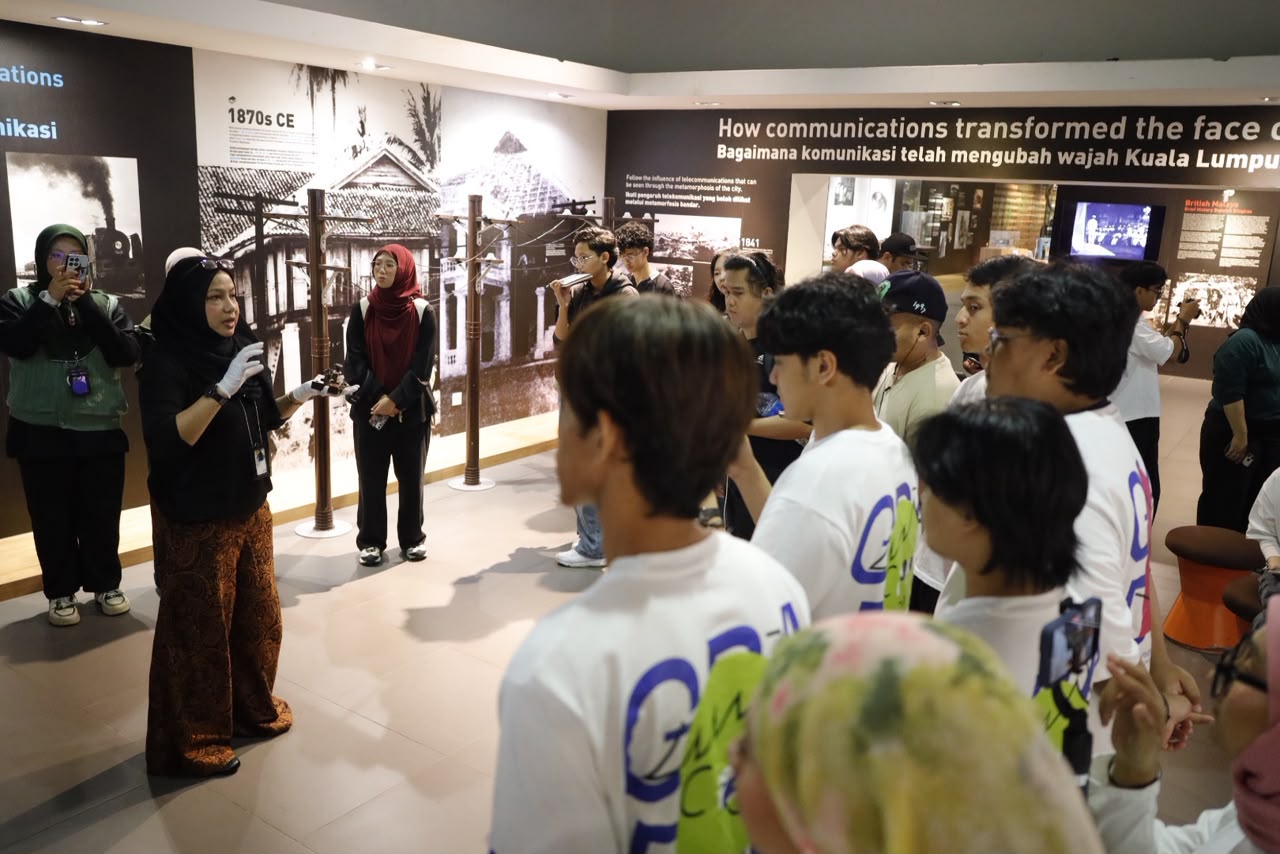
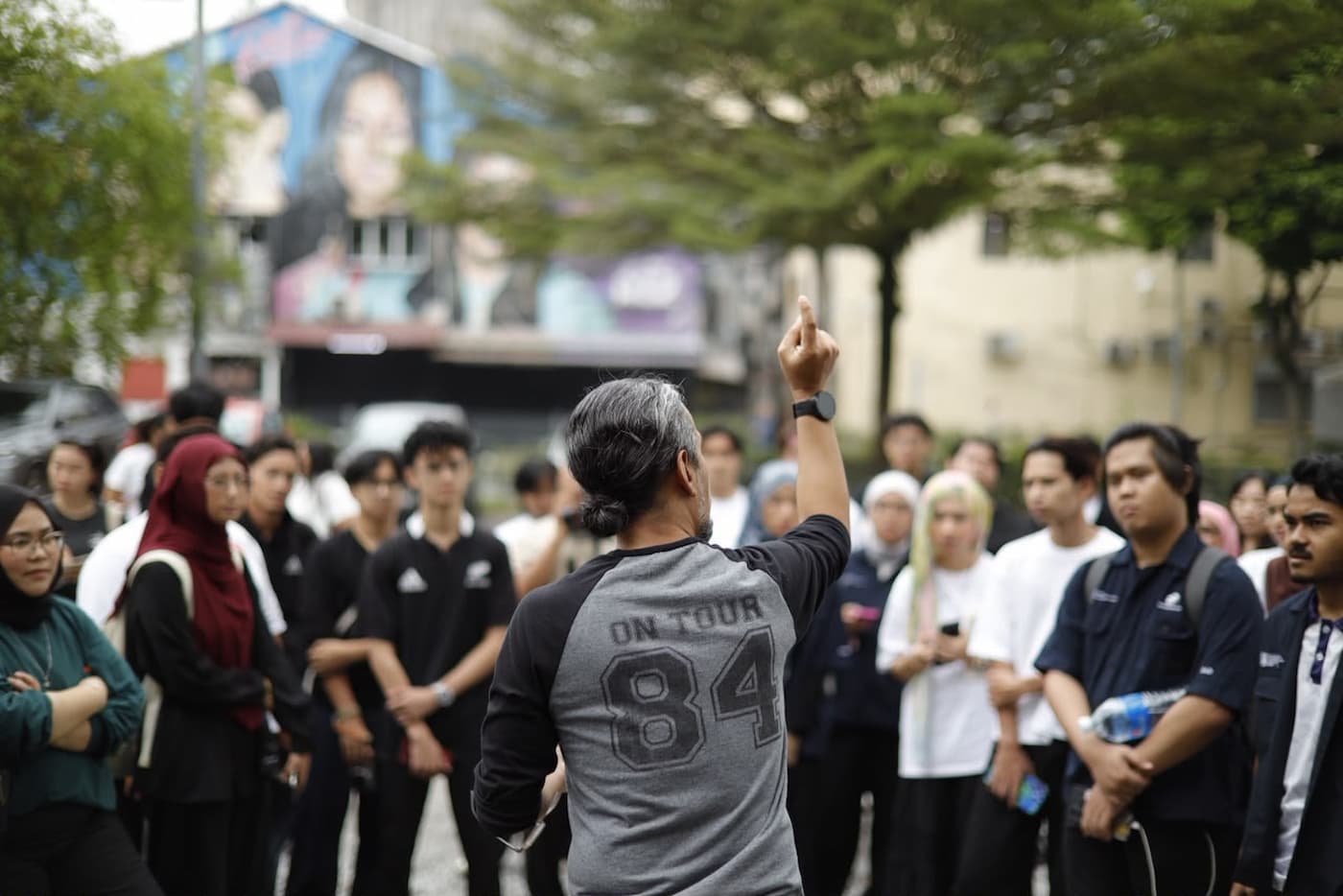
Urban heritage researcher Bruce (Azry Aziz) takes participants on a walking tour exploring the heritage around Muzium Telekom.

Discover more stories

connect with us
follow us on
Ooops!
Generic Popup2