Artisanal keepsakes in the heart of KL

VERONICA SHUNMUGAM | 24 January 2026

The Artisans Haven newest store is located in the concourse area of the Merdeka MRT station in Kuala Lumpur, led by chief executive officer and curator Jade Lee (centre). 
– Photos: Veronica Shunmugam

HANDMADE souvenirs carry quiet stories of resilience, inviting a deeper connection even when you are simply browsing for a small gift. Behind each piece lies a real-life story about overcoming hardships, often faced by people far off the beaten tourist track. These tales can give both artisans and buyers a chance to connect across time, distance and community differences.

Bringing such inspirational exchanges to a wider public is The Artisans Haven (TAH) which has opened a new outlet in the concourse of the Merdeka MRT station, Kuala Lumpur. The busy underground interchange of one of the city’s oldest roads, Jalan Hang Jebat (formerly Jalan Davidson), is next to the historic Stadium Merdeka and Stadium Negara. It also leads to KL’s grandest skyscraper yet – Merdeka 118 – and the glass-domed 118 Mall set to open later this year.  

First created as a non-profit craft e-commerce platform in May 2000 during Covid-19 lockdowns, TAH was subsequently able to open physical stores in Pavilion KL and Berjaya Times Square thanks to corporate social responsibility (CSR) initiatives. With 70% of TAH’s retail space showcasing the handiwork of women entrepreneurs and social organisations, the social enterprise has attracted a fast-growing increase of artisans as well as shoppers.
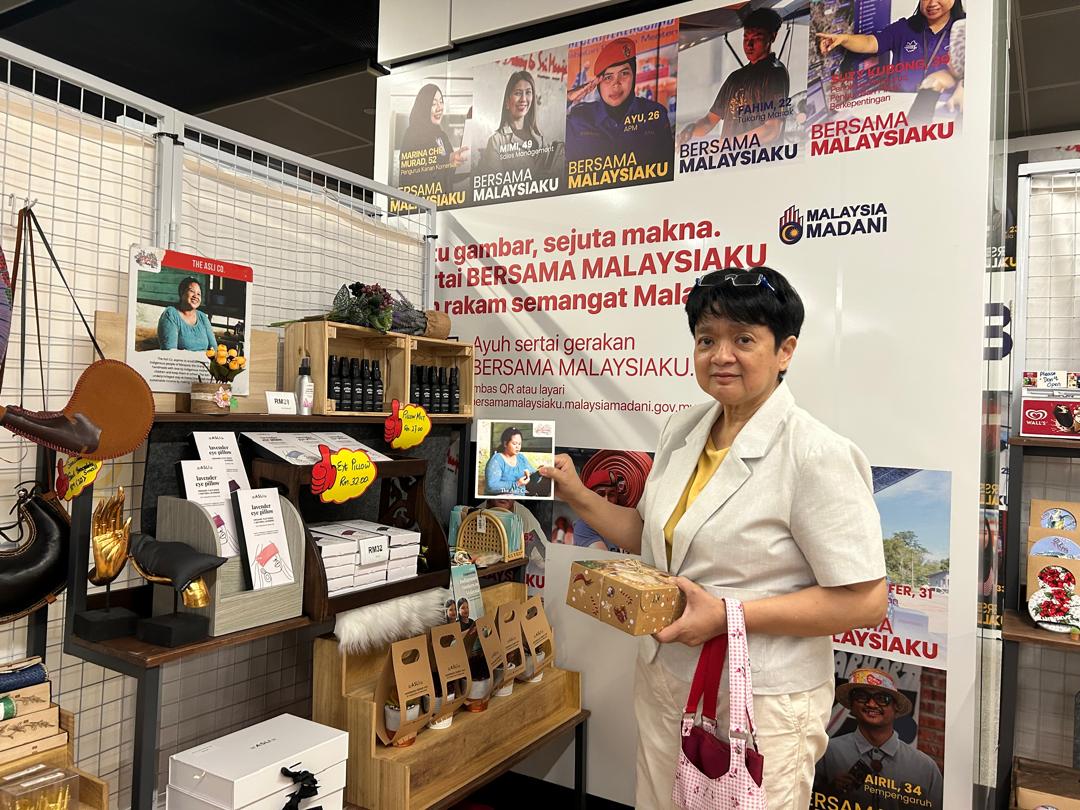
Lee shines a light on handcrafted pieces by Orang Asli women – each made in support of economic self-sufficiency through The Asli Co.
From representing 30 artisans when it started, TAH grew to support 250 of them just over a year later. Currently, TAH facilitates the sale of work by 50 bestseller crafters to TAH walk-in and online customers, as well as corporate gift shoppers. Now in the Merdeka 118 precinct, TAH’s new outlet will offer more people the chance to have a piece of living history that has journeyed from the hands of craftspeople from as far as remote Bornean villages to the nation’s capital.

At the new store space just a few minutes’ walk past the Merdeka MRT station’s Gate A, TAH’s chief executive officer and curator Jade Lee speaks with pride as she recalls the six-year journey from conceptualisation to reality.  

“We opened at the Merdeka MRT station on Oct 1, 2025 and on Jan 1 this year, we upscaled the store to include the full suite of craft items made by over 30 artisans. The craft products and collectibles we sell are proudly Malaysian. Our target market are tourists in the Merdeka 118 precinct as well as shoppers in the corporate gift industry. Whether for visitors or overseas friends, our products make great presents, especially for Visit Malaysia 2026,” she says.

Walking through the 1700sqm shop at the station, Lee points out a wide range of represented communities. These include visual artists from professional and college backgrounds, whole families making crafts in rural or remote Indigenous communities, B40 or “asnaf” groups (those eligible for Zakat), Persons with Disabilities, members of non-governmental organisations such as the Kiwanis Club, and small-scale social enterprises.

As part of its CSR aims, the Malaysia Rapid Transit Corp Sdn Bhd (MRT Corp) charge TAH a special rental rate to support the social enterprise and, in turn, help to empower women, and various communities.

“Rental is a big factor in the business sustainability of Malaysian crafts. For example, a 600sqm shop space without CSR subsidies in a KL mall would cost about RM25,000 a month – totally beyond what local craftspeople can afford. While setting up TAH, I often asked why many of our local craft products were being sold at bazaars and night markets whereas imported crafts were being sold in air-conditioned malls,” points out Lee who has worked in finance and business management for over four decades.  

With her entrepreneur partners, banker and corporate trainer Justin ET Oh as well as former financial services professional Amy Chan, Lee helps local artisans by handling marketing and distribution aspects. All three work pro-bono. Apart from online platforms such as Shopee Malaysia on which TAH has 1,600 followers, sales are ensured through high-traffic locations and pop-up stores.  

“We plan regular visits to the craftspeople we represent. By doing so, we create a stable production process and output, teach them to price better, and show them the effects of packaging and presentation – especially of the need to have a story to accompany their craft products,” Lee explains, highlighting that 80% of the crafts sold by TAH are made by Bumiputeras. 

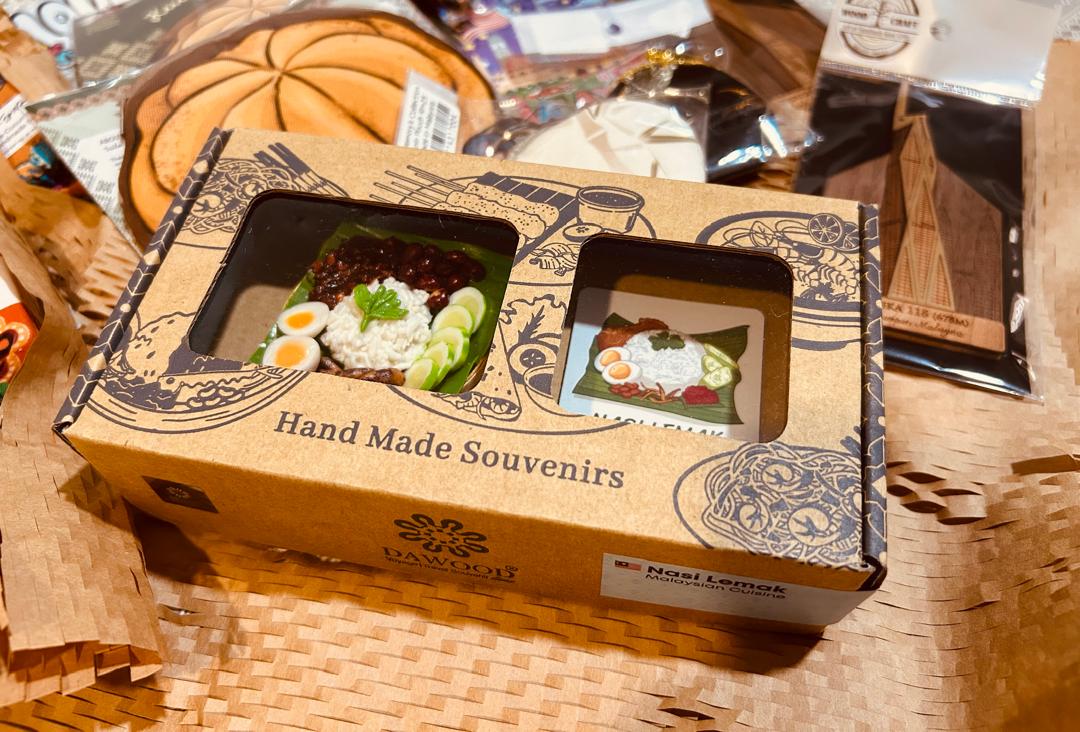
Dawood’s Nasi Lemak Magnet is among the food replicas that TAH’s Japanese customers love.

She stresses that the craftsmen who benefit most are those who have the initiative to learn from successful peers: “A drive to succeed is vital as they must be able to deliver big orders such as wedding favours. For instance, Tiffins Made With Love founder Nor Aini Kamaruddin once roped in family members and friends to help her meet a big order.”

To attract more first-time visitors to the Merdeka MRT station outlet and its local offerings, souvenir staples such as keychains and plush toys have been placed near the store entrance. Lee shares that kids and students wander in for toys – mainly a big orangutan plushie at the shopfront, colour pencil sets and the proudly Malaysian Beryl’s Chocolate, while their parents tend to go for crafts which they find meaningful.

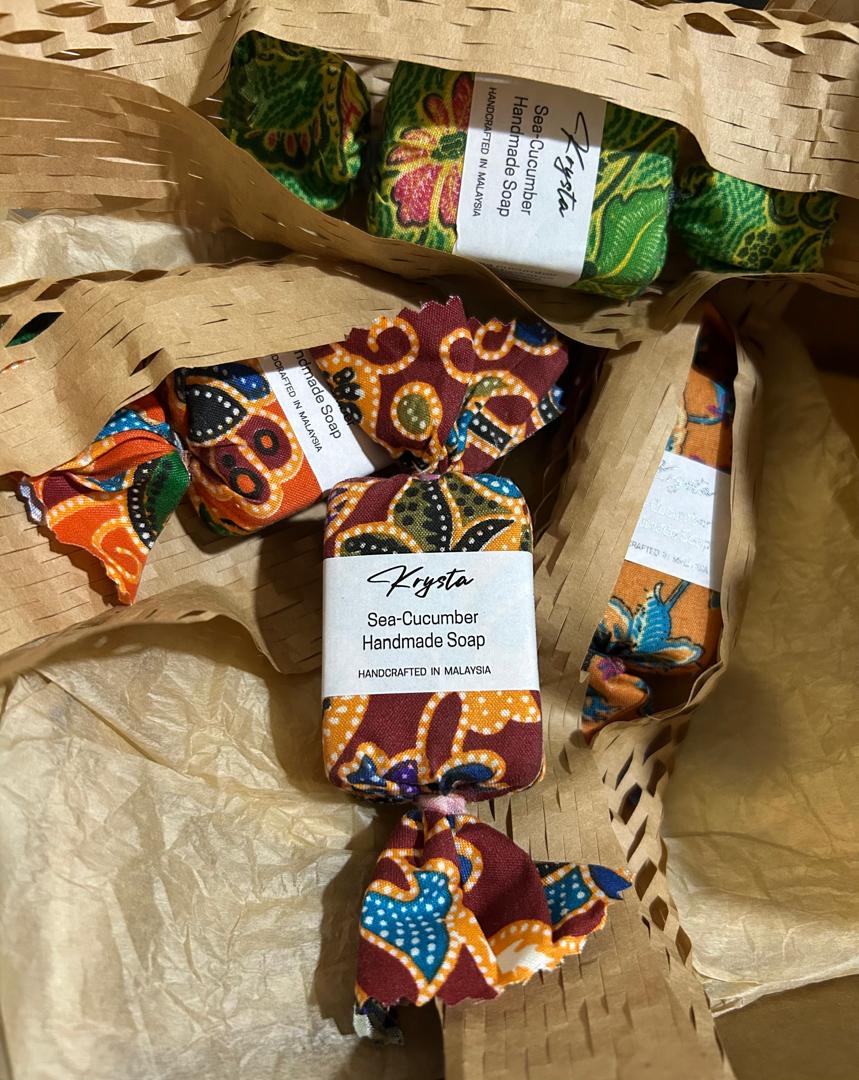
“As a gateway to the ethnic crafts and to suit various budgets, we stock different staples which bring in about RM5,000 to RM6,000 in sales a month,” she shares. Local brands such as Krysta which sells batik-wrapped soap bars scented with sea cucumber among other holiday mementos make about RM3,000 monthly, she adds.  

What Malaysian crafts at TAH have caught tourists’ eyes?  

“So far, we’ve found that visitors from China buy Malaysian batik items such as those made by Nyonya Kain in a myriad of hues and for various uses. Saudi travellers, however, prefer dark-coloured batik scarves. The Japanese love the miniature food replicas like Dawood’s Nasi Lemak Magnet while the Europeans and Australians go for the Sabahan and Sarawakian beadwork done by crafters like Artisans Malaysia,” observes Lee.  

With a small smile, she shares that TAH has made RM3mil in sales since it was founded, at least RM25,000 in monthly sales and that all proceeds go to the artisans. She says: “There is certainly a market for these craft items. And, we need to enable especially rural and remote artists to sell outside their local areas, and to the wider public. Every purchase supports a meaningful cause.”

Discover more stories

Ooops!
Generic Popup2