Window to the Past

ELLFIAN RAHIM | 4 December 2025
DESPITE its name, Kampung Attap is far from a traditional village with wooden houses and muddy roads. The ongoing revitalisation of historic buildings in this centrally located Kuala Lumpur neighbourhood has attracted independent art galleries, design studios, and cafes – an energy driven by both corporate and community initiatives, partnerships and events.

The area is bounded by Jalan Damansara, Jalan Istana, Jalan Maharajalela, and Jalan Dewan Bahasa, with the Klang River cutting through to the west. Some older buildings have been refurbished and repurposed, including the Zhongshan Building, now a vibrant art hub, and the famed Loke Yew family home, today known as Pentago House.

The light-yellow Pentago House, adorned with graffiti along Jalan Rotan, was built in 1912 by influential business tycoon Loke Yew, who played a significant role in Kuala Lumpur’s development. Once in a state of disrepair, the property was meticulously restored by the Pentago Group of Companies, a master planning, architecture and landscape consultancy, who now use it as both their office and gallery space.

“We were inspired by the building’s soul – its timber bones, brick textures and quiet dignity,” shares Wendy Khaw, Principal Director and founding member of Pentago. “We did not see decay but potential, a chance to let the original craftsmanship breathe again while layering in thoughtful contemporary design. Restoring the house allowed us to anchor innovation in history rather than erase it.”

During the fourth edition of Peszta in November – a festival spanning Pentago House, Sam Mansion and the Zhongshan Building – visitors could explore the space firsthand. Stepping in from the street, it’s clear that years of restoration have transformed Pentago House into a living, functioning work of art. History and contemporary creativity coexist seamlessly, offering both a window to the past and a bridge to the future.

The building had initially been approved for redevelopment into an 11-storey commercial property, but Pentago chose to preserve its original structure and cultural heritage. Sacred rituals representing Malaysia’s diverse faiths were conducted to bless the building. “We respect what was here before,” a guide explained during a tour of the facility at Peszta. “Whether it’s bricks, columns, or shutters, we embrace the past.”

Pentago directors Greg Dall and Khaw’s vision for the building extended beyond creating a functional office. Part of their effort has been to foster a practice that develops the mind, body and soul of city dwellers while nurturing the next generation of worldly Malaysians.

“Heritage is a living asset. Old buildings can and should serve contemporary needs; good design is about layering, not erasing; and preservation is ultimately a responsibility, not nostalgia,” Khaw explains. “Adaptive reuse lets us conserve embodied carbon, enrich the urban fabric, and invest culturally in the city’s future.”

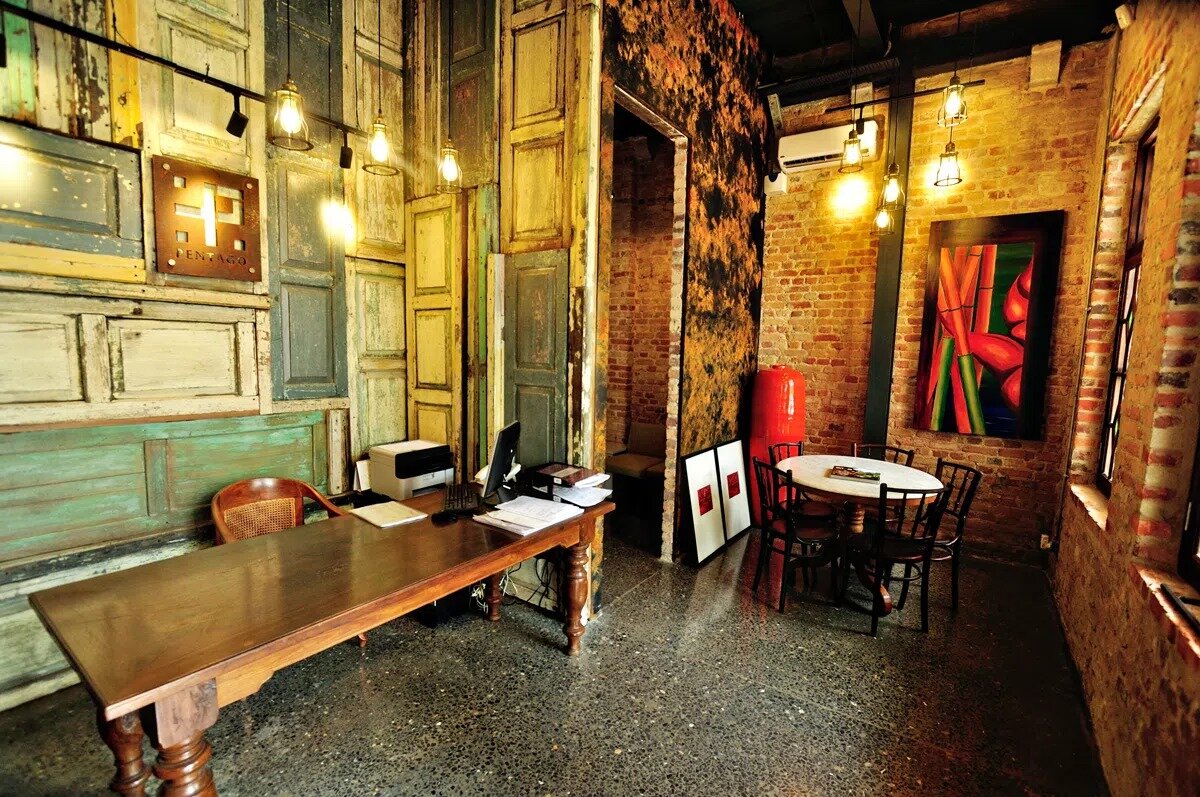
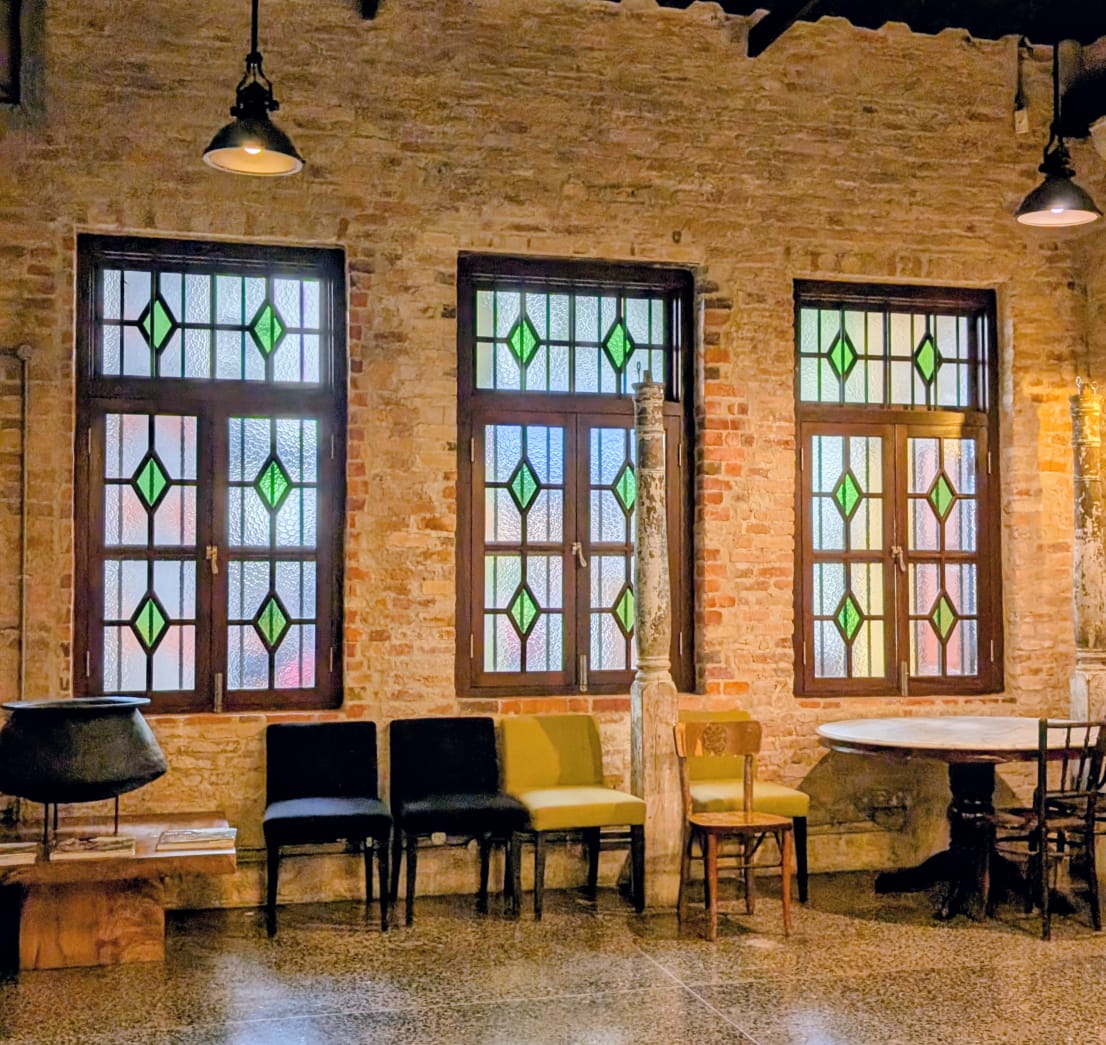
The original century-old timber – including doors and fittings – was repurposed into furniture and panels, and much of the brickwork was left intact. A traditional tradesman was engaged to rebuild the floors, shuttered windows, doors, and stairs in the style of a traditional Chinese shophouse.

A look at Pentago House's outer facade before (above) and after (below) the conservation effort. – Photos: Pentago


Balancing historical preservation with modern functionality did pose some challenges. “Adaptive reuse demands restraint, and every intervention had to respect the house’s original structure and materials. Lighting was another major consideration. Architects need bright, consistent illumination, yet we were determined not to compromise the building’s atmosphere. Ultimately, we shaped a workspace that meets contemporary needs while staying grounded in the building’s original character.”

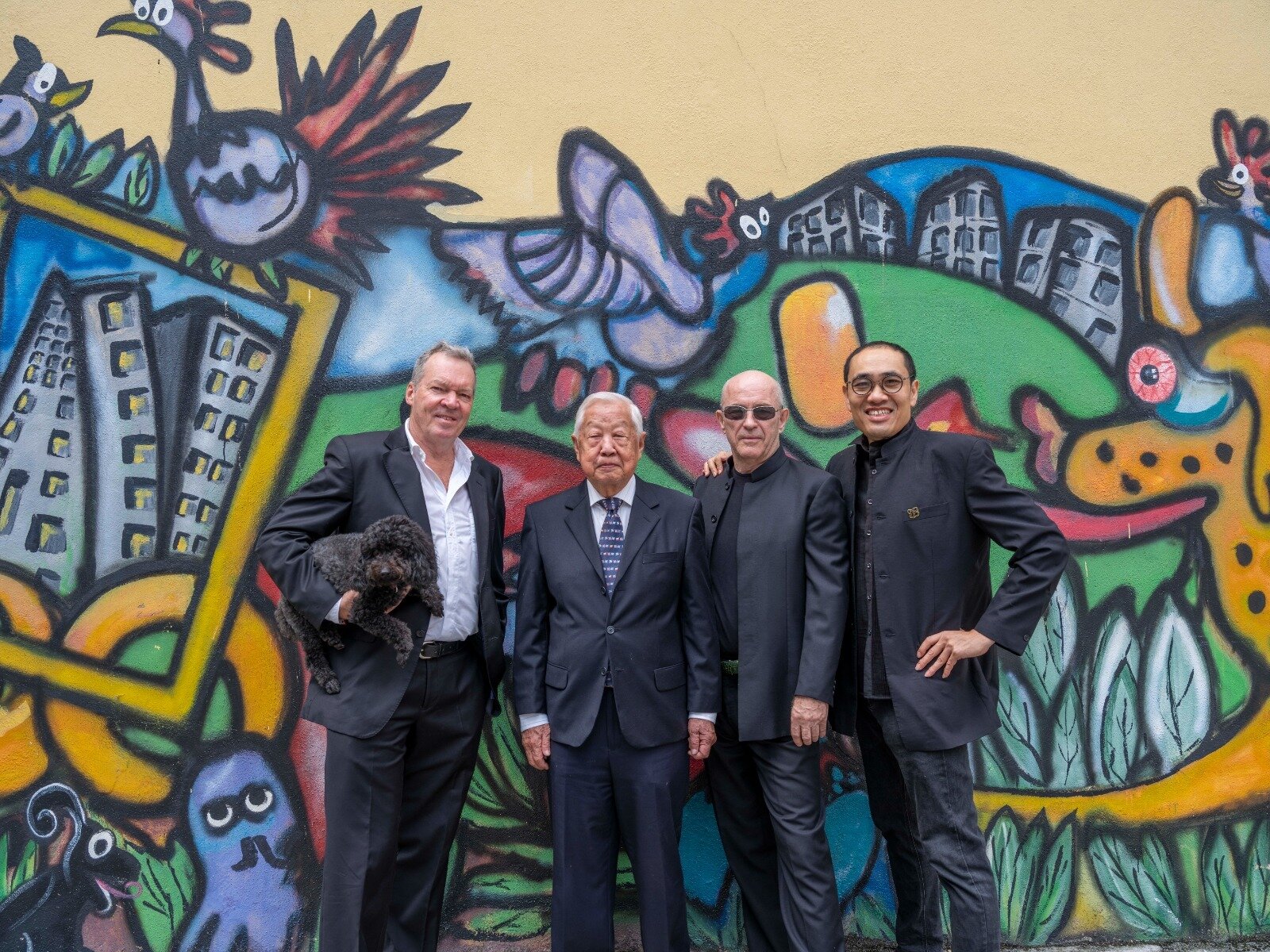
When you first enter, it’s clear that years of restoration have transformed Pentago House into a living, functioning work of art. A simple doorway opens into a hall with exposed brick walls and contemporary artwork, leading further into workstations and a rest area. The two-and-a-half-storey building now serves multiple roles: it remains Pentago’s main office while doubling as a gallery hosting exhibitions such as those by the “Four Sad Architects” – Greg Dall, Hijjas Kasturi, Nick Proud and Chong CC (pic below) – who occasionally trade blueprints for brushes to create paintings, sculptures and other works.

“Kampung Attap is evolving into a creative neighbourhood. Preserving Pentago House creates continuity for a community of artists, writers and young designers who gravitate toward places with authenticity and human scale,” Khaw says. “We also wanted Pentago House to act as living proof for responsible development – a demonstration of how old structures can be strengthened, reused and revitalised sustainably.”

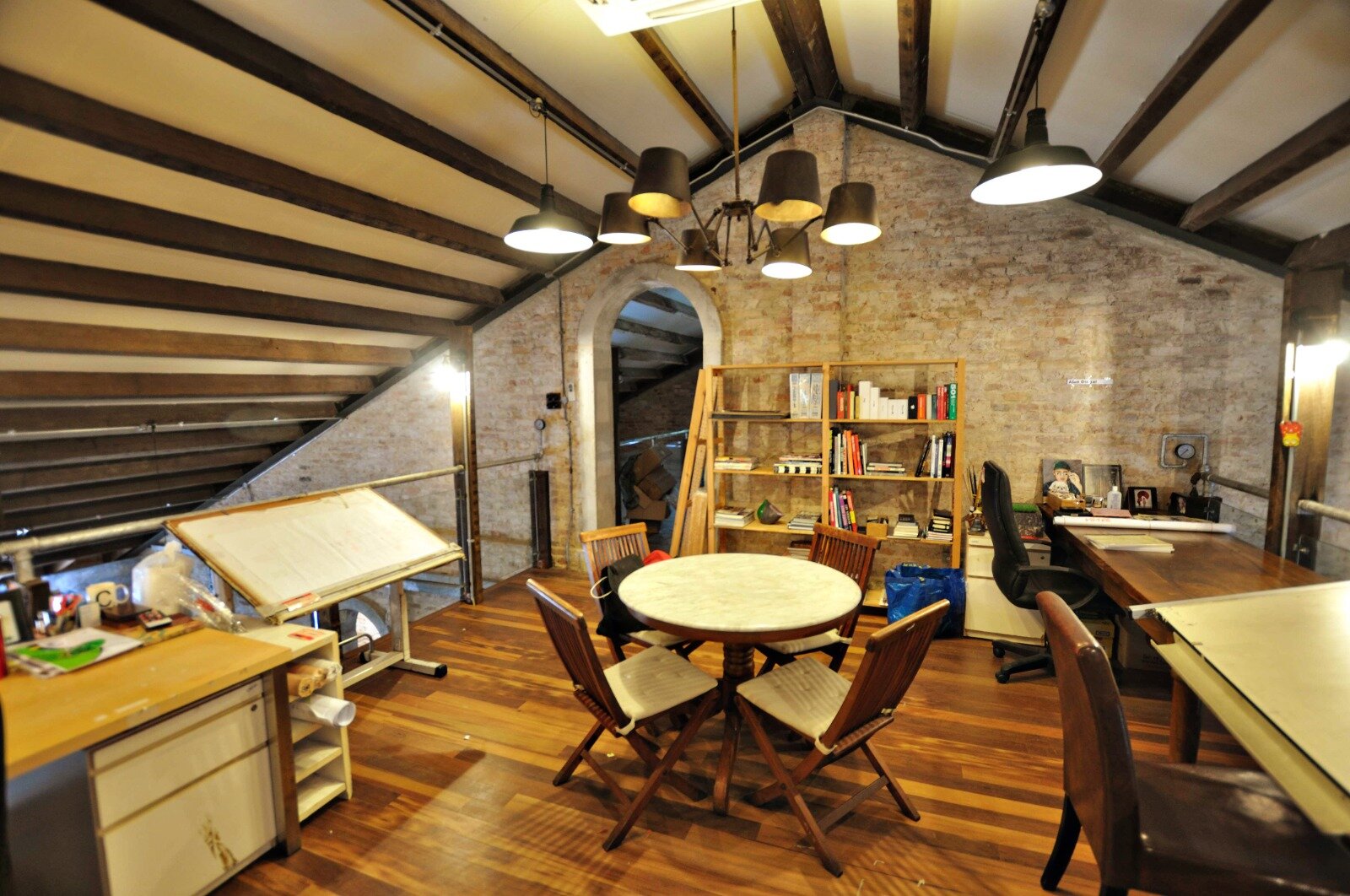
The interior blends industrial and tropical aesthetics, with open-concept spaces, sustainable materials and thoughtful integration of nature. Features like exposed bookshelves, recycled timber desks, and a “thinker’s den” overlooking the different floors create a strong connection between indoors and outdoors, maximising natural light and ventilation.

Asked about her favourite part of the house, Khaw doesn’t hesitate: “The courtyard– it’s the heart of the house. The diverse planting creates a small ecosystem that feels both wild and intentional, and the recycled timber table and bench give the space a soulfulness that feels lived-in. It’s a simple space, but it captures everything we care about: nature, material honesty, and the beauty of reuse.”

Kampung Attap’s gentle cultural renaissance has made Pentago House a creative anchor. “We designed the space to be porous – open to artists, designers, residents, and people from all walks of life, regardless of background or status,” Khaw says. “From the ‘Four Sad Architects’ exhibition series to talks, workshops and intimate gatherings, the house has become a platform for conversation, experimentation, and community connection. Our graffiti wall has even become a small neighbourhood landmark, reflecting Kampung Attap’s evolving creative identity.”

A look back at the conservation journey of Pentago House, as the restoration team breathed new life into every brick, beam and space.  –  Video: Pentago Group YouTube Channel

Discover more stories

Ooops!
Generic Popup2