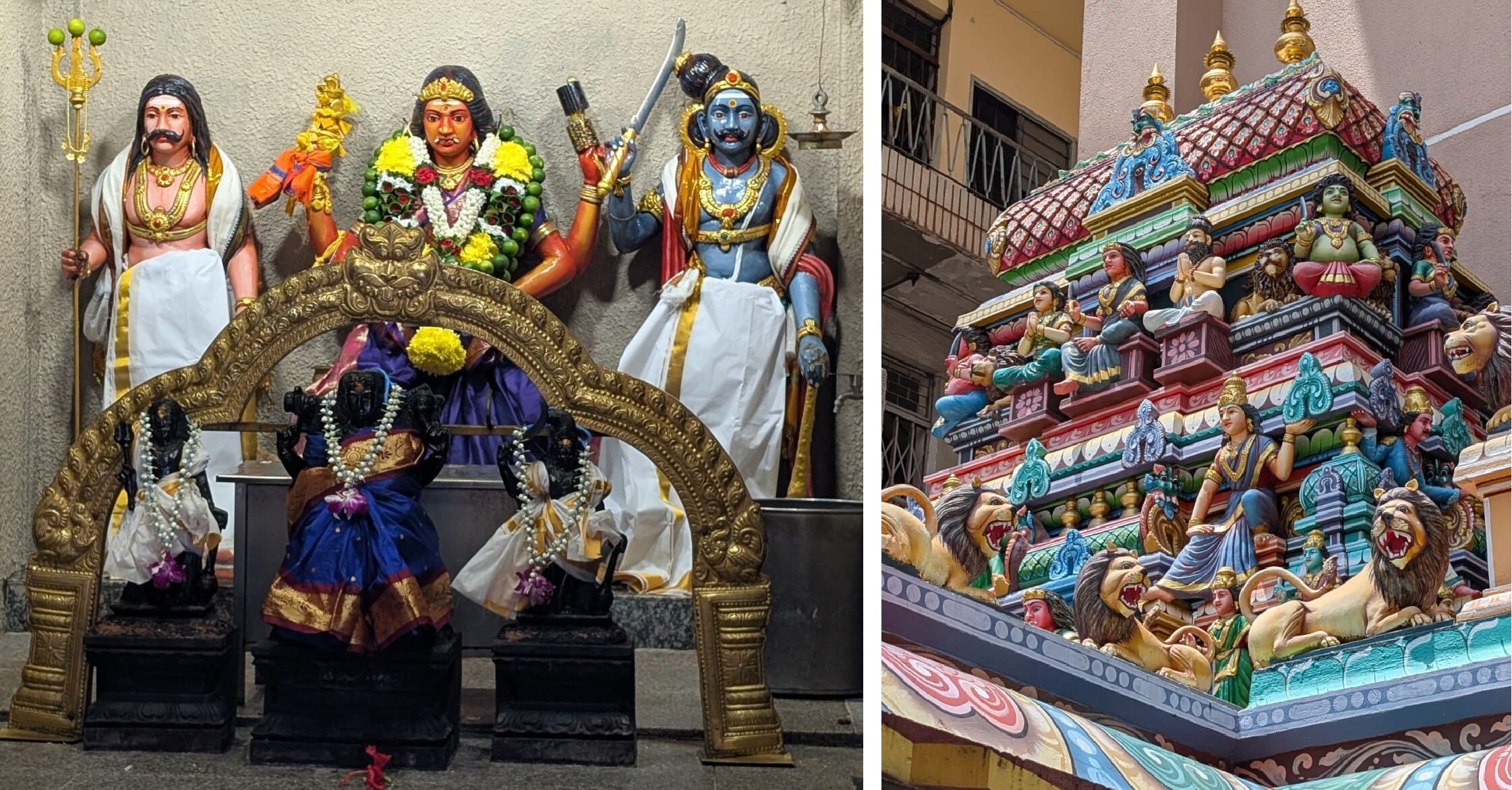
A Temple of Light Amid the City’s Glow

SOFIA SHAMSUNAHAR | 19 October 2025
LOOKING to feel the energy of this upcoming Deepavali? The Sri Maha Mariamman Temple on Jalan Tun H.S. Lee in downtown Kuala Lumpur may be just the place.

Tucked between buildings in Chinatown, the temple sits in an intriguing neighbourhood that captures Malaysia’s multicultural soul – the Guan Di taoist temple down the road, hipster cafés nearby, and the ever-busy Central Market just a short walk away.

Founded in 1873, Sri Maha Mariamman is the oldest Hindu temple in Malaysia – and perhaps even the reason why Deepavali came to be celebrated in temples across the country.

According to temple secretary Sethu Pathy Cumarasamy, Indian migrants who came to Malaya to work on rubber plantations, railroads and in the Public Works Department gathered here to pray for Deepavali.

“Sri Maha Mariamman Temple is considered the ‘mother’ temple in this country. Ever since we were established in 1873, we’ve been the pioneers of celebrating Deepavali in the temple,” says Cumarasamy.

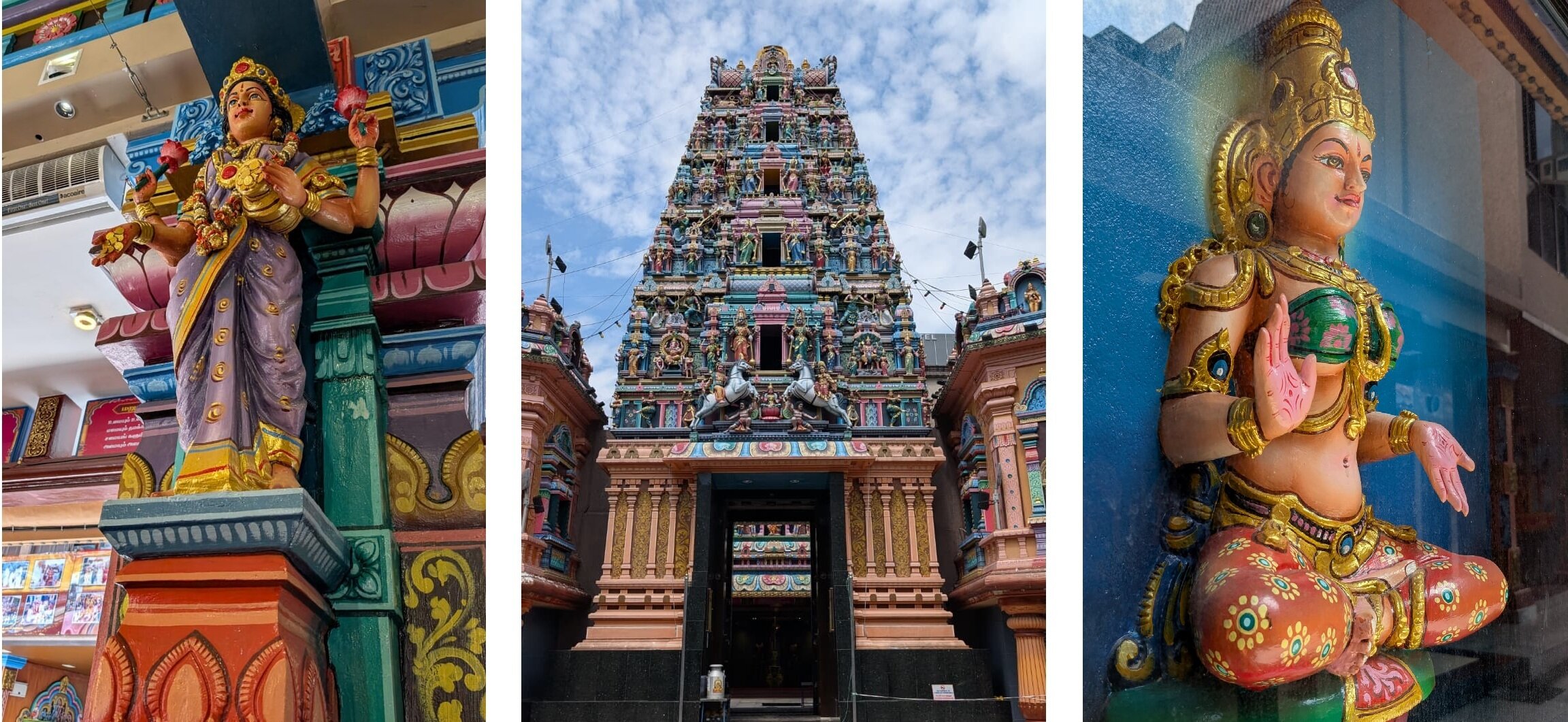
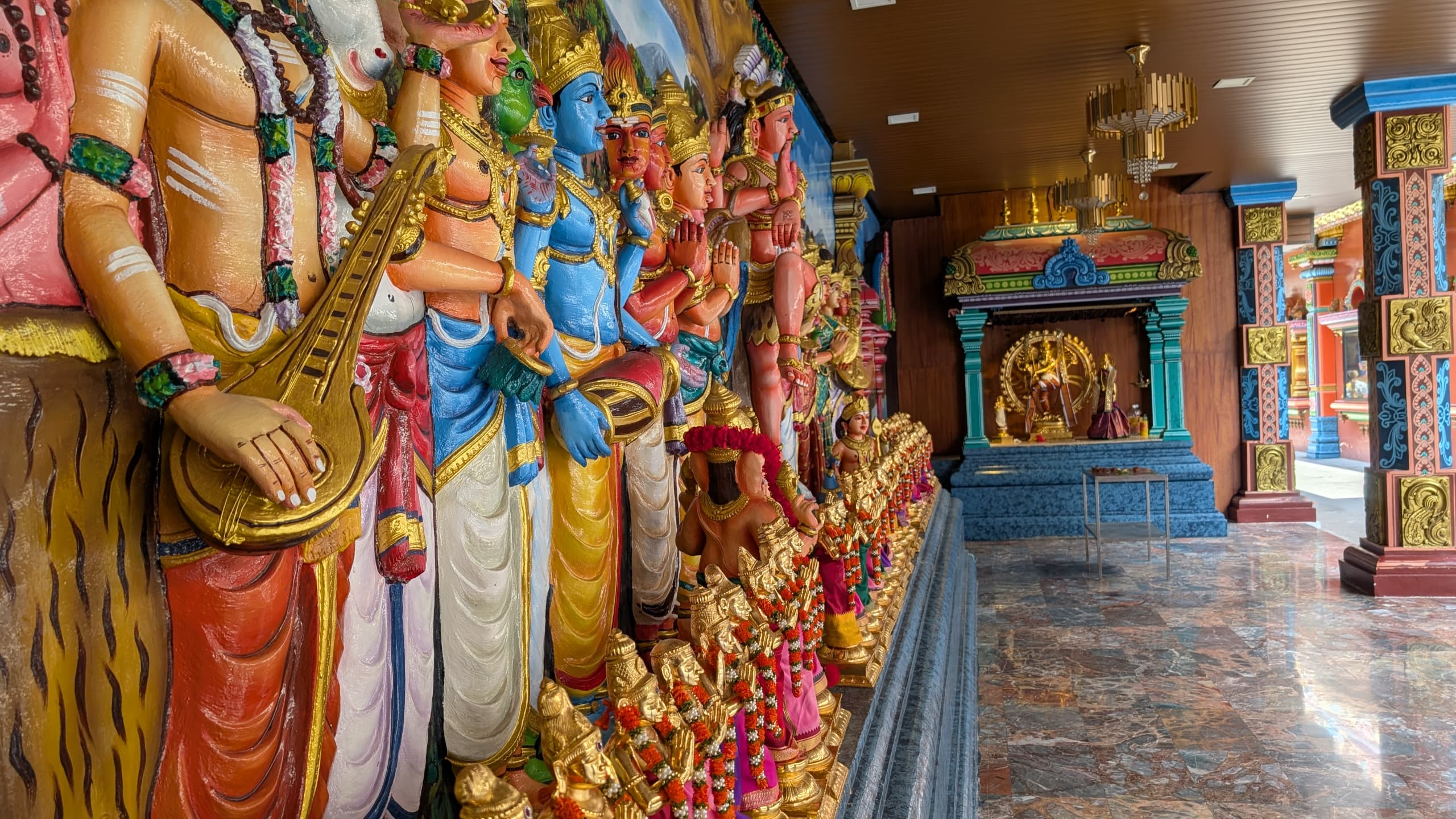
The Sri Maha Mariamman Temple’s towering gopuram (centre), built in the South Indian style, features intricately carved deities and mythical figures across its five tiers, while the temple’s interior dazzles with vibrant murals, frescos and ornamental details that bring Hindu mythology to life.

Preparing for the Festival of Lights


Two weeks before Deepavali, the temple begins its transformation. Decorative lights are strung up – an essential ritual, since Deepavali is, after all, the festival of lights.

In the days leading up to the celebration, special pujas (acts of worship) are performed in honour of the festival. These take place outside the temple’s regular prayer schedule, accompanied by the thorough cleaning and decorating of the temple in preparation for the big day.

A day before Deepavali, a banana tree – complete with its fruits – is tied outside the entrance, a custom performed at all auspicious Hindu events.

“The banana tree is a symbol of the growth of our generation,” explains Cumarasamy. Inside, priests and devotees prepare for the abishegam, where statues of deities are bathed in water, milk, sugar cane juice and fragrant offerings – a ritual that renews both space and spirit.

Valli, 76, sits outside the temple every day, her hands deftly threading jasmine, orchids and chrysantemums into fragrant garlands. She starts at 10am, crafting around 10 bags daily — a familiar, gentle presence beside her nephew amidst the temple’s bustle and devotion.

Tradition Meets the Modern City
If you stand outside the temple and look up, you’ll see the impressive 22.9-metre, five-tiered gopuram, with over 200 colourful deities and carvings rising skyward. From certain angles, it appears framed against the soaring Merdeka 118 — the 678.9-metre-tall skyscraper that symbolises Malaysia’s progress and independence while overlooking the city’s historic core.

The juxtaposition is striking – the old and sacred beside the new and ambitious – and prompts the question of whether the Sri Maha Mariamman Temple is able to keep up with the modernisation of the city? 

“In terms of rituals, there are no changes. We’re practising the same way we did a hundred years ago. But as the numbers grow, we have to accommodate and adapt to the environment and times,” says Cumarasamy.

That adaptation is visible in small but meaningful ways. Where kerosene lamps once glowed, colourful electric lights now illuminate the temple. Devotees, too, reflect changing times – their attire now influenced by modern fashion.

“Last time, they would wear saris and chudithars. Now there are so many types and colours. Movies have influenced the styles people choose,” Cumarasamy adds.

Temple Experience

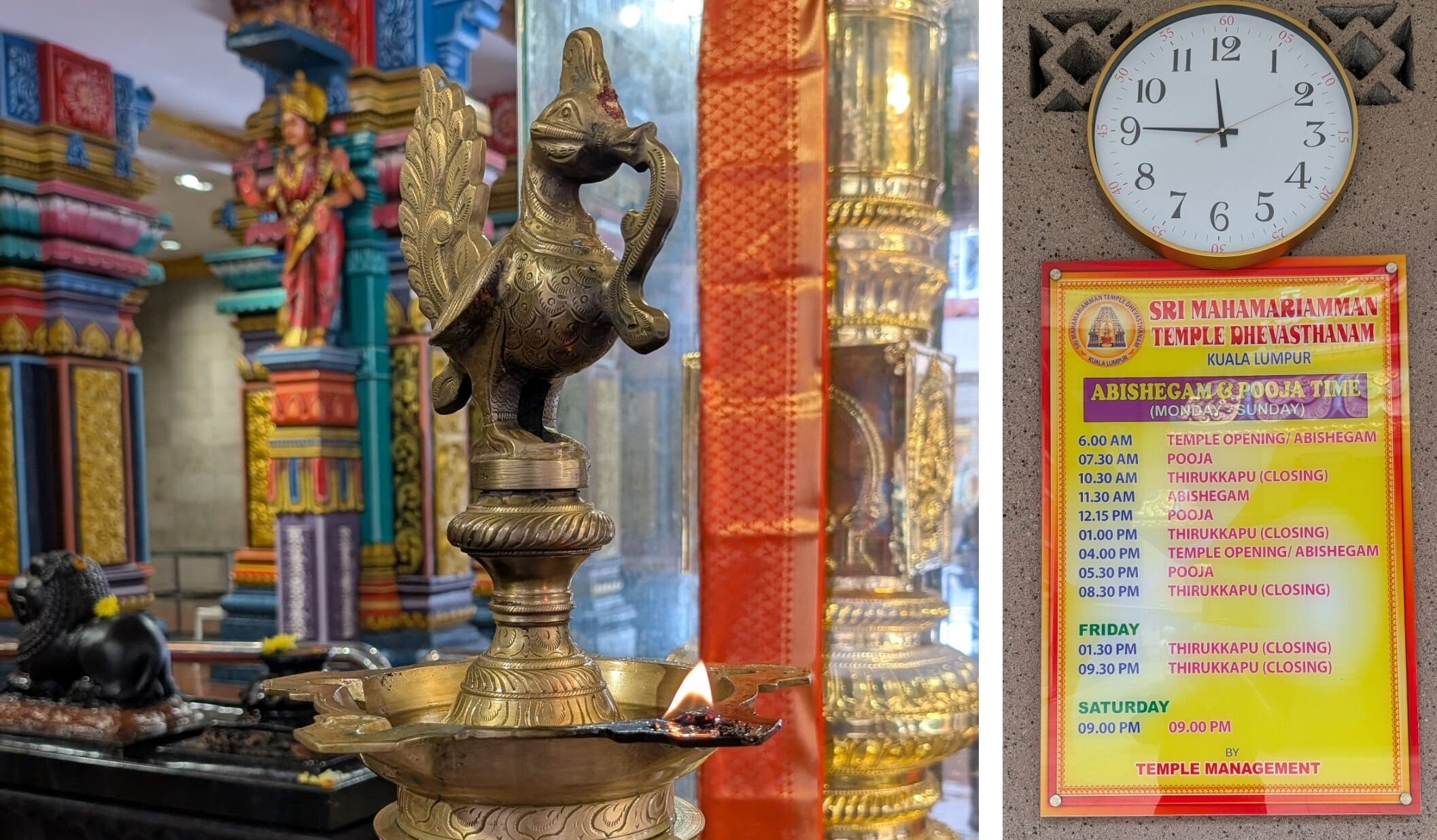
Despite modern touches, the temple’s traditional and historical soul remains intact. The daily abishegam and poojas, where Sanskrit mantras are chanted, continue just as they have for generations.

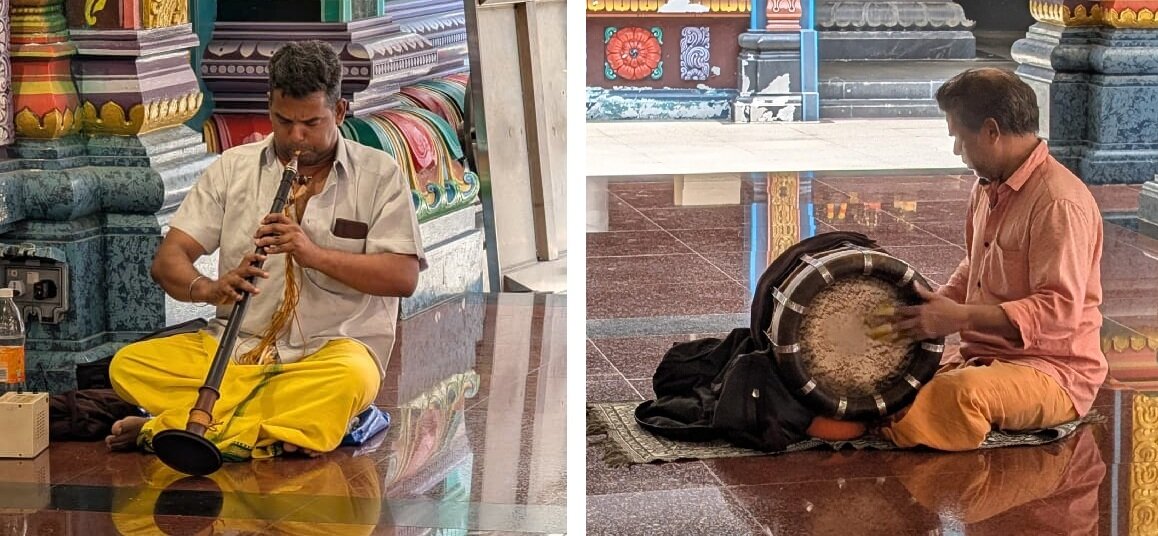
The rhythmic sounds of the nadaswaram (double reed wind instrument) and thavil (barrel drum) fill the air, creating an atmosphere both meditative and powerful. One of the temple’s pandits explains that it is these mantras that bring a sense of calm and peace to those who step inside. 

Vengadesan, a nadaswaram player who has performed at various temples for years, shares that he has memorised thousands of devotional tunes used in the daily prayers, and how each raga has its moment and helps people feel connected.

Temple musicians fill the air with sacred rhythm — the deep thavil drum (right) and piercing nadaswaram flute guiding devotees in prayer and celebration.

Visiting During Deepavali
Experience the place which pioneered celebrating Deepavali in temples in Kuala Lumpur, this Deepavali. Come dressed in new clothes – a festival tradition that symbolises the triumph of good over evil.

Around 3,000 devotees are expected to gather during the festival prayers. To ensure safety and order, the temple hires additional security and welcomes volunteers to help manage the crowds.
Everyone, regardless of background or belief, is welcome to visit – as long as you remove your shoes and cover your shoulders. 

“We welcome everybody. We want to show that Malaysia is a multi-racial and multi-ethnic country. We expect tourists to respect the religious sensitivity of the place,” Cumarasamy says. 

As skyscrapers rise around it, the Sri Maha Mariamman Temple remains a sanctuary of light – a place where centuries-old rituals continue to thrive amidst a rapidly changing city. For those seeking to feel the true spirit of Deepavali, this historic temple offers not just a glimpse of faith, but a living connection to Kuala Lumpur’s enduring heritage.

Sri Maha Mariamman Temple
Address: 163, Jalan Tun H.S. Lee, Kuala Lumpur (Short walk from Pasar Seni MRT/LRT and Central Market)
Opening hours: 6am to 8.30pm daily (with scheduled times for Pooja, Abishegam and Thirukkapu prayers). Note: Photography is allowed in some areas; always ask before taking photos of rituals or devotees.

Discover more stories

Ooops!
Generic Popup2